


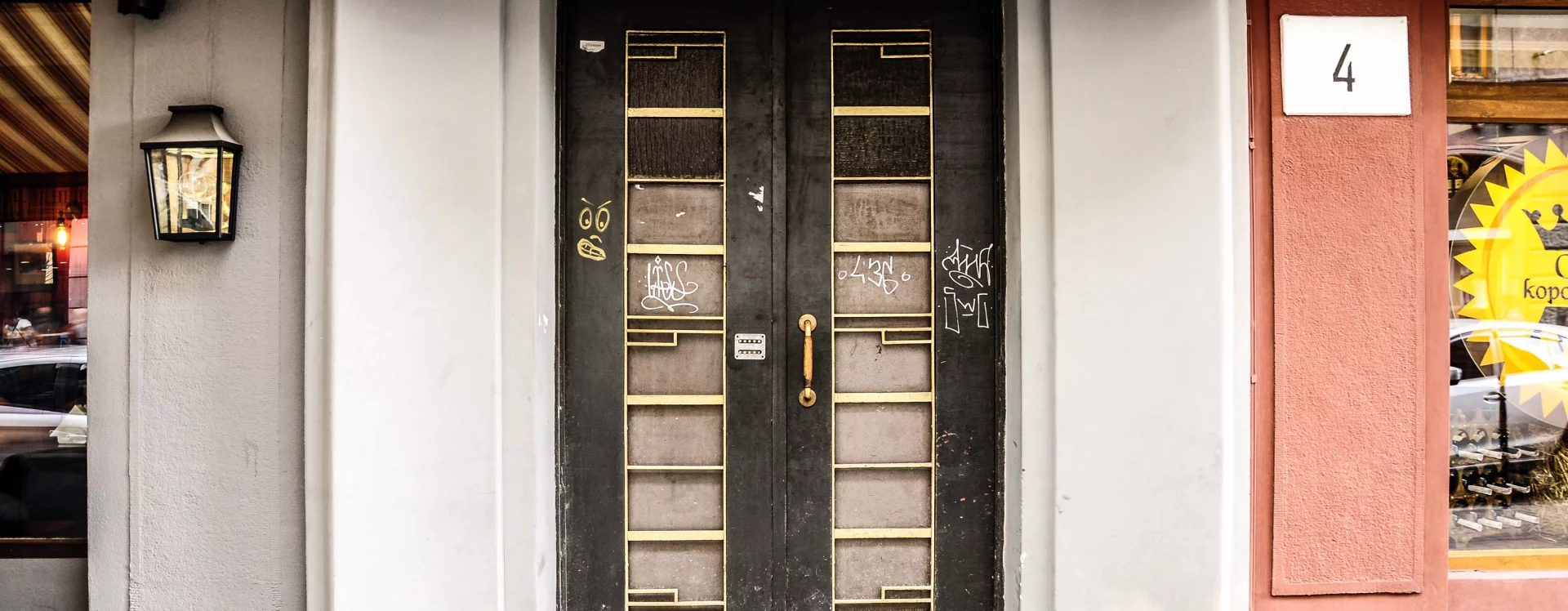

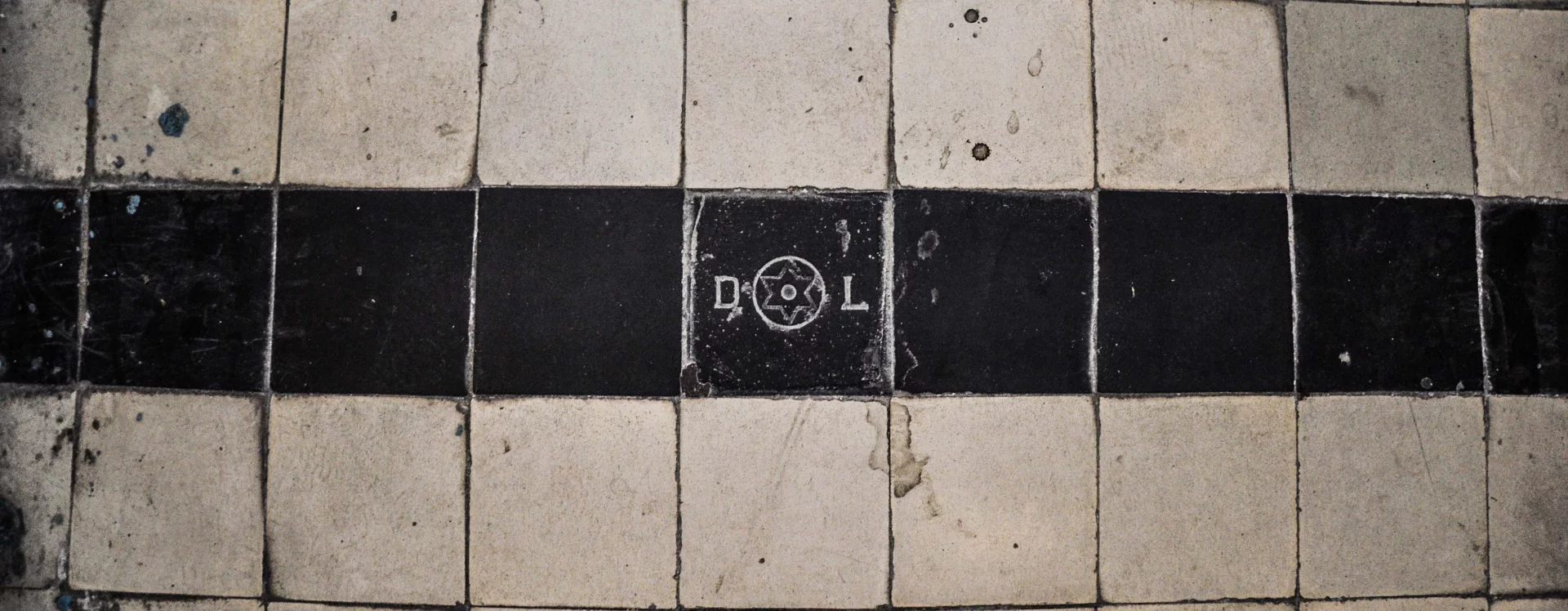
The house was built between 1935 and 1938 according to the design of the famous Lviv architect Józef Awin. The building is made in pure functionalist forms. You immediately feel the German architectural school, which predicted minimalism and loved the correct geometric shapes of facades. It’s not accidental, because the designer had a diploma from the Technical University of Munich.
The house was commissioned by the Leon Silberstein Foundation. The building was planned for poor disabled orphans of Jewish origin. This was to be evidenced by a table that was supposed to hang on the facade of the building, according to the design. However, it is not fully known why the city authorities took such an investment unfavourably. According to the official version, the building’s design was too modern in comparison with the luxurious older architecture of neighbouring buildings, and moreover in the very heart of the city.
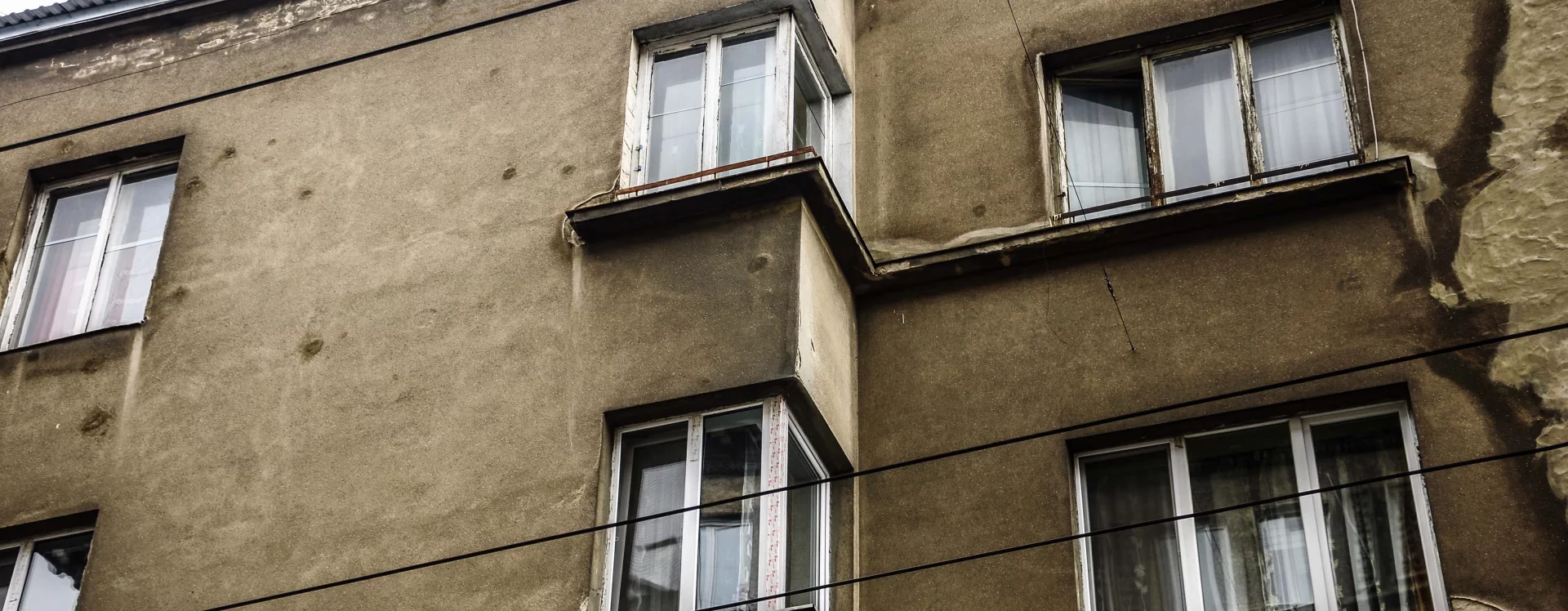
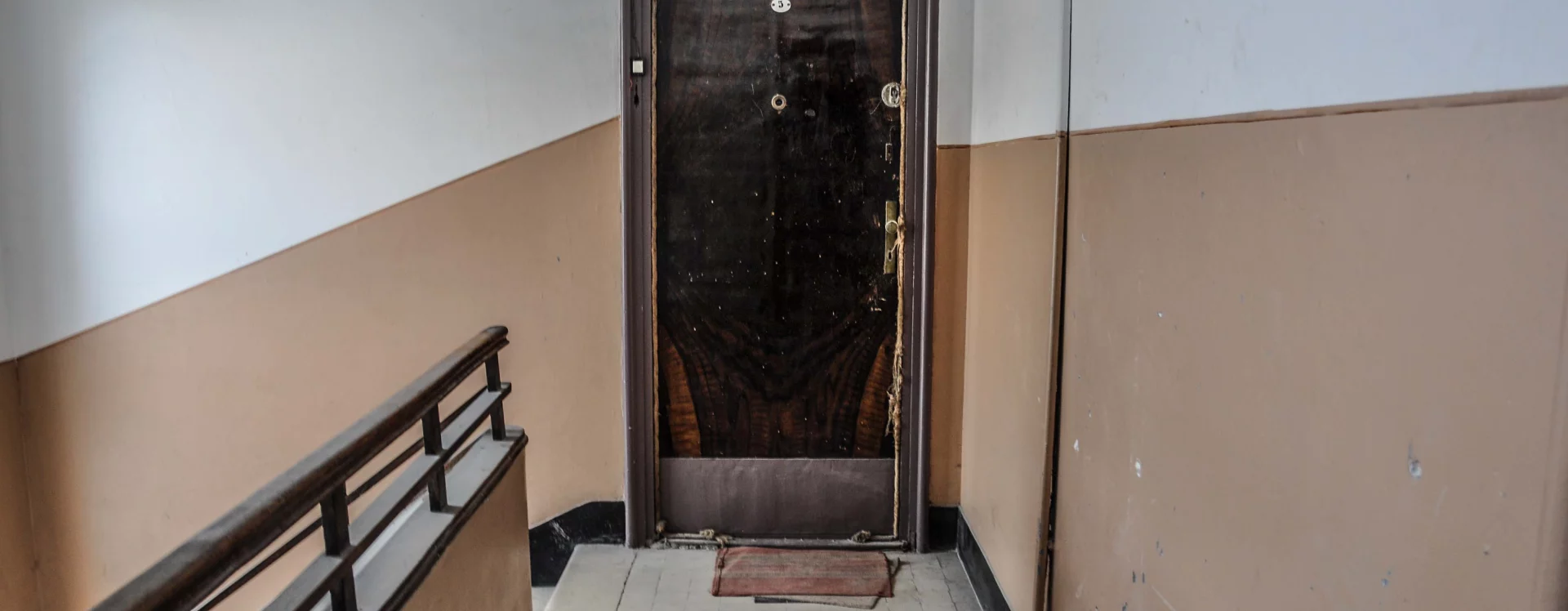
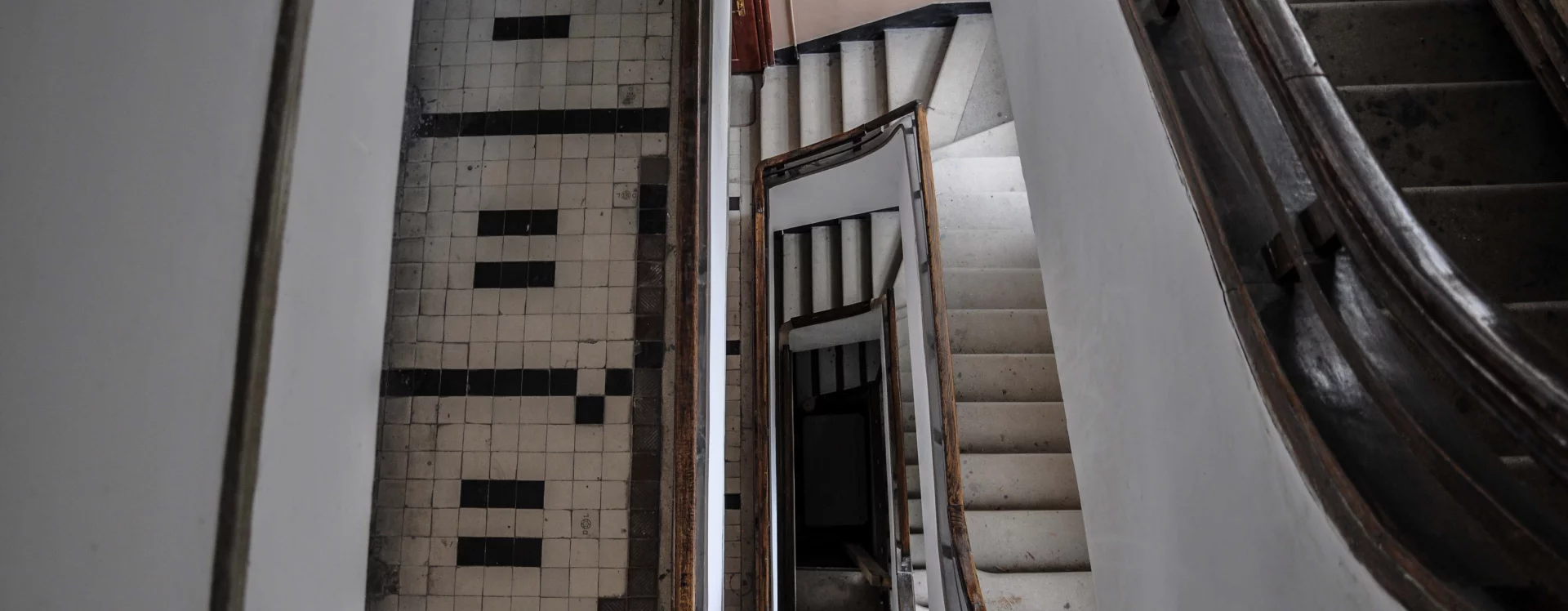
In the context of the late 1930s and a large number of similar modernist projects already built in Lviv, such remarks may sound quite strange, because society had already got used to the new architecture. Who knows, maybe the intended purpose of the building was also the ground of the quarrel... After all, at the end of the 1930s, anti-Semitic sentiments were growing in Poland. So, a real war on paper was taking place between Awin, the city authorities and the residents of the neighbouring fashionable tenements. The city administration received many complaints and letters of protest regarding the construction of this building. In this bitter dispute, the architect cited examples of modernist architecture in other European cities. All the innovations that the whole world began to admire at that time: ribbon and corner windows, rounded corner windows, a risalit protruding and hanging over the parterre. All these modernist forms were embodied in the building and were criticised by city officials and citizens. A long dispute and uncertainty concerning one of the biggest projects in his life undermined Józef Awin’s health. A few years later, one of the most talented Lviv architects died in Janowski concentration camp. As for the Silberstein Foundation, it had never received a permit from the local authorities to settle orphans in the newly built tenement, so the building was sold, which immediately resolved all the problems and disputes. One can see from the floor plan that the house got two three-room apartments on each floor. Later, it was decided to use the building as a residence and rent it out, but the trace of the projected table of the unsettled orphanage has remained on the tenement to this day. Today, Awin’s building is not experiencing its best times. You can see that the plaster is falling from the facade. Some apartment owners got rid of the original window joinery. In the entrance hall, the stairs are breaking, and the wooden handrails are disappearing. Not all local residents are interested in preserving either the style or the history of the building. Now Awin’s building can be destroyed not by disputes, but by indifference.
Myroslava Liakhovych