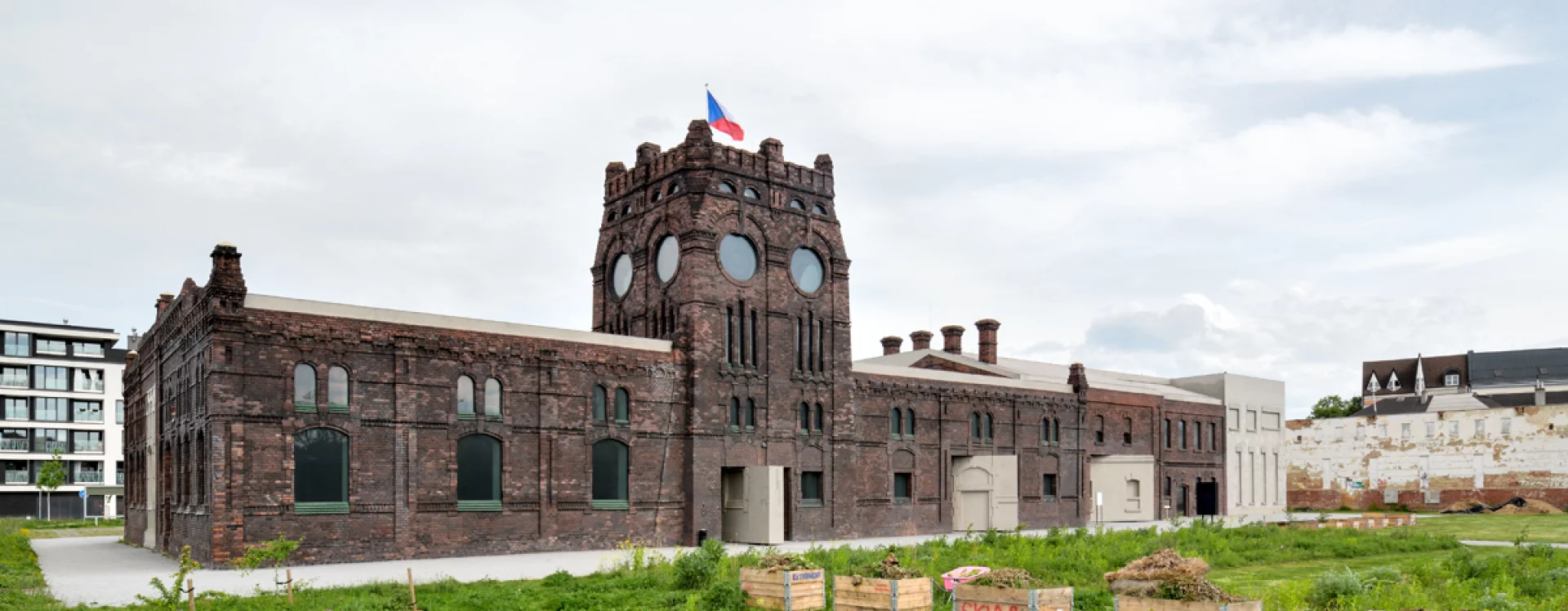
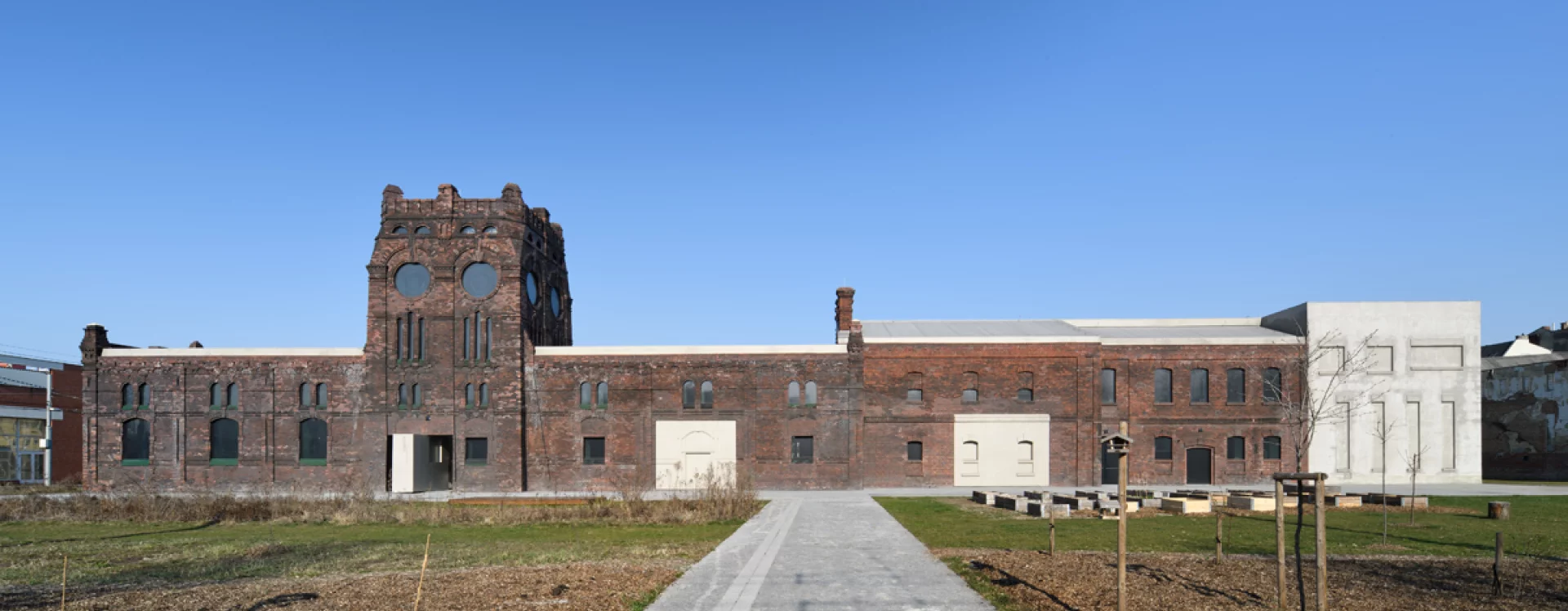
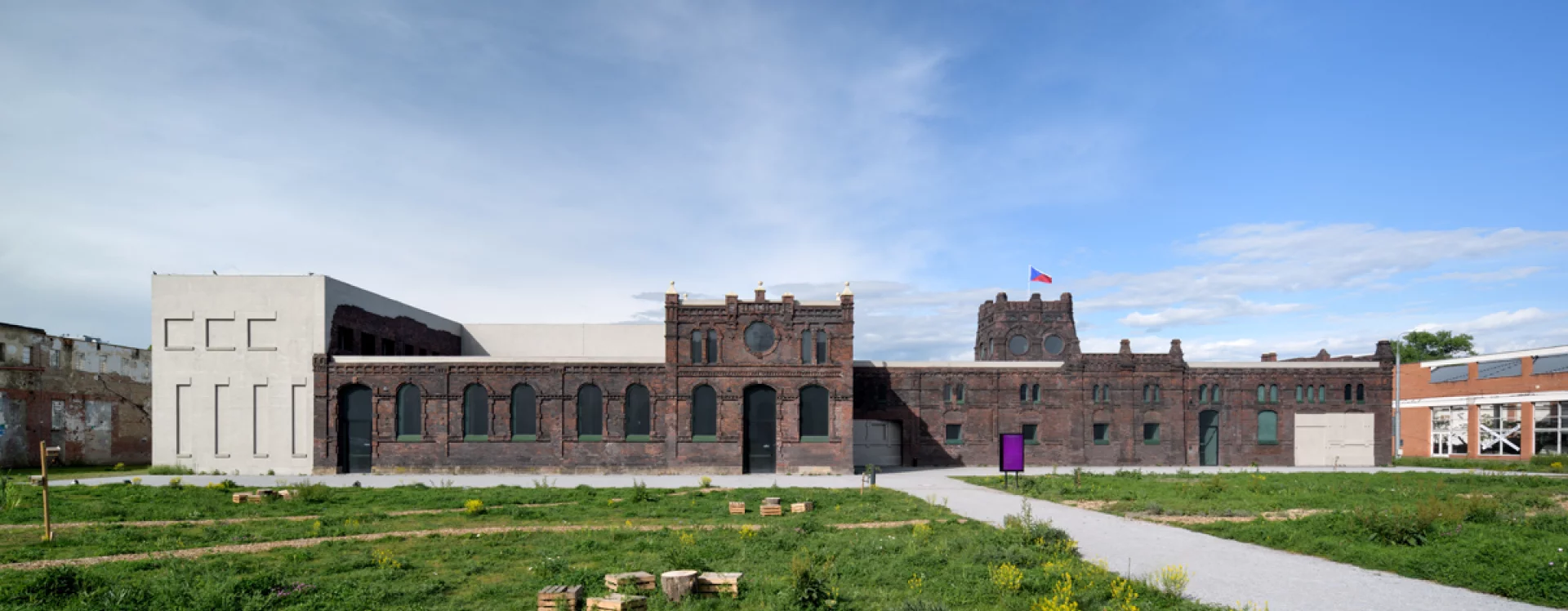
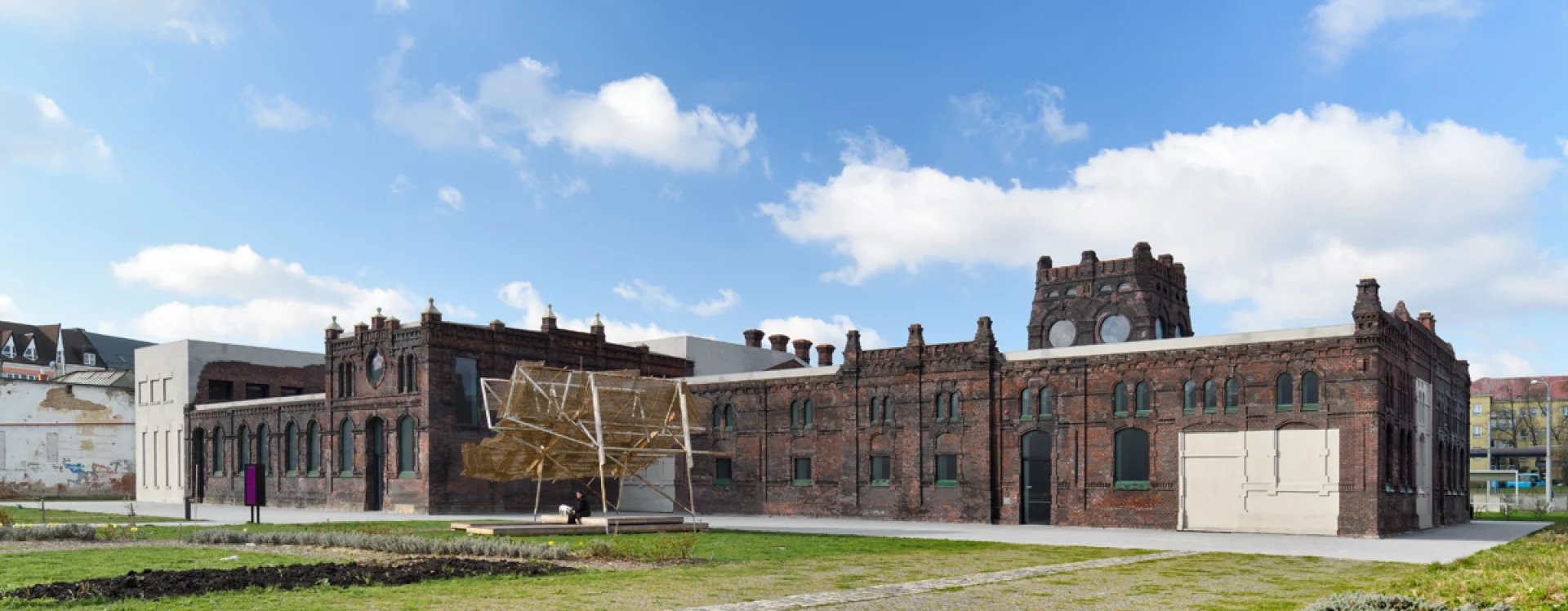
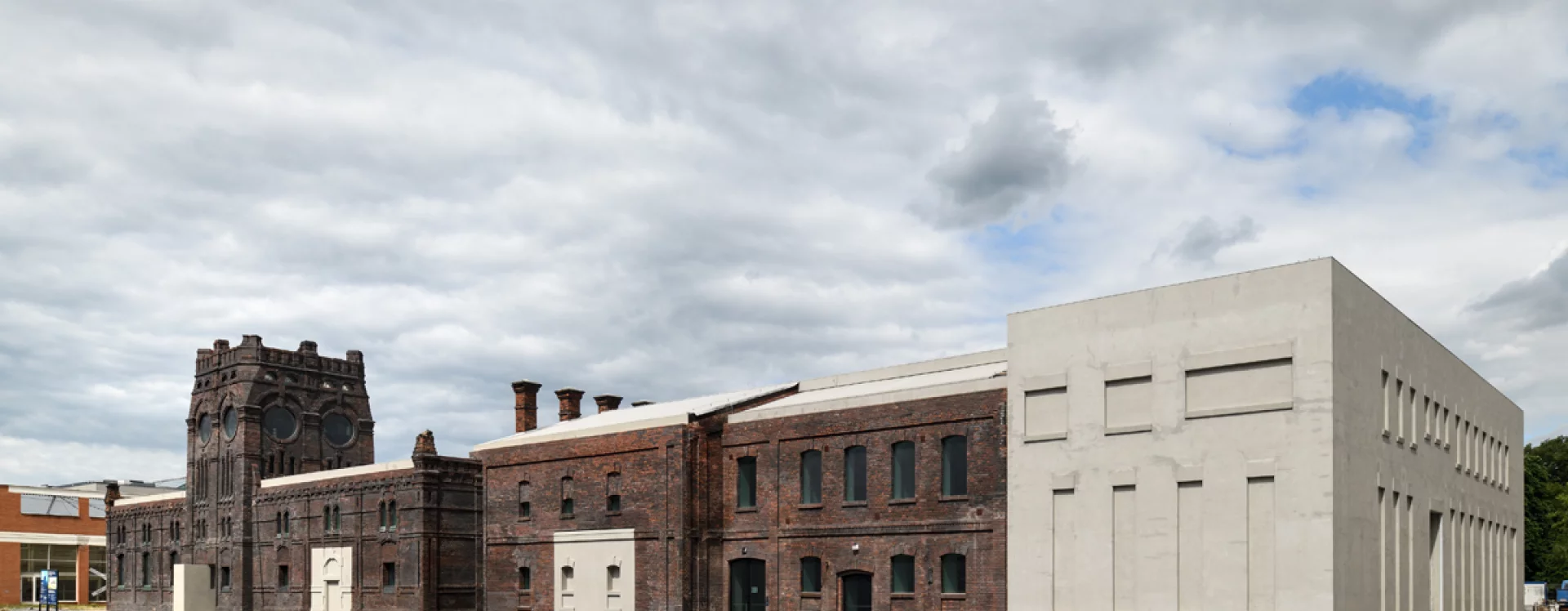
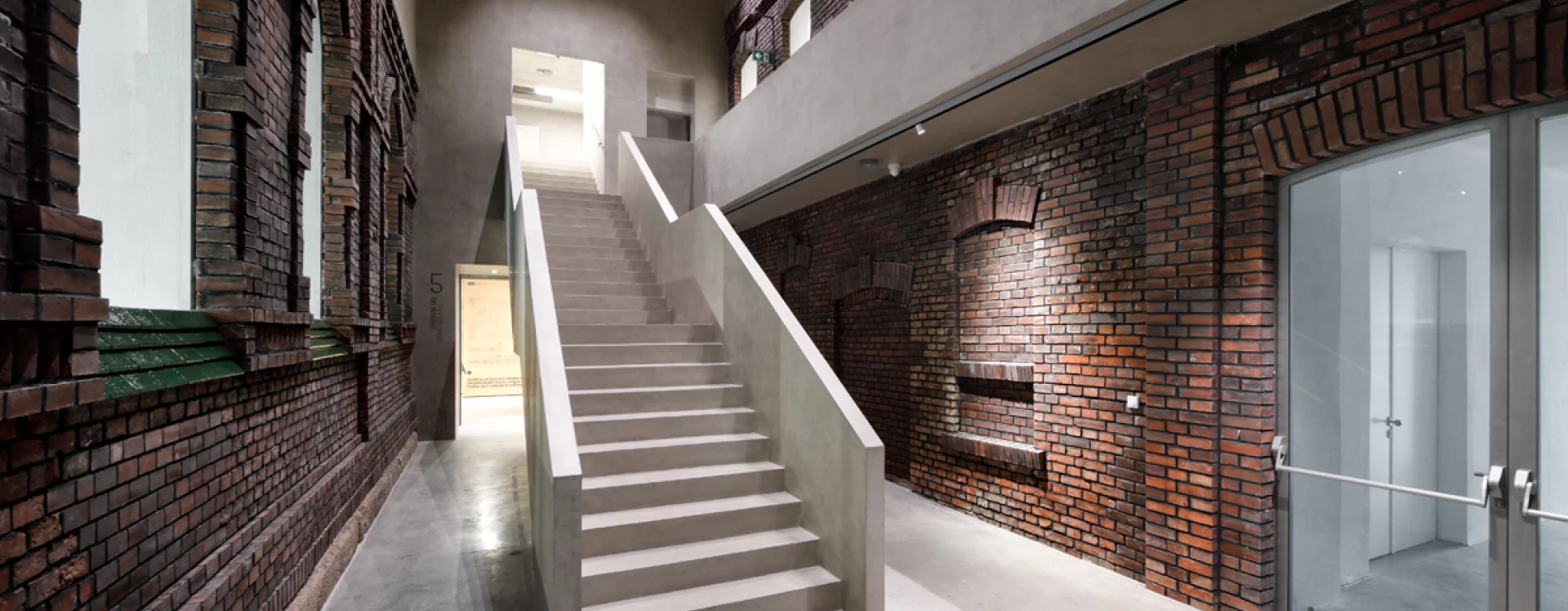
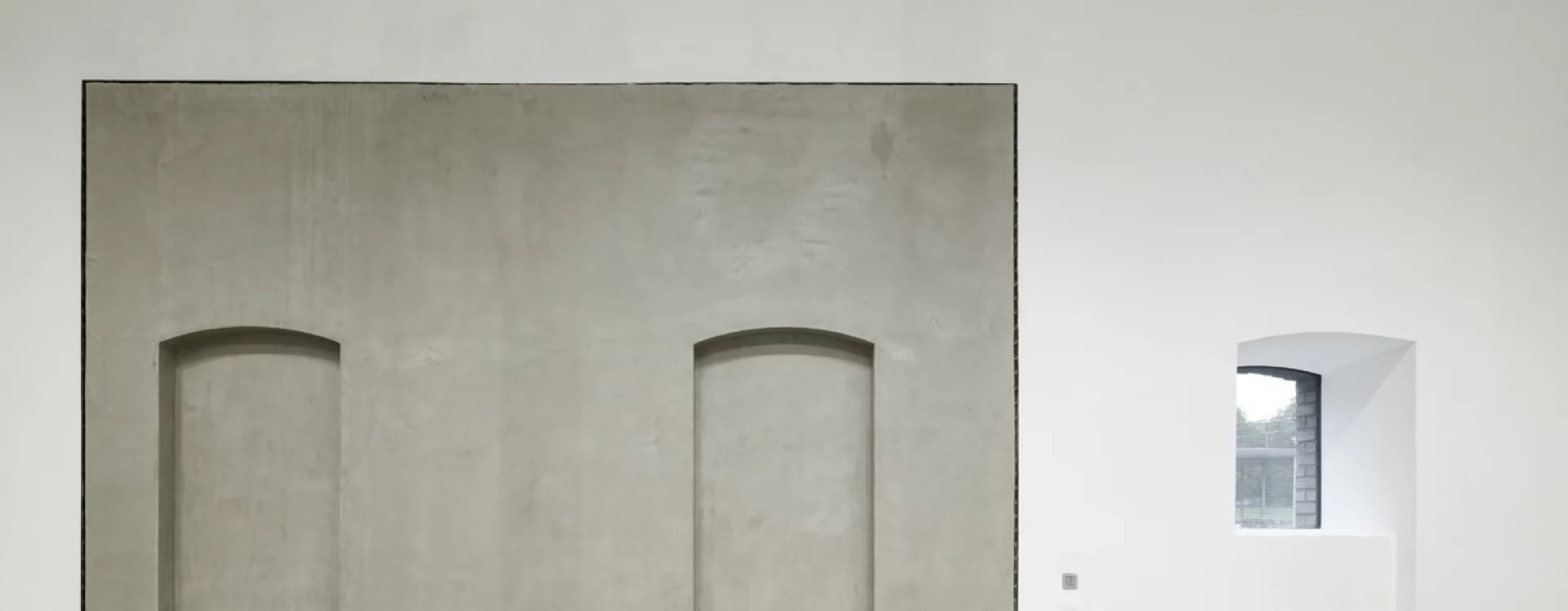
PLATO City Gallery of Contemporary Art in Ostrava, dedicated to presenting current trends in art, is a remarkable example of the conversion of industrial architecture. It is situated in former municipal slaughterhouses of Moravská Ostrava on what has until now remained a peripheral edge of central Ostrava. The project was carried out to a design by the Polish architect Robert Konieczny (1969), a graduate in architecture from the Silesian University of Technology in Gliwice, and his Katowice-based studio KWK Promes in Upper Silesia. In early 2024, the conversion of the municipal slaughterhouses for the needs of PLATO was selected as one of the five finalists for the European Union Prize for Contemporary Architecture – Mies van der Rohe Award.
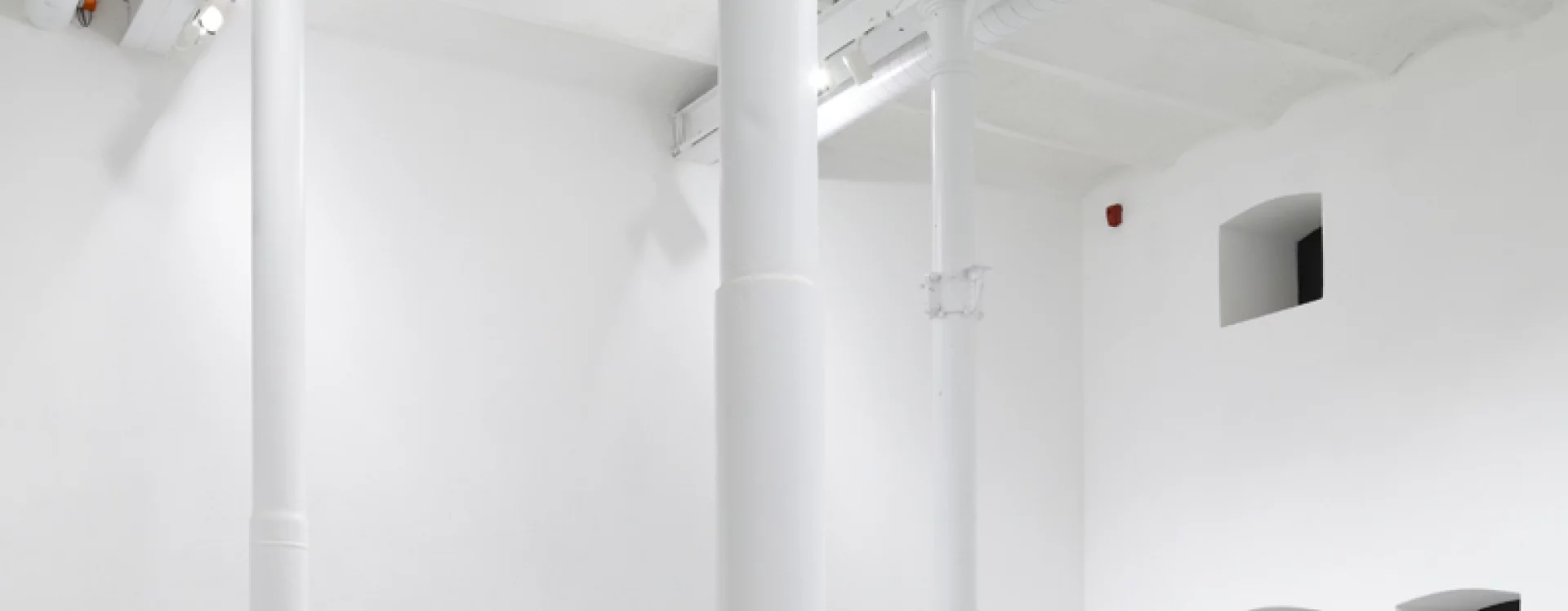
The buildings of PLATO have retained the characteristic appearance of industrial structures from the turn of the nineteenth and twentieth centuries, when such buildings were constructed in brick masonry, in the Ostrava region predominantly in exposed brick. These structures typically combined brickwork with metal, stone, or timber elements and construction systems. This is evident in the organically accreted group of what were once separate buildings making up today’s gallery, with their austere but also decoratively articulated exposed-brick façades, cast-iron columns in parts of the interior, and segmental vaults spanning iron beams. The municipal slaughterhouses of Moravská Ostrava were established next to barns and a municipal inn and developed on the town’s periphery, well connected to the railway network by the Frýdlant railway line, opened in 1871.
The oldest surviving part is the old refrigeration building, erected in 1891 in brick masonry with restrained façades articulated by rectangular windows with segmental arches. Its largest, two-storey section contained the cooling hall with cast-iron columns extending through both floors. The remaining parts housed the engine room, a flat, the space for the refrigeration equipment, and the boiler room. The refrigeration building was designed by the Brno firm Brand & Lhuillier, which also supplied all the equipment. The cast-iron columns and boilers came from the Vítkovice Ironworks, while the actual construction work was carried out by the Ostrava builder Clemens Hladisch. The later additions dating from 1902–1903 are the tower, the new refrigeration building, the boiler room, the engine room, and the pig slaughterhouse. They all have richly articulated historicising façades of exposed brick and were designed by the architect Anton Möller (1864–1927) from Varnsdorf, a specialist in slaughterhouse complexes in the former Austro-Hungarian Empire. The pig slaughterhouse itself was built by the firm of Vincenc Heinz and Gustav Kulka from Moravská Ostrava, while the new refrigeration building was constructed by the Ostrava builder Ignaz Felix.
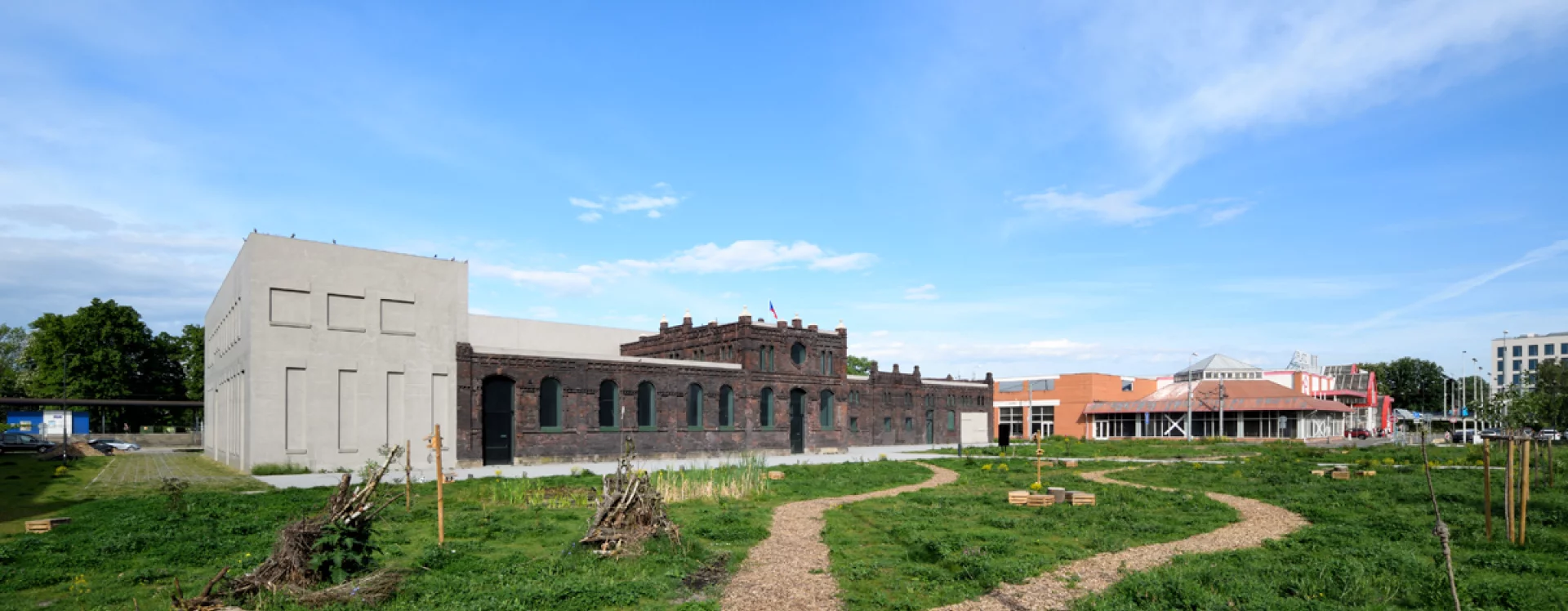
In the 1920s it became clear that the slaughterhouse complex urgently required expansion and modernisation. The city commissioned the German architect Walter Frese (1872–1949) from Berlin to prepare a project that would increase the capacity of the refrigeration and cattle-slaughtering facilities and provide the missing meat market hall. In 1925, Frese designed an austerely purist new building, which he placed in the southern part of the complex. Within this monolithic reinforced-concrete structure he accommodated office facilities, capacious halls for refrigeration, pre-cooling, freezing, and the meat market. However, at the start of the conversion for the gallery, the wing designed by Frese had to be demolished because of structural failure. In response, the architect of the conversion created a new structure on the same footprint as an imprint of the original wing, with a new grey concrete-like façade recalling the earlier volume, while the interiors of this part of the building are executed in exposed concrete.
Of what was once the extensive Ostrava municipal slaughterhouse complex, only four buildings have survived to the present day: the original refrigeration building, later adapted as a pre-cooling and curing facility, the new refrigeration building, the pig slaughterhouse, and an extension of the service building with changing rooms, sanitary facilities, and laboratories. This last-mentioned part, however, had to be demolished during the present conversion of the slaughterhouse buildings for PLATO, again for structural reasons, and rebuilt as a new structure.
The complex process leading from the initial heritage protection of the former slaughterhouses to their conversion for PLATO lasted from 1987 until 2022. In 1987 the refrigeration building was entered on the list of cultural monuments, and in 1994 heritage protection was extended to the pig slaughterhouse as well. Although parts of the complex were listed, they were not in good structural or technical condition. In 1993, the timber superstructure of the tower, including the roof truss, had to be removed because of its dangerous condition and replaced with a temporary roof. As early as 1992, the site had been taken over by the municipal district of Moravská Ostrava and Přívoz, which sold it in 1995 for 39 million Czech crowns to the company Bauhaus.
The Bauhaus DIY chain intended to build its store next to the site in central Ostrava and also undertook to repair the decayed listed buildings. The design for the new DIY store was prepared by the Arkos architectural office according to the company’s requirements; its authors were Alfred Lengger, Renata Májková, and Václav Filandr. At the same time, the first version of a conversion of the listed slaughterhouse complex for commercial purposes was also produced. While the shopping centre became one of the first new-style retail outlets of its kind in the country, the company never restored the historic slaughterhouse buildings, which continued to deteriorate. What followed was a years-long saga over what to do with the collapsing monument. The company could afford to delay the reconstruction because the contract contained no penalties for failing to fulfil its obligations. Ostrava’s citizens protested against this, and the civic association Za starou Ostravu organised the campaign “Boycott Bauhaus, Save the Slaughterhouses!”. After various negotiations and delays, the monument was at least temporarily roofed over and fenced off. It was only the company’s decision to withdraw from Ostrava that led to an agreement for the former slaughterhouses to be sold back to the City of Ostrava for 80 million Czech crowns. The city took over the complex in September 2016, including the Bauhaus building, which, after certain structural alterations, served as the temporary home of PLATO from April 2018 onwards.
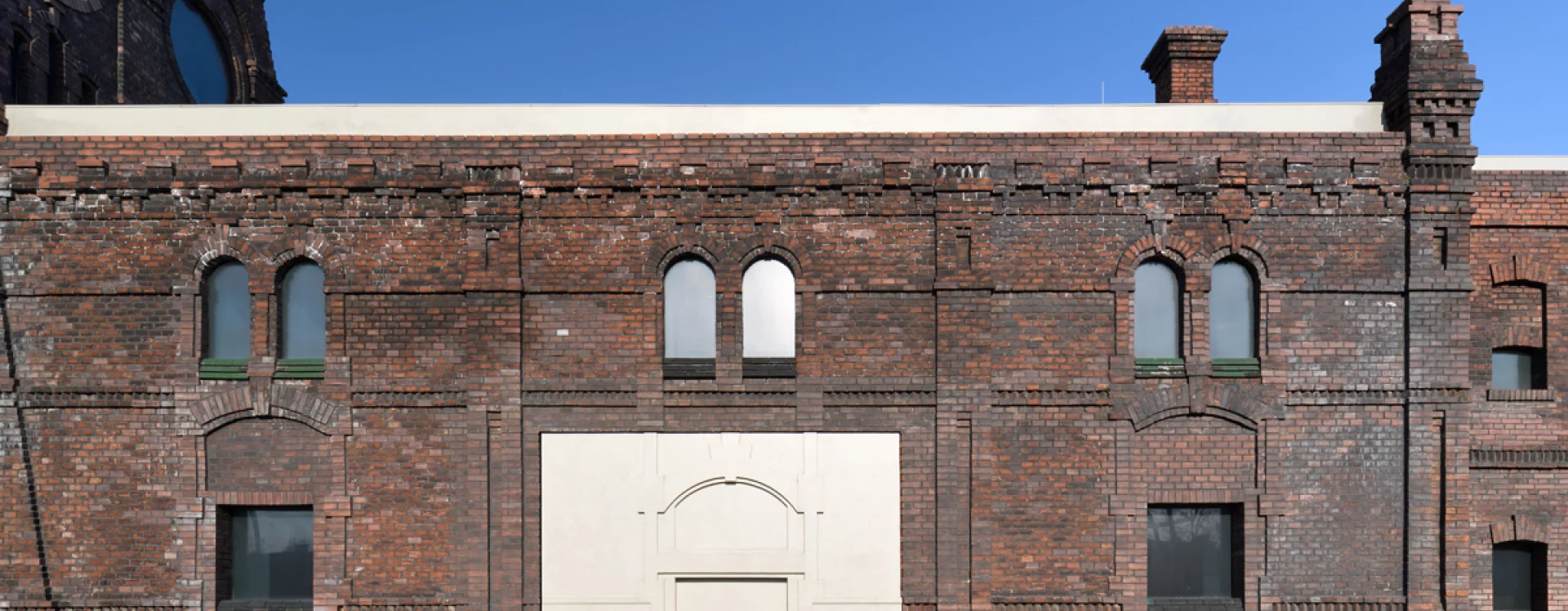
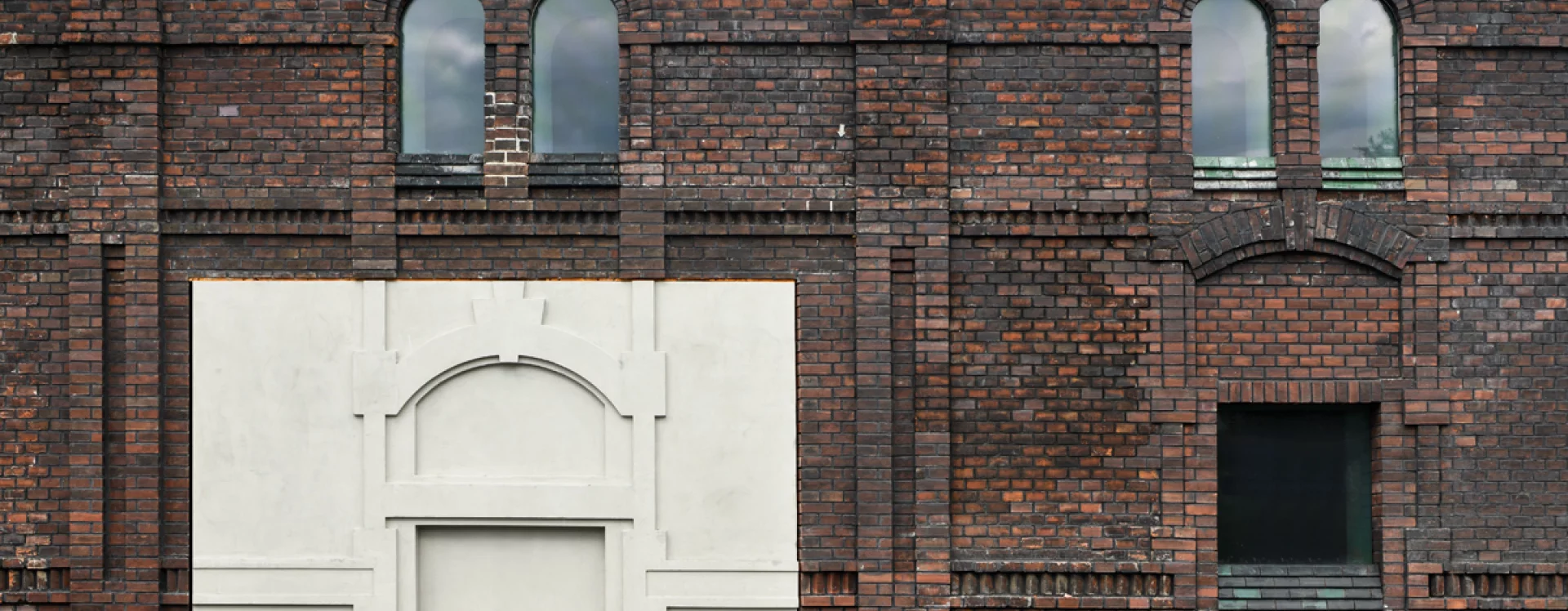
In 2017, the City of Ostrava organised an architectural competition for the conversion of the listed parts of the slaughterhouses for PLATO. The winner was the Prague architect Petr Hájek, who, however, failed to reach agreement with the city on the terms of the contract for further project development. The task was subsequently taken over by the Polish architect Robert Konieczny (1969) and his studio KWK Promes, whose proposal had originally been awarded third prize in the competition. In his design, Konieczny applied the principles of dynamic architecture, which he has also developed in other projects, including villas and family houses and in his internationally known own house, the “Ark”, in the Silesian Beskids. In Ostrava, these architectural interventions took the form of monumental pivoting walls or gates, conceived as large concrete infills that replicate the original profiling of the historic masonry, albeit in a contemporary material and a more restrained form. These gates, with surfaces adapted to resemble exposed concrete, adopt the formal language of the historic architecture while translating it into a contemporary material and thereby to some extent depersonalising it.
Robert Konieczny, author of the overall concept for the slaughterhouse conversion, described the approach in these words: “We preserved the original patina of the exterior walls, toned down the overly glossy new glass infills of both the windows and the doors by means of a mortar grid, and filled breaches in the walls with contemporary materials, all while retaining the ornamental character inherent in the original brick façades, though rendered in a simplified contemporary interpretation.” The aim was not to create an a “new” historic building. By preserving the patina of brickwork stained by the industrial environment, Konieczny chose to emphasise the complex past of both Ostrava and the site itself. The same applies to the graphically treated glazing, which recalls the chiaroscuro of former industrial halls.
At the same time, the chosen concept works with the principle of dynamic architecture, characteristic of other projects by KWK Promes as well. As the design statement puts it: “The main idea of the project is based on acknowledging and preserving the openings in the exterior walls as a kind of opportunity for direct and functional links between the building, the outdoor space, and the city. The solution, in which the new infills of these openings can pivot, makes it possible to open the exhibition halls outwards with ease. This offers artists and curators entirely new presentation opportunities and allows art literally to ‘step out’ into the surrounding space. Thanks to the mobility of the walls, culture in the broadest sense becomes more democratic and can be much more accessible to new audiences.” This statement succinctly captures the central idea of the design.
The conversion of the slaughterhouses according to KWK Promes’s plans began in spring 2020 and was structurally completed in spring 2022. In May, the first public tours of the finished building took place. PLATO opened to the public with its first exhibition in September of the same year. Certain changes were also introduced during the implementation. For example, the area around the gallery was transformed not merely into a platform for the display of artworks, but into a permaculture garden, reflecting a shift in the way contemporary relationships between people, art, the city, and nature are understood. It also reflects the dialogue between the architect, his collaborators, the gallery and its staff, curators, and the various communities that are active in the life of the gallery.
The solution created by Robert Konieczny and his team attracted considerable international professional attention and was published in international print and online architectural journals and media. Conversions of this scale for gallery purposes have, in the Czech Republic over the last two decades, been realised mainly in the private sector (DOX in Prague-Holešovice, Kunsthalle in Prague’s Malá Strana, EP01 in Trutnov, Telegraph in Olomouc, and others). From the perspective of municipal investment, this is a rather exceptional undertaking, one that made it possible both to build on the history of the site and to transform it decisively. From the point of view of the city of Ostrava itself, it is an exceptional act, particularly given the large number of industrial buildings in the city whose adaptive reuse is important not only from the perspective of preserving historical heritage, but also in terms of Ostrava’s identity within a European context.
This conversion represents a first step in the transformation of the wider locality, which still retains the status of an urban periphery in the middle of a large city. It is precisely this peripheral character that, if future steps are carefully considered, creates room for the area to become a new crystallising core of central Ostrava, supported by urban planning and architecture of corresponding quality. The conversion itself may contribute to this process. Furthermore, the nomination of PLATO among the five finalists for the Mies van der Rohe Award for contemporary architecture, presented since 2001 to outstanding architectural works created in European Union countries, demonstrates the broader significance of architecture in presenting a city within an international context.
MSt
Literature
Miloš Matěj. Průmyslové dědictví města Ostravy. Ostrava, NPÚ, ÚOP v Ostravě, 2019. p. 176-–177. ISBN 978-80-8824-16-7.
T94/7 - Technický magazín. Praha, Automedia a.s., 1994, roč. 37, č.7.
Průvodce architekturou Ostravy. 2009. p. 141. ISBN 978-80-85034-54-7.
Martin Jemelka, Gabriela Pelikánová, Romana Rosová, Martin Strakoš, Radomír Seďa. Jan Prokeš: Ostrava na cestě k velkoměstu. Ostrava, Fiducia, 2023. p. 146-–156. ISBN 978-80-907934-5-3.
https://plato-ostrava.cz/O-Nas. stav k 30. 10. 2025.
Sources
Romana Rosová, Martin Strakoš, Michaela Ryšková. Městská jatka v Moravské Ostravě. Stavebněhistorický průzkum.. Ostrava, 2017.