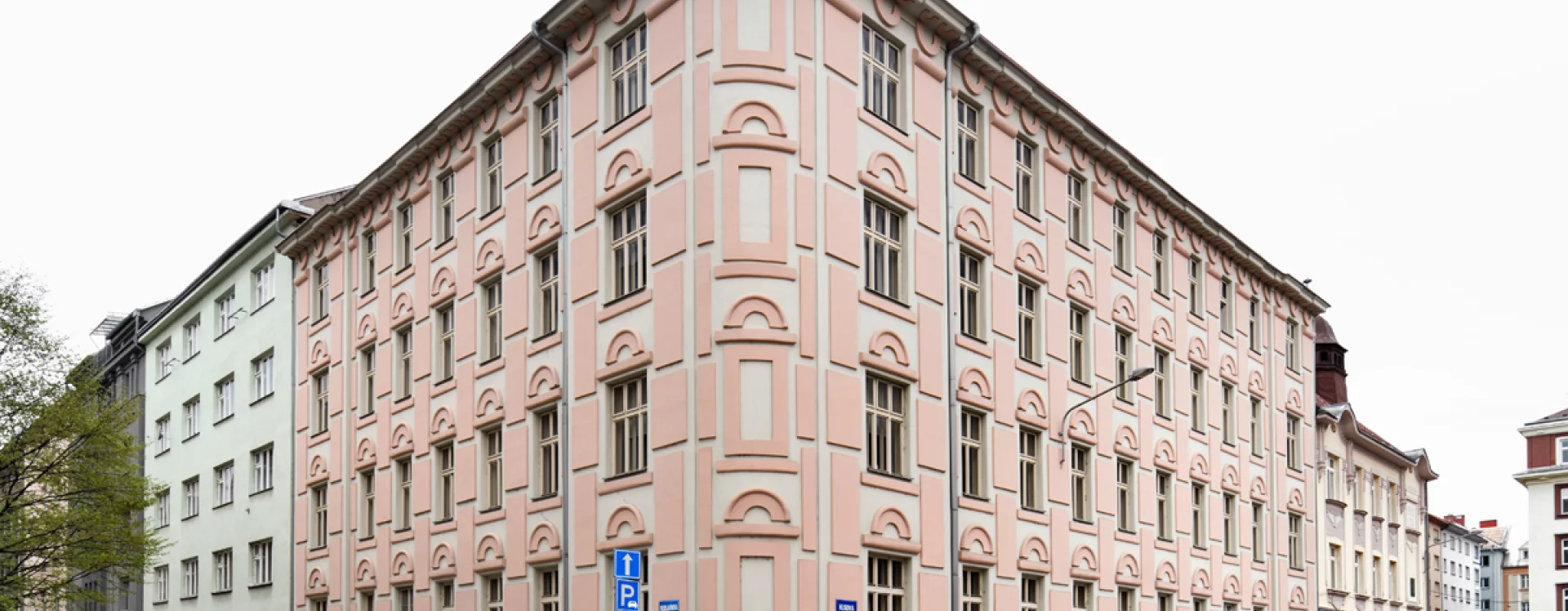
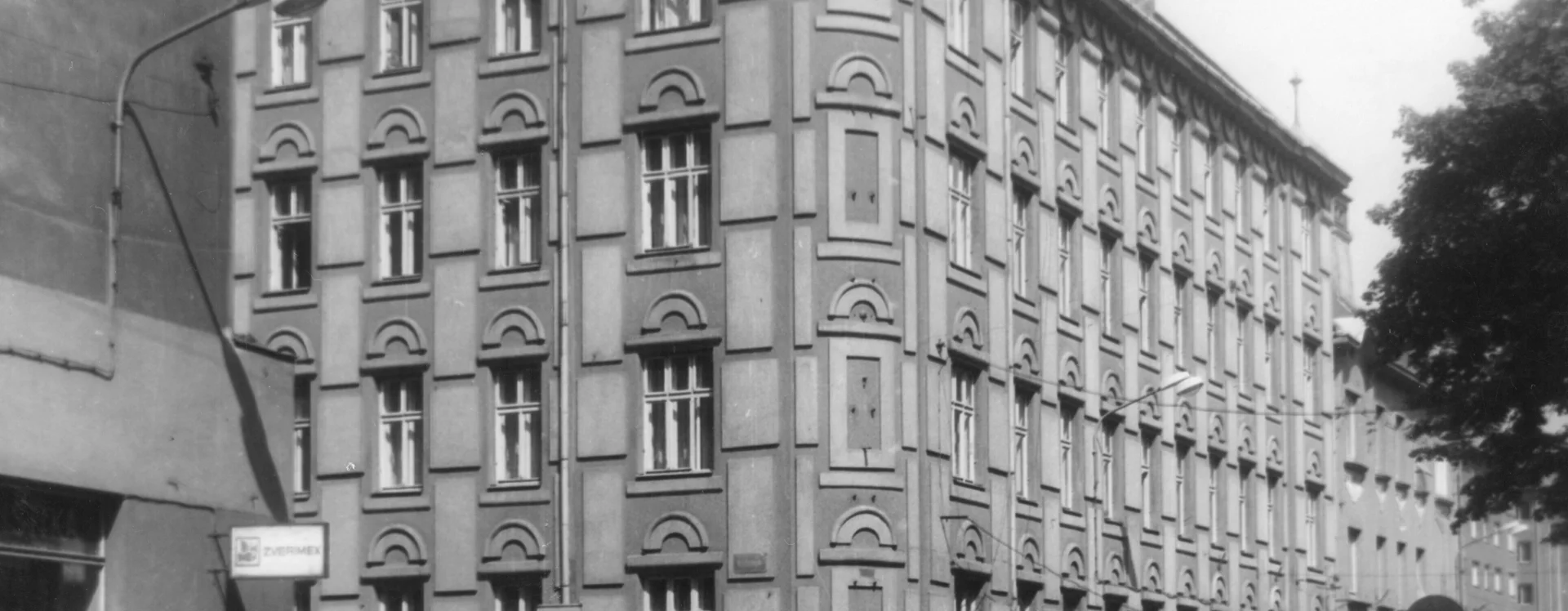
The Kaiser Ferdinand Northern Railway (Kaiser Ferdinand Nord-Bahn) was founded in 1836 with the aim of constructing a railway line from Vienna to Bochnia in Austrian Silesia. In the 1850s, the company acquired several mines in Přívoz, Hrušov, Polish Ostrava, and Michálkovice, and began coal mining in the Ostrava region. After the nationalisation of the railway in 1906, the company focused exclusively on mining activities. Following the establishment of Czechoslovakia in 1918, enterprises operating on the territory of the new state but headquartered abroad were required by the nostrification law to relocate to Czechoslovakia. The company, renamed the Ferdinand Northern Railway in 1921, moved its head office to Moravská Ostrava, where in the early 1920s it constructed a residential and office building north of the Evangelical Church, on the corner of Lutherova Street (now Husova Street) and Strassmanova Street (now Veleslavínova Street), in the immediate vicinity of the Jindřich mine complex.
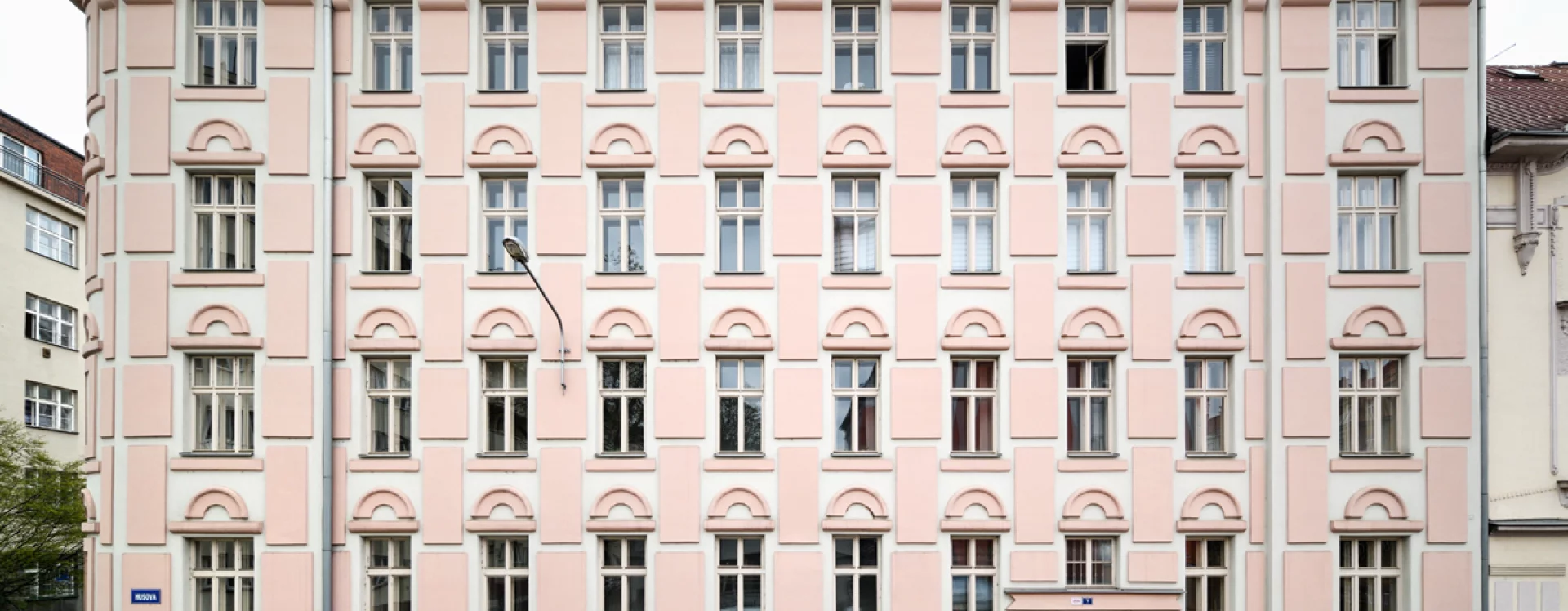
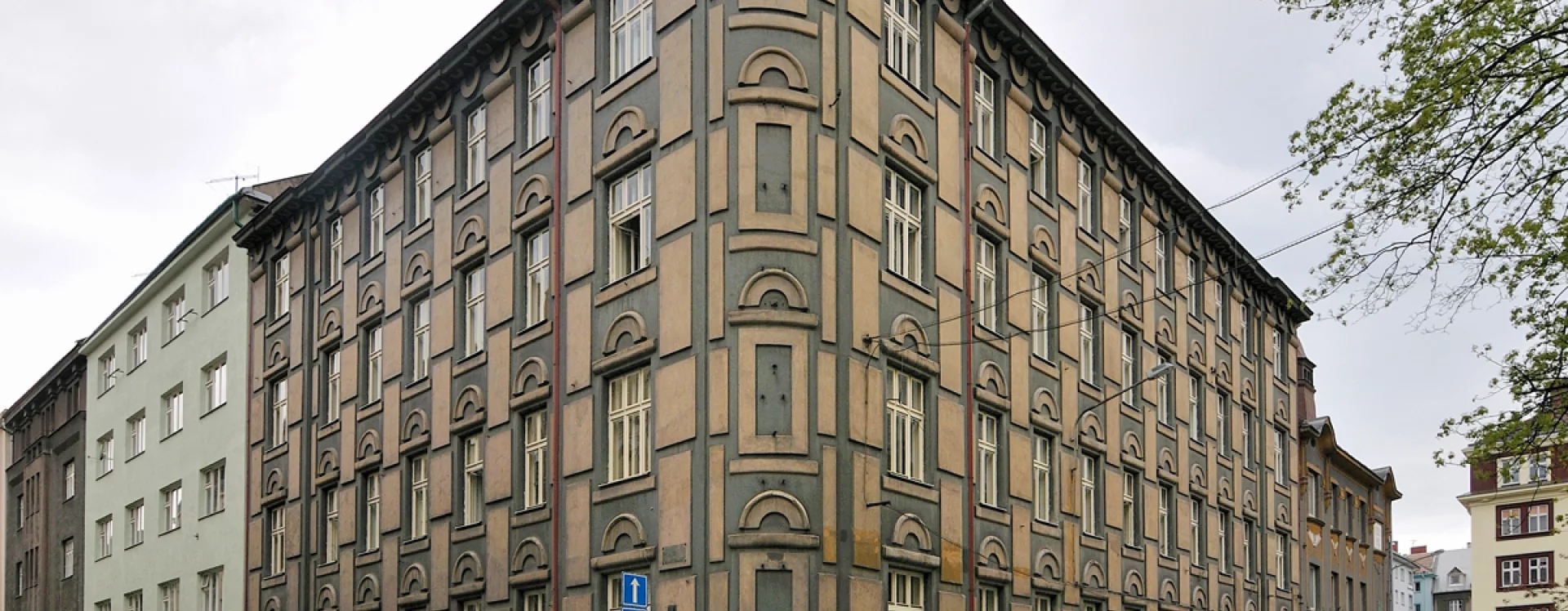
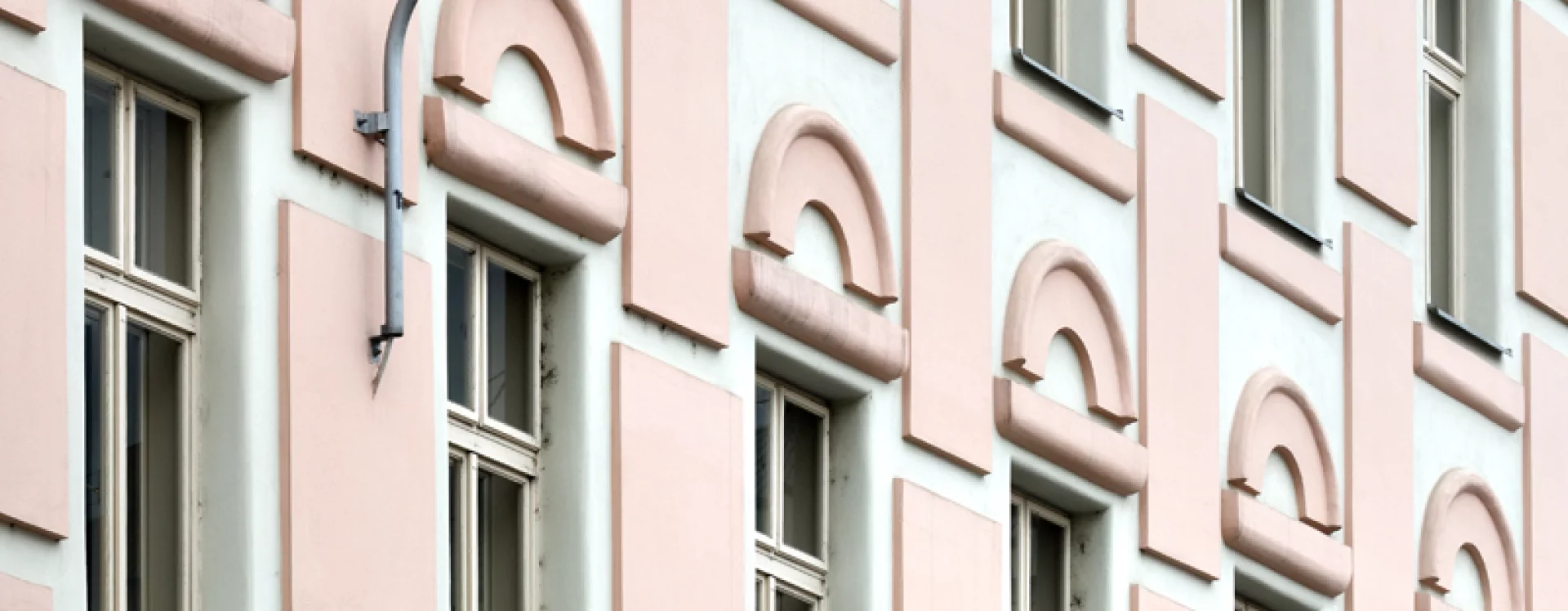
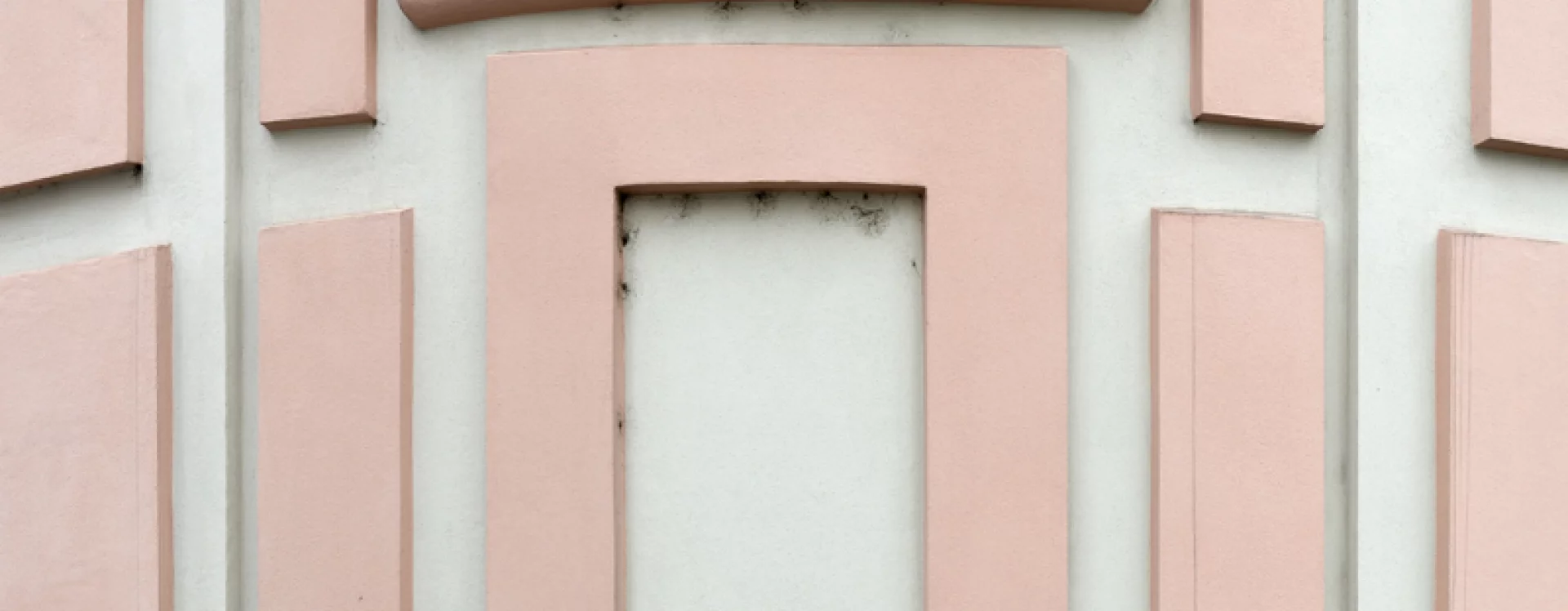
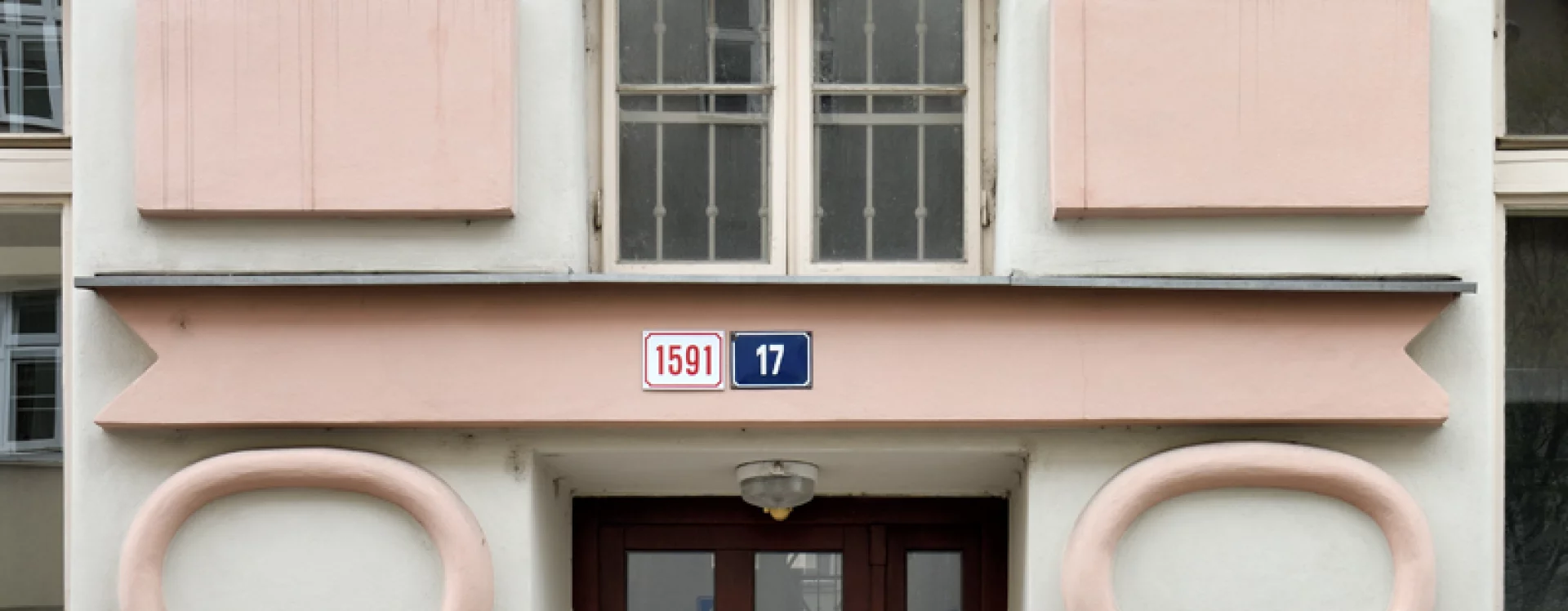
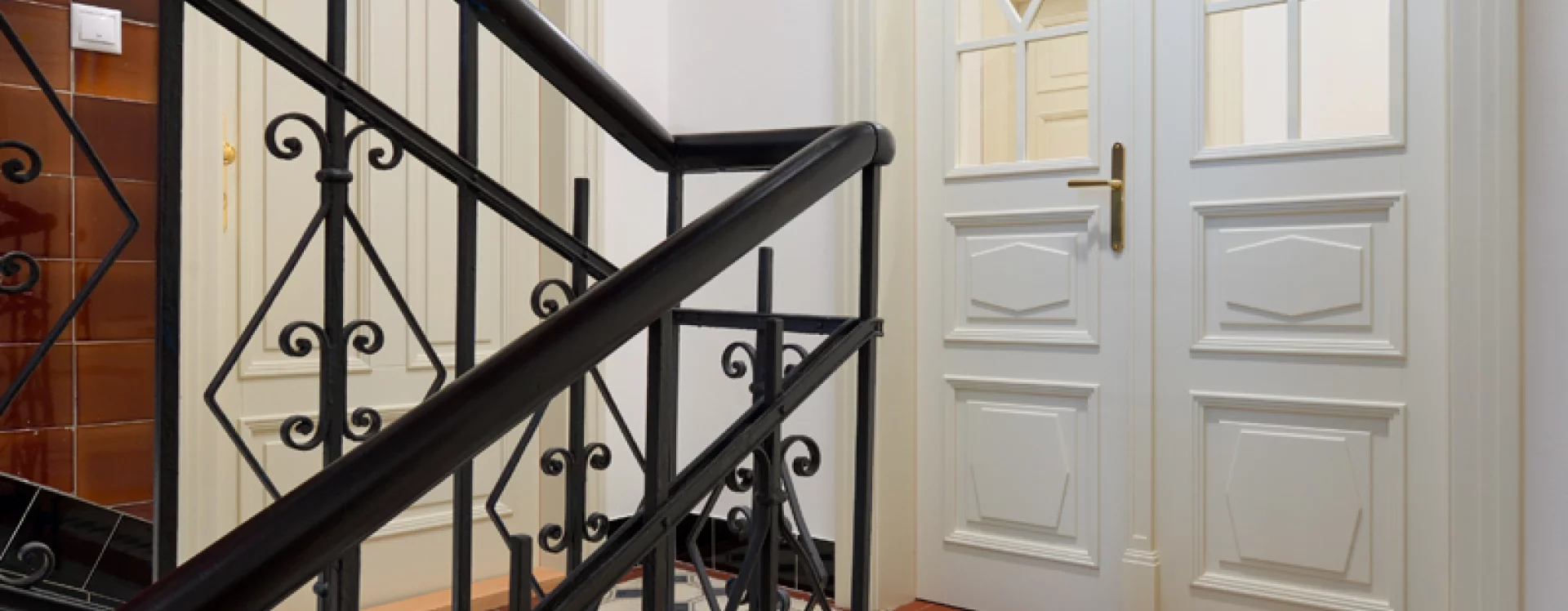
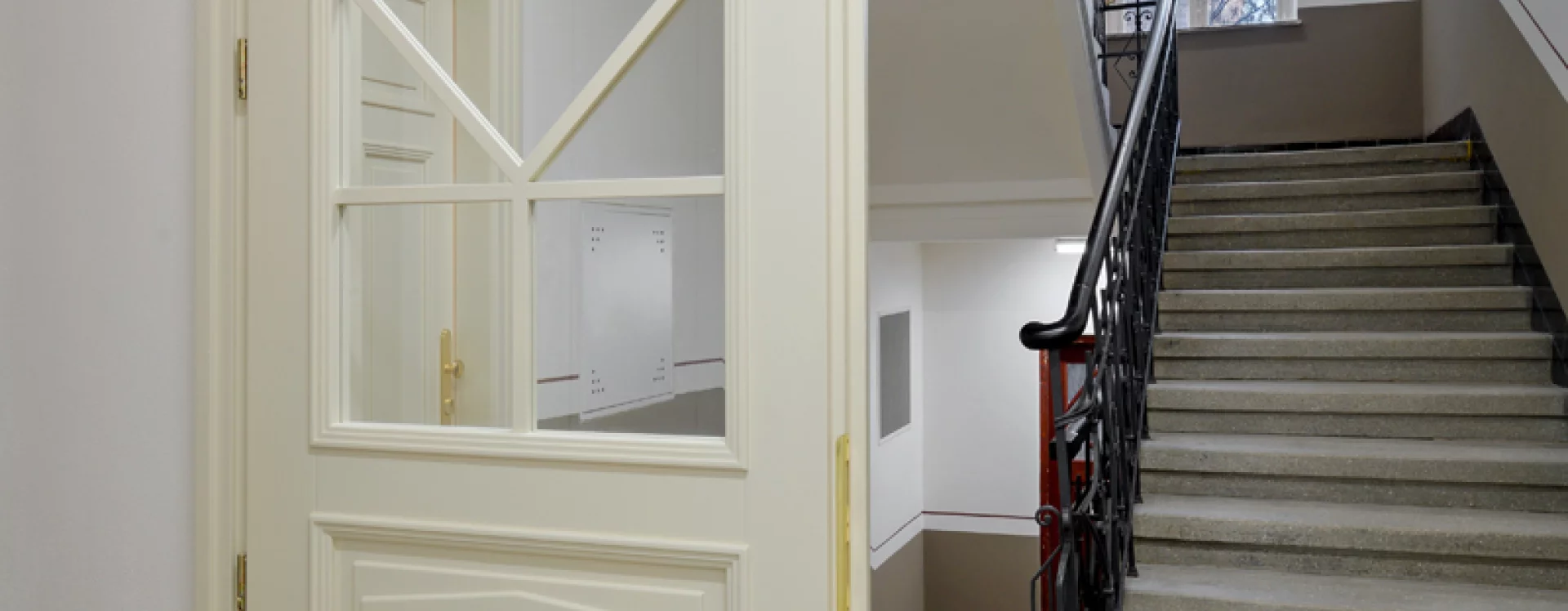
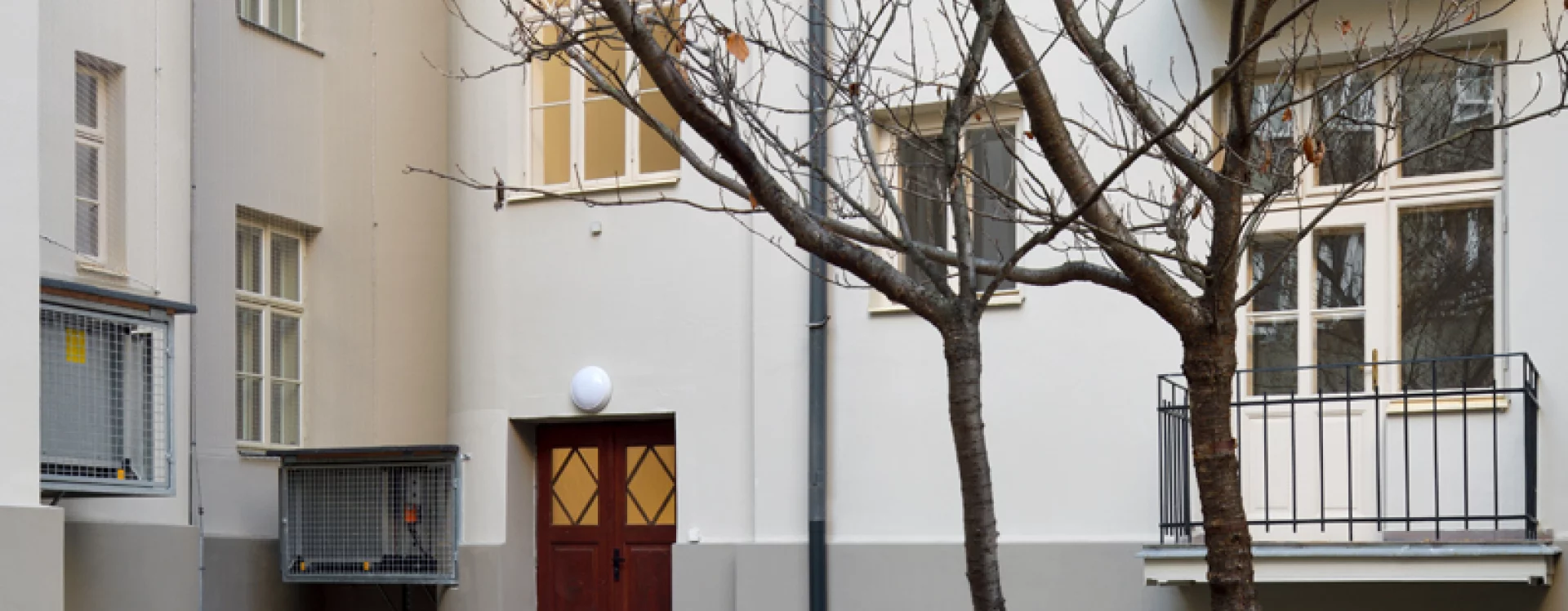
The four-storey corner building, erected on an L-shaped floor plan, was designed by the Prague architect Pavel Janák in the so-called National Style – also known as rondocubism or arc cubism – which in the early years of Czechoslovakia was promoted as the official architectural and applied-arts style of the new republic. Janák articulated the street façades with narrow side risalites and a rounded corner, using a dense grid of rectangular windows separated by abstracted, horizontally segmented pilaster strips. He combined rounded ledges and window cornices with small arcuated pediments, and placed mirrored arc motifs beneath the crowning cornice, repeating them in reduced scale on its soffit. Each wing has its own entrance from the street. The floor plan, designed by the builder Artur Rozhon, is partly two-tract and partly three-tract, with vertical circulation provided by double-flight staircases in the courtyard risalites, each with rounded corners. Today, the building is used for residential purposes. In 2013, it underwent a renovation that included a new colour scheme for the façades (pink and white) and refurbishment of the interior.
Literature
Průvodce architekturou Ostravy. 2009. p. 96. ISBN 978-80-85034-54-7.
Jindřich Vybíral. Zrození velkoměsta: Architektura v obraze Moravské Ostravy 1890–1938. Šlapanice, ERA, 2003. p. 98. ISBN 80-86517-94-2.
Městský dům - Dům Severní dráhy Ferdinandovy. Available from: https://pamatkovykatalog.cz/mestsky-dum-13068530 [accessed 21. 10. 2025]
Památka 47. Available from: https://www.ostravskepamatky.cz/pamatka/show/47 [accessed 19. 11. 2025]