


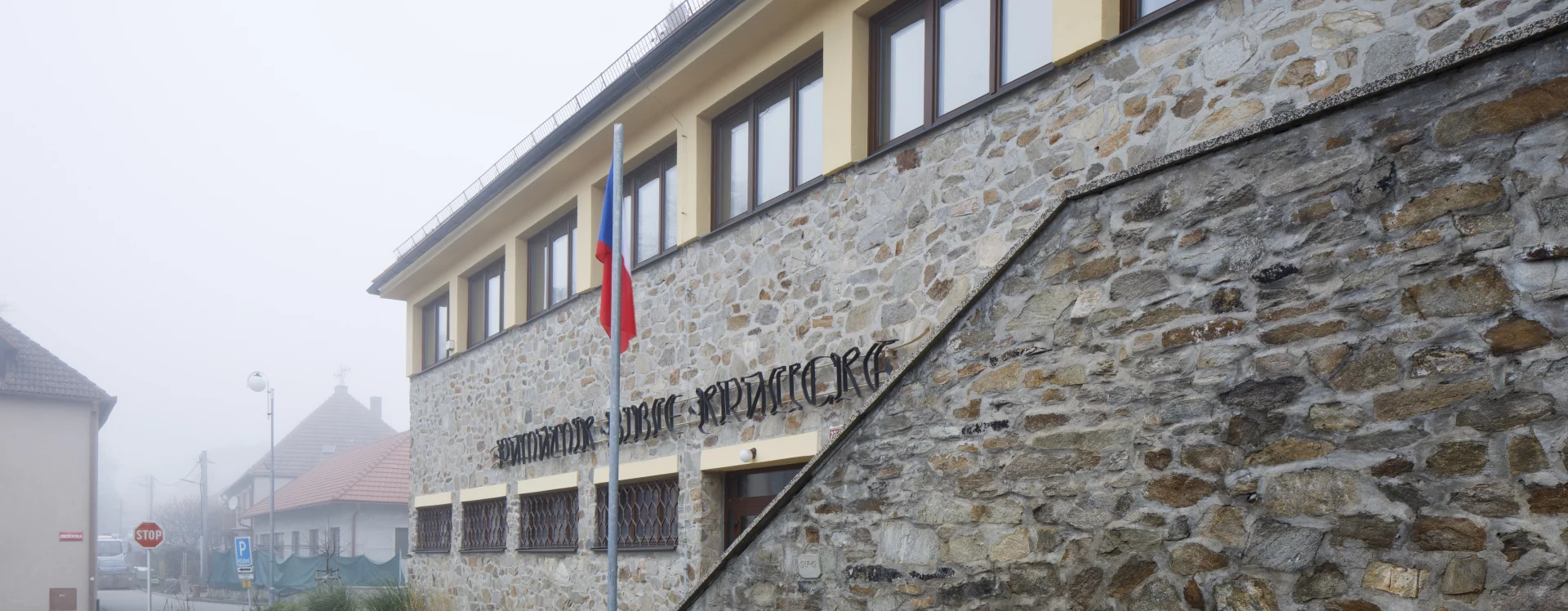

The modern building of the Kralice Bible Memorial was built in the late 1960s as an architectural and museum reminder of the extraordinary historical value of the place. It was created through the joint efforts of the Moravian Museum in Brno, the National Committee in Kralice nad Oslavou and the local Museum Association, primarily as a space for storing and presenting rich archaeological finds and collection funds related to the Kralice fortress. The memorial stands in the immediate vicinity of the former fortress, where the secret printing house of the Brotherhood of the Brotherhood operated in the years 1578–1620. It produced not only religious literature, but also educational writings and other secular works. The most significant and permanently most valuable output of this printing house was the six-volume Kralice Bible – the pinnacle of Czech book printing and at the same time one of the basic pillars of the Czech language. Its linguistic level and cultural significance contributed significantly to the preservation and further development of the Czech language during the Counter-Reformation and in the exile environment.
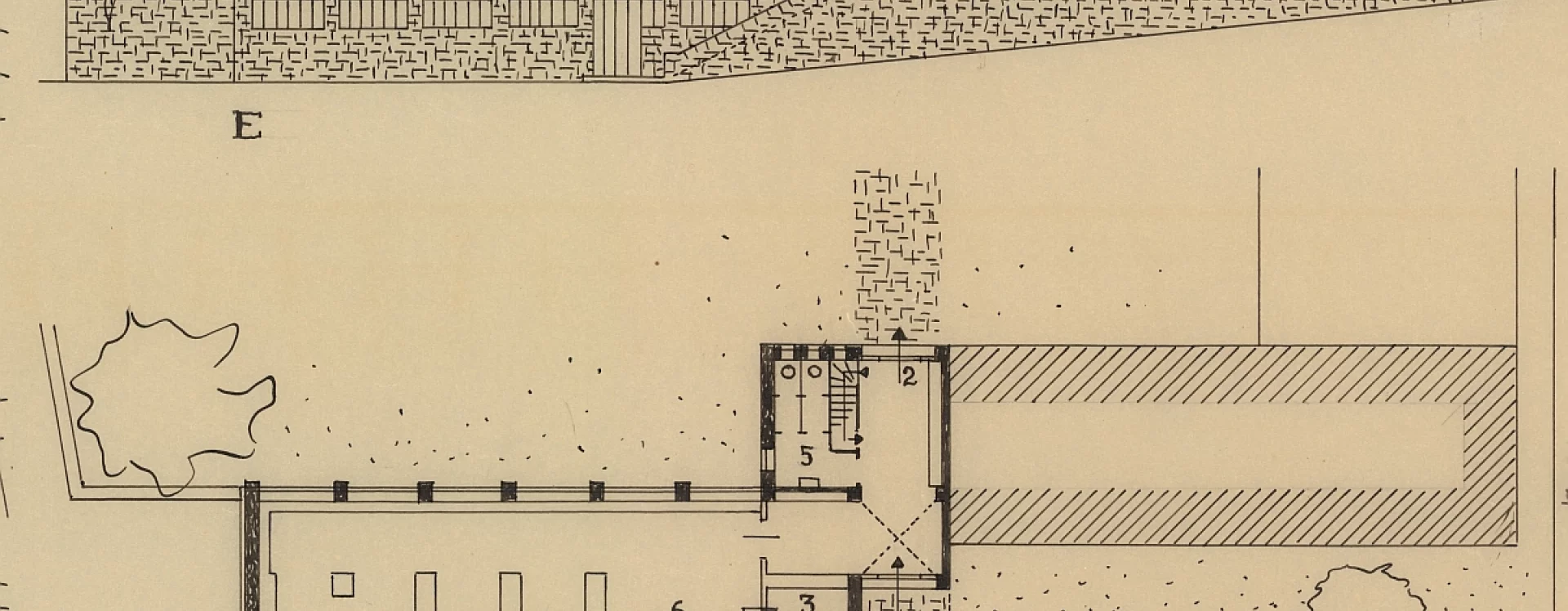
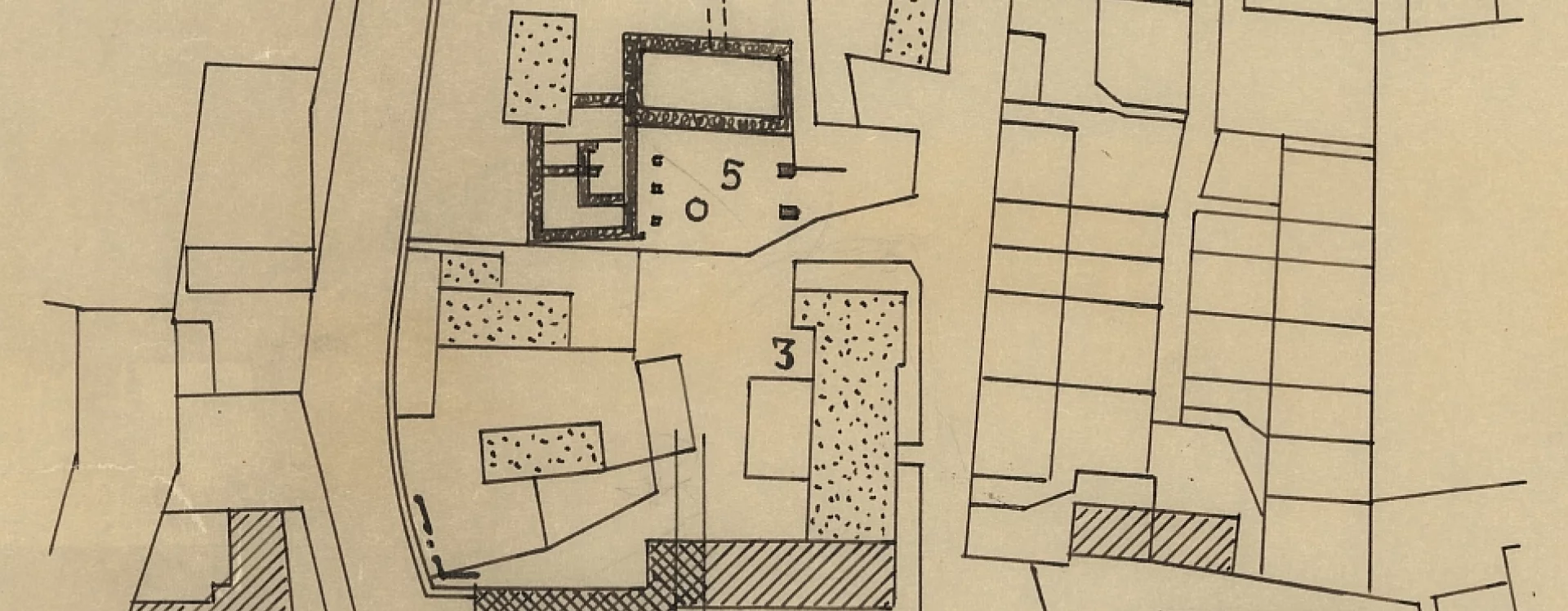
The construction began in 1967 and was designed by the leading Czech architect and urban planner Bohuslav Fuchs and his daughter Alena Korvasová. The building with its distinctive stone bossage is reminiscent of the original fortress in Kralice, while the upper floor and distinctive hipped roof could symbolically refer to the biblical Noah's Ark.
The ceremonial opening of the Memorial took place on September 28, 1969, despite the complex political climate of the time. Immediately after the opening of the Memorial, a permanent exhibition was opened in its upper hall, the author of which was PhDr. Vlasta Fialová, CSc., long-time head of archaeological research in Kralice nad Oslavou. The exhibition focused on the history of the Kralice fortress and especially on the period of the Brethren printing house, which she presented in close connection with the results of archaeological research. The Memorial was conceived from the beginning as a place combining historical research with its understandable presentation to the public. The lower hall of the building initially served mainly as a depository, but in 1970 it was first opened to visitors on the occasion of the 300th anniversary of the death of Jan Amos Comenius. The exhibition J. A. Comenius and the Printing House, again prepared by Dr. Vlasta Fialová, expanded the thematic scope of the Memorial and confirmed its role as a vibrant cultural and educational center.
Lucie Valdhansová
Literature
Iloš Crhonek. Architekt Bohuslav Fuchs. Celoživotní dílo. Brno, Petrov, 1995. p. 188.