The construction of airfields and auxiliary facilities in the second half of the 1930s formed an important part of Czechoslovakia’s anti-German defence strategy, building on diplomatic negotiations which led to several international agreements guaranteeing assistance to Czechoslovakia in the event of an attack (1935, France and the Soviet Union). During the economic crisis, the planned establishment of eight airfields in the Czech interior also provided an exceptional opportunity to support local businesses and increase employment in the region.
The town of Německý (Havlíčkův) Brod, led by Mayor Ludvík Mareš (a representative of the Trade Party), also responded to this opportunity by sending a letter to the Ministry of National Defence on 23 May 1936, confirming its interest in constructing an airfield.
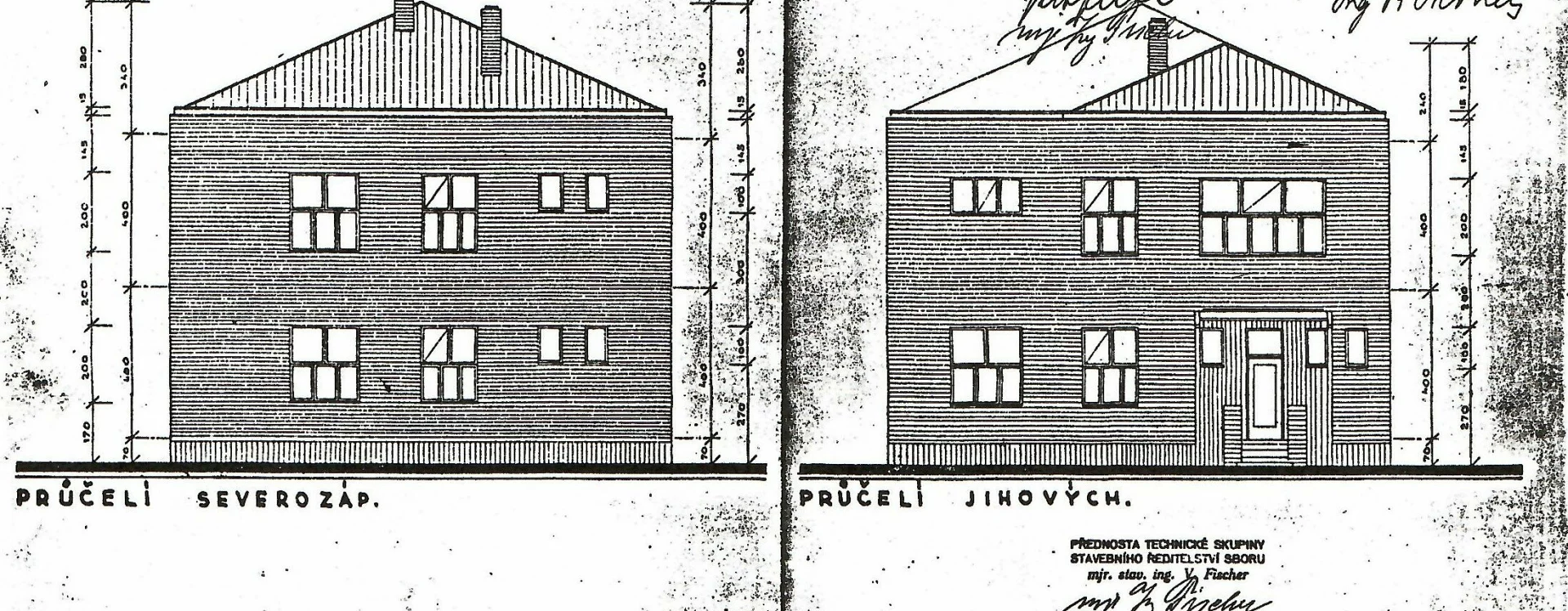
The response was swift—by September 1936, the contract had been awarded to Brod. In order to support local employment, the municipal authorities secured an important condition: the construction had to be carried out by a local building company, “even if they were 3% more expensive.” Preparations began immediately. Work also focused on meeting the ministry’s requirement to provide suitable accommodation for the newly arriving workers, for whom the present-day rental houses at 578 and 579 Sázavská street were built, which were completed in 1938 by the builder Eduard Nedbal.
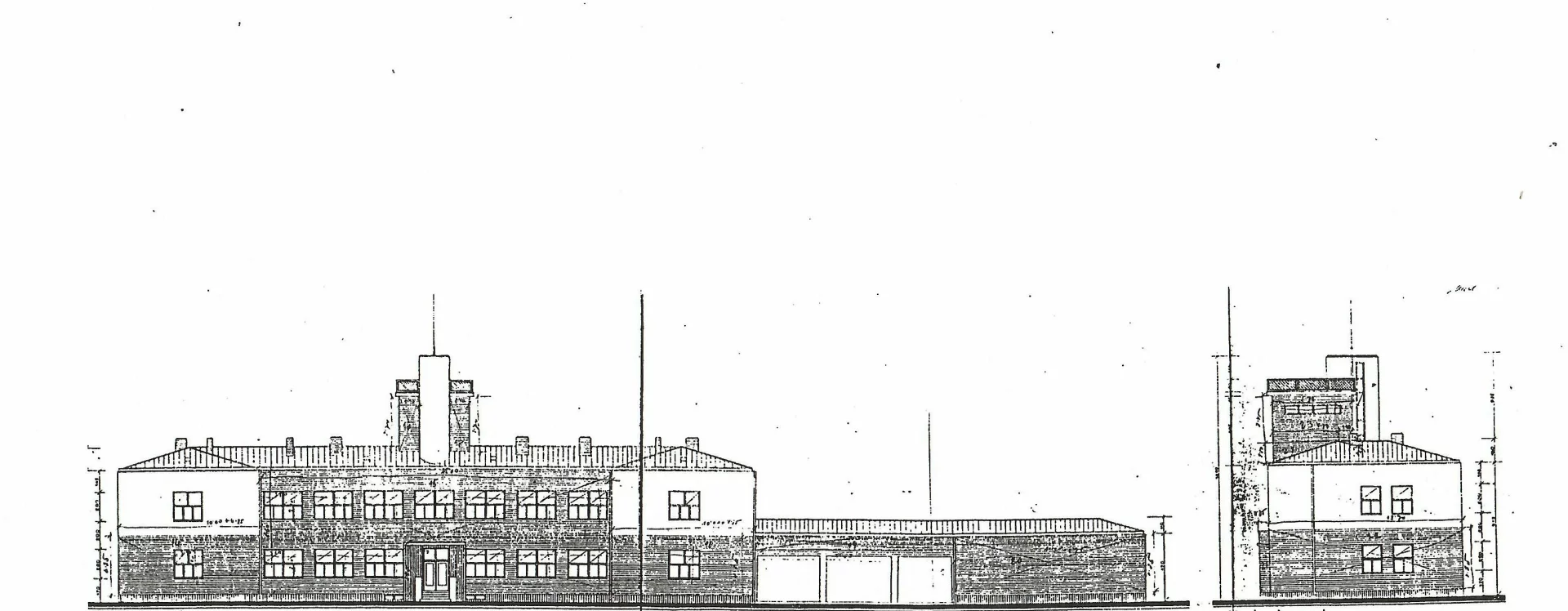
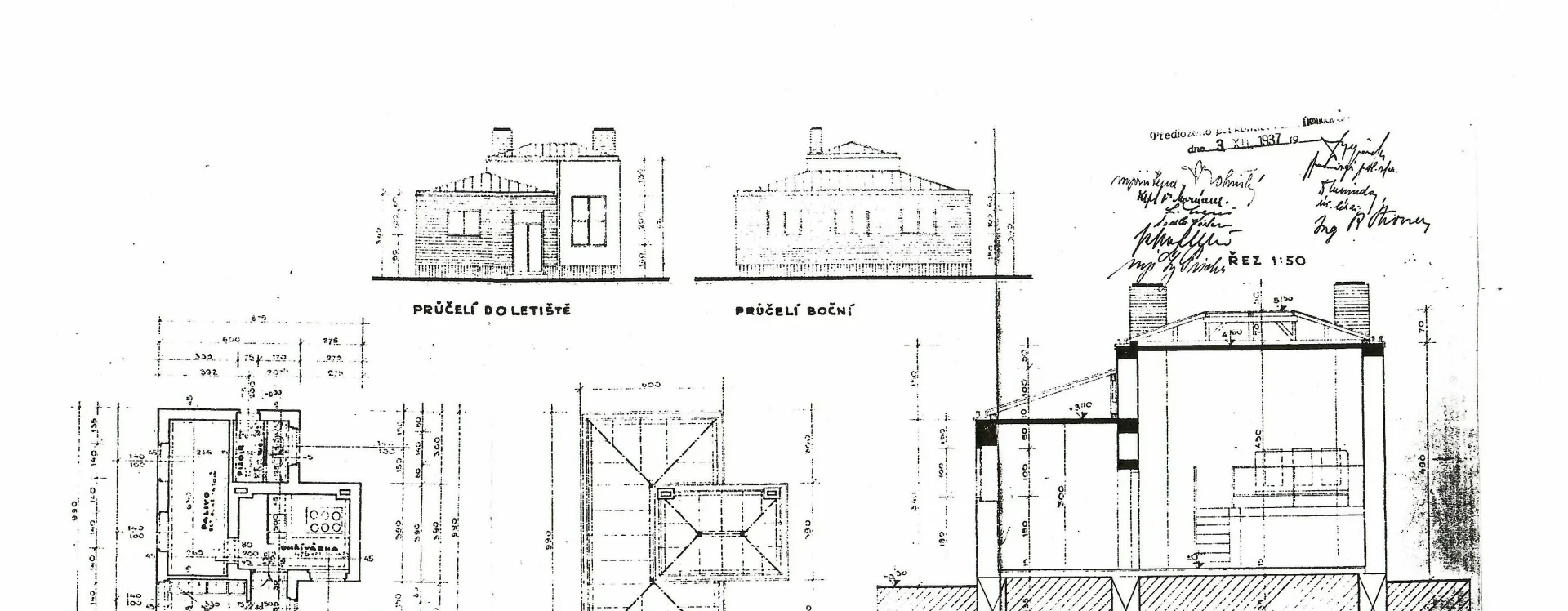
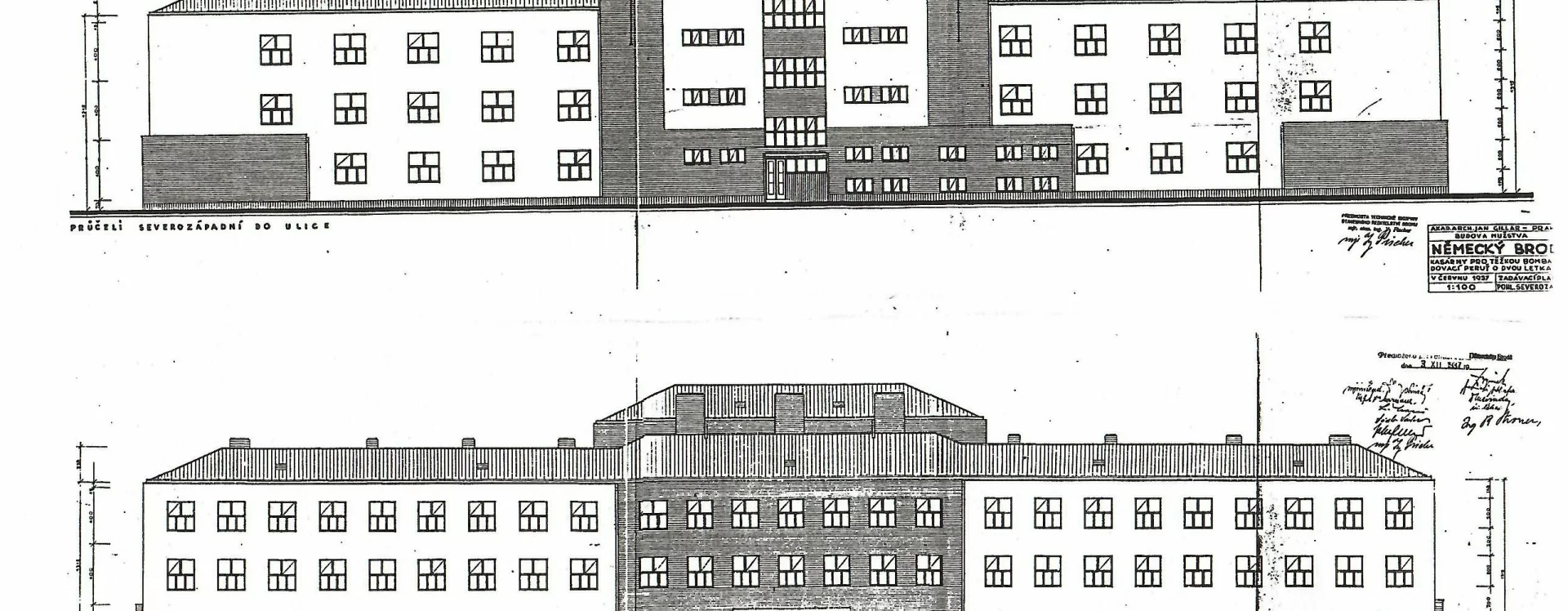
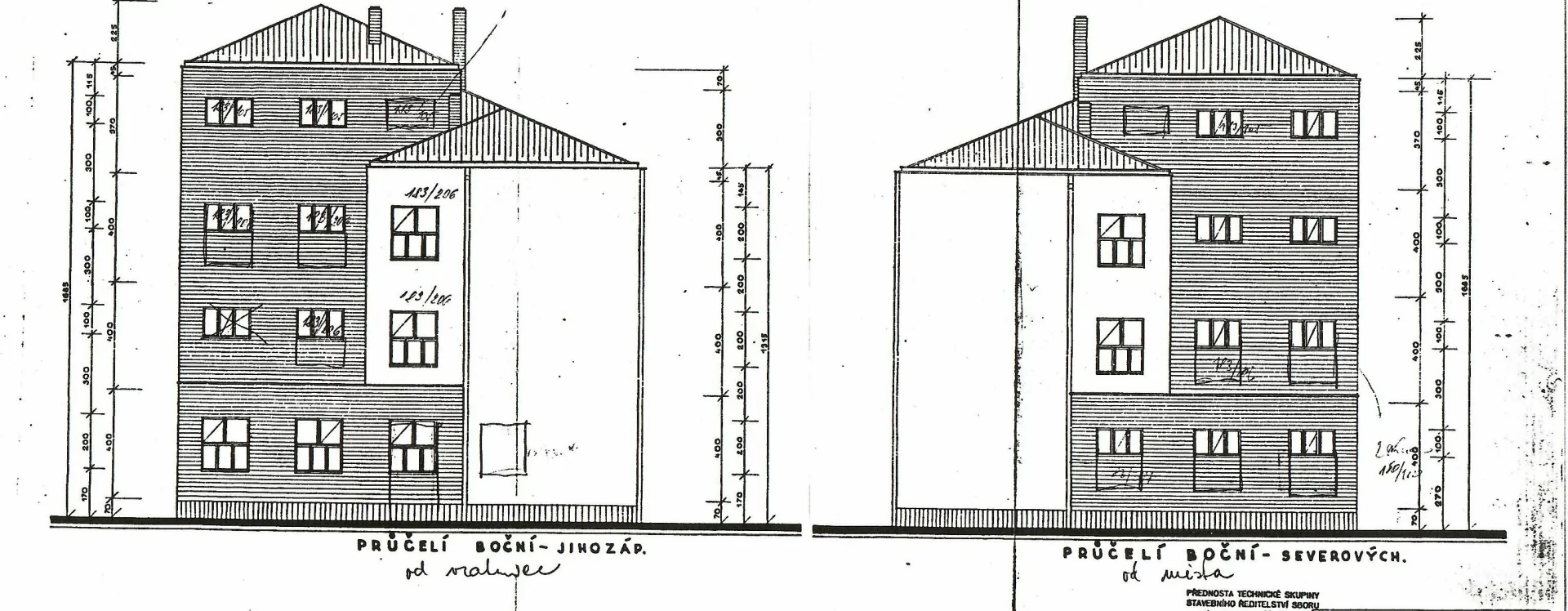
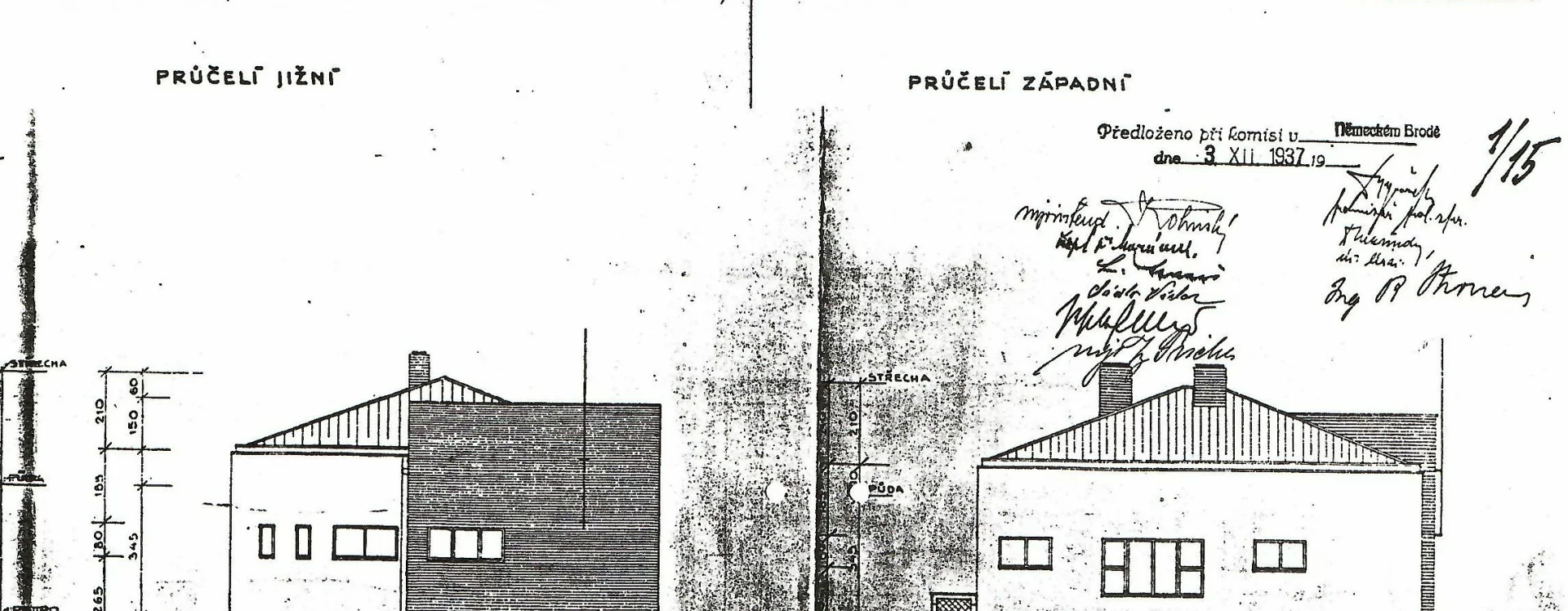
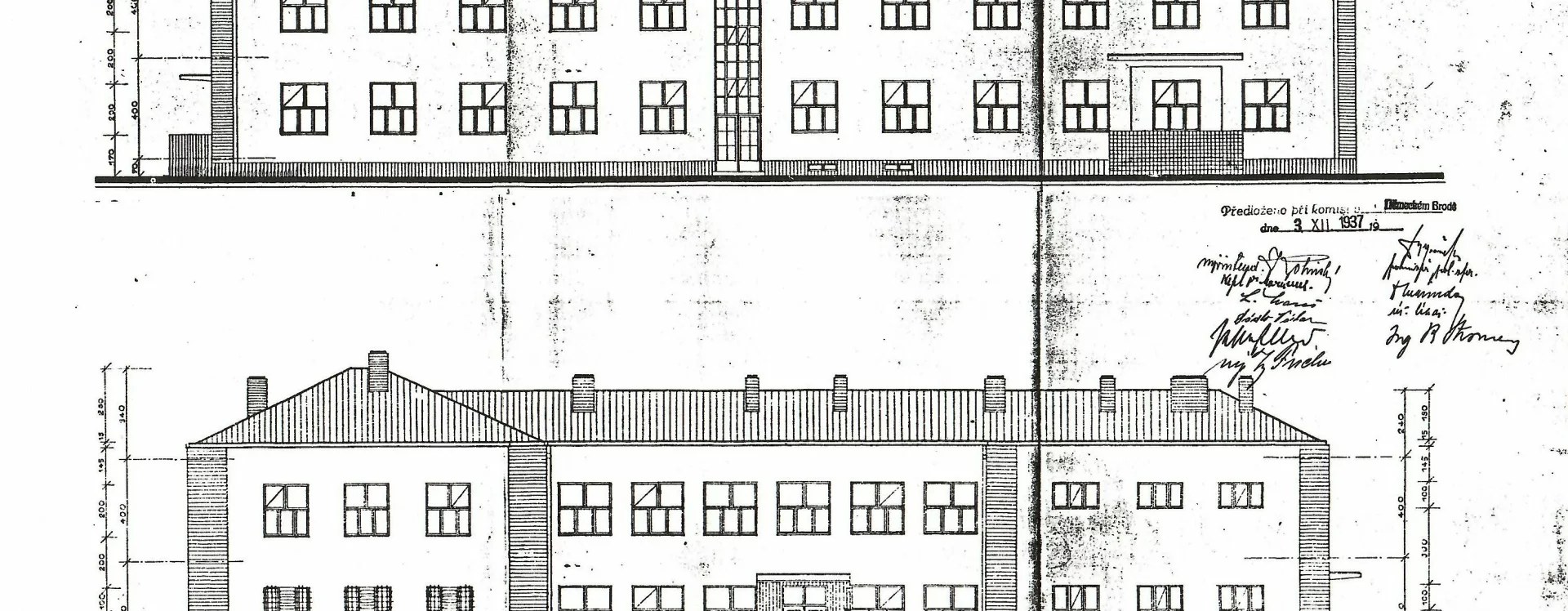
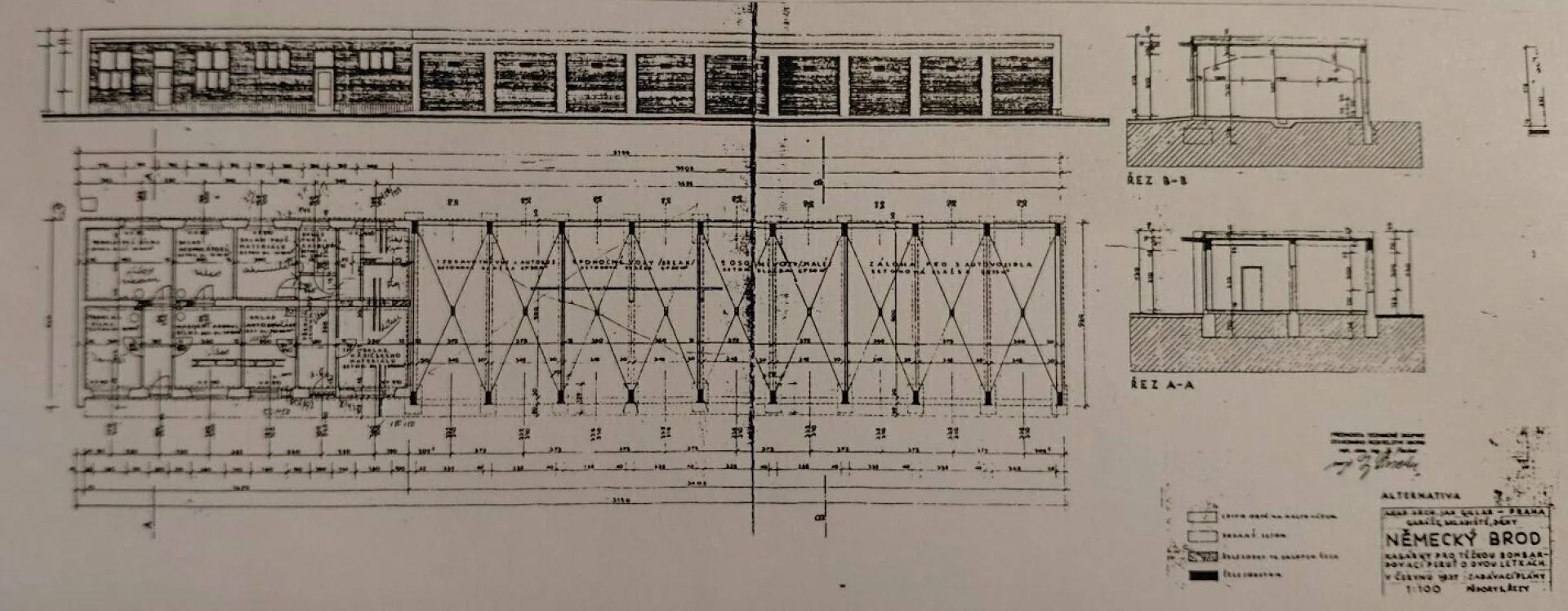
The design for the barracks and airfield in the north-western part of the town, close to the railway line, was drawn up in June 1937 by the architect Jan Gillar (1904–1967), a pupil of Gočár. His task lay primarily in the artistic conception and detailed development of clearly defined military requirements, overseen by the military engineer and construction director, Lieutenant Colonel Jan Junek.
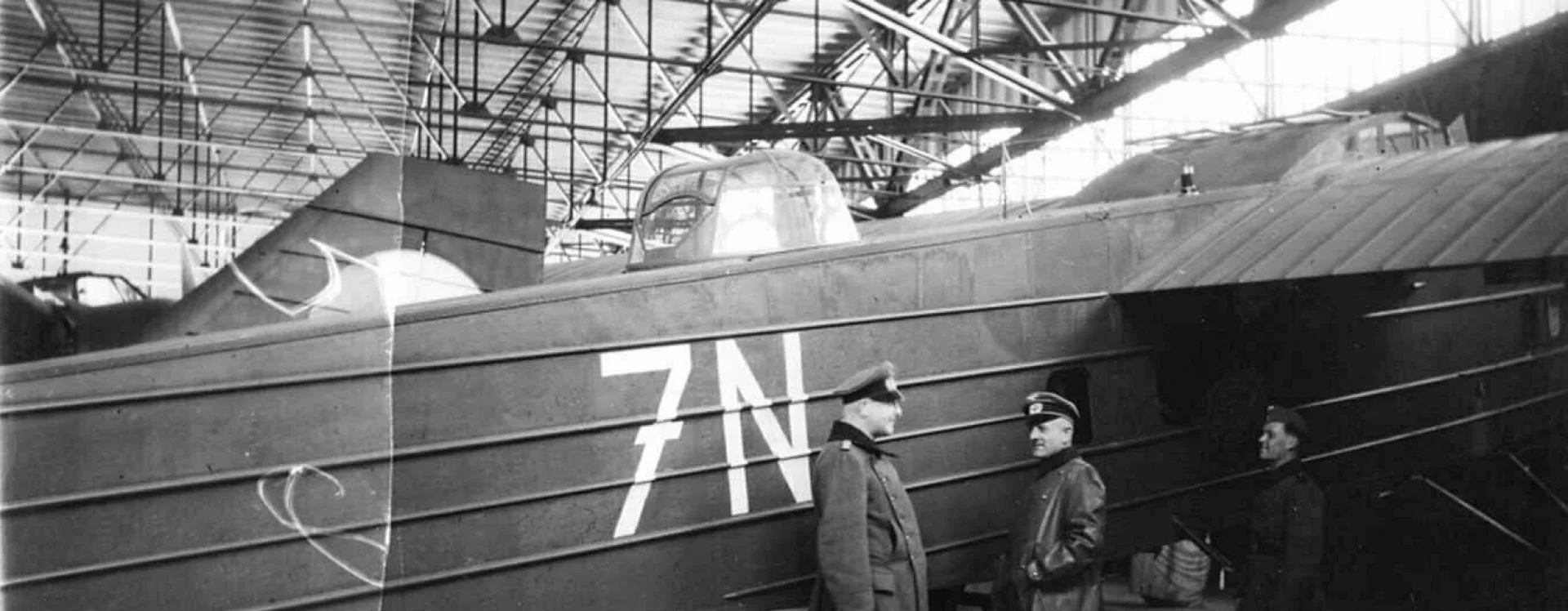
The commission represented an ideal opportunity for Jan Gillar to fully pursue the ideals of scientific functionalism, which he was a great proponent of. The estimated cost of construction reached an enormous 3 million crowns. Work began in October 1937, and despite pressure to complete the complex during the year, this proved impossible. The town officially received a permanent aircrew only after the Munich Agreement. The airfield was formally commissioned on 15 November 1938, while full completion of the complexes was only achieved by mid-1940—by which time they were already in use by the German units which had been present there since September 1939.
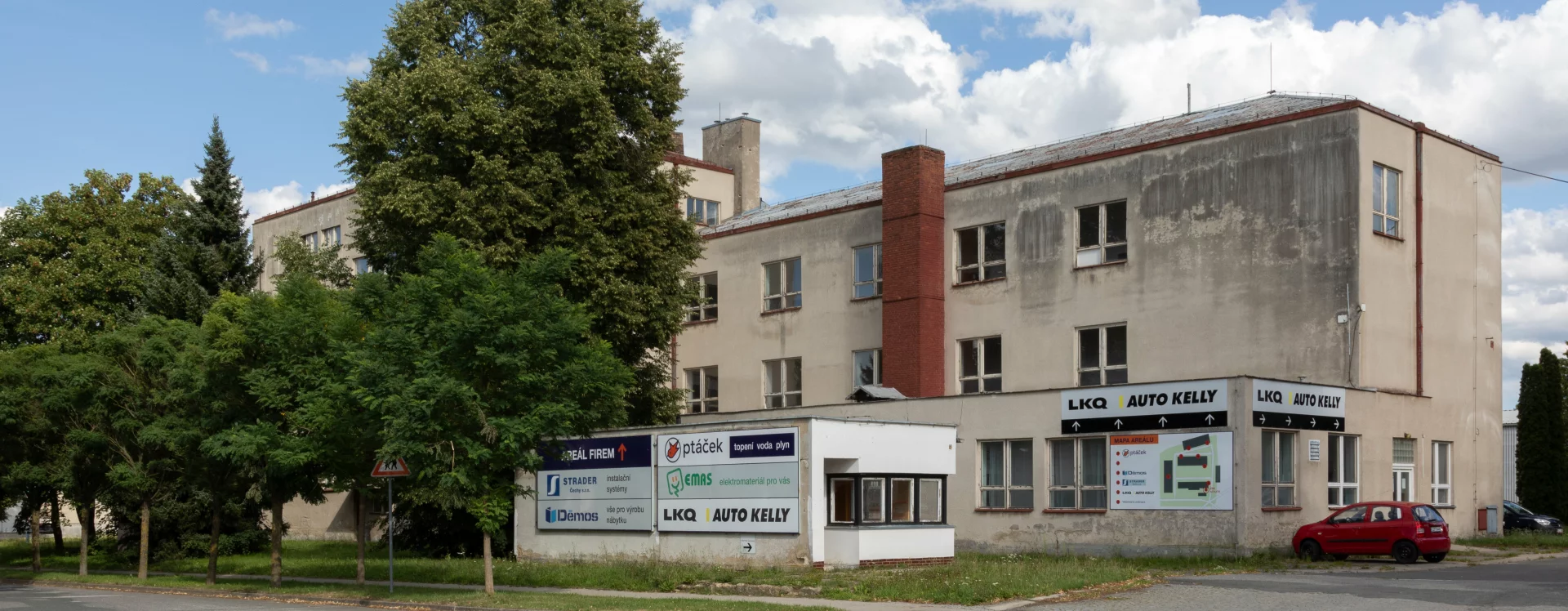
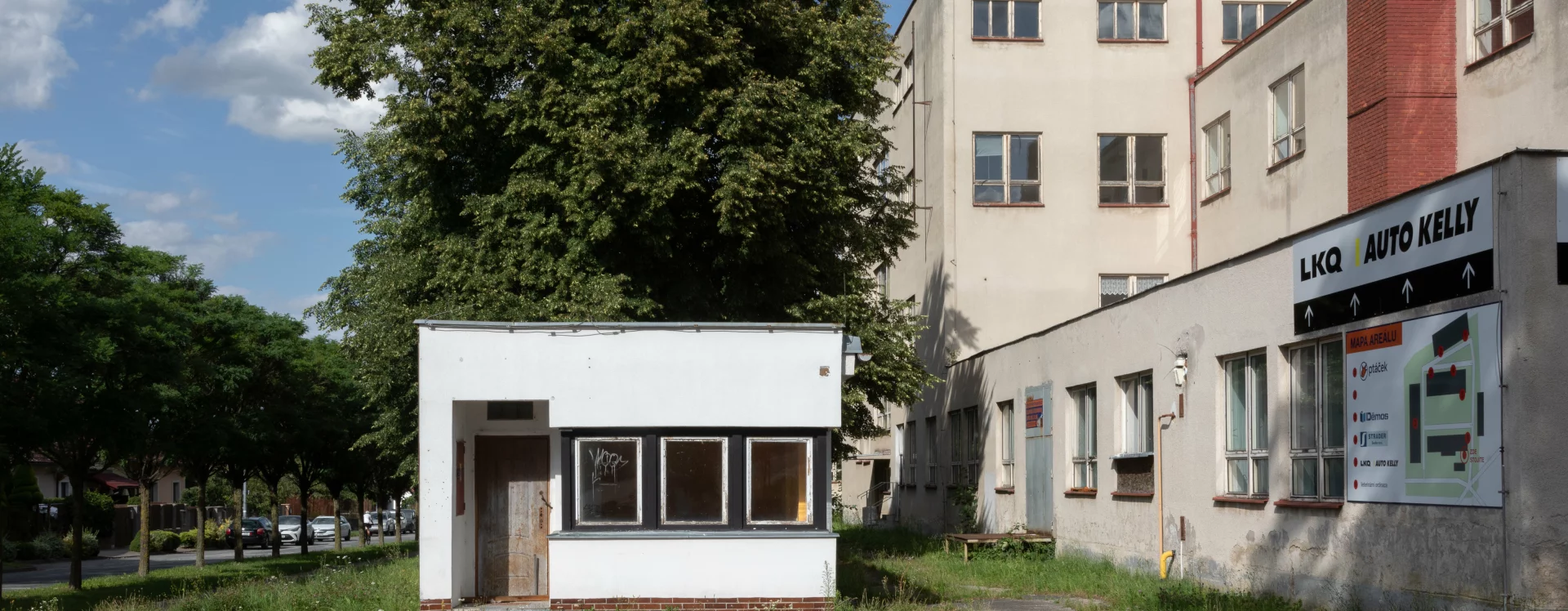
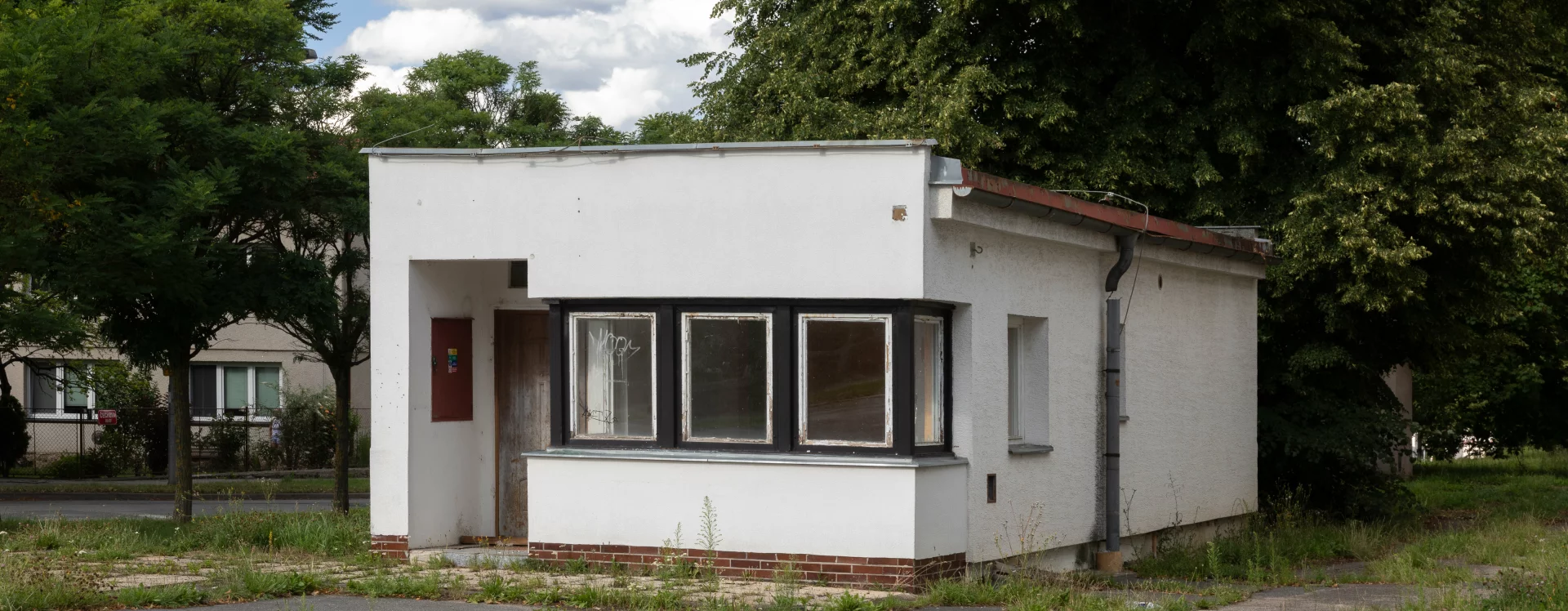
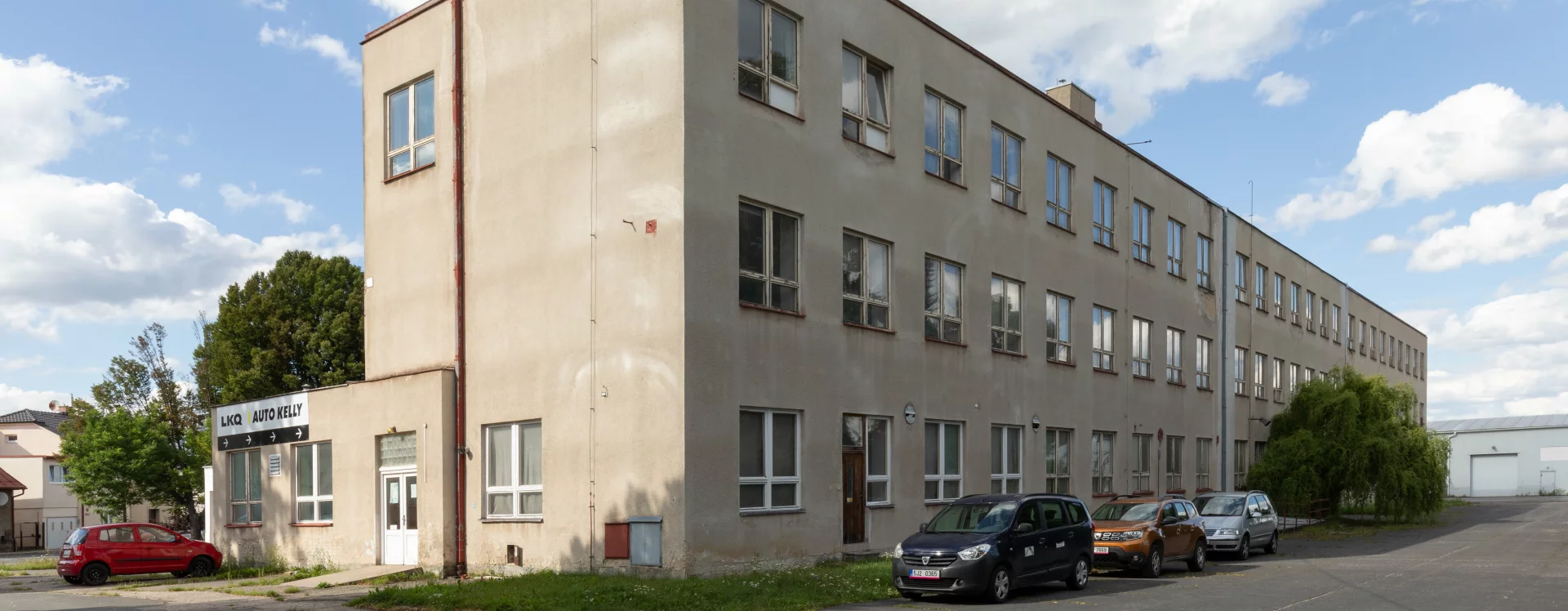
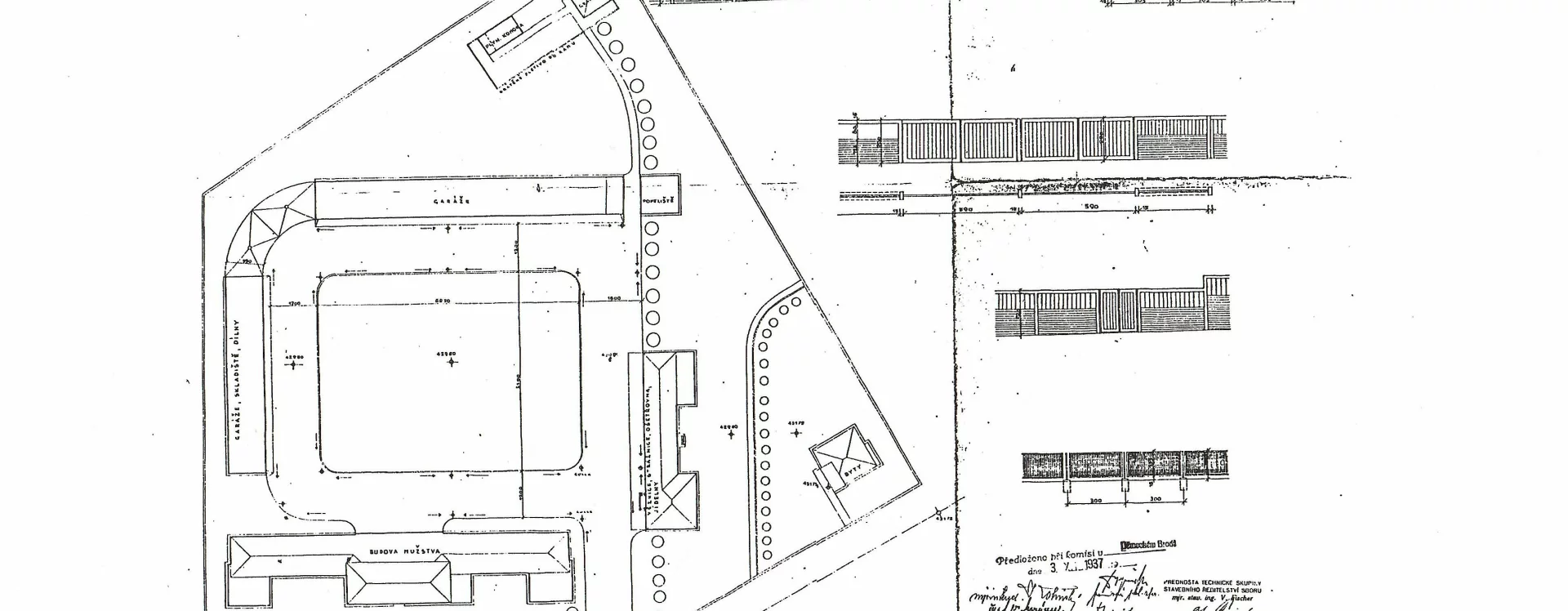
Two complexes were constructed within close proximity of each other. The first was the military barracks, located on a plot bounded by Čechova and Kpt. Nálepky streets, with the rear edge following the line of the Havlíčkův Brod–Humpolec railway. It comprised a two-storey building for enlisted personnel, its main facade facing the barracks courtyard (the military parade ground), and a building containing infirmaries with canteens, a guardhouse, and a detention cell. The eastern section was lined with garages, workshops and storage facilities, opening onto the courtyard. In the south-western corner were a gas training room and a reinforced storage room for munitions and signal flares. At the western edge of the site stood a residential building for officers and senior non-commissioned officers.
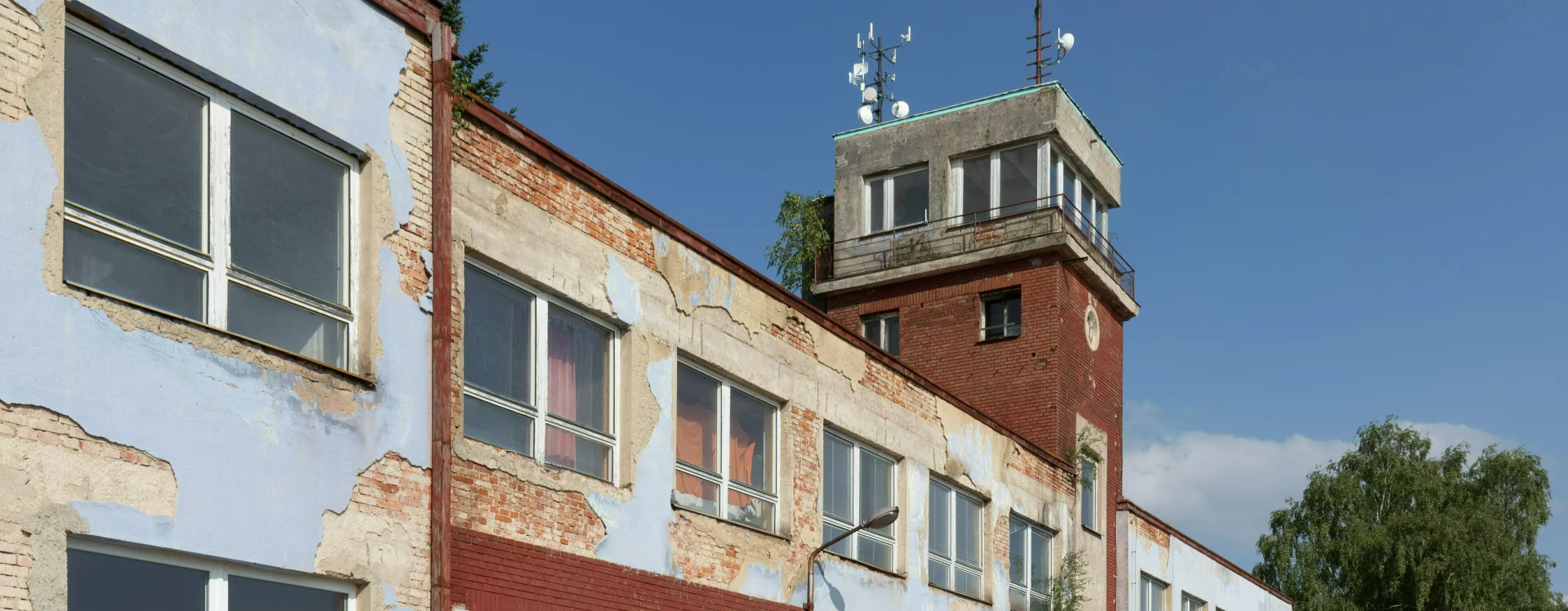
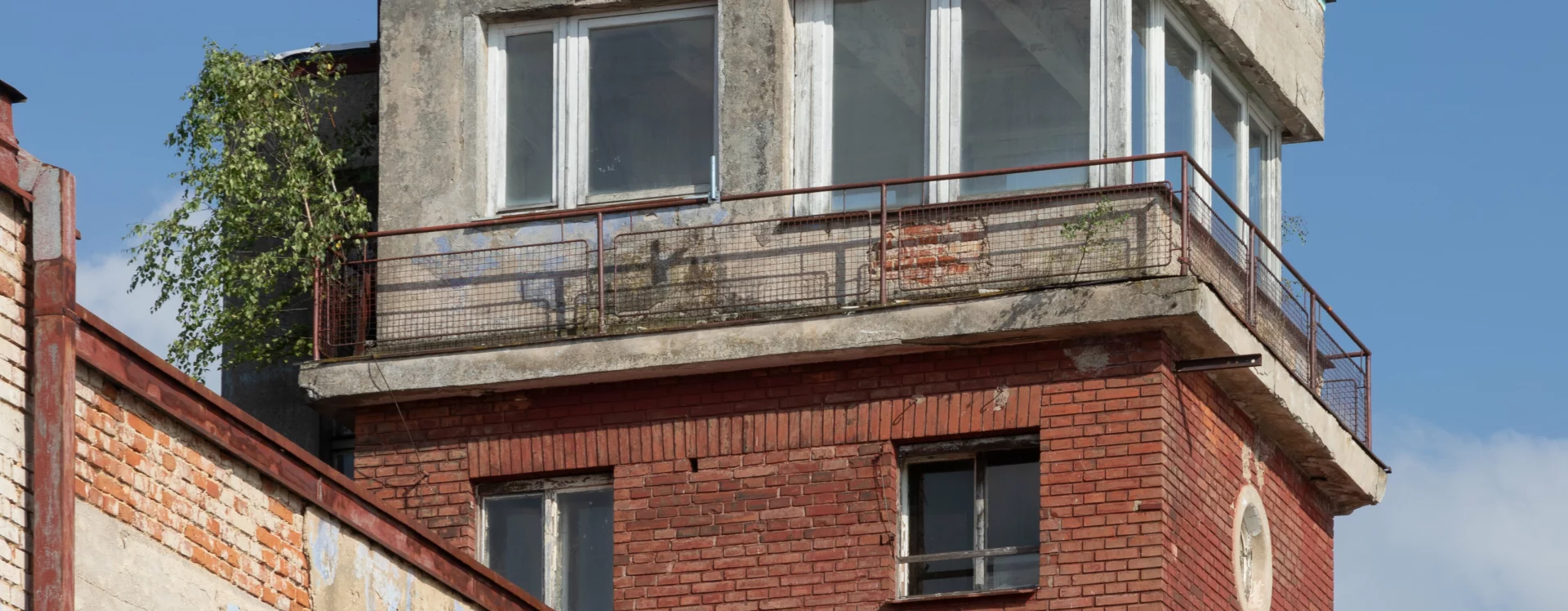
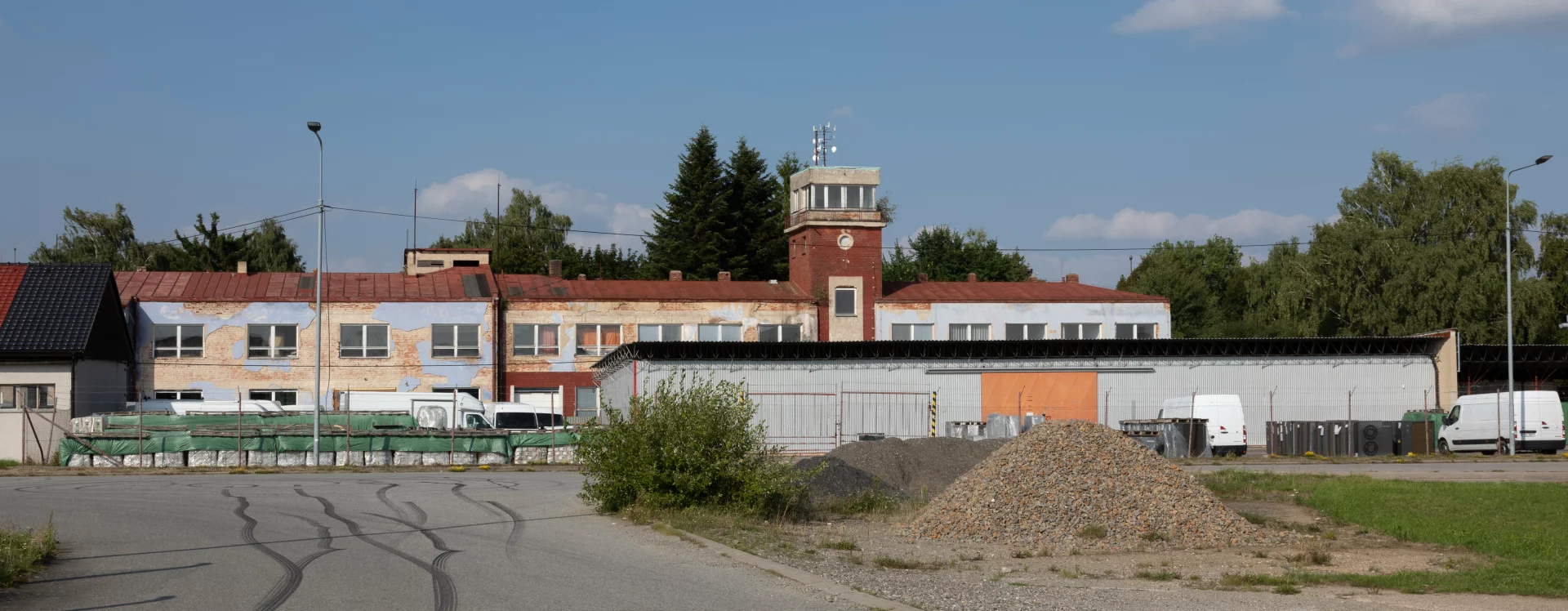
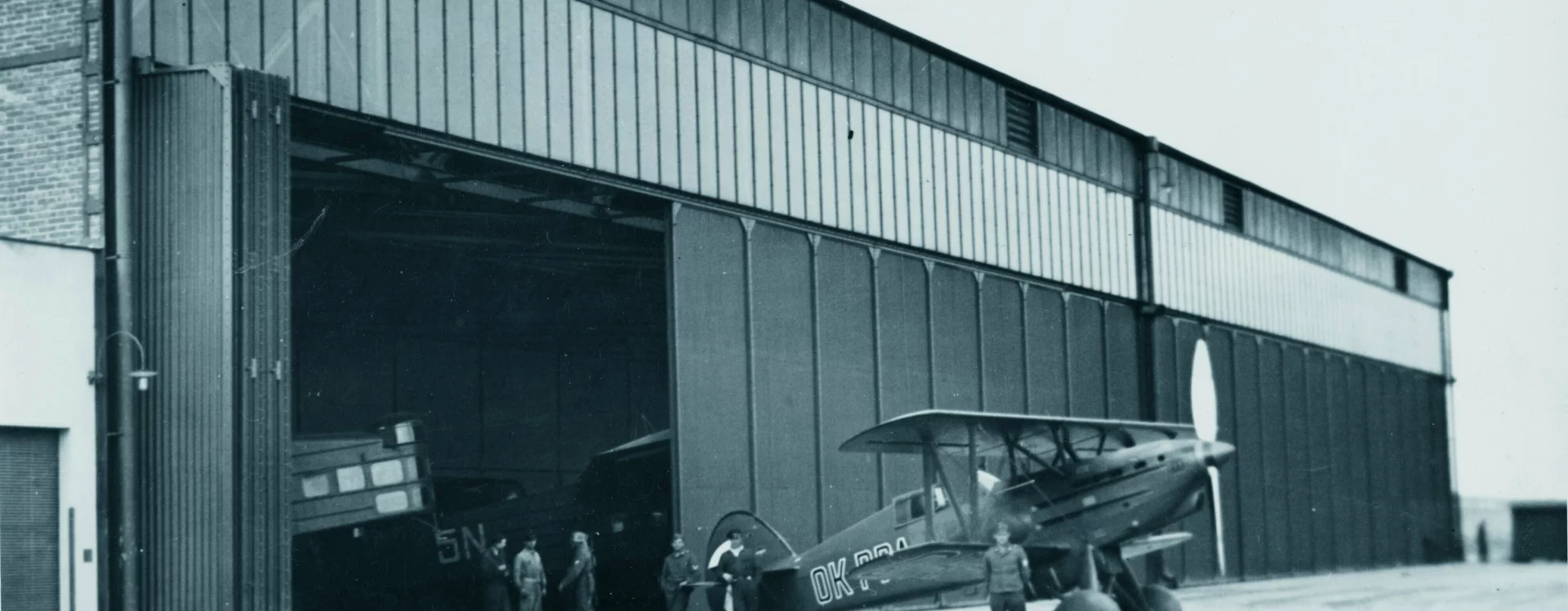
The second separate complex consisted of the military airfield, located on a ridge beyond the town, bordered on the northwest by the newly rerouted main road to Humpolec (the original road had crossed the airfield site). Hangars were constructed here with garages, a headquarters building with a control tower, a water and oil heating facility, additional hangars, and barracks.
Very little remains today of this once significant military base. It served its function throughout the second half of the 20th century, but after the abolition of compulsory military service in 2005, it was no longer of use. In view of the region’s history, it would be worthwhile preserving at least the headquarters building with its control tower, which could serve as a reminder of this sad yet important chapter from the town’s past.
Dana Schlaichertová, 2025
Literature
Pavel Petr. A blankyt potemněl... (výstavba letišť, letecké jednotky a výcvik pilotů na česko-moravském pomezí v letech 1935 až 1938). In: Pomezí Čech, Moravy a Slezska. Litomyšl, 2012. p. 87-138.
Dana Schlaichertová. Architektura a urbanismus Havlíčkova Brodu 1848-1938. Olomouc, Katedra teorie a dějin umění FF UP, 1998, Diplomová práce. p. 84-87.
Dana Schlaichertová. Kasárna pro těžkou bombardovací peruť o dvou letkách. In: Aleš Veselý (ed.). Příběhy brodských domů. Havlíčkův Brod, Galerie výtvarného umění v Havlíčkově Brodě, 2016, p. 230-235. ISBN 978-80-904726-9-3.
Sources
Archiv Kasáren pozemního vojska Havlíčkův Brod - soukromý archiv.
Státní okresní archiv Havlíčkův Brod, fond Archiv města Havlíčkův Brod. sv. karton 430-432.