The establishment of an independent Czechoslovakia was a period of major political, sociocultural, and religious transformation. It represented a movement towards the democratization of society and detachment from Habsburg rule, which was often emotionally associated with Catholicism and, in art, with the Baroque period. A new era was to emerge—modern, open, and democratic.
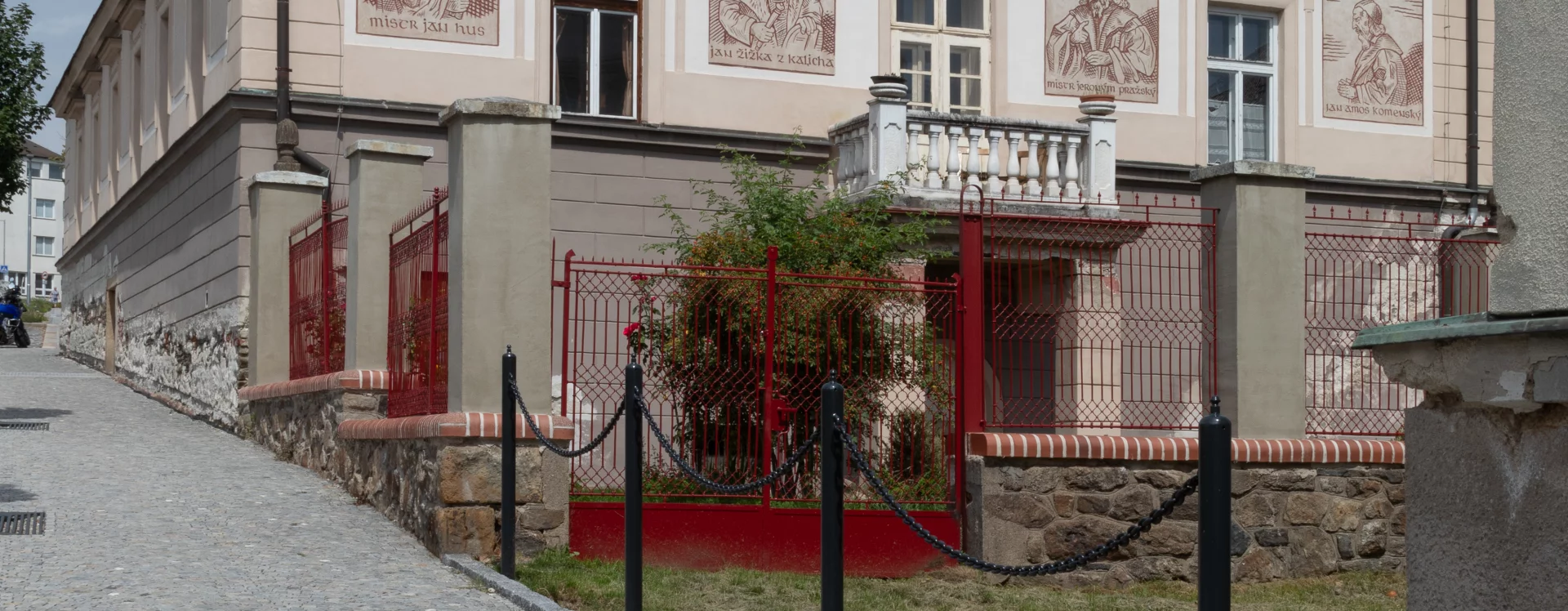
It was within this atmosphere that the new national Czechoslovak Church was established on 8 January 1920. It primarily drew upon early Christian traditions, which had been propagated in the Czech lands through various reform movements, with a clear reference to the theology of Master Jan Hus. From the very beginning, it gained considerable popularity—not only for the principles it upheld but also for its emotional appeal to the national pride of the citizens.
Just a few months after its founding, the new church expanded to Německý Brod (9 May 1920). The number of believers grew rapidly, and by 1925 the congregation already numbered 3,500 members—around 40% of the town’s population. The idea of acquiring one of the existing ecclesiastical buildings for its needs did not come to fruition, and the congregation therefore reluctantly decided to build its own house of worship.
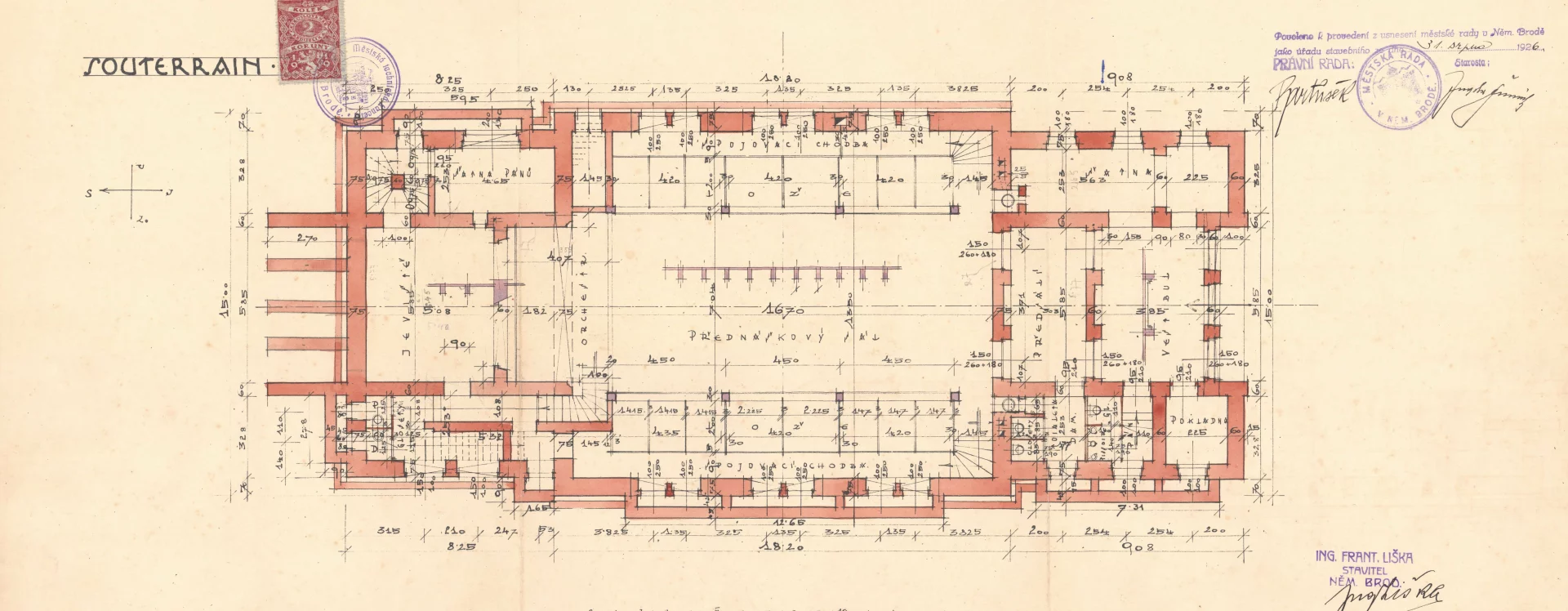
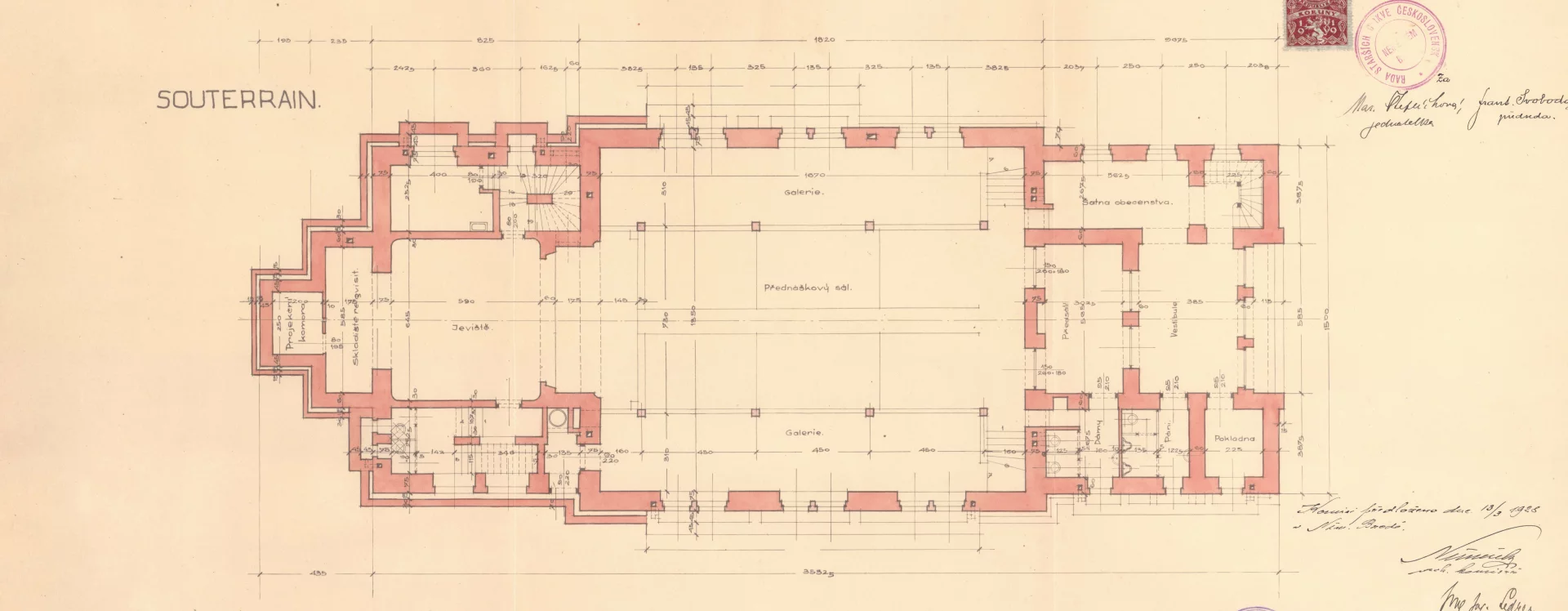
From the very beginning, the church placed strong emphasis on fostering a sense of community. Its aim was to unite the liturgical space with the secular, a concept reflected in the architecture of its congregational buildings through the inclusion of a theatre or lecture halls, projection rooms, and similar facilities—designed in a modern manner, with honesty of expression and purity of form, as noted by the journal Stavitel in 1924.
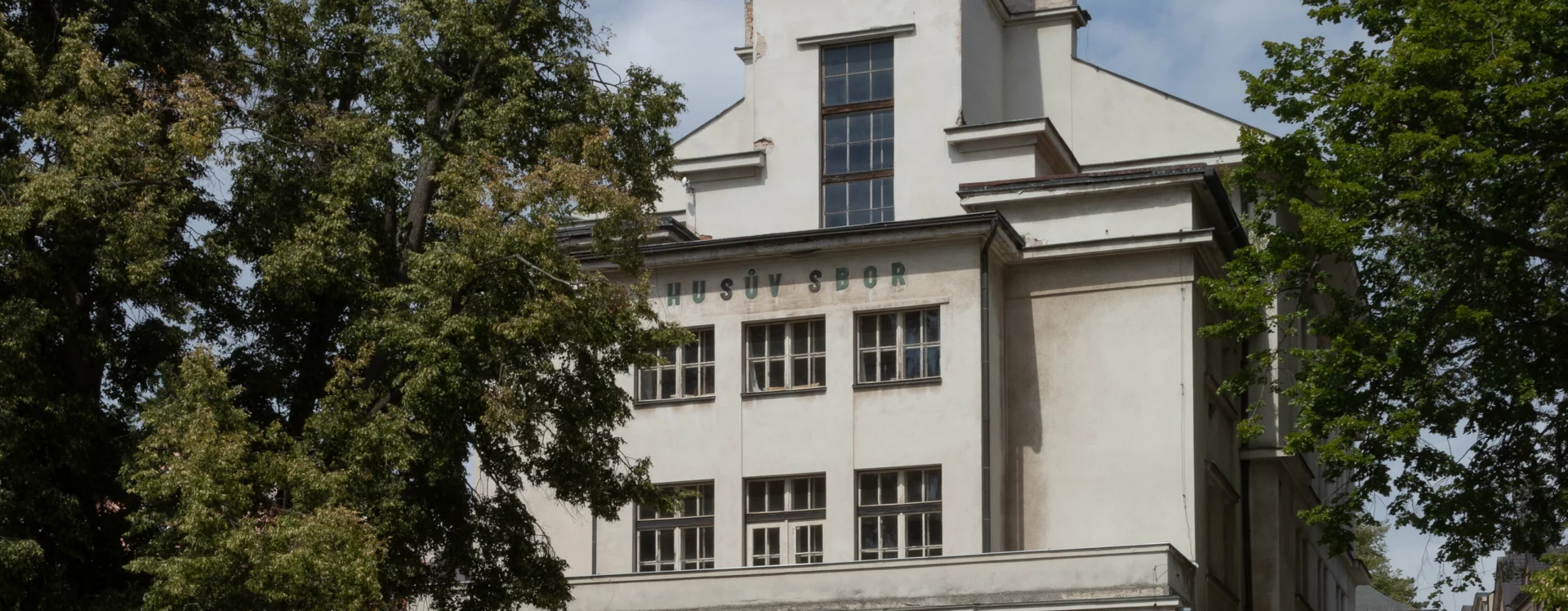
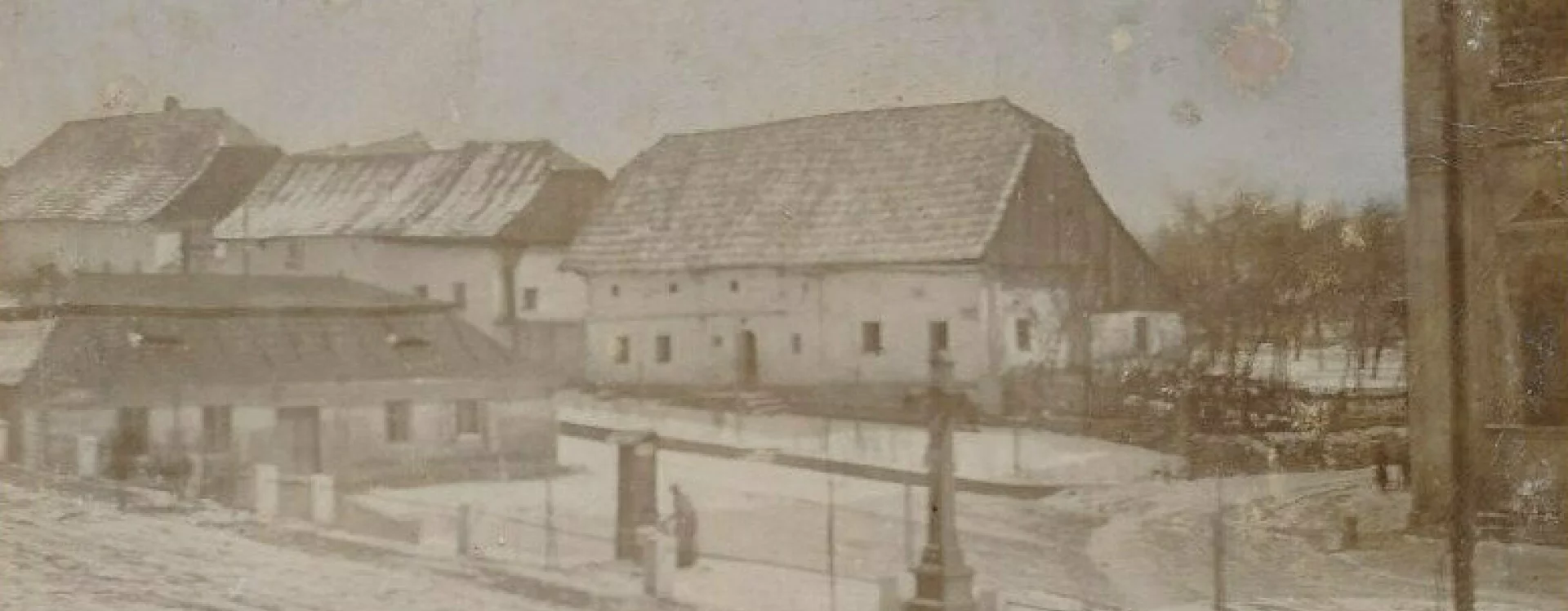
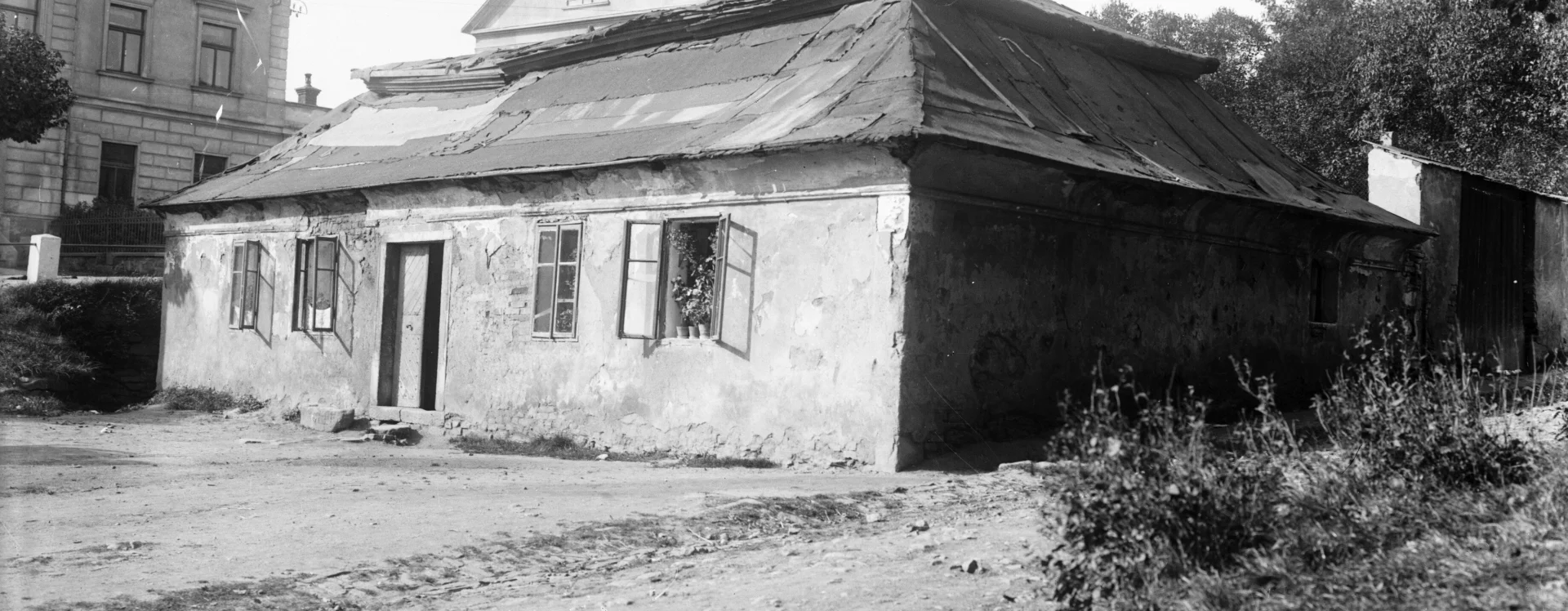
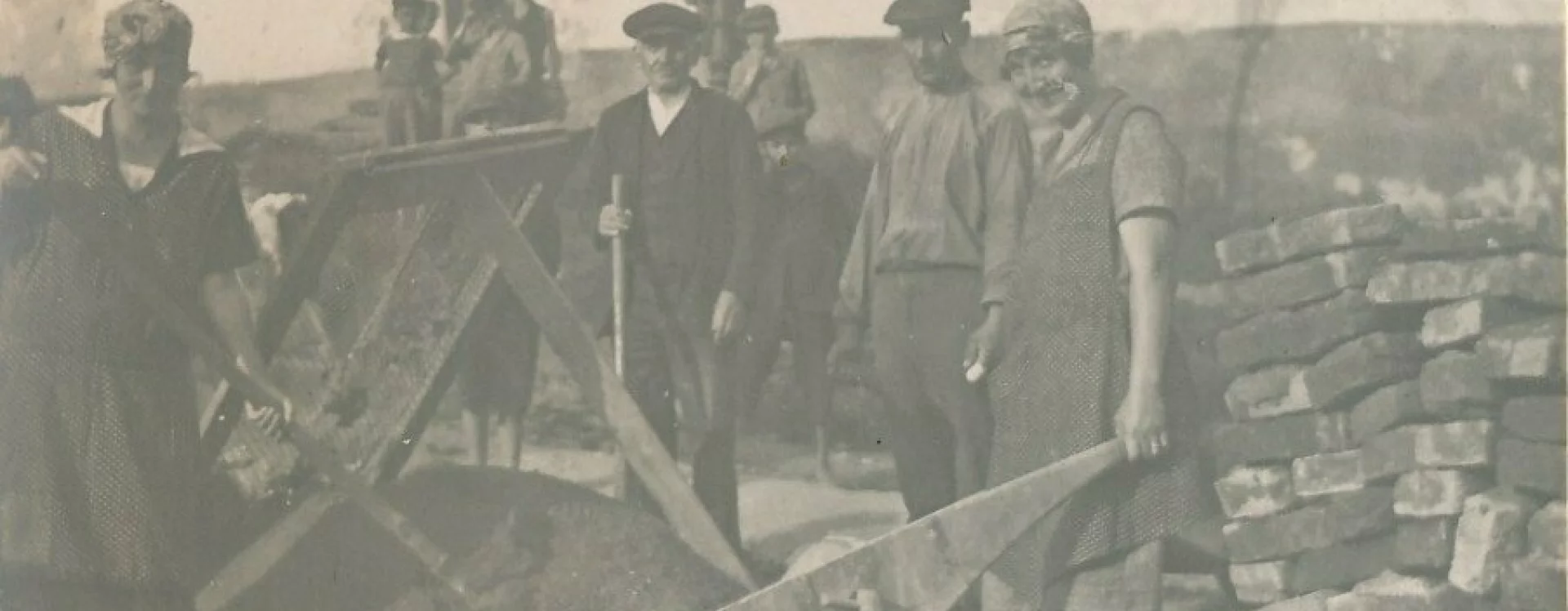
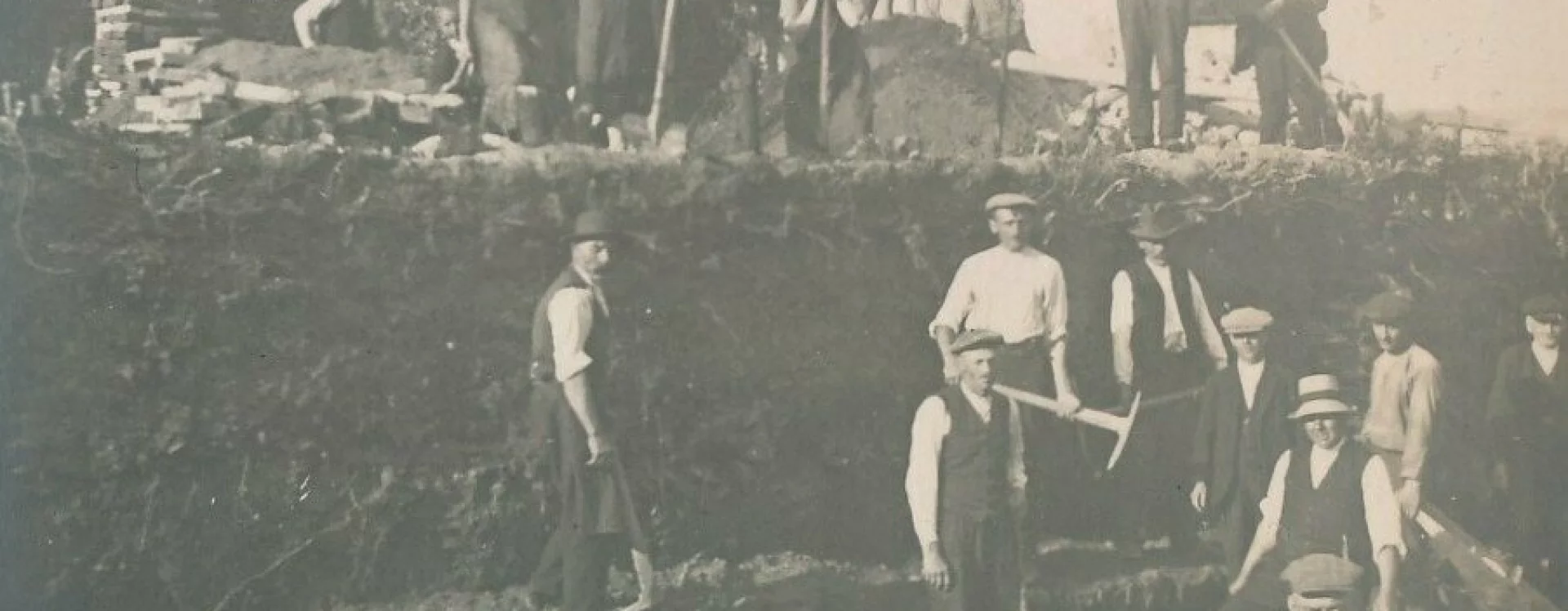
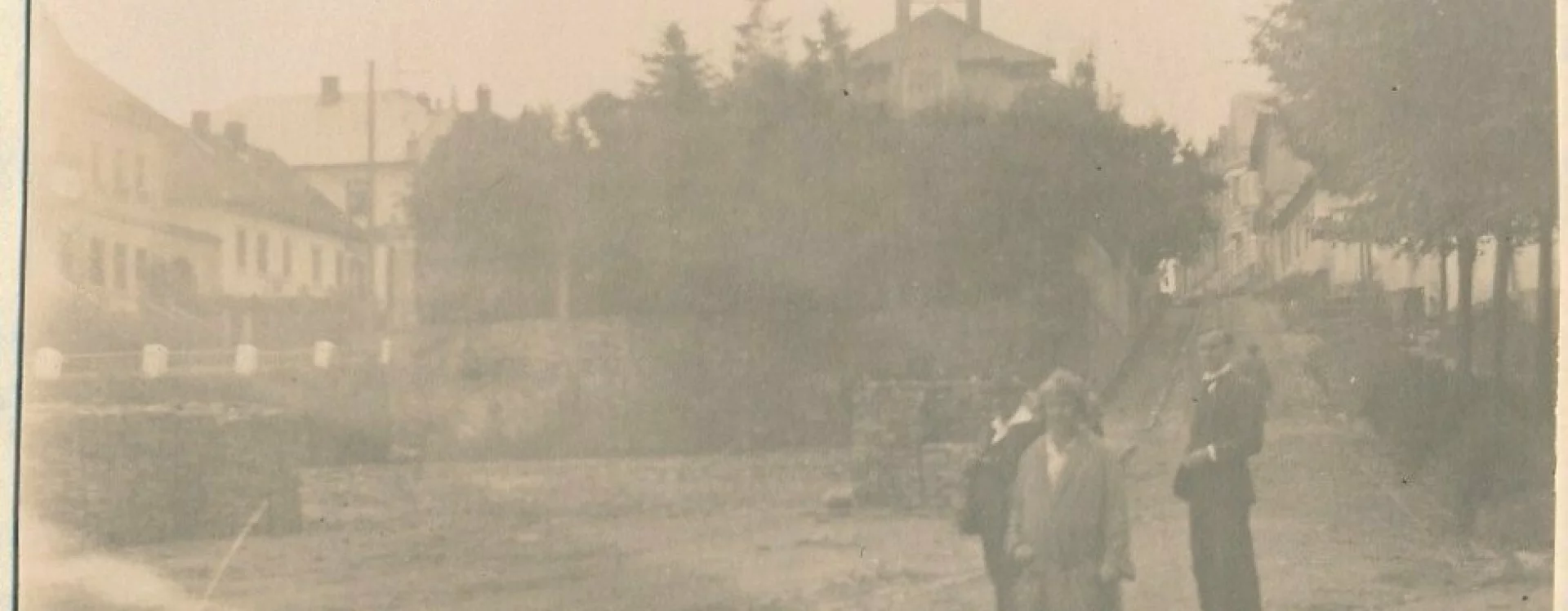
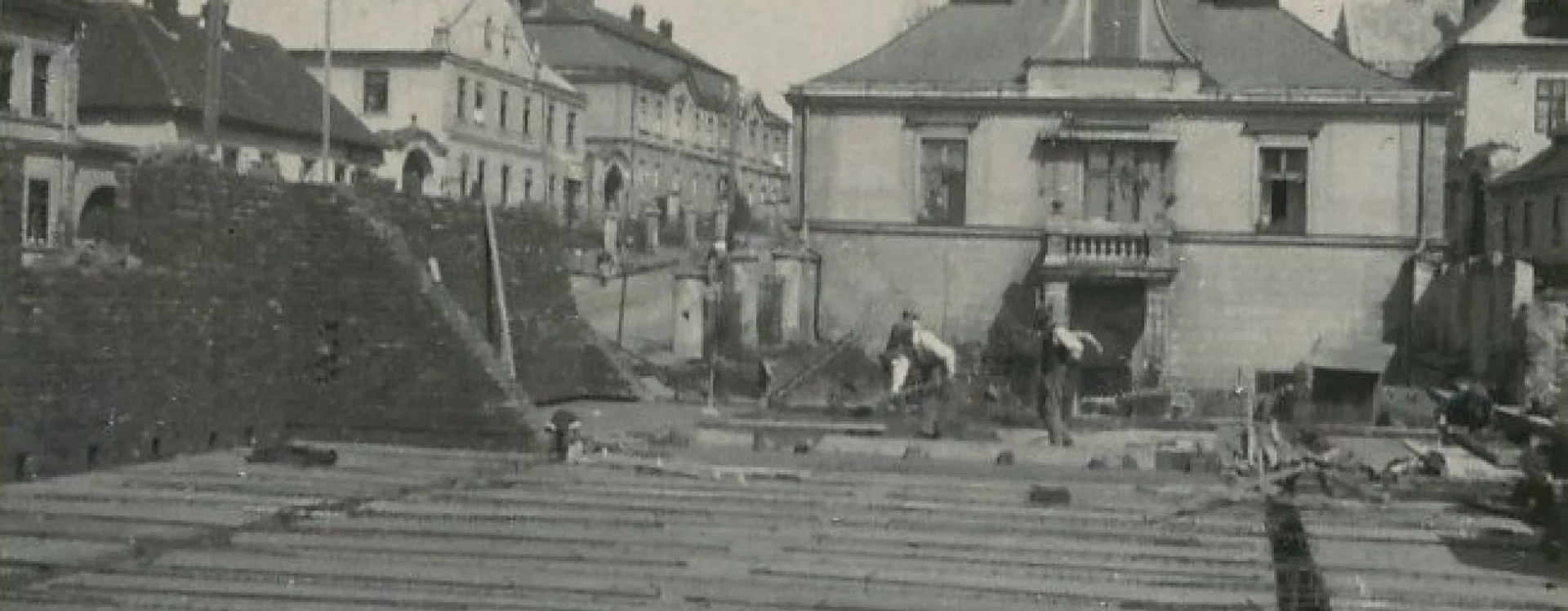
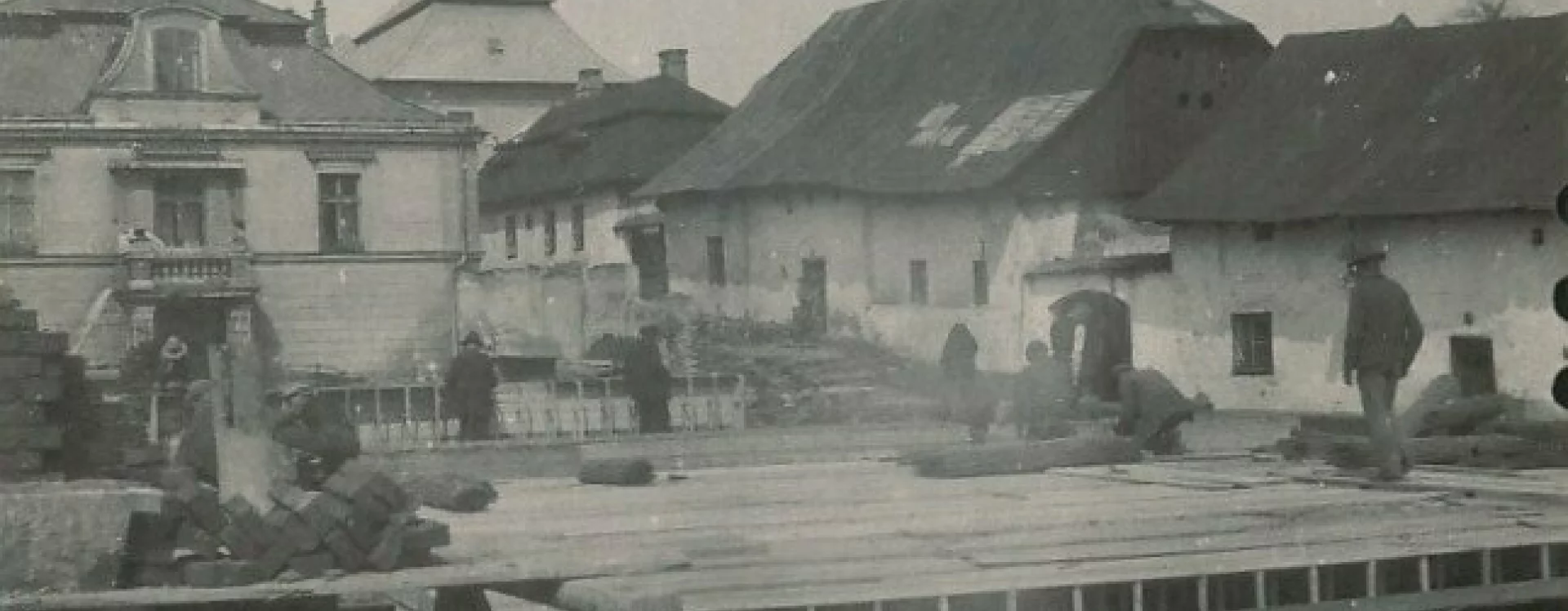
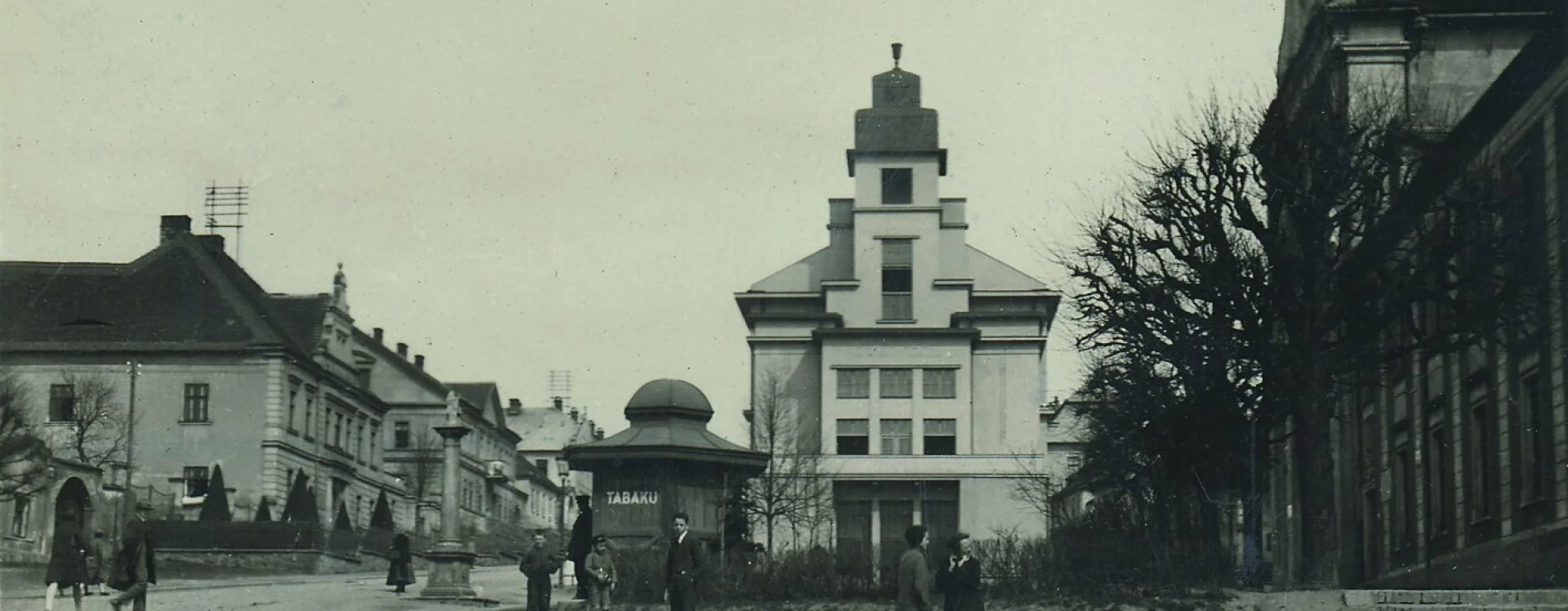
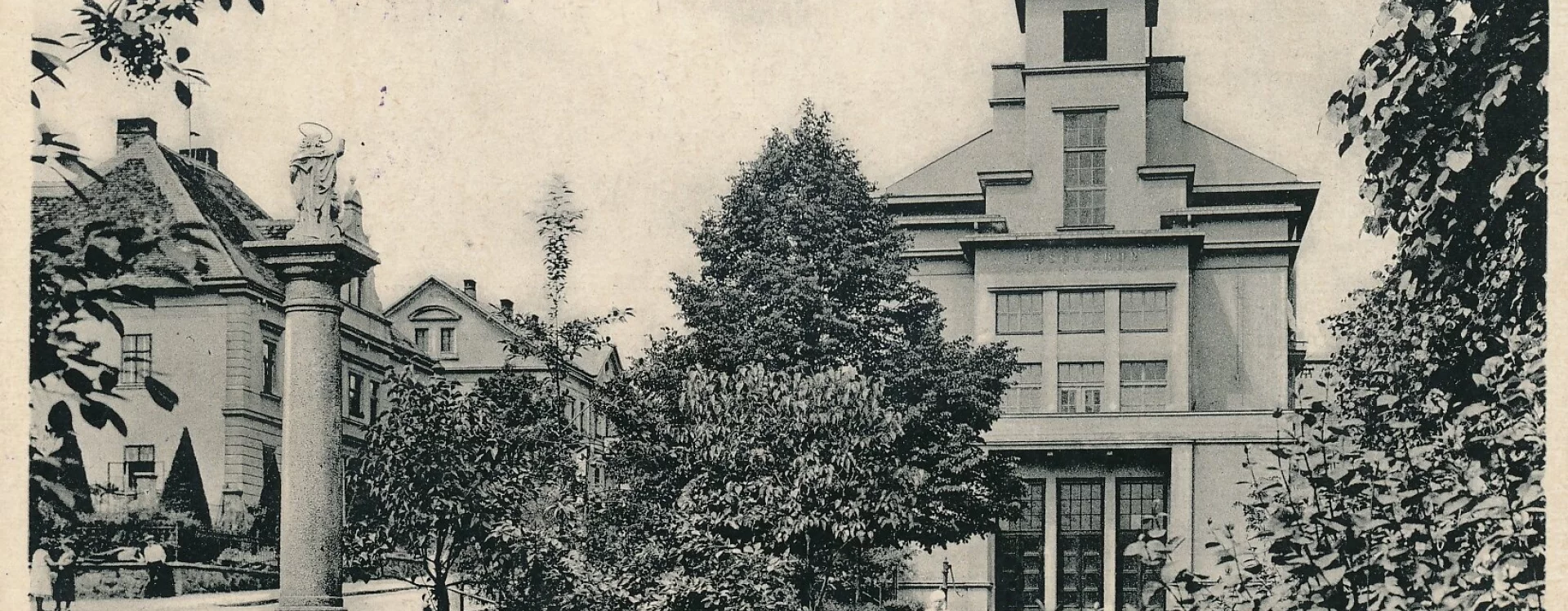
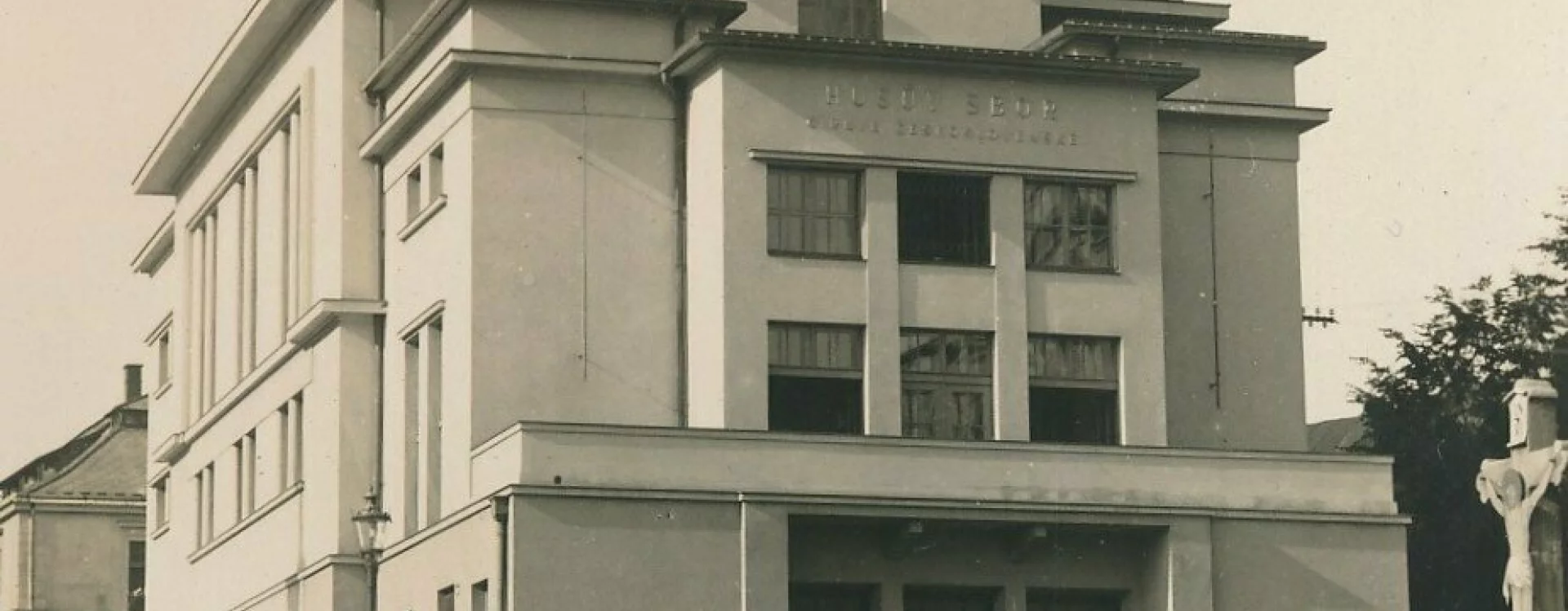
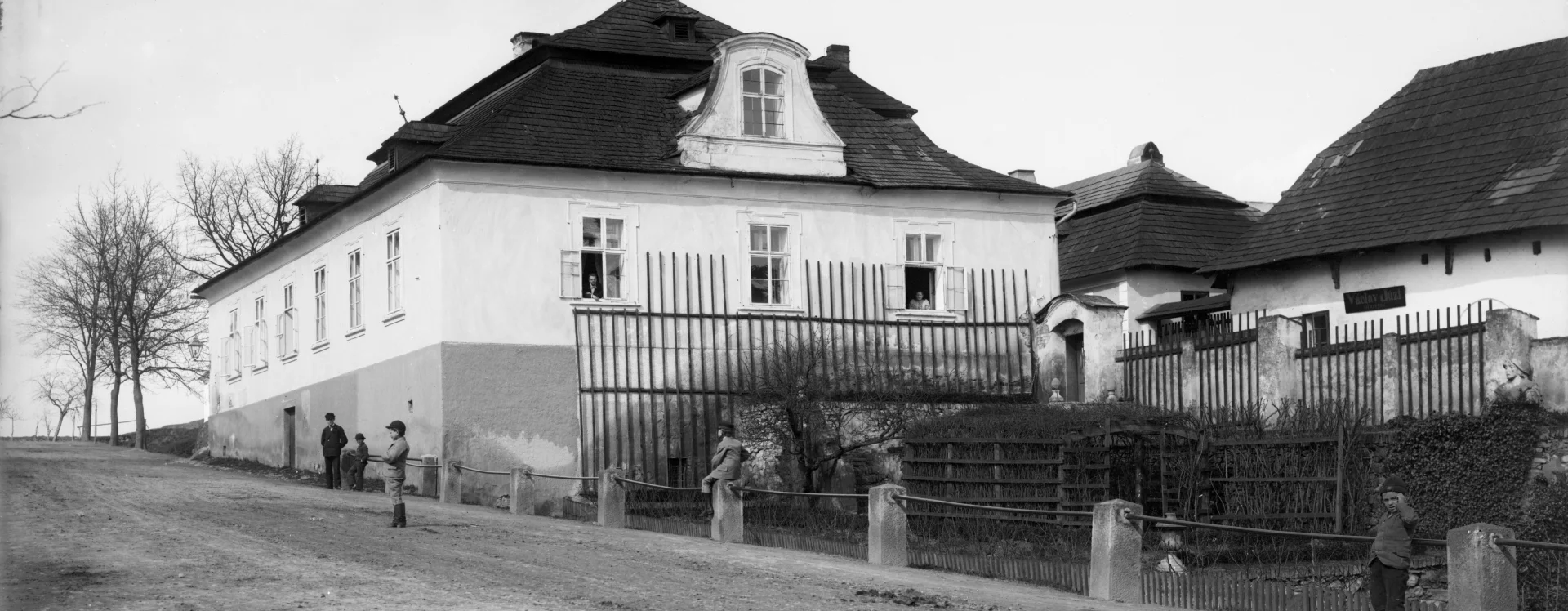
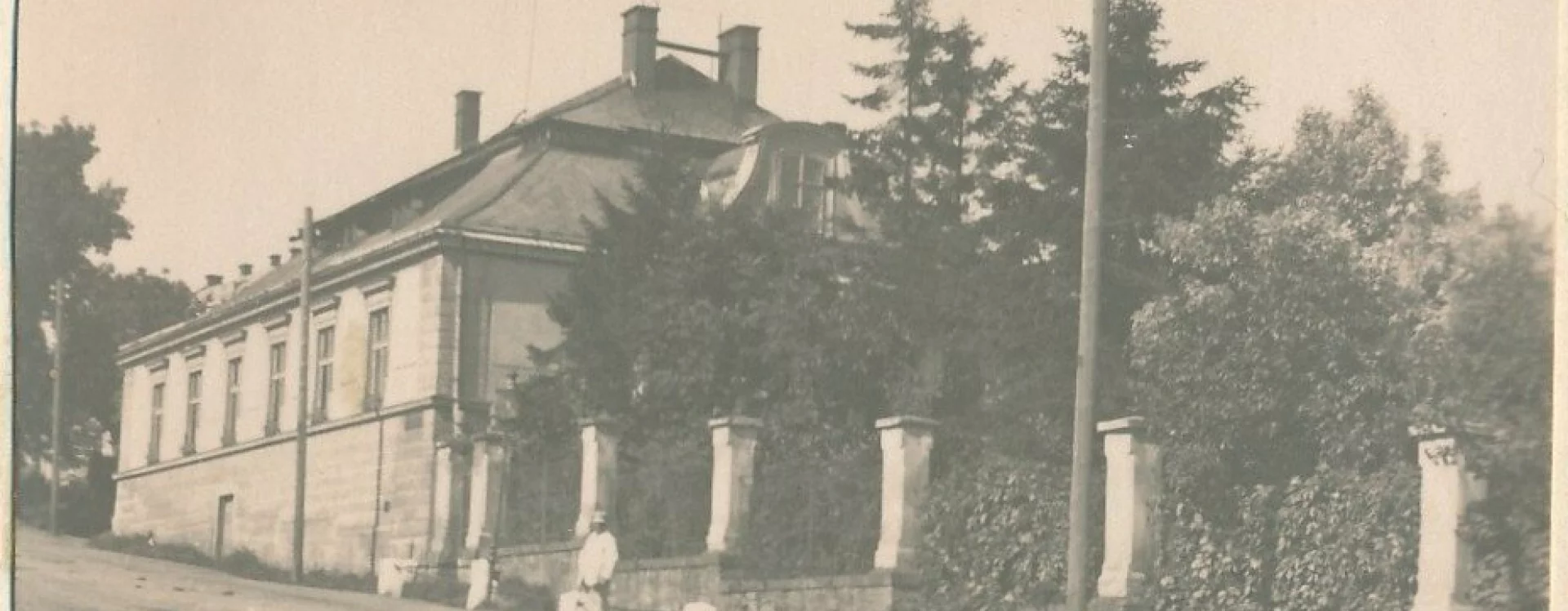
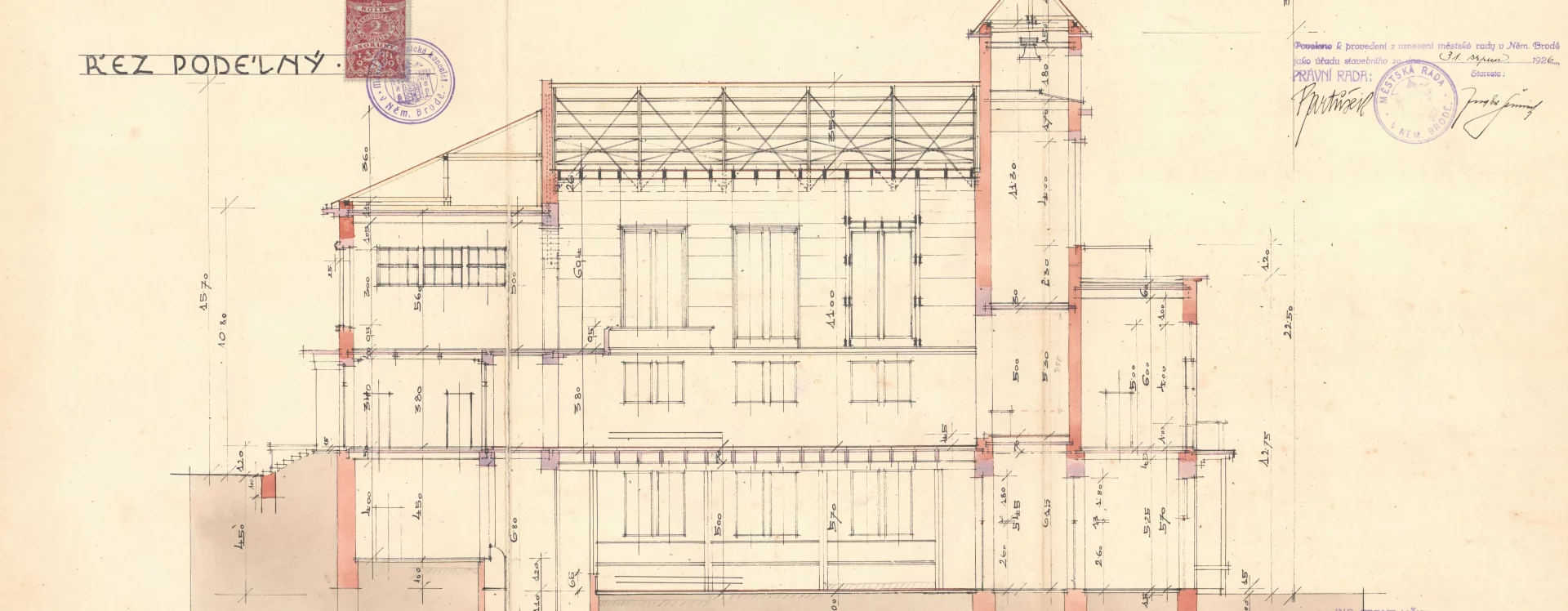
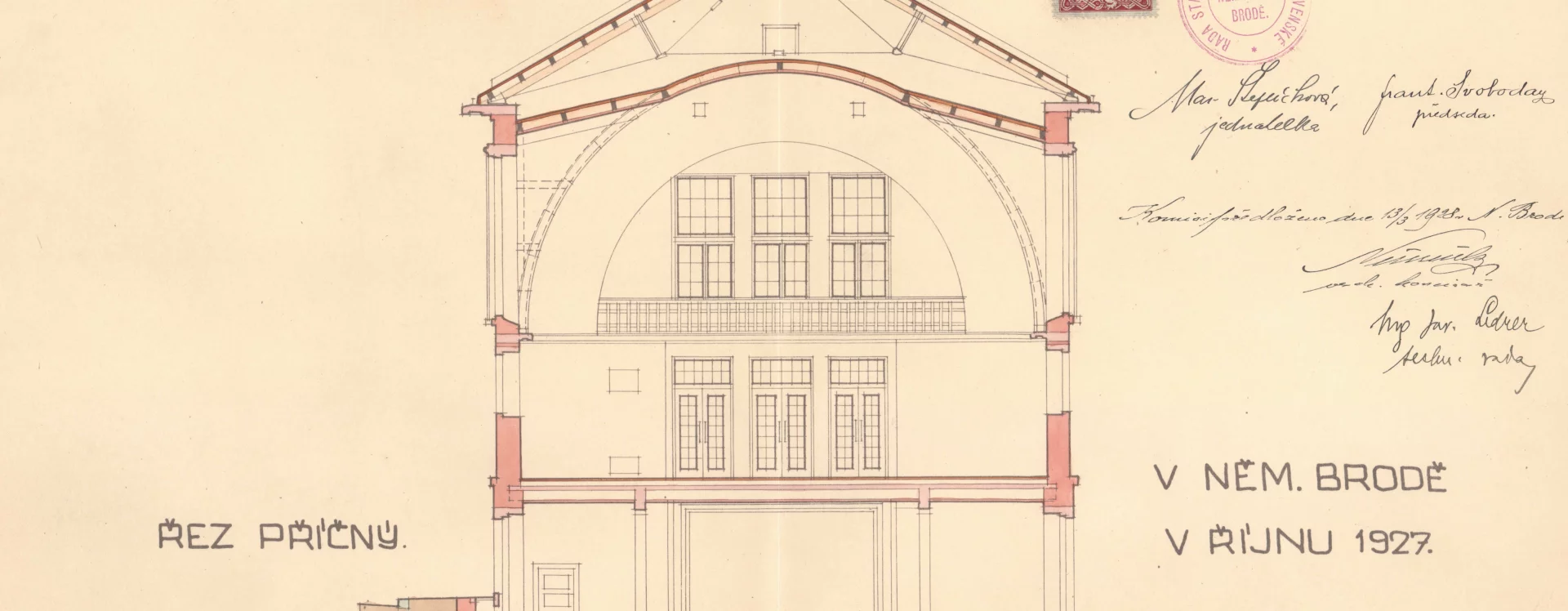
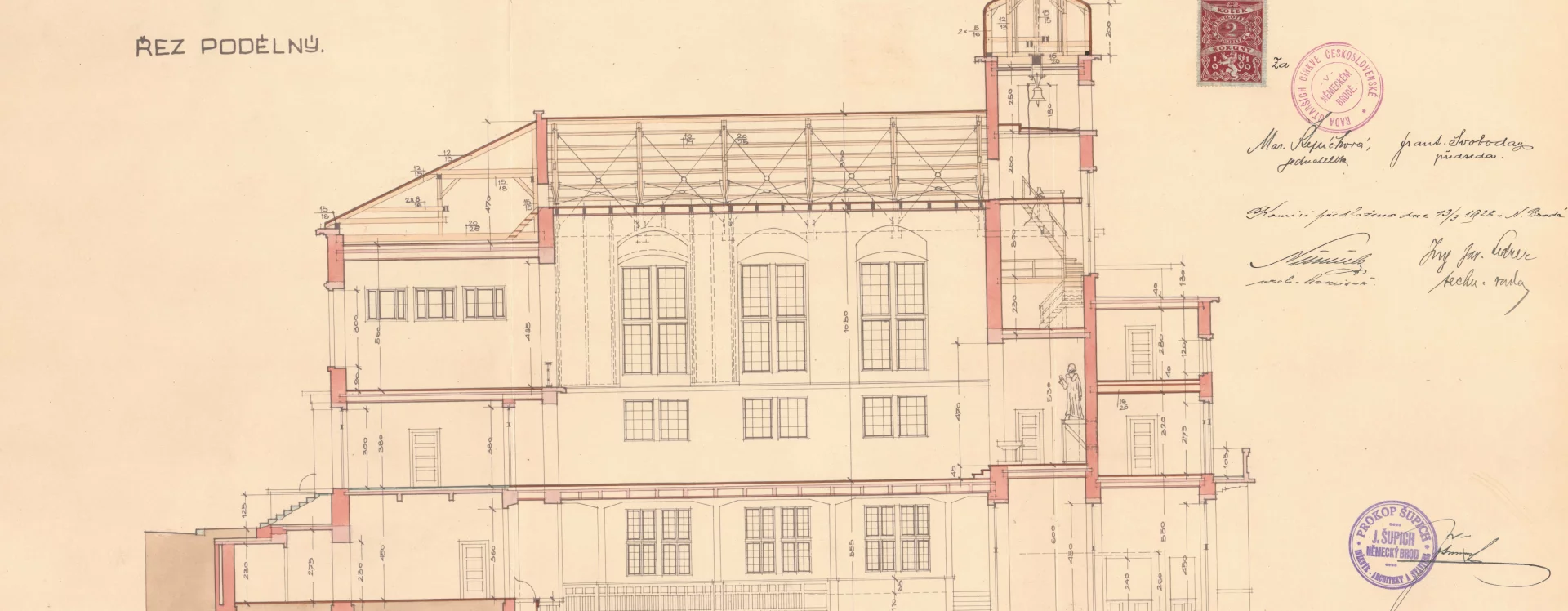
The project was designed by František Liška with the assistance of Ladislav Doskočil and was situated on land belonging to František Zahradnický, head physician of the Brod hospital, who sold the land to the church upon his retirement and moved to Prague.
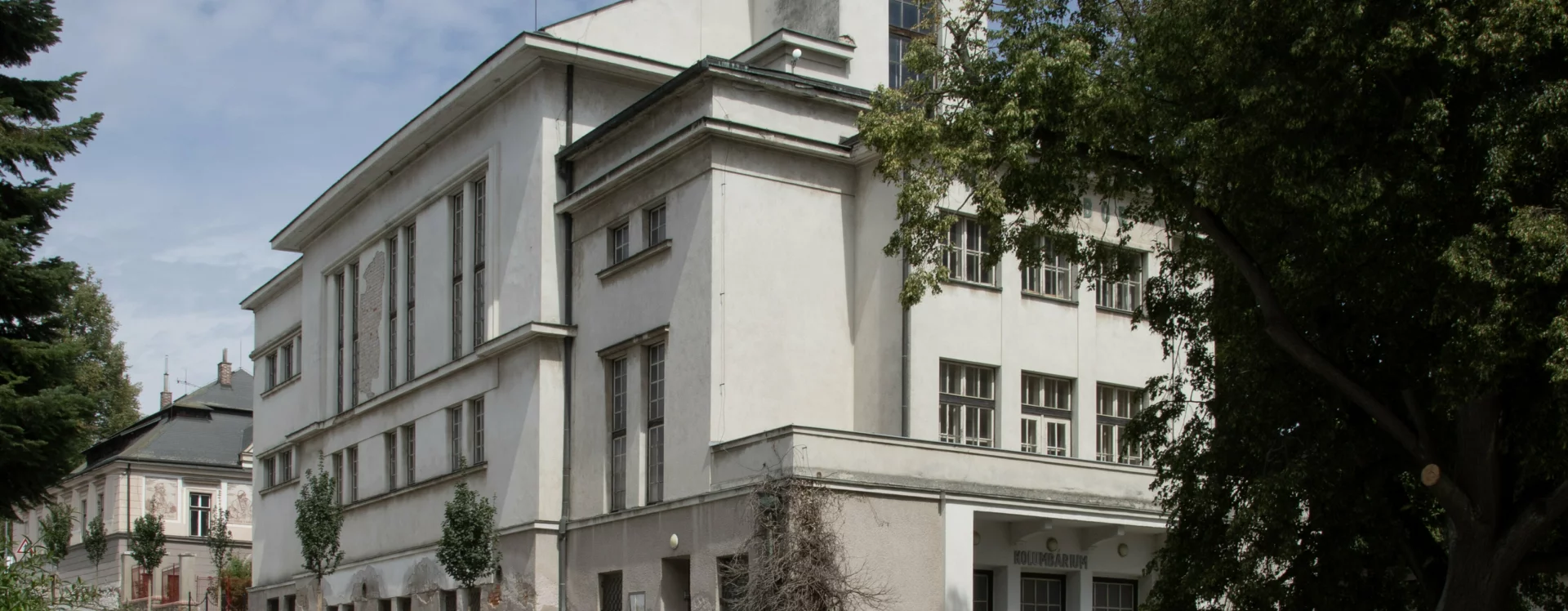
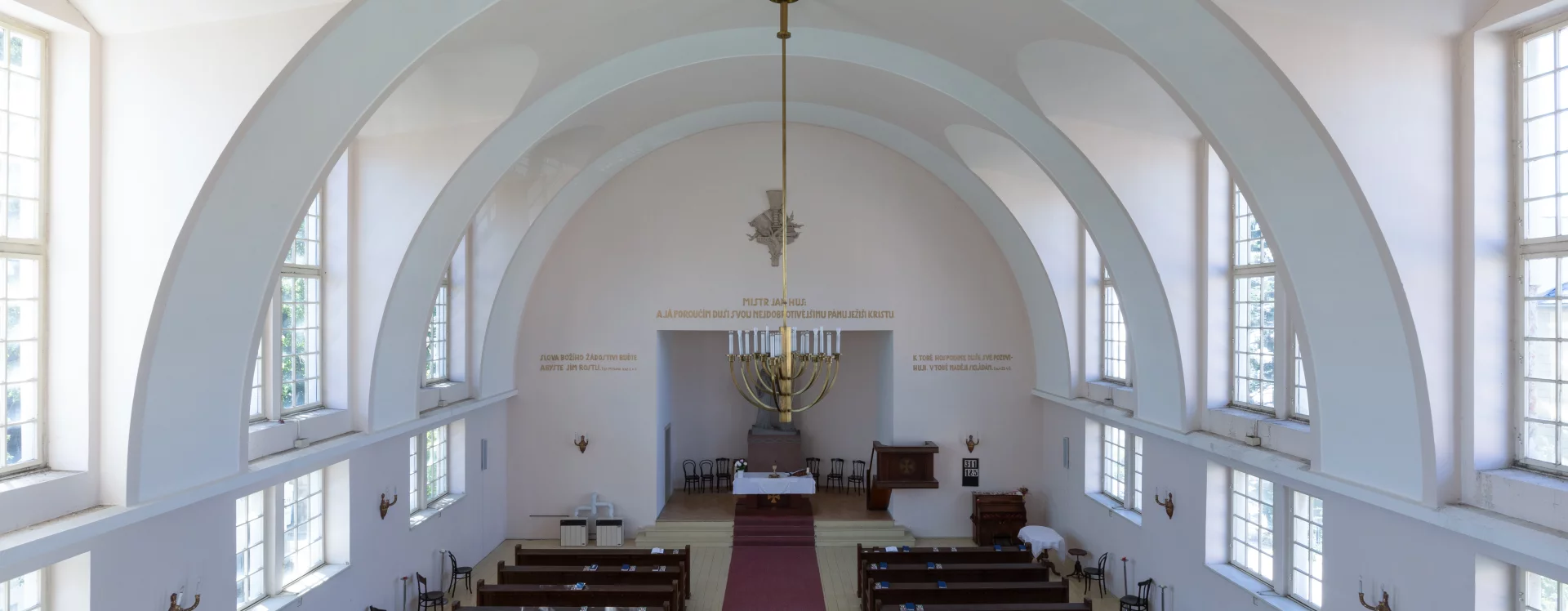
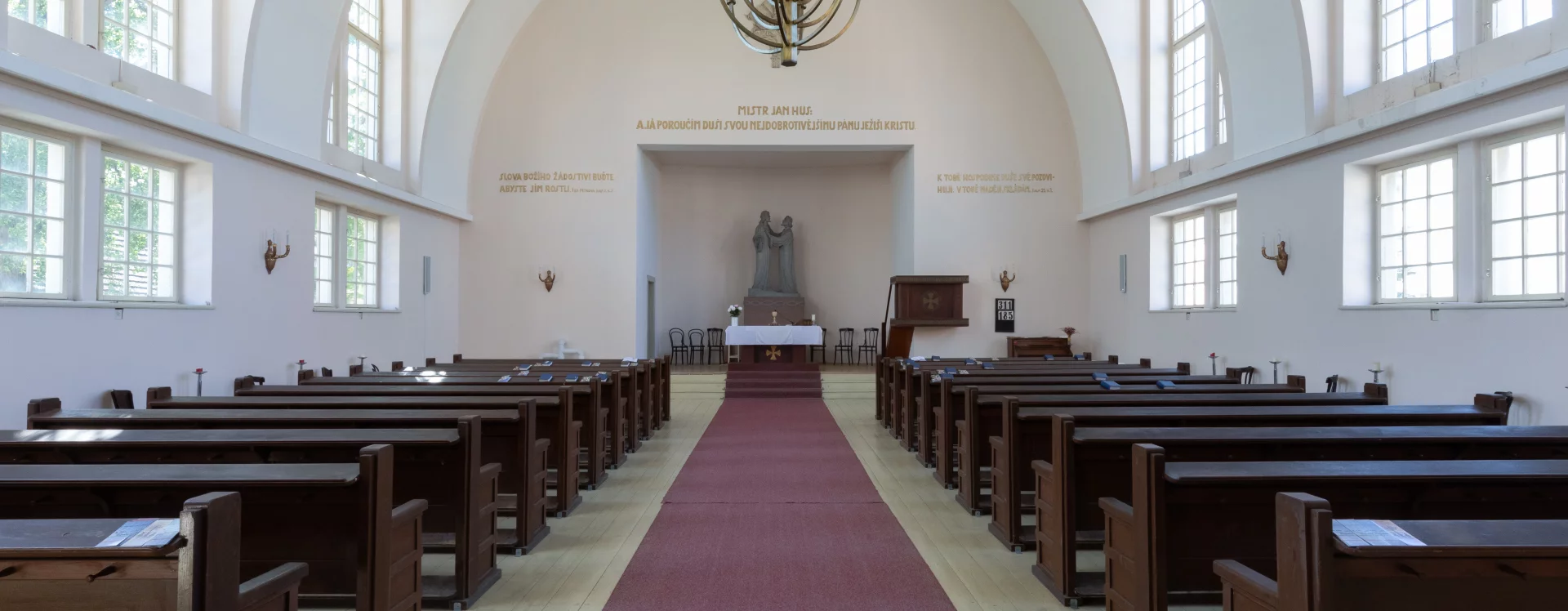
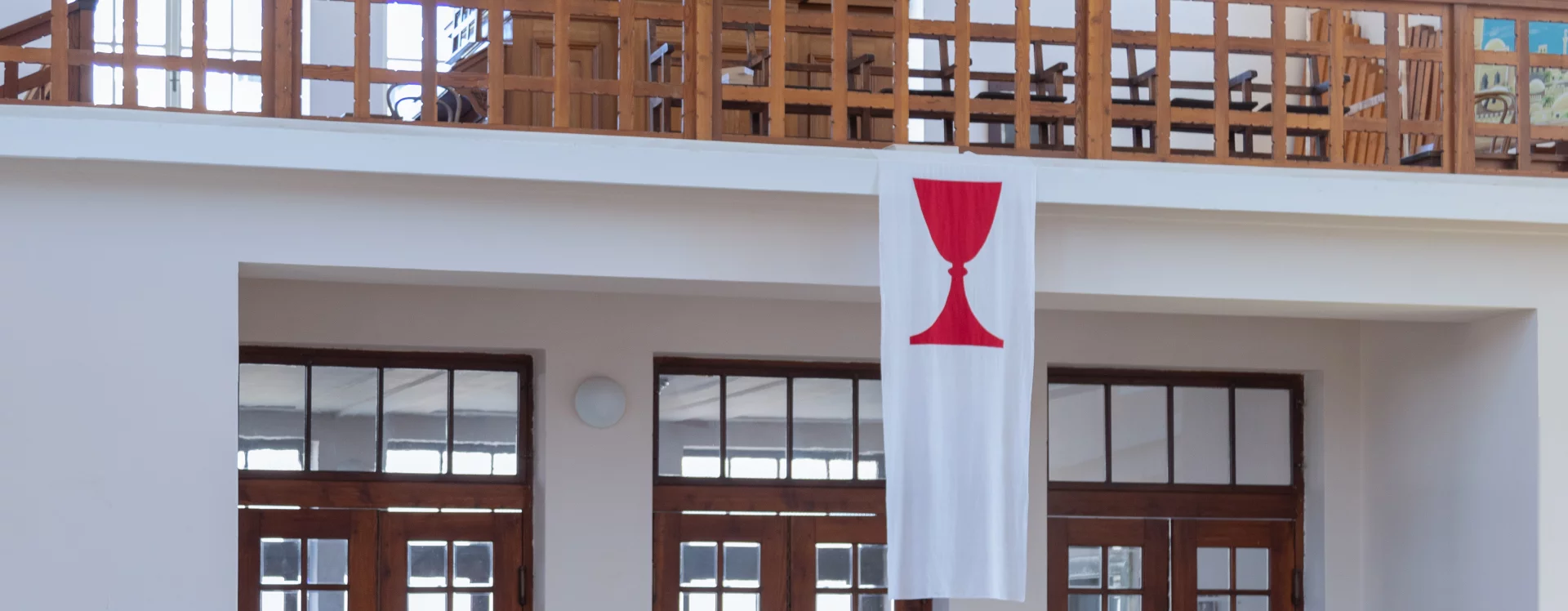
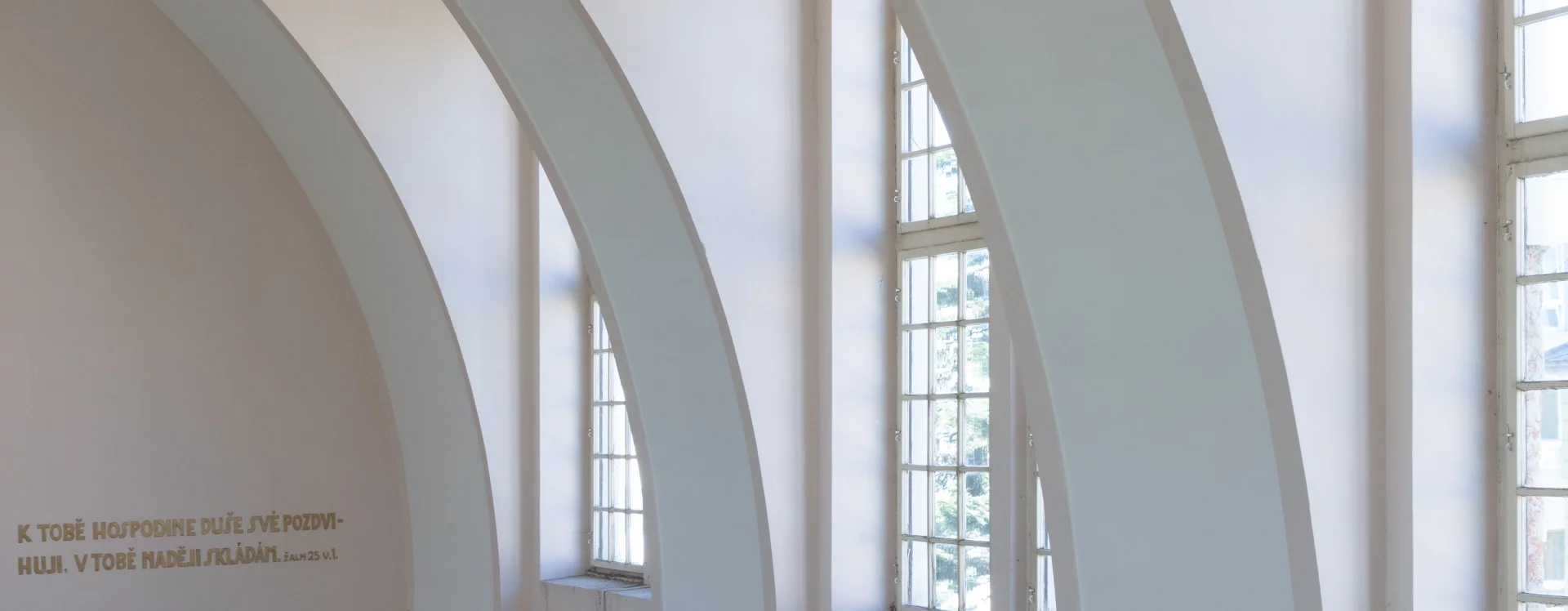
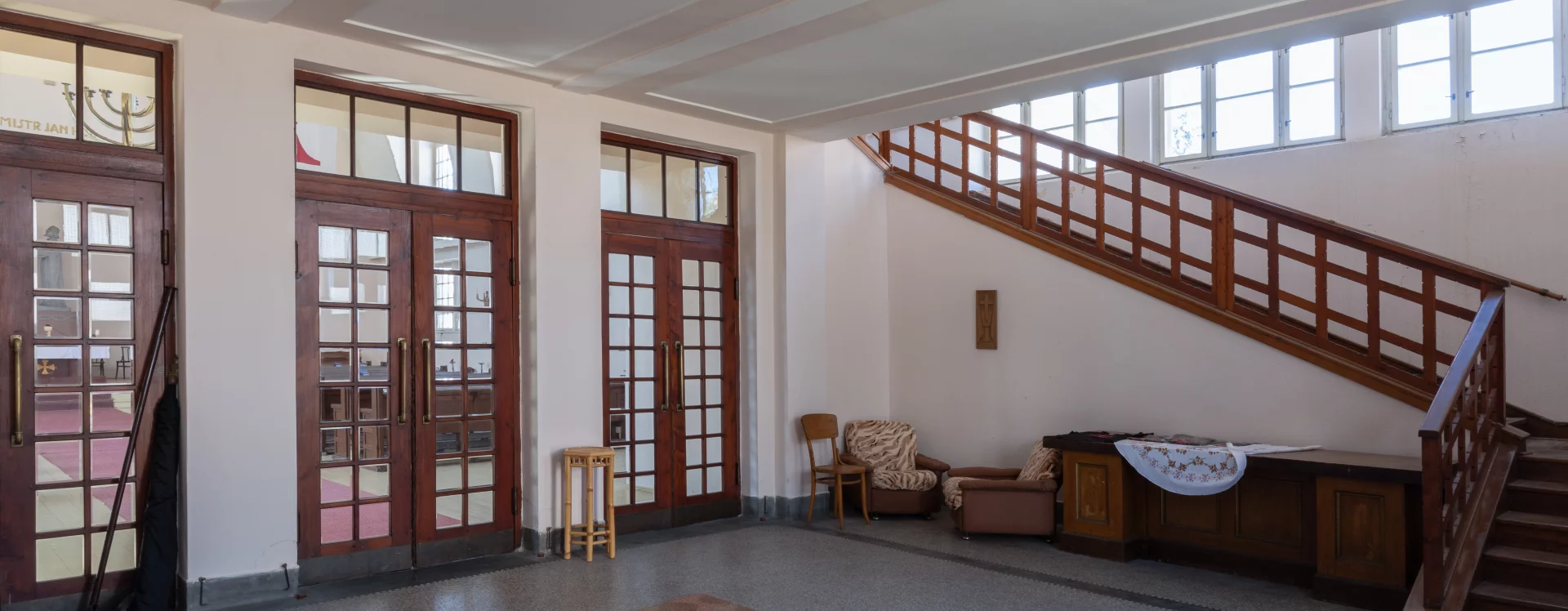
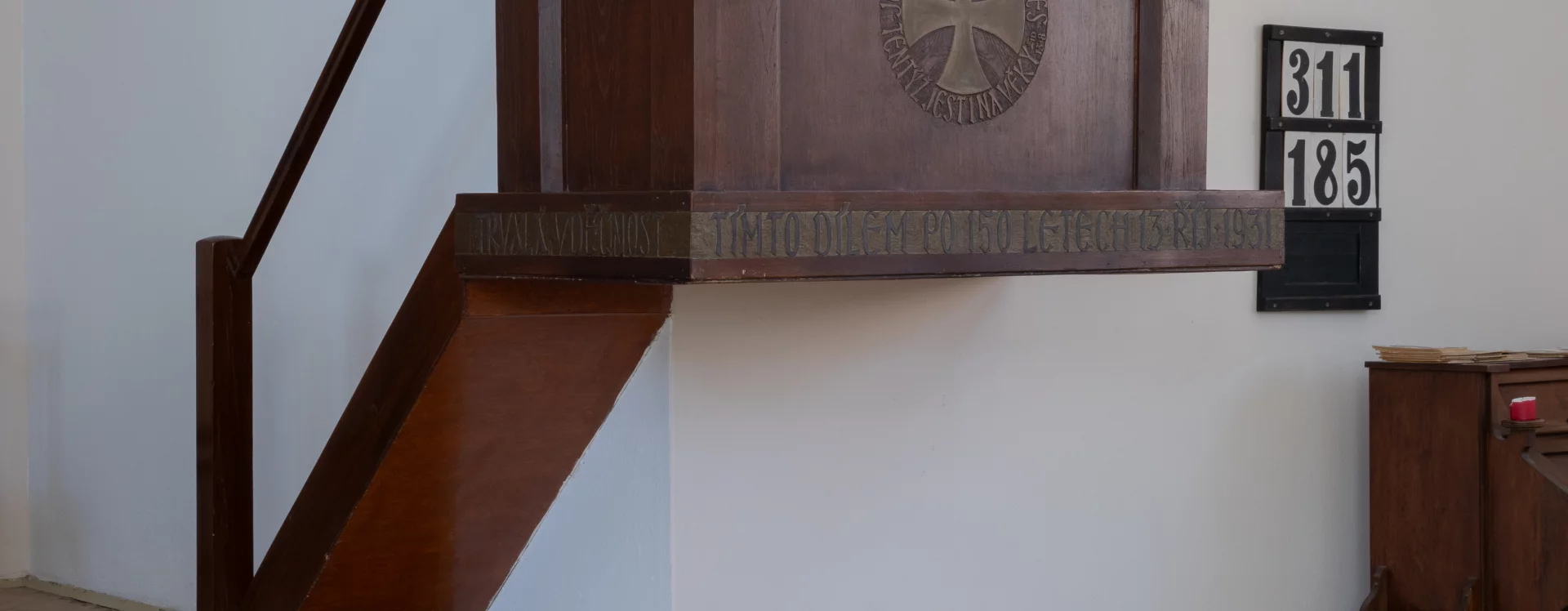
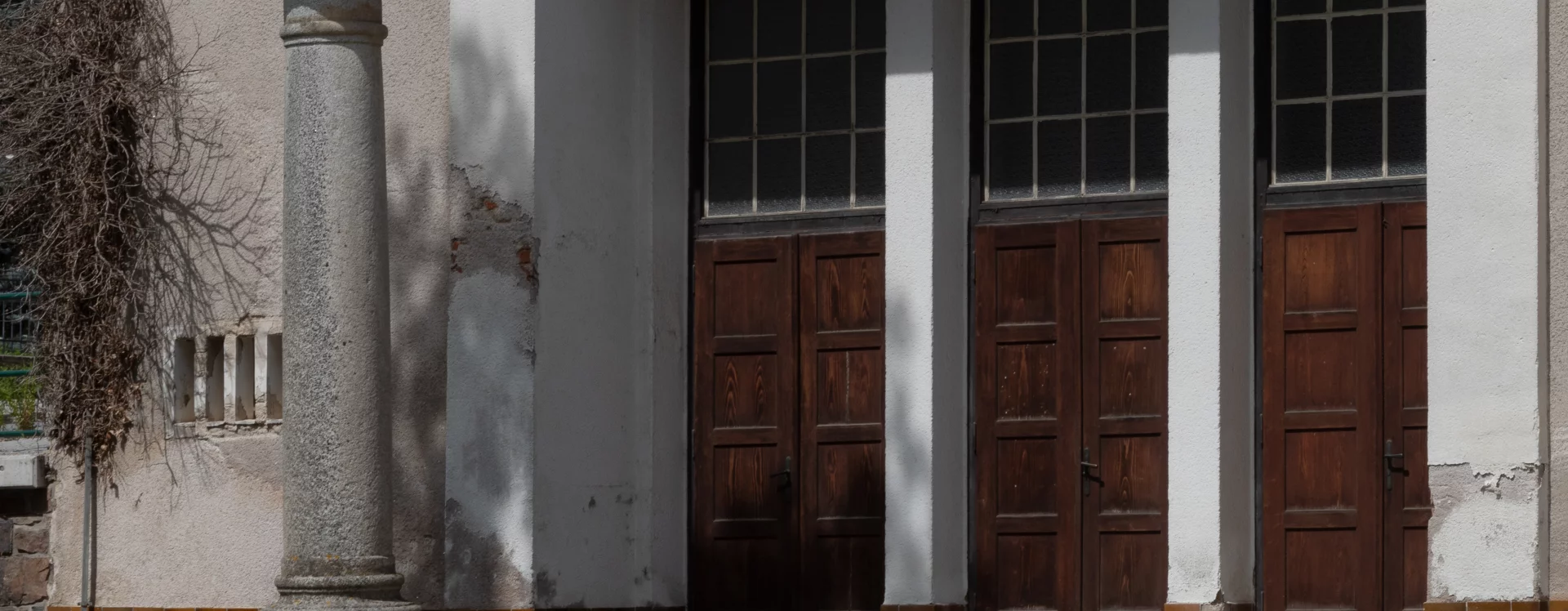
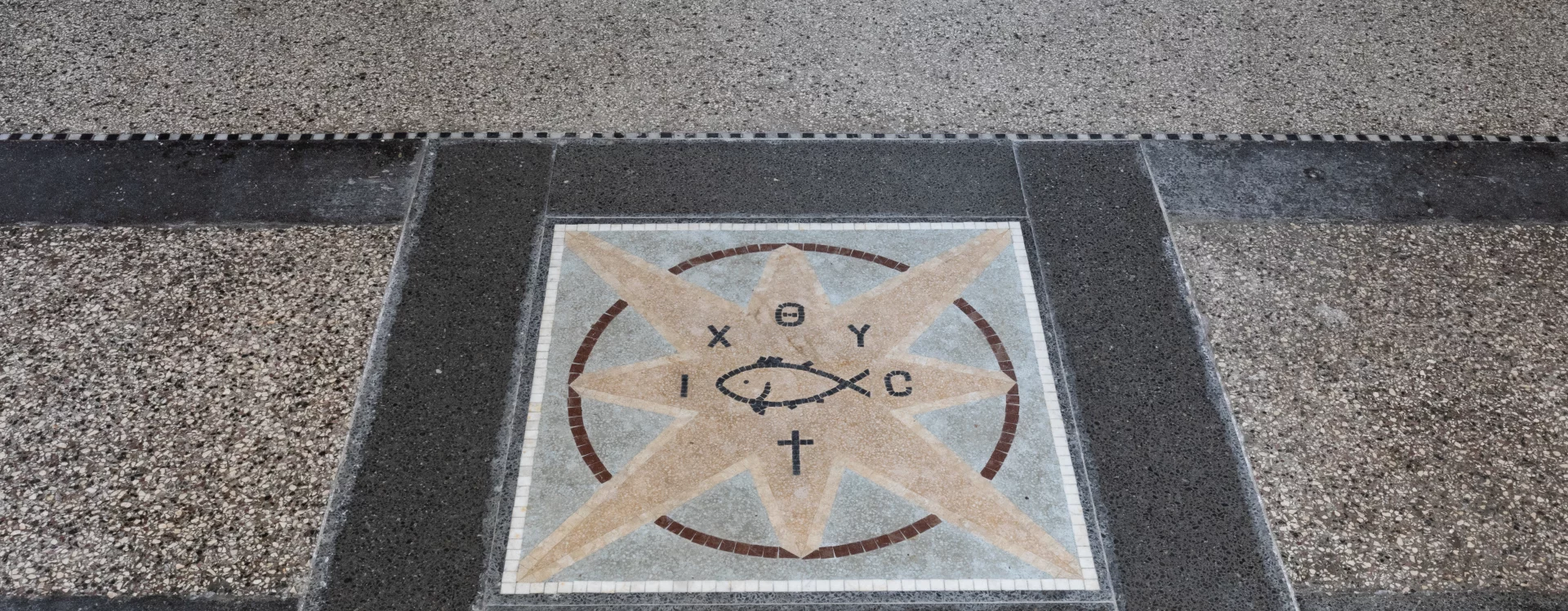
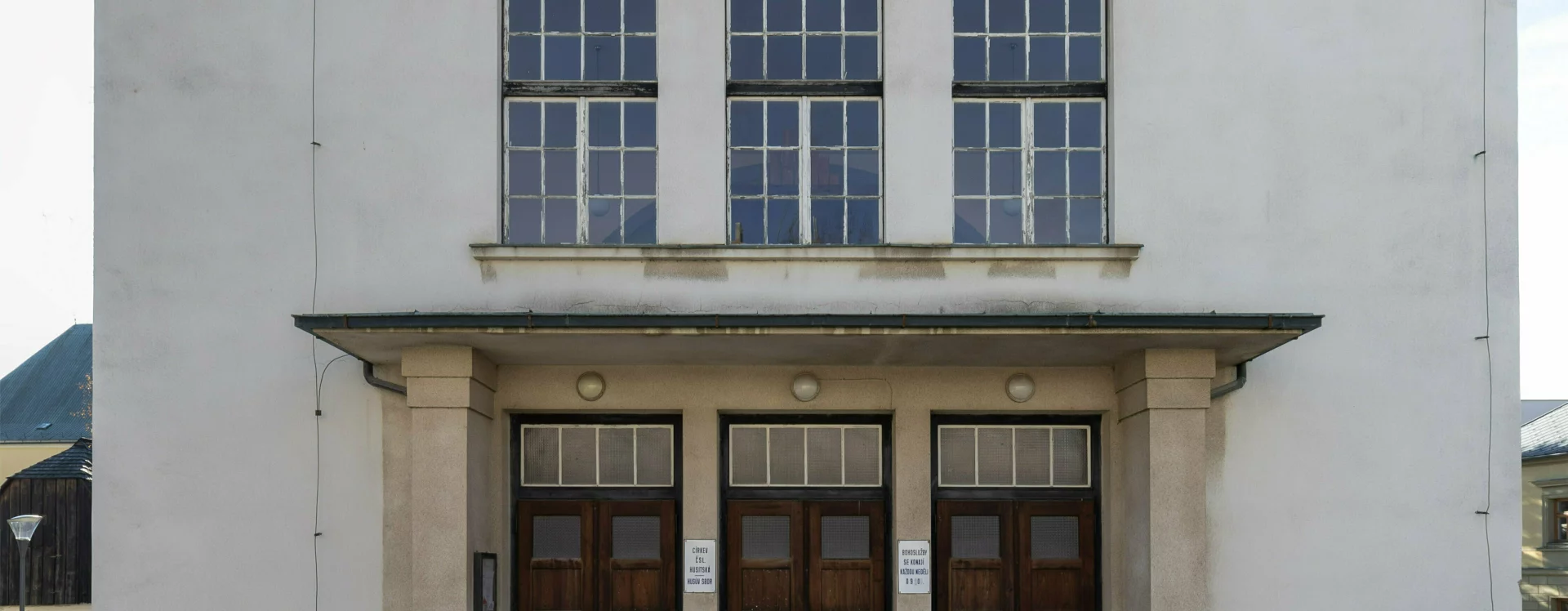
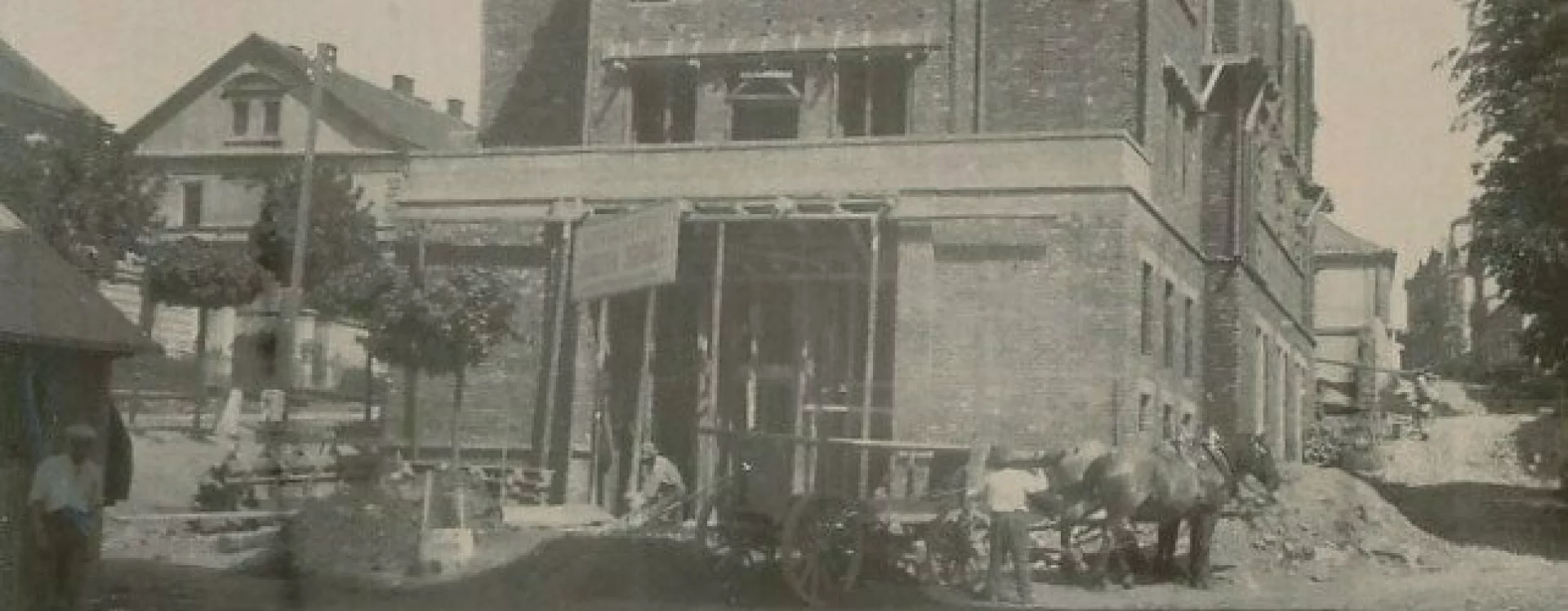
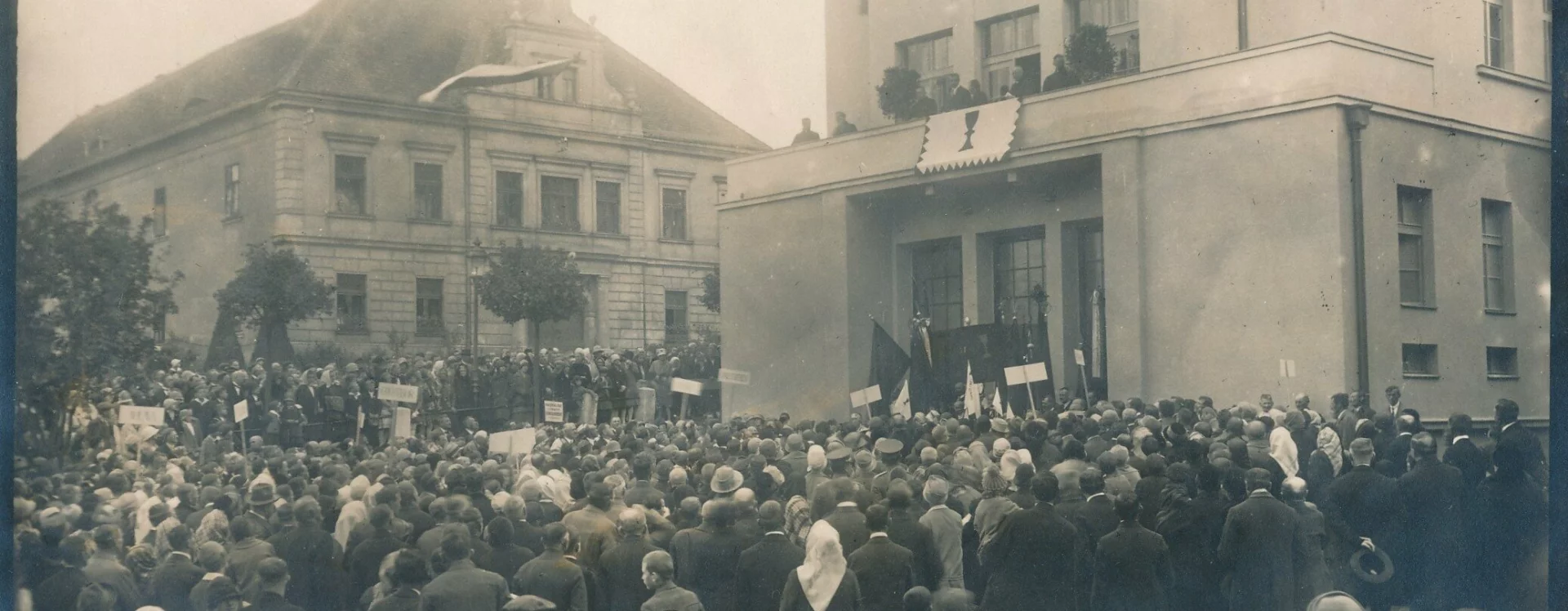
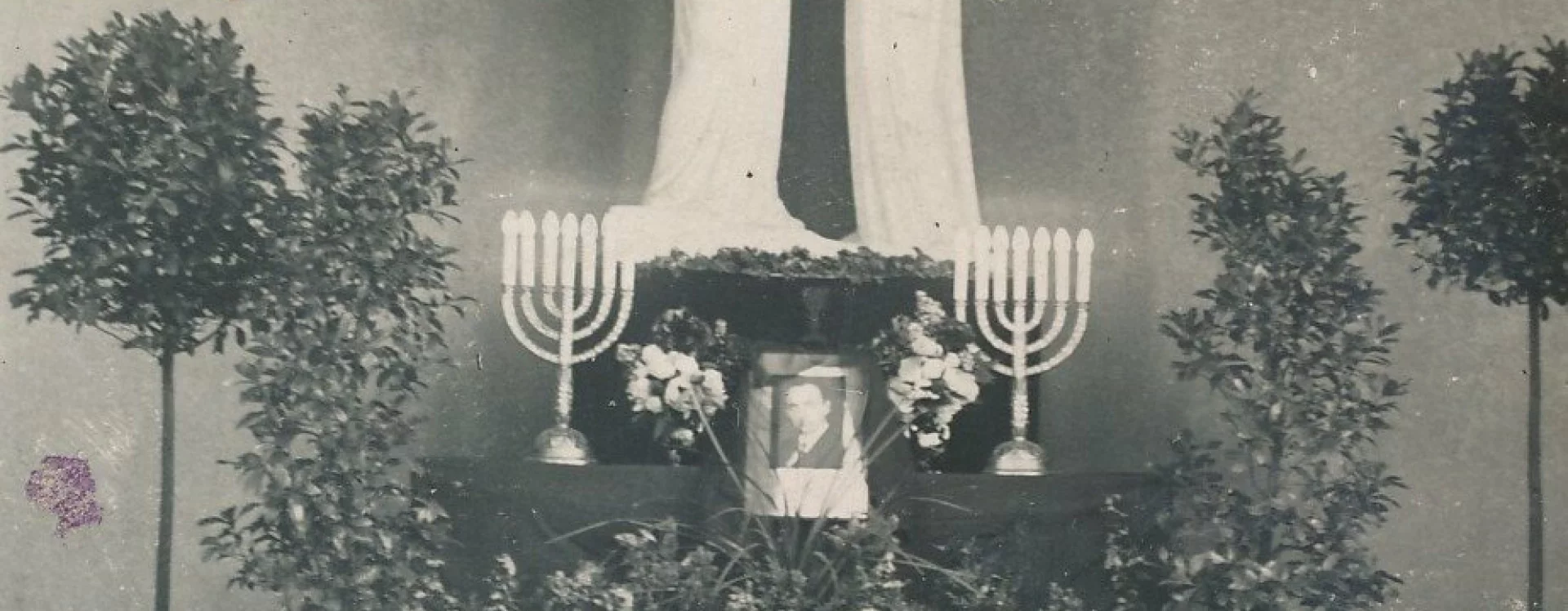
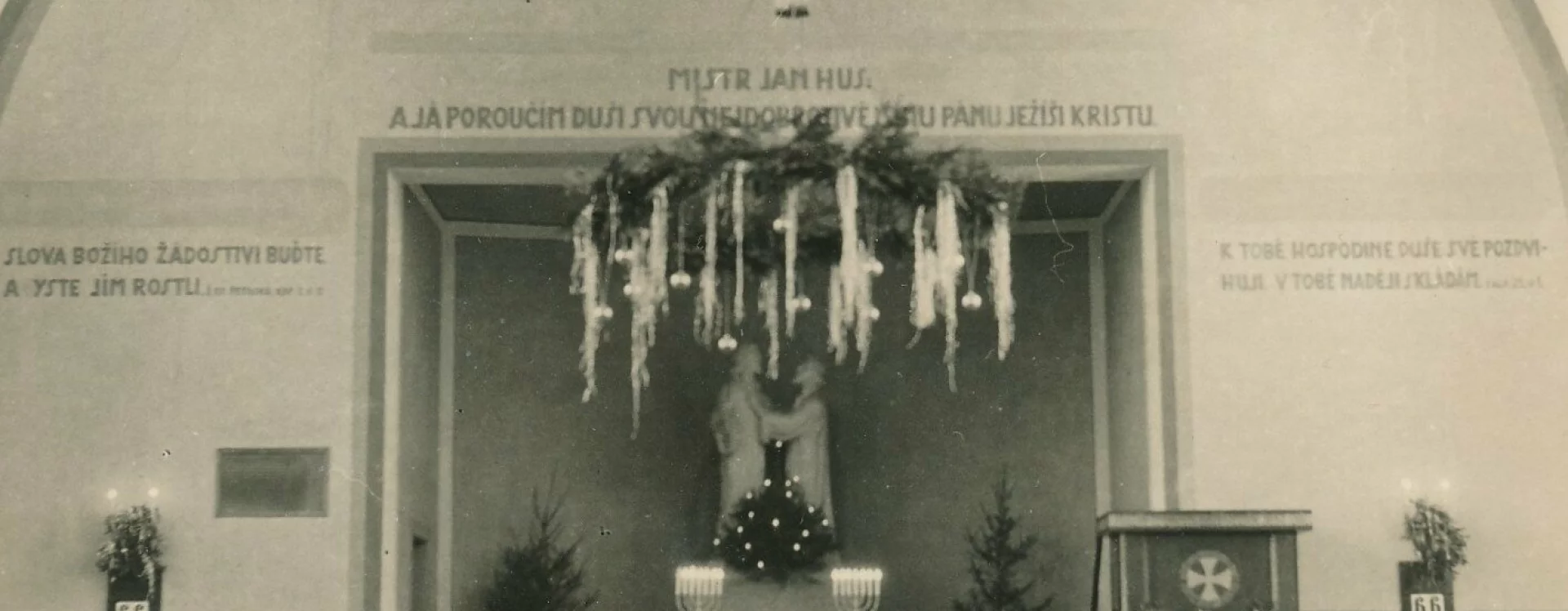
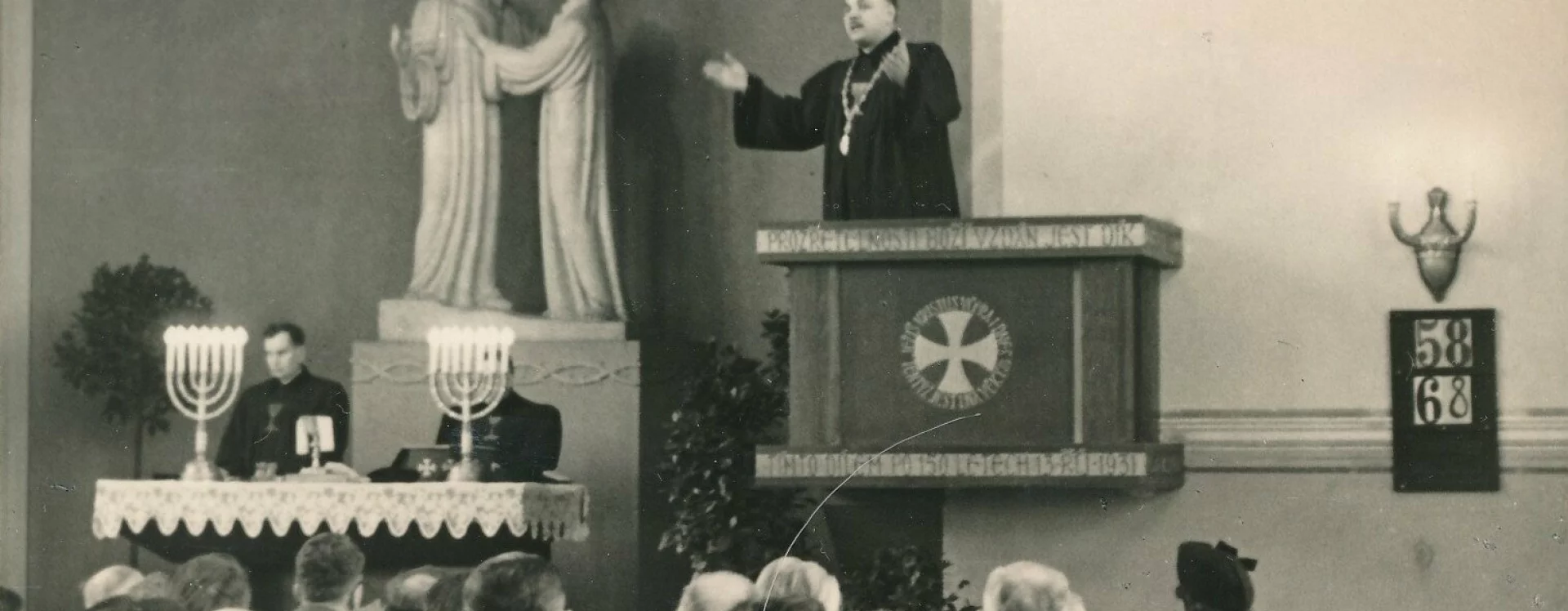
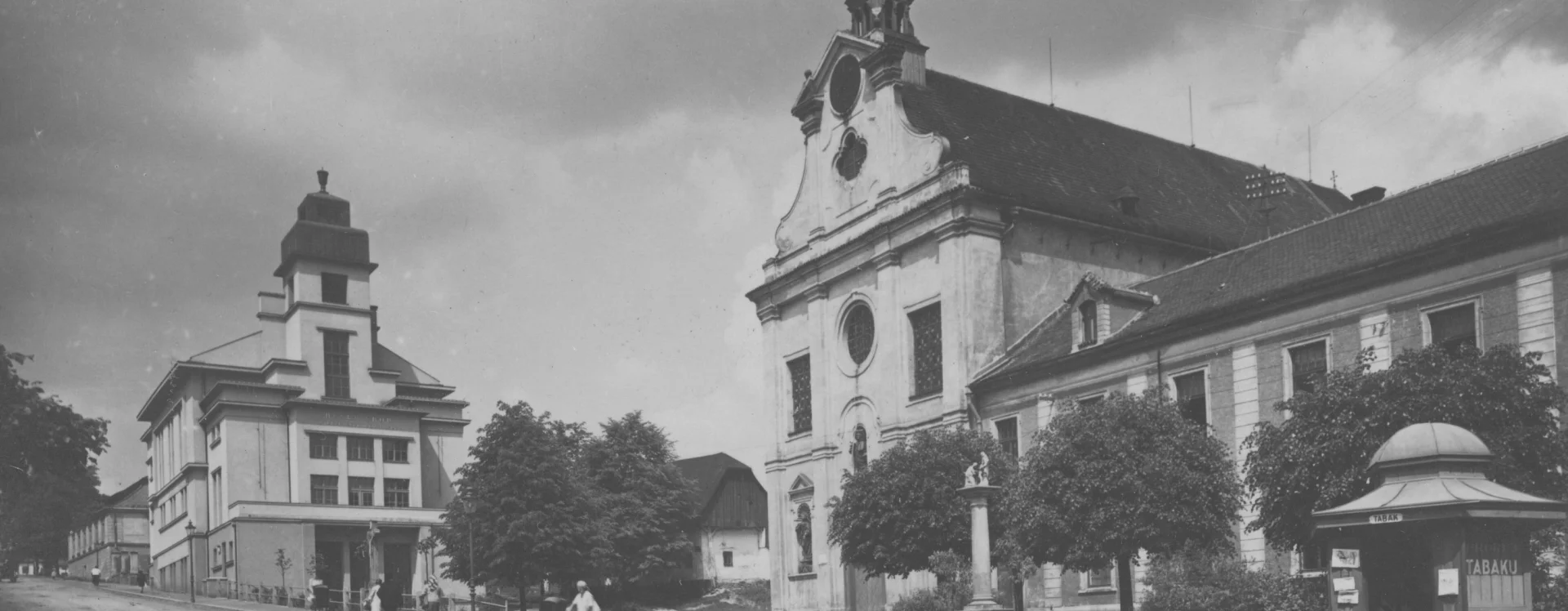
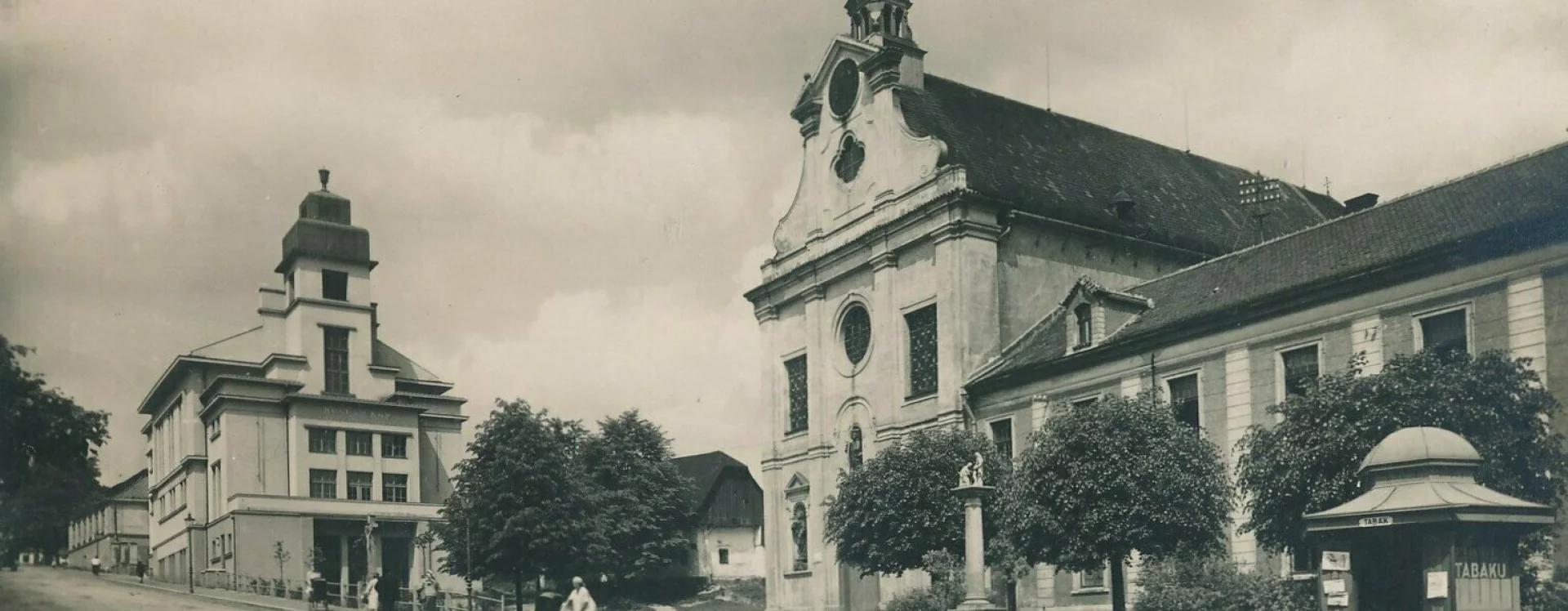
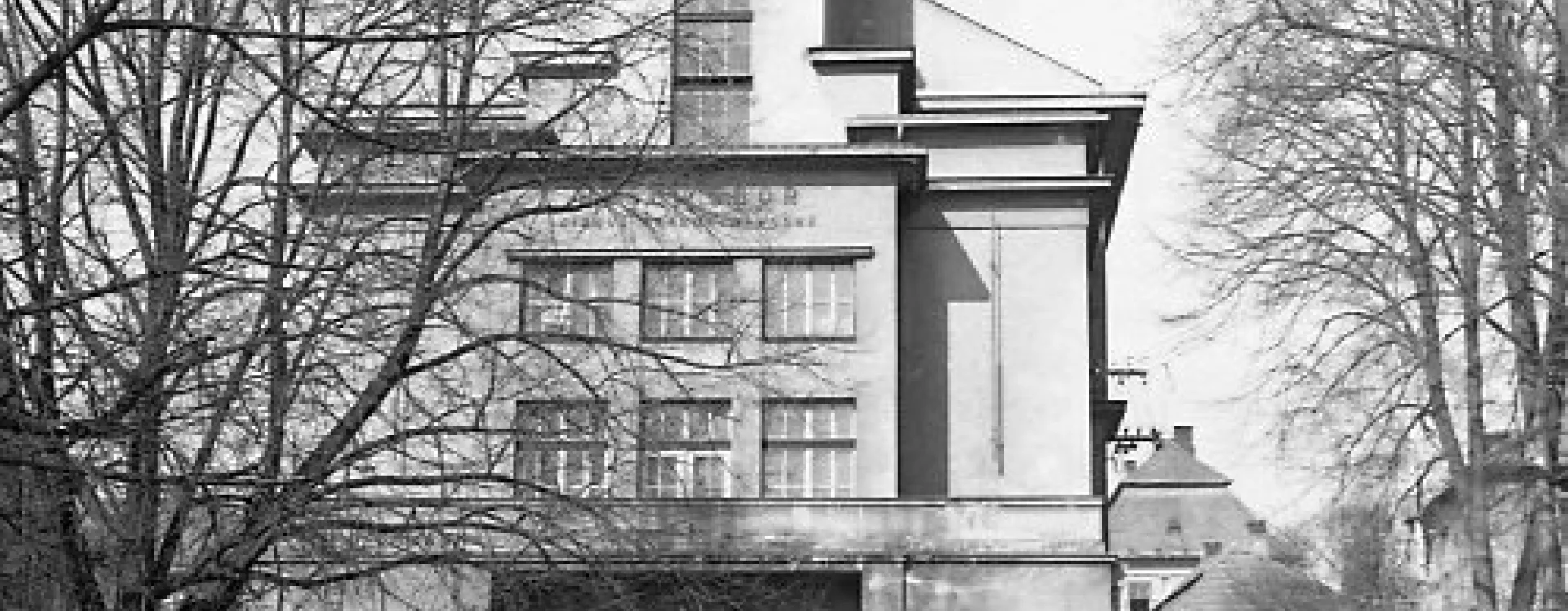
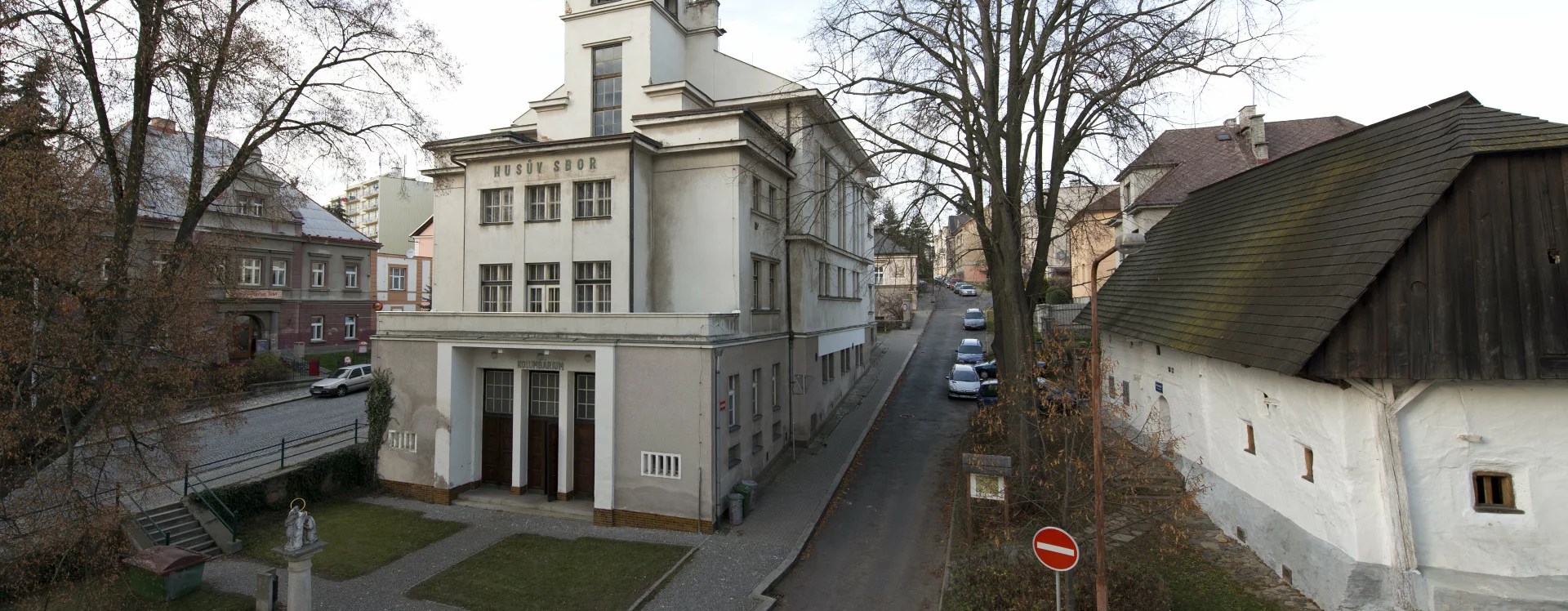
Paradoxically, only a few steps away from the Baroque gymnasium church—which the congregation had until then mostly used for its services, despite the disapproval of the Roman Catholic consistory—a modern, simple building of reinforced concrete construction arose, complemented by a massive tower topped with a copper chalice, the symbol of the church. The architects took advantage of the sloping terrain, dividing the structure into a ground-floor community section with a lecture hall and a section intended primarily for liturgical purposes (with its own entrance on the north side). The soberly conceived interior was adorned with a statue of Master Jan Hus by Rudolf Kabeš (1885–1974) and then with a pulpit by Pavel Sochr in 1931. The congregation building was ceremonially opened on 28 August 1927.
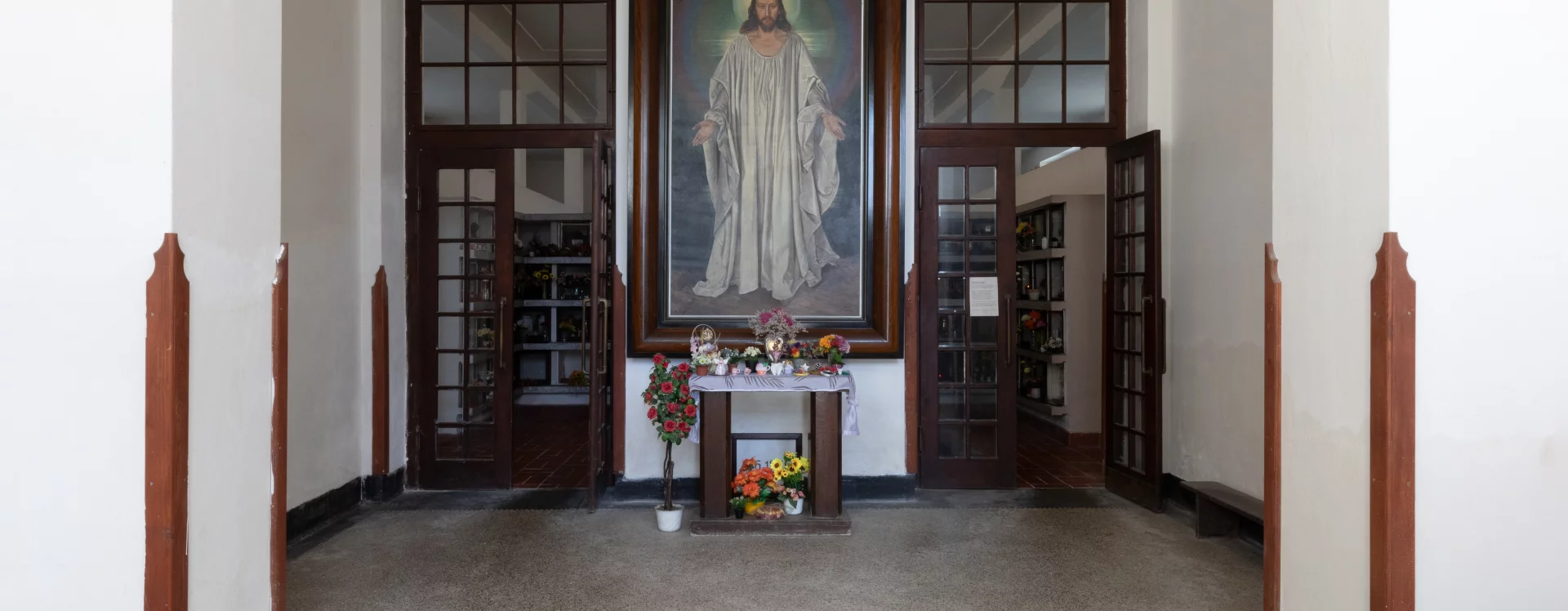
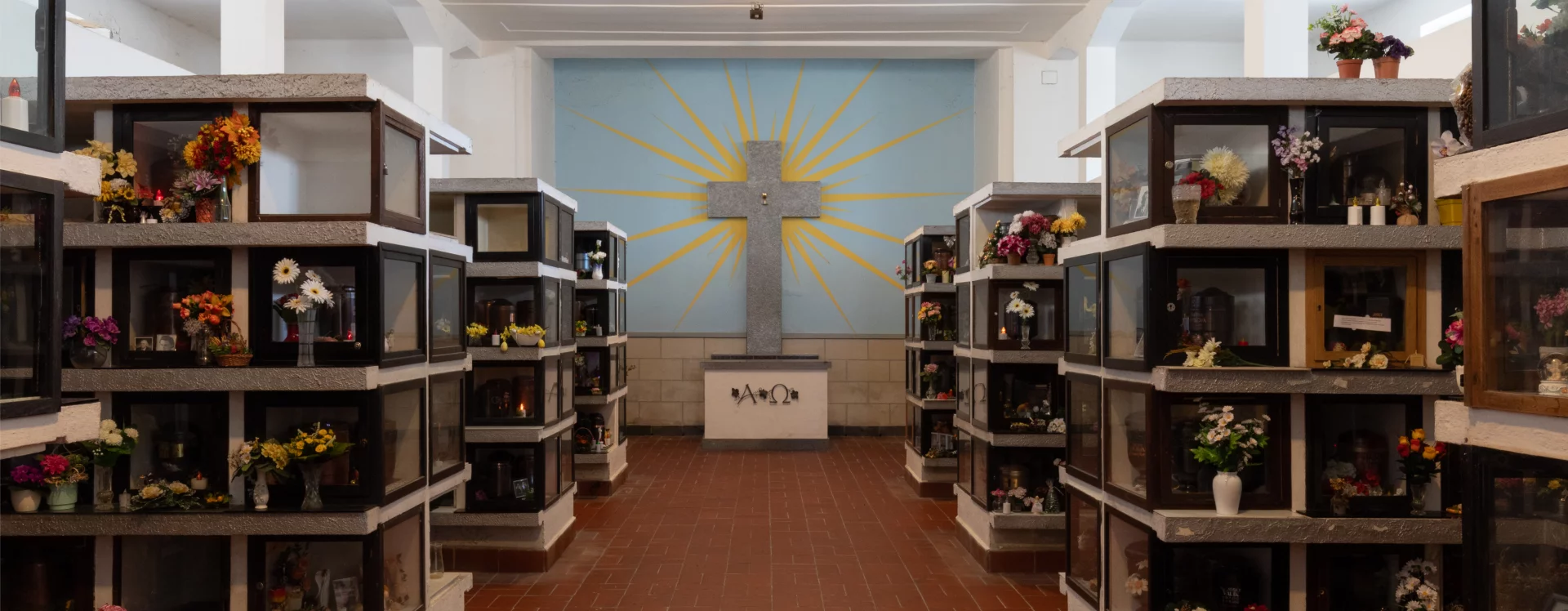
In 1928, the lecture hall was converted into a theatre hall, and in 1940 the space was adapted to house a columbarium.
Dana Schlaichertová, 2025
Literature
Několik poznámek ke stavbě sborů. In: Stavitel. 1924, roč. V, p. 106.
Josef Florian Olša. Z dějin a památností Německého Brodu. Německý Brod, Novina, 1935.
Kristýna Peterová. Liturgický prostor v Církvi československé husitské. Praha, Husitská teologická fakulta UK, 2014, Diplomová práce.
Sbory Církve československé husitské - architektonické dědictví našich regionů. Praha, České vysoké učení technické v Praze, Fakulta stavební, 2018. ISBN 978-80-01-06509-9.
Dana Schlaichertová. Architektura a urbanismus Havlíčkova Brodu 1848-1938. Olomouc, Katedra teorie a dějin umění FF UP, 1998, Diplomová práce. p. 59-63.
Dana Schlaichertová. Sborová budova náboženské obce Církve československé. In: Aleš Veselý (ed.). Příběhy brodských domů. Havlíčkův Brod, Galerie výtvarného umění v Havlíčkově Brodě, 2016, p. 40-45. ISBN 978-80-904726-9-3.
Sources
Městský úřad Havlíčkův Brod, archiv Stavebního úřadu. sv. č. p. 2014.
Státní okresní úřad Havlíčkův Brod, fond Farní úřad. sv. karton 9.
Kronika Církve československé. fara Církve československé husitské v Havlíčkově Brodě.
Pamětní kniha Německého Brodu. 1923-1930. p. 62. Státní okresní úřad Havlíčkův Brod, fond Archiv města Havlíčkův Brod, Archiv města Havlíčkův Brod.