The sculptor Karel Hyliš was born in Pelhřimov but became part of Havlíčkův Brod through marriage, settling in the Žižkov district, where his wife’s family built a villa during the interwar period. His early works were created in the villa’s basement, but in the mid-1960s he decided to build a studio on a plot which had originally been part of the property. After negotiations with the Regional National Committee, he succeeded in reacquiring the land for this purpose.
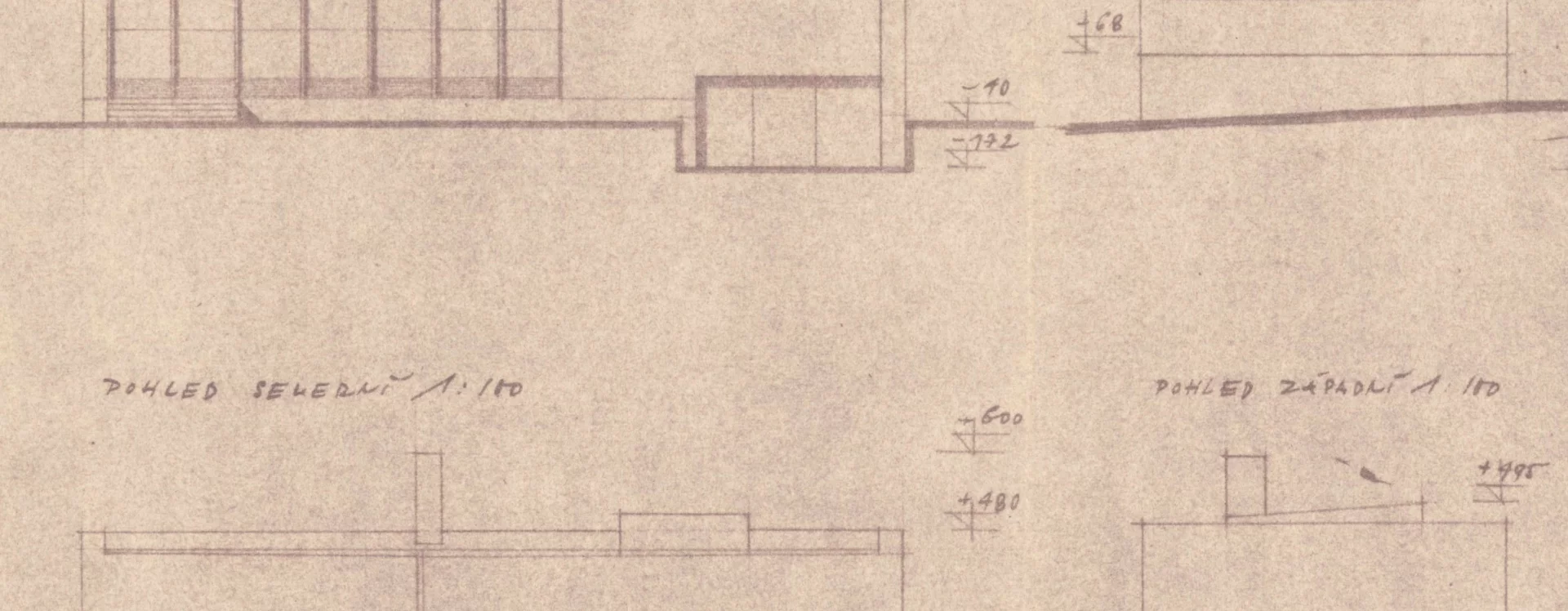
The studio’s simple architecture—a single-storey cube with two glazed walls and a ceiling skylight—was designed in the mid-1960s for Karel Hyliš by his friend, the architect Jiří Jirmus, from the Jihlava branch of the state construction enterprise Stavoprojekt.
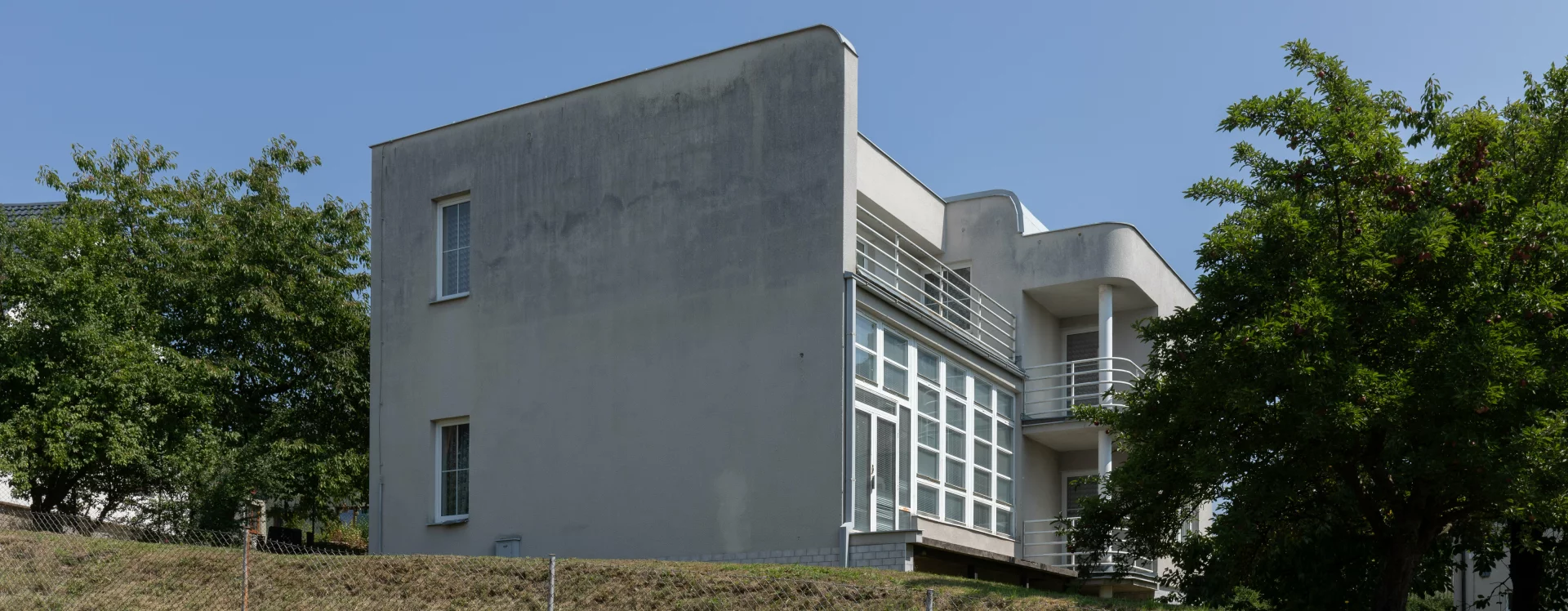
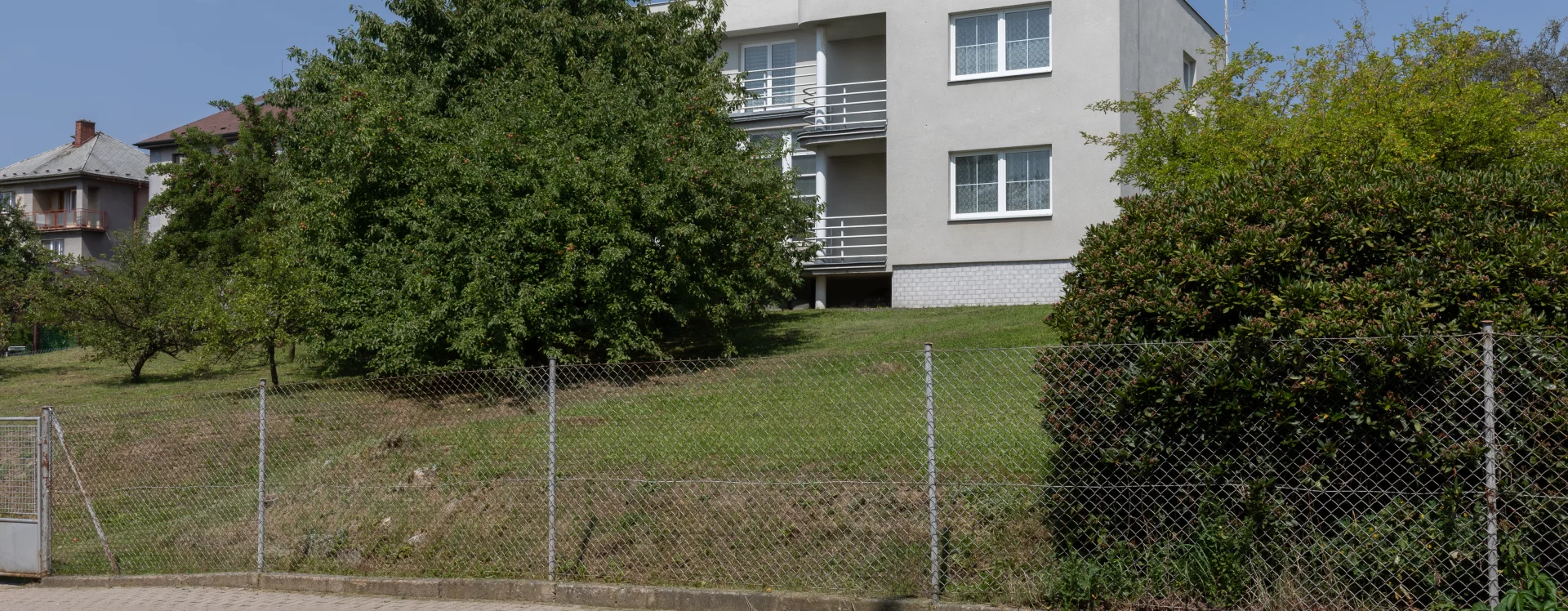
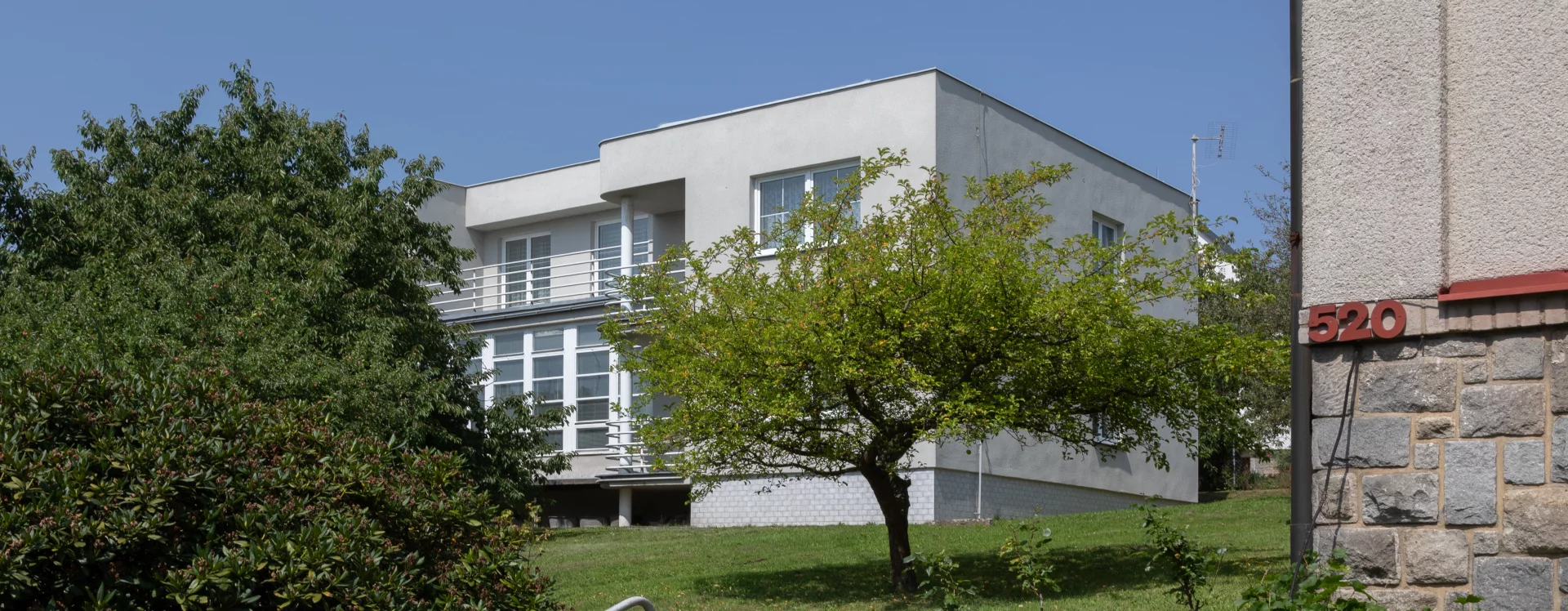
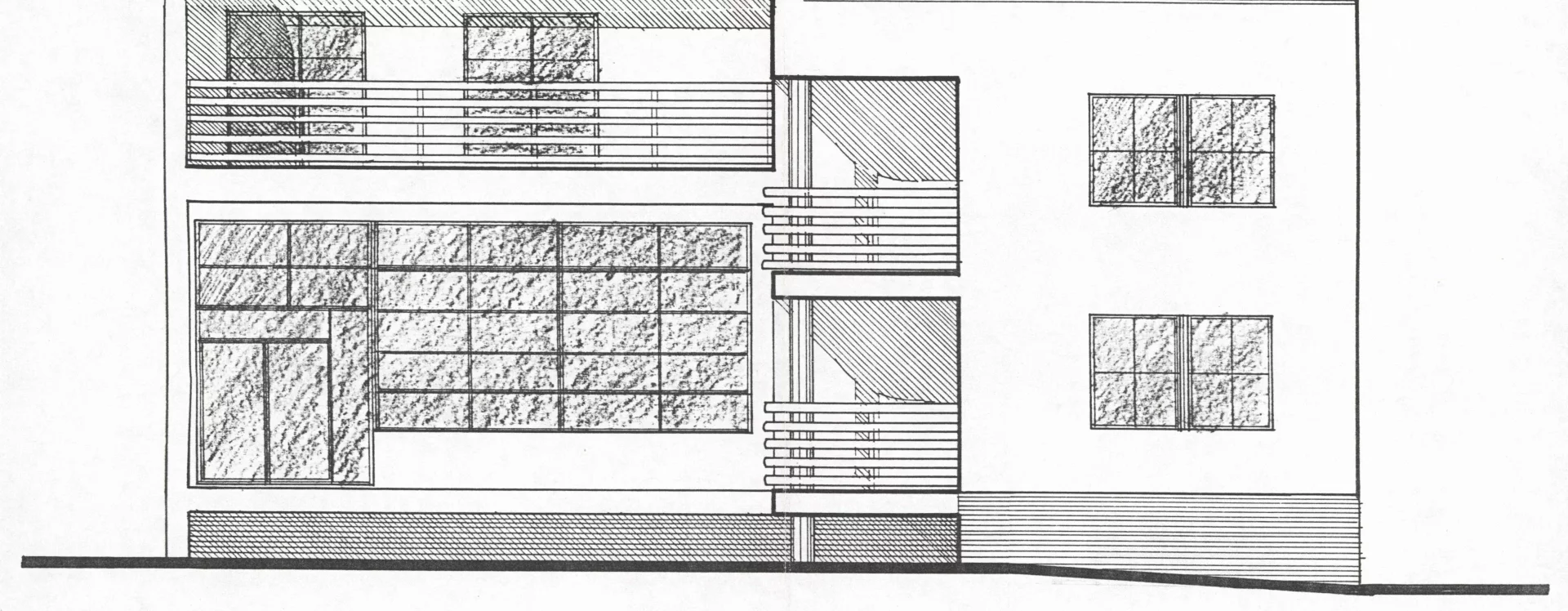
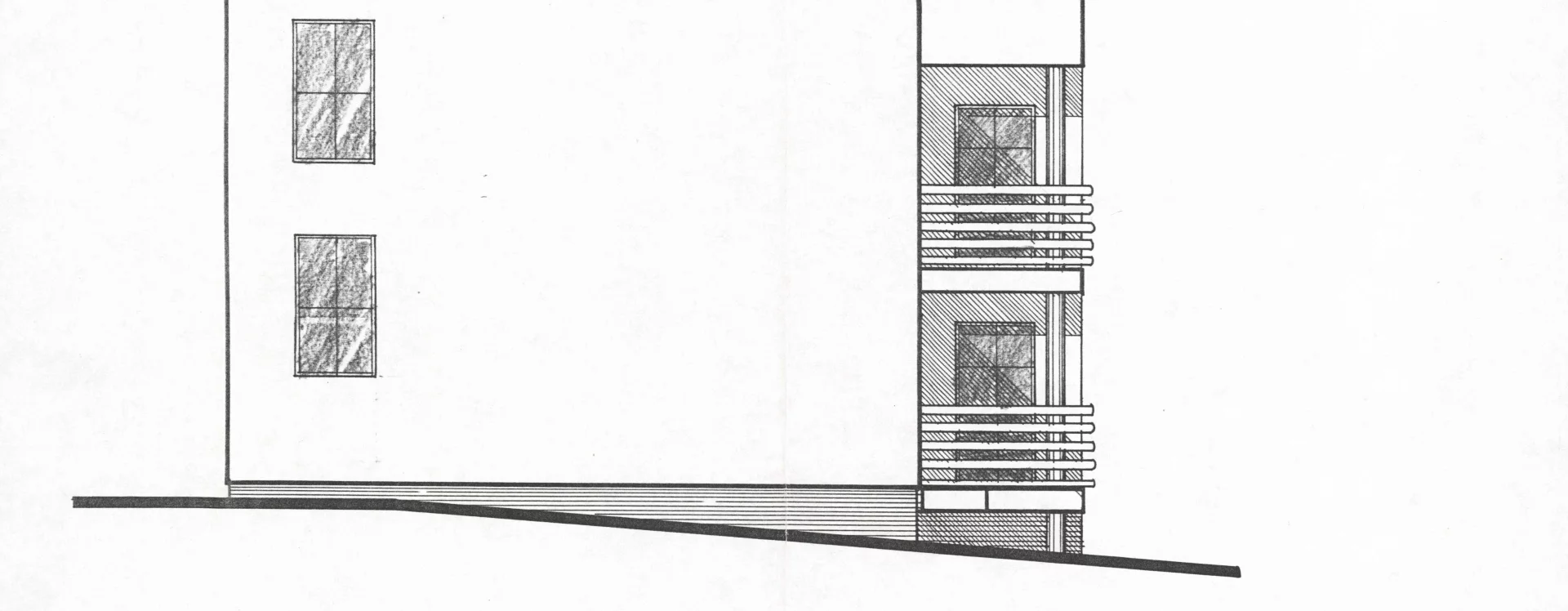
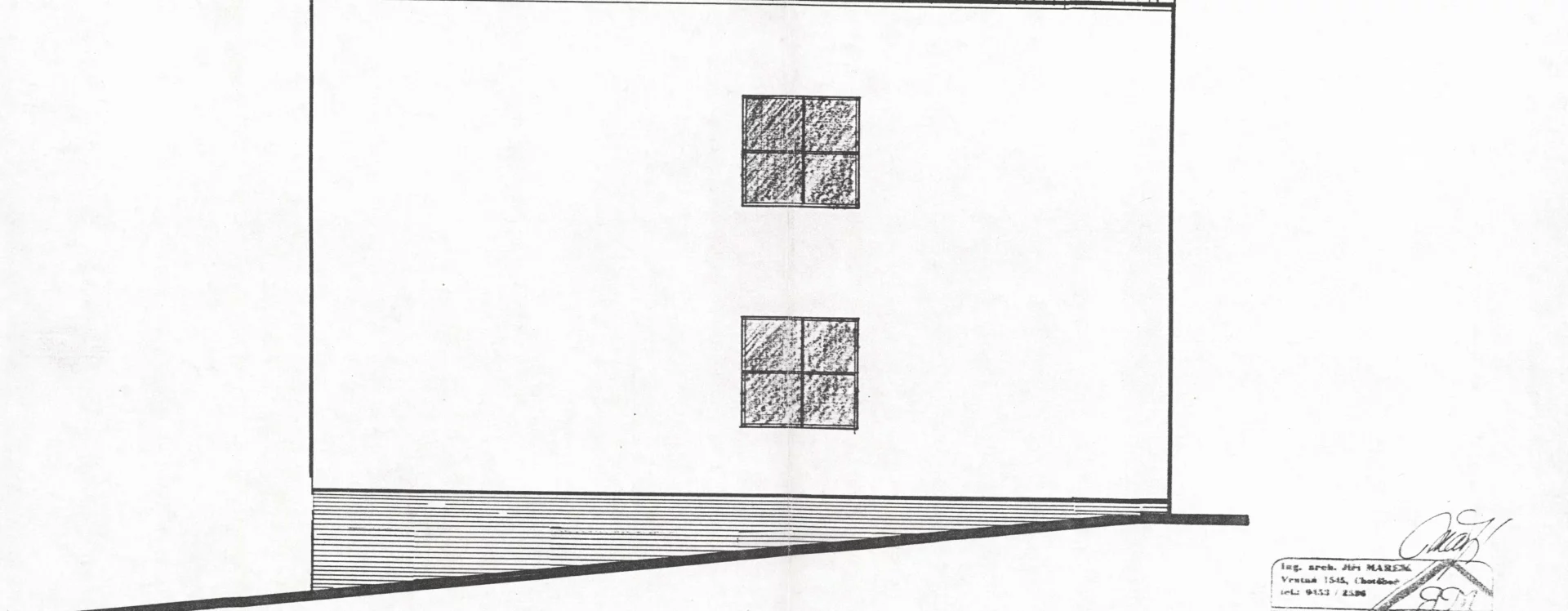
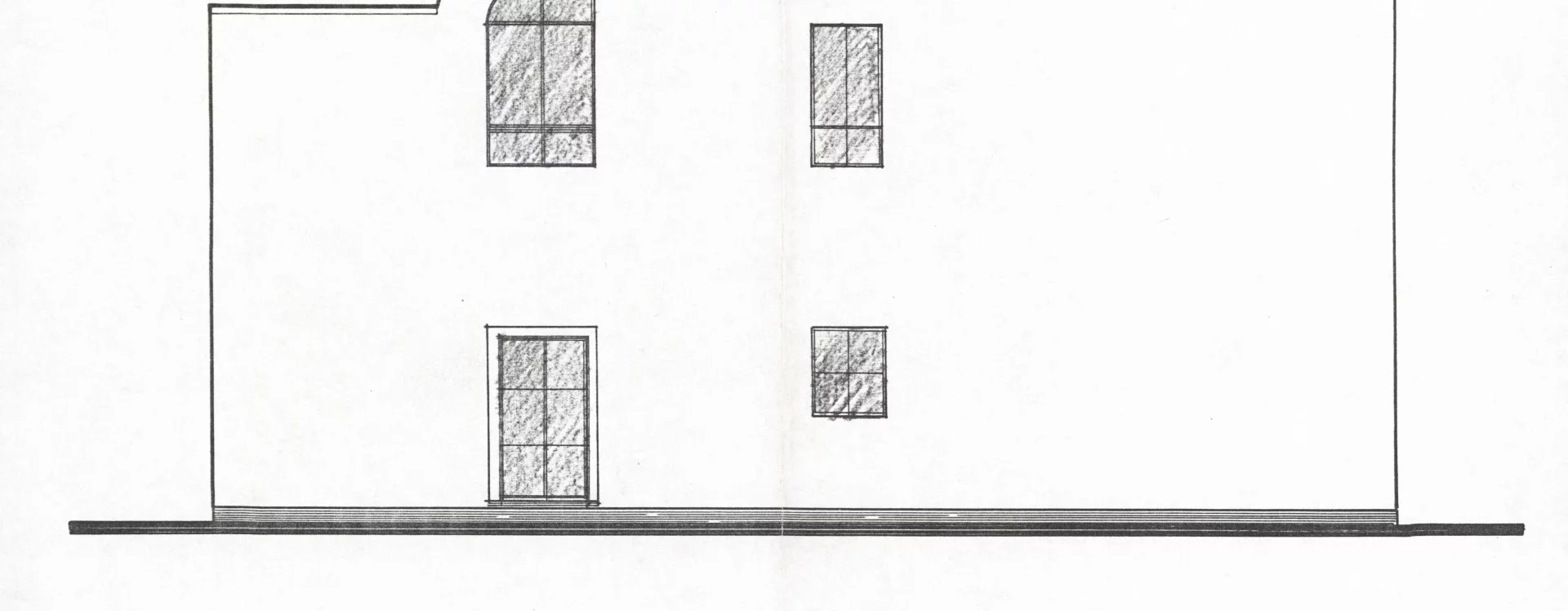
In the late 1990s, Karel Hyliš’s son Petr, who also became a sculptor, carried out an extension and additions to the studio—effectively converting the building into a family house with an integrated studio. The project was designed by architect Jiří Marek from Chotěboř. The ground floor was extended in both directions, creating facilities for the studio, including a small storage area and a reception room. A flat was also added to the new upper floor above the studio.
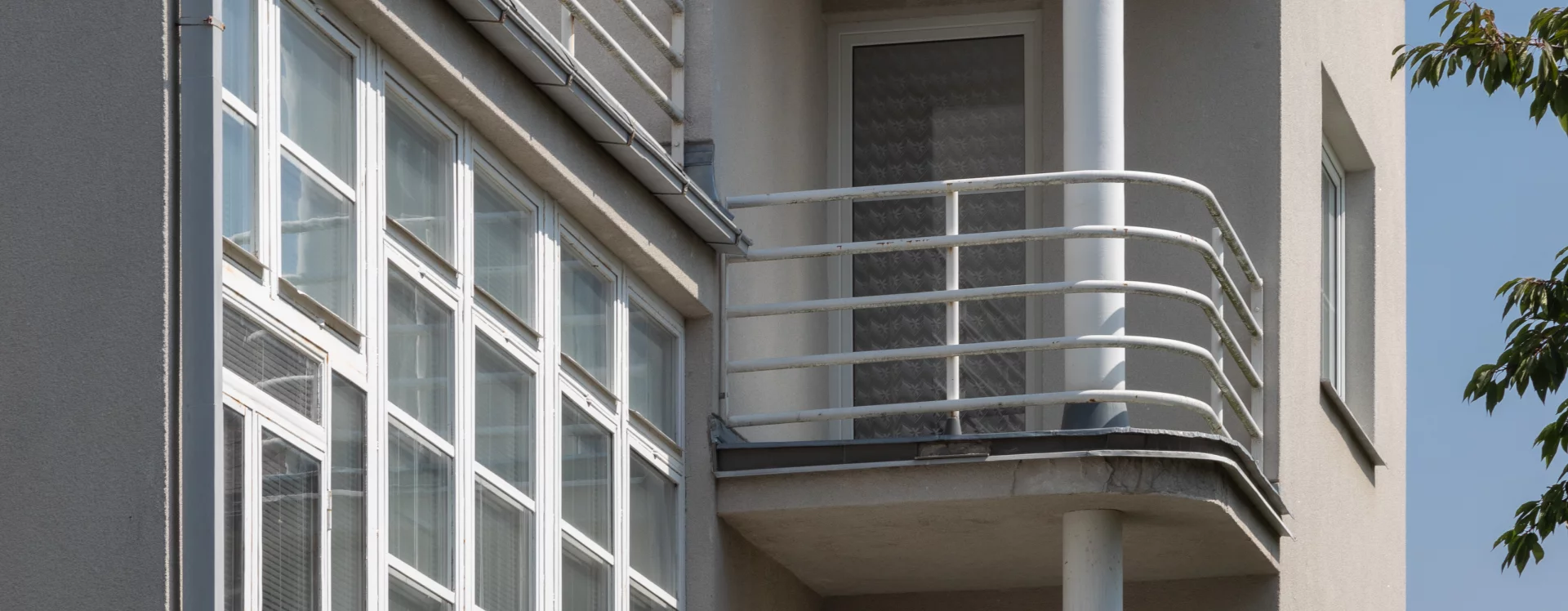
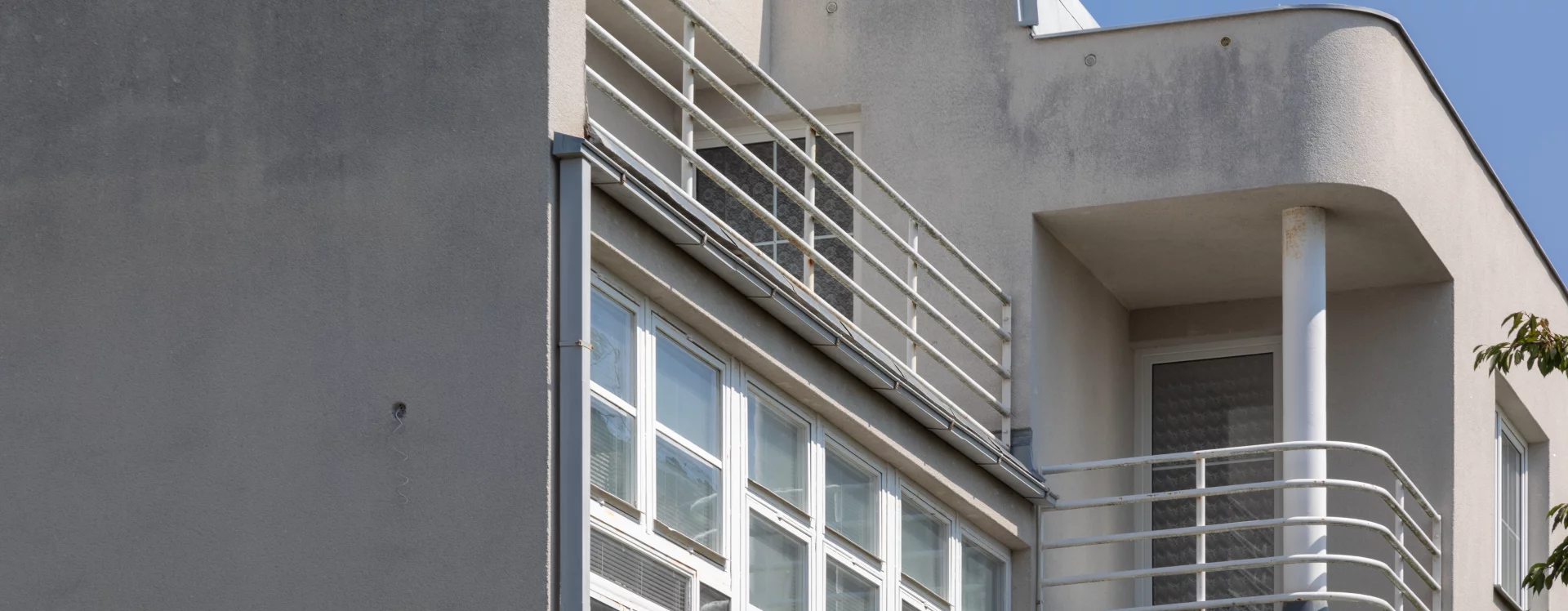
During the conversion, the studio was successfully integrated into the overall layout of the new building, while preserving the essential feature of top lighting. The lean-to roof of the extension ends in a semicylindrical form above the main southern facade. This section houses the balconies of the upper-floor flat, with skylights for the studio built into their floors. The fact that the internal living spaces are set back behind the southern facade leaves visual space for the light yet striking glazed wall of the studio. The rounded elements, together with the generous glazing, evoke the aesthetics of the First Republic era.
Given the limited availability of materials not only in the 1960s but to some extent also in the 1990s, both phases of the building’s construction can be appreciated for their restraint as well as for the technically assured use of the materials which were available.
Zuzana Trnková, 2025
Sources
Městský úřad Havlíčkův Brod, archiv Stavebního úřadu. sv. č. p. 1038.