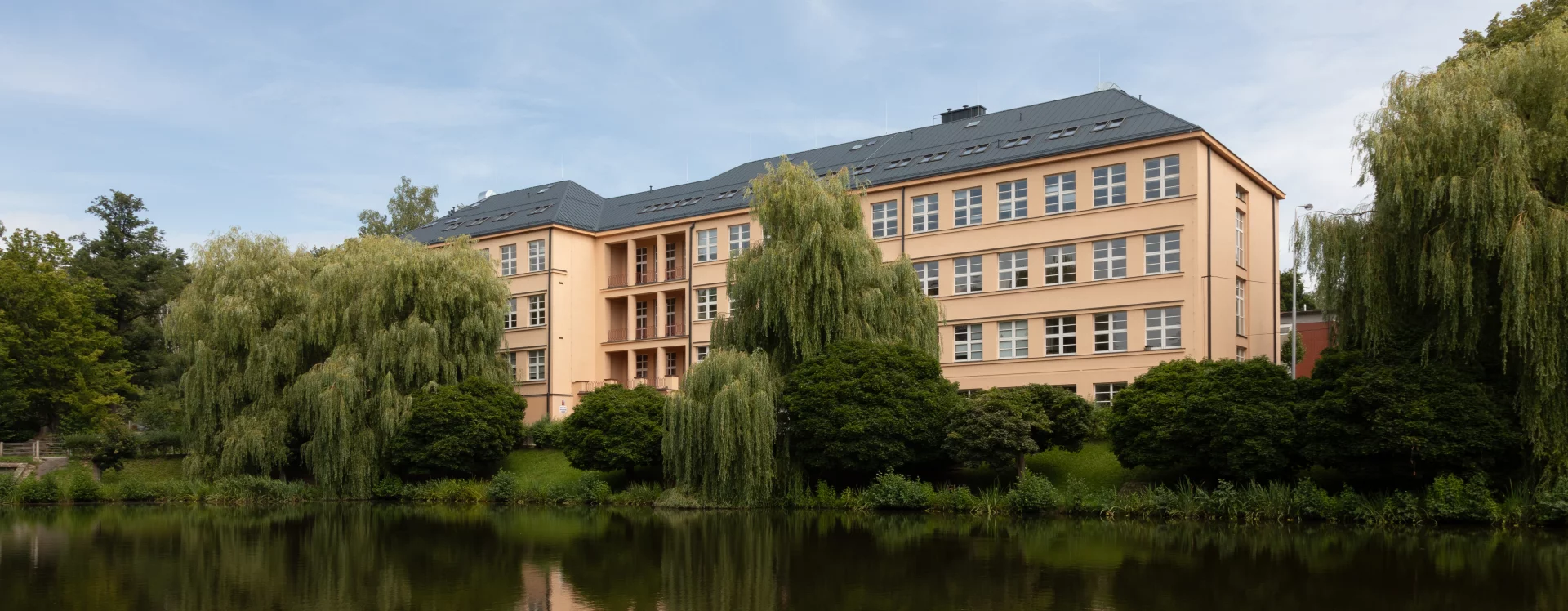
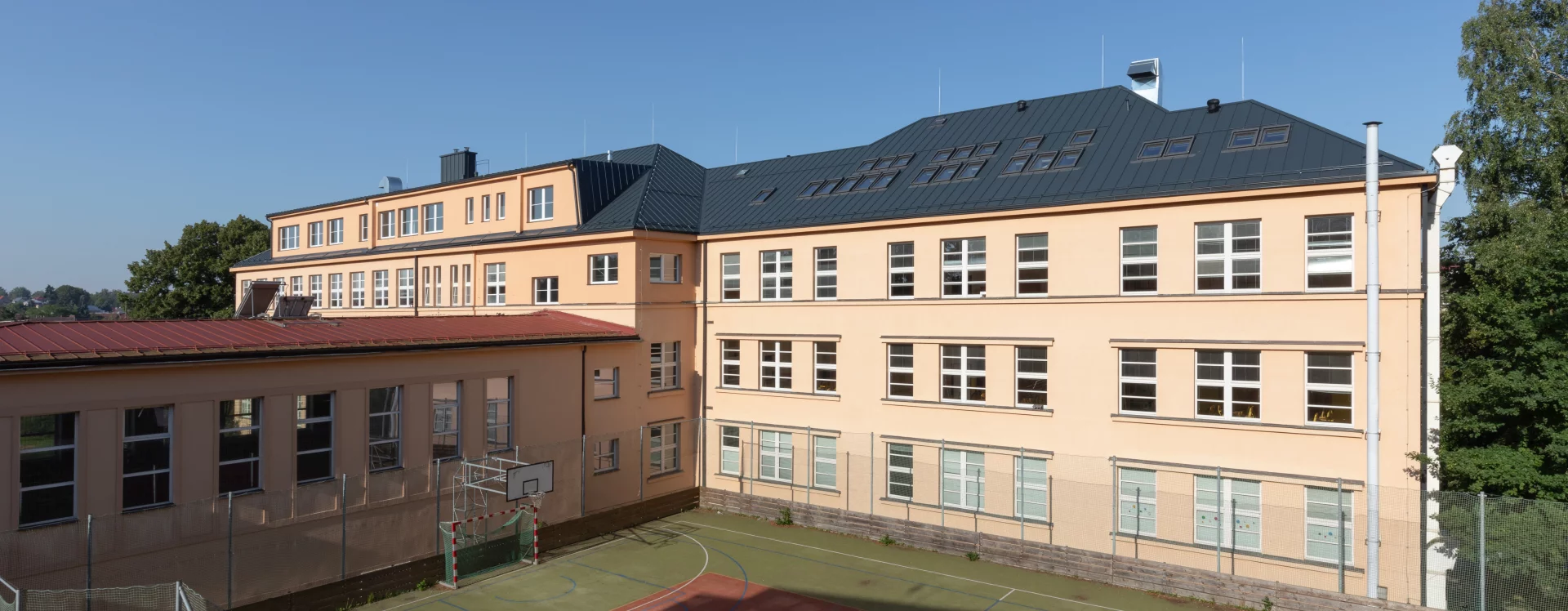
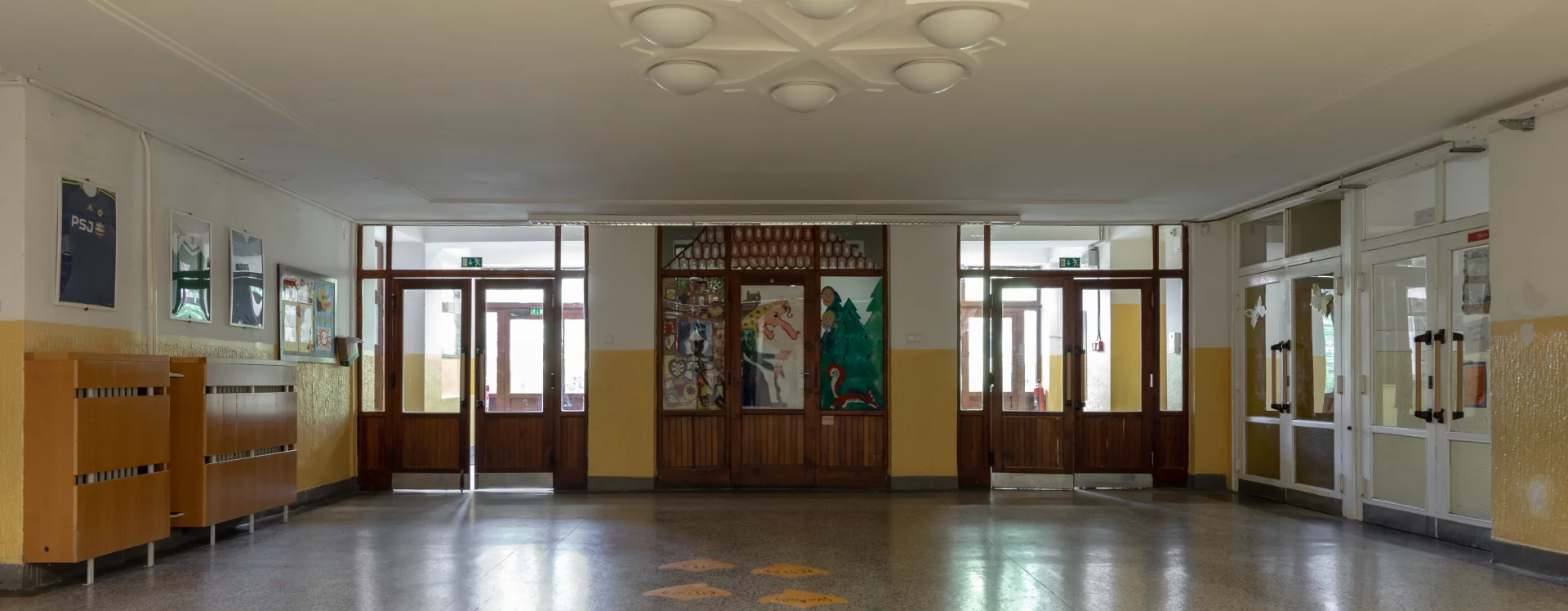
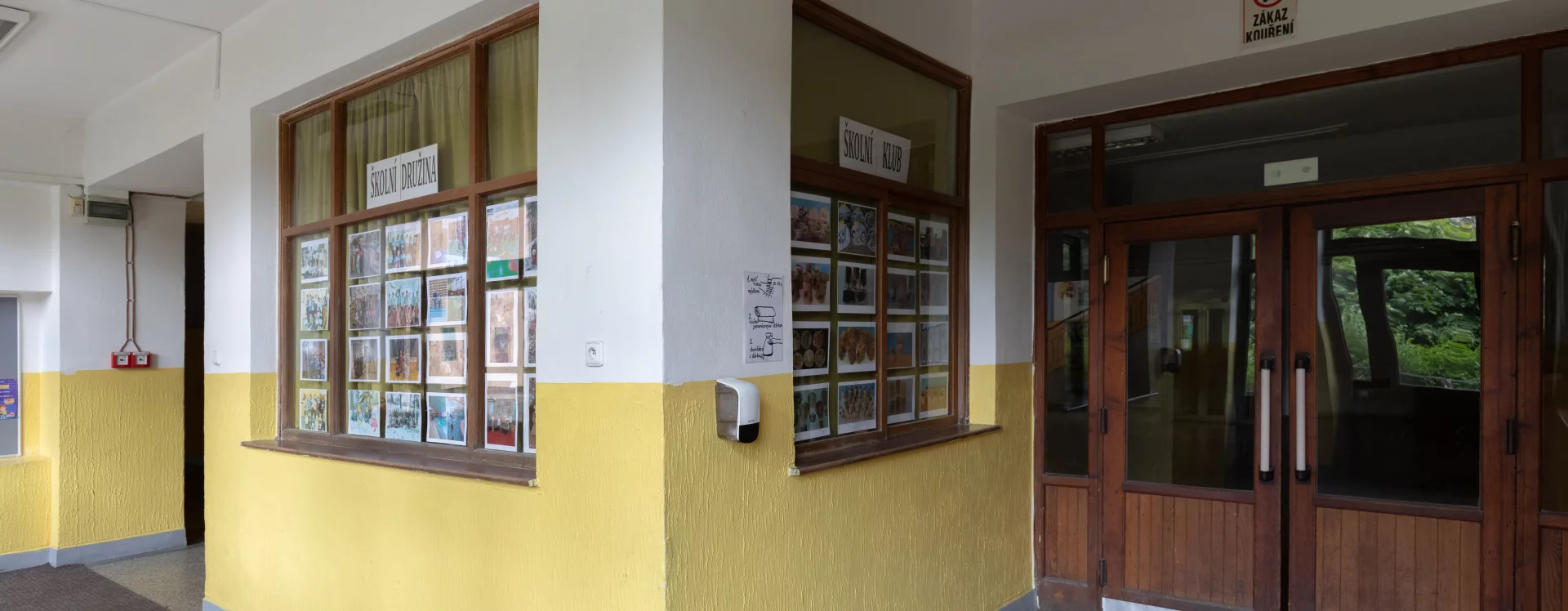

Escaping the educational system of the former Austro-Hungarian Empire was among the key concerns of the newly established Czechoslovakia. The education of a new generation was viewed as crucial—even by the president himself: “…where there is no interest, knowledge is dead. …If school is a burden, the weak will learn fear and the strong will learn rebellion… To reform the education of children…means to reform the lives of us adults as well.” The need to reform outdated norms and practices in education naturally extended to demands for a new architectural approach to school buildings: “School is not a preparation for life, but a part of life itself; it does not prepare for democracy, it lives democratically. All these ideas will not come of themselves later—they must be lived from youth onward…” In contrast to the old ‘stuffy’ schools, the new school buildings were to be full of light and fresh air, with open layouts, spacious corridors and newly equipped classrooms (laboratories, art rooms and teachers’ offices), all carefully oriented according to the cardinal directions. Emphasis was placed on hygiene, cleanliness and logical organisation: “…the old classroom has been transformed into a bright, functional workspace…” Wherever possible, the building was to be set within the natural landscape, allowing for an outdoor gymnasium and a school garden, so that teaching could take place in a pleasant and stimulating environment away from the noise of the town.
In Německý (Havlíčkův) Brod, this nationwide issue had been particularly pressing since 1919 for entirely pragmatic reasons—the schools were overcrowded and, for the most part, failed to meet hygiene standards. Discussions about building a new school began in 1920 and would continue for another sixteen years before the idea was at least partially realised.
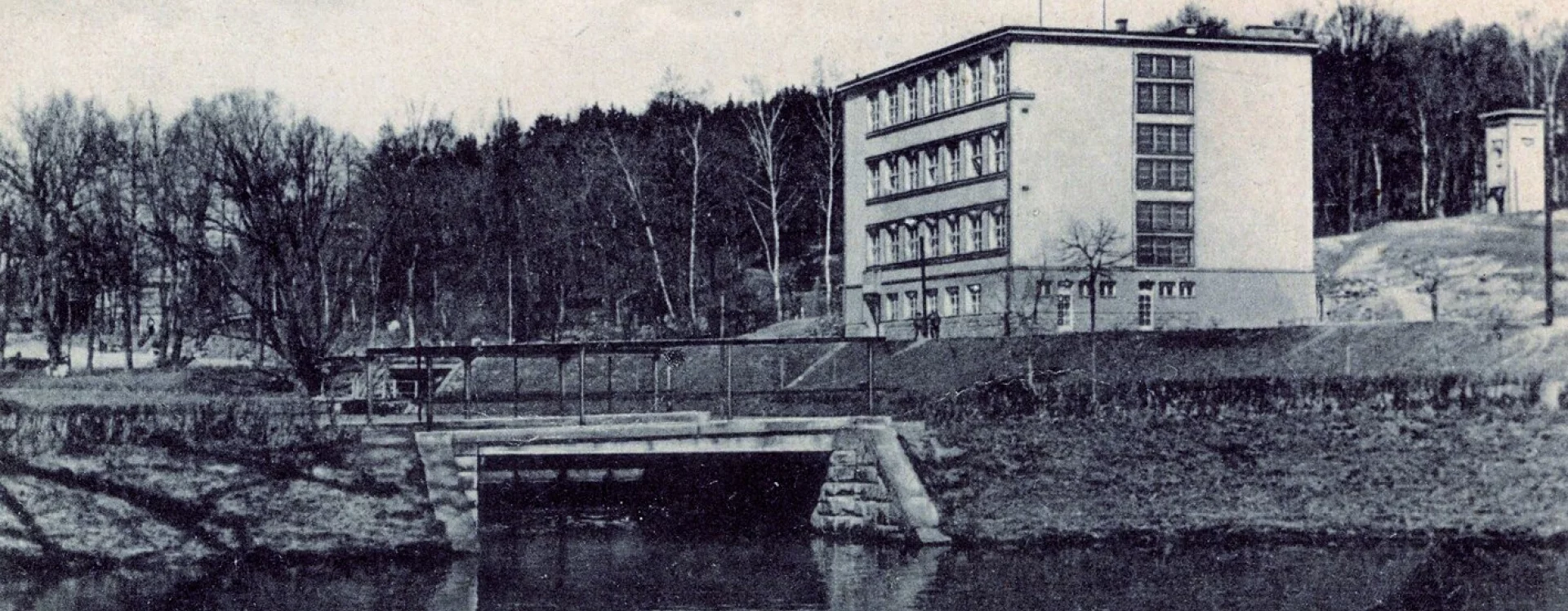
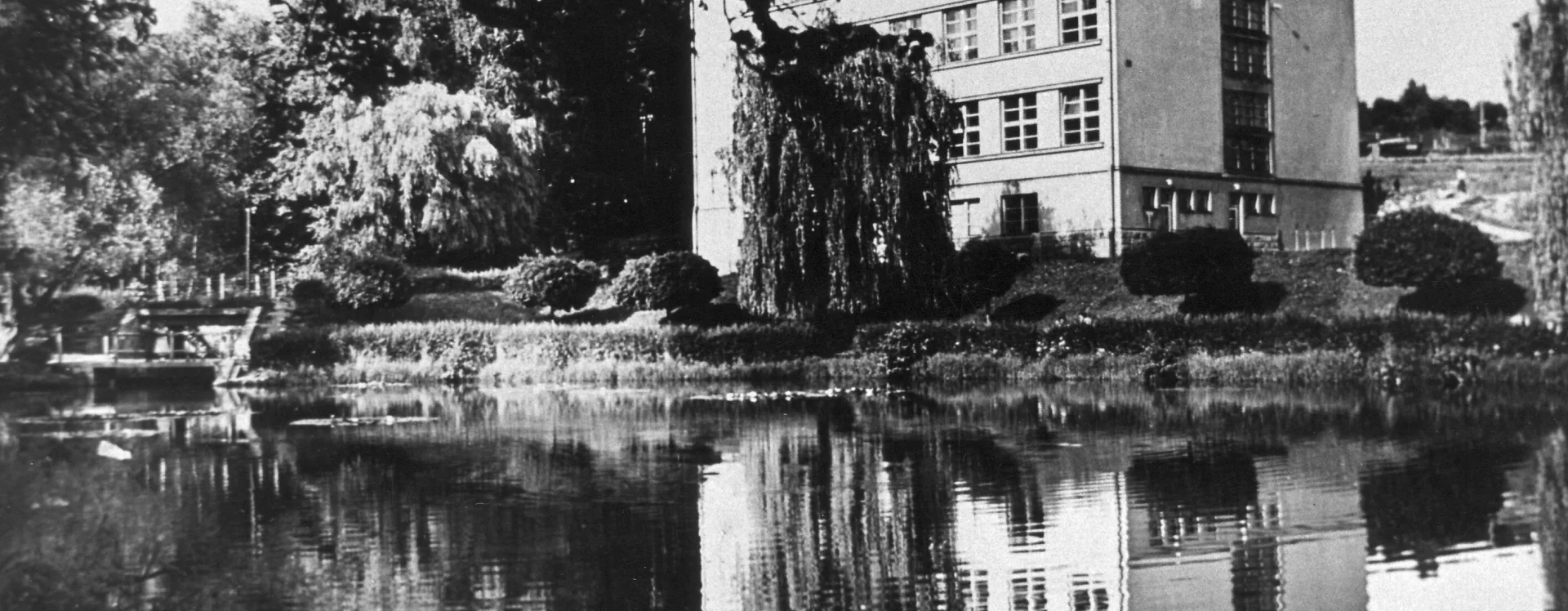
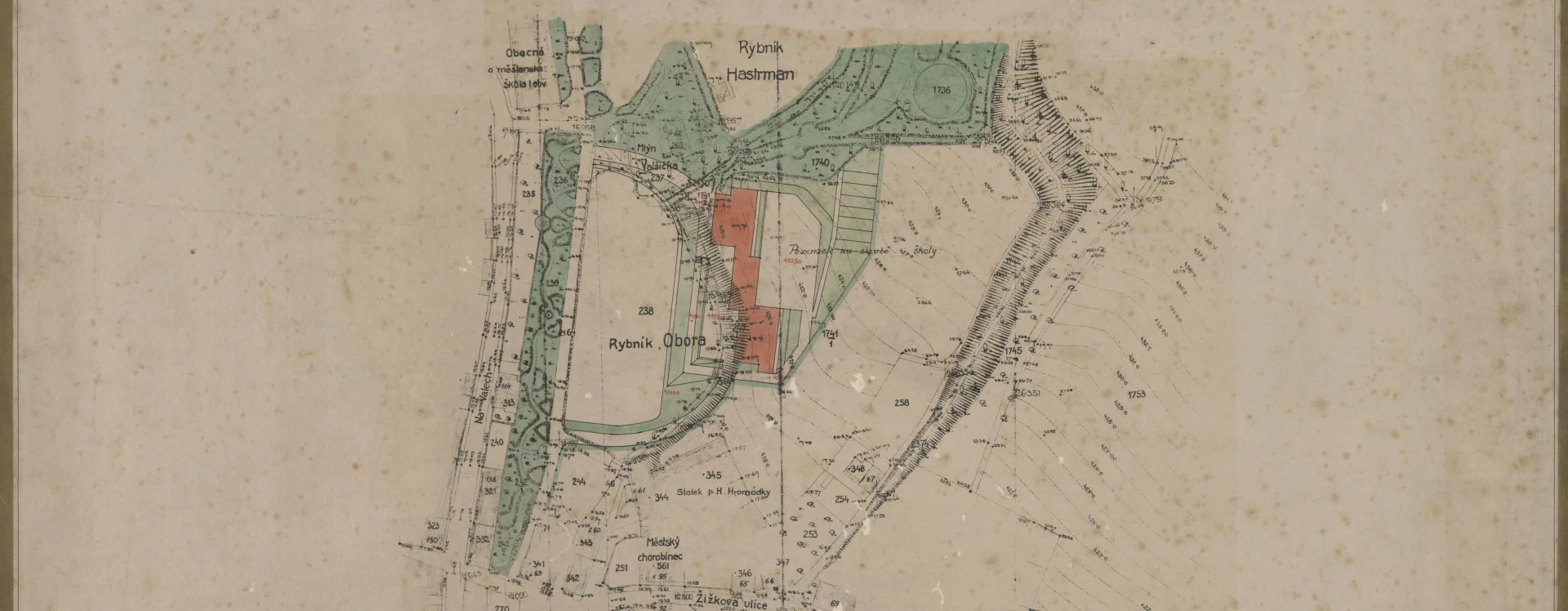
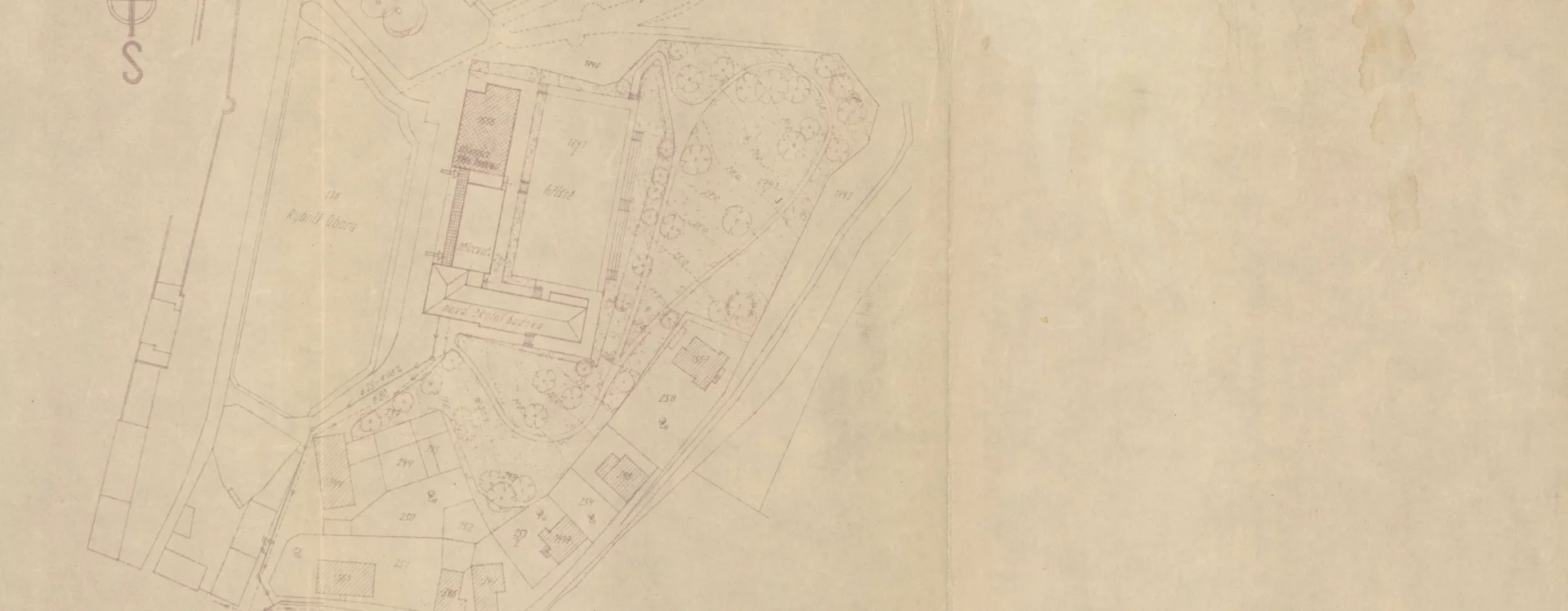
It was only in the 1930s that the town was able to buy the required land for 600,000 crowns in an exceptionally beautiful location within the municipal park. Around the same time, an architectural competition produced two award-winning designs: one by Bohumil Hypšman, praised for its “economy”, and another by Ladislav Machoň, commended for its “generosity and architectural merit”. The investor, constantly struggling with a lack of funds, opted for the more economical proposal (costing over 4 million crowns); even so, this exceeded the town’s budget, already strained by the economic crisis.
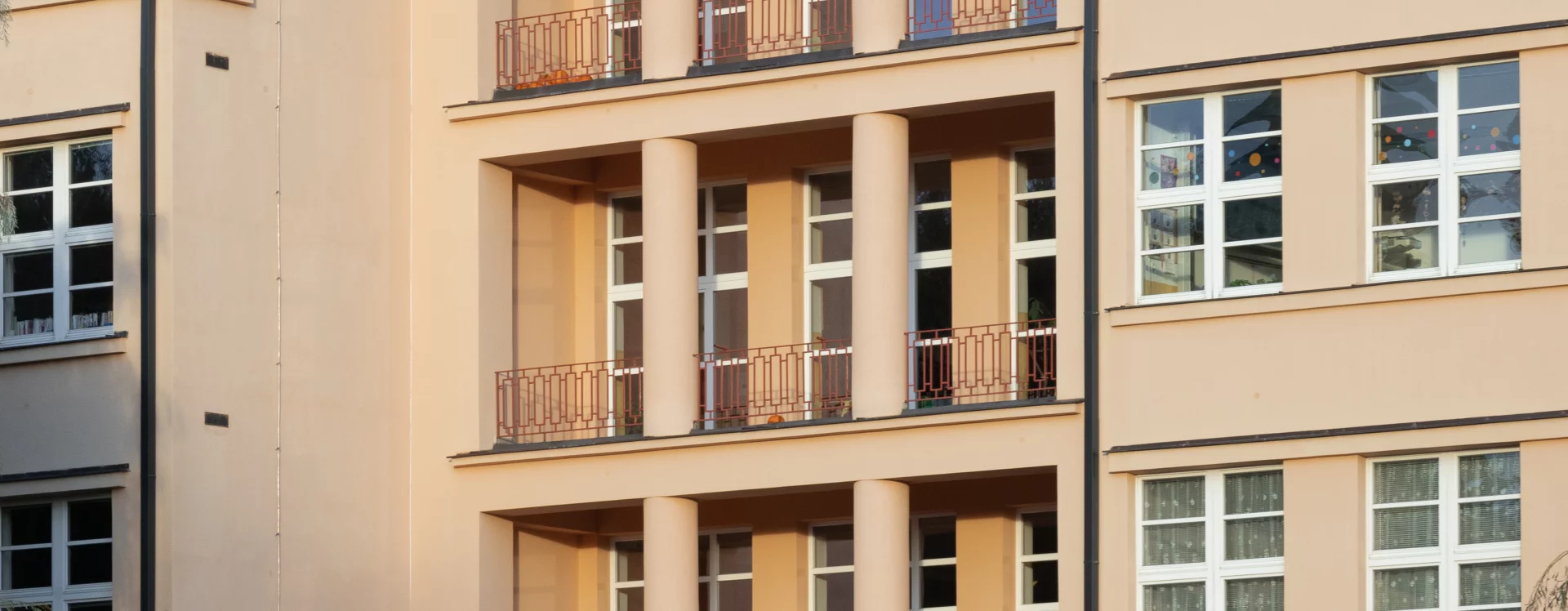
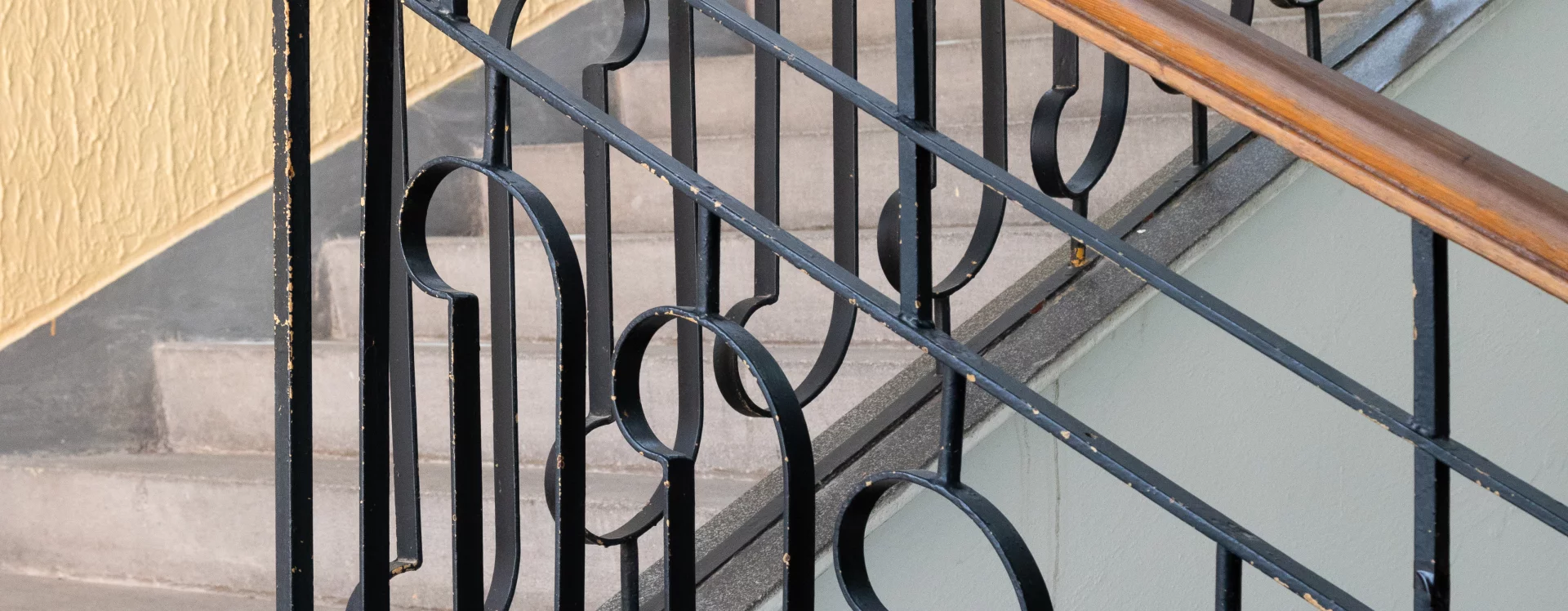
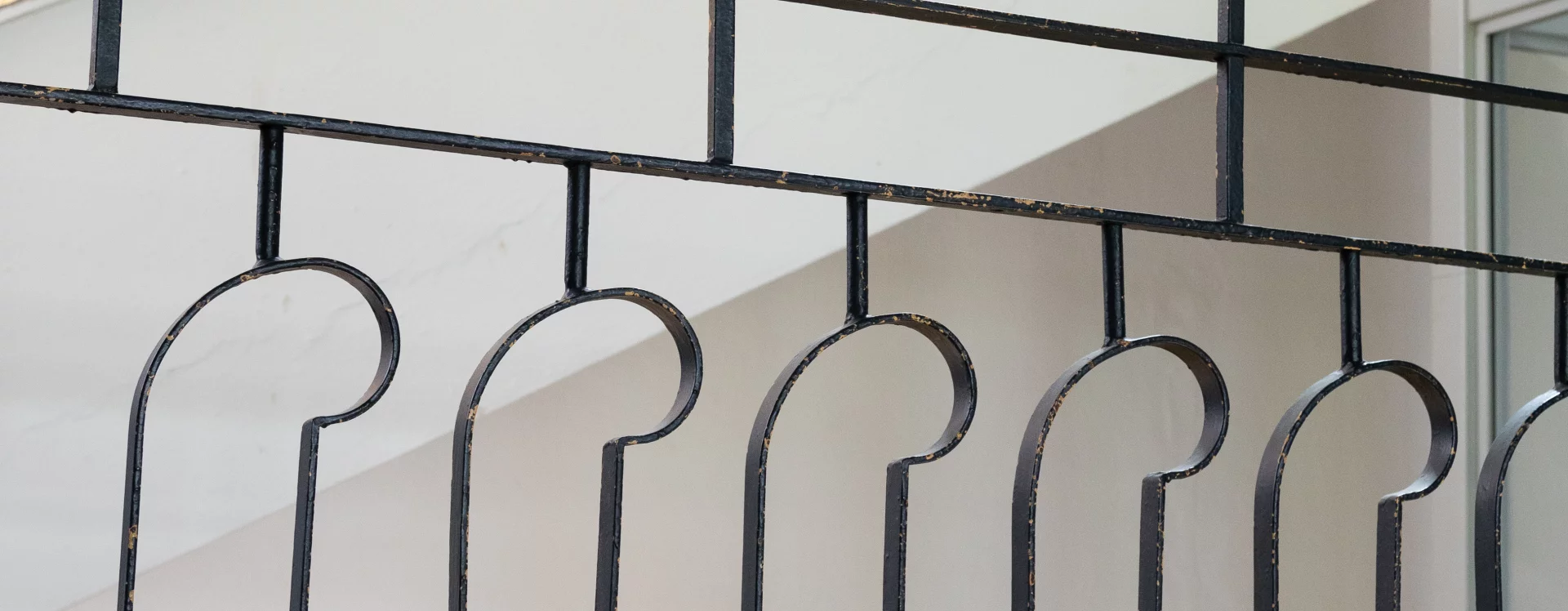
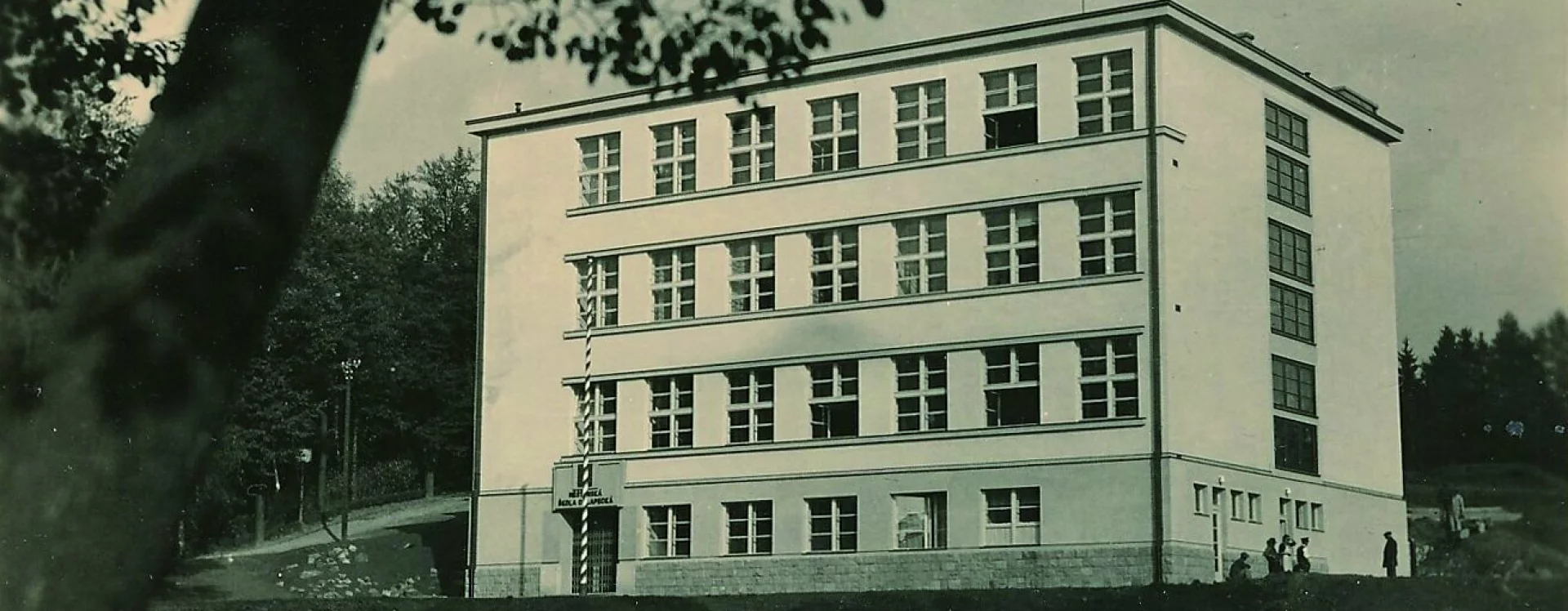
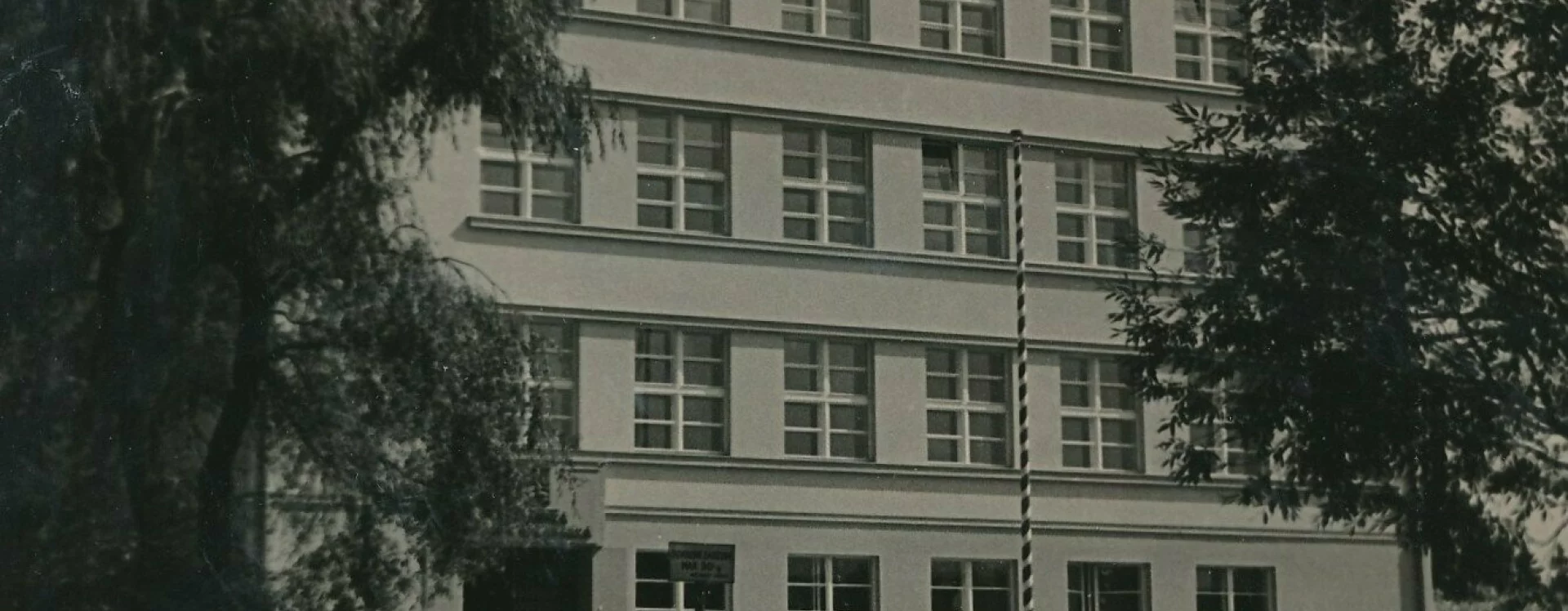
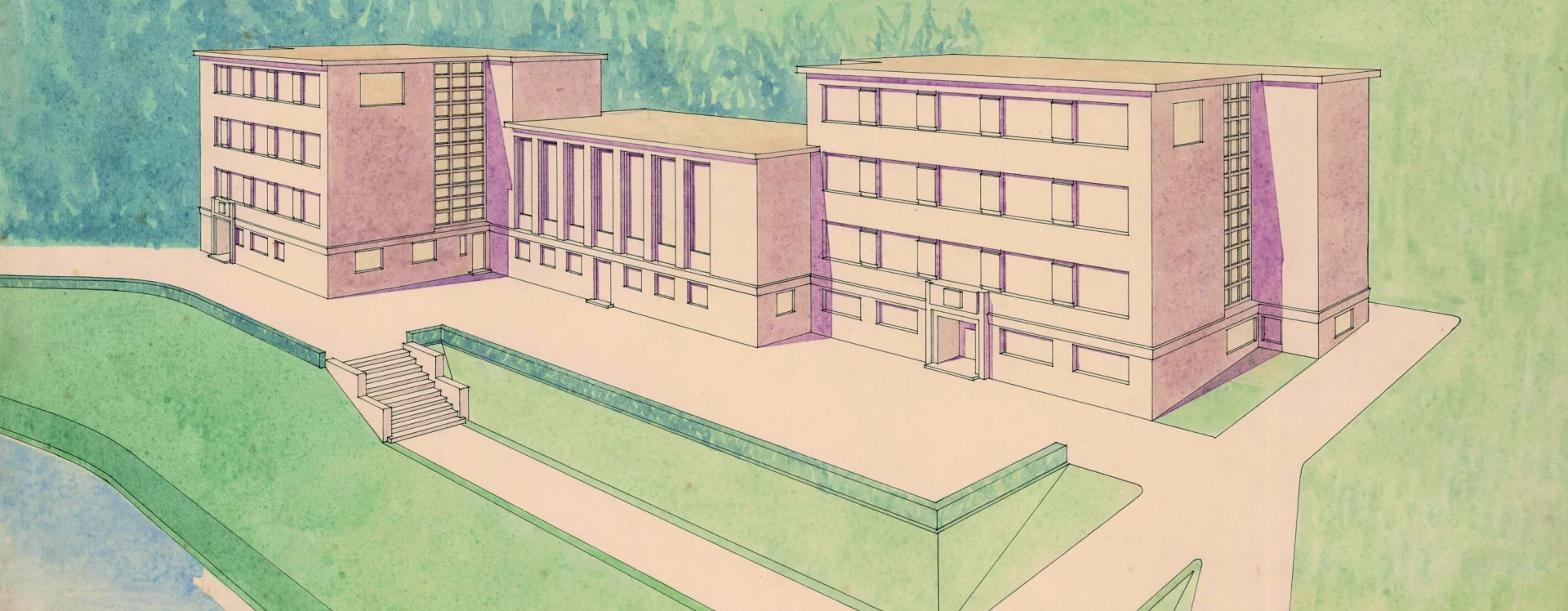
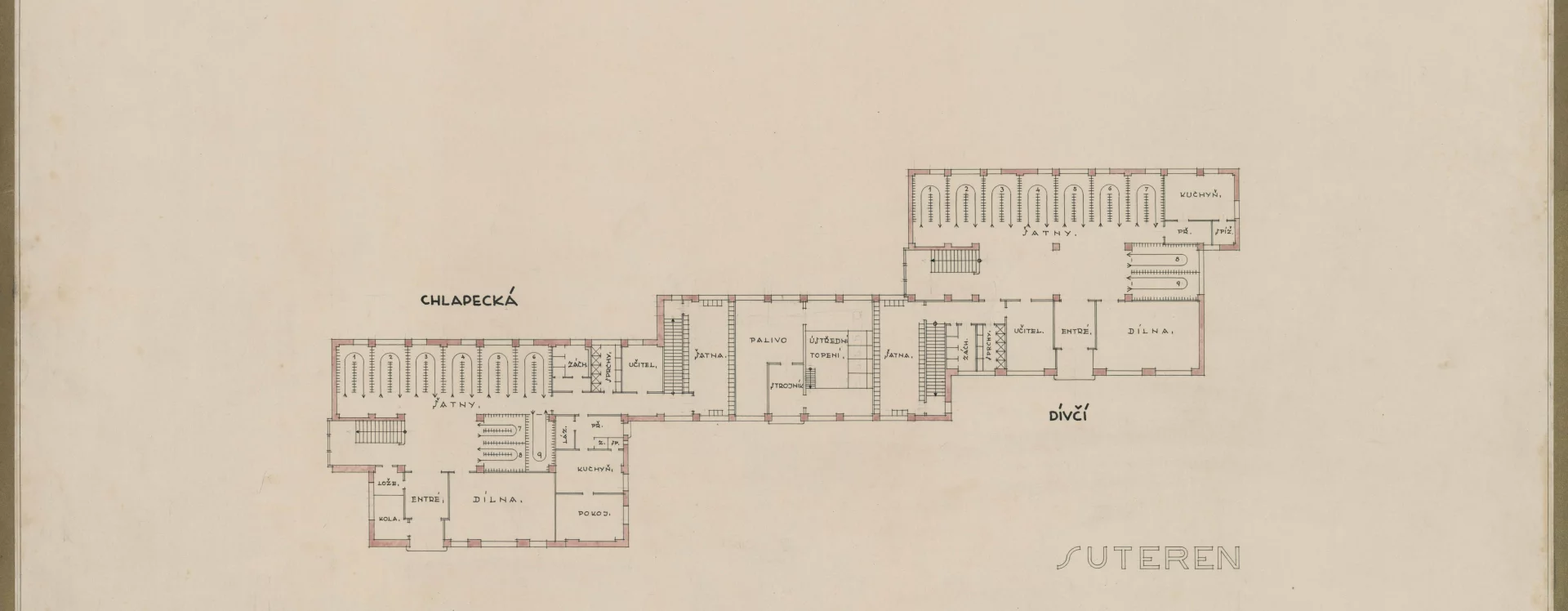
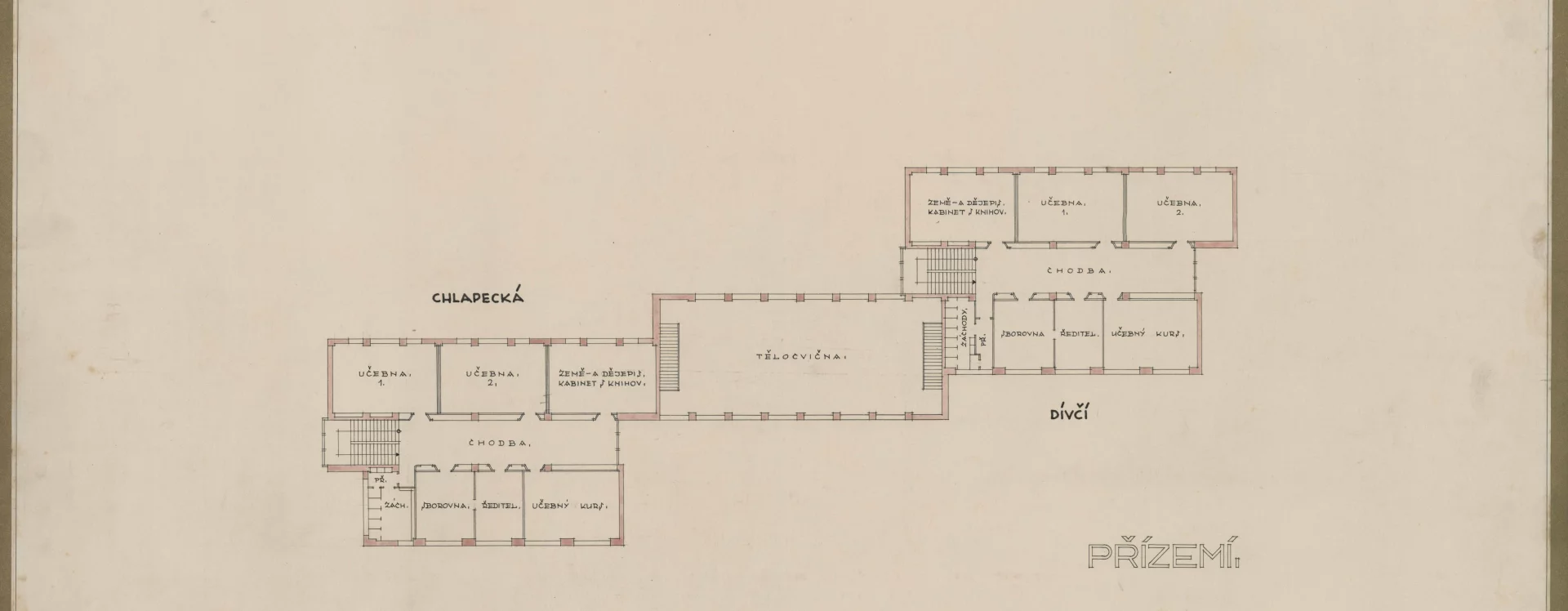
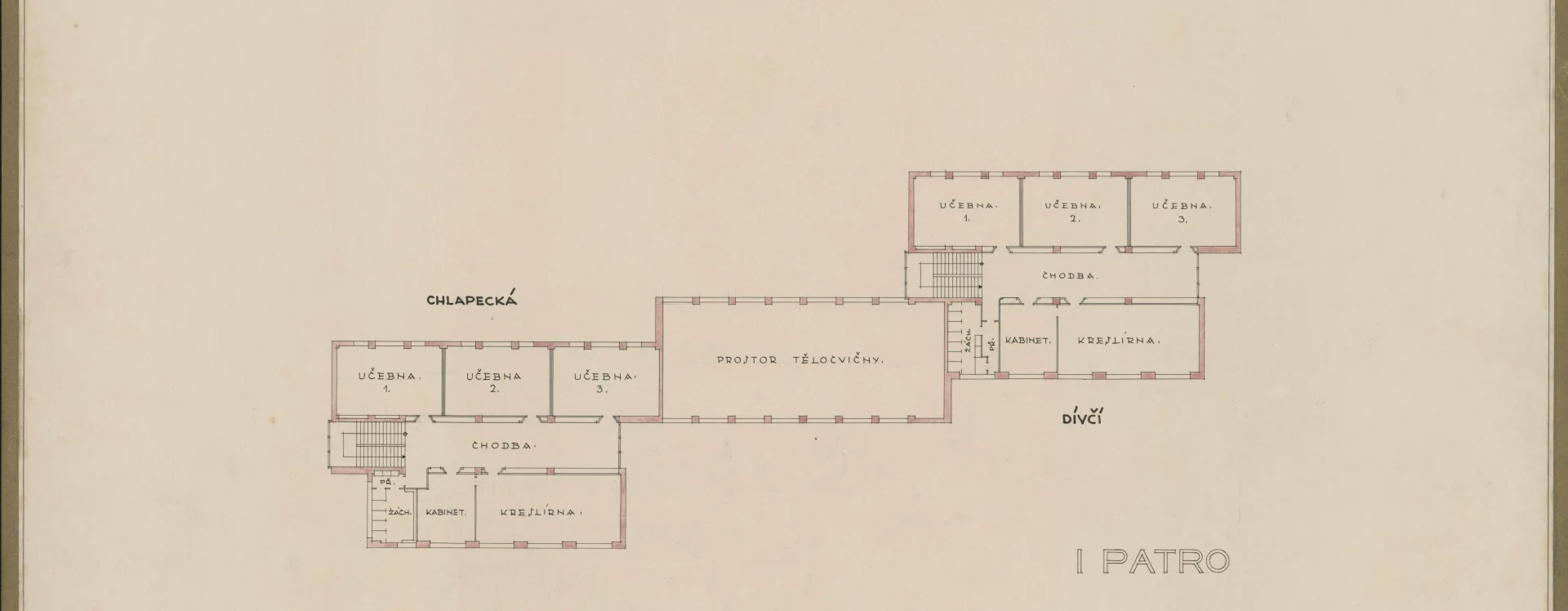
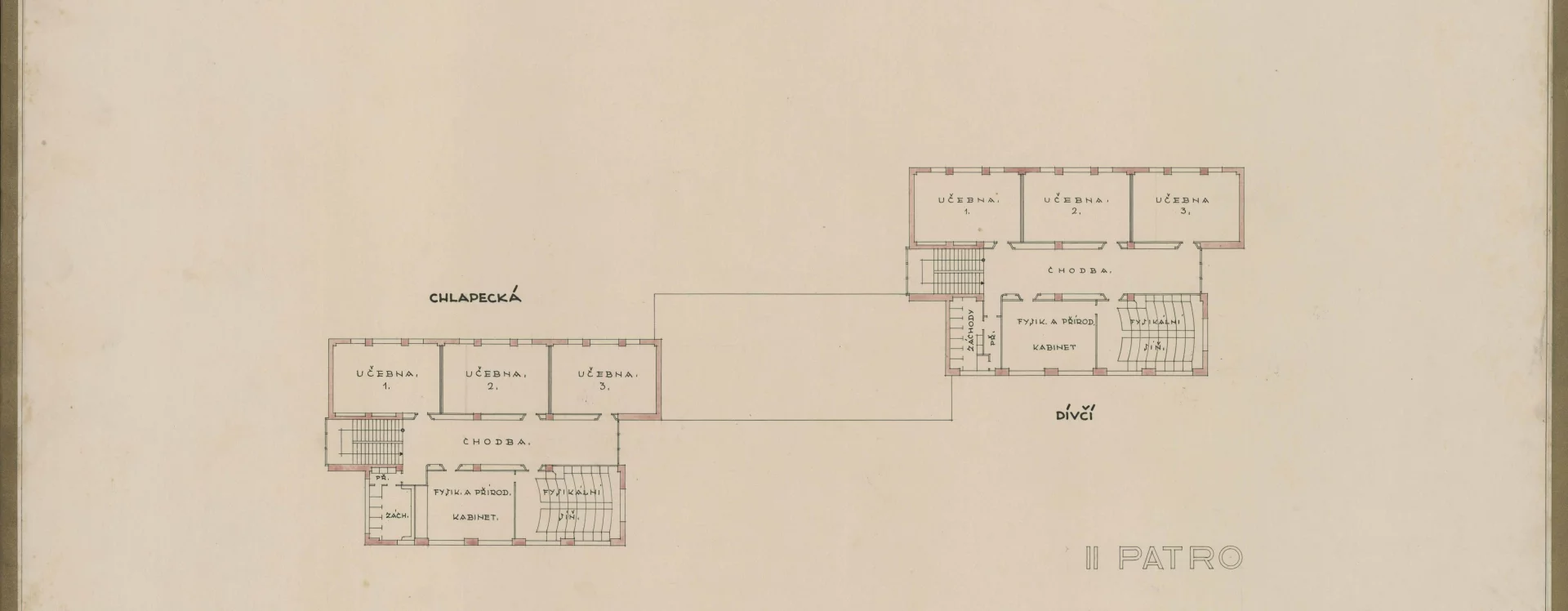
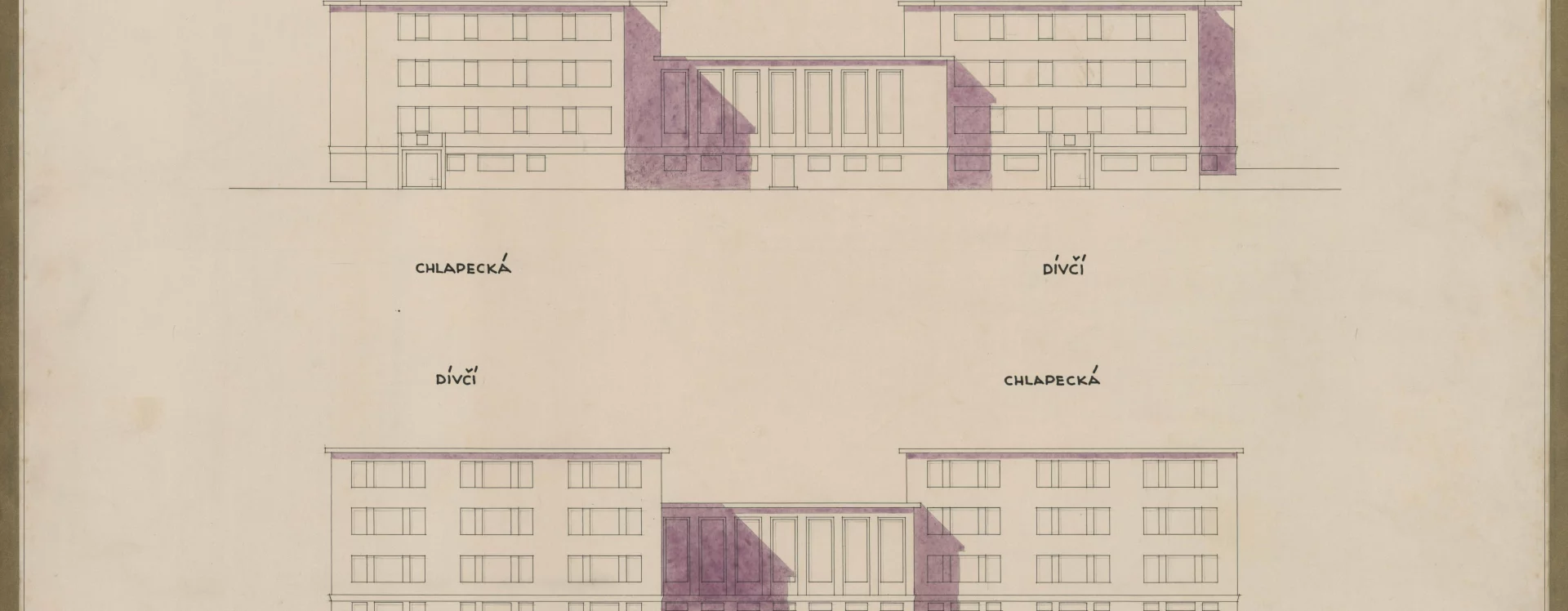
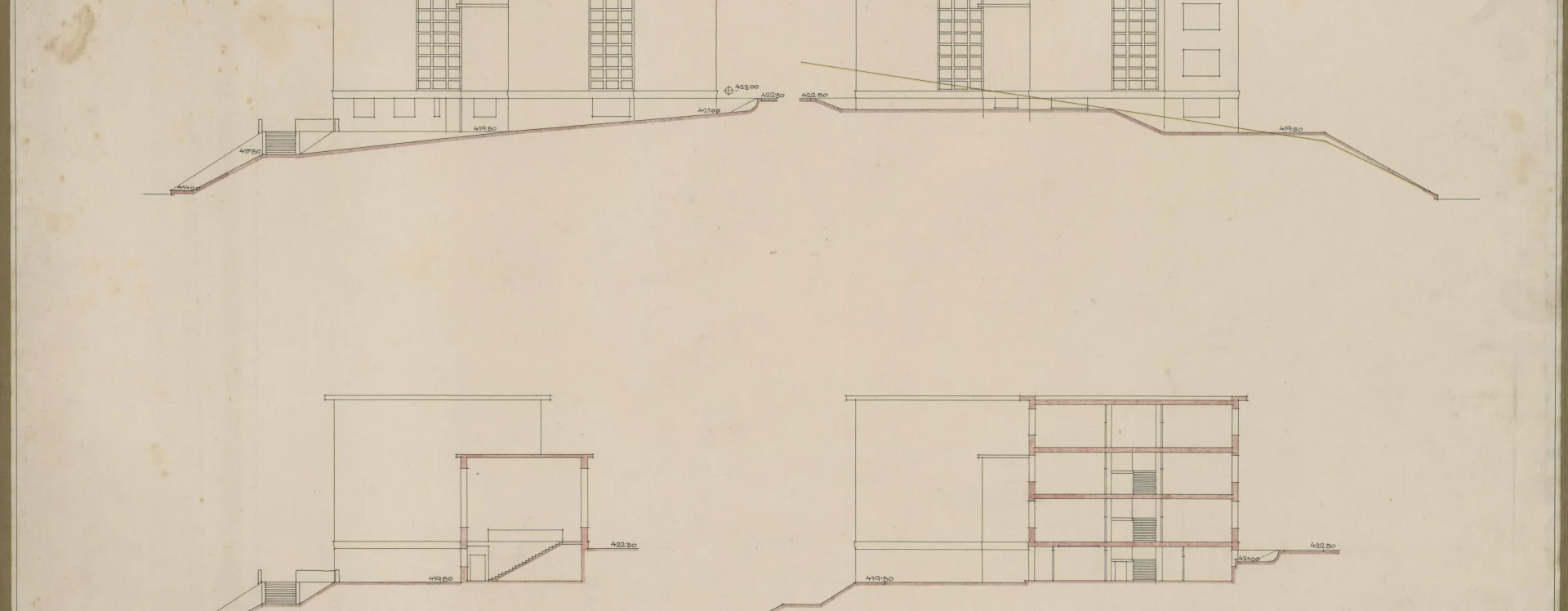
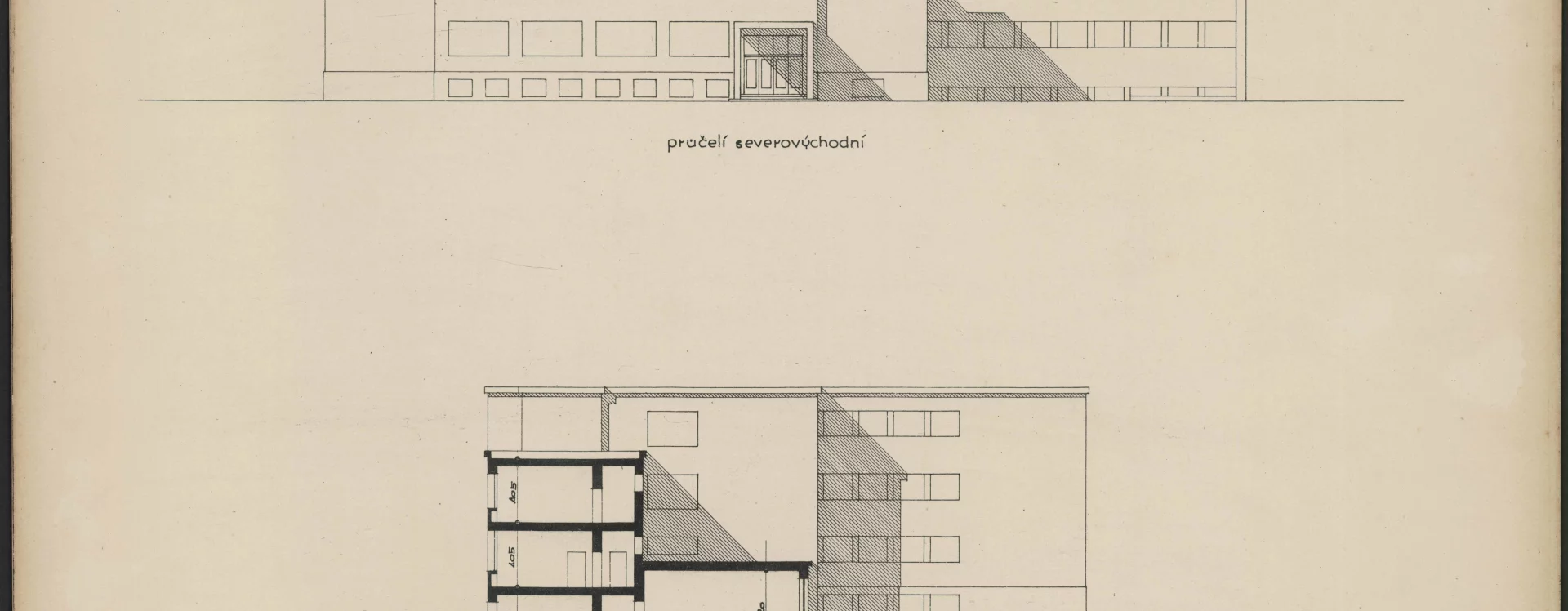
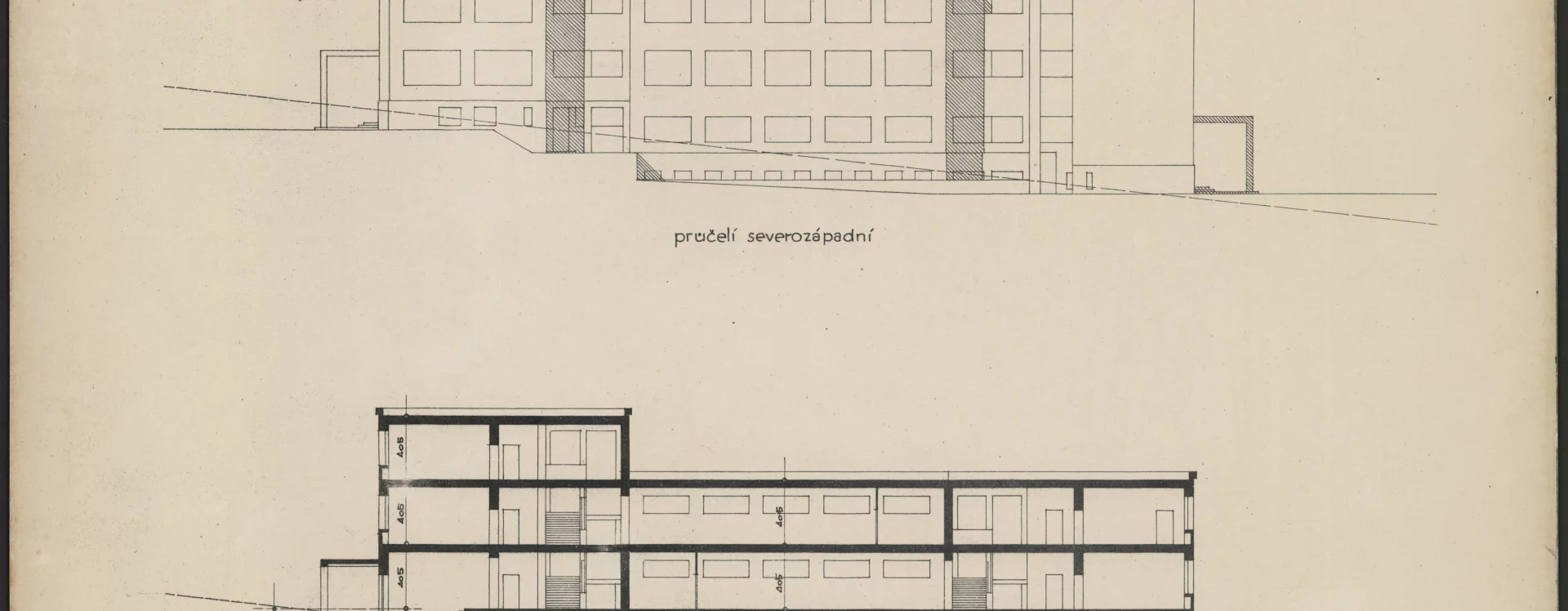
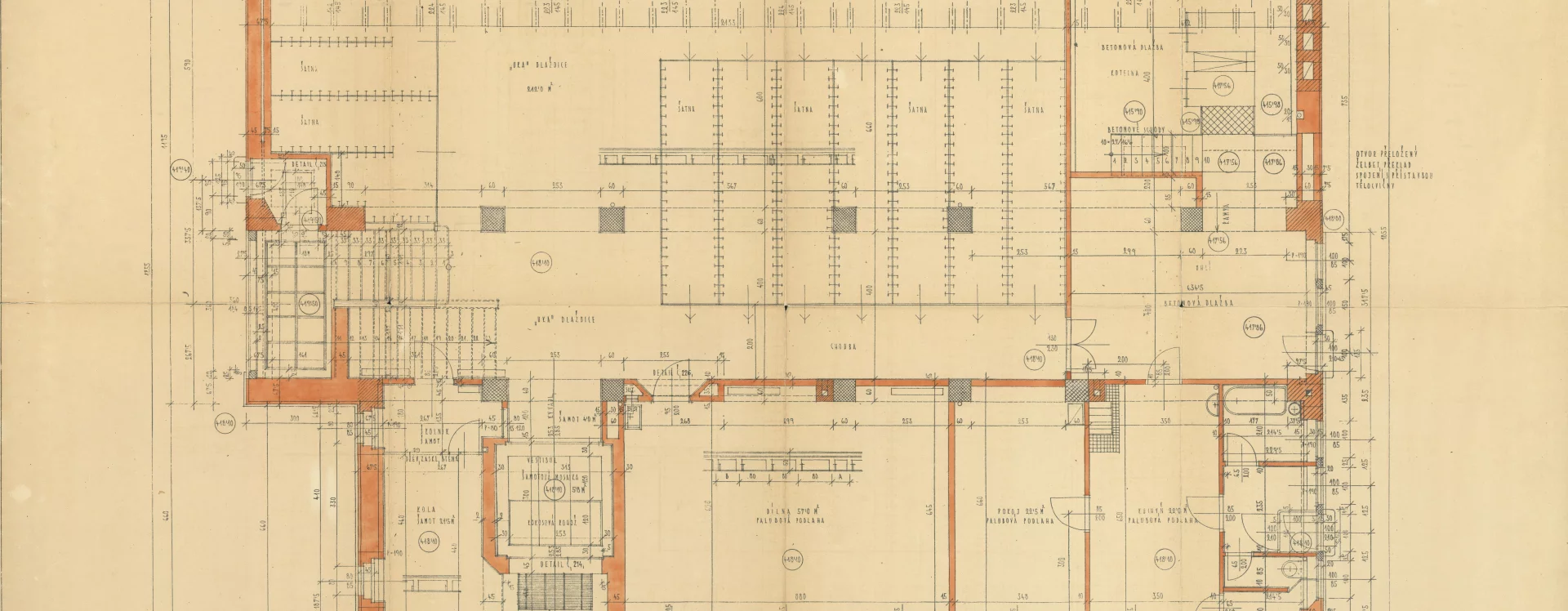
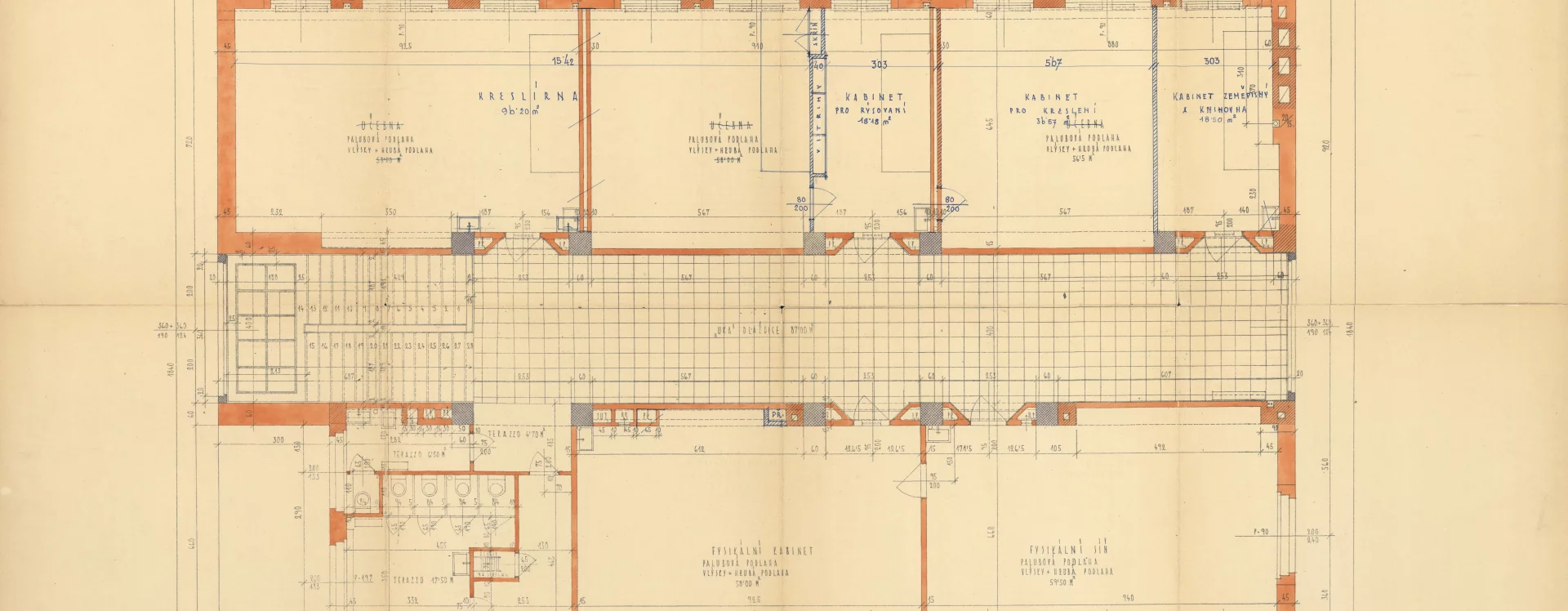
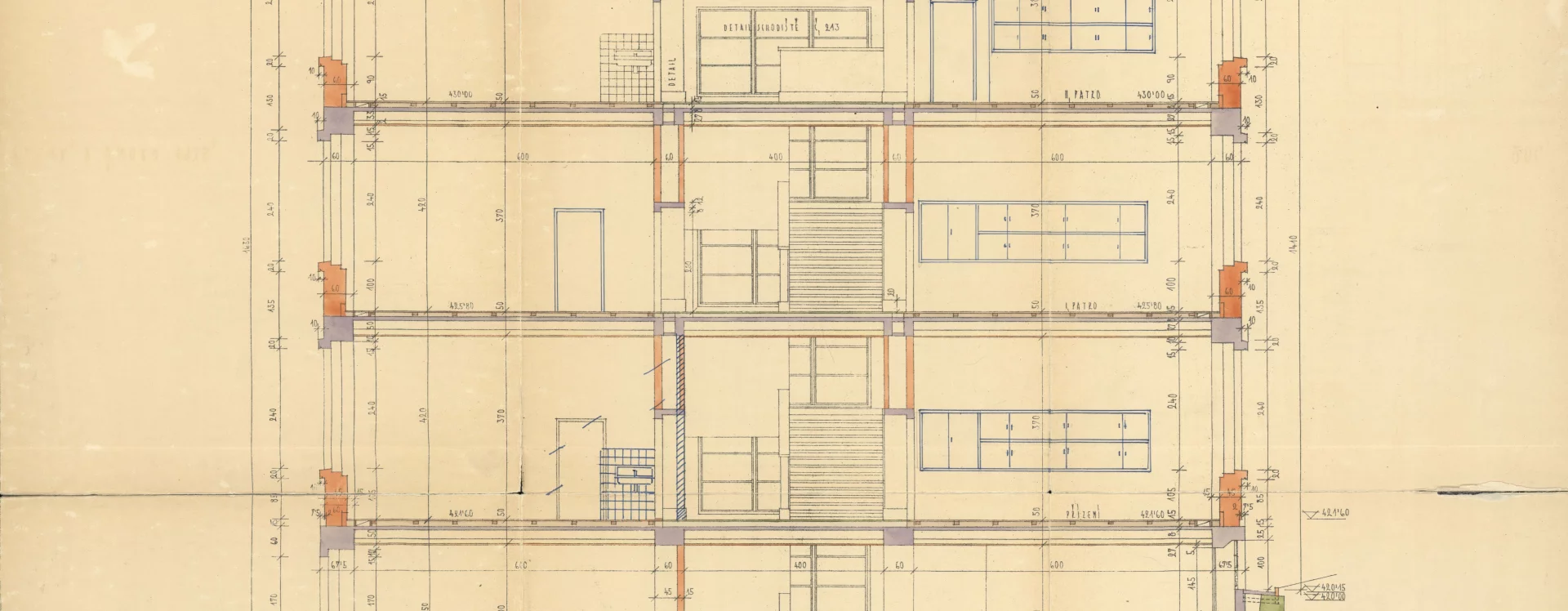
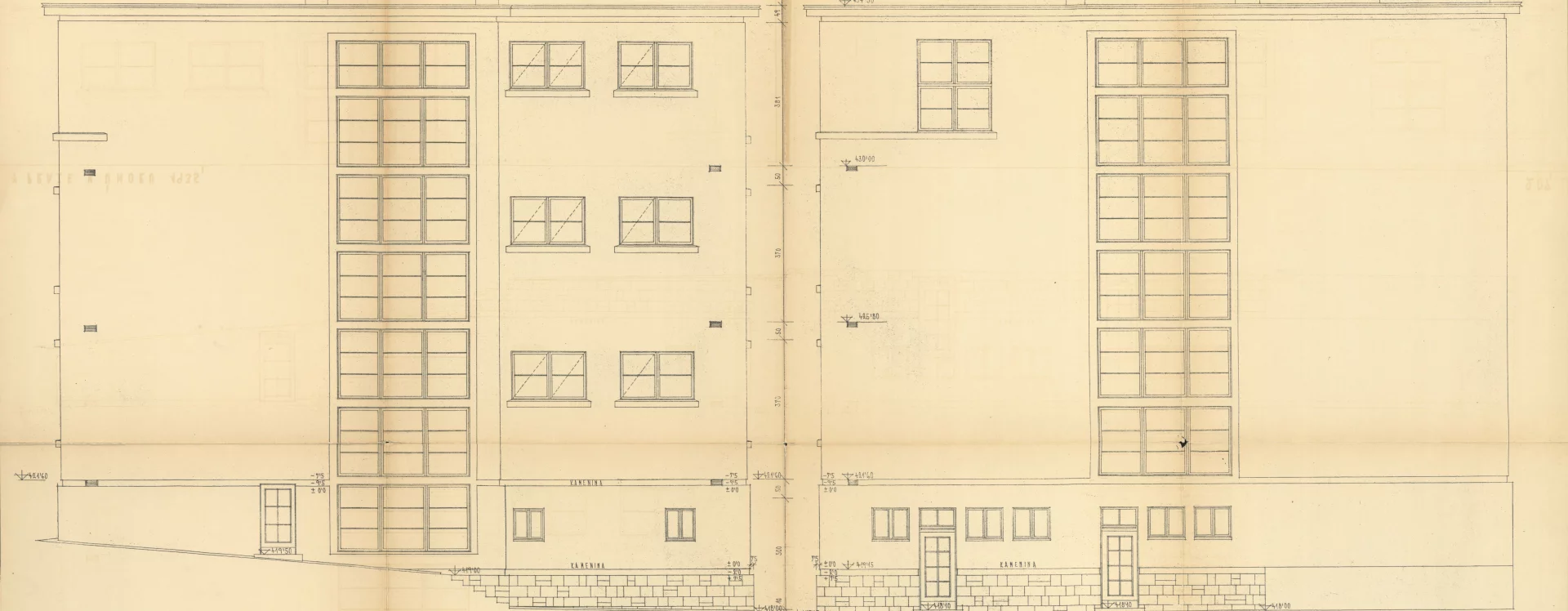
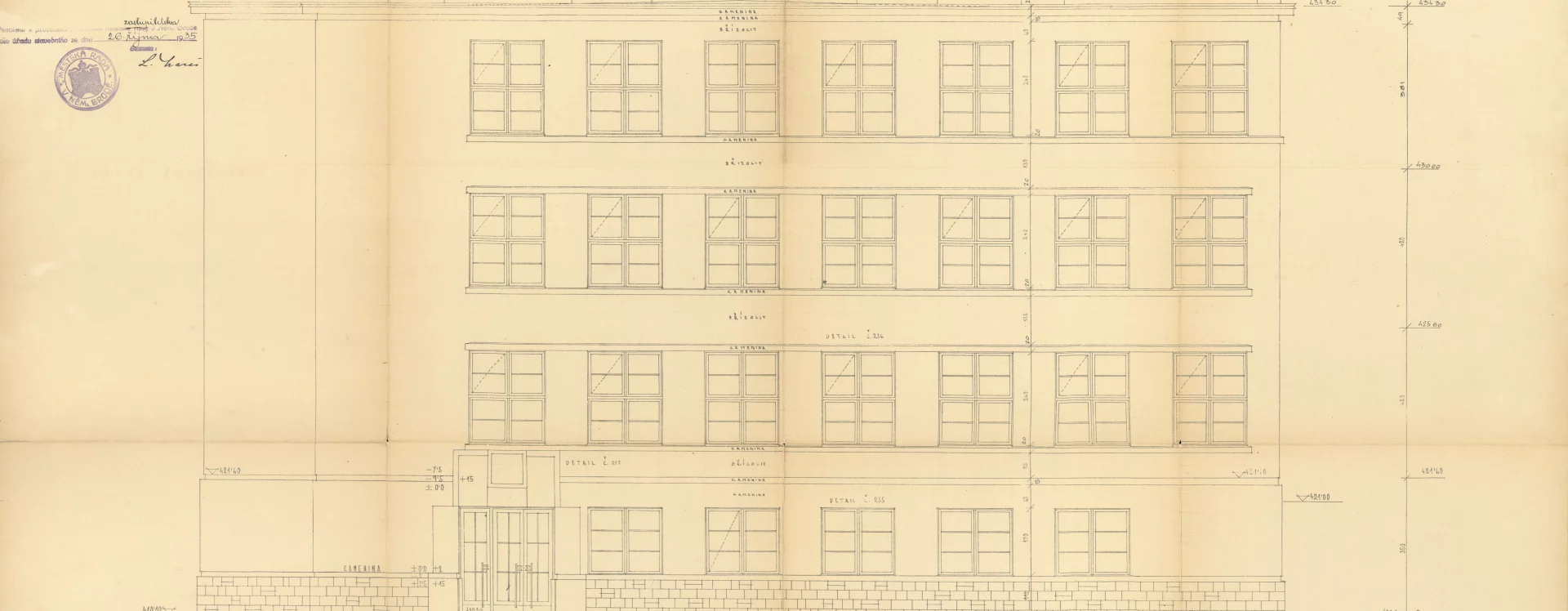
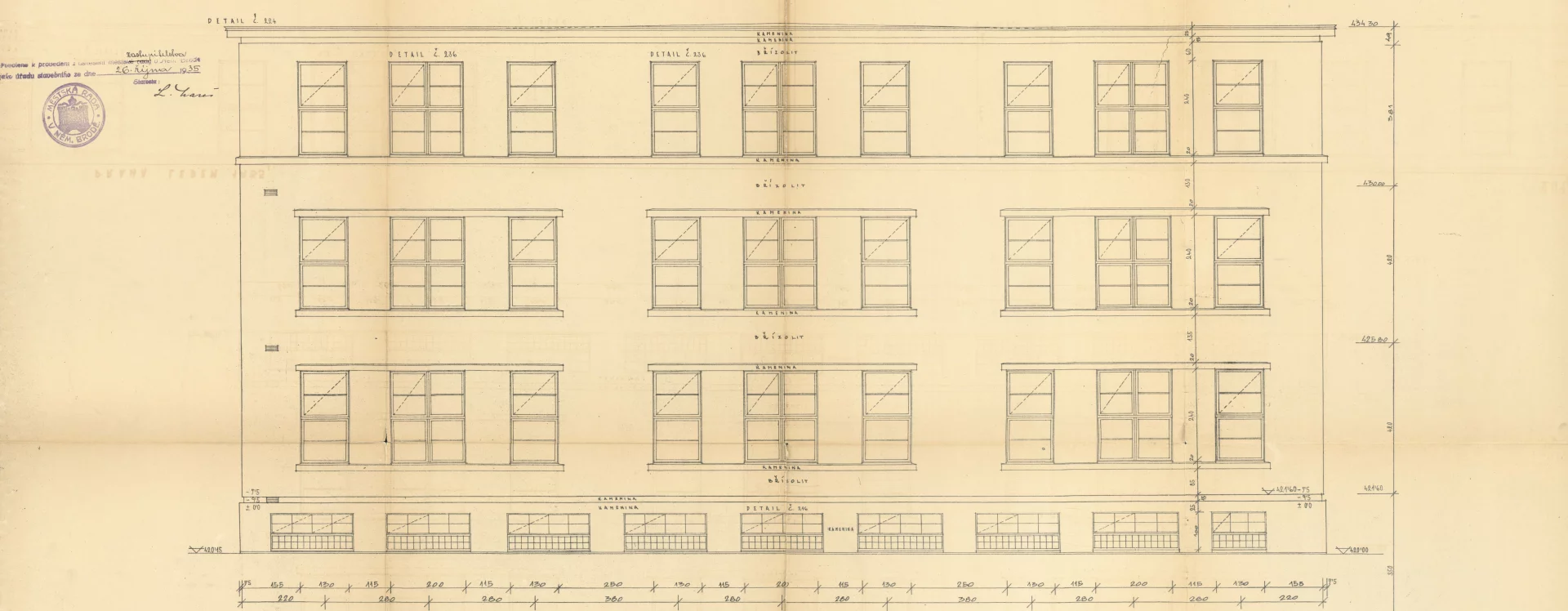
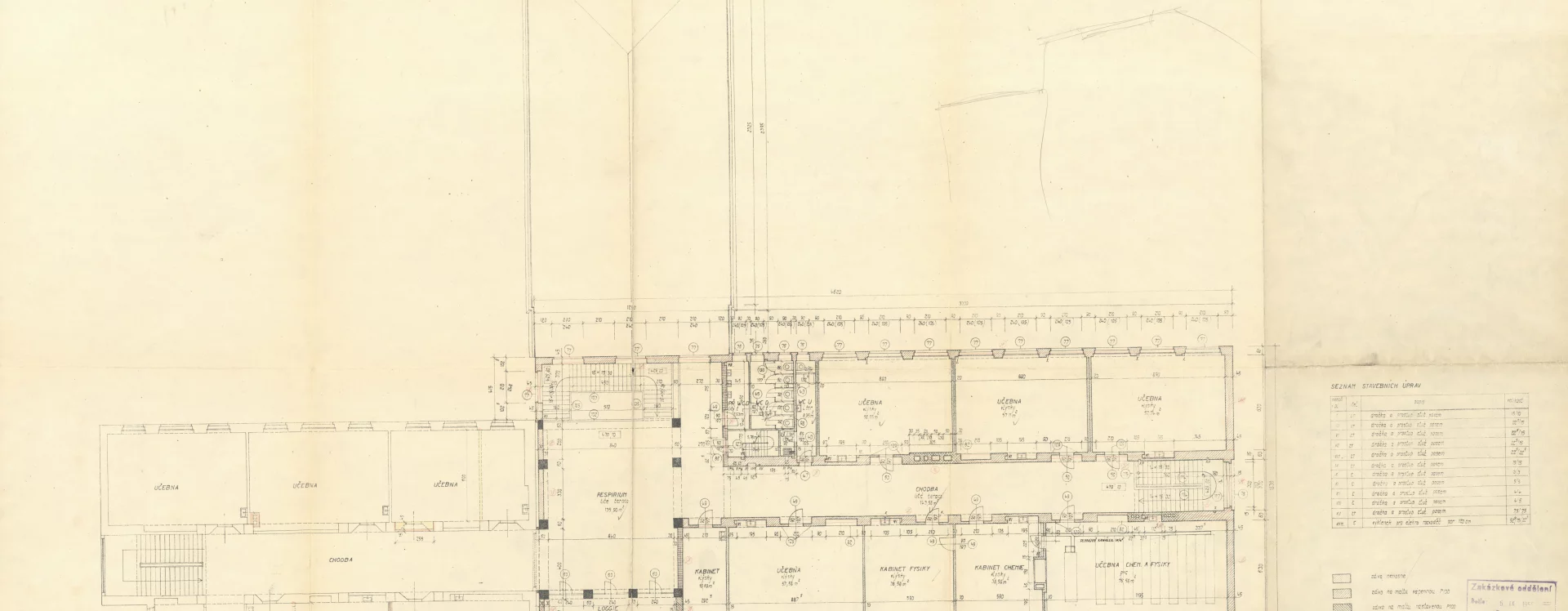
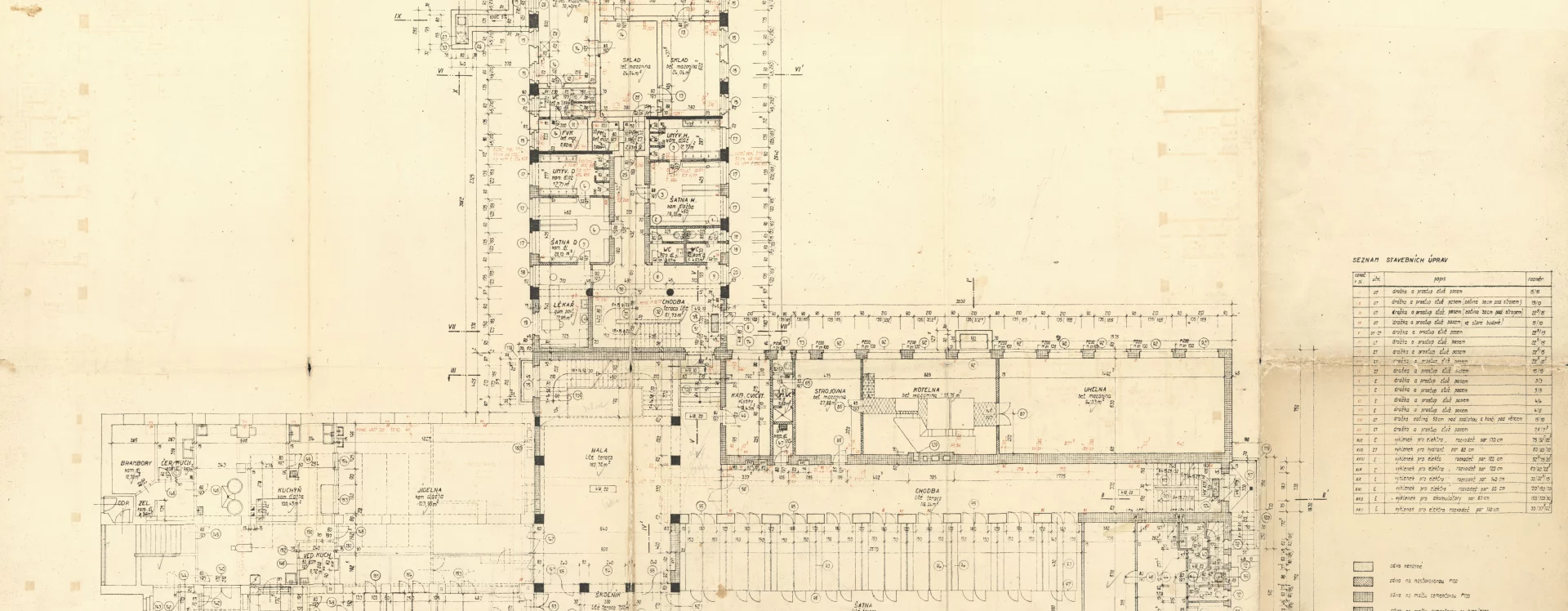
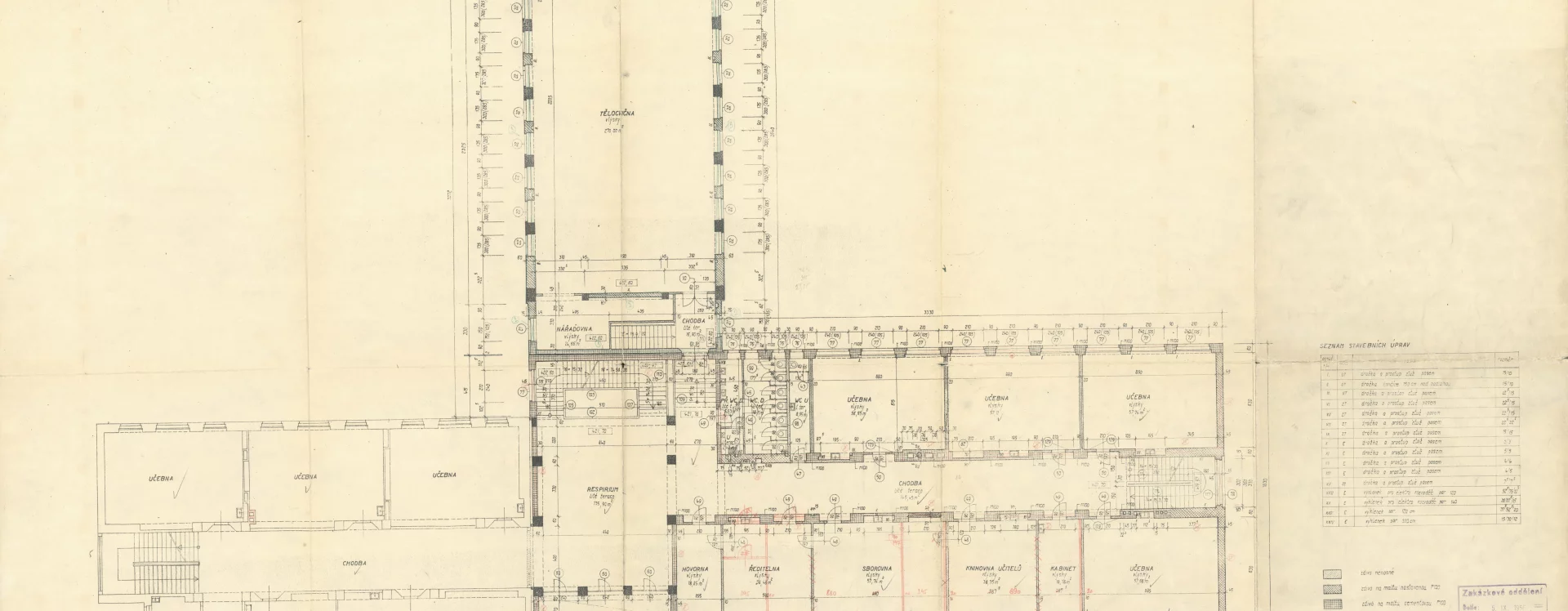
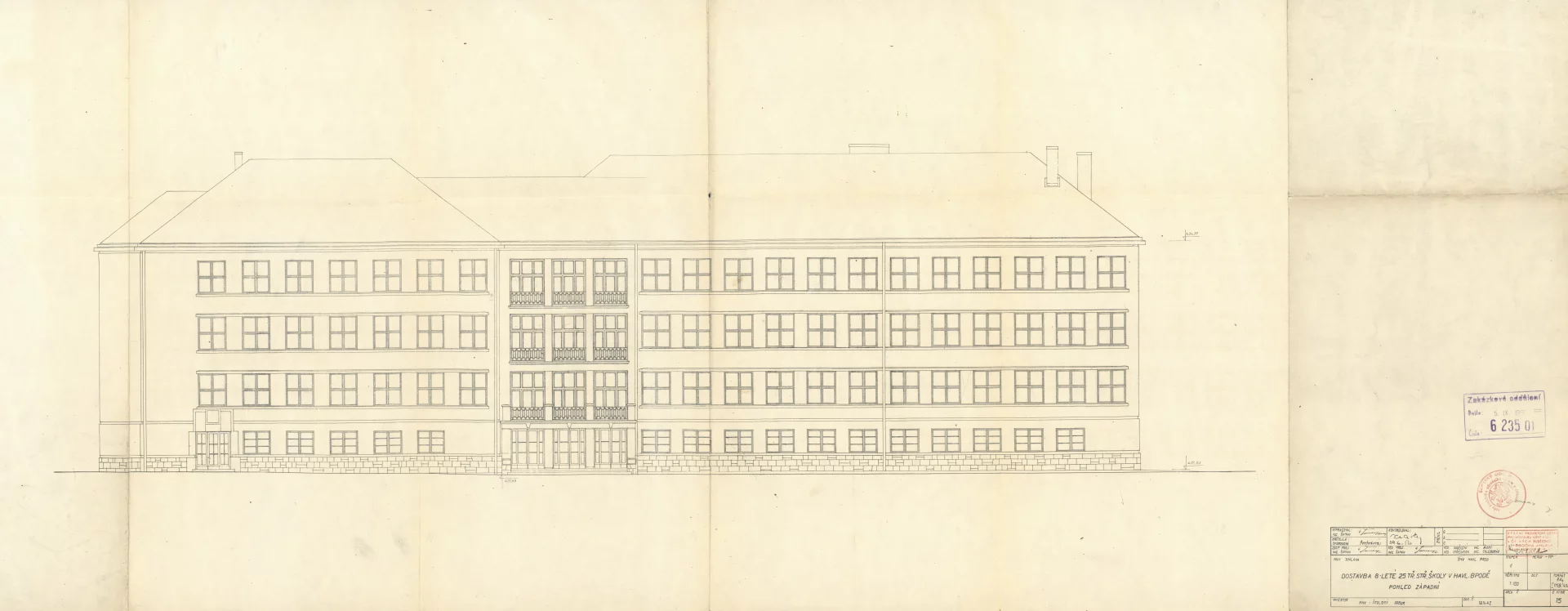
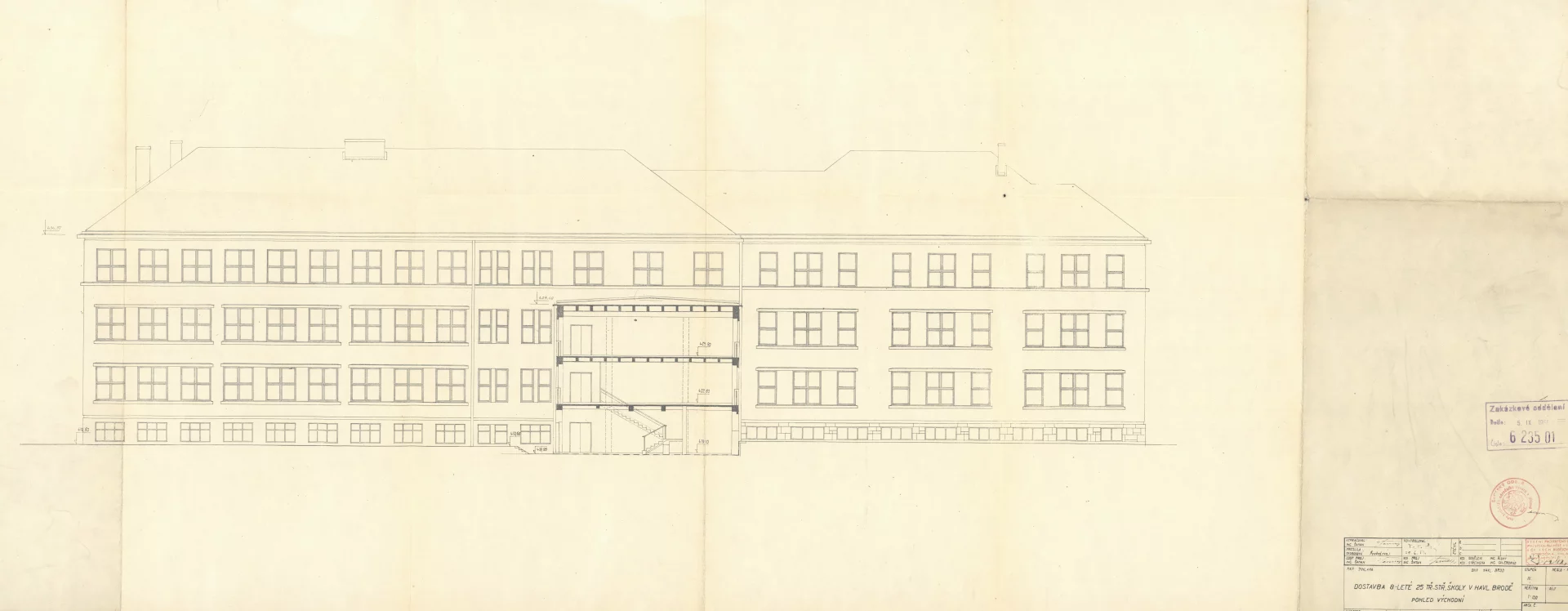
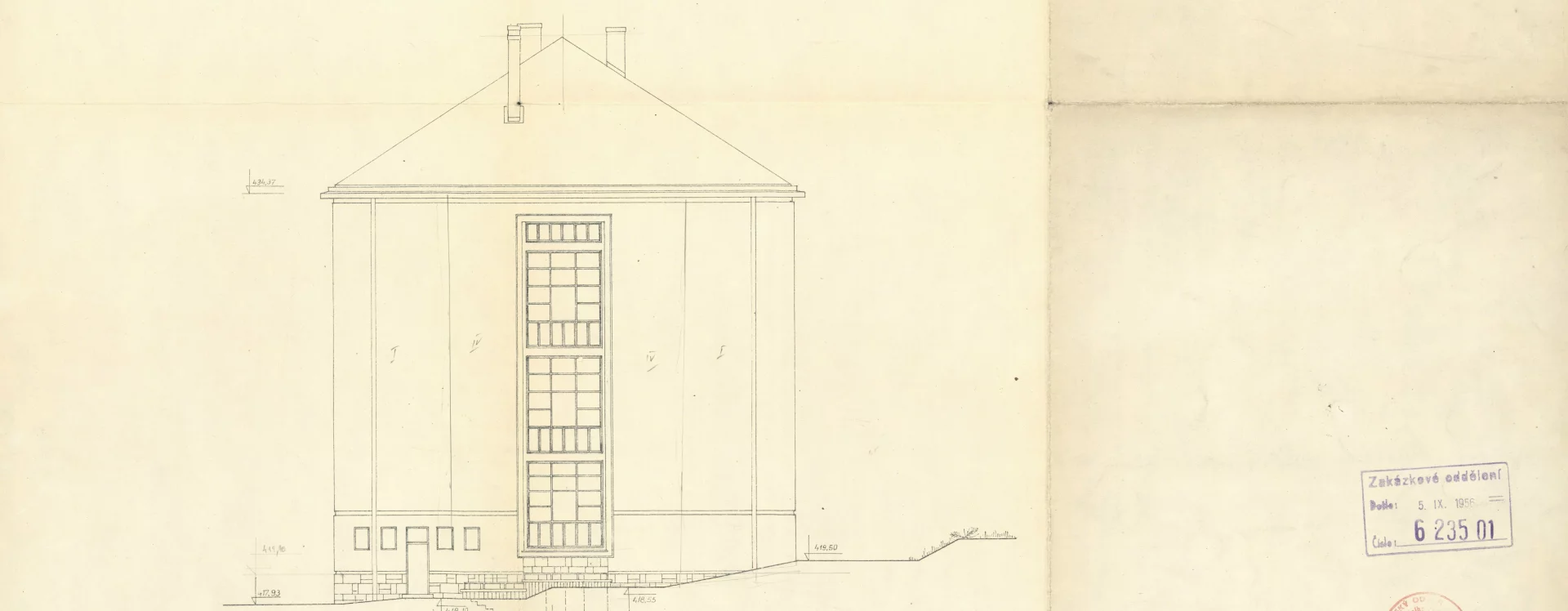
Bohumil Hypšman (1878–1961), by then an established architect and a pupil of Otto Wagner at the Vienna Academy, designed for Brod an elegant and simple building composed of three wings, dividing it into a girls’ section, a boys’ section, and a connecting part housing a shared gym hall.
It would take the town council another four years to secure the funds needed to begin the first (and for many years also the only) stage of the project—the construction of Hypšman’s newly revised design, reduced by two thirds from the original winning proposal, with a budget of 1,200,000 crowns.
The contractor selected to build the school was announced in September 1935. Out of seven local companies, the Šupich firm was chosen—not because it submitted the lowest bid, but because it was considered a “well-established and reliable company with strong financial backing.” A month later (on 14 October), the building permit was granted and the foundation stone was laid on the anniversary of the founding of the independent state. Within a year, a freestanding three-storey building with a regular rectangular floor plan had risen on the site.
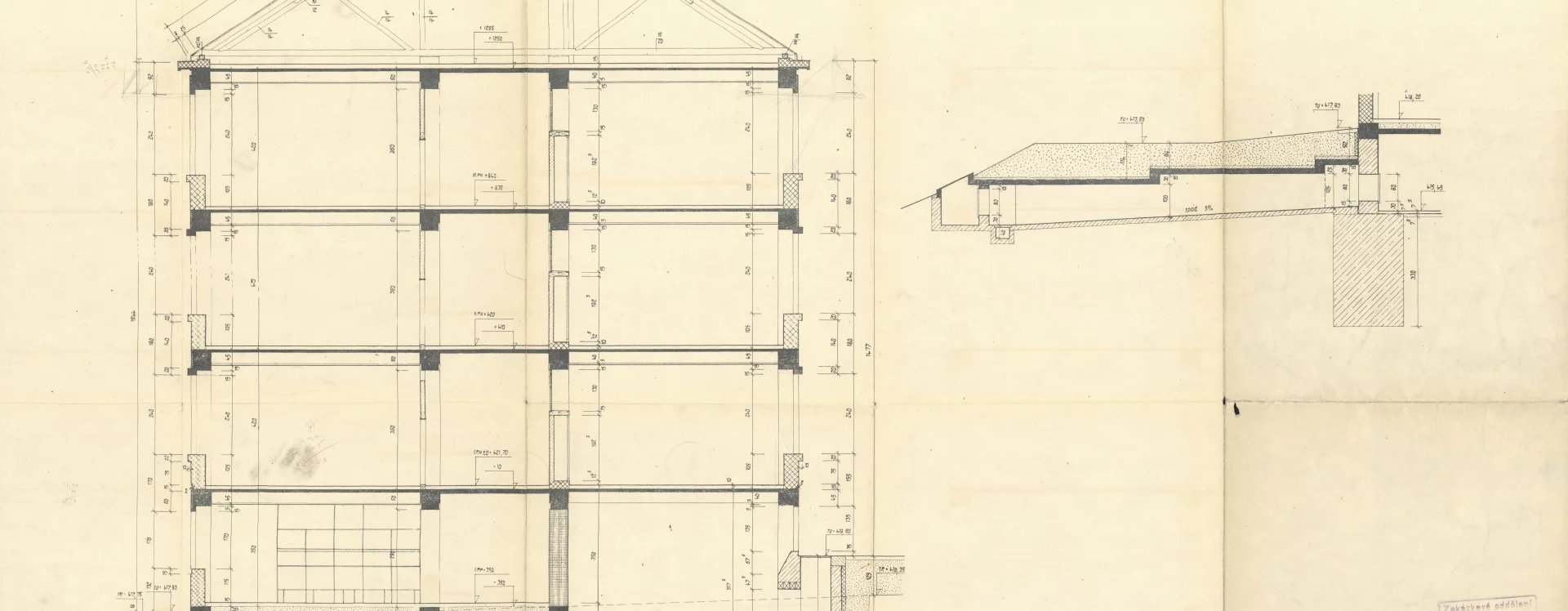
The building served its purpose in this form until 1958—only then was it finally ‘completed’, in a sensitive manner consistent with Hypšman’s original vision, according to a design by the architect R. Šaman.
Dana Schlaichertová, 2025
Literature
Ferdinand Havlíček. O stavbách školních budov. In: Styl. 1923-1924, IV (IX), p. 117-137.
Josef Florian Olša. Z dějin a památností Německého Brodu. Německý Brod, Novina, 1935.
Dana Schlaichertová. Architektura a urbanismus Havlíčkova Brodu 1848-1938. Olomouc, Katedra teorie a dějin umění FF UP, 1998, Diplomová práce. p. 74-77.
Čeněk Štěpánek. Směrnice nové školy. Boskovice, 1932.
Dana Schlaichertová. Měšťanské dívčí a chlapecké školy. In: Aleš Veselý (ed.). Příběhy brodských domů. Havlíčkův Brod, Galerie výtvarného umění v Havlíčkově Brodě, 2016, p. 70-73. ISBN 978-80-904726-9-3.
Sources
Městský úřad Havlíčkův Brod, archiv Stavebního úřadu. sv. č. p. 560.
Státní okresní archiv Havlíčkův Brod, fond Archiv města Havlíčkův Brod. sv. karton 332, 398.
Státní okresní archiv Havlíčkův Brod, fond Sbírka map a plánů. p. X/18, X/19, X/20, X/22.
Pamětní kniha Německého Brodu II. 1930-1969. s. 76, 77, 195. Státní okresní archiv Havlíčkův Brod, fond Městský národní výbor Havlíčkův Brod, Městský národní výbor Havlíčkův Brod.