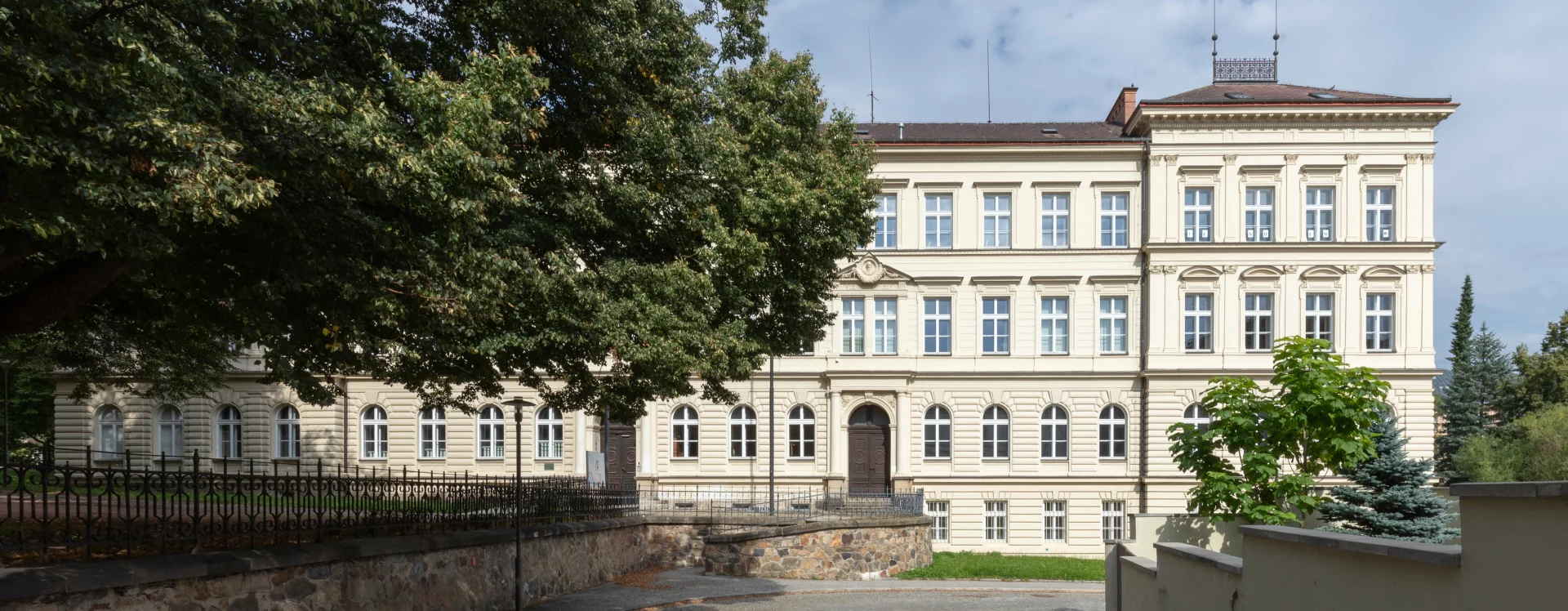
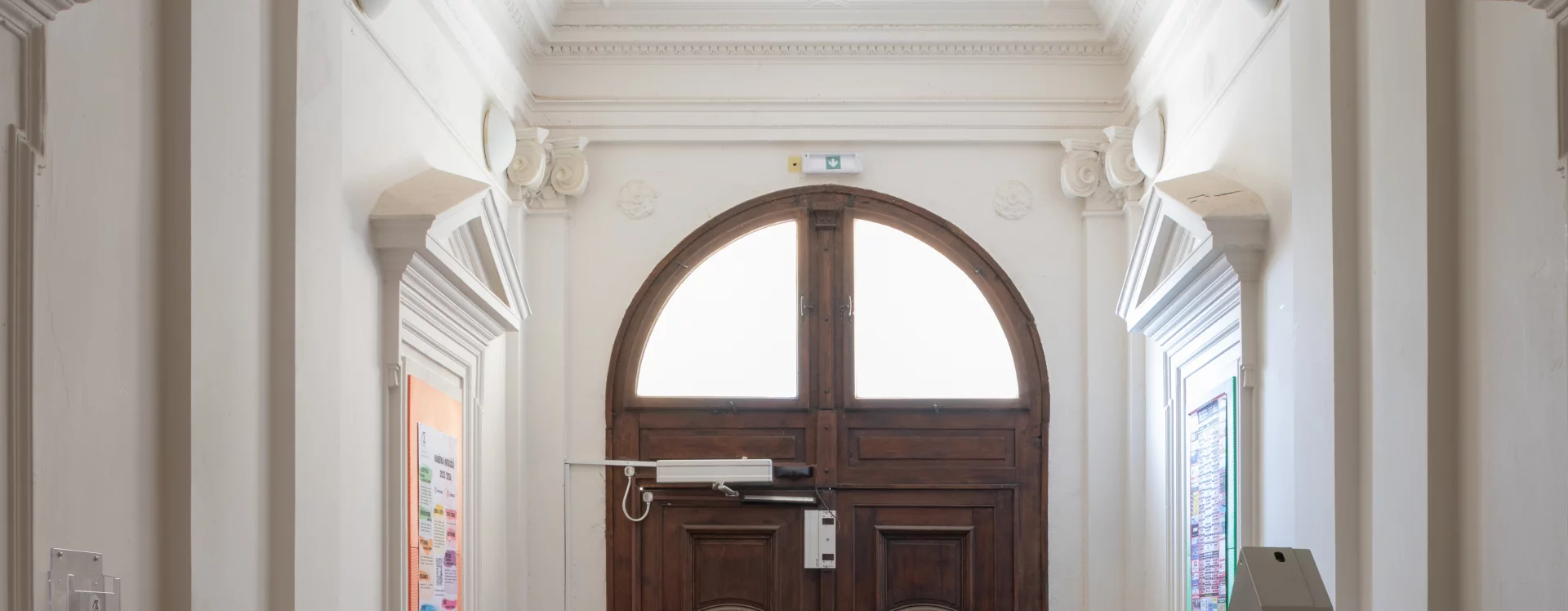
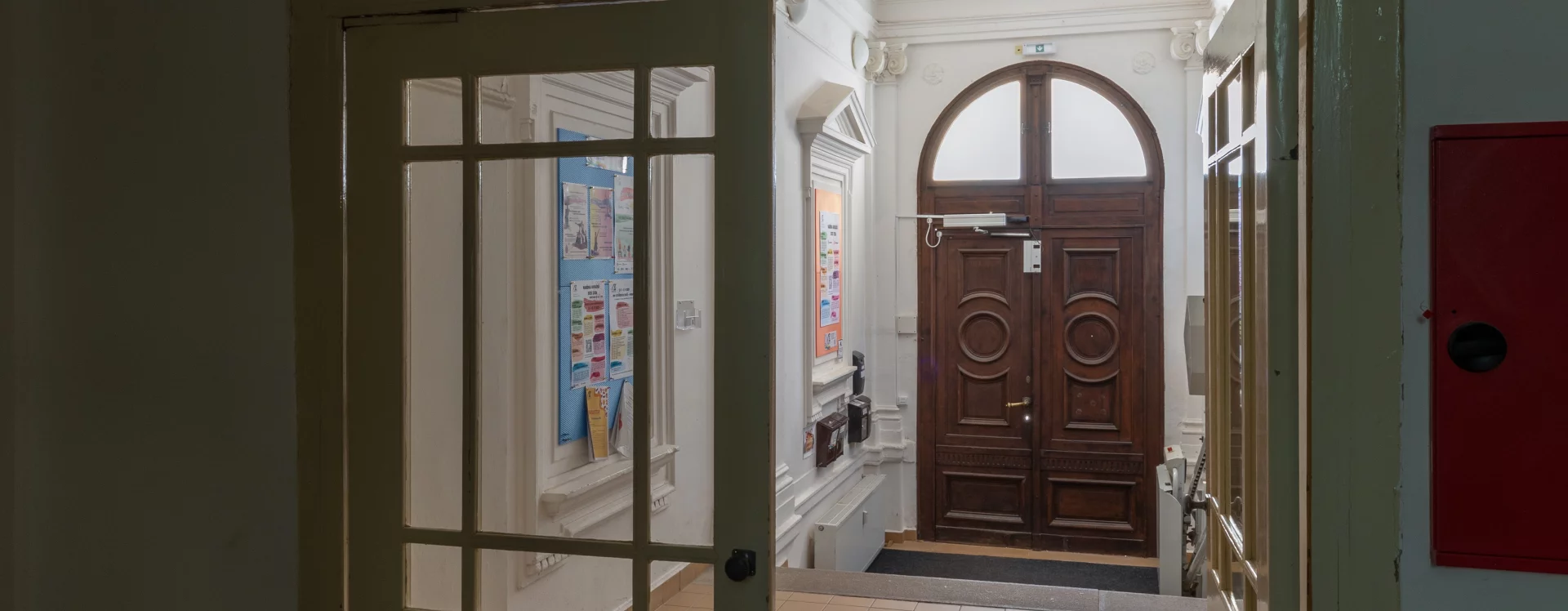
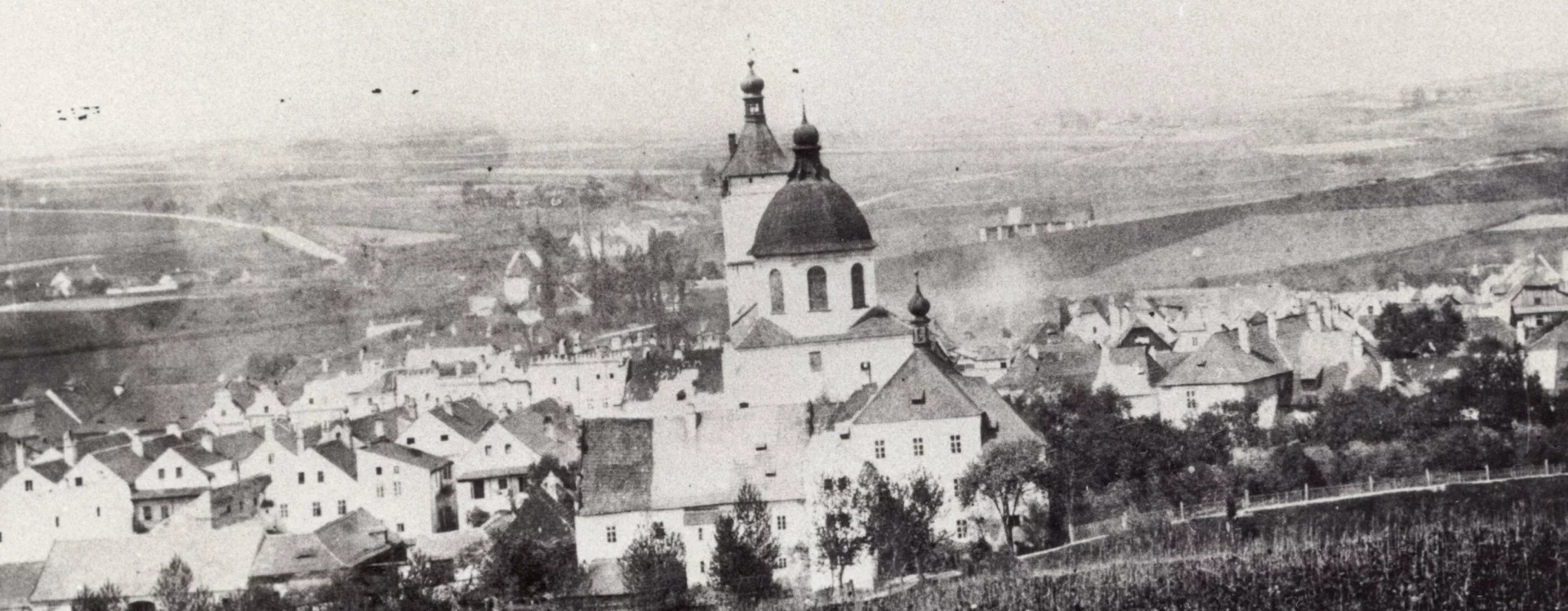
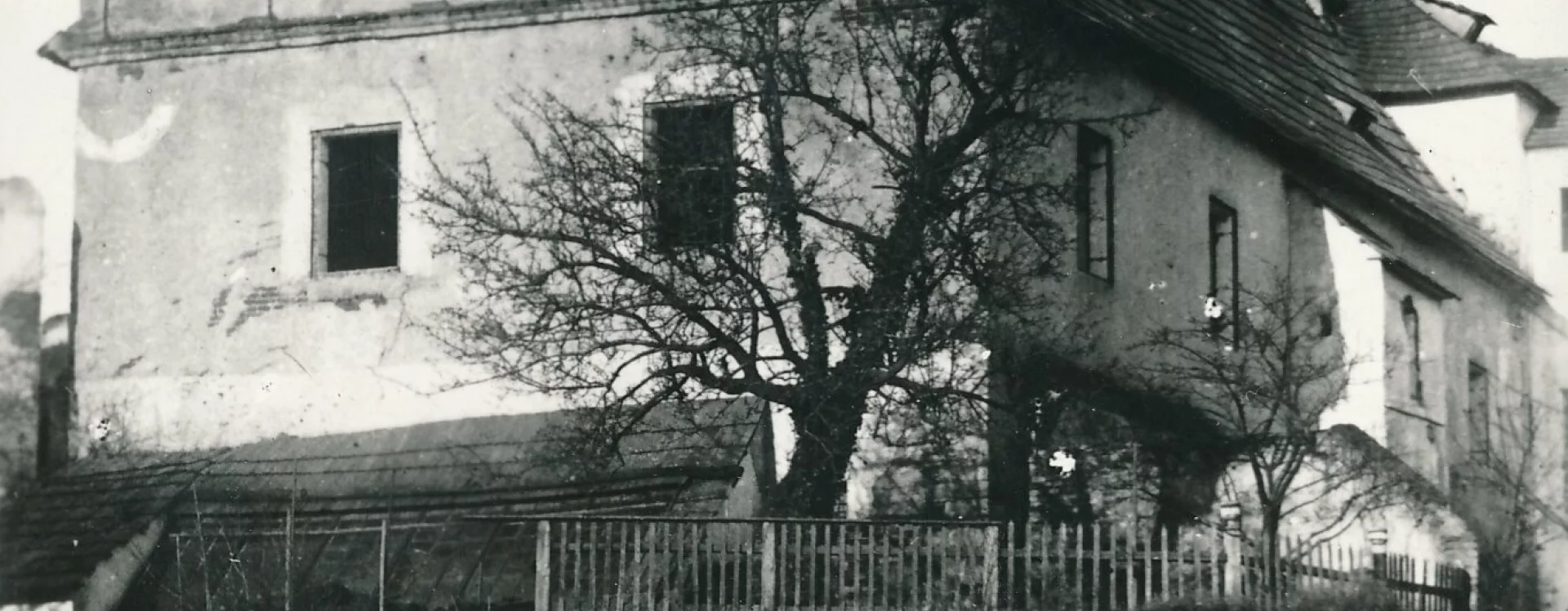
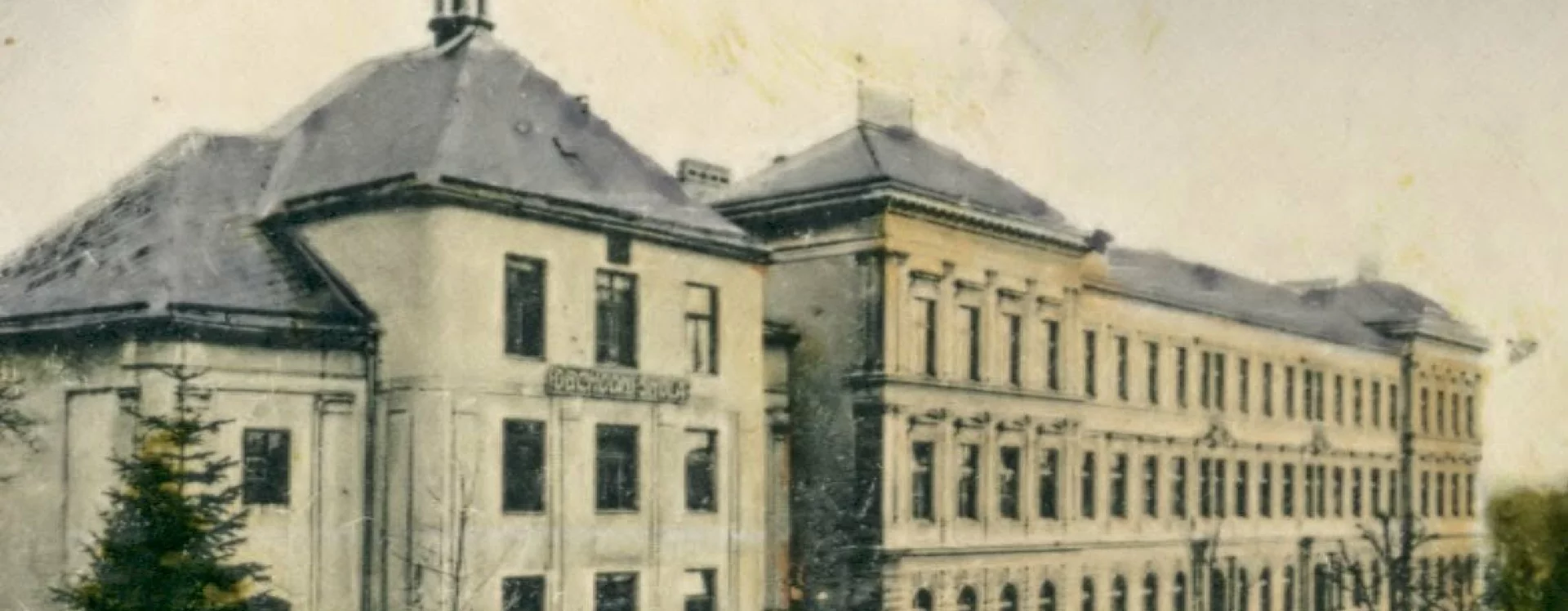
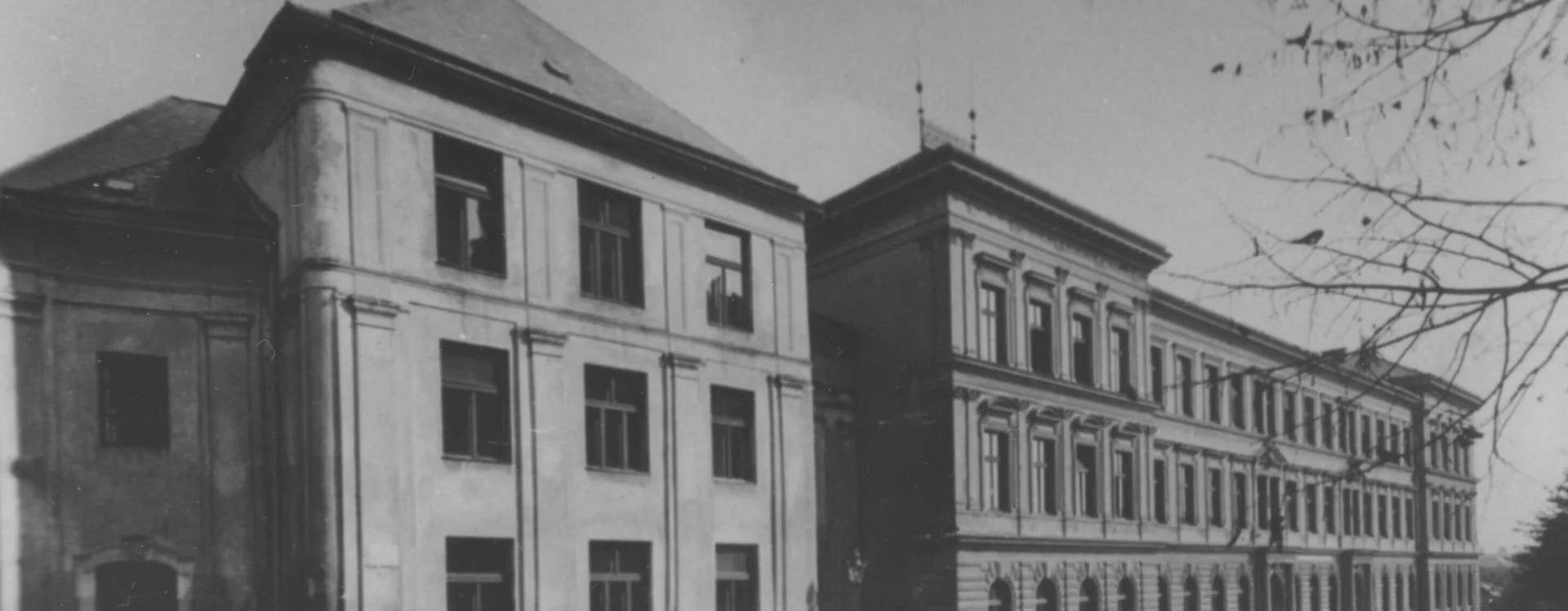
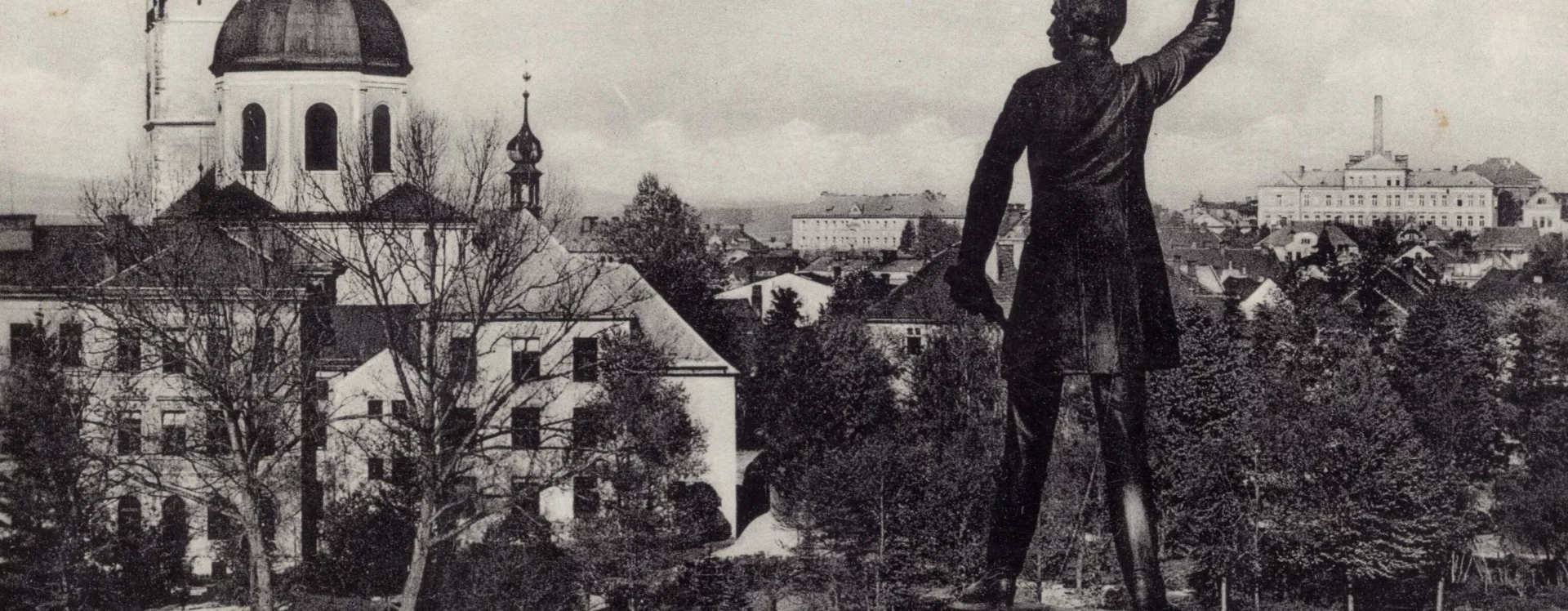
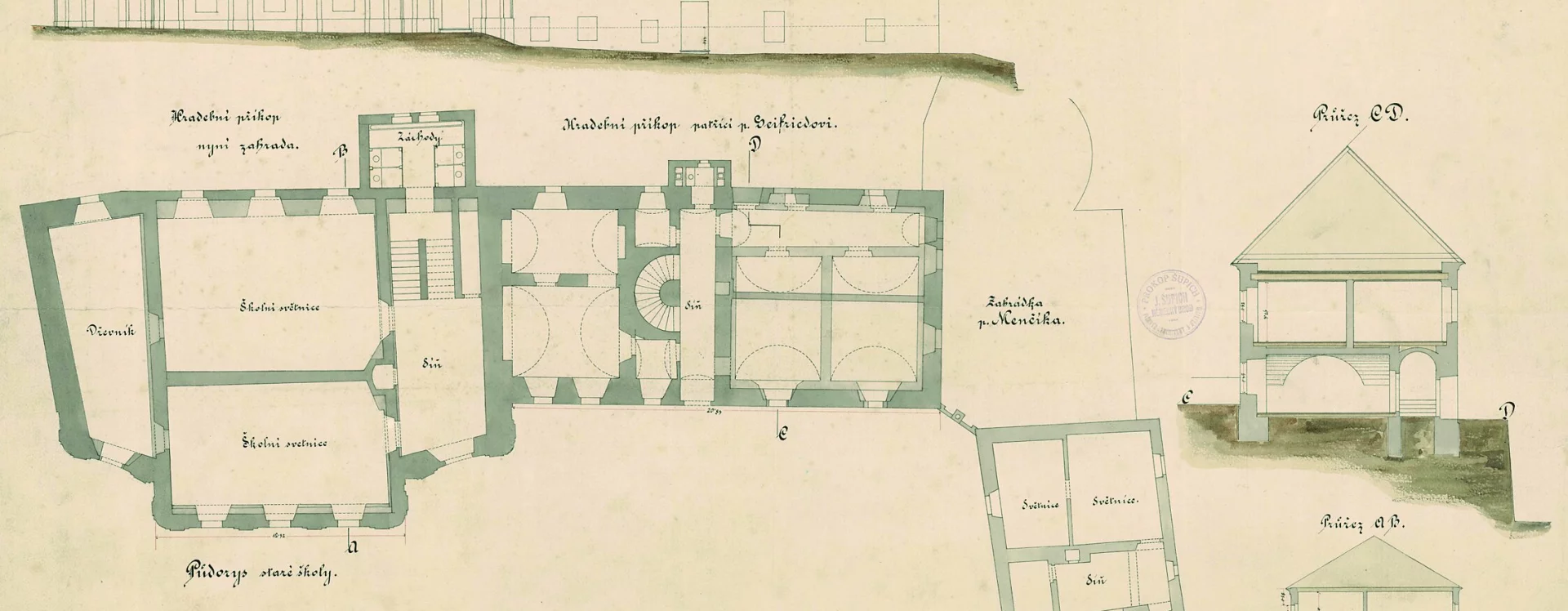
The latter half of the 19th century marked the beginning of great expansion and change in primary and secondary education in Německý (Havlíčkův) Brod. This was linked both to the town’s growth and the increasing population (naturally including children), and to the laws that reformed the school system of Austria-Hungary. The main reason was the enactment of the Great Imperial Law (14 May 1869), which, among other things, introduced eight-year general schools and eight years of compulsory schooling in primary education.
According to the law, primary schools were divided into ordinary schools, where children received only the most basic education (language, arithmetic, general knowledge, writing, geometry, singing, physical education, and religion), and municipal schools, which offered a much broader education. Though undoubtedly being a positive step, this caused considerable difficulties for the founders (in this case, the town council) in terms of fulfilling the necessary conditions. The situation was further complicated by a ministerial decree from 12 March 1888, which specified in detail the requirements for the construction and design of educational facilities—from the width of school corridors to the number of pupils per class (90 pupils per classroom and teacher).
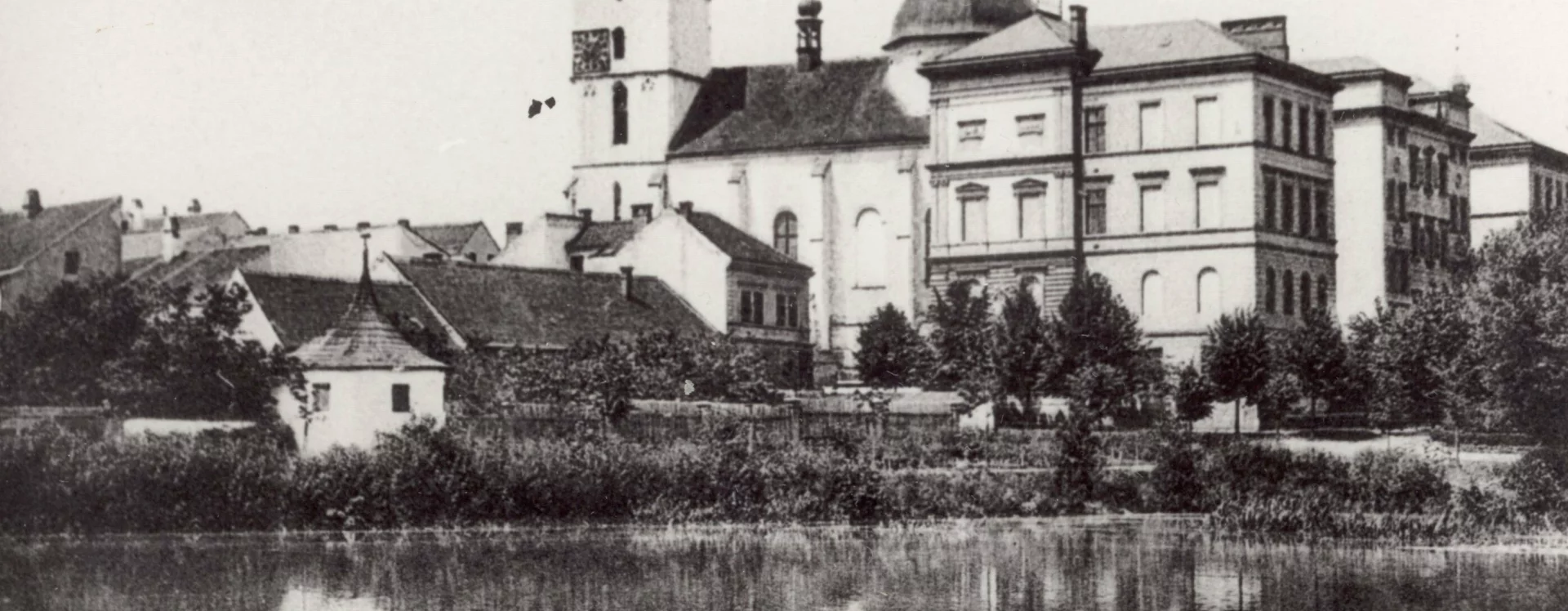
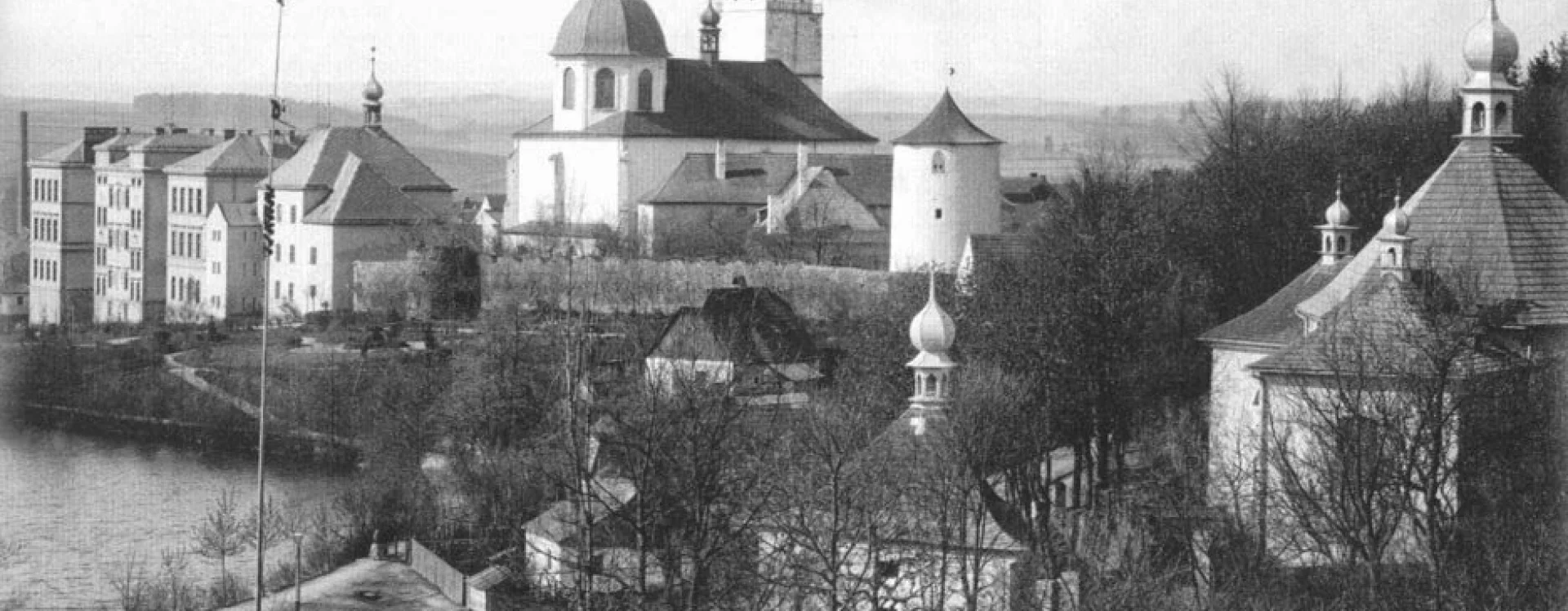
The schools in Brod were in a state of technical neglect and overcrowded, with children being educated in unsatisfactory hygienic conditions. A change came at the end of the 1880s, when it was decided that a new boys’ and girls’ school (both elementary and municipal) would be built on the grounds “by the dean’s church”, on the site of the old Latin school.
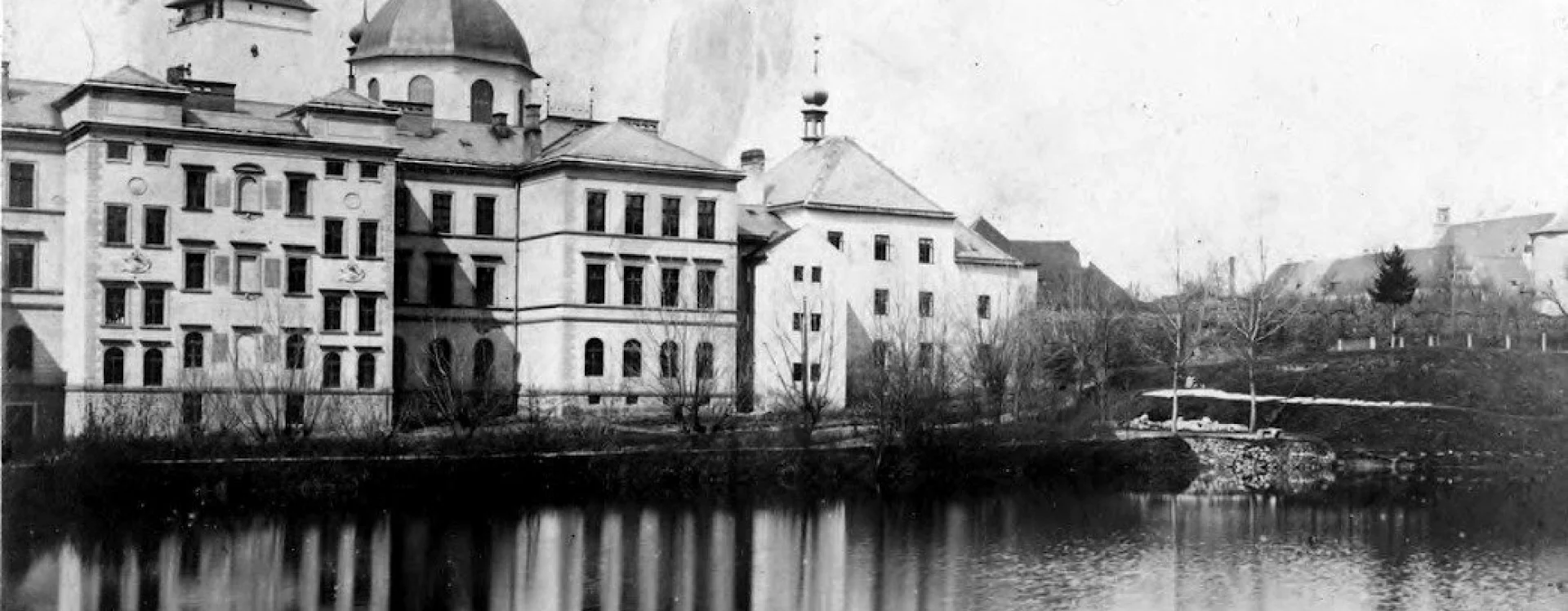
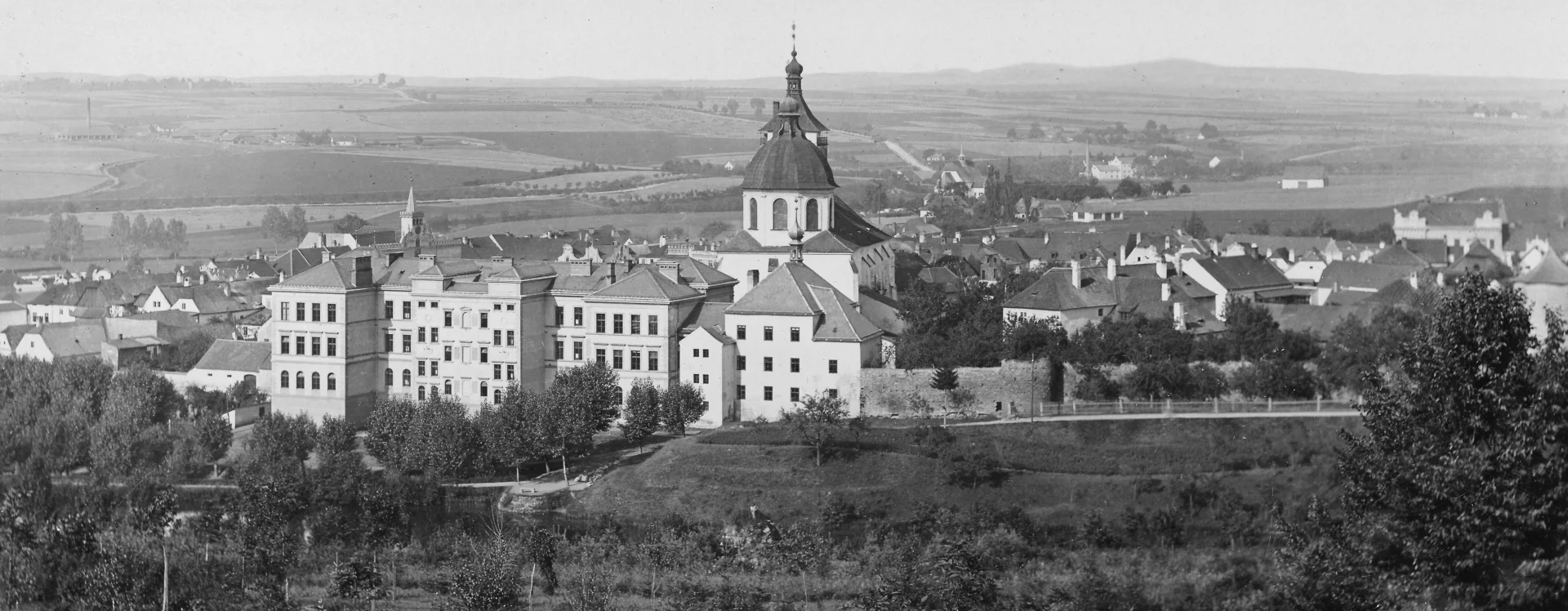
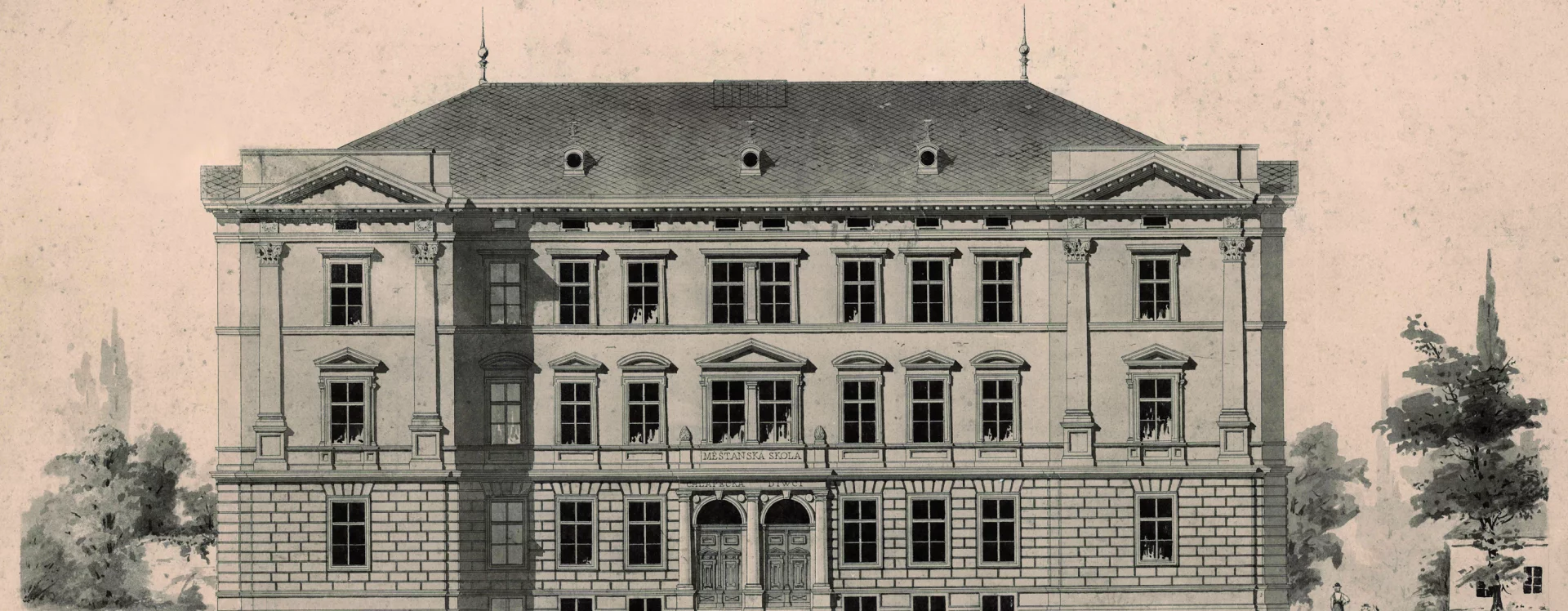
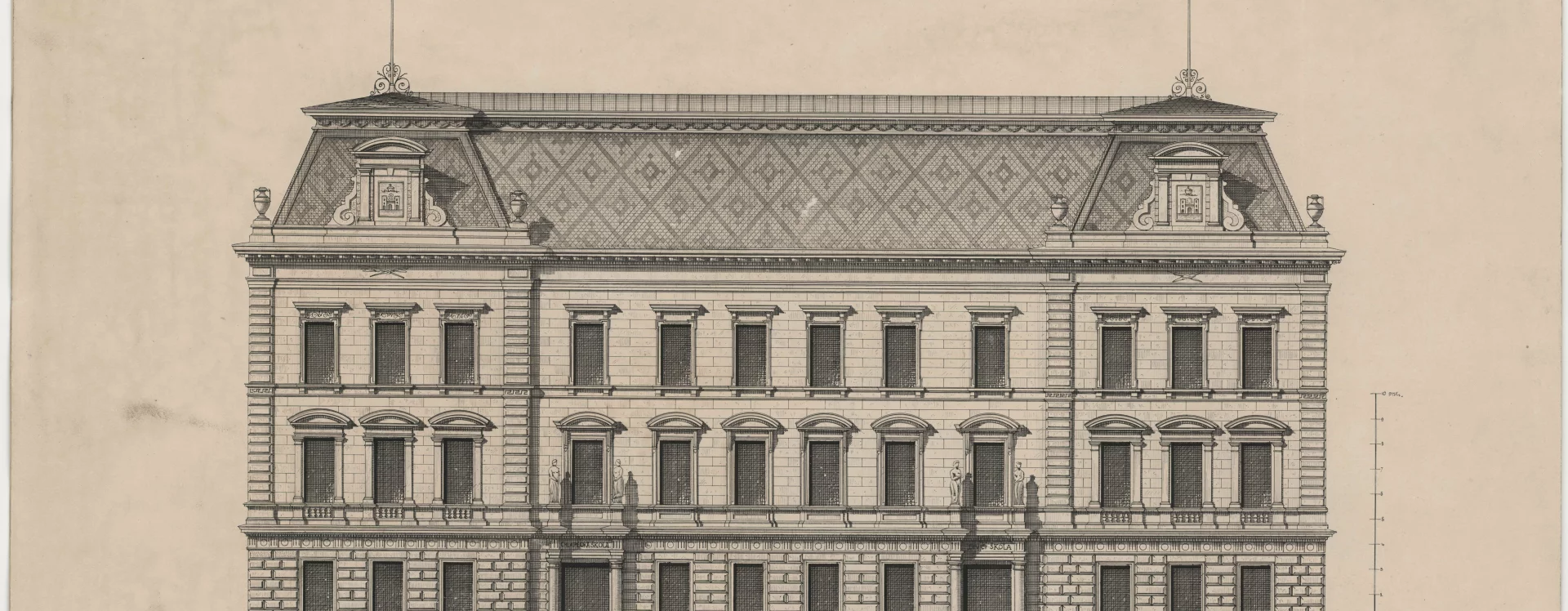
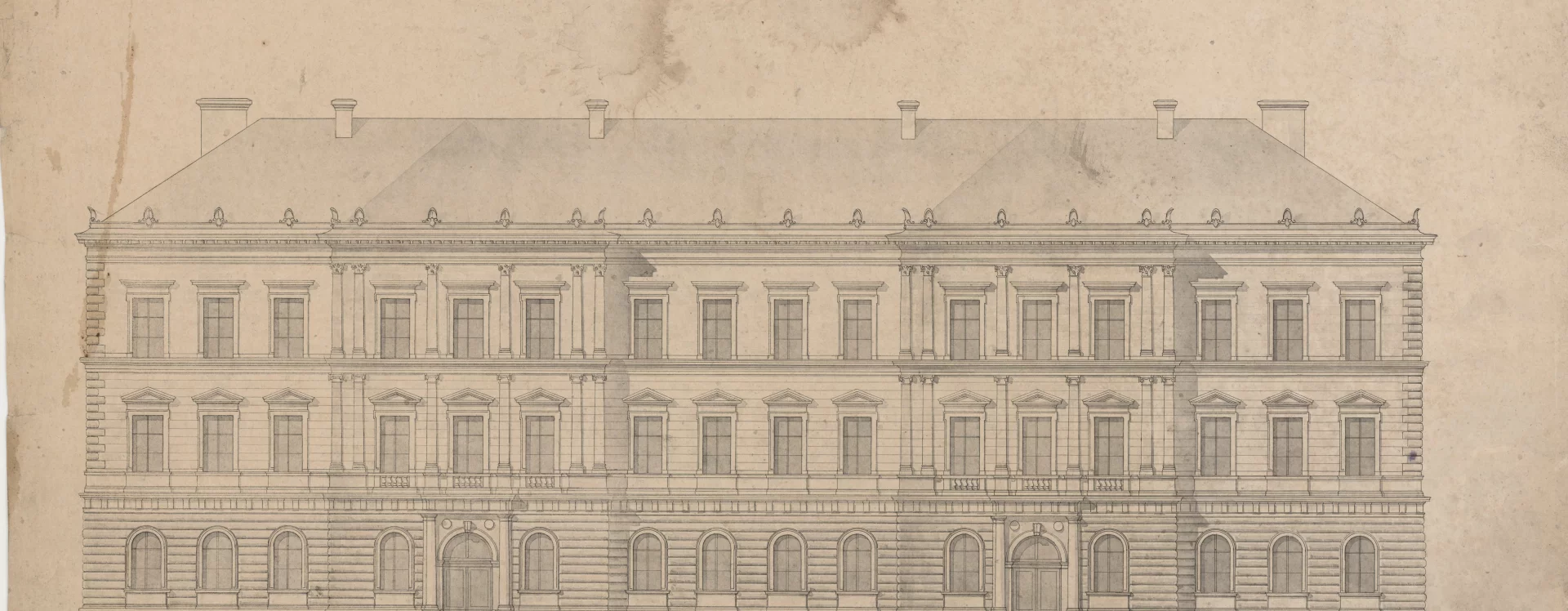
The 1886 design competition was won by Napoleon Kheil, whose project stood out from the others by incorporating an existing building—the former Chapel of St Barbara (which was destroyed by fire in 1945).
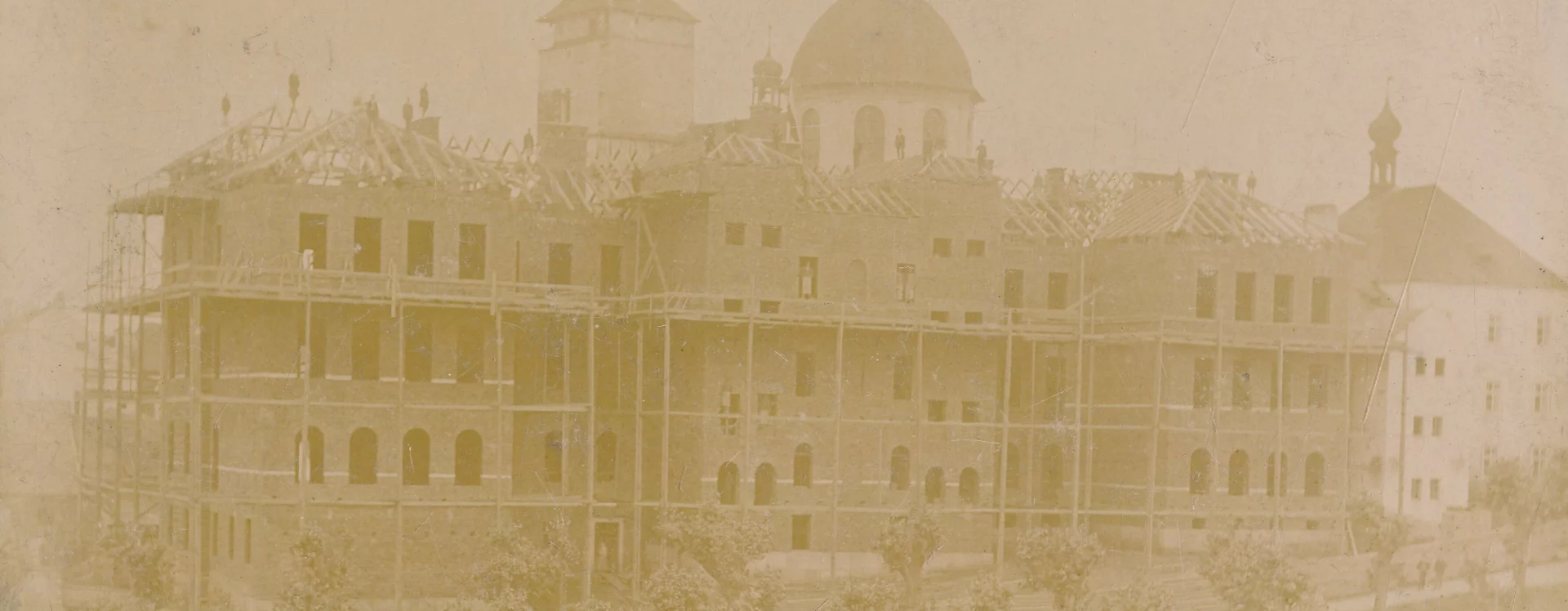
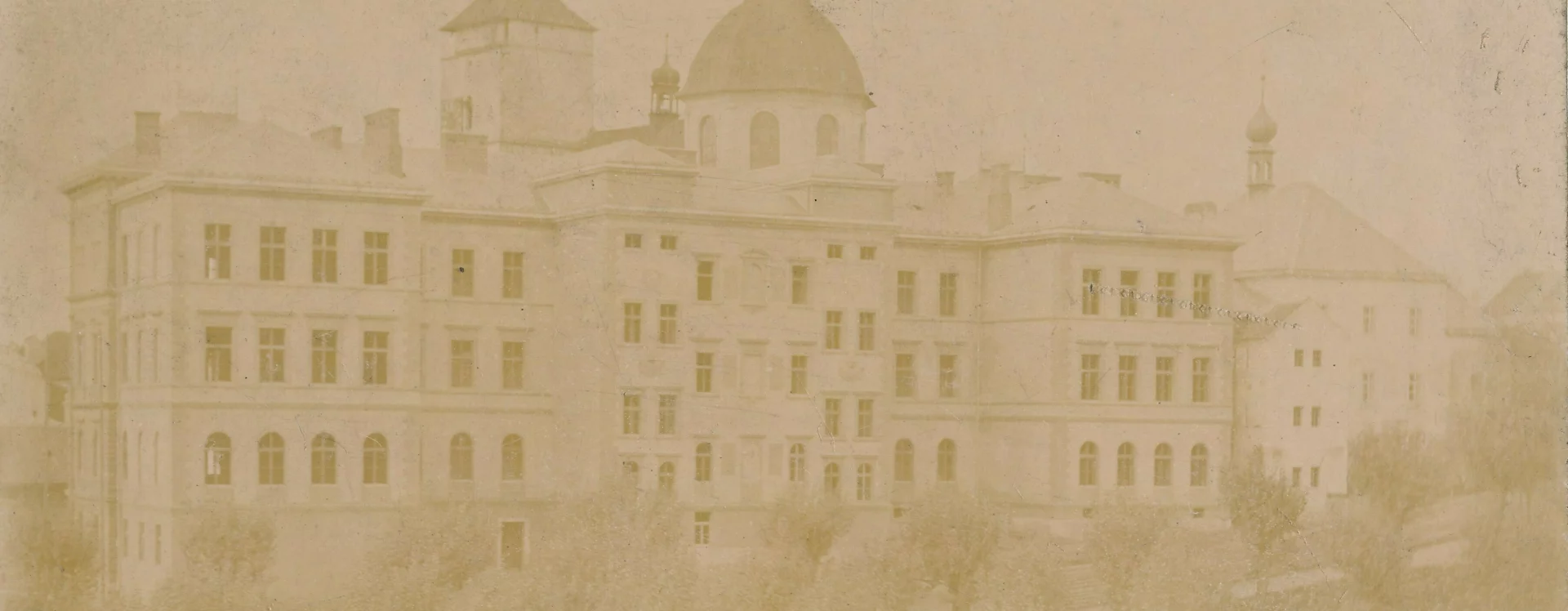
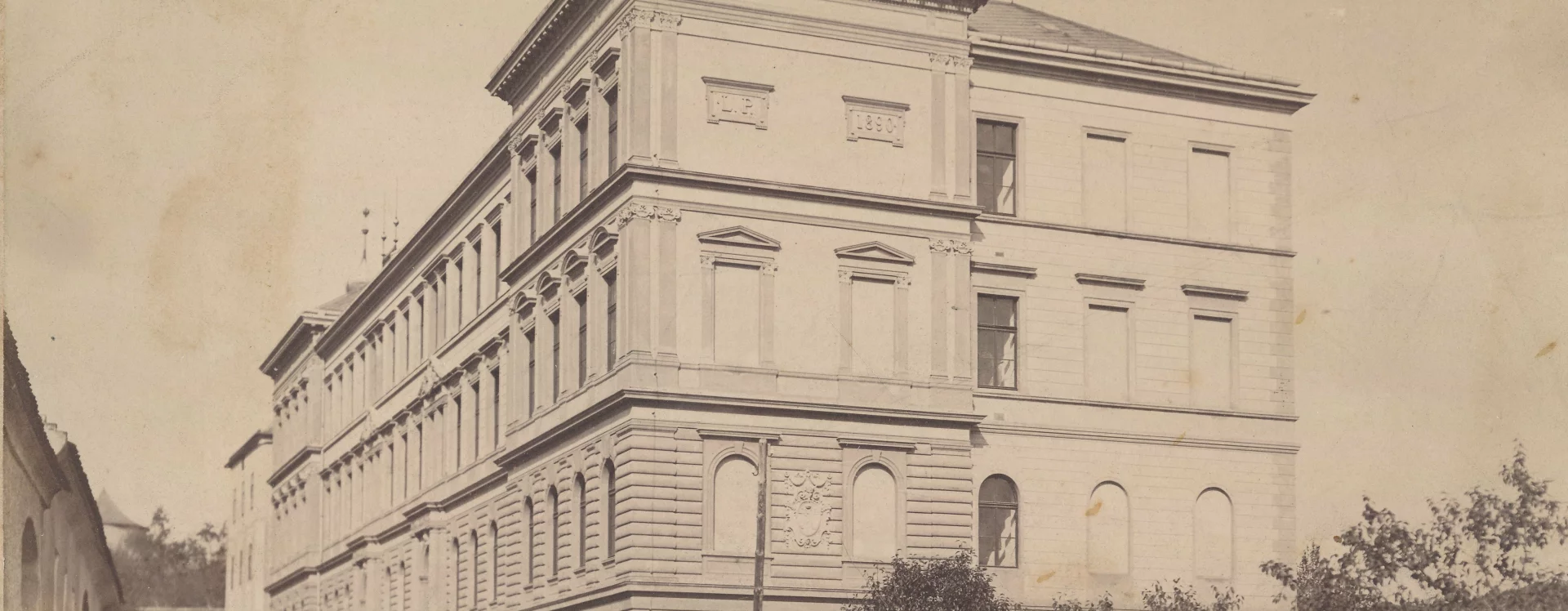
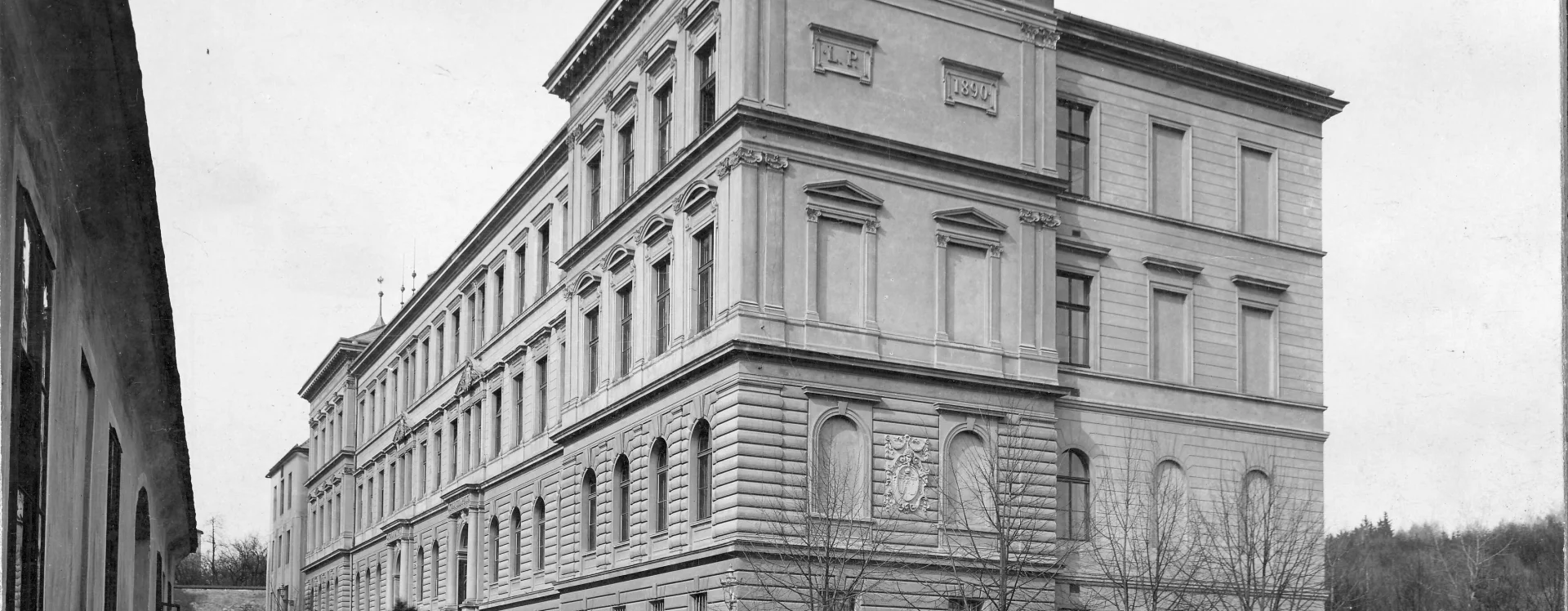
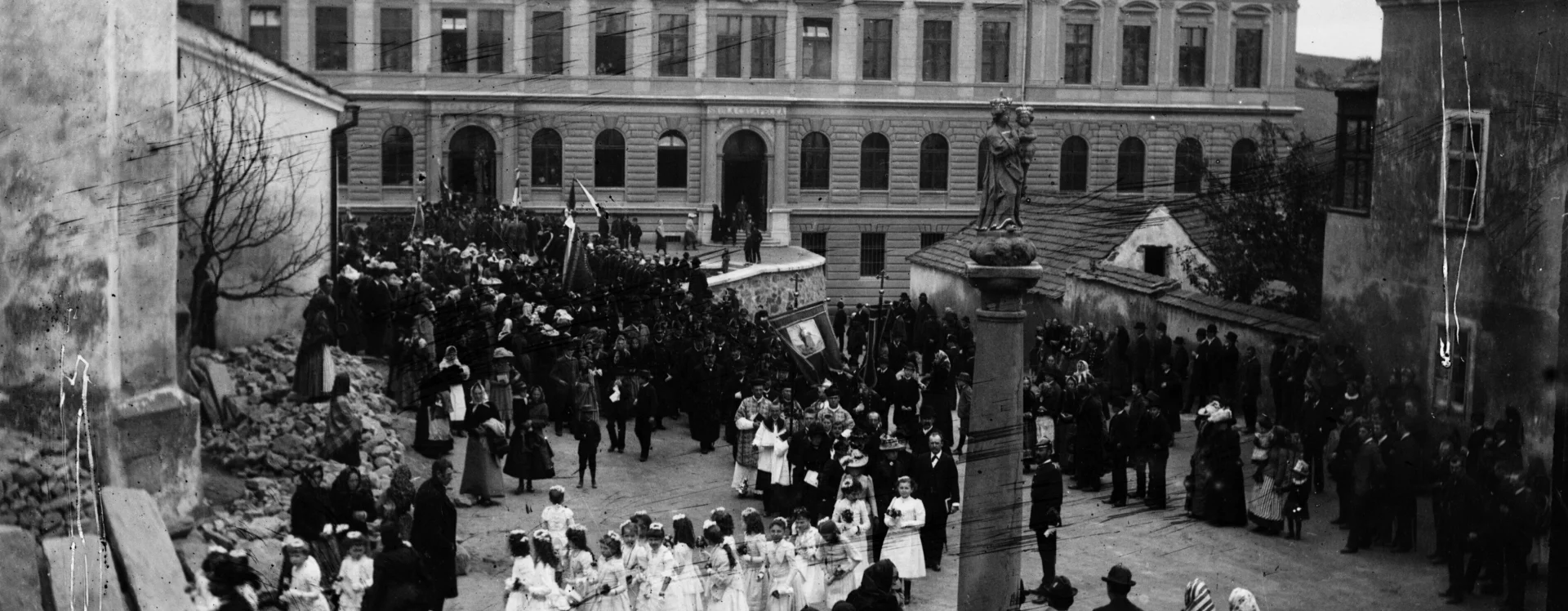
After spending three years securing funding for the construction of the school—which in the end amounted to an enormous 120,000 gulden—following a tender, the construction work was awarded to the firm of Josef Šupich. As the inscription on the building informs us, the building was completed in 1890, though probably still without the interior furnishings. The official dedication and opening ceremony took place on 4 October 1891.
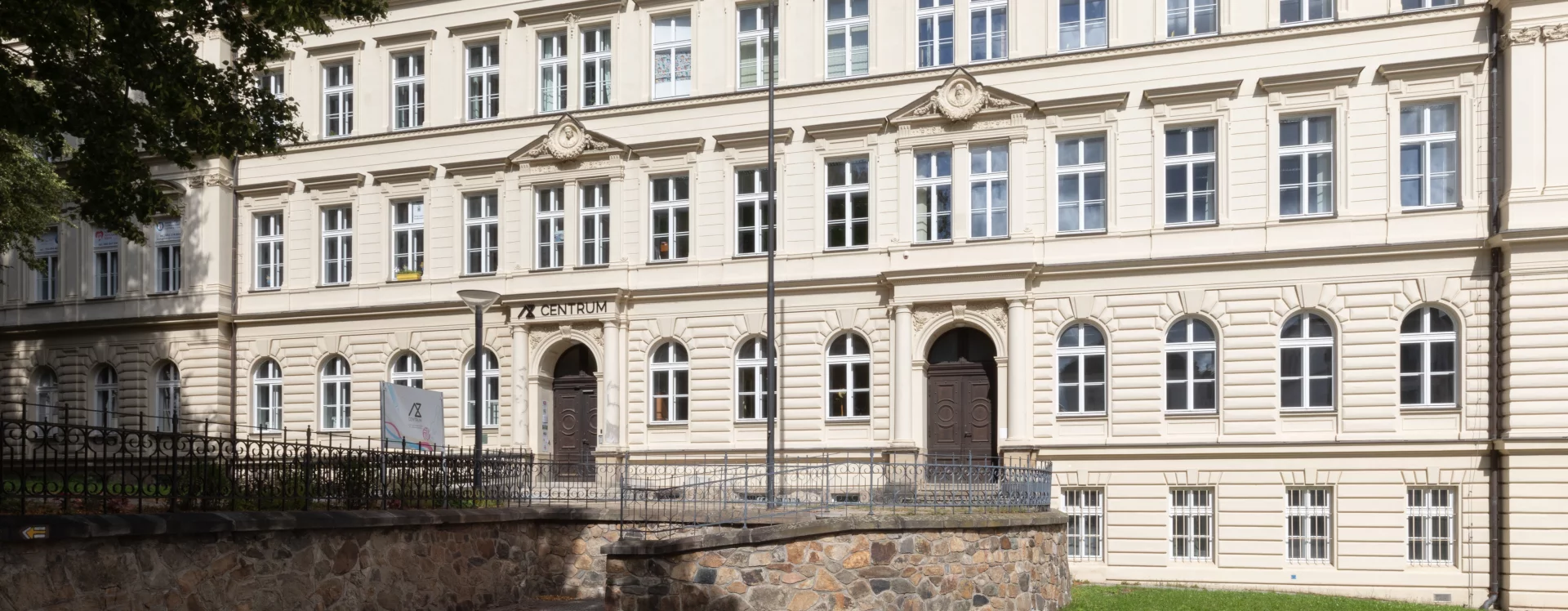
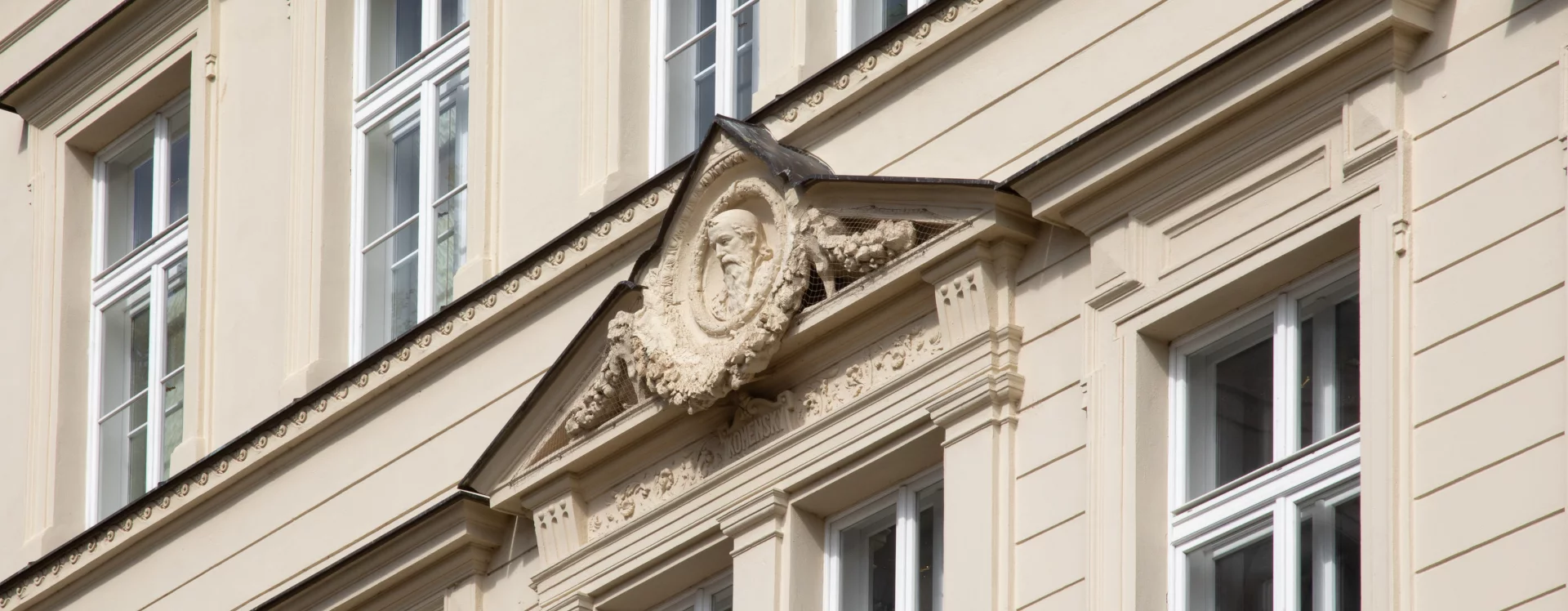
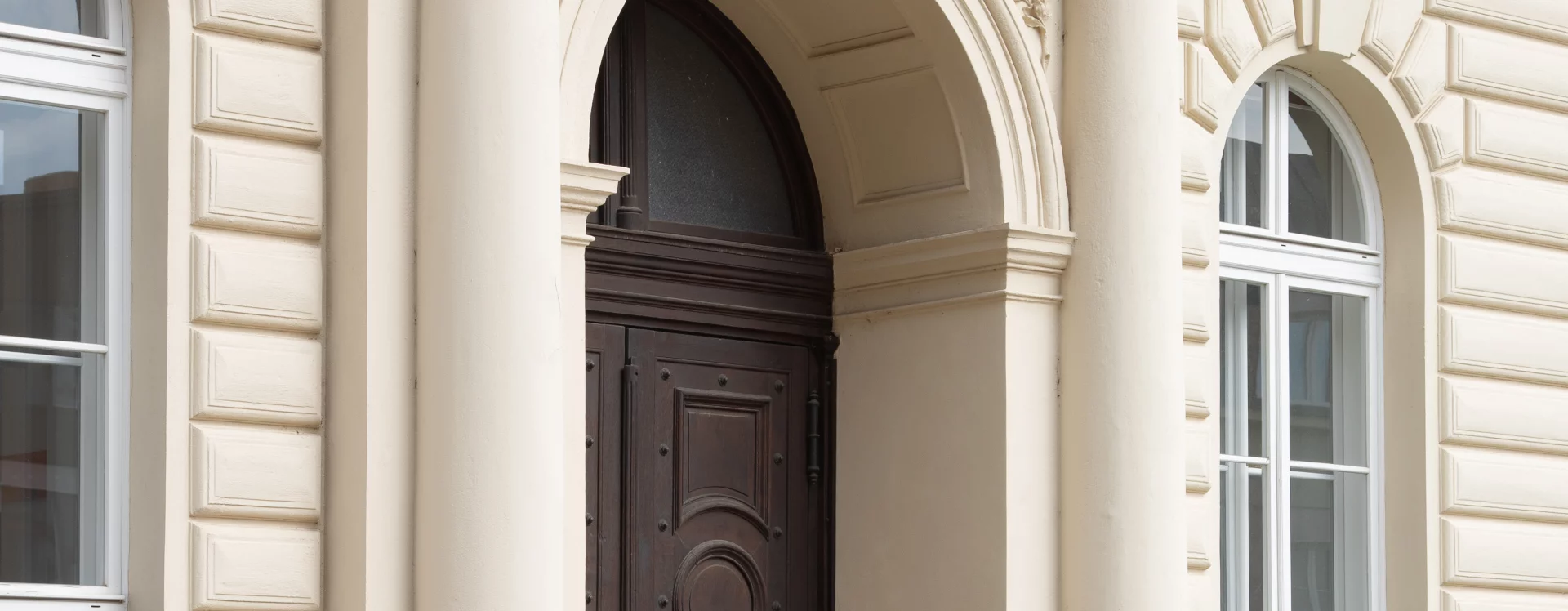
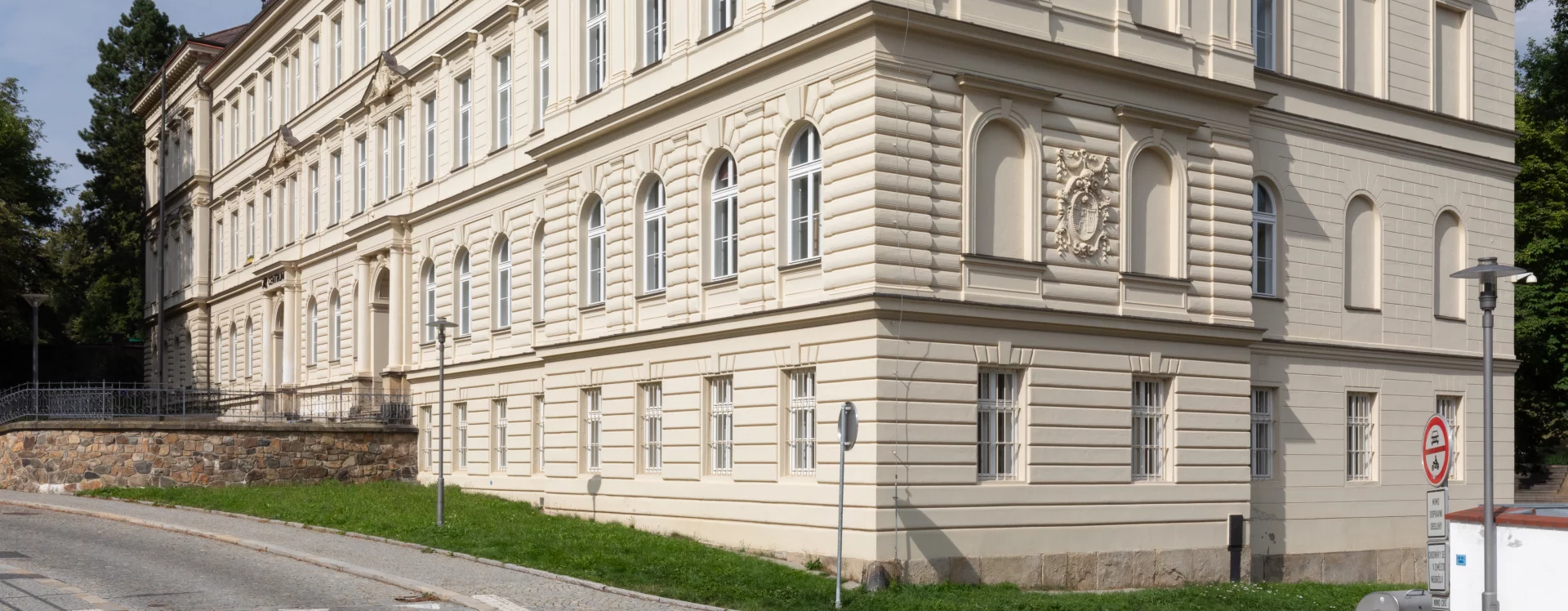
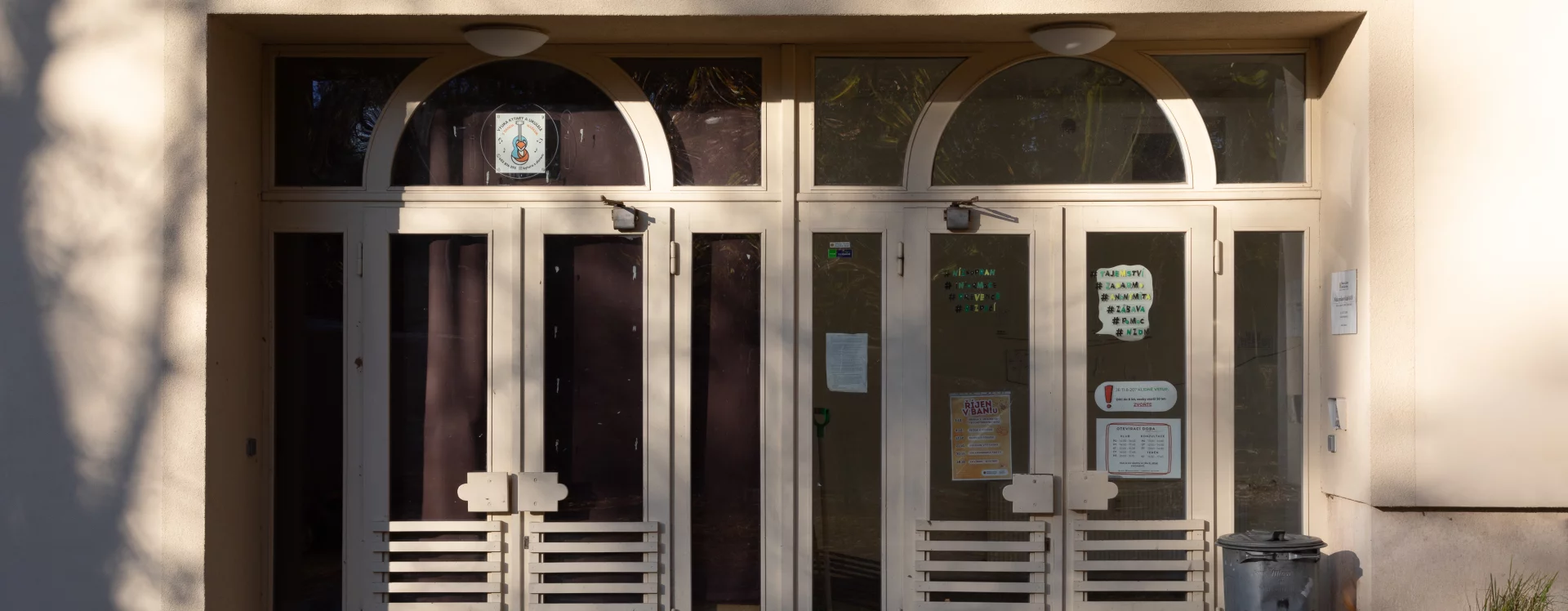
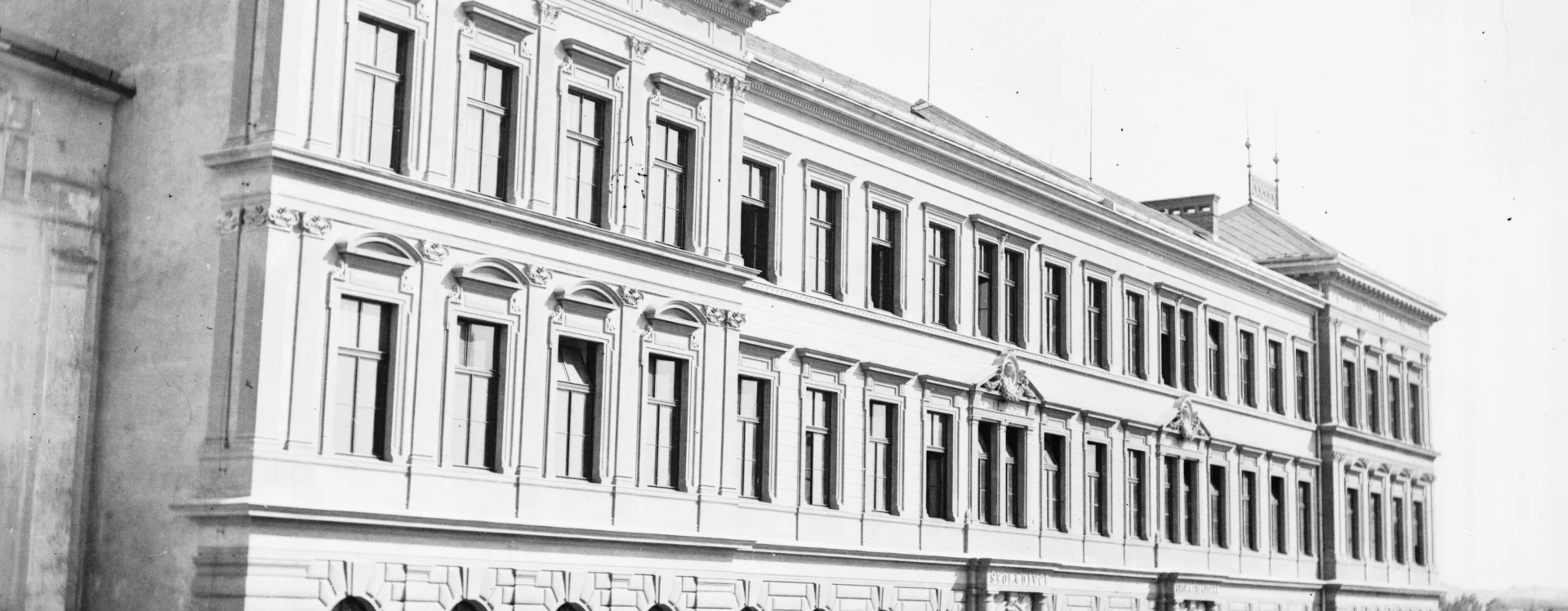
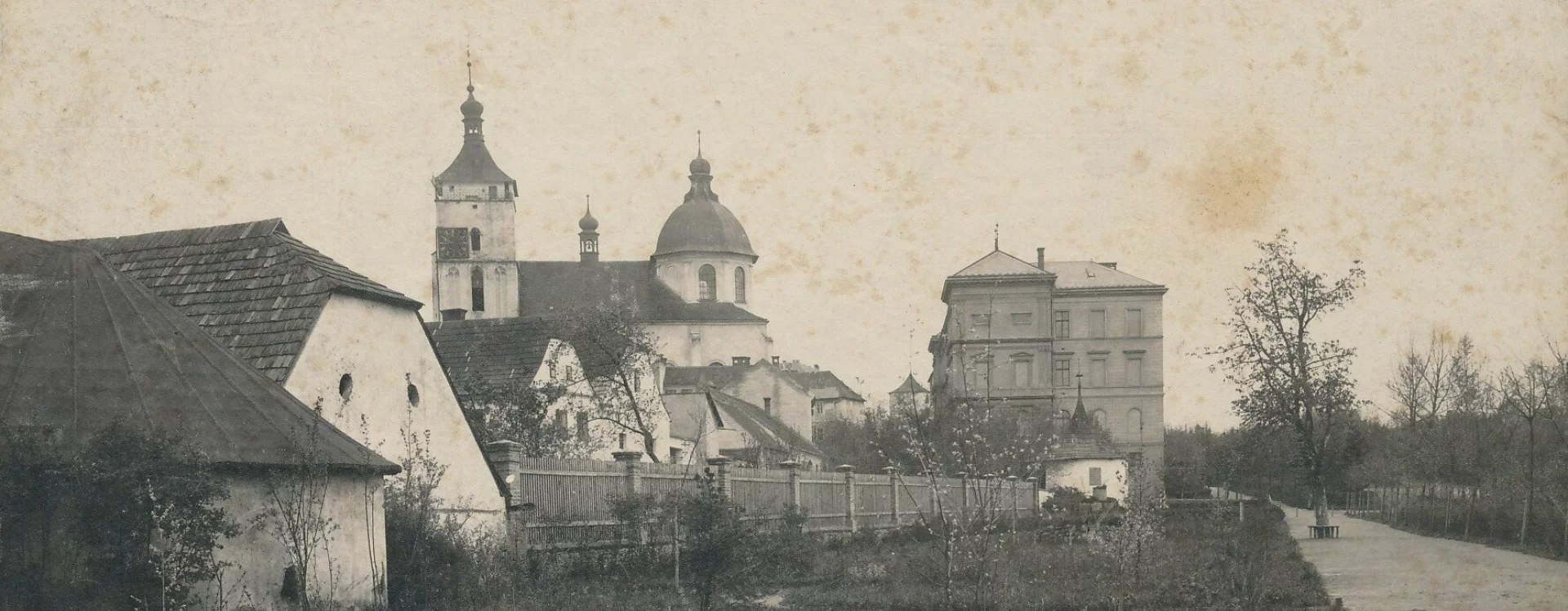
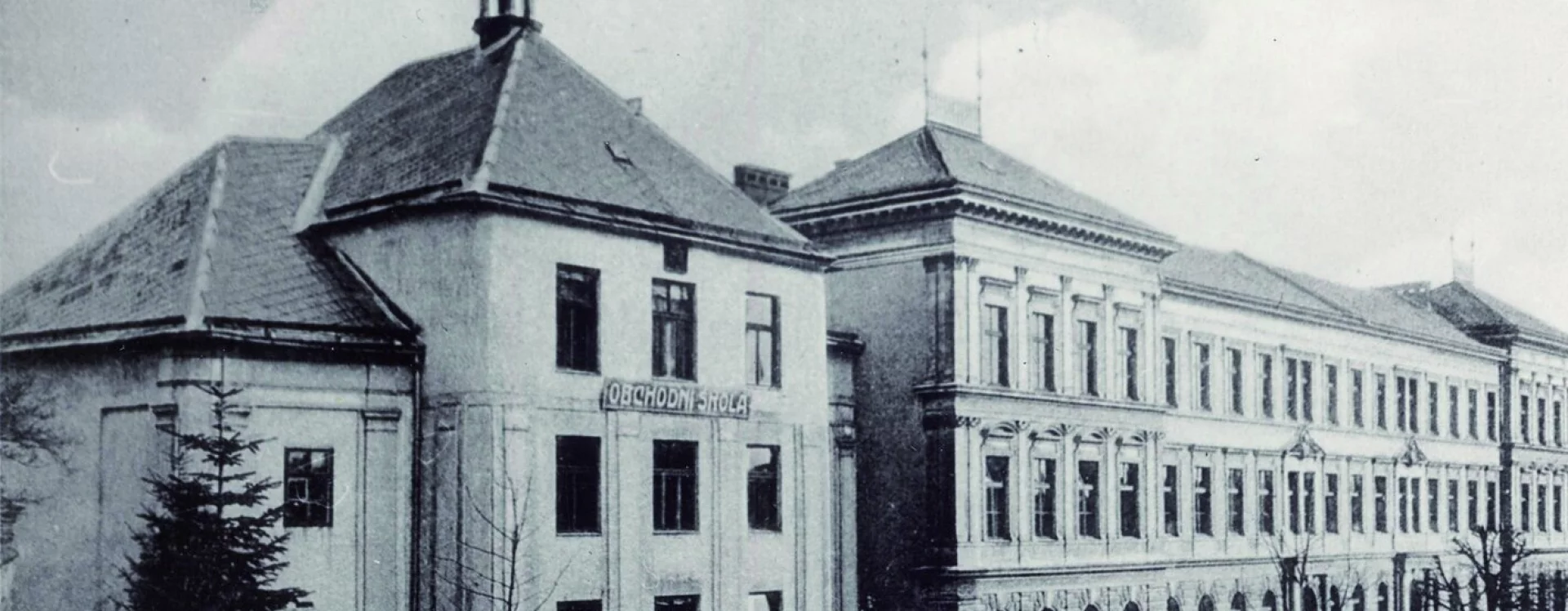
A grandly designed two-storey building was erected, which the architect sited on the open space of Rubeš Square, at the point where Budoucnost Park begins. To emphasize the importance of the building as an educational institution, he chose the Neo-Renaissance style for its decoration—which was then a well-established artistic form commonly used for schools, museums, theatres and scientific institutes, evoking the Renaissance as a period of exceptional cultural development, advanced learning, and knowledge. Kheil highlighted this concept through additional decoration to the facade. Above the main entrances (the left leading to the girls’ school and the right to the boys’ school), he placed busts of the eminent Czech educators Jan Amos Comenius and his modern-day successor Gustav Adolf Lindner. Both were created by Karel Vlačiha (1850–1932), a Prague-based sculptor, stucco artist, and highly prolific restorer.
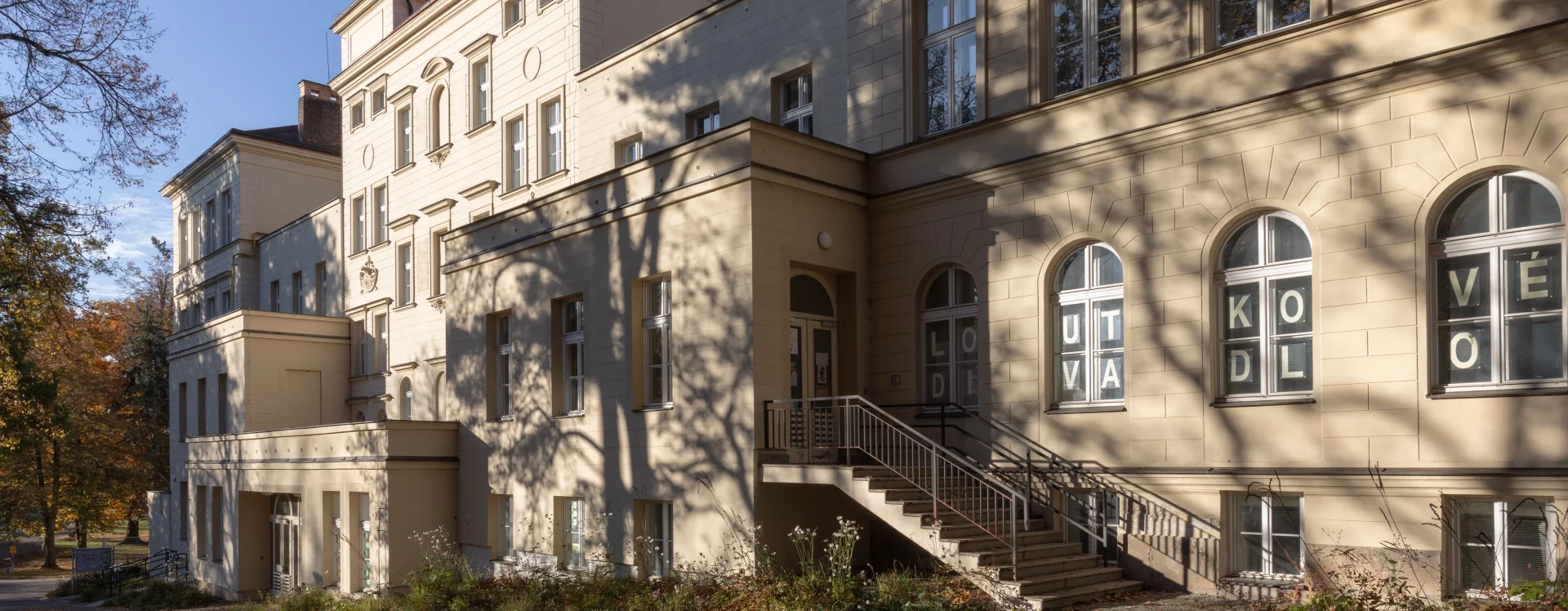
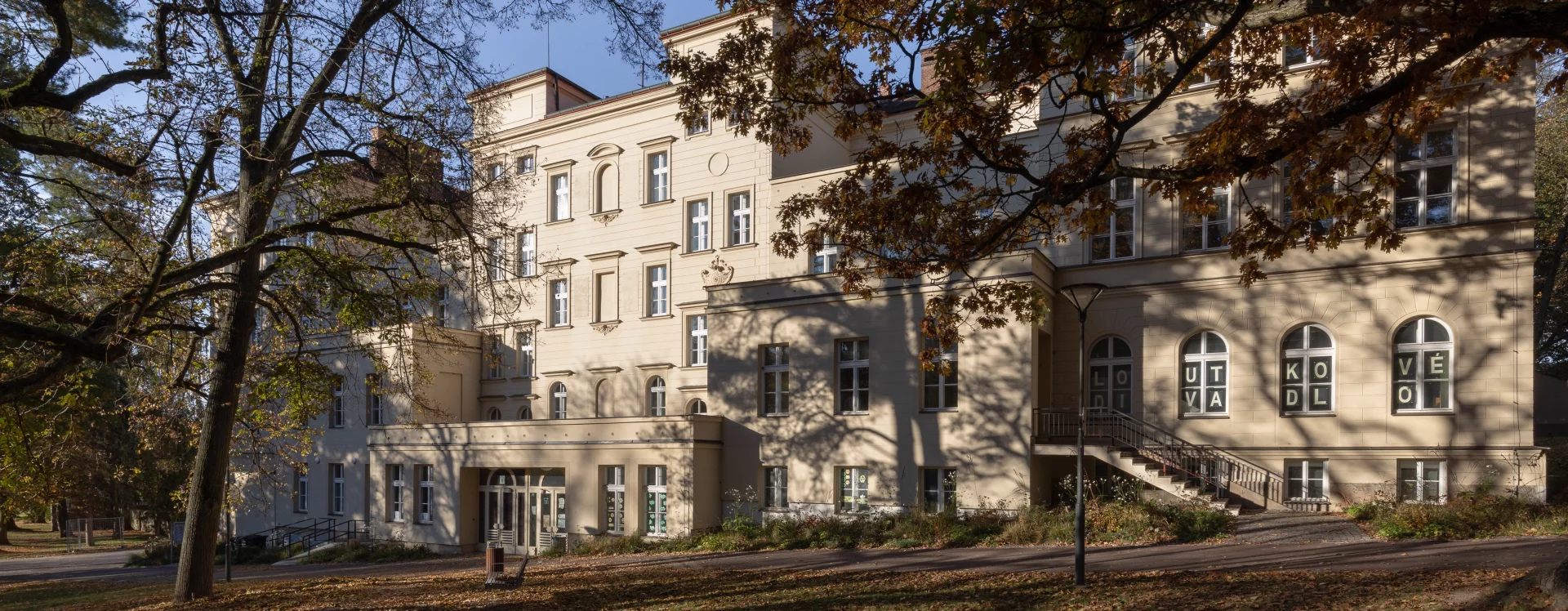
The building, which today serves as a centre for children’s extracurricular activities, has undergone many transformations throughout its history. The most significant of these was an extension carried out by the cooperative Stavba, výrobní družstvo Havlíčkův Brod in the 1980s, which severely damaged the part of the structure facing the park.
Dana Schlaichertová, 2025
Literature
Luboš Chmelík. Vývoj školské správy na našem území. Brno, 2010, Diplomová práce.
Josef Florian Olša. Z dějin a památností Německého Brodu. Německý Brod, Novina, 1935.
Dana Schlaichertová. Architektura a urbanismus Havlíčkova Brodu 1848-1938. Olomouc, Katedra teorie a dějin umění FF UP, 1998, Diplomová práce. p. 17-19.
Miloš Tajovský. Havlíčkův Brod: fragmenty z historie. Havlíčkův Brod, Tiskárny Havlíčkův Brod, 2015. p. 218-223. ISBN 978-80-903451-6-4.
Dana Schlaichertová. Měšťanská škola pro chlapce a dívky. In: Aleš Veselý (ed.). Příběhy brodských domů. Havlíčkův Brod, Galerie výtvarného umění v Havlíčkově Brodě, 2016, p. 58-61. ISBN 978-80-904726-9-3.
Sources
Městský úřad Havlíčkův Brod, archiv Stavebního úřadu. sv. č. p. 172.
Státní okresní archiv Havlíčkův Brod, fond Archiv města Havlíčkův Brod. sv. 332.
Státní okresní archiv Havlíčkův Brod, fond Sbírka map a plánů. p. X/15.