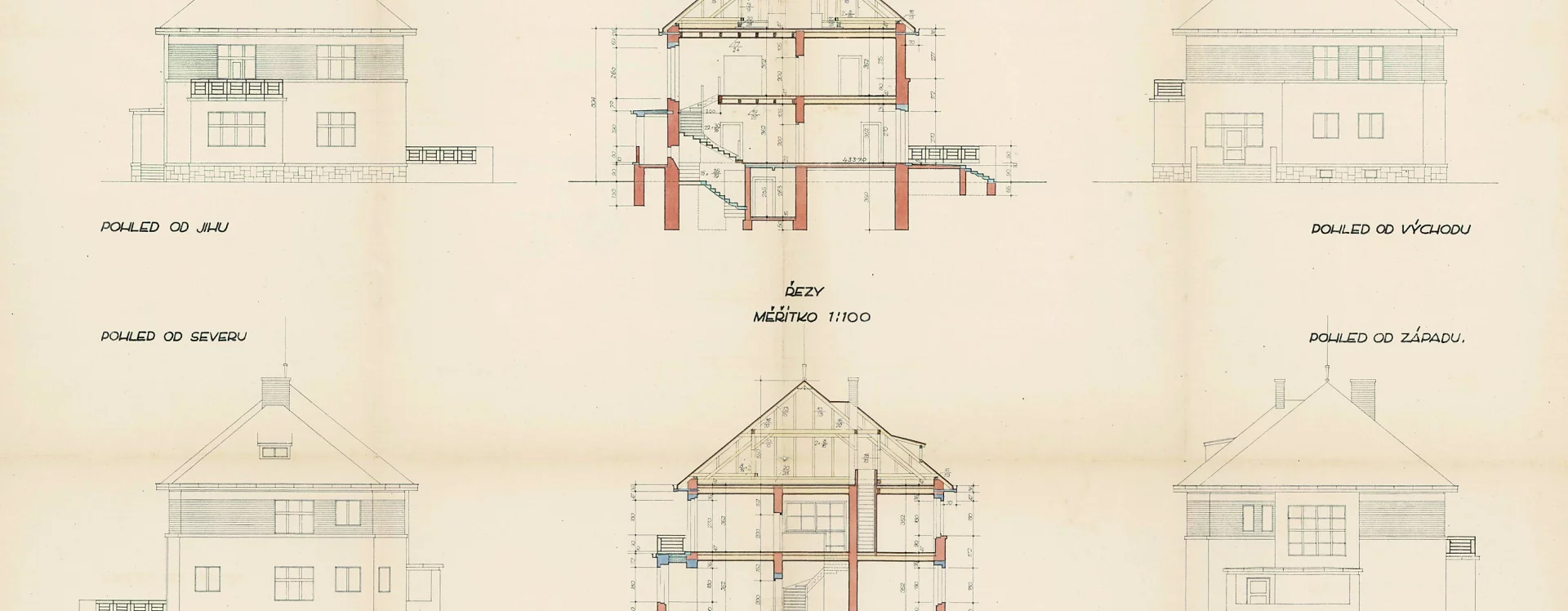
The first initiatives related to the establishment of today’s psychiatric hospital complex in Německý (Havlíčkův) Brod date back to the very beginning of the 20th century. From 1901 onwards, when Brod was included—at the suggestion of the town council—on the list of spa and summer resort locations, discussions at the town hall began to focus on the possible siting of a “branch of the Provincial Institute for the Mentally Ill” in the town. At the outset, an important role was played by Dr Eduard Šubrt, a member of the health committee, who familiarized his colleagues with examples of similar institutions abroad, undoubtedly emphasizing the considerable benefits such an establishment would bring to the town.
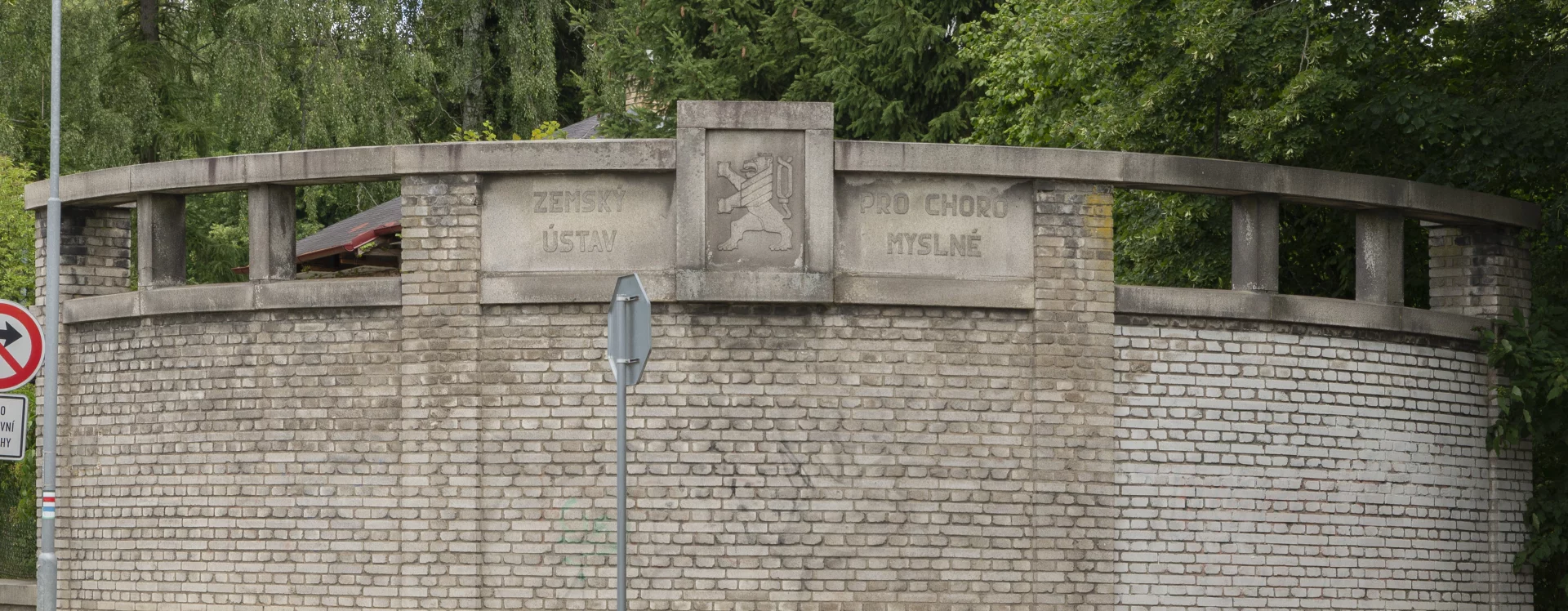
In 1906, therefore, the councillors of Brod—by then led by the mayor and provincial deputy Dr Eduard Šubrt—took the opportunity presented by a resolution of the Bohemian Diet, which instructed the Provincial Committee in Prague to “continue the preparatory work for the establishment of two additional institutions in the countryside, one in the southeast or east, and the other in the northwest or north of Bohemia…” Although as many as 162 (other sources give the more realistic number of 66) Czech towns and municipalities applied to host the institutions, at its meeting on 24 February 1909, the Provincial Committee selected Německý Brod. Shortly thereafter, it purchased from Adolf Láznička the Rozkoš estate together with the surrounding land, which “offered a site for the institution with a southern slope, in a healthy and wooded landscape, abundant in water, with the River Sázava nearby, close to a railway junction and a town with secondary schools, a court, and administrative offices…” The town contributed additional adjoining land free of charge, including a pond and public roads.
The task of preparing a detailed architectural concept for the complex—reflecting the latest trends and developments in psychiatry and carried out under the supervision of the specially established Advisory Committee for the Construction of New Provincial Institutes for the Mentally Ill—was entrusted to Dr Růžička, director of the institution in Kosmonosy. This dynamic phase of preparation and construction work was interrupted by the outbreak of the First World War, as well as by a decline in the number of patients.
The original building programme resumed during the postwar period. From “a technical, medical and administrative point of view, after inspecting a number of foreign institutions—particularly the most recently established ones of a similar kind—a new advisory board was appointed, including outside experts. Its task was to revise the previous construction programme in light of these findings...” Among the members of the preparatory team was the Prague architect Vladimír Wallenfels, who brought the visions of the medical and psychiatric specialists into the final architectural form. This was not the only commission of this kind and he undoubtedly developed a certain specialization in social and healthcare architecture.
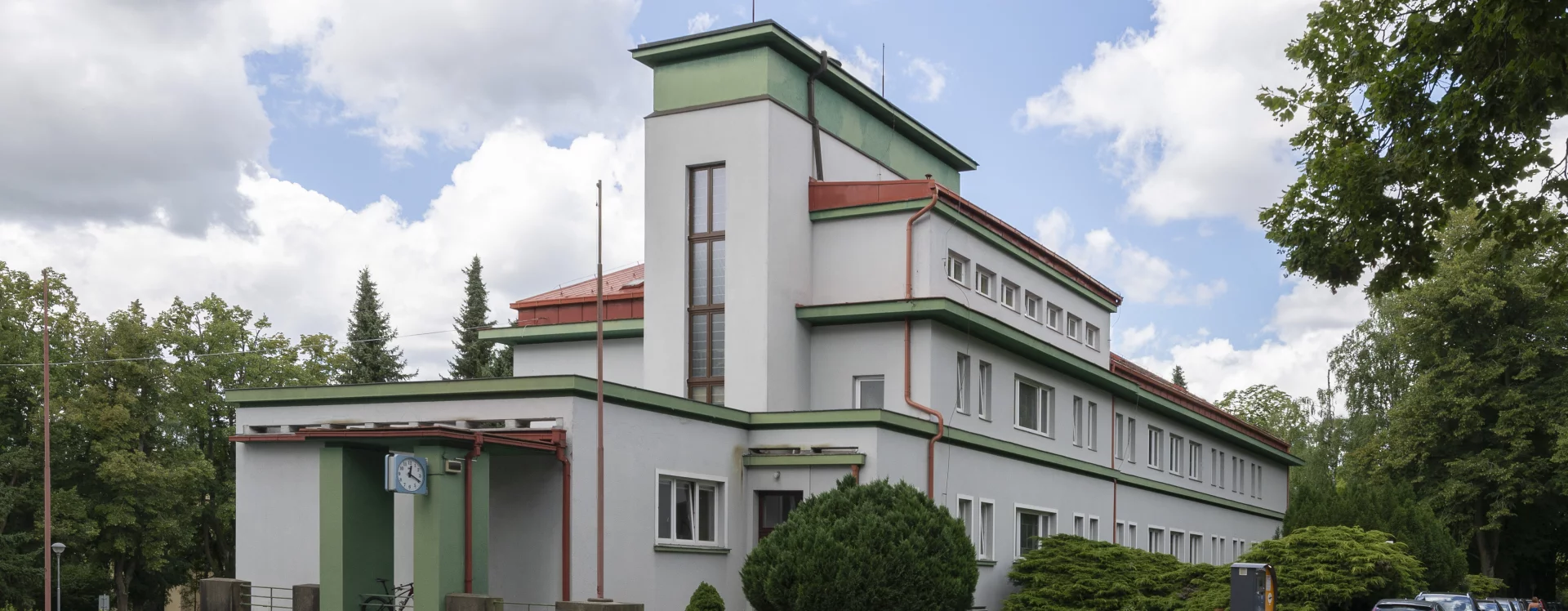
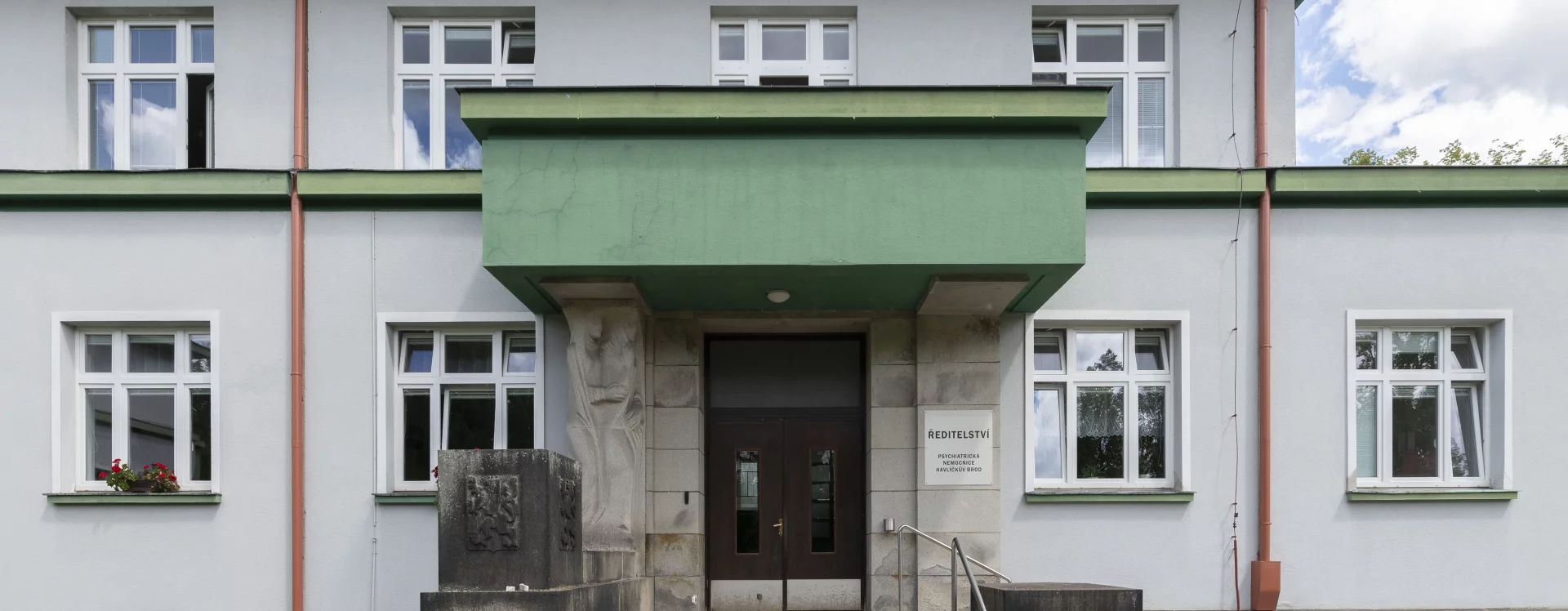
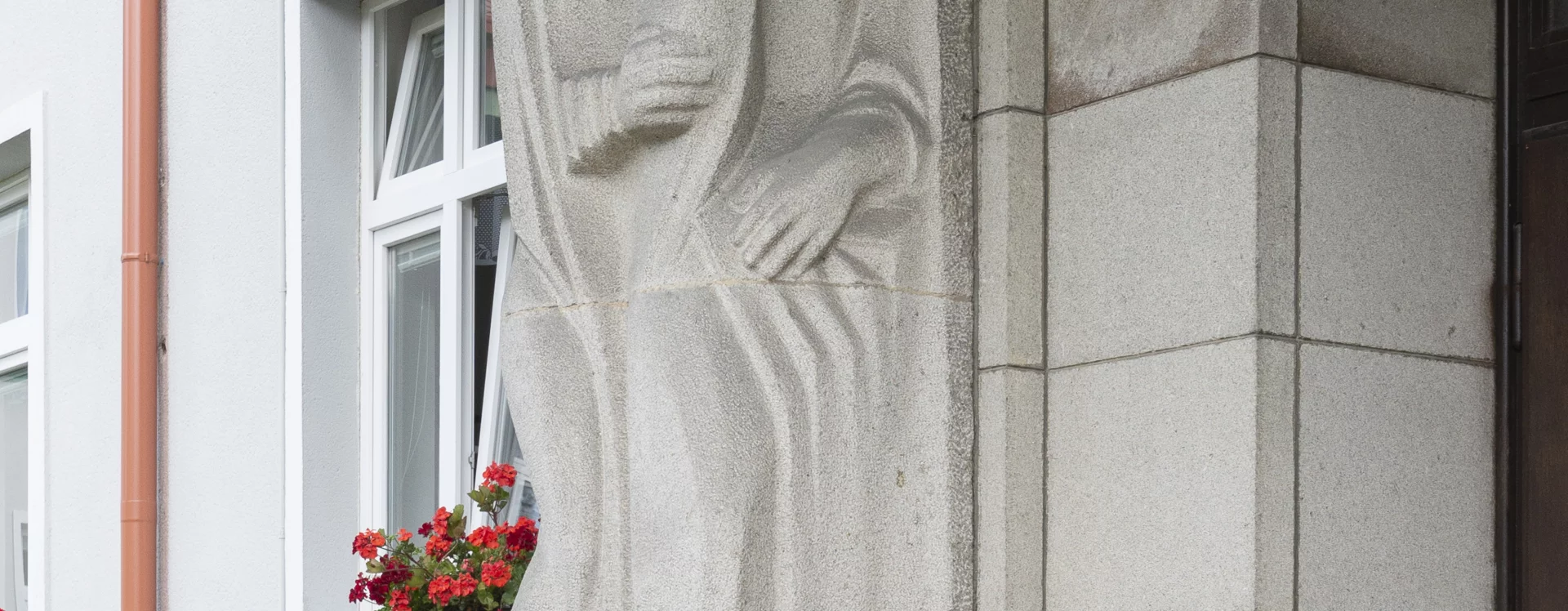
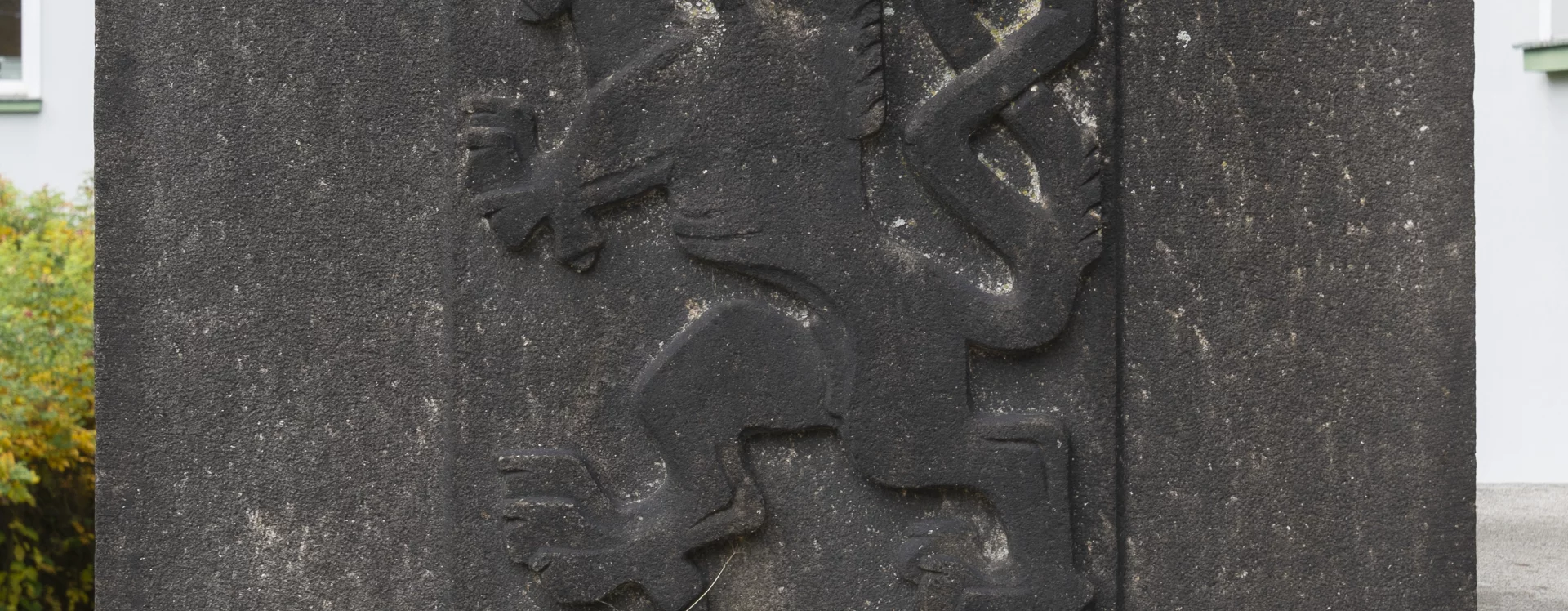
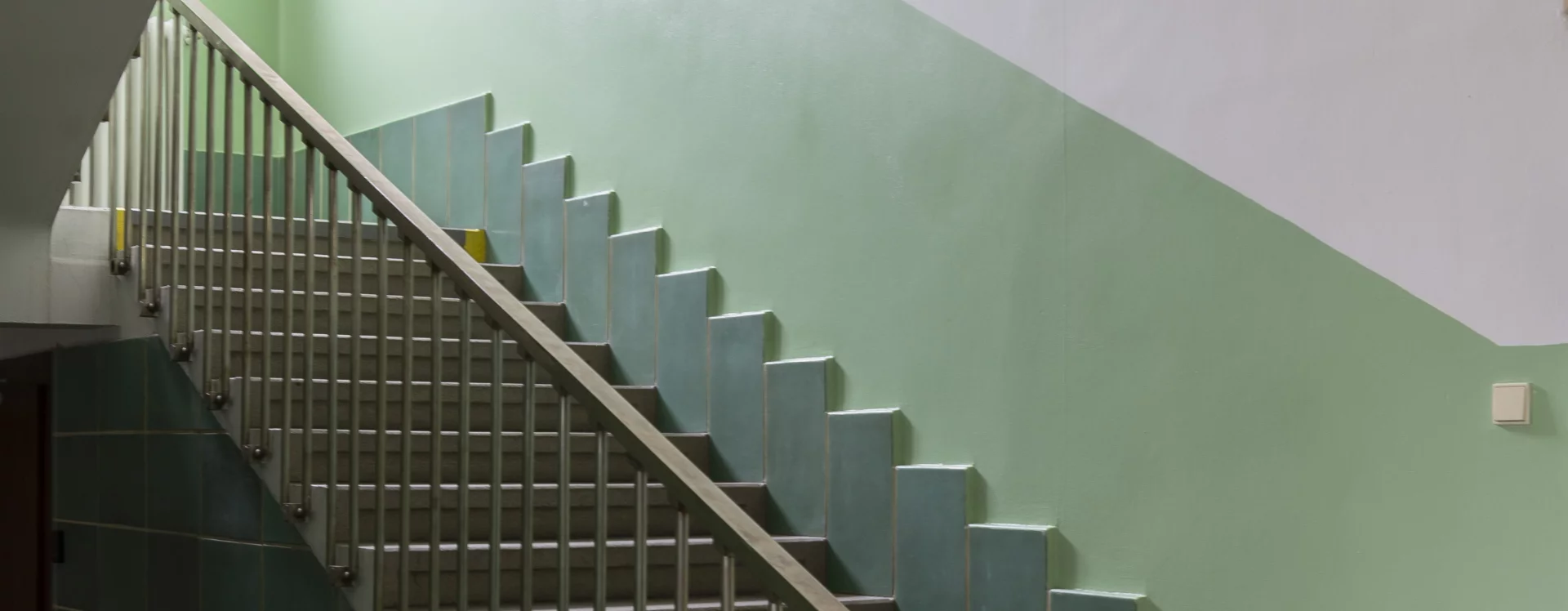
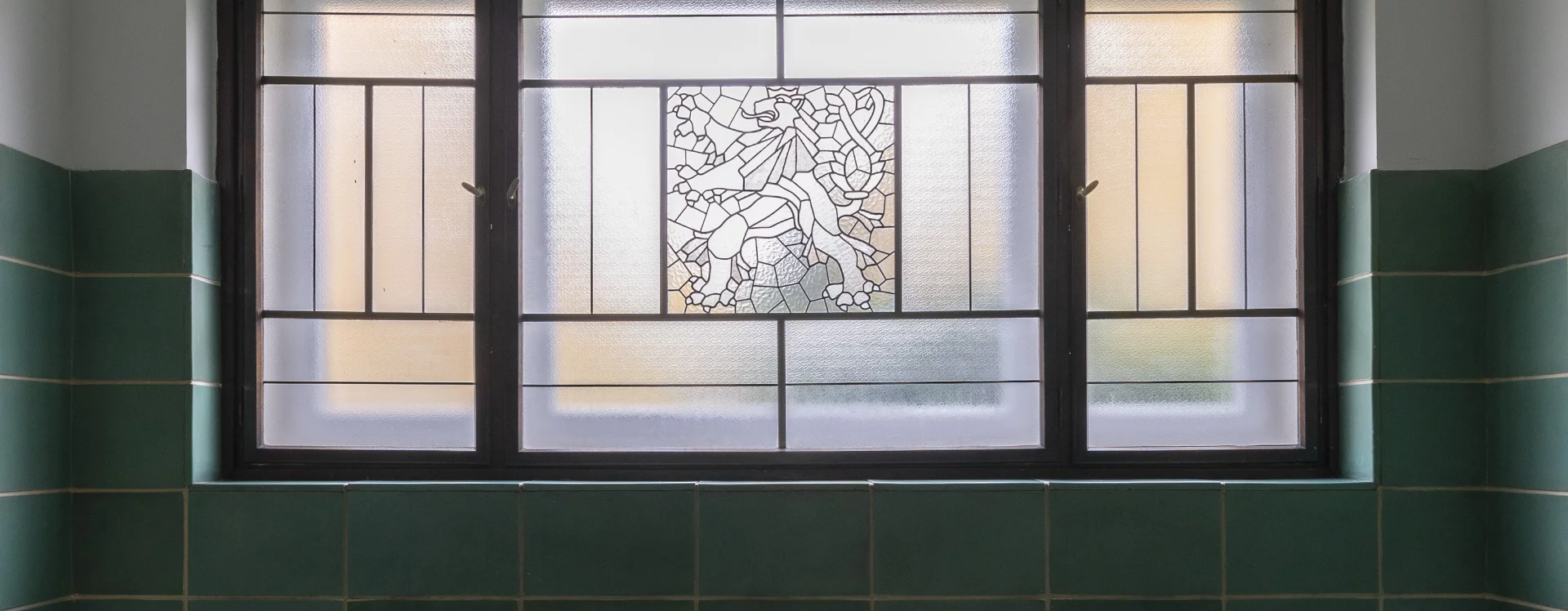
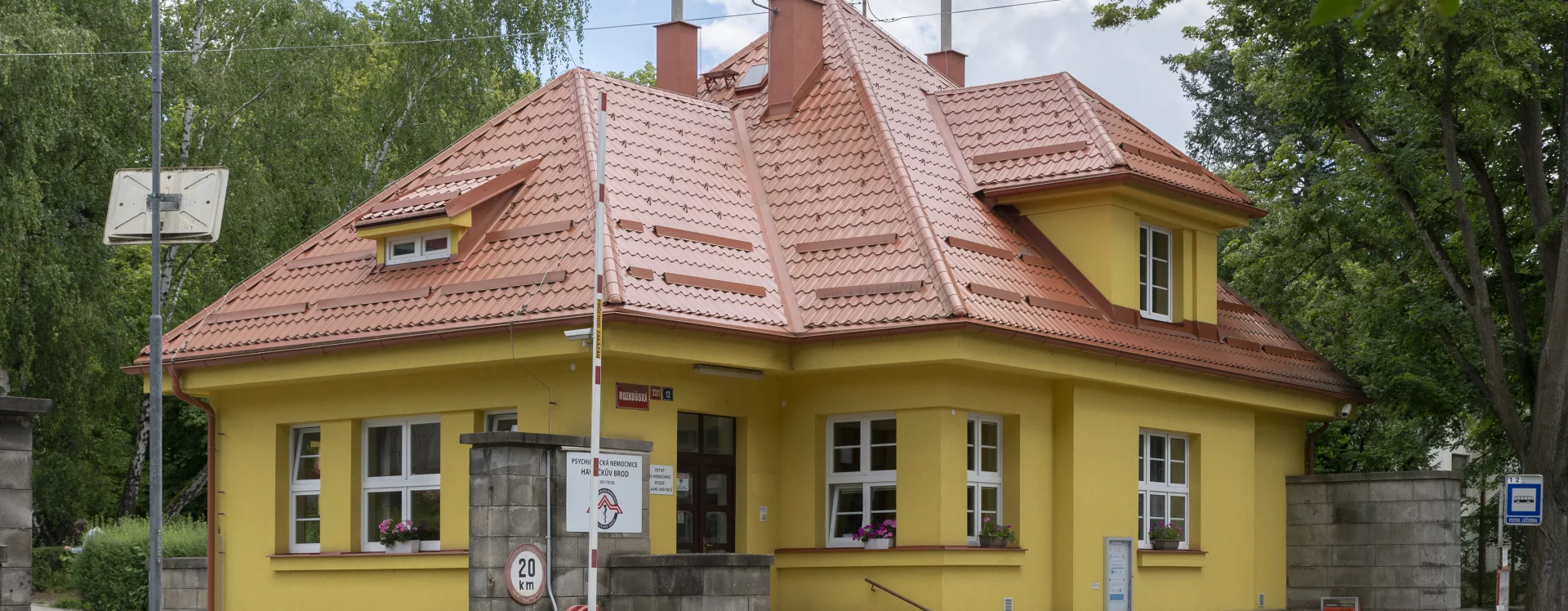
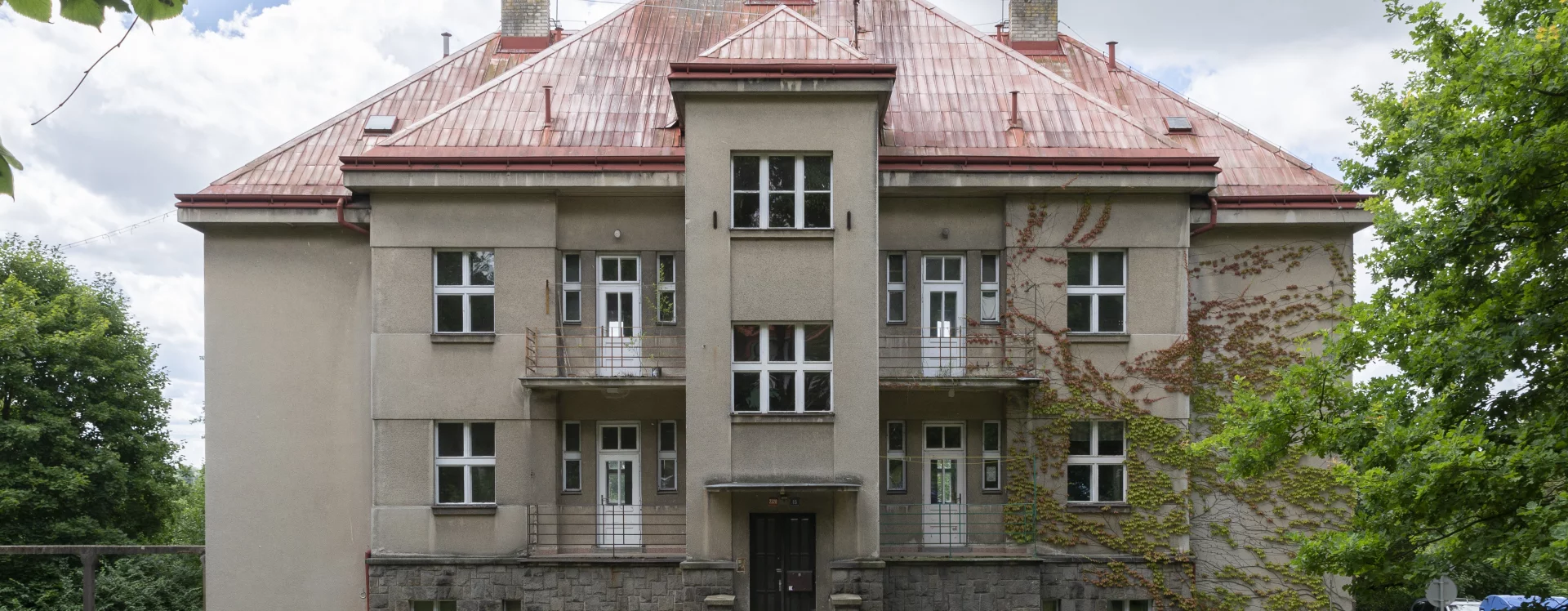
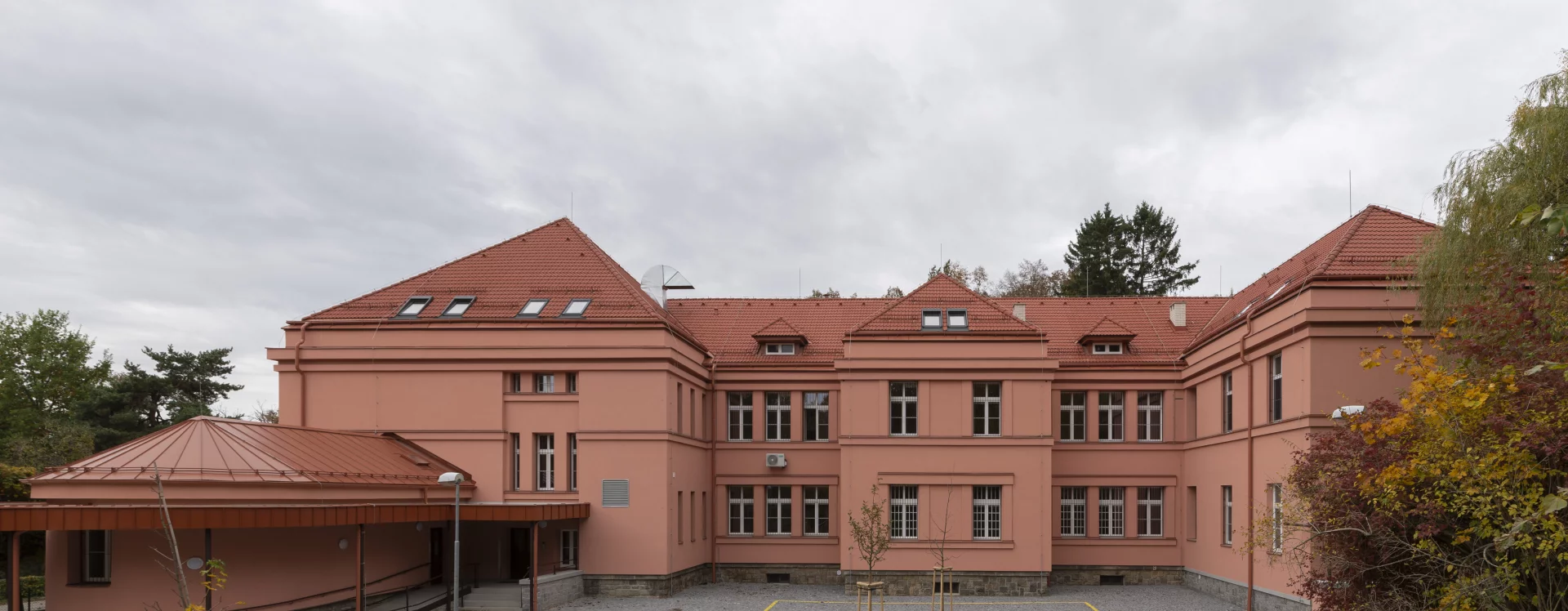
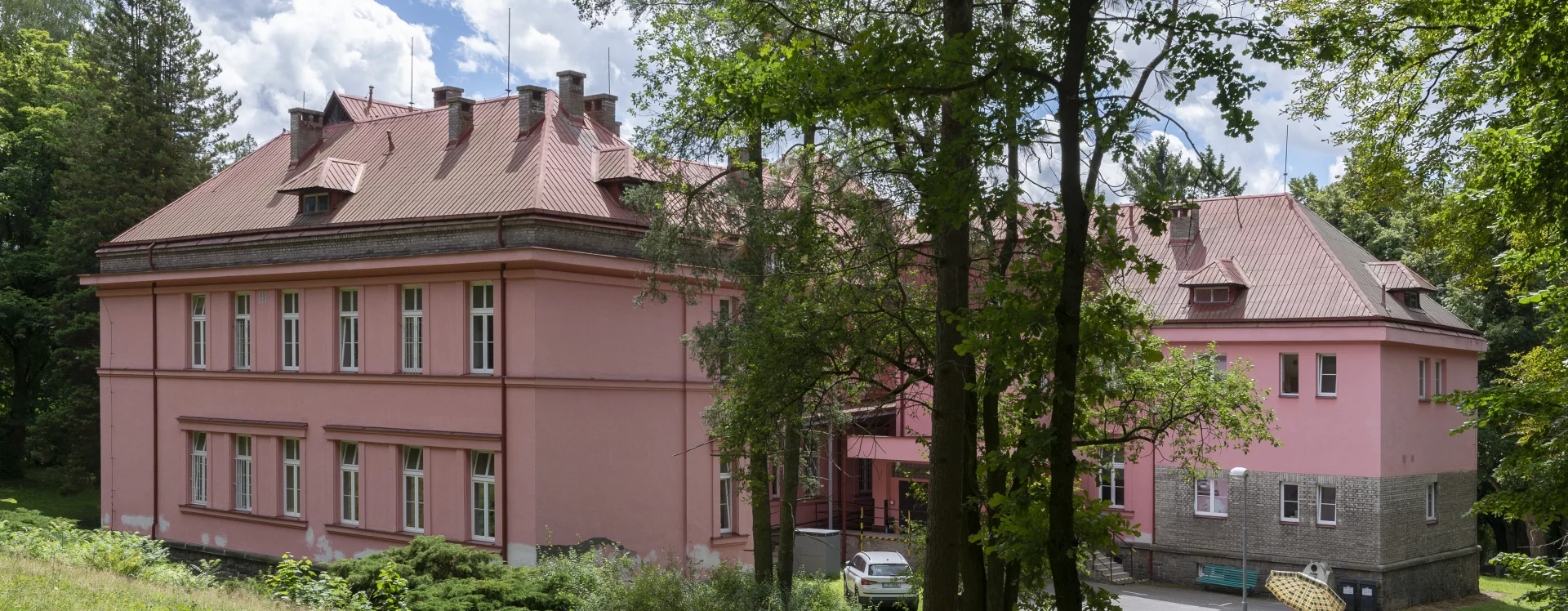
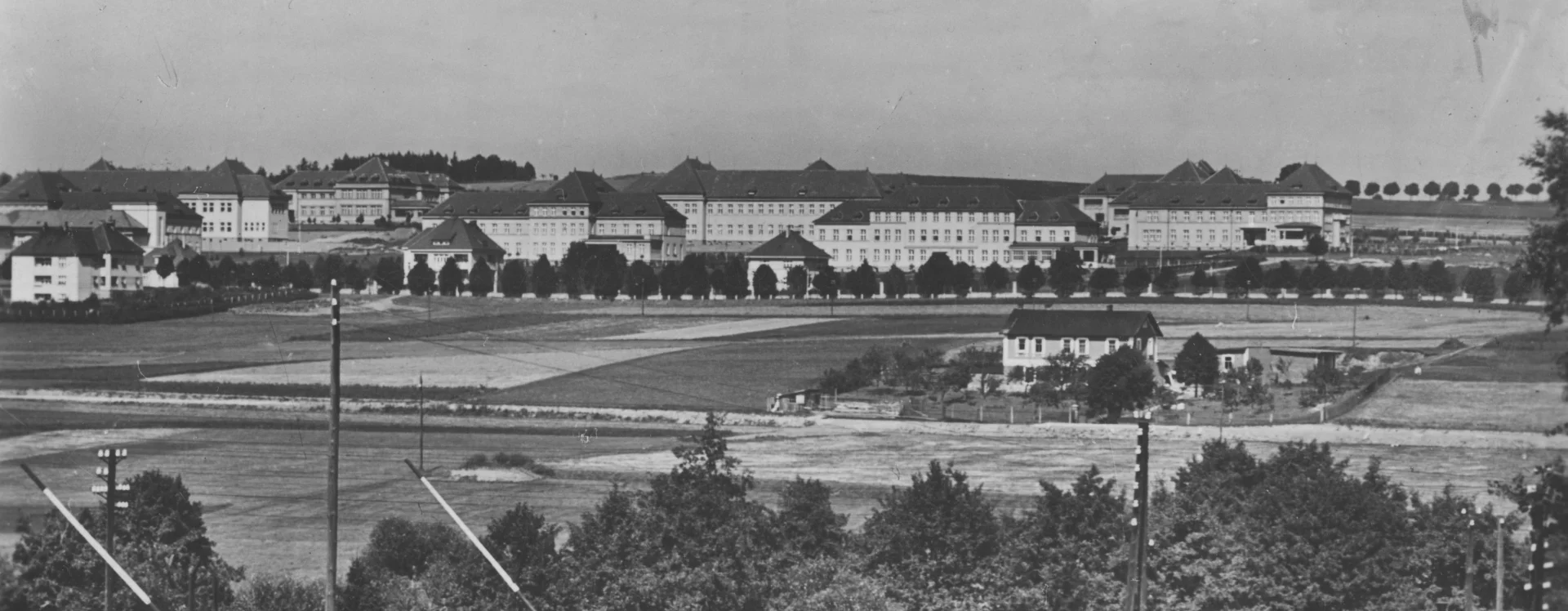
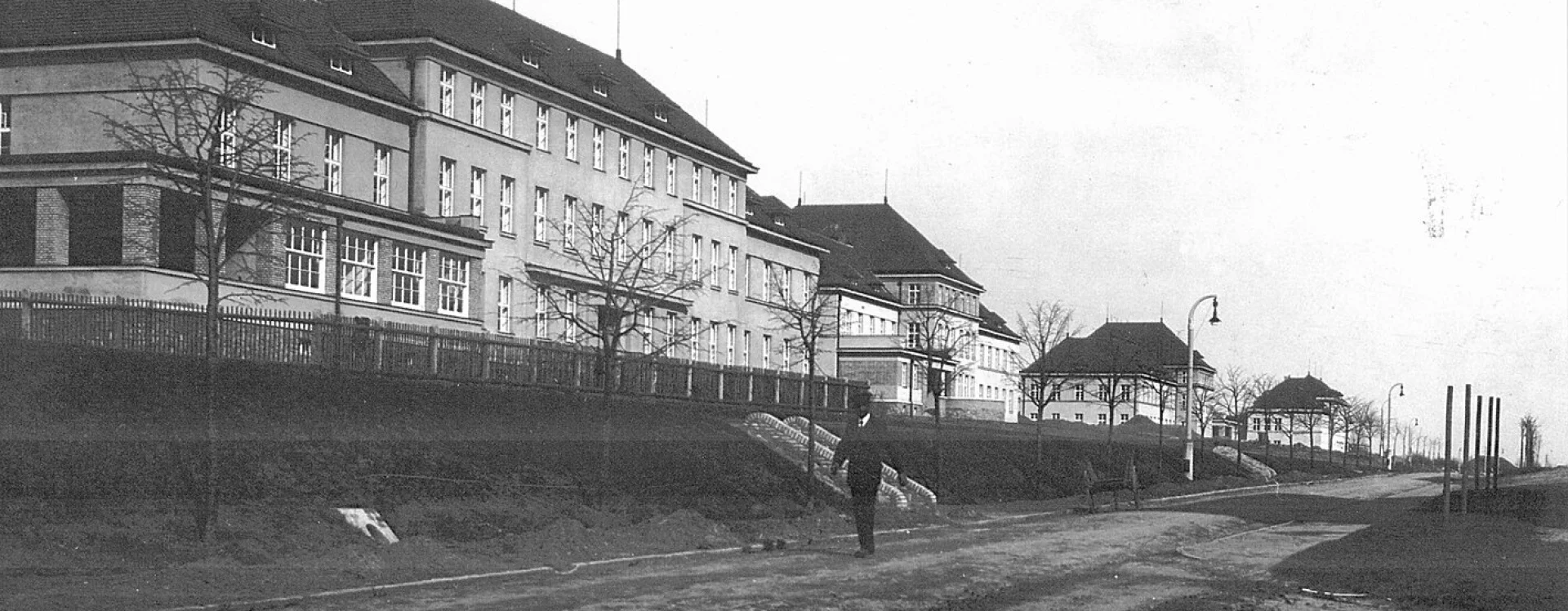
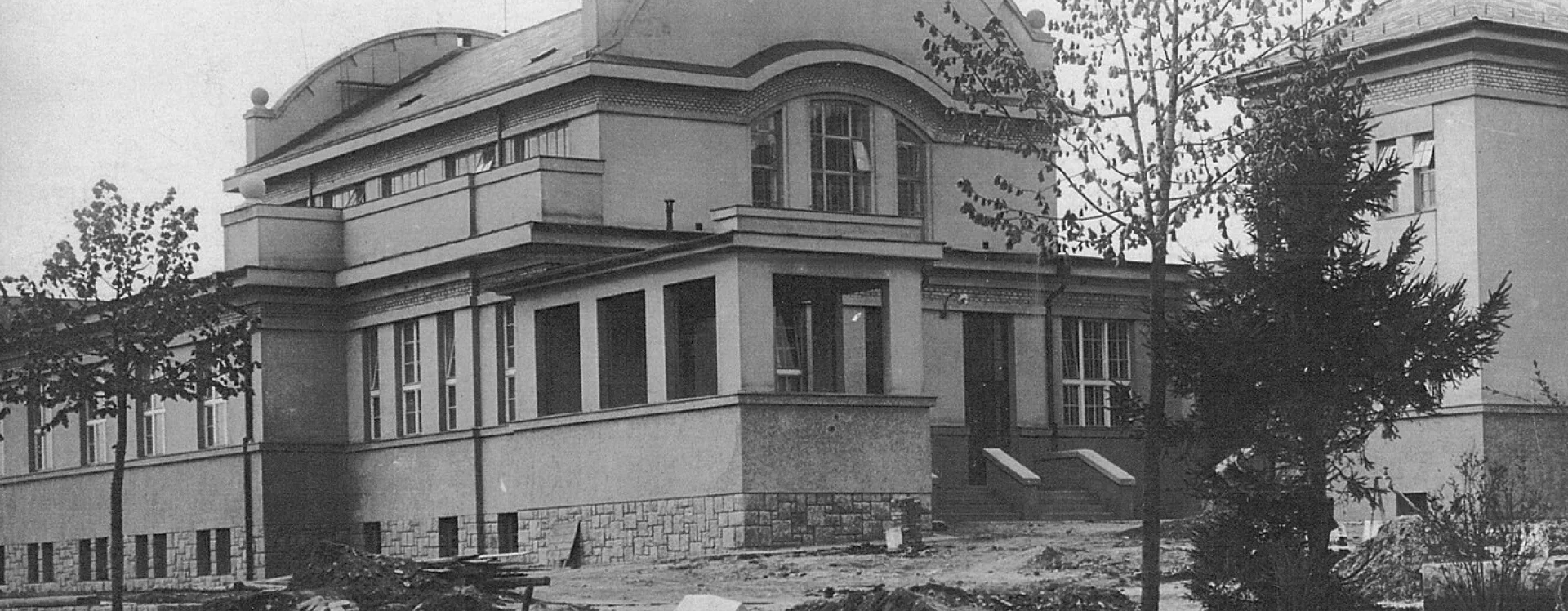
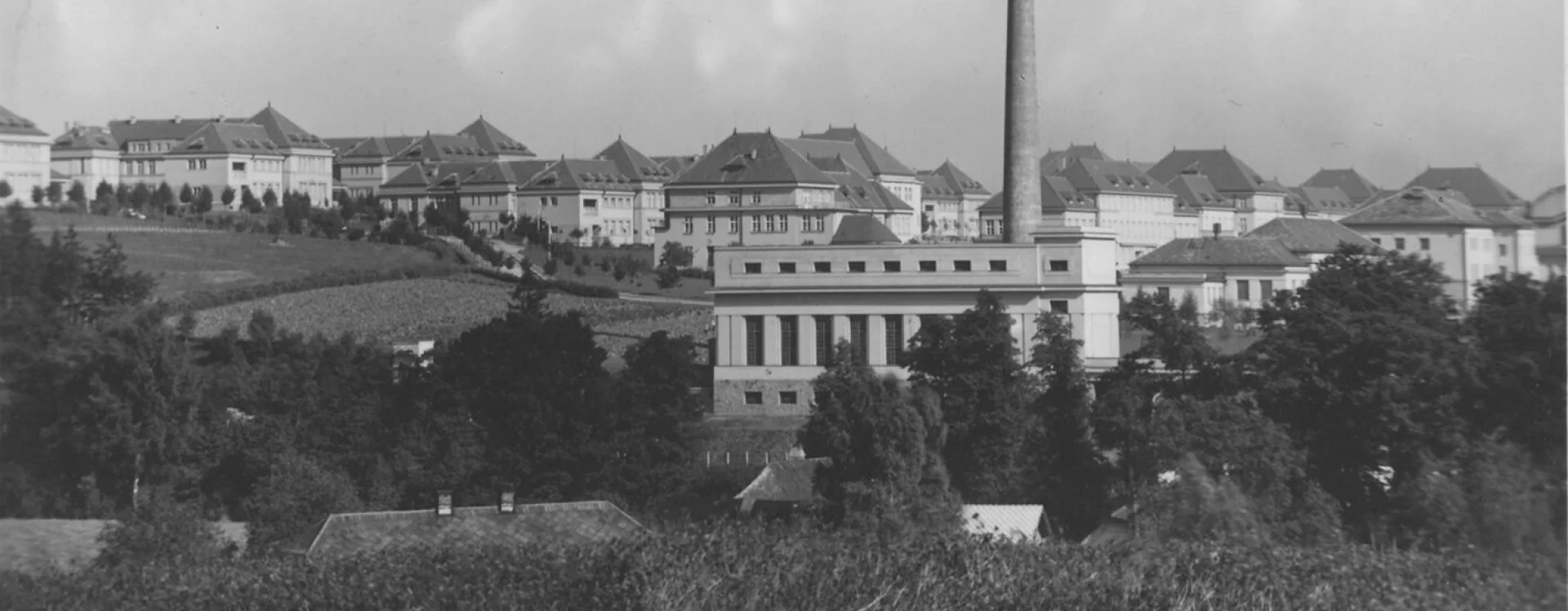
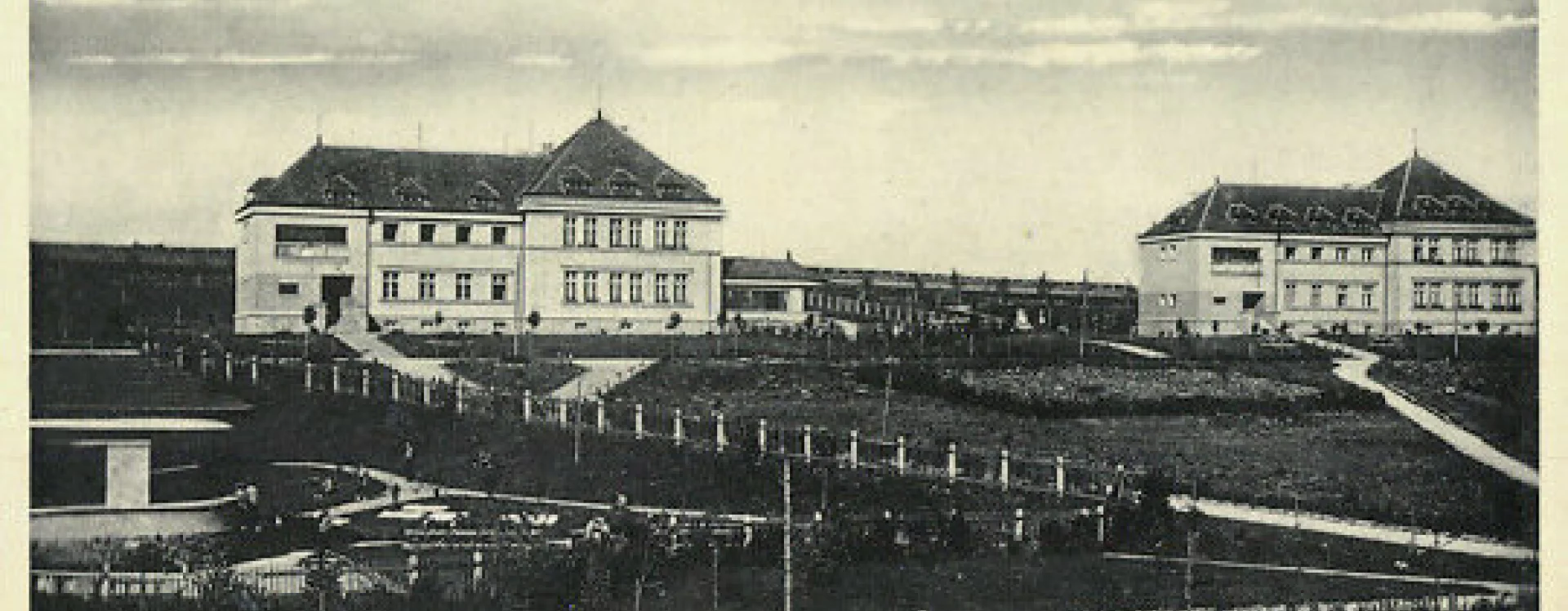
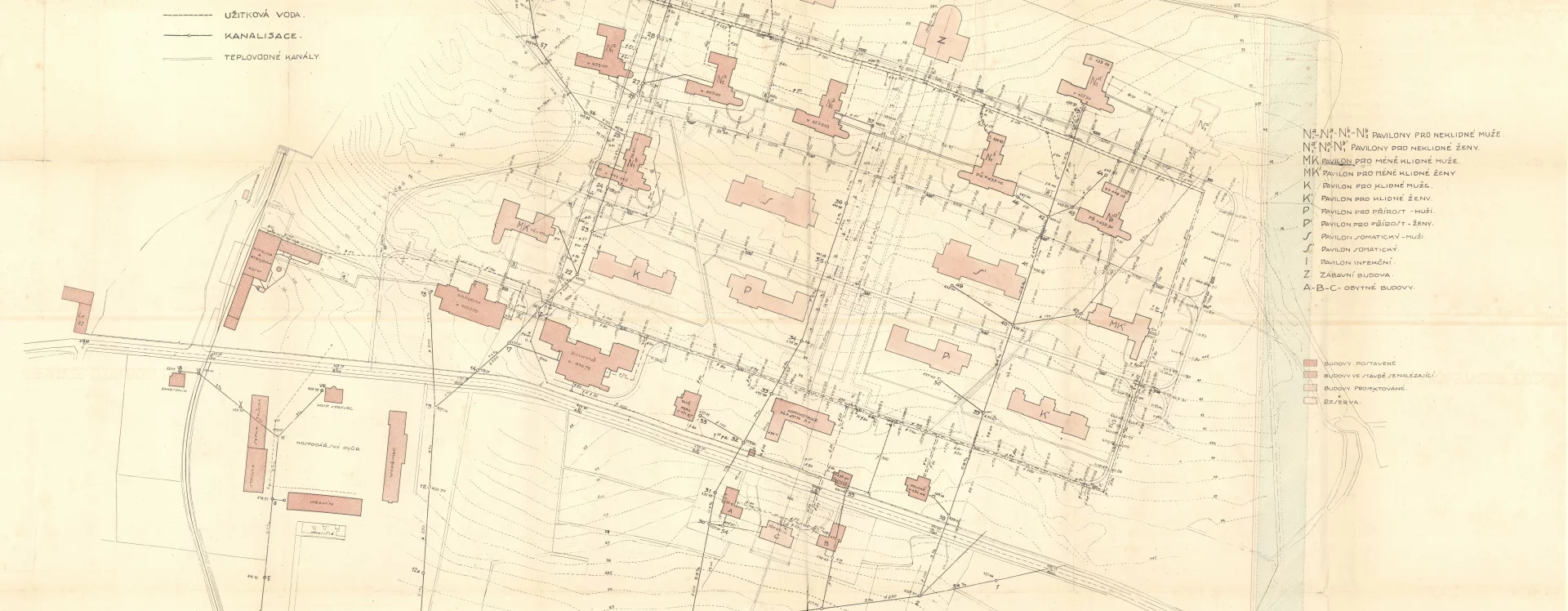
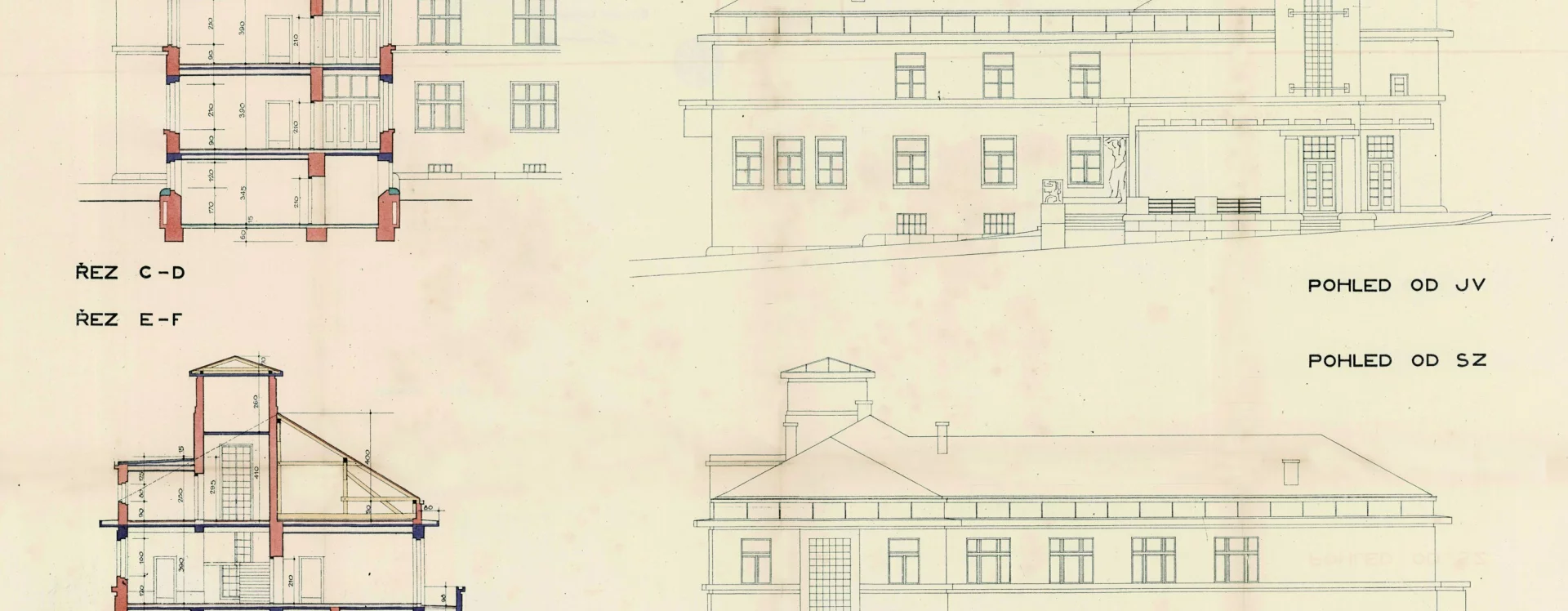
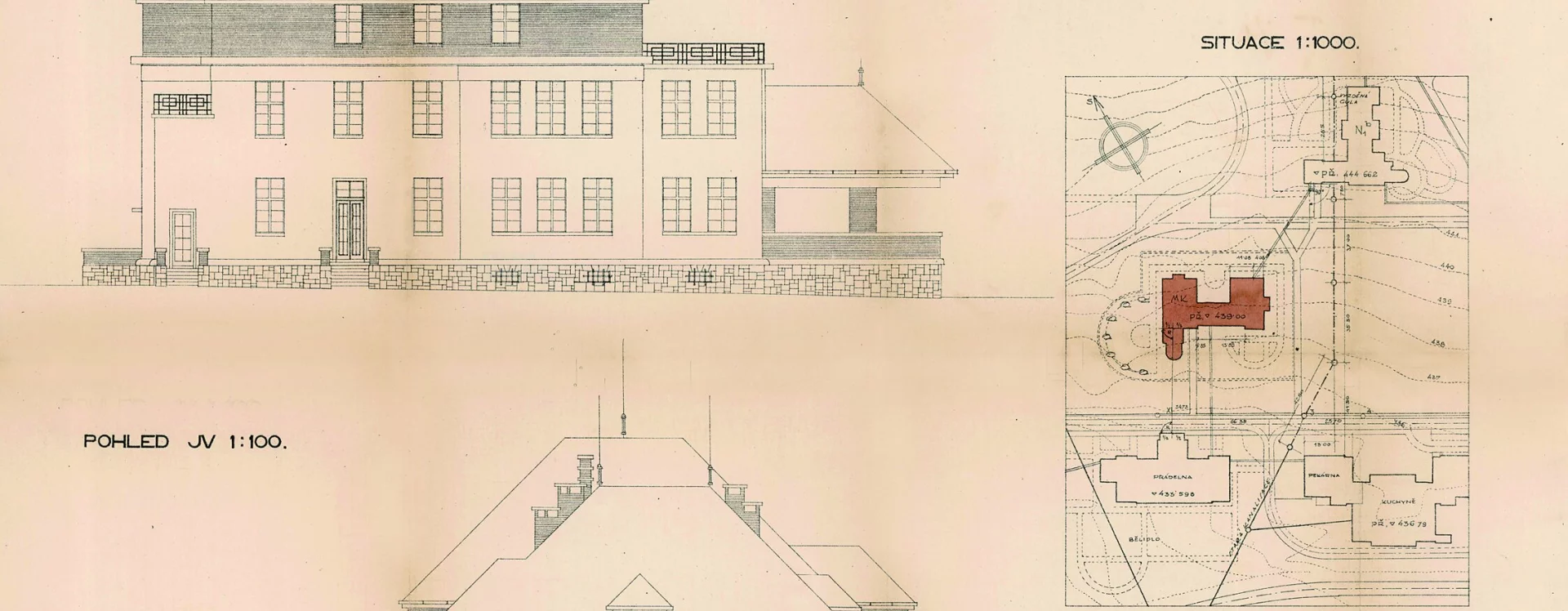
The Brod complex was to be built according to the “pavilion system”, characterized by logical organization and clarity. The buildings integrated with gardens while landscaped greenery was intended to give the institution an overall pleasant and harmonious appearance. Wallenfels arranged the buildings according to a simple, rational system. He visually separated the patient wards—designed as large residential houses—from the more austere service buildings that ensured the running of the institution. Along Rozkošská street, Wallenfels positioned the facilities responsible for the daily functioning of the complex, which he referred to as utility or service buildings. These included the kitchen, laundry, garages and the boiler house. He placed the administrative building—the only structure in the complex with sculptural decoration, designed by the eminent Czech sculptor Jan Lauda (1898–1959)—directly opposite the main entrance.
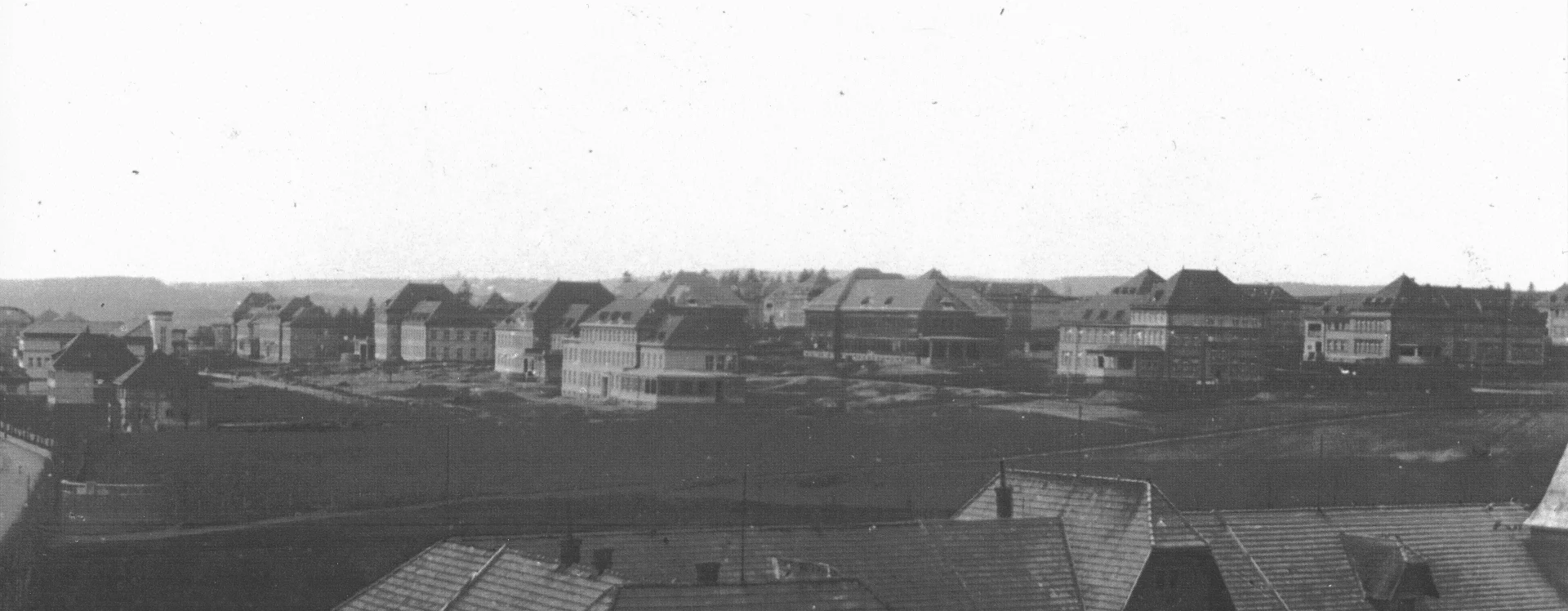
Beyond this notional front zone lay the main complex, comprised of fifteen treatment pavilions (eighteen had originally been planned), arranged almost symmetrically along an axis extending from the gatehouse, with the left side designated for male patients and the right for female patients. Horizontally, the complex was divided into three principal tiers: the row of buildings directly behind the service structures housed the “pavilions for quiet patients”; the next tier contained the “pavilions for less quiet patients”; and the outermost tier was reserved for the “pavilions for disturbed patients”. “Each pavilion for the sick was to have a garden proportionate to the number of ambulant patients…” Within the complex itself, to the right of the gatehouse, stood the residence for the chief physician and the institution’s administrator. The remaining residential units for doctors and staff were located across the road, directly opposite the main entrance to the institution.
Work on the entire complex, deliberately separated from the surrounding urban developments, began in 1920. The first structures to be built were the service buildings, gradually followed by the remaining facilities. Some of the older, inadequate buildings—such as the kitchen and the gatehouse—were rebuilt according to new designs. A one-kilometre railway siding branching from the main Prague–Znojmo line was also constructed “to facilitate and reduce the cost of transporting wagonloads of materials required both for the construction of the institution and for its future operation.”
After eight years of construction, the institution was ready to start admitting patients. It was officially opened on 21 May 1928, while building work—originally budgeted at 55 million crowns—continued for another six years. The complex, covering an area of 43 hectares, was officially completed in 1934. Some of the originally planned pavilions were never realized, a decision which undoubtedly resulted from the austerity measures brought about not only by the height of the economic crisis but, above all, by the growing threat posed by Adolf Hitler’s rise to power and the consequent need to redirect substantial state funds towards the defence of the country against possible aggression.
Dana Schlaichertová, 2025
Literature
50 let psychiatrické léčebny v Havlíčkově Brodě (1928-1978). Havlíčkův Brod, 1978.
60 let psychiatrické léčebny v Havlíčkově Brodě (1928-1988). Havlíčkův Brod, 1988.
František Frabša, Antonín Heveroch (eds.).. Zemské ústavy pro choromyslné v Čechách. Jičín, Zemský správní výbor v Čechách, 1926.
Silvie Novotná. Jan Lauda. Brno, FF MU, 2010, Diplomová práce.
Josef Florian Olša. Z dějin a památností Německého Brodu. Německý Brod, Novina, 1935.
Dana Schlaichertová. Architektura a urbanismus Havlíčkova Brodu 1848-1938. Olomouc, Katedra teorie a dějin umění FF UP, 1998, Diplomová práce. p. 48-52.
Dana Schlaichertová. Zemský ústav pro choromyslné. In: Aleš Veselý (ed.). Příběhy brodských domů. Havlíčkův Brod, Galerie výtvarného umění v Havlíčkově Brodě, 2016, p. 96-101. ISBN 978-80-904726-9-3.
Sources
Archiv Nemocnice Havlíčkův Brod.
Archiv Psychiatrické nemocnice Havlíčkův Brod. Psychiatrická nemocnice Havlíčkův Brod.
Státní okresní archiv Havlíčkův Brod, fond Archiv města Havlíčkův Brod. sv. karton 389, 394-396.
Státní okresní archiv Havlíčkův Brod, fond Okresní úřad Německý Brod. sv. karton 178-180.
Pamětní kniha Německého Brodu. 1923-1930. Státní okresní úřad Havlíčkův Brod, fond Archiv města Havlíčkův Brod, Archiv města Havlíčkův Brod.