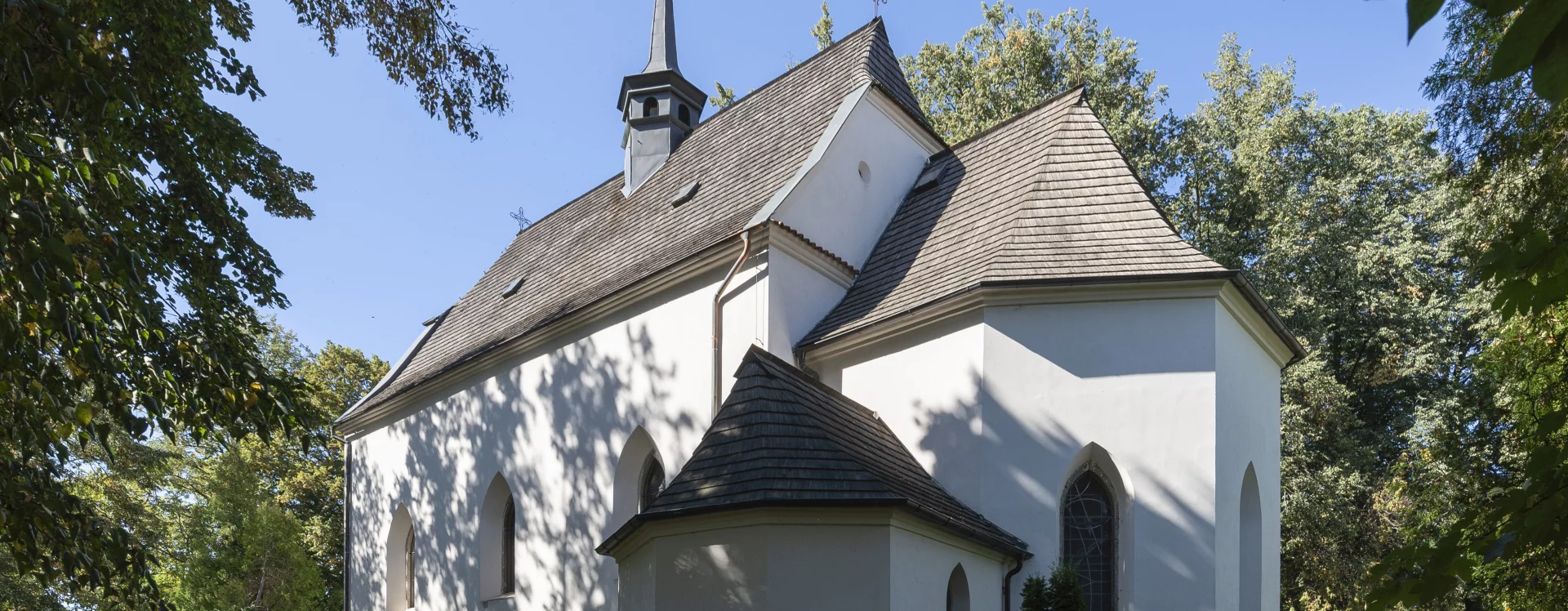
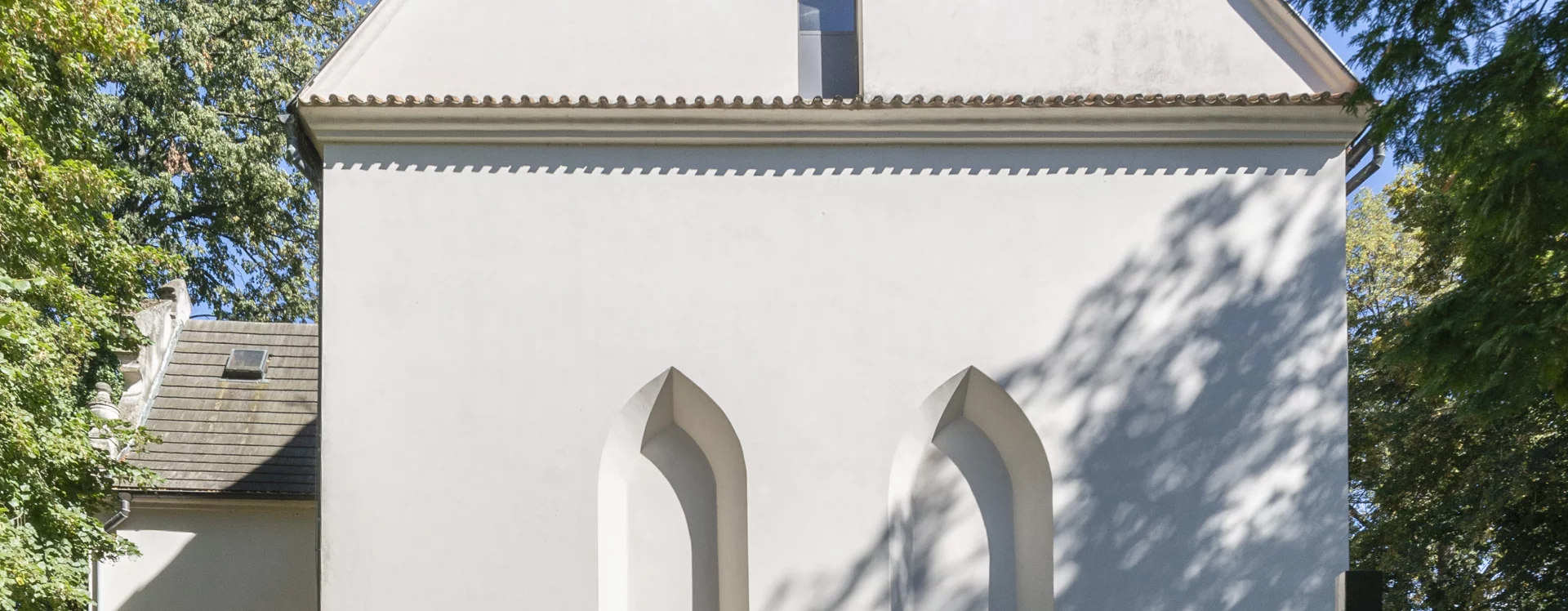
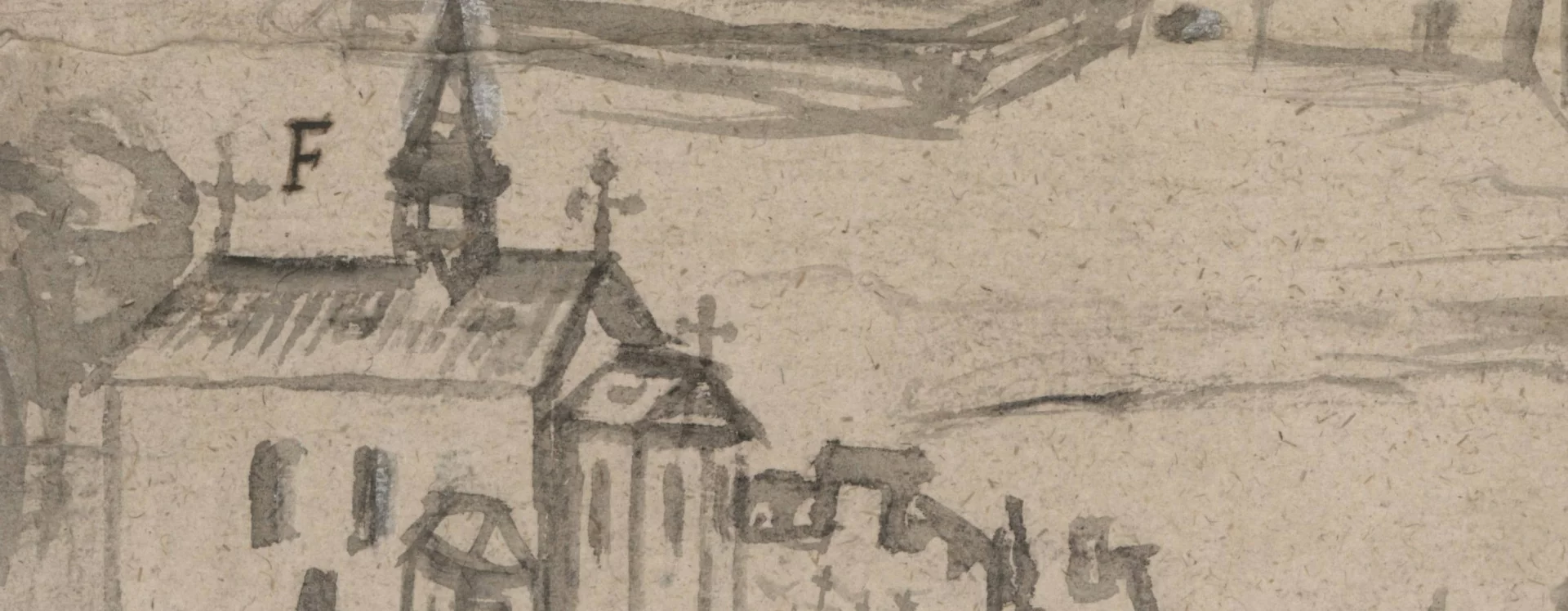
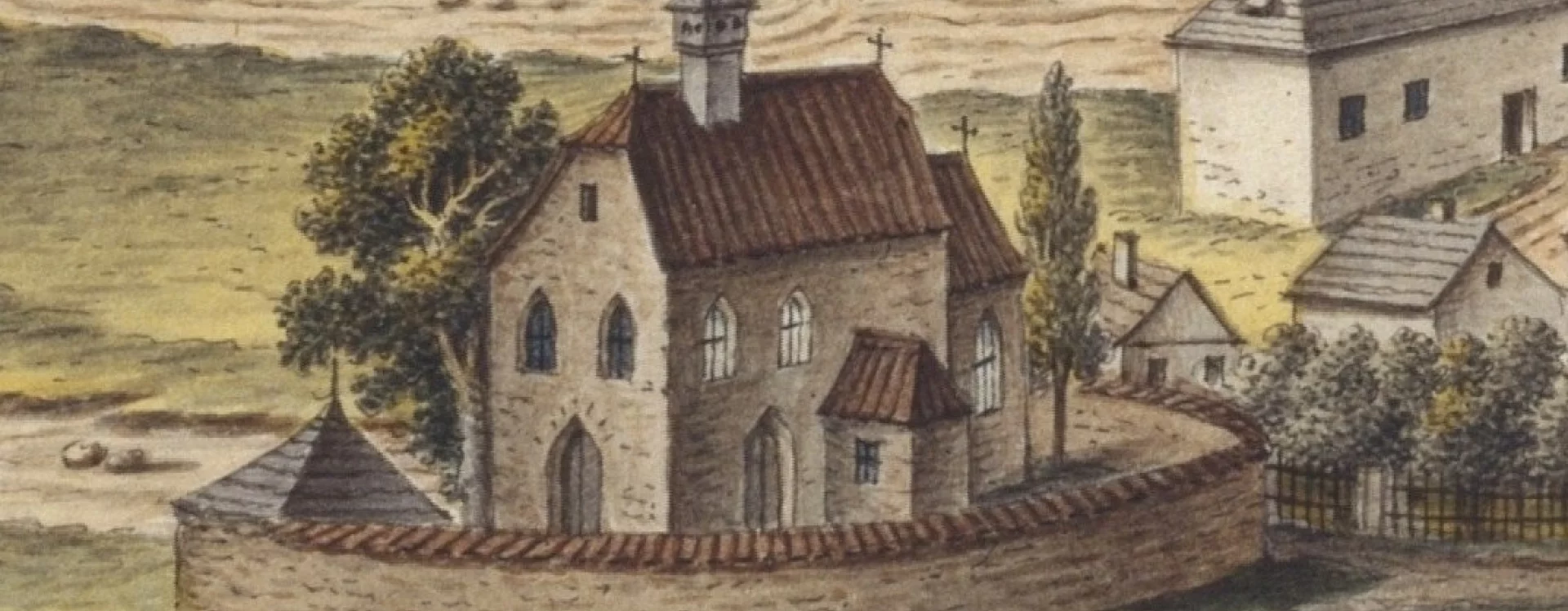
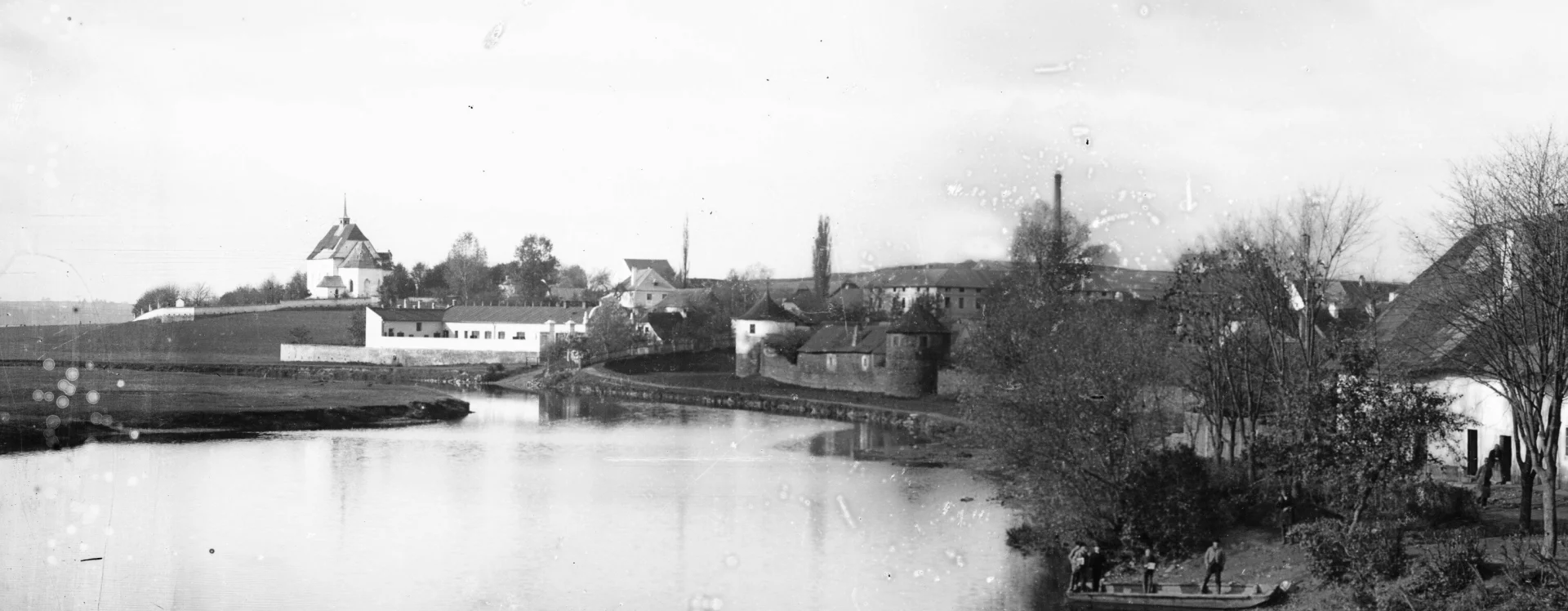
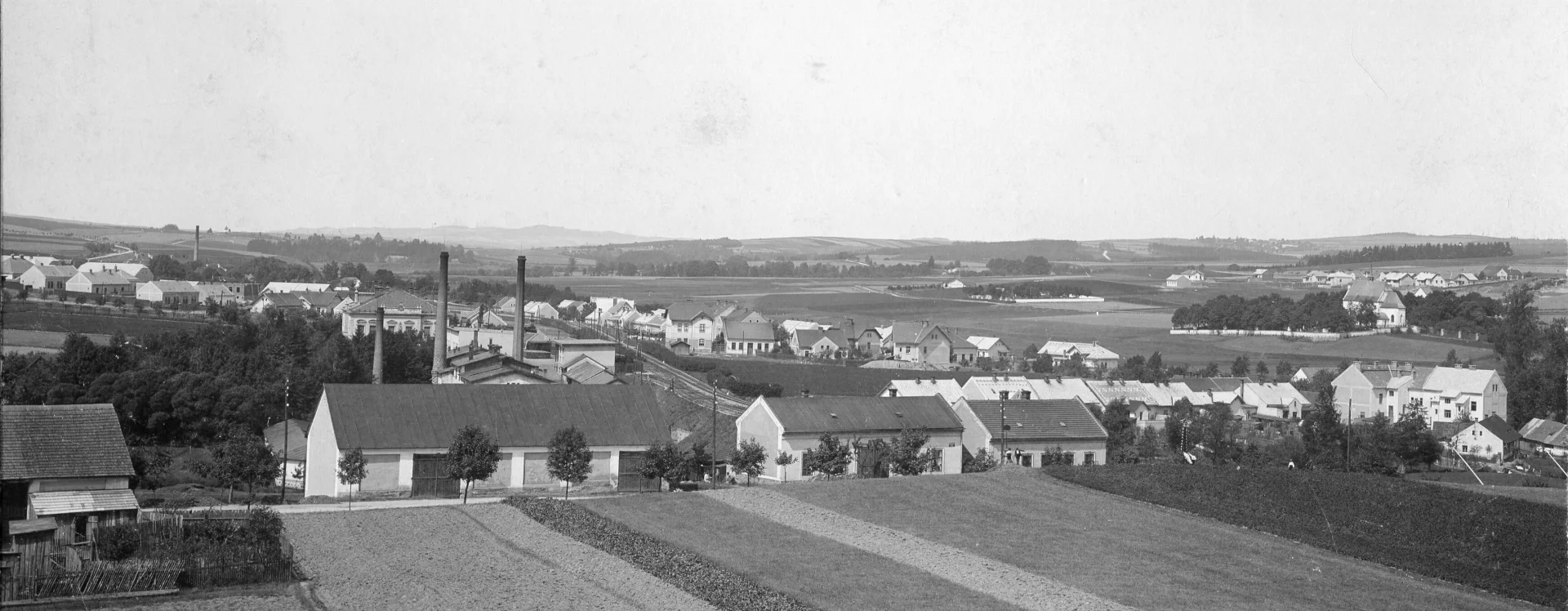
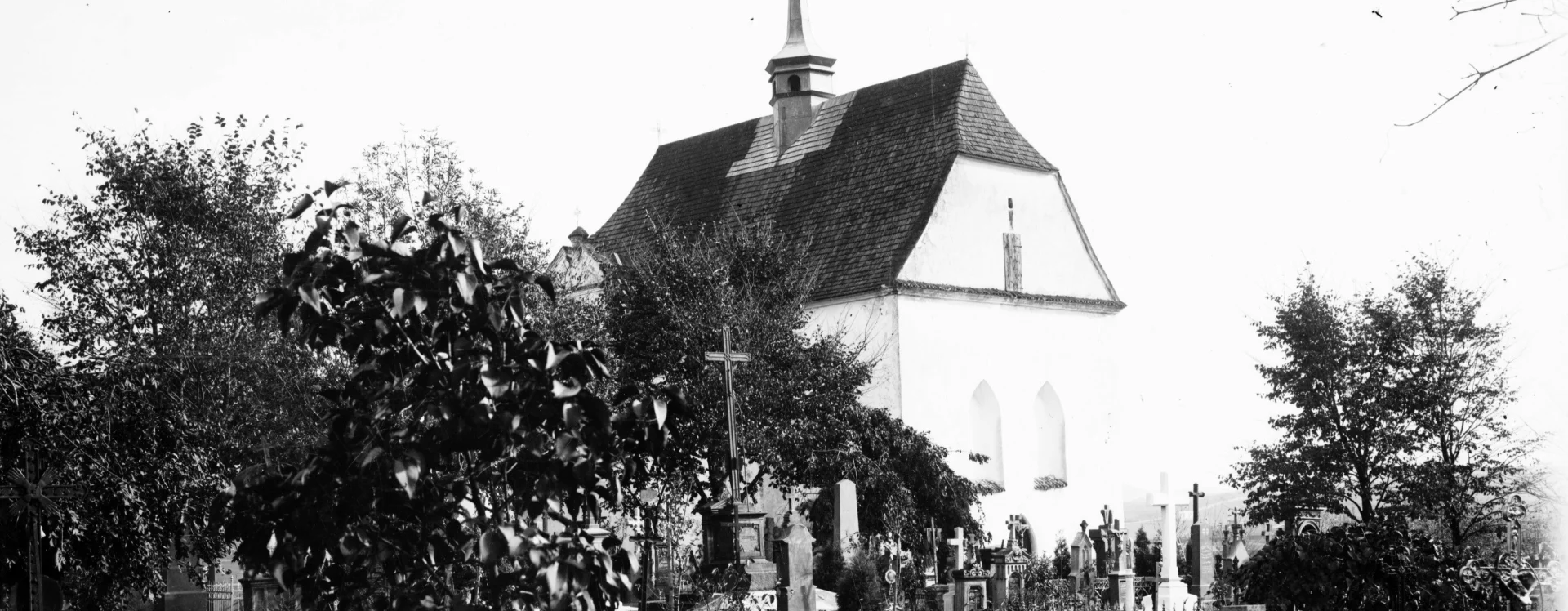
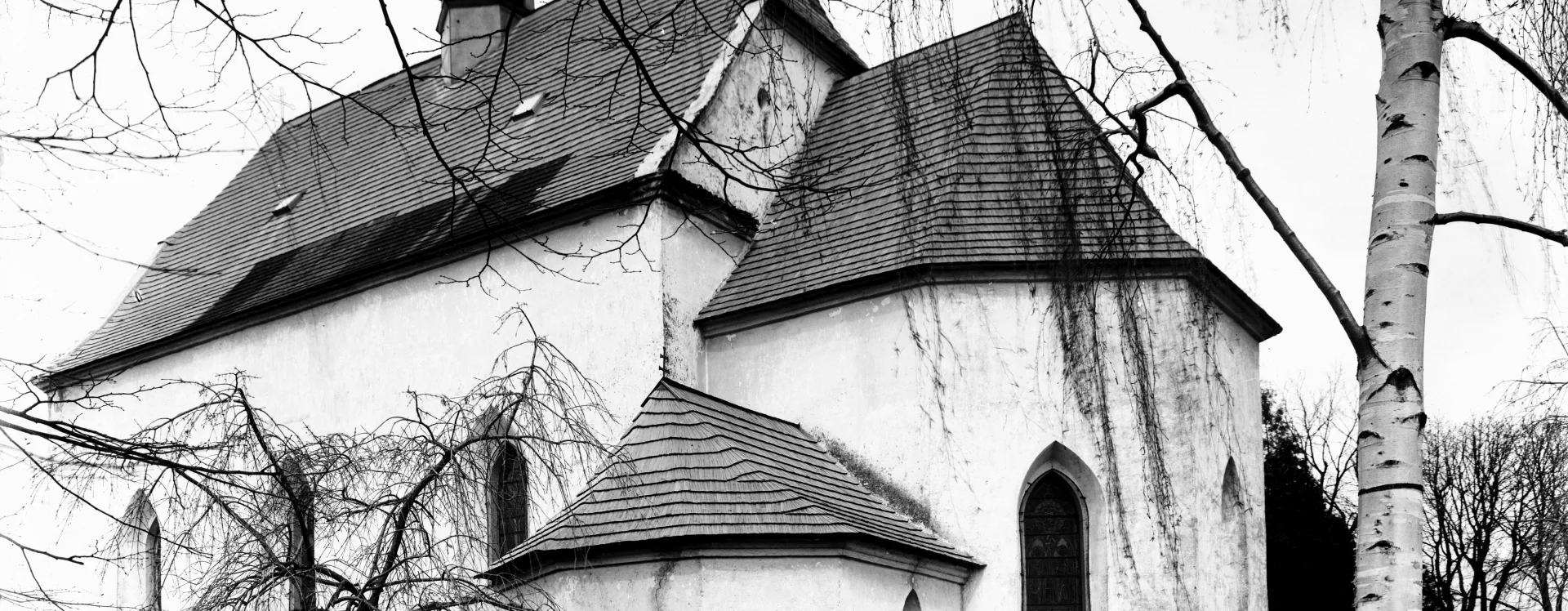
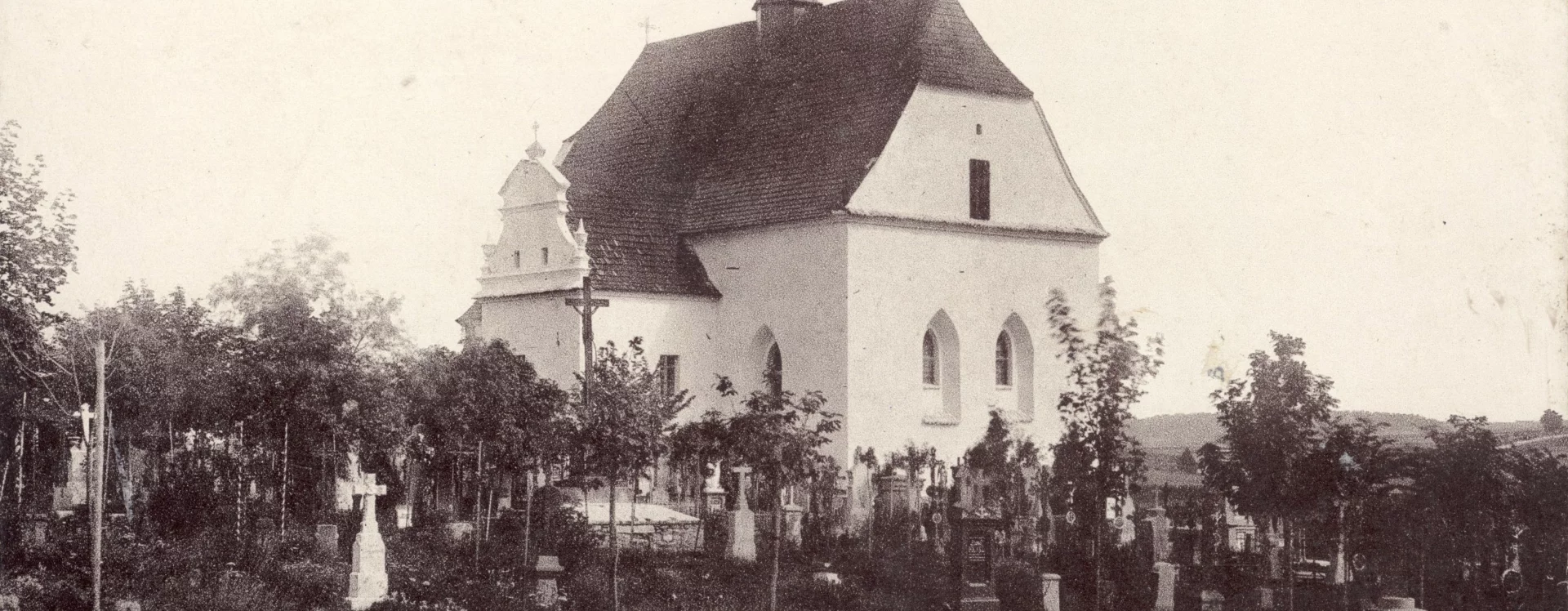
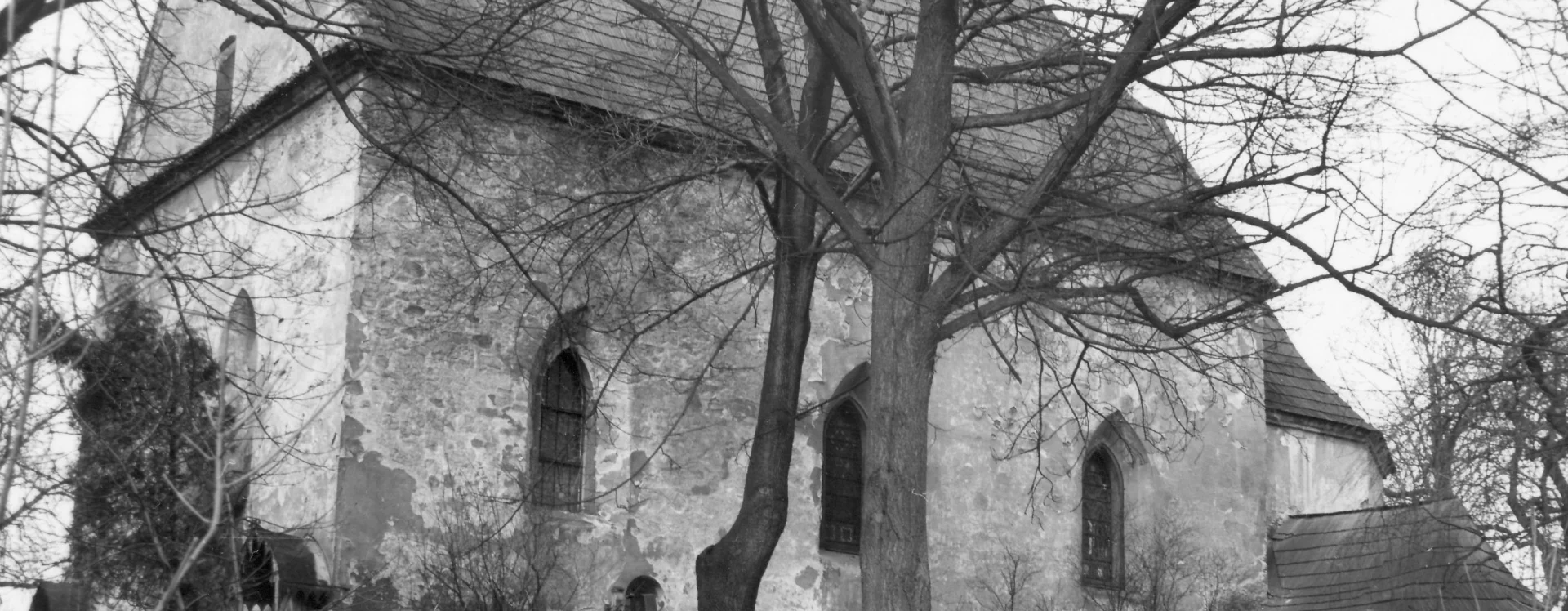
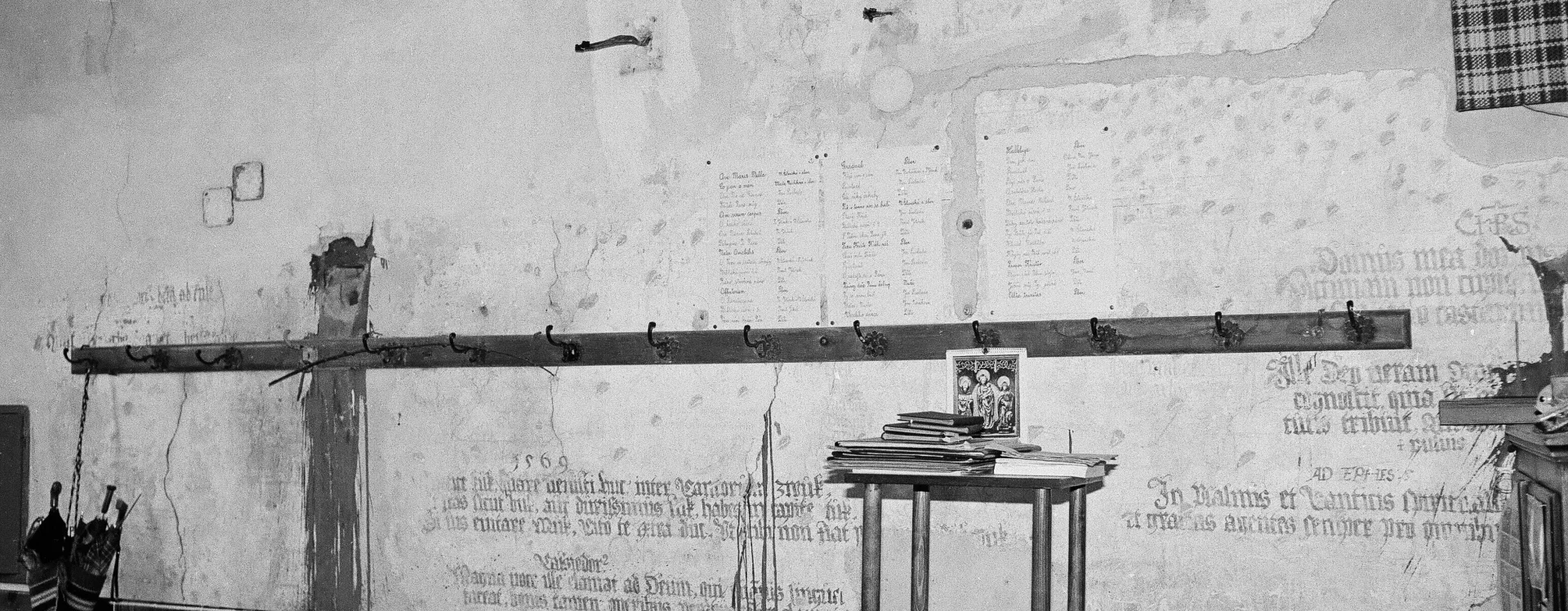


In its present form, St Adalbert Church is the result of extensive reconstruction carried out at the turn of the 21st century. Standing on a hill above the Sázava River, the church was built in the second half of the 16th century on the site of an earlier structure and continued to serve its purpose until the mid-20th century. After the communist coup, it was used less often, much like the other filial churches in Havlíčkův Brod, and repairs were carried out mainly on the deanery church.
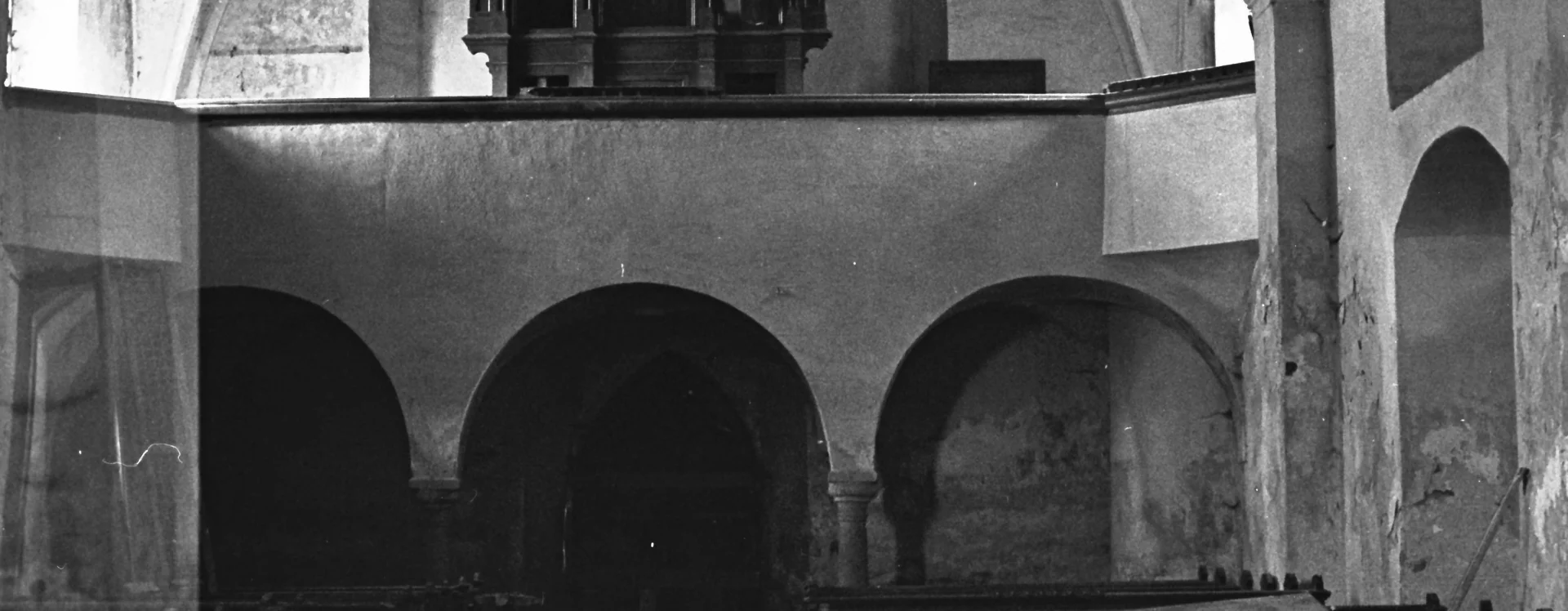
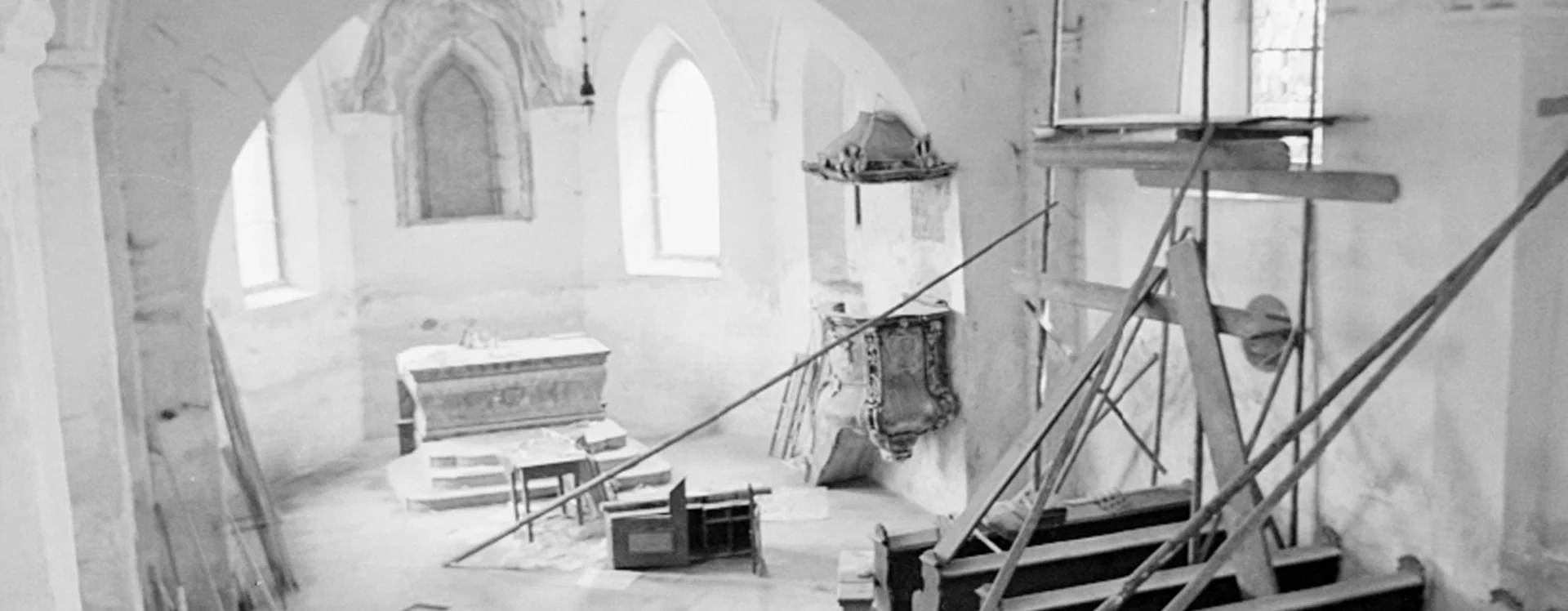
As part of the revival of spiritual life and civil society in the 1990s, discussions began concerning the reconstruction of the church, which had been damaged by vandals and long-term neglect. In 1996, Jan Vinař drew up a restoration plan for the church complex, which included repairing the roof and restoring the cemetery as well as the devastated interior, from which many items had disappeared irretrievably.
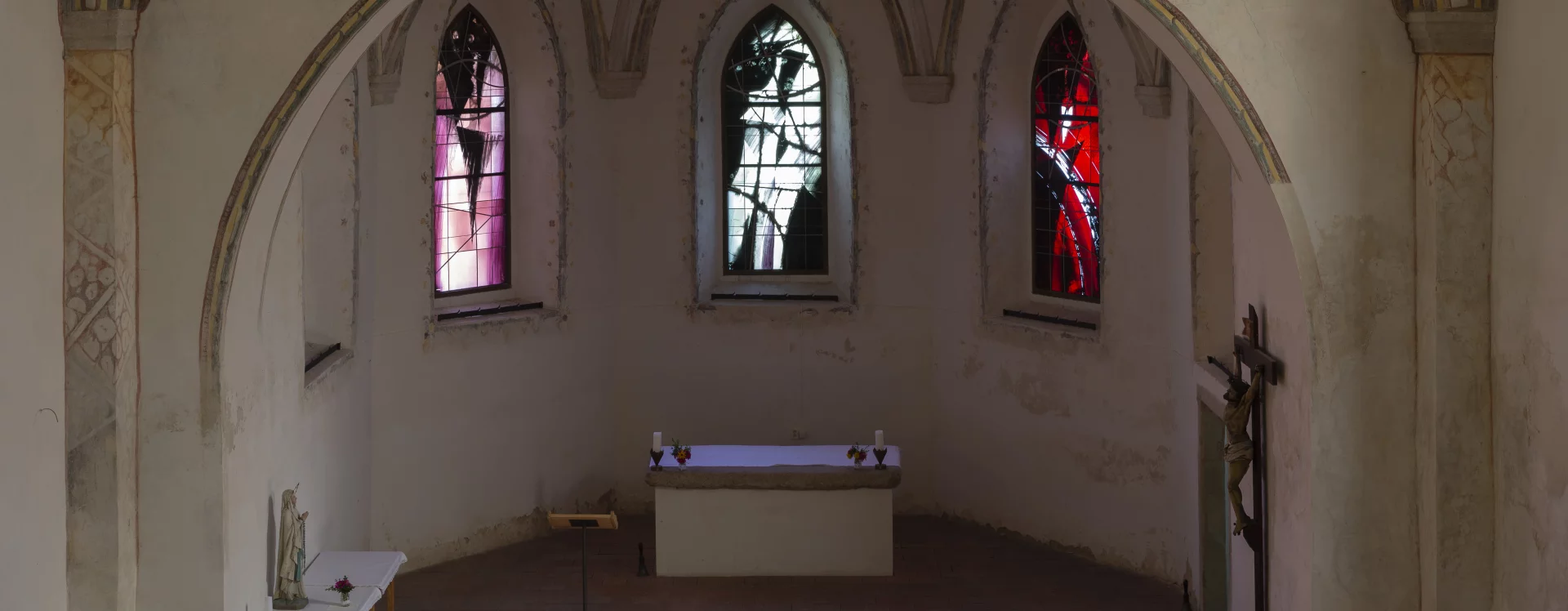
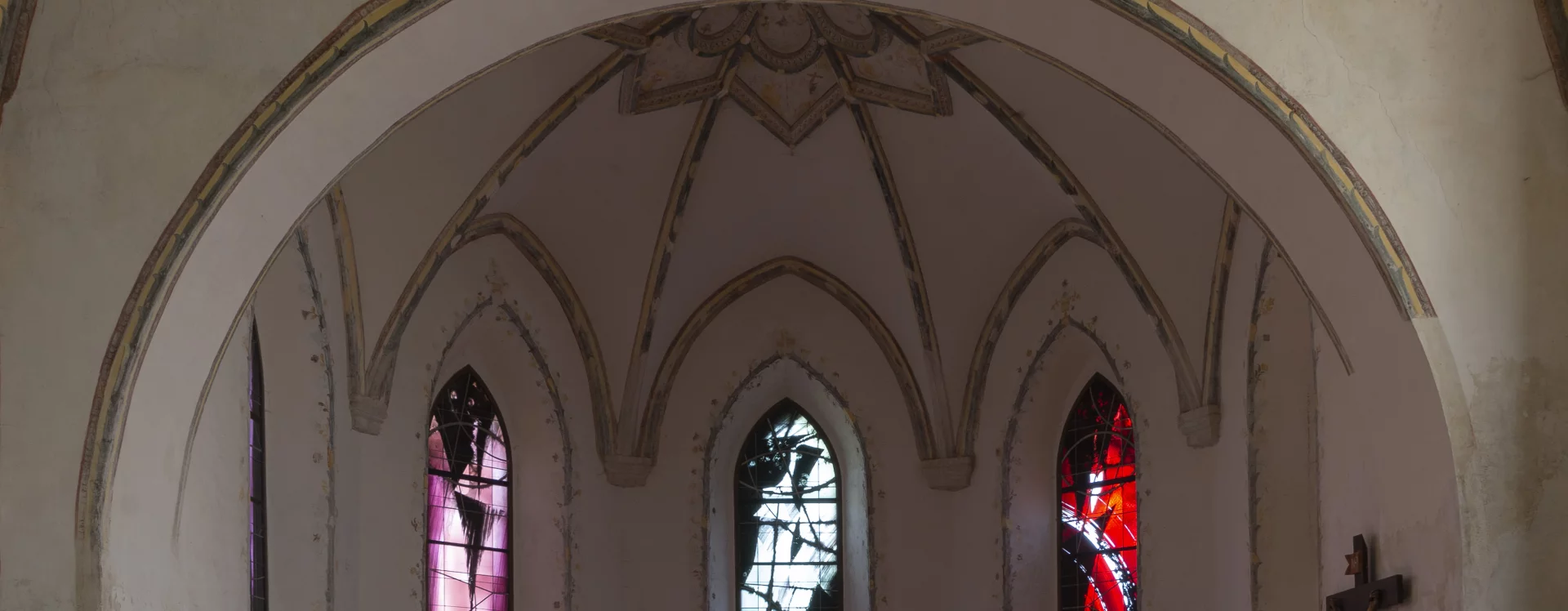
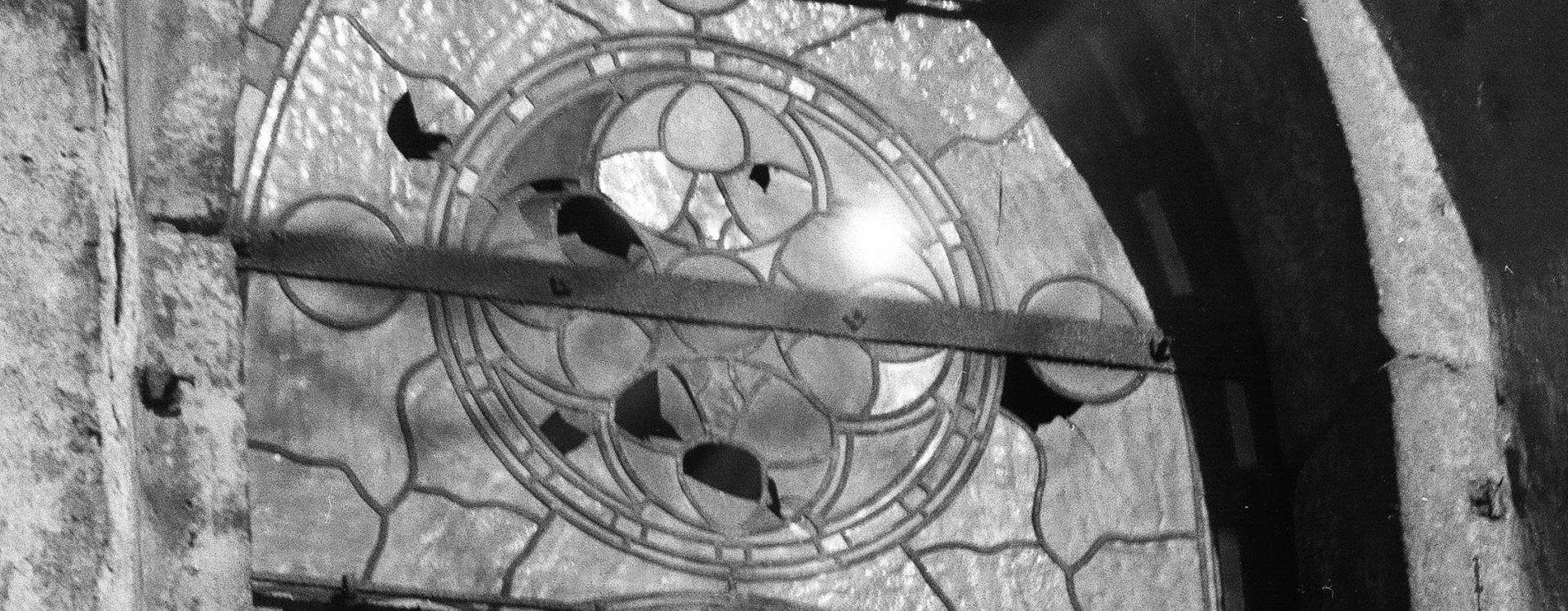
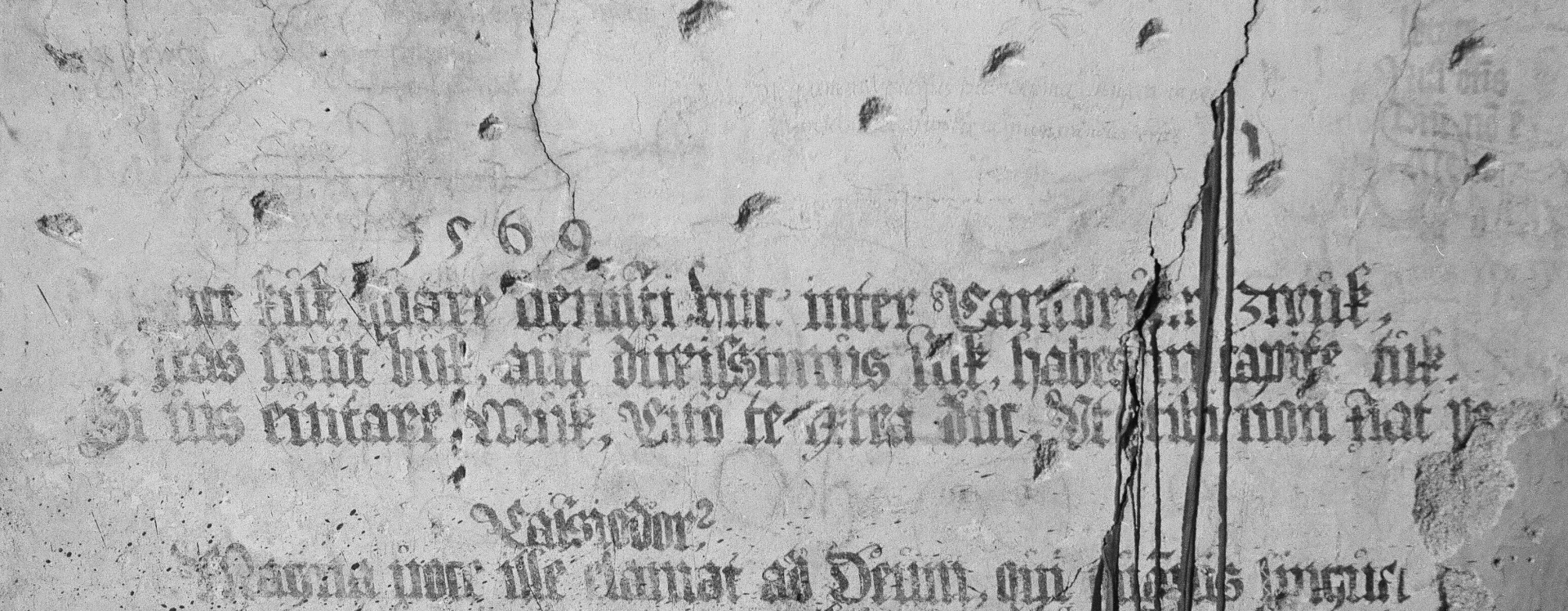
The interior work also included the restoration of the uniquely preserved wall paintings dating from around 1600, carried out under the direction of restorer Jaroslav Alt Jr. (1950). The original decoration also comprised six stained-glass windows which were created in the 1870s and donated to the church by the burghers of Německý Brod. By the 1990s, however, only three damaged windows remained, which were repaired by the glass artist and restorer Jiří Černohorský (1949).
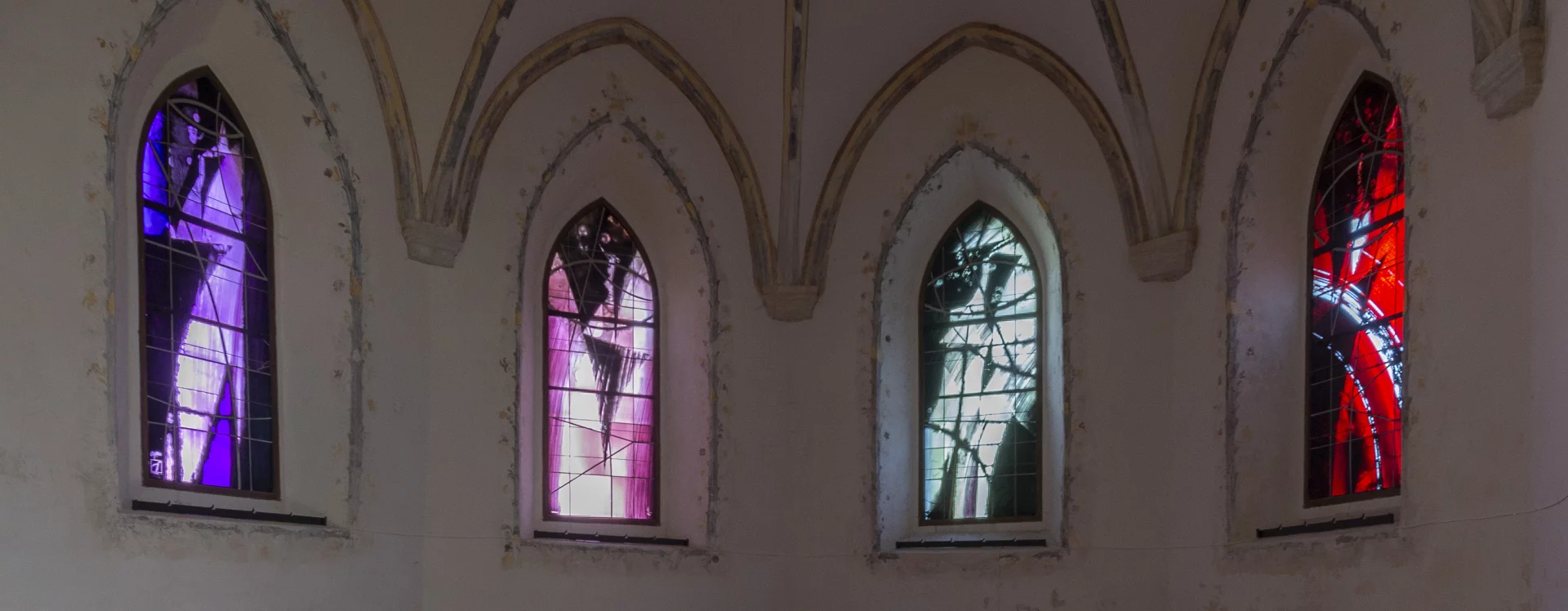
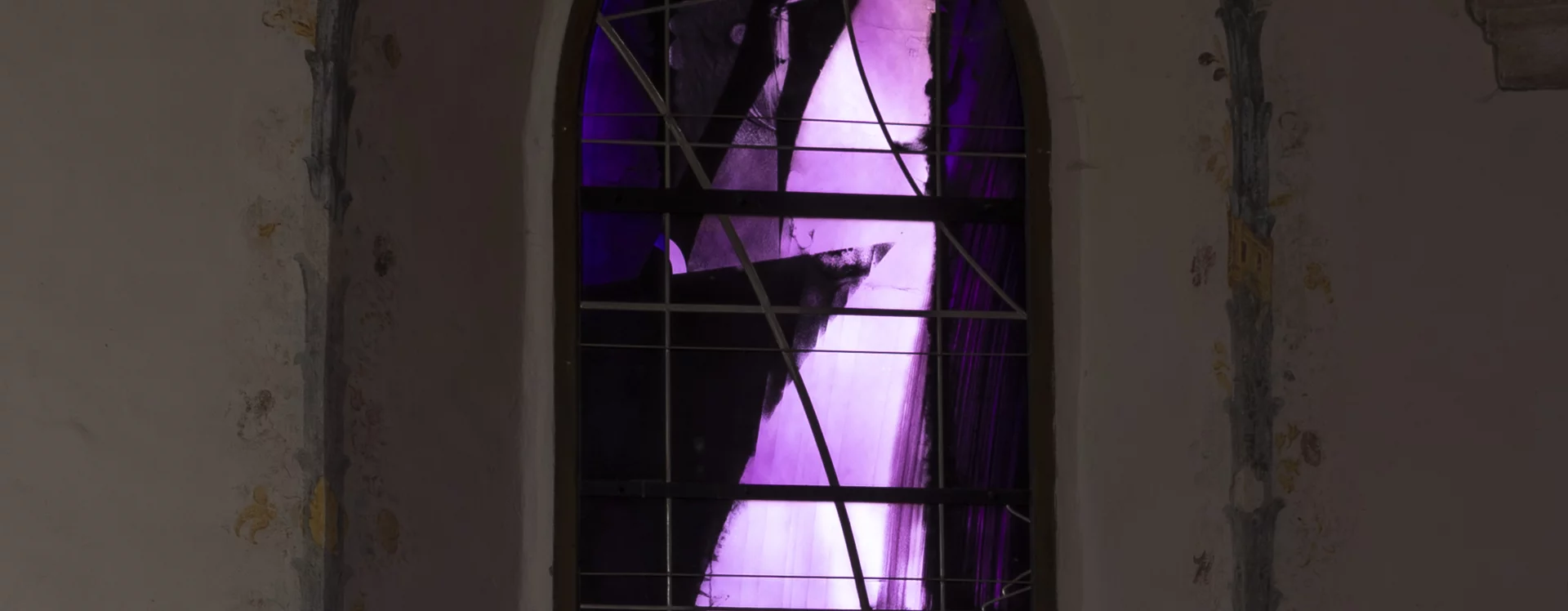
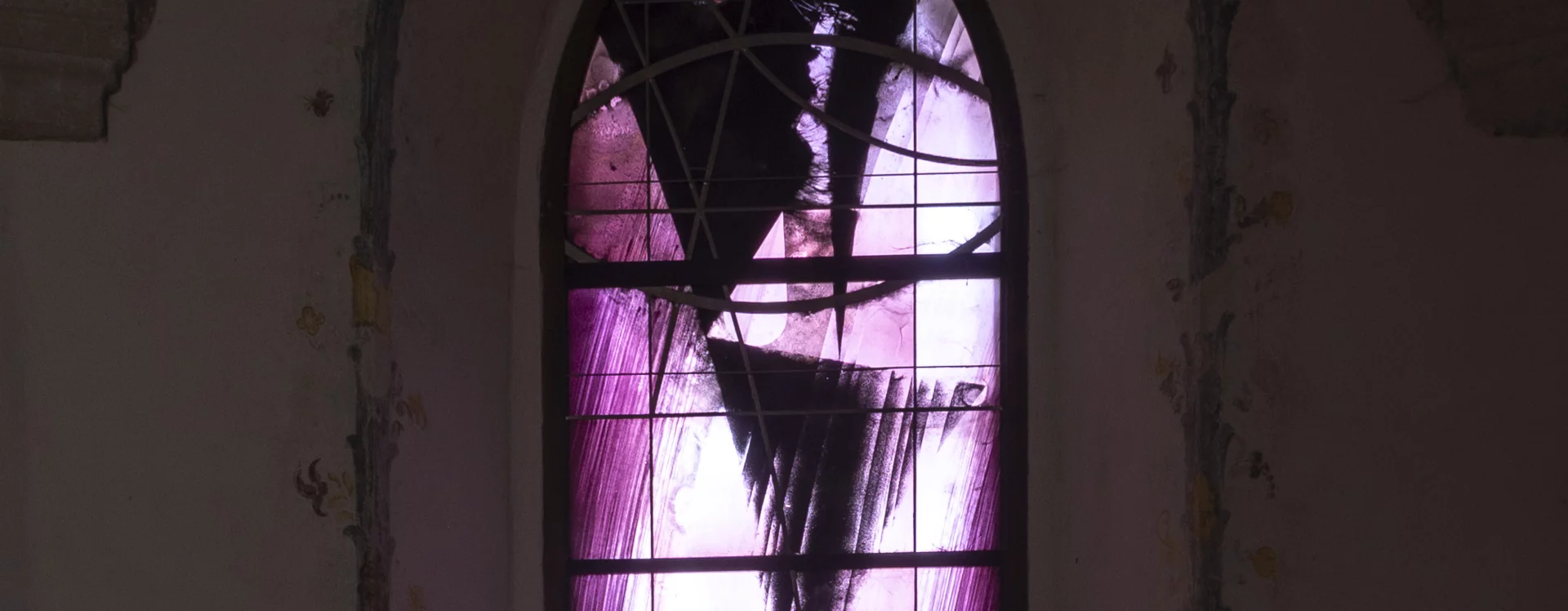
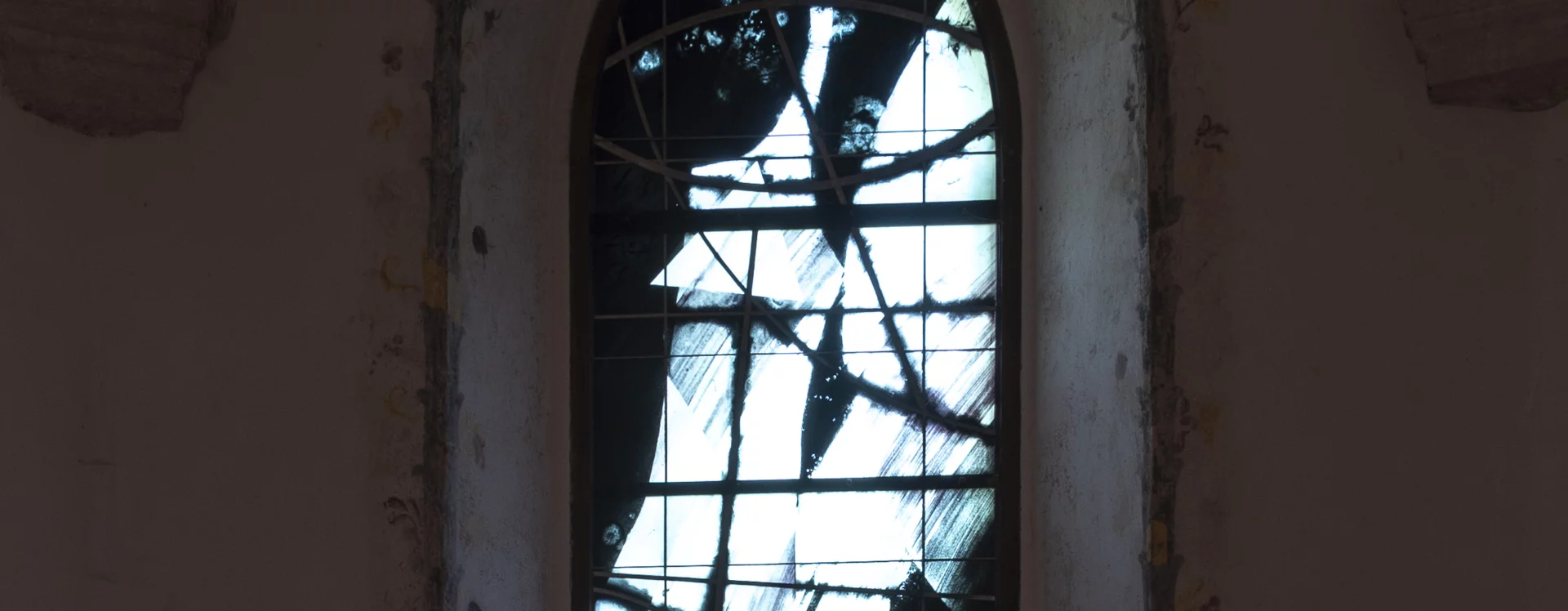
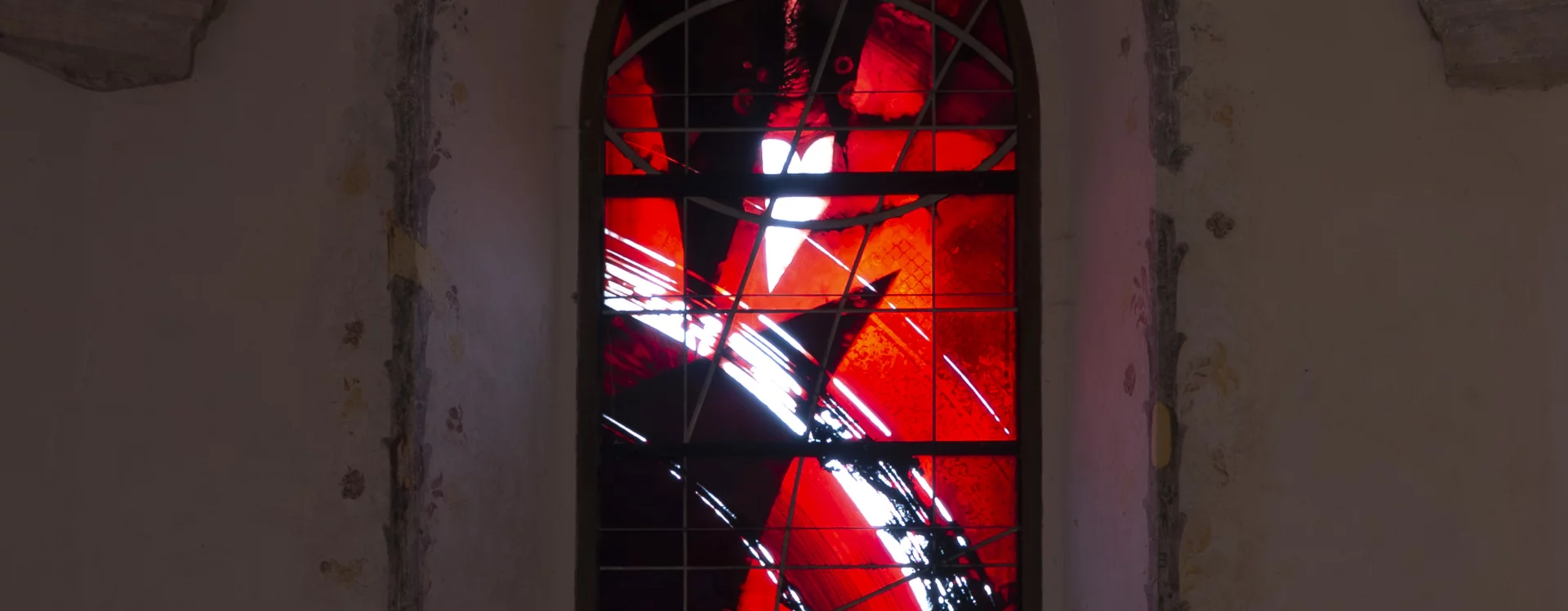
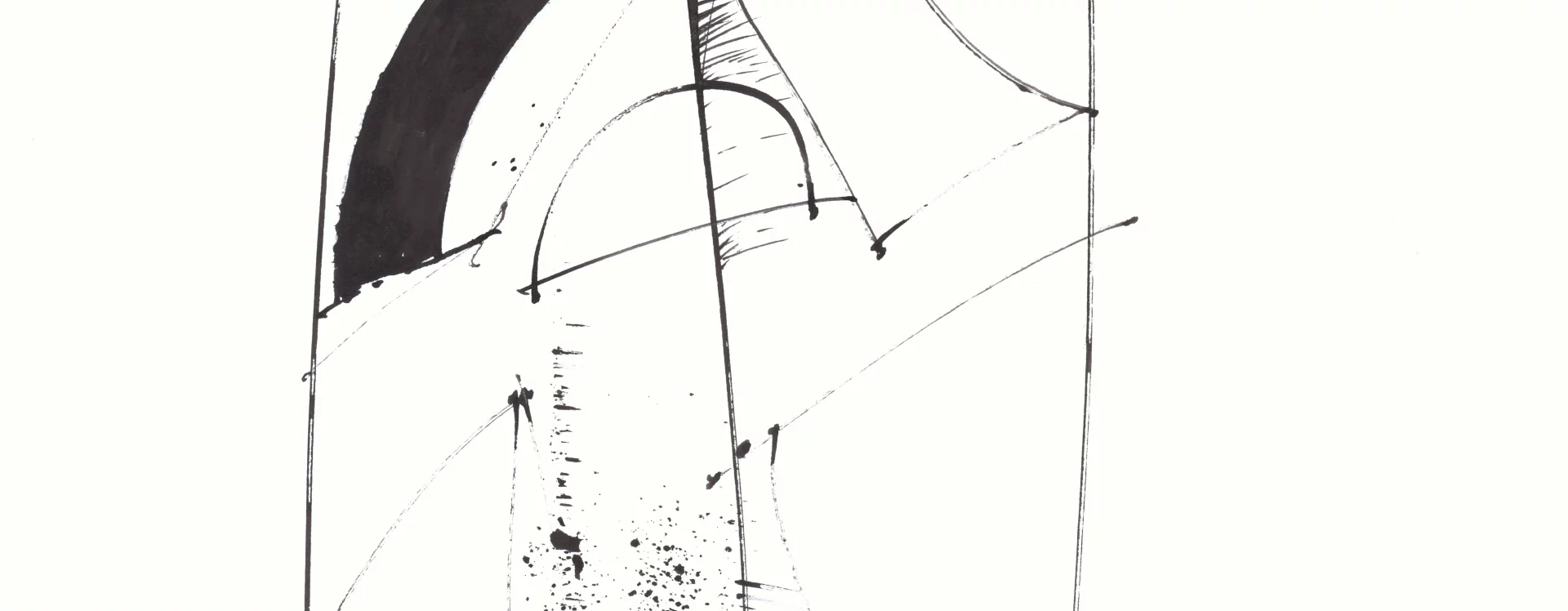
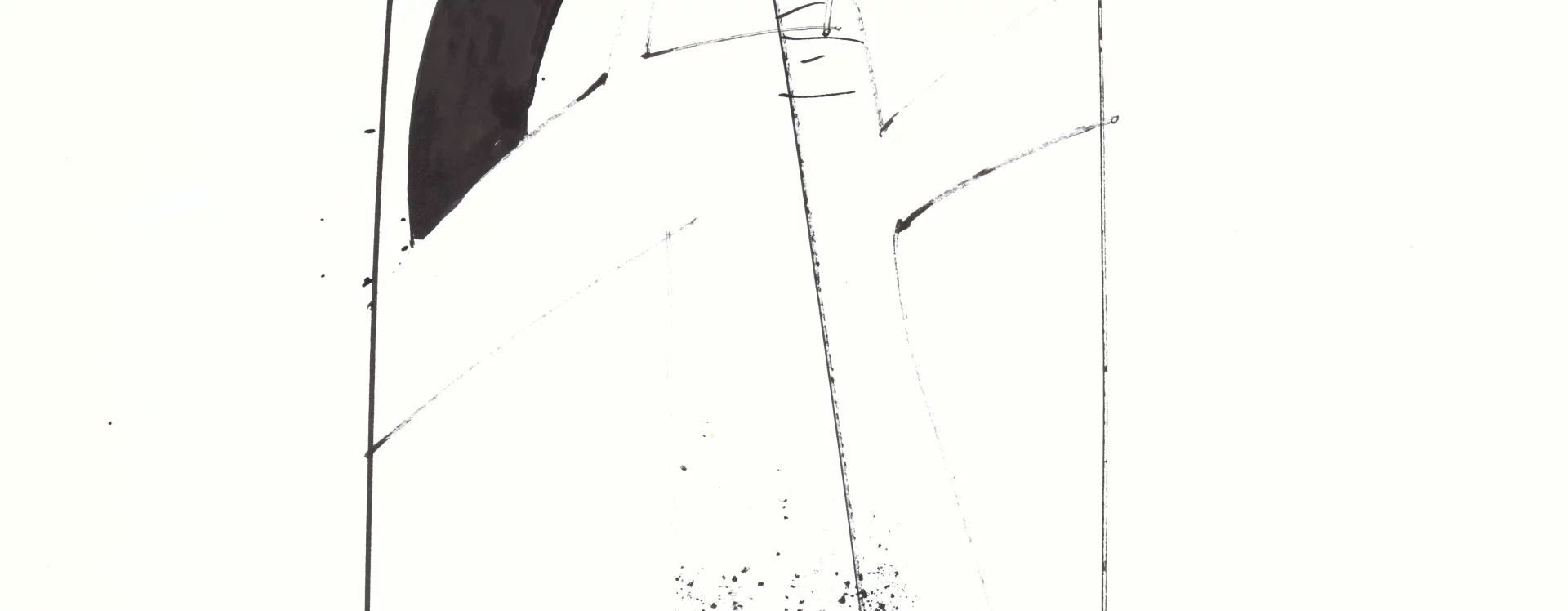
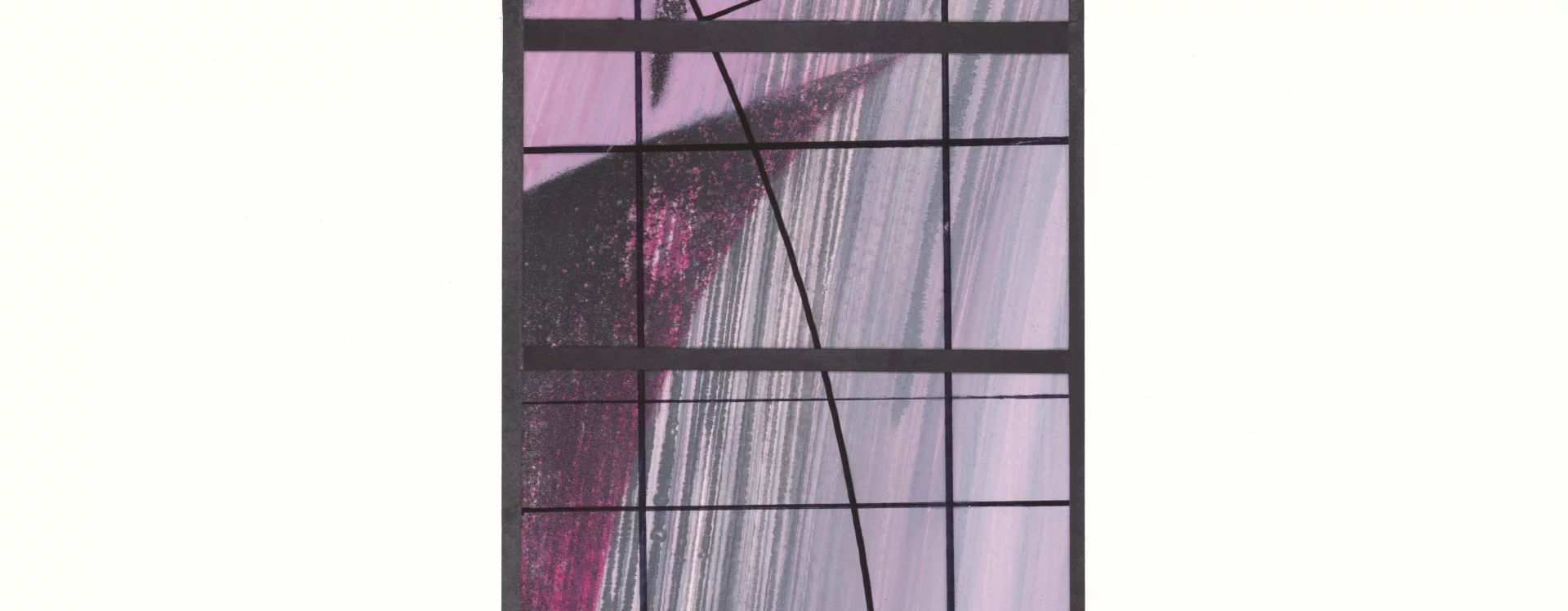
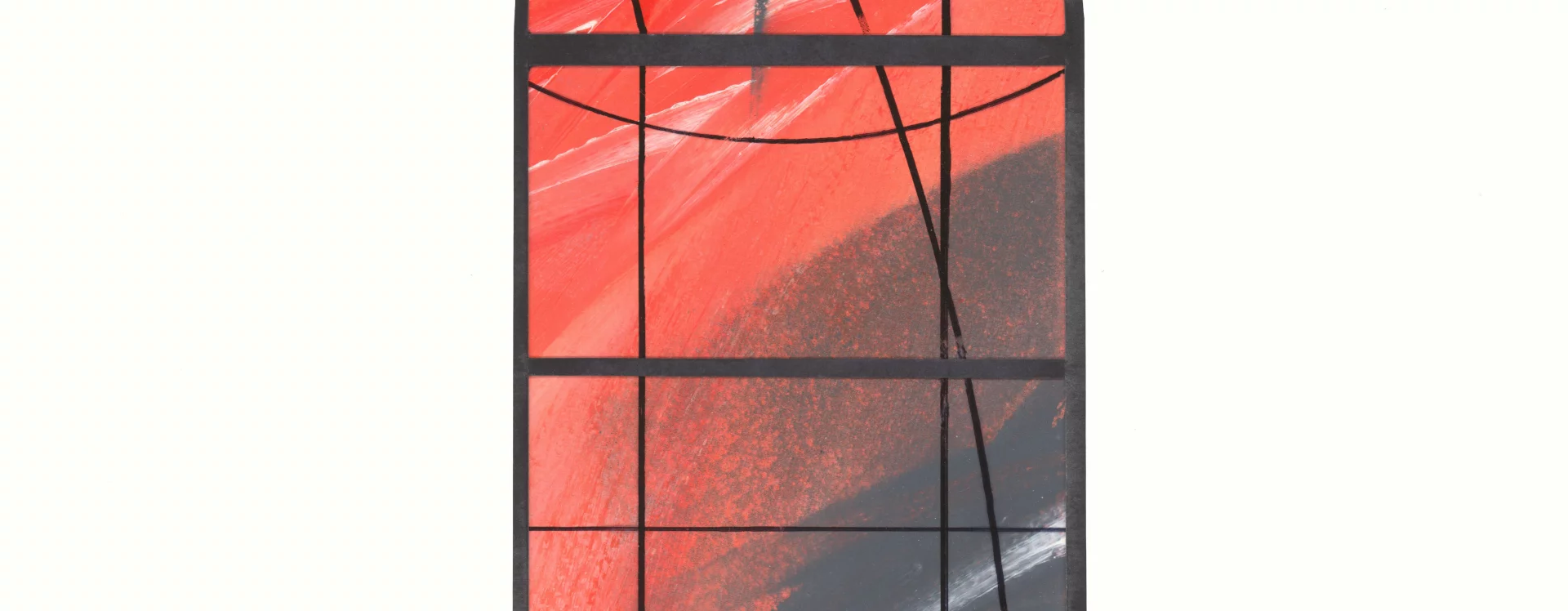
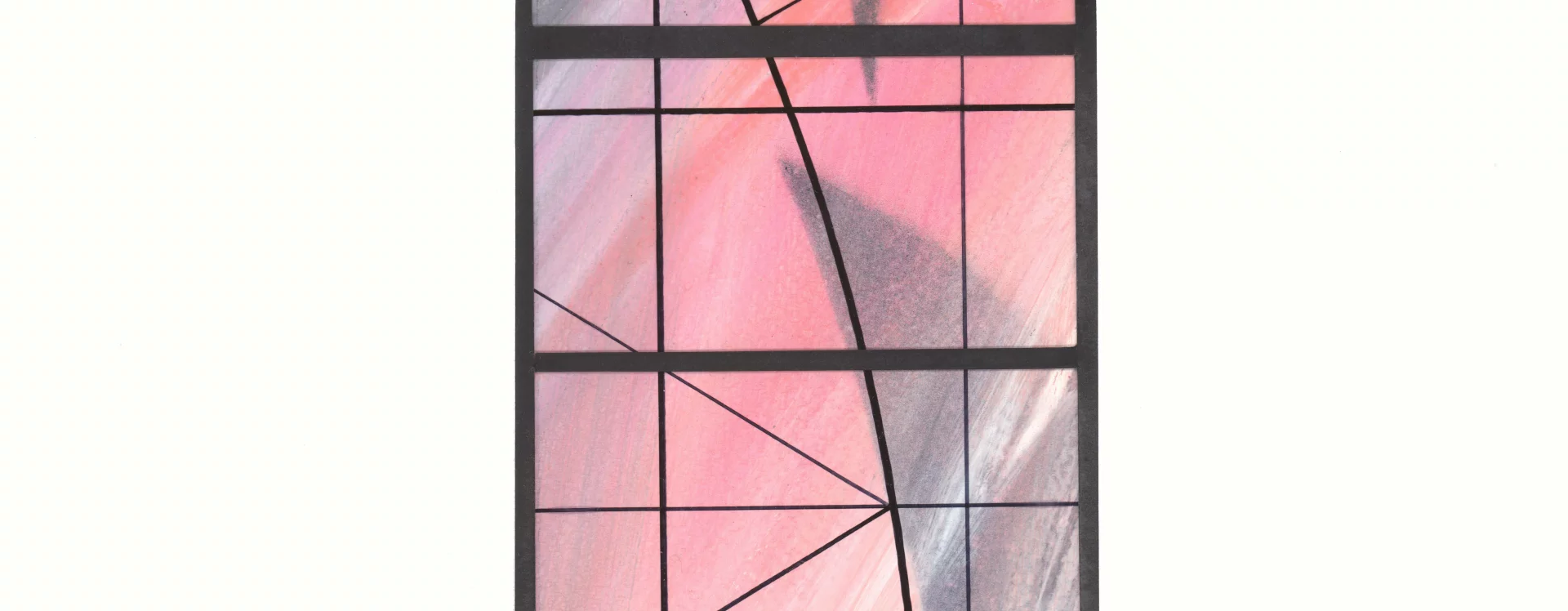
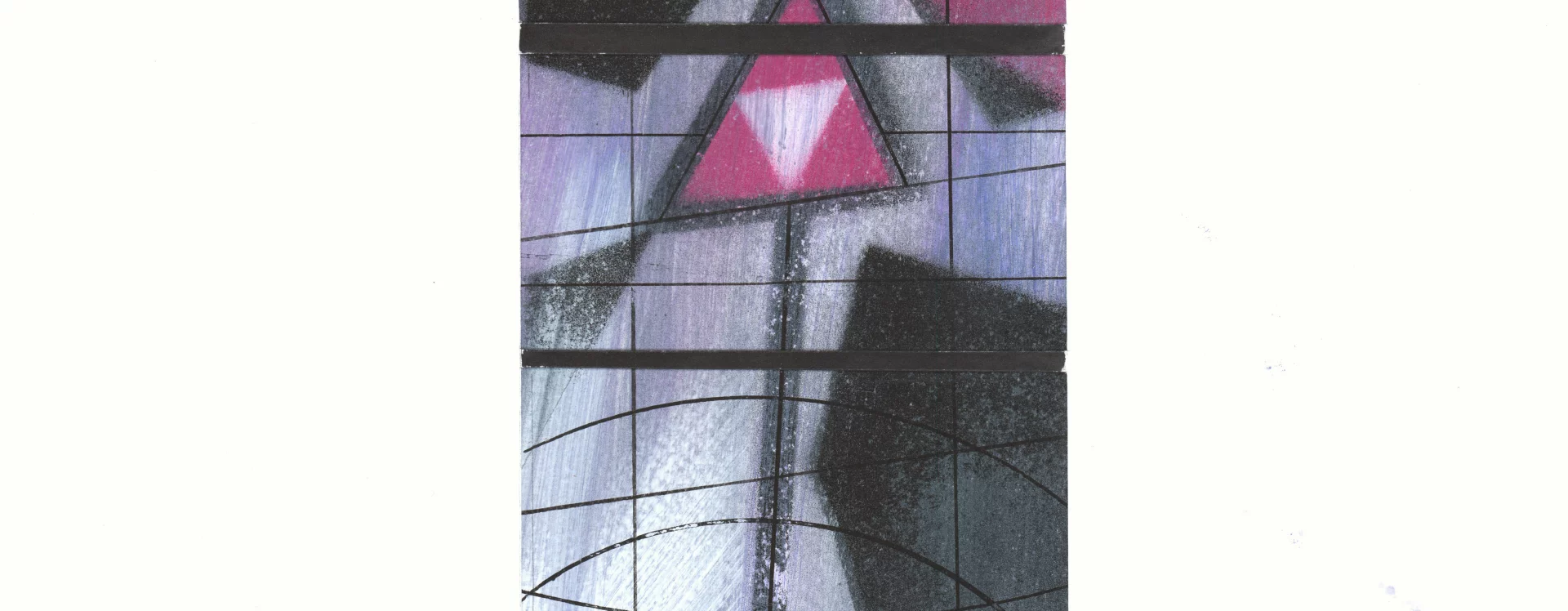
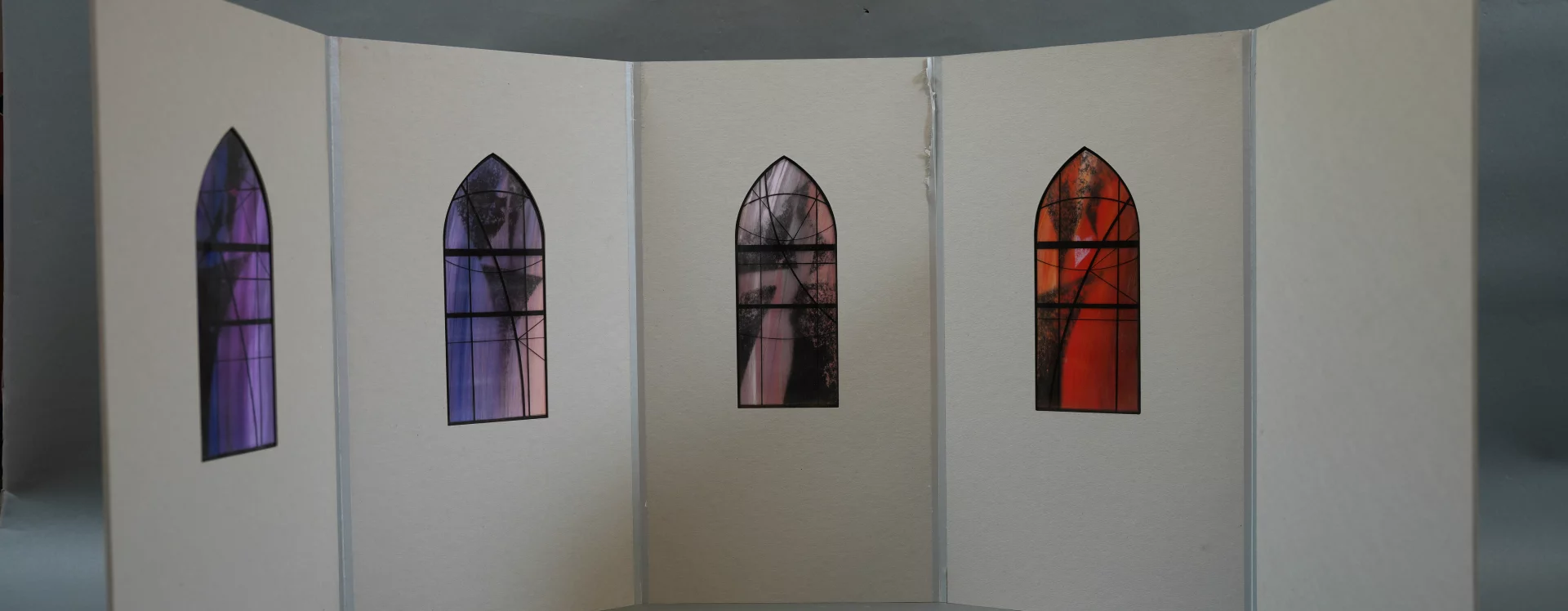
A modern addition to the church’s interior is a set of four stained-glass windows installed in the presbytery, which were designed in 2006 for the church by the Havlíčkův Brod glass artist Jan Exnar (1951) in collaboration with Jiří Černohorský’s Vitraj studio. Each window depicts a particular time of day with its shifting colours, expressed through an abstract figure of an angel and St Adalbert. The individual windows have their own iconography, reflecting the Christian symbolism of hope, faith, and love.
The first window on the left, entitled Night (Nox), depicts an angelic figure with a star—a symbol of hope and beginnings. The second window, Morning (Luce prima), shows an angel with open wings and the symbol of a tear on its chest. The subject of the third, central window, entitled Day (Lux), is St Vojtěch, the patron of the church; his figure, pierced by a spear, is accompanied by the dove of the Holy Spirit. The last window, Evening (Radius ultima), portrays an evening angel in the colours of the setting sun and the final sunbeam. He is holding a shield with a heart—the symbol of love.
The designs for the stained-glass windows were created in consultation with representatives from the National Heritage Institute during the preparation of the preliminary studies, and they influenced the final form of the proposals. Jan Exnar also created models of the windows and produced the motifs in oil paintings. For security reasons, the completed artworks had to be covered with protective netting, which unfortunately detracts from their artistic impact.
These comprehensive repairs to the church were followed by the town of Havlíčkův Brod’s restoration of the cemetery grounds, which could once again begin to serve their original purpose.
Aleš Veselý, 2025
Literature
Alena Jindrová. Kostel sv. Vojtěcha. In: Martin Firon (ed.). Církevní památky v Havlíčkově Brodě. 2024, p. 76-78. ISBN 978-80-87302-47-7.
Sources
Osobní rozhovor s Janem Exnarem. 31. 7. 2025.
Archiv Jana a Hany Exnarových.
Jan Exnar. Vitraje v presbyteriu kostela sv. Vojtěcha v Havlíčkově Brodě.
Jan Vinař. Havlíčkův Brod, areál kostela sv. Vojtěcha. Projekt záchrany. 1996. archiv Galerie a muzea Vysočiny Havlíčkův Brod.