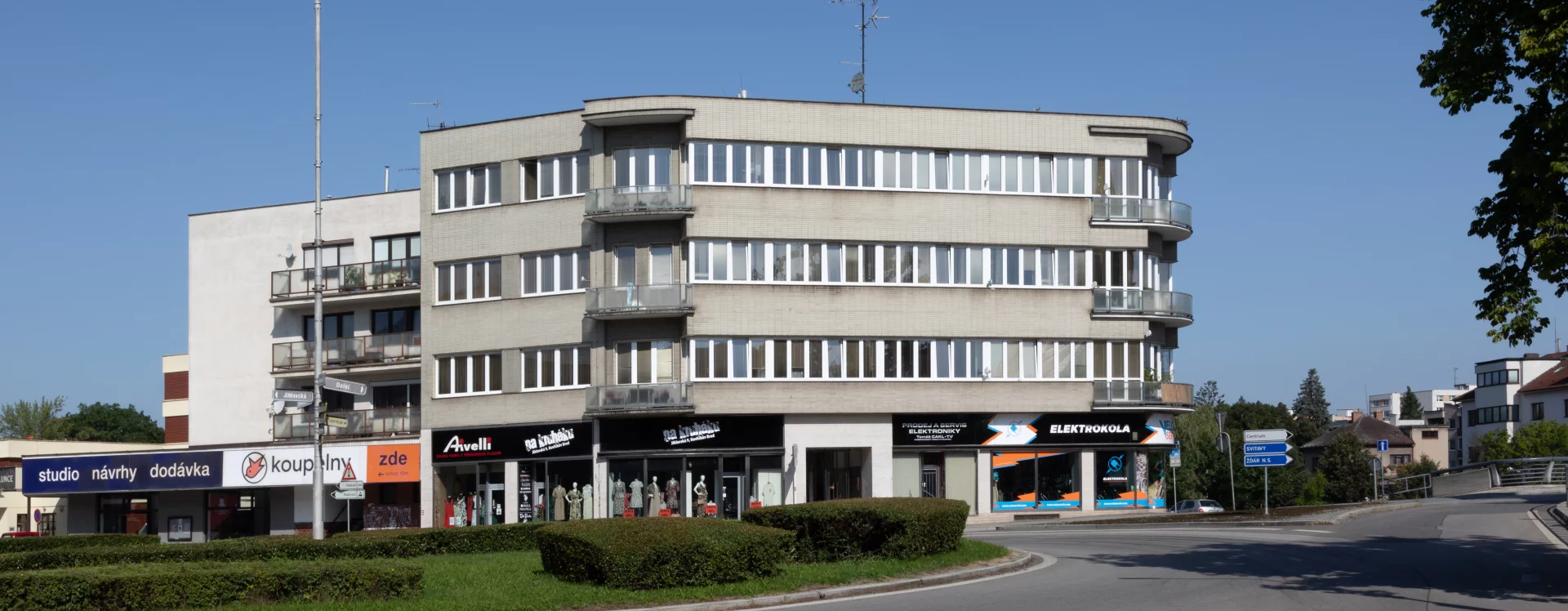
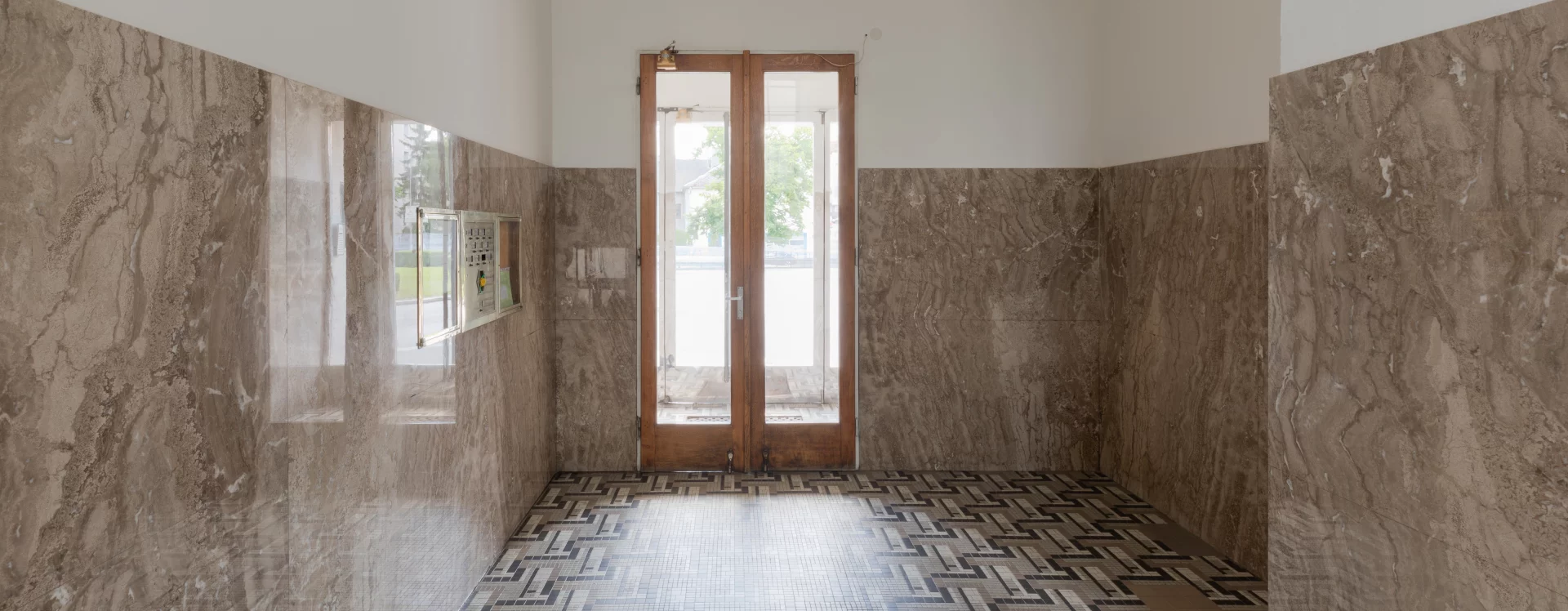
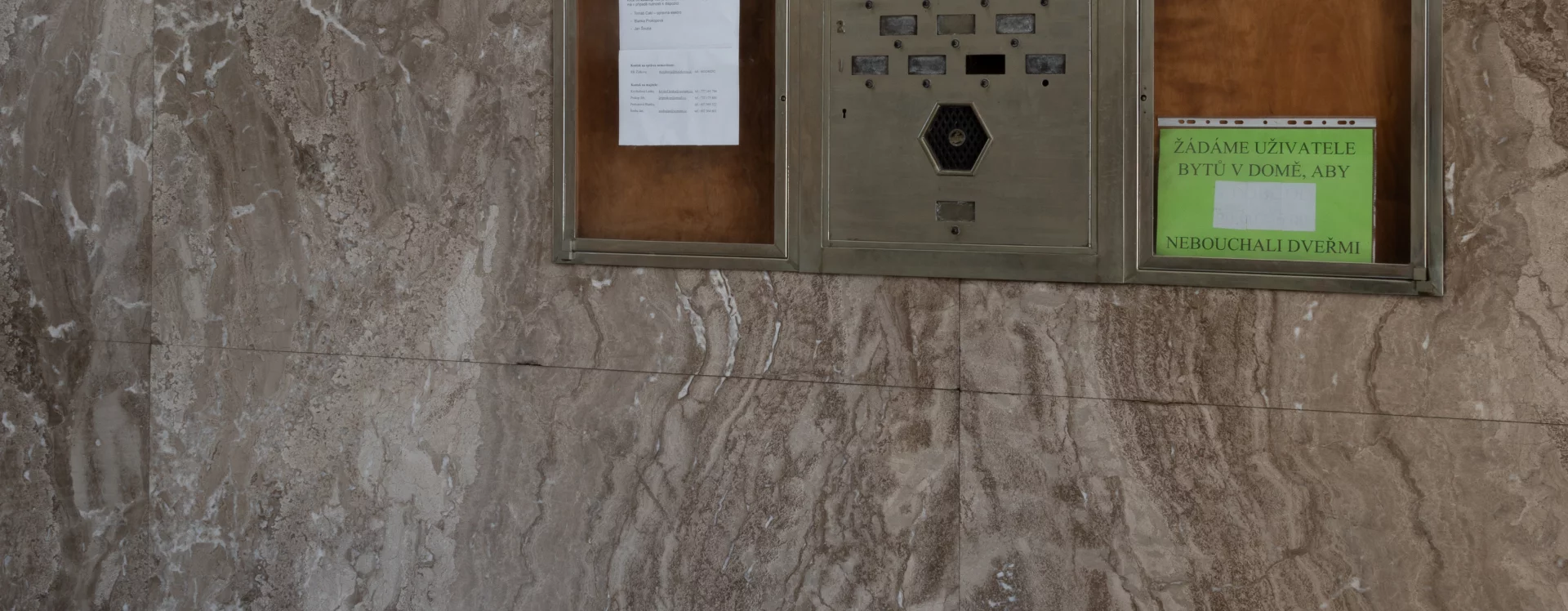
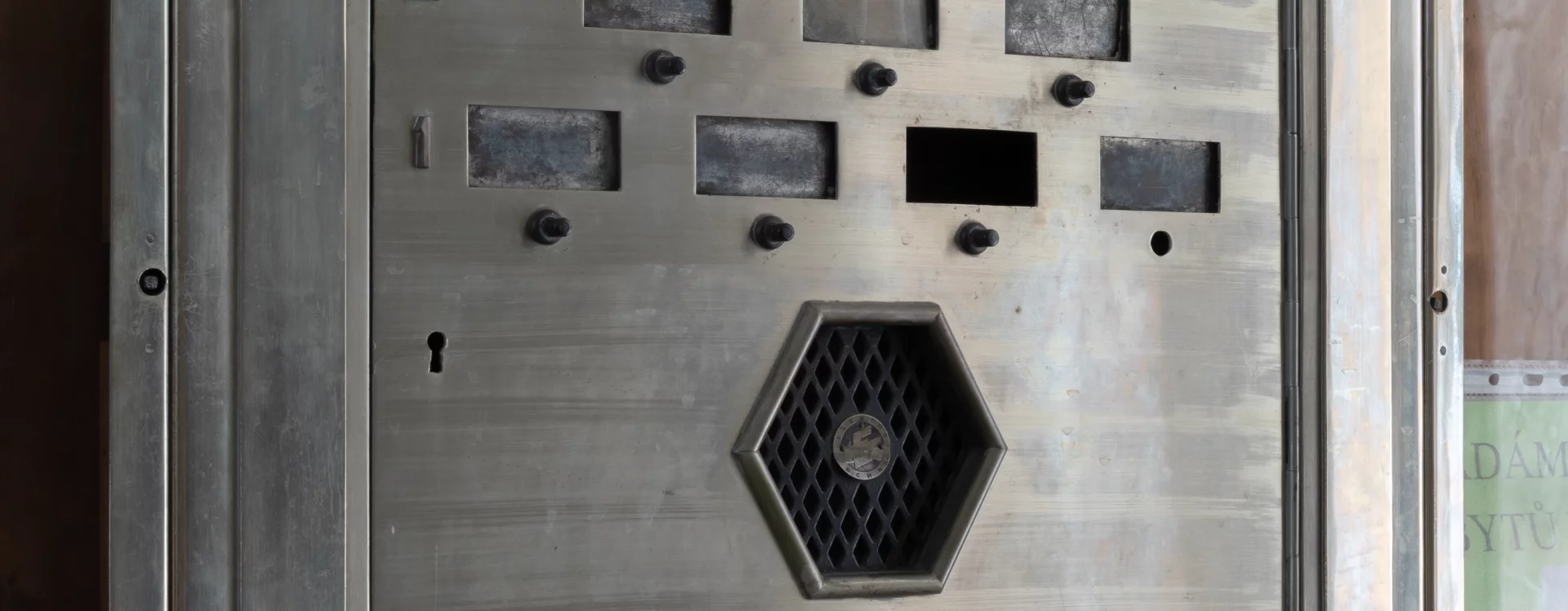
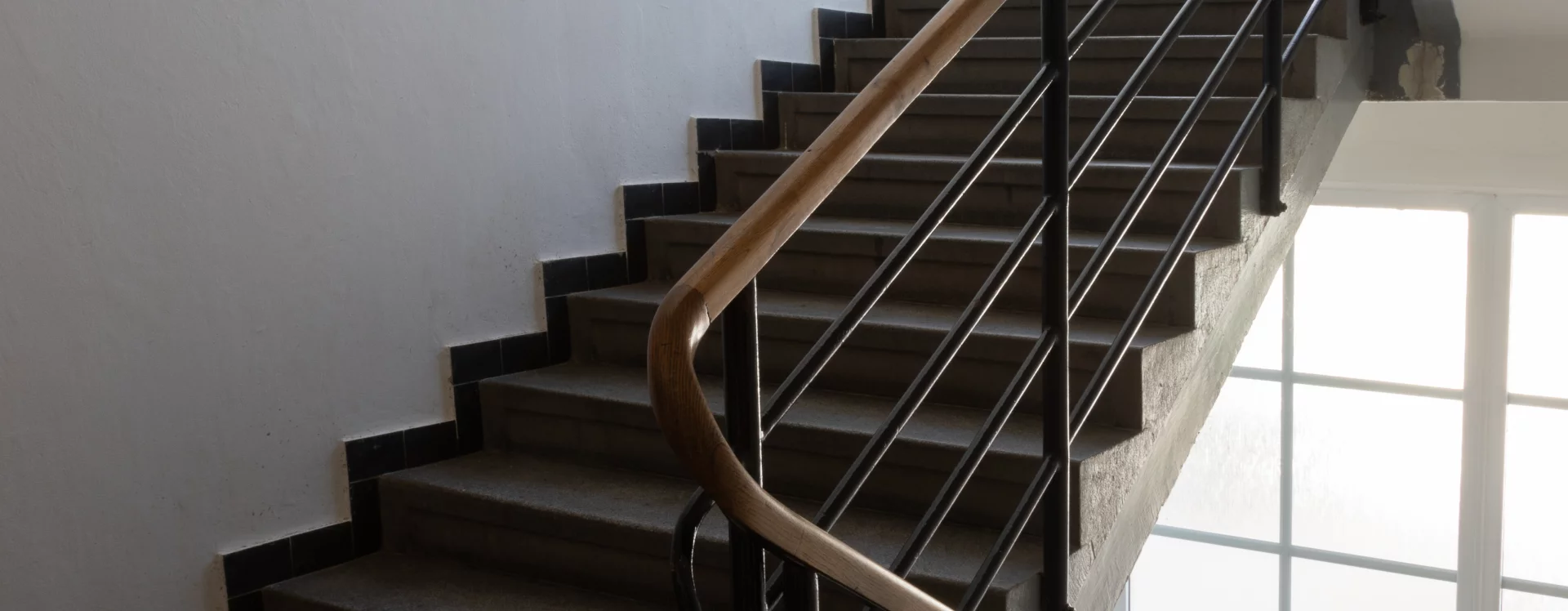



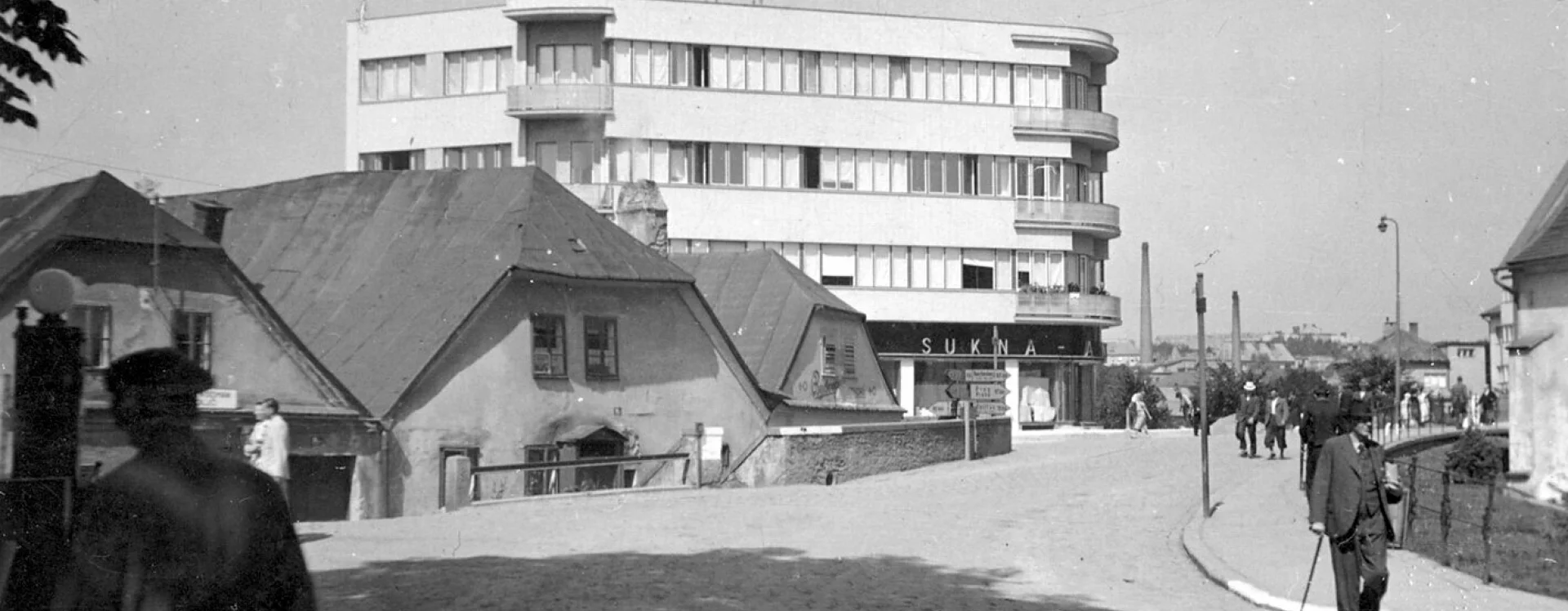
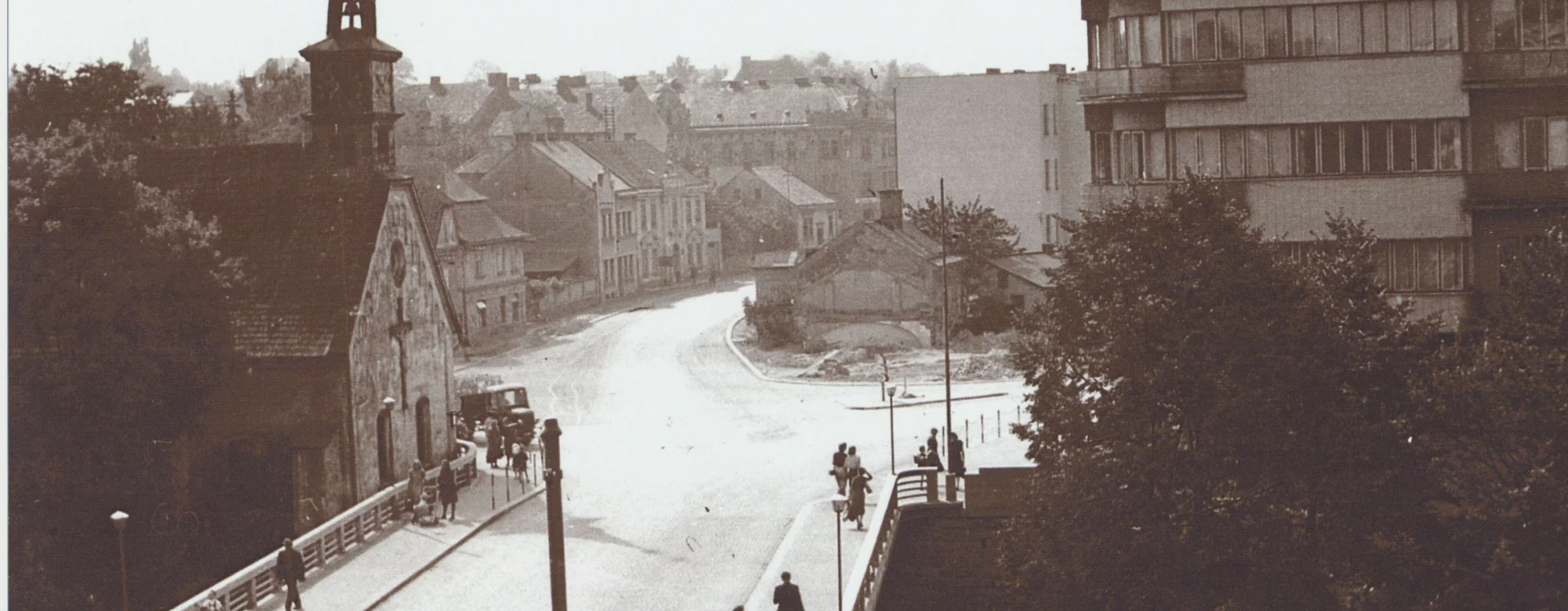
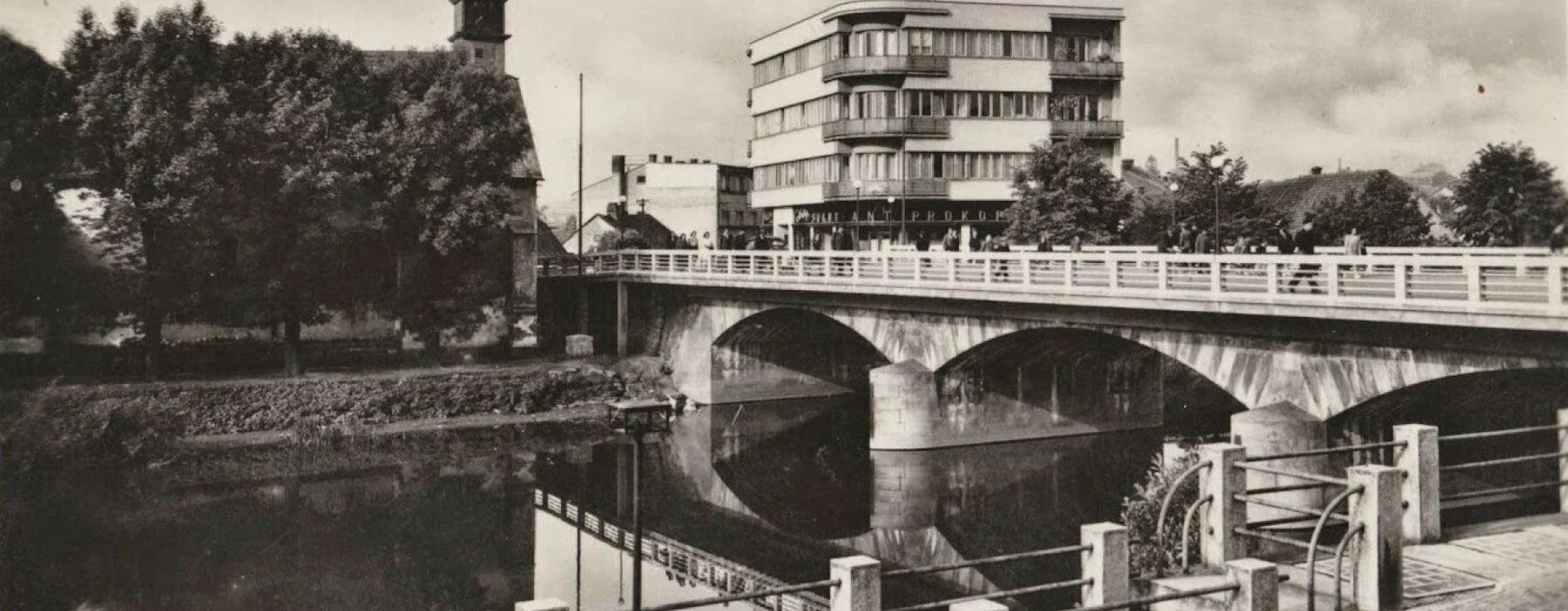
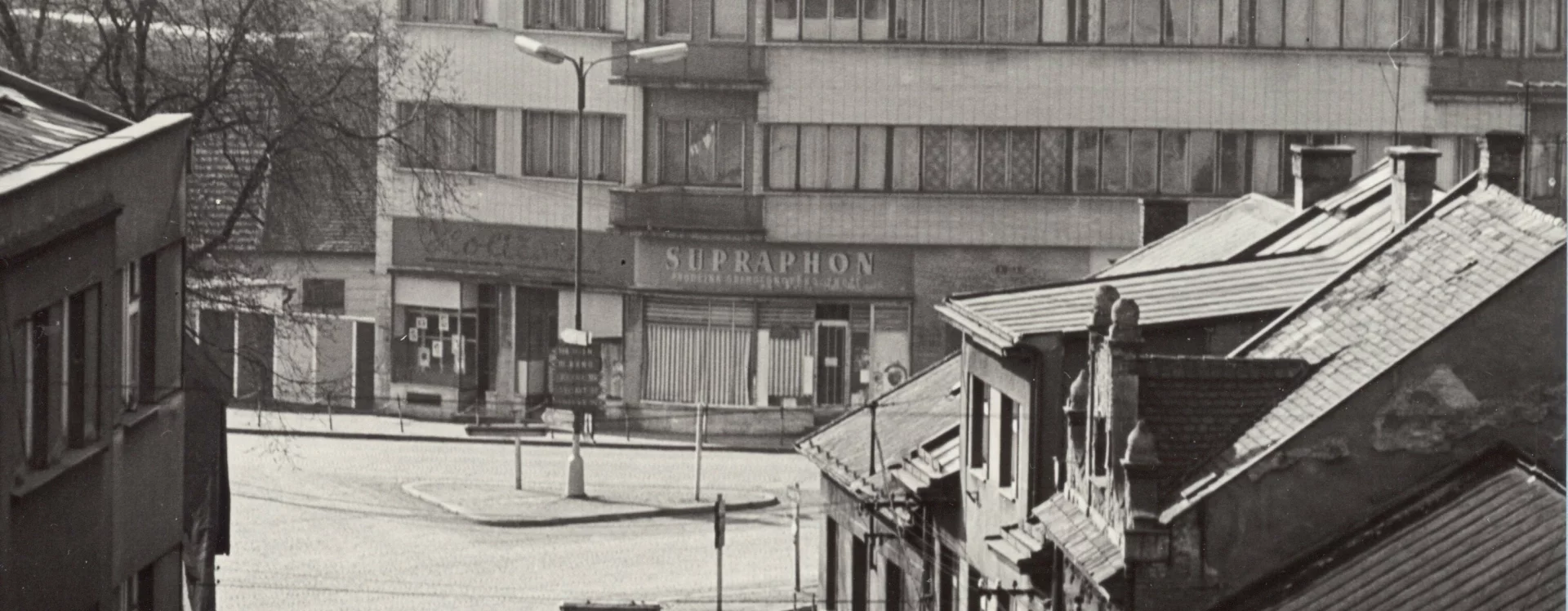
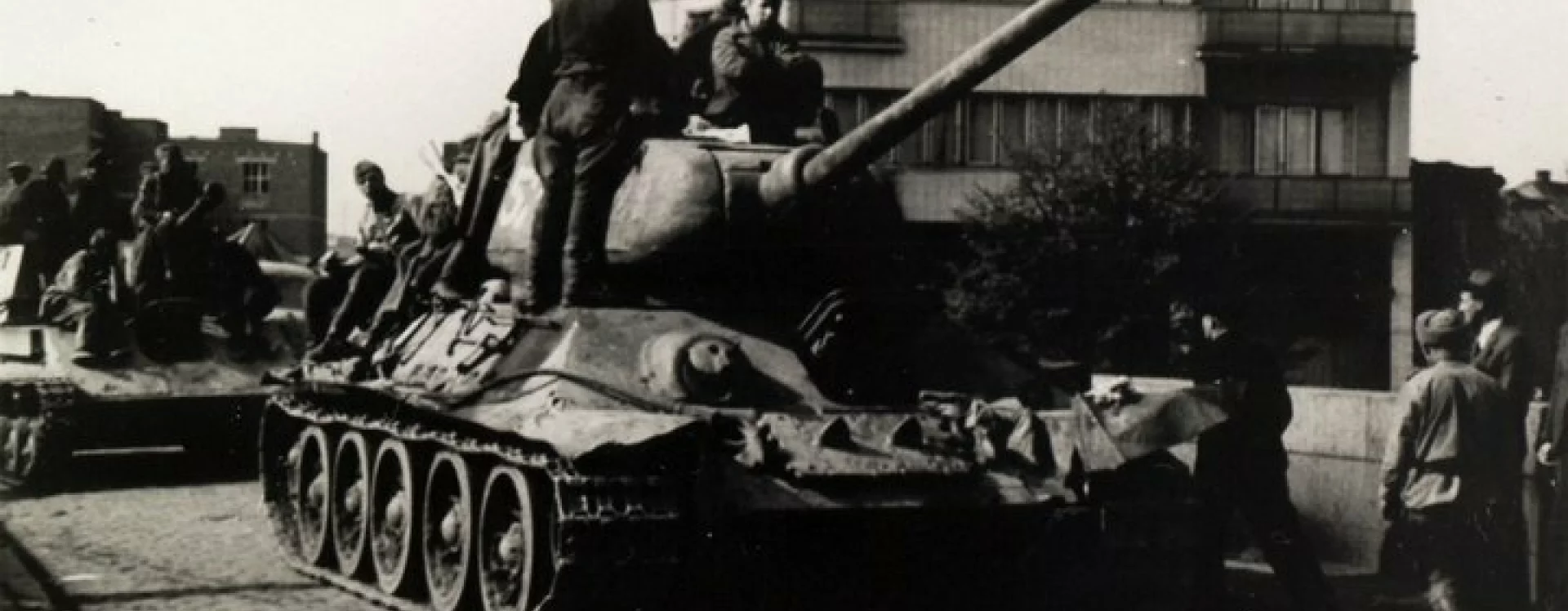
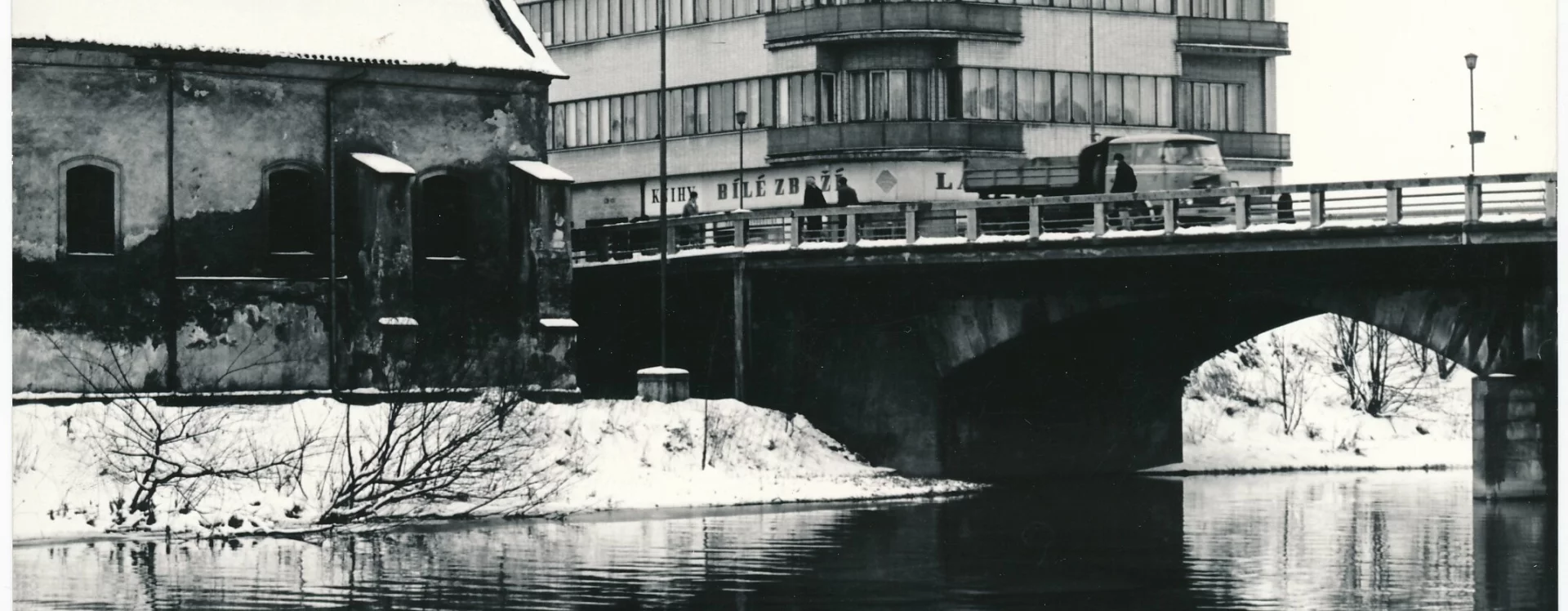
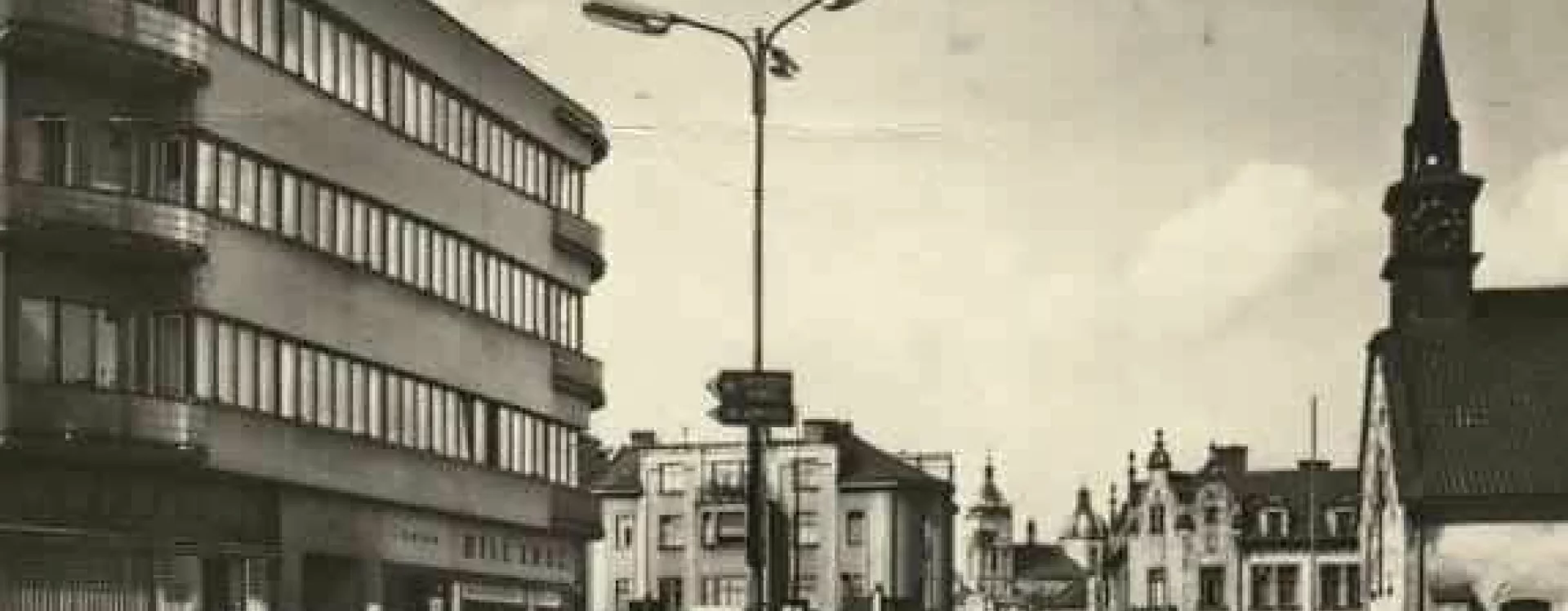
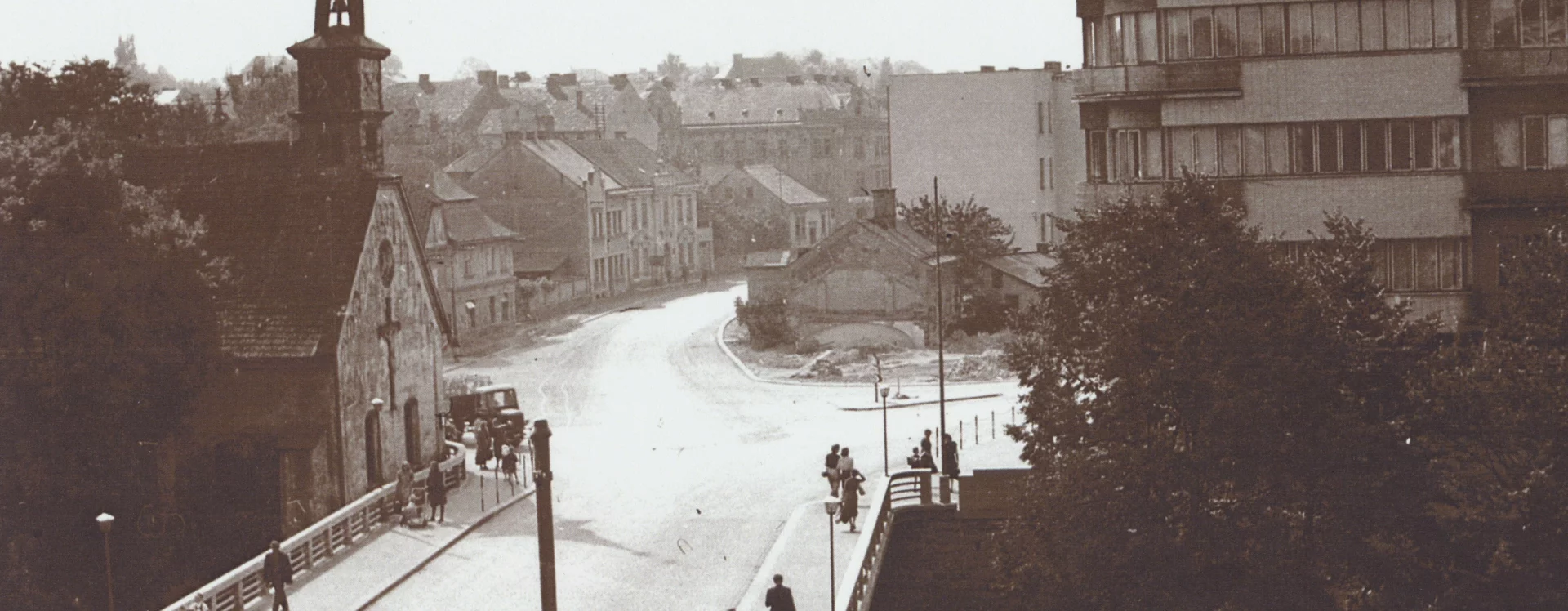
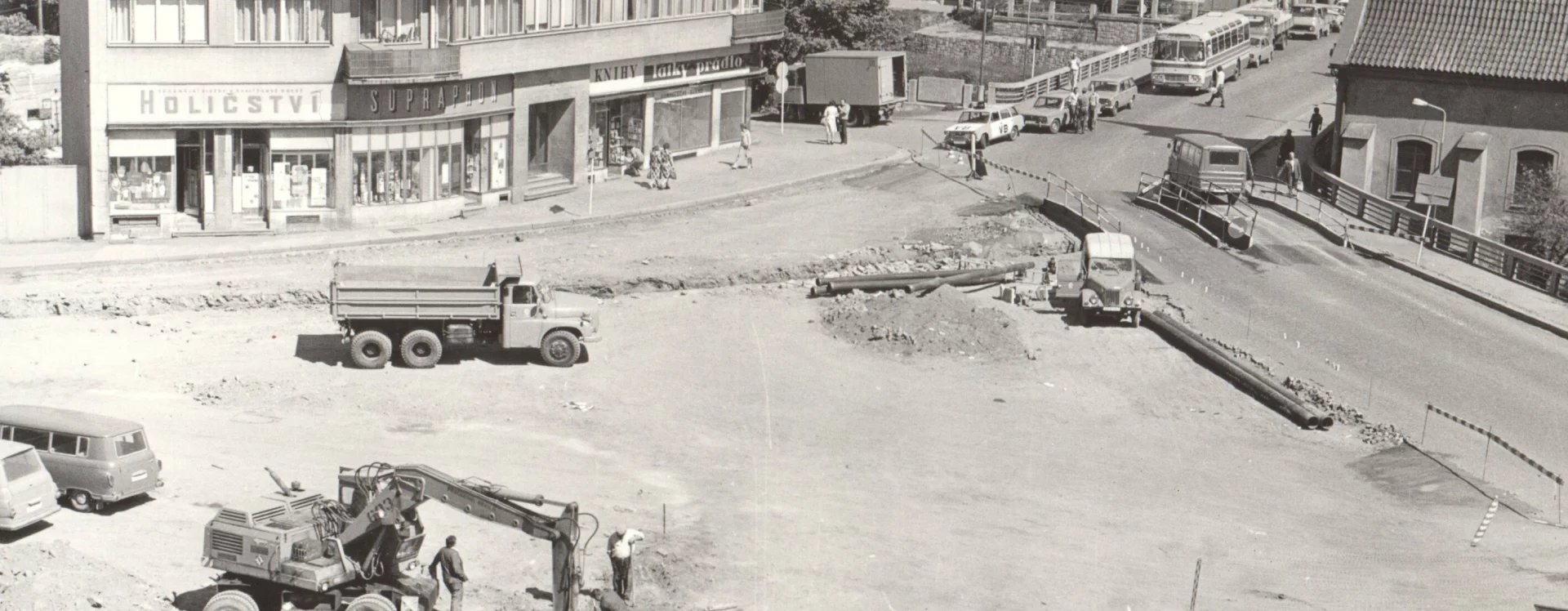
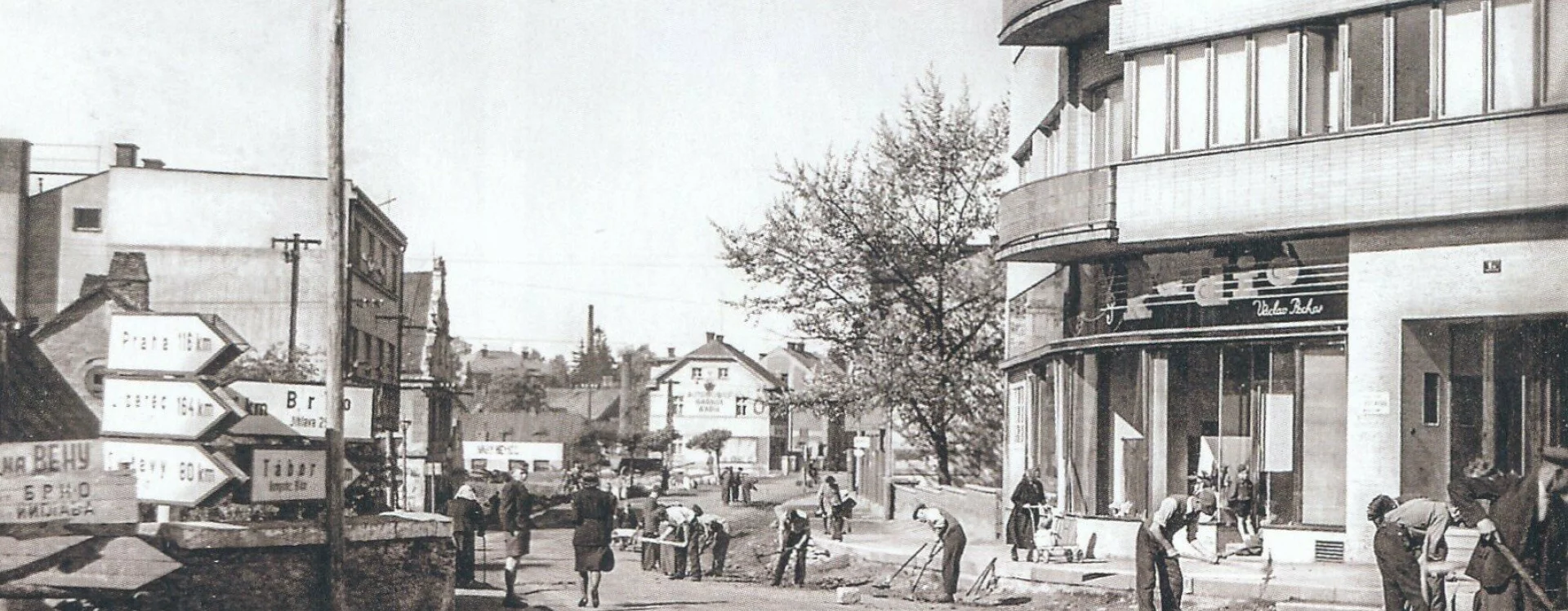
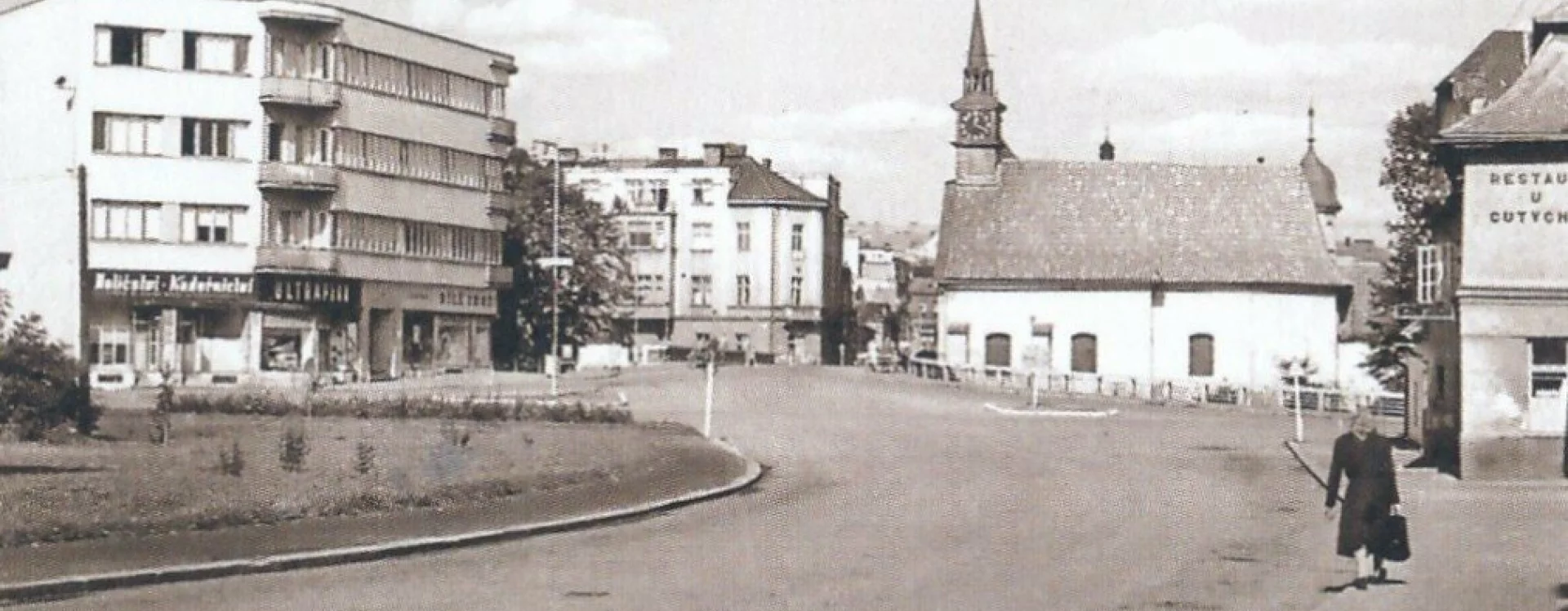
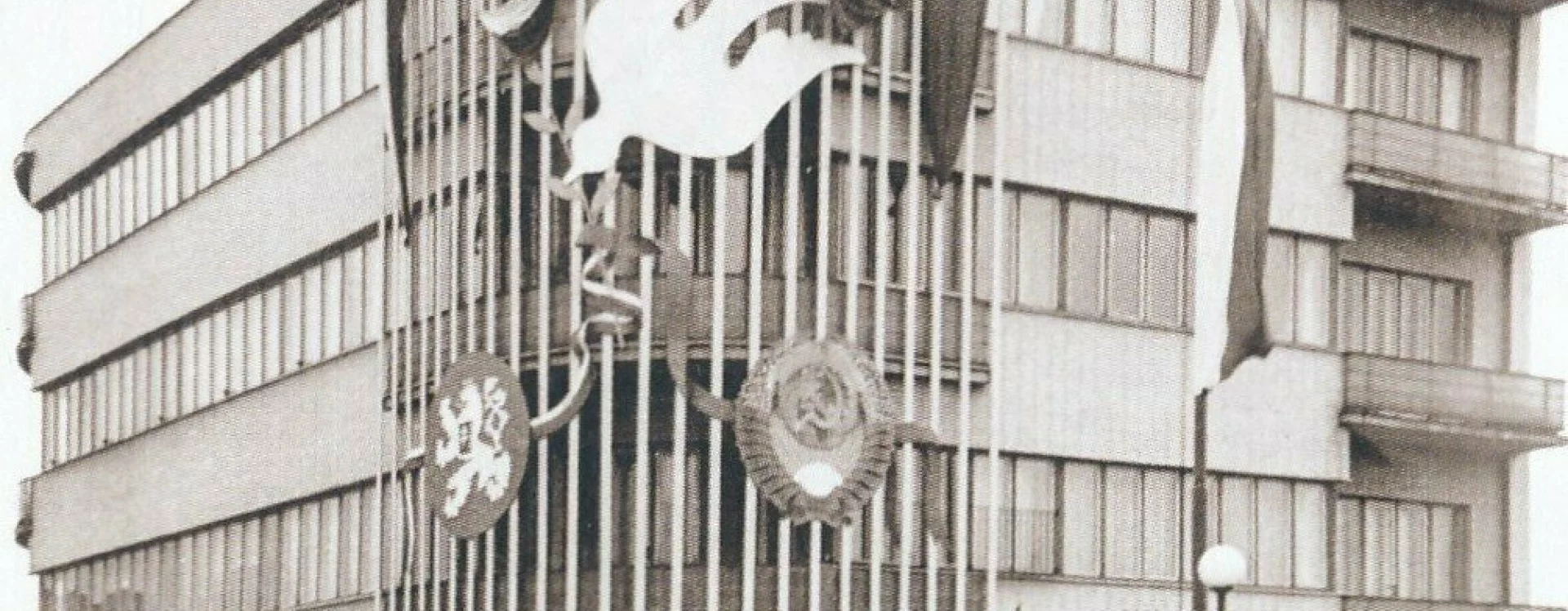
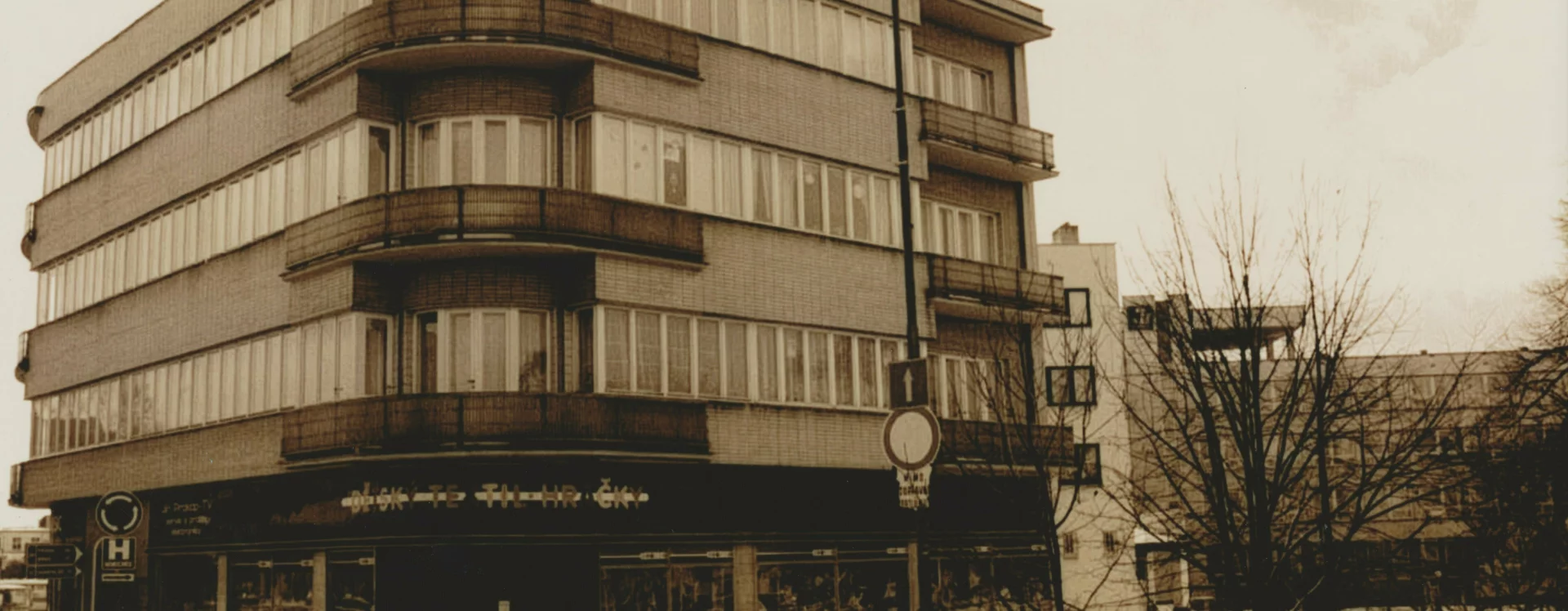
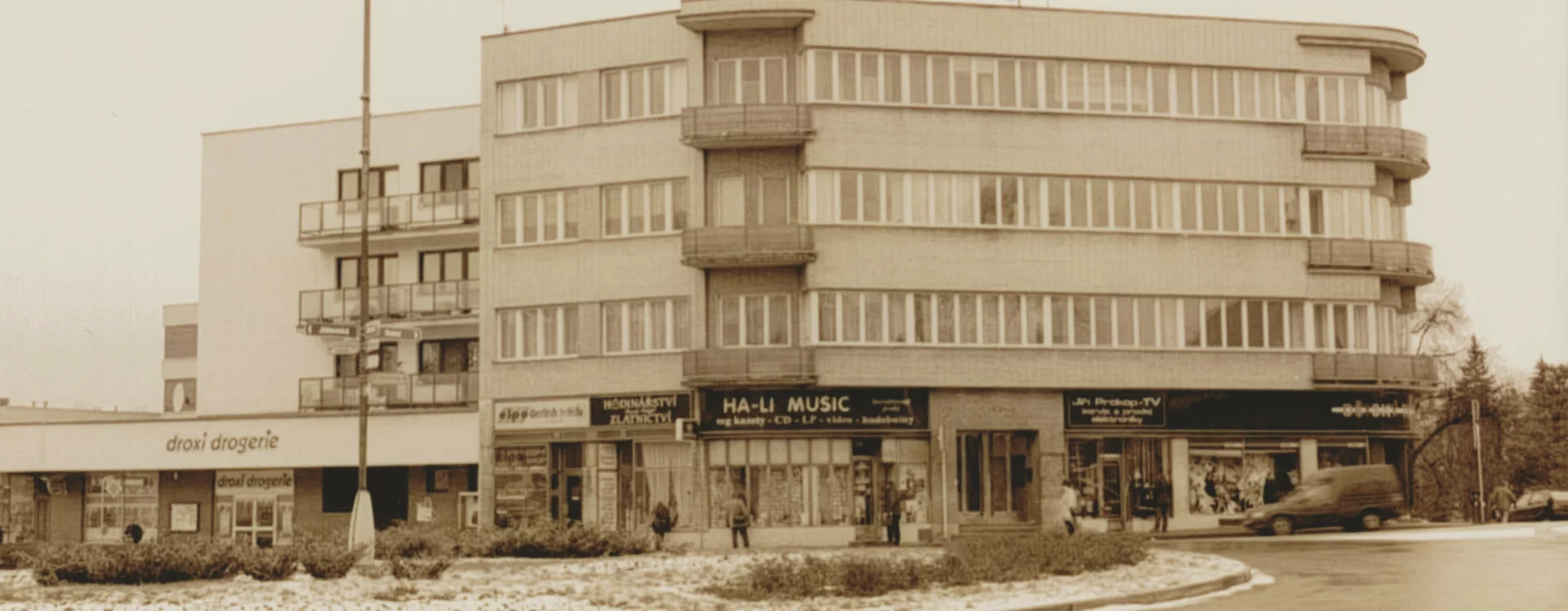
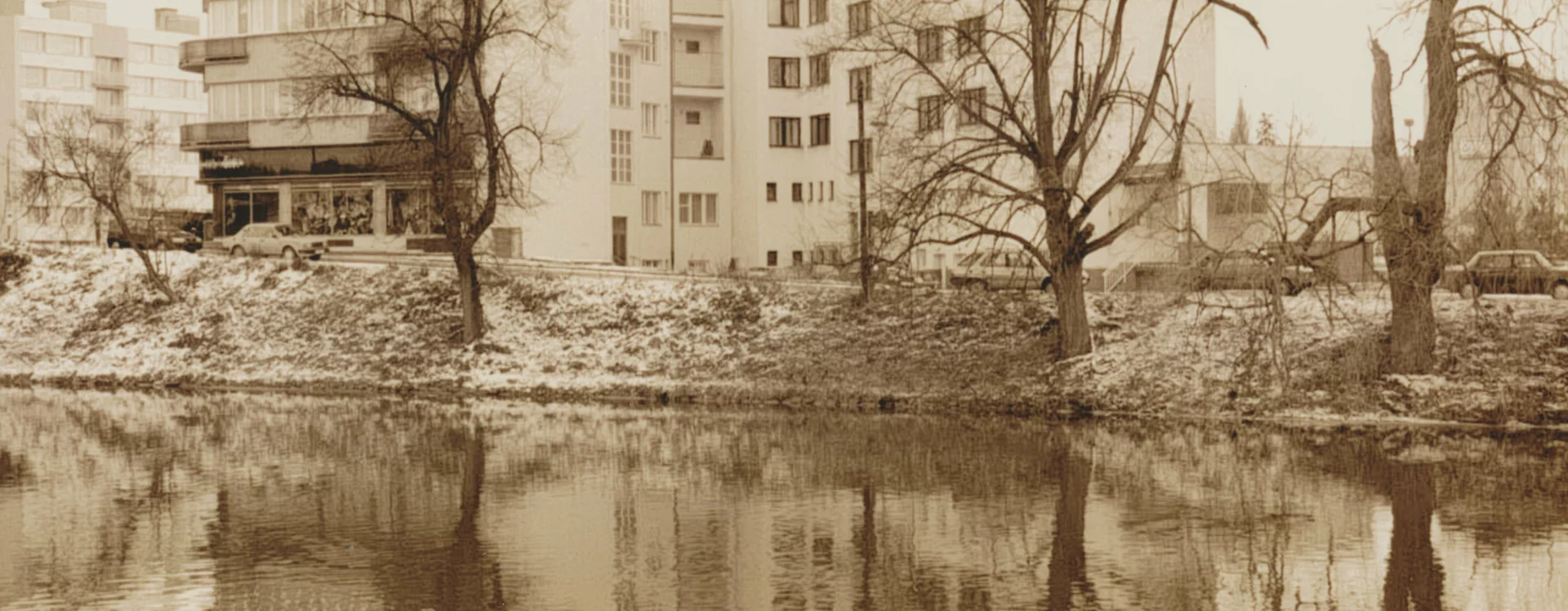
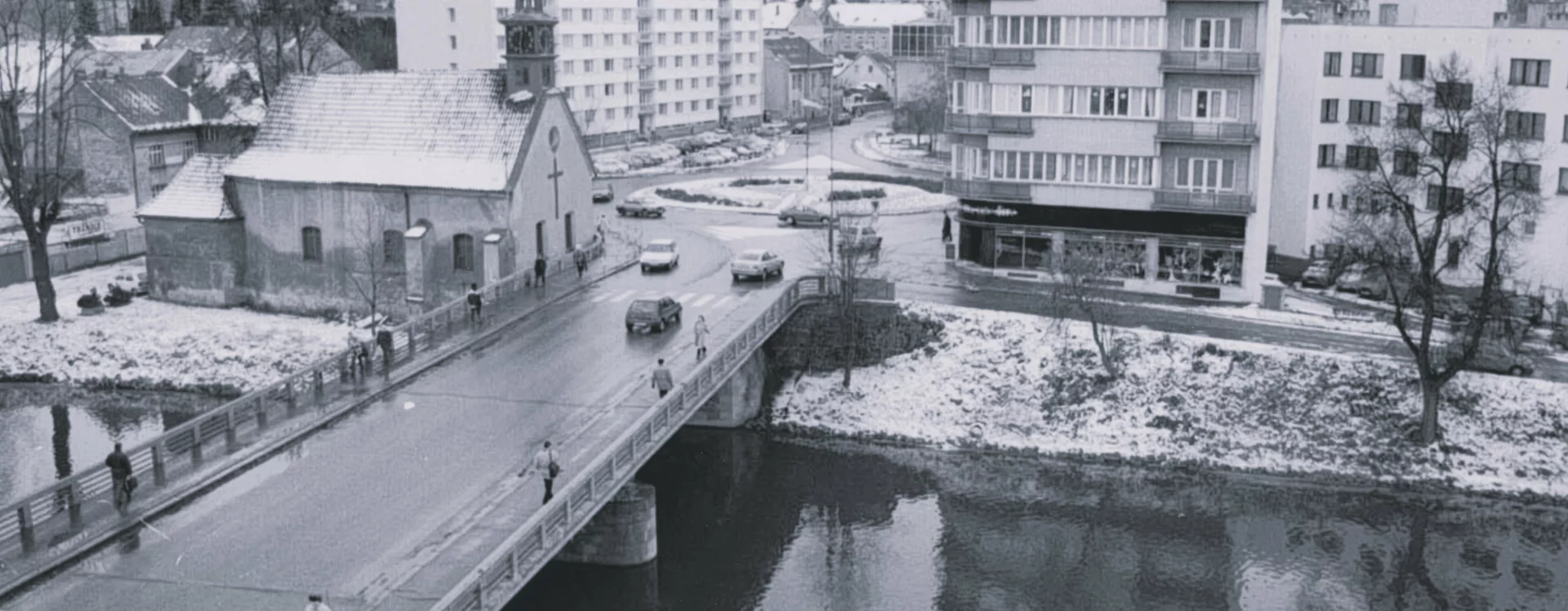
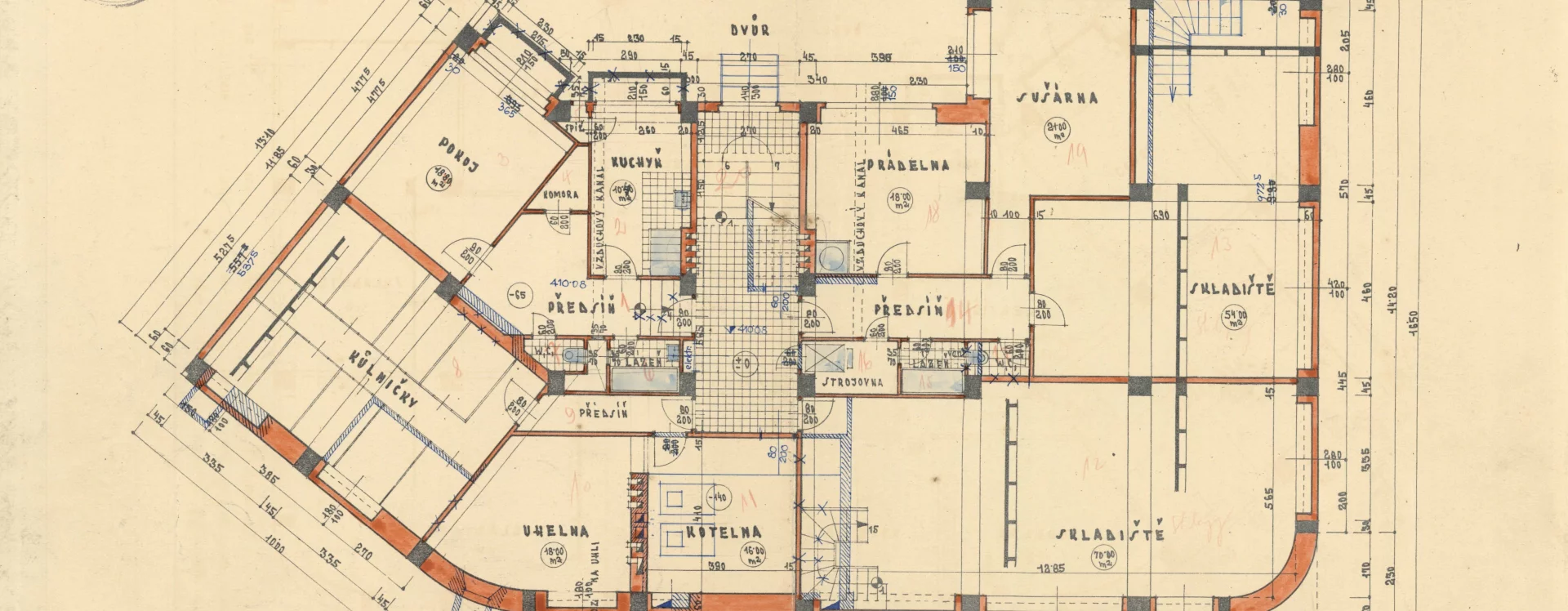
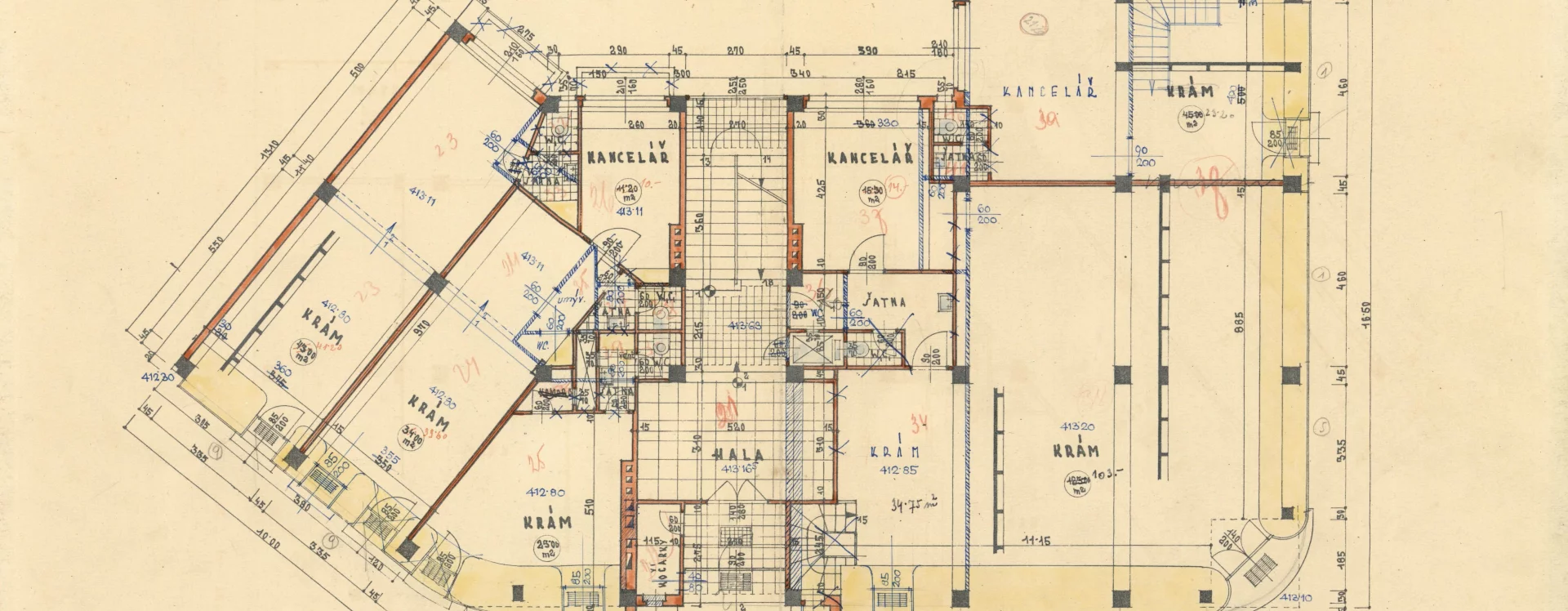
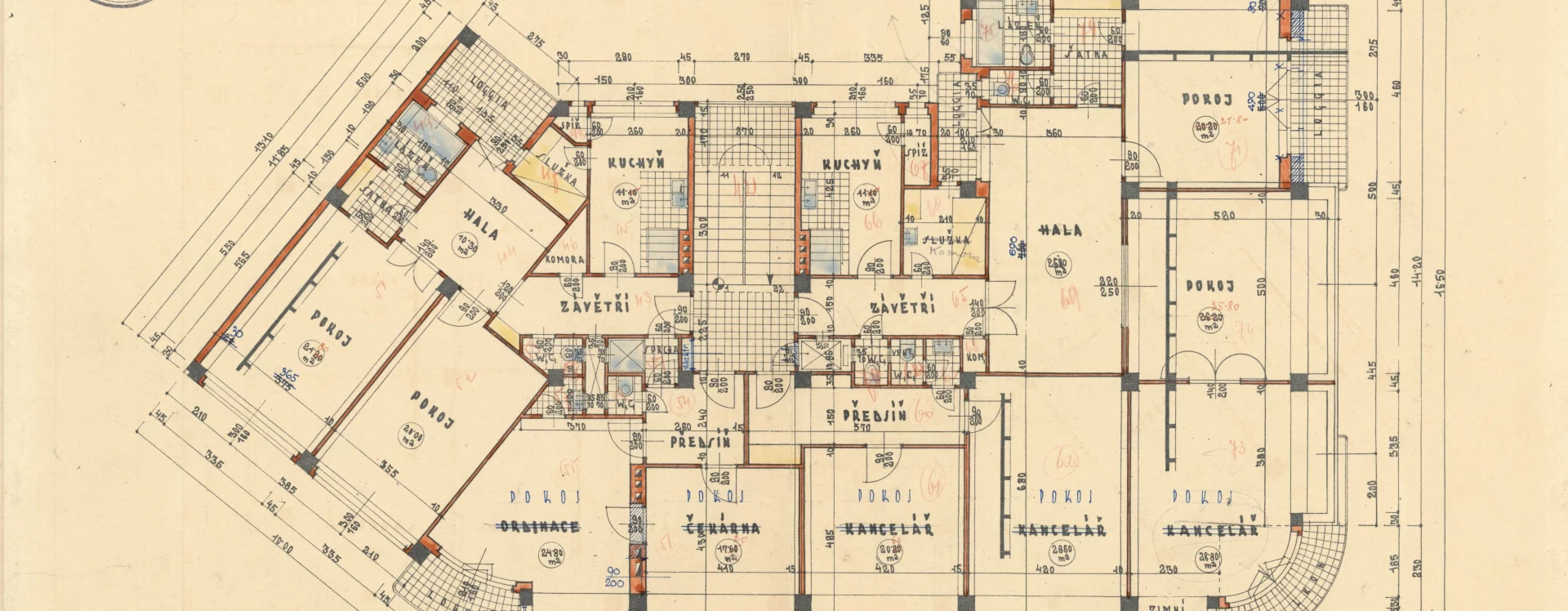
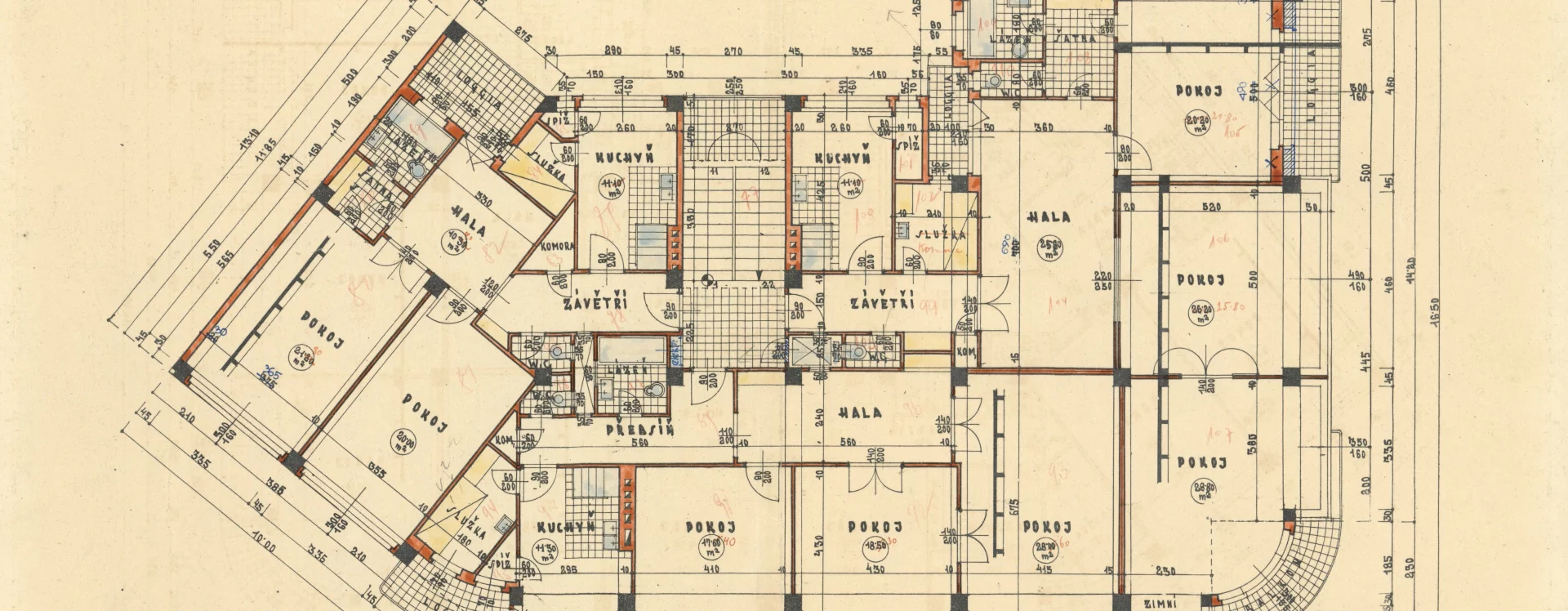
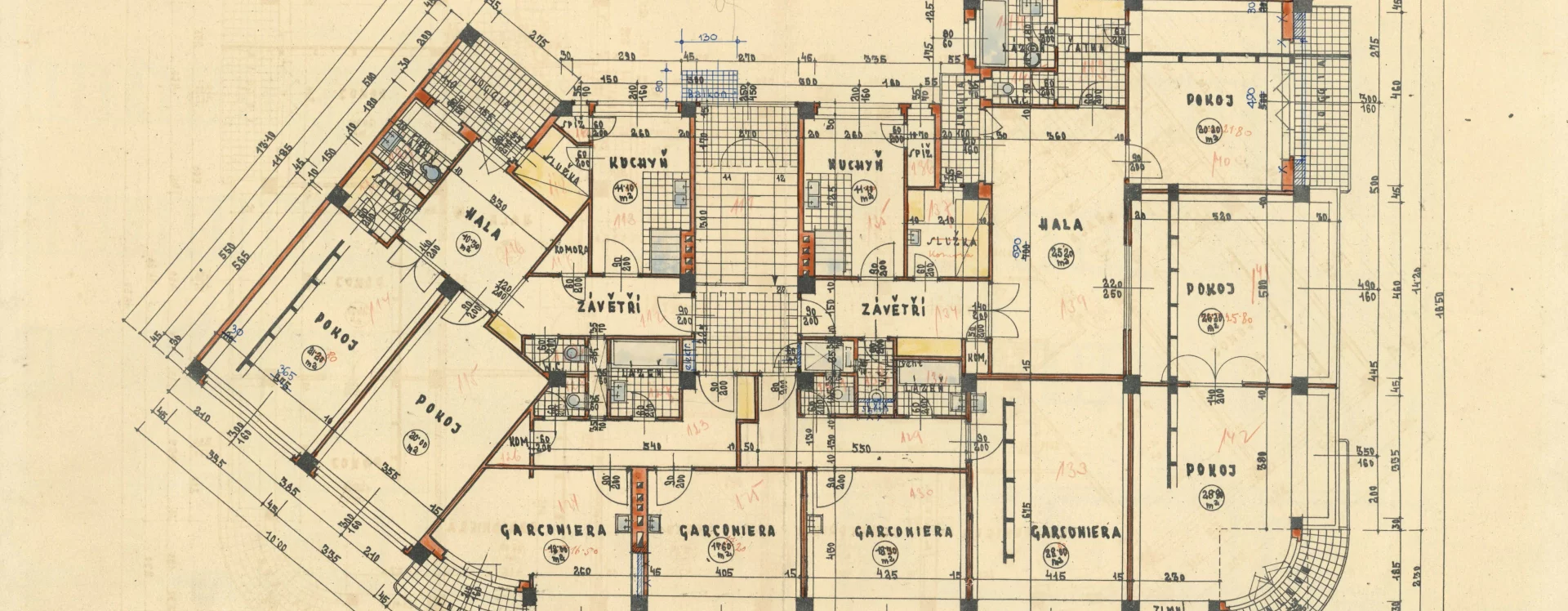
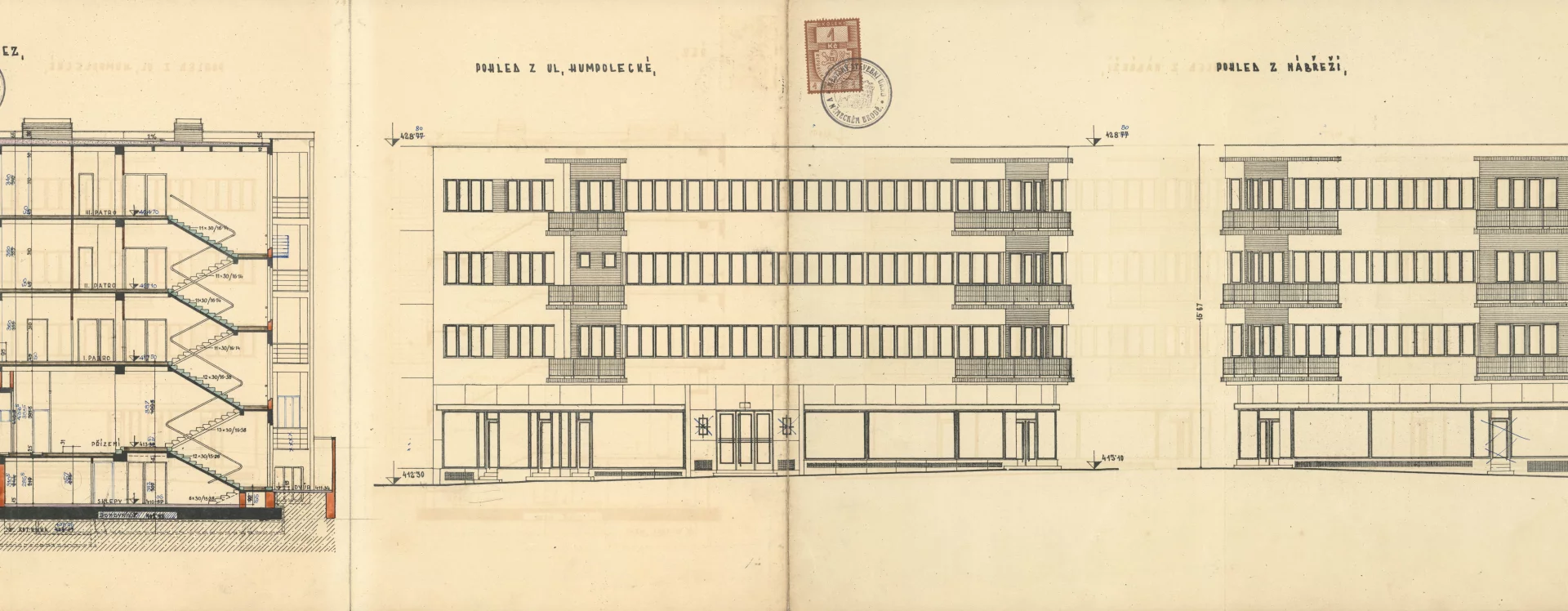
The rental building, known in the town as the Palace, is an example of high-quality, extremely elegant pre-war functionalist architecture. From the beginning, its owner, Dr Sobotka, intended it for commercial use—it offered shops, offices and flats for rent, ranging from luxury apartments to garrets on the top floor.
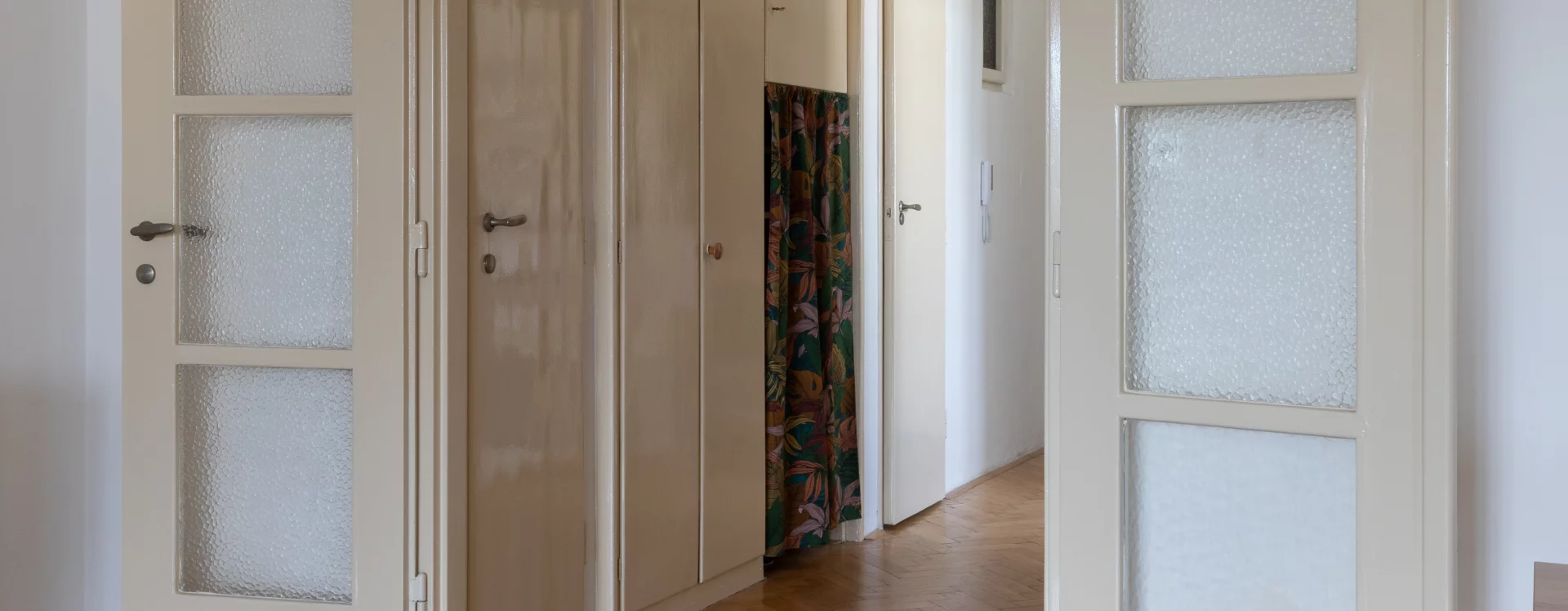
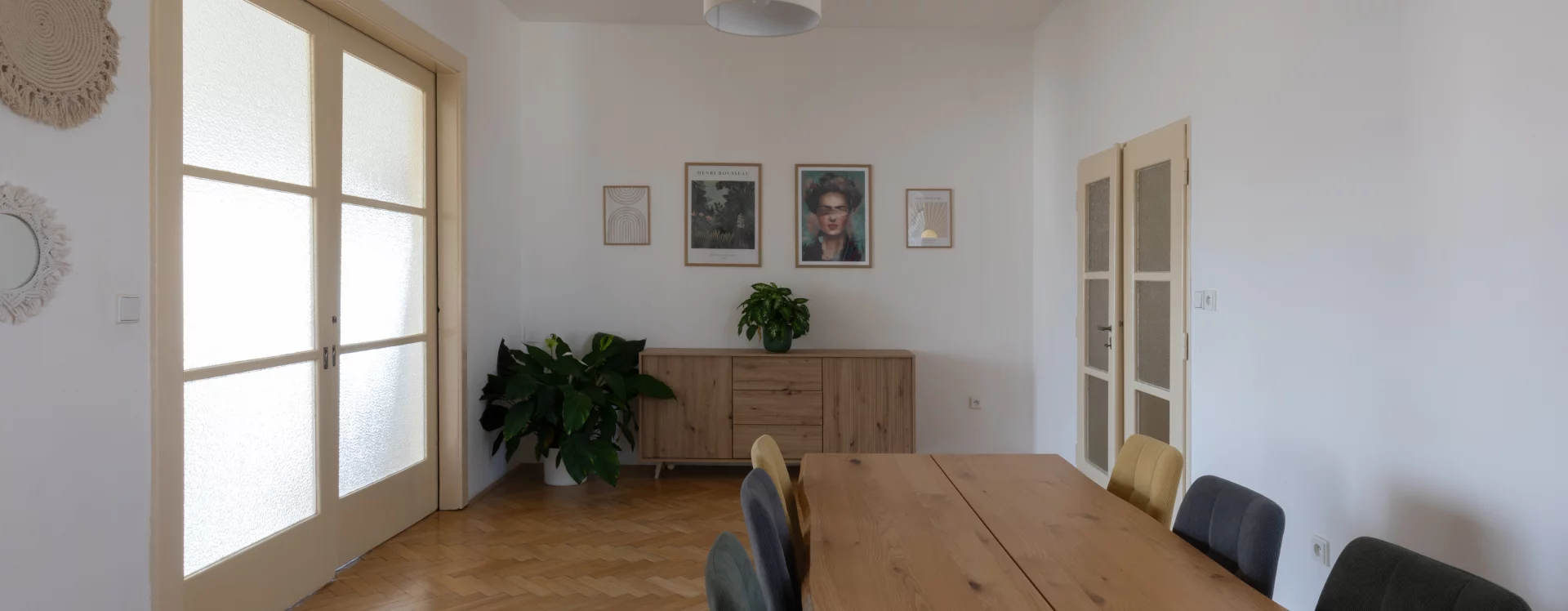
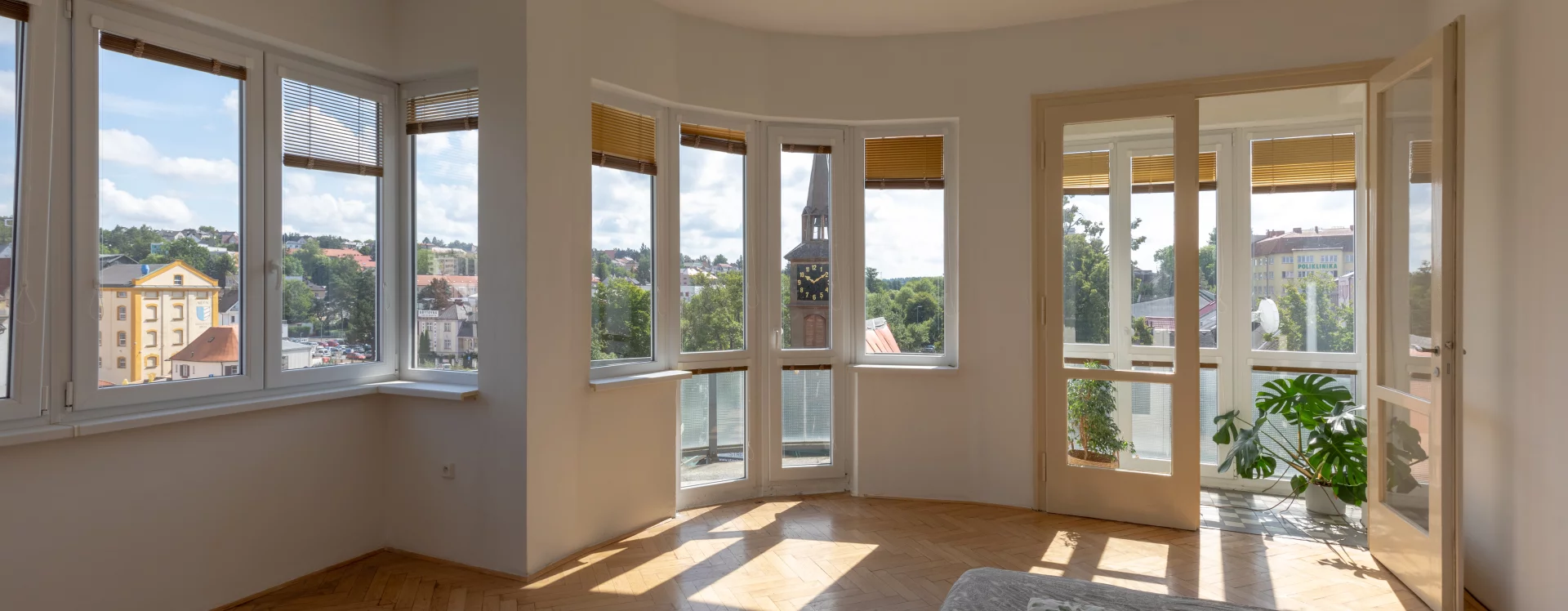
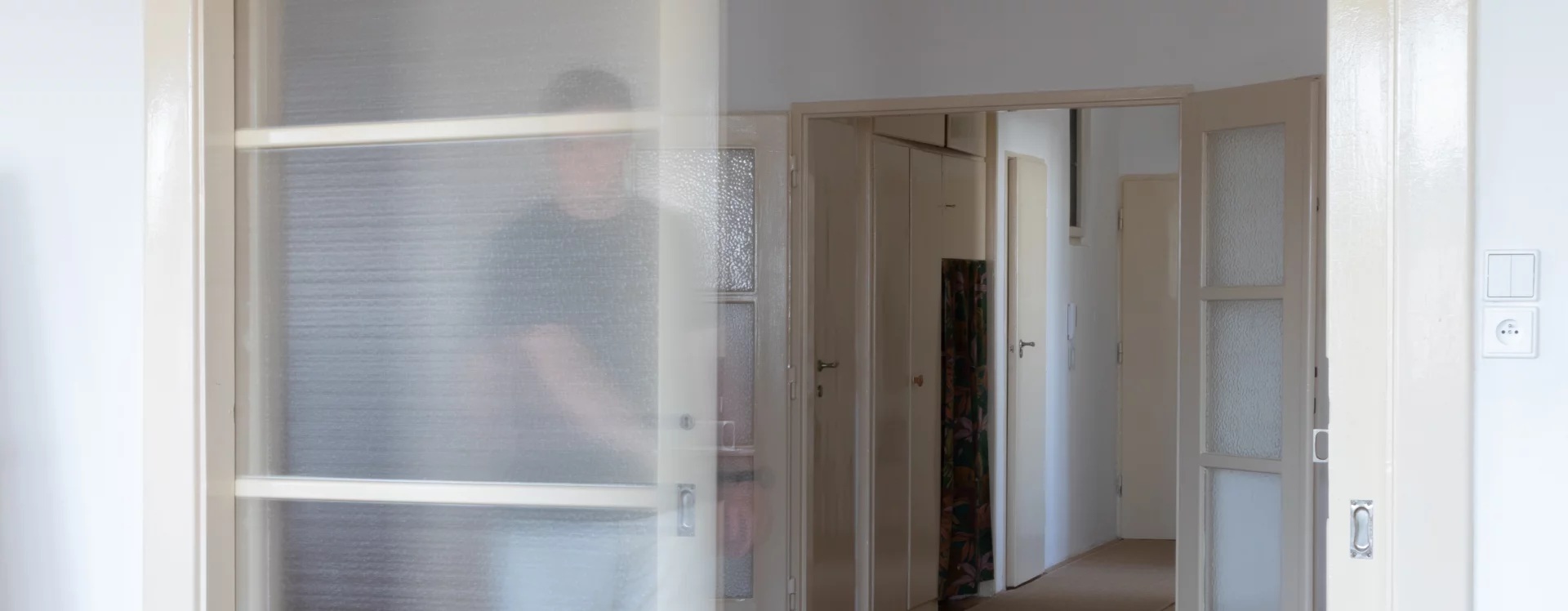
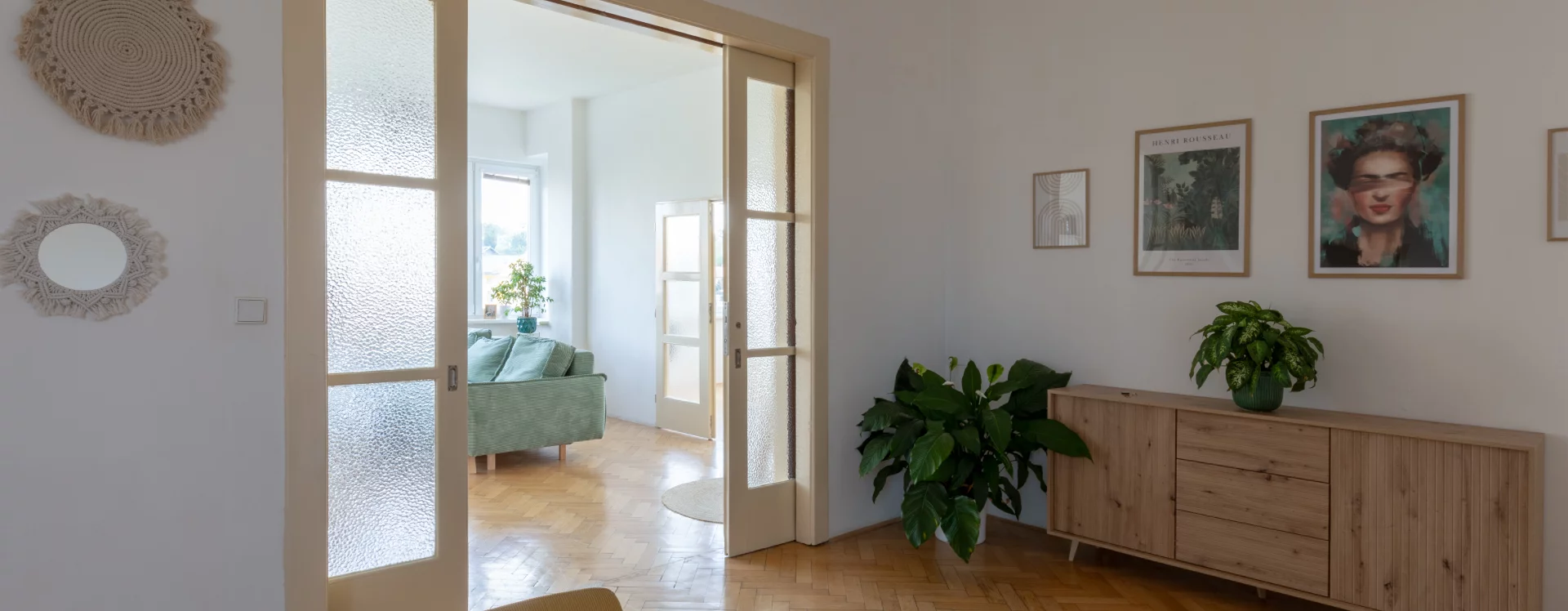
The building surpassed the construction standards of Havlíčkův Brod with its efficiently designed layout based on a reinforced concrete structure. The flats featured rooms with direct access to fresh air and abundant natural light through ribbon windows, as well as connections to conservatories and balconies—all combining glass, stainless steel, and fine stone materials. The building offered a high residential standard, including facilities such as a laundry room, drying room, central heating, and the 24-hour presence of a caretaker living in the basement. It thus reflected the model of a new metropolitan style of living which was becoming a modern alternative to detached houses.
The designer of what was already his second project for Havlíčkův Brod was the Prague-based architect Stivo Vacek (1899–?), a graduate from the Vienna School of Arts and Crafts. Not long before, he had designed an almost identical version of the rental building for Prague—one storey taller—located at 53 Moskevská street.
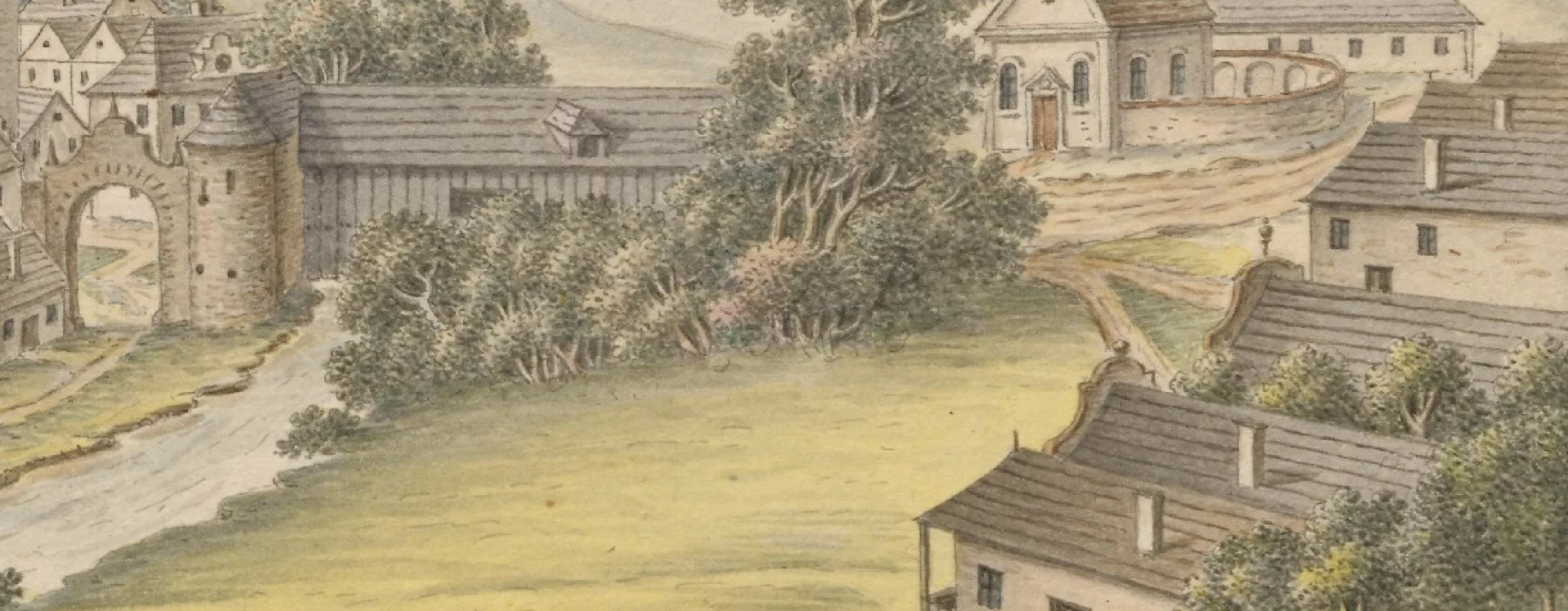
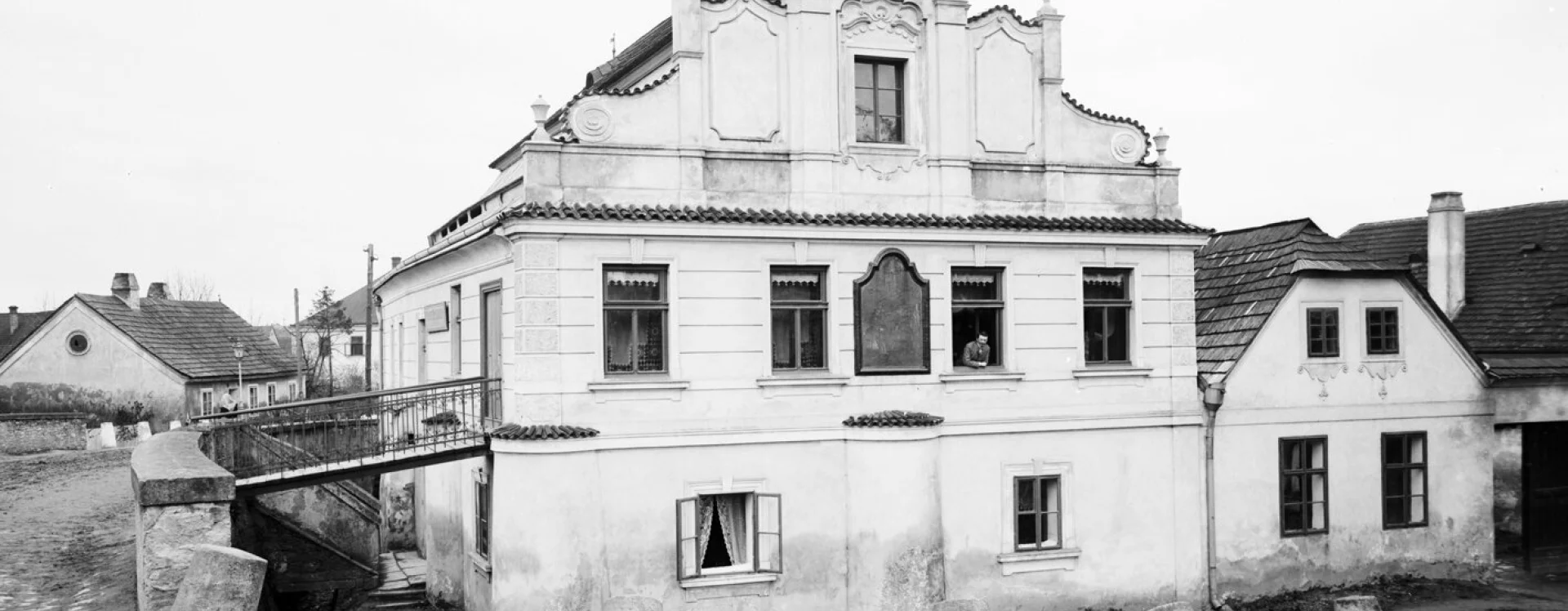
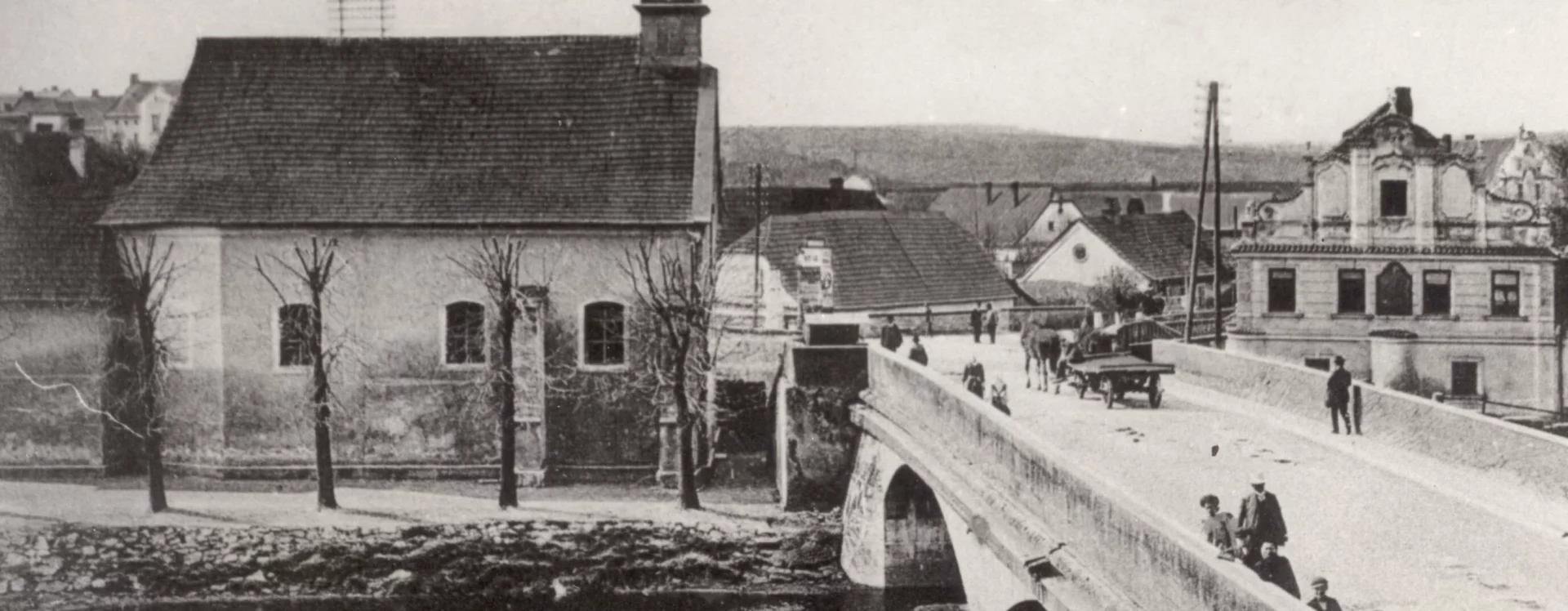
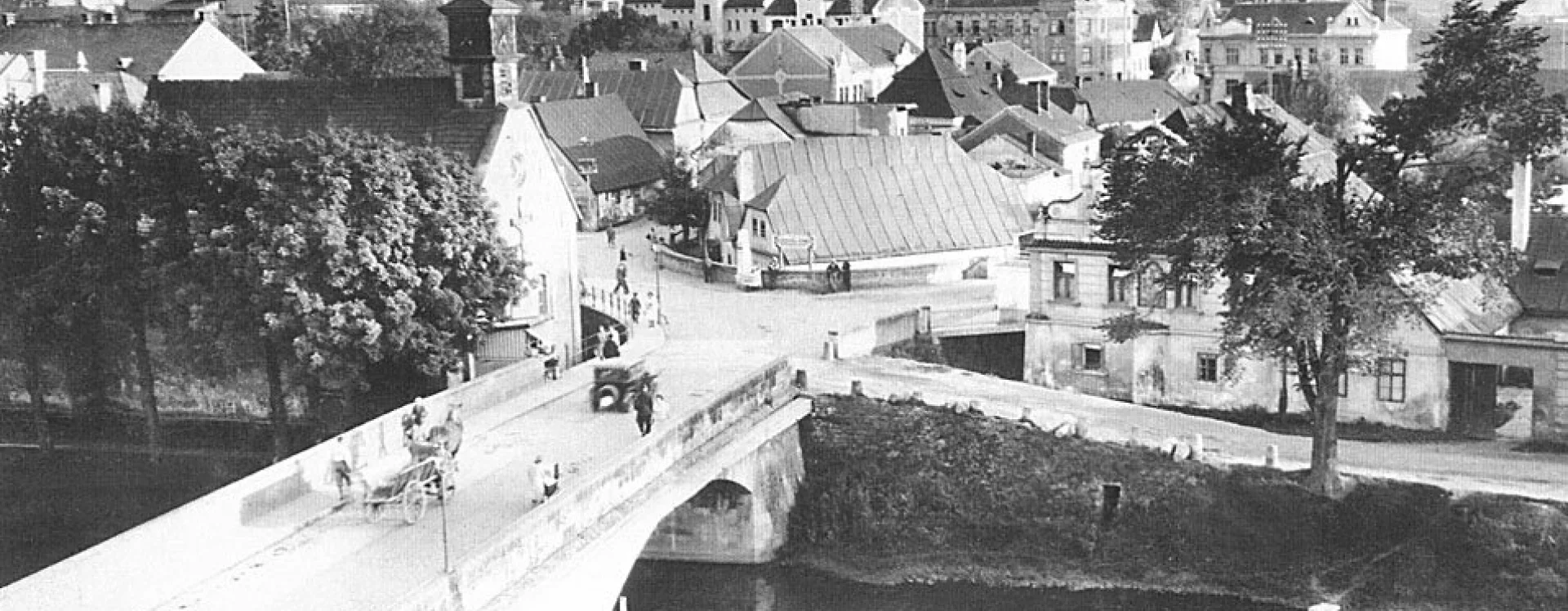
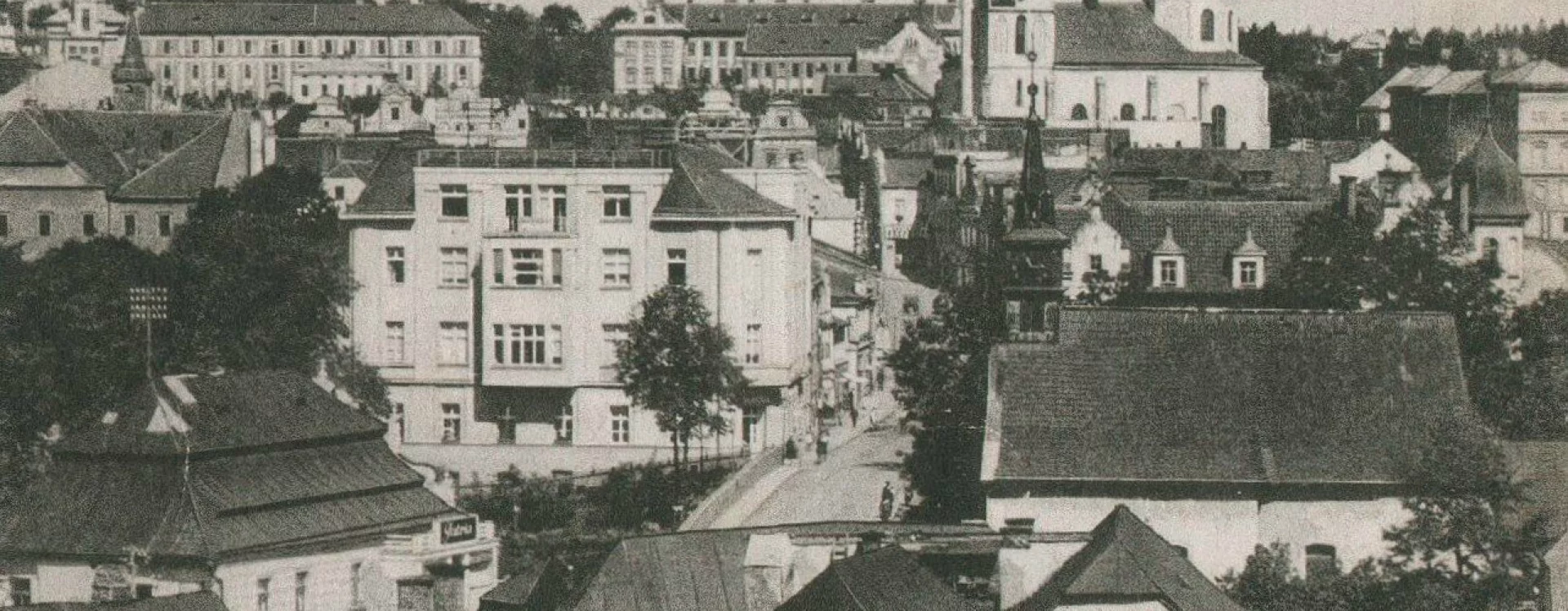
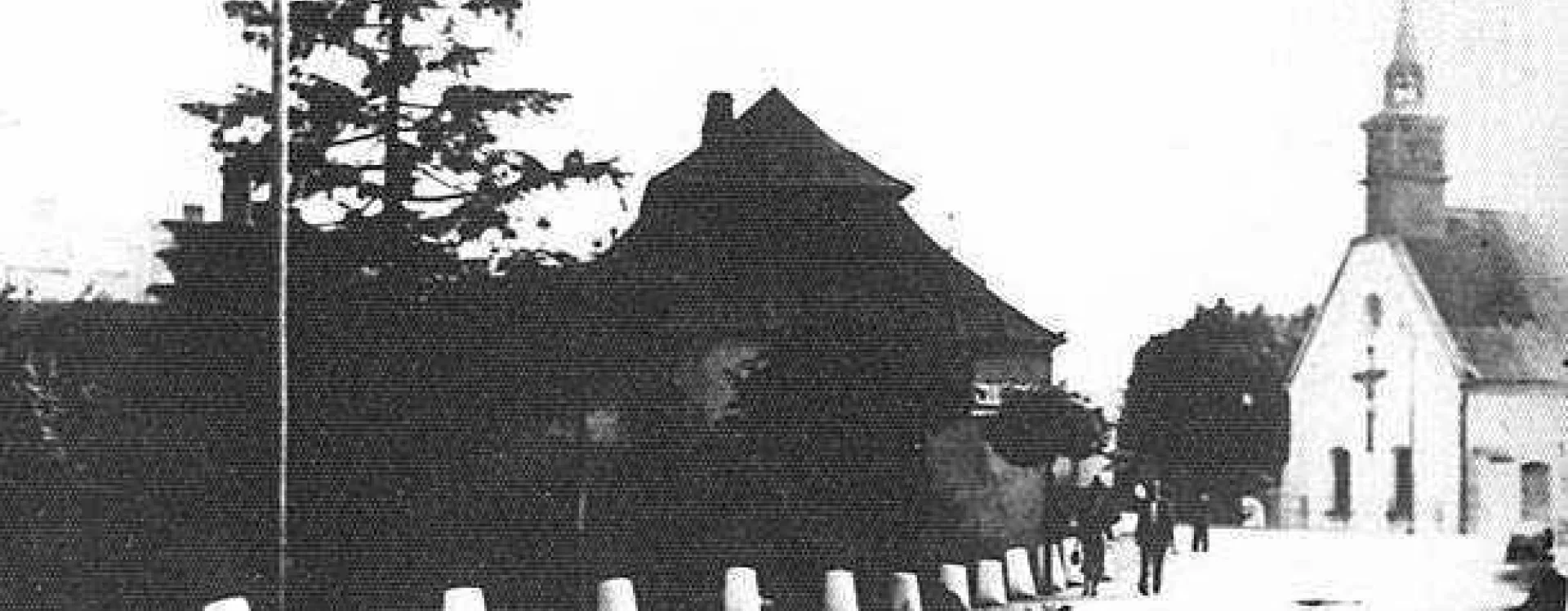
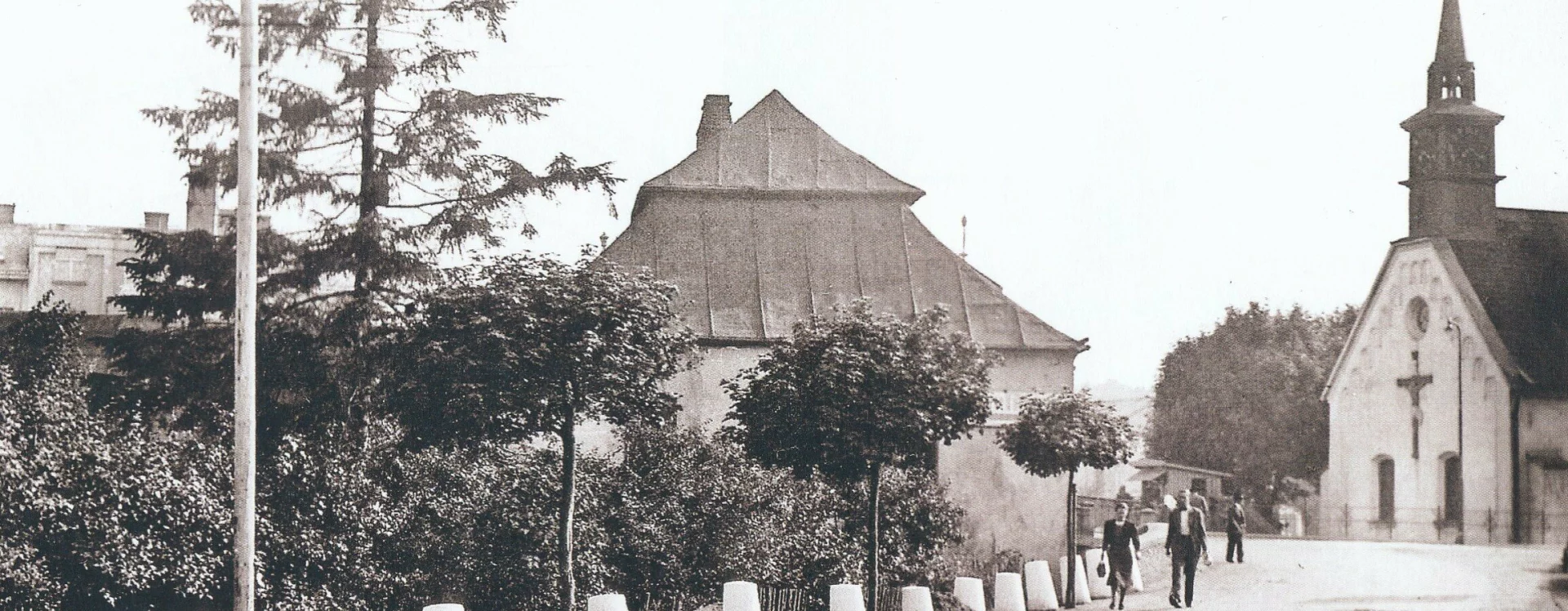
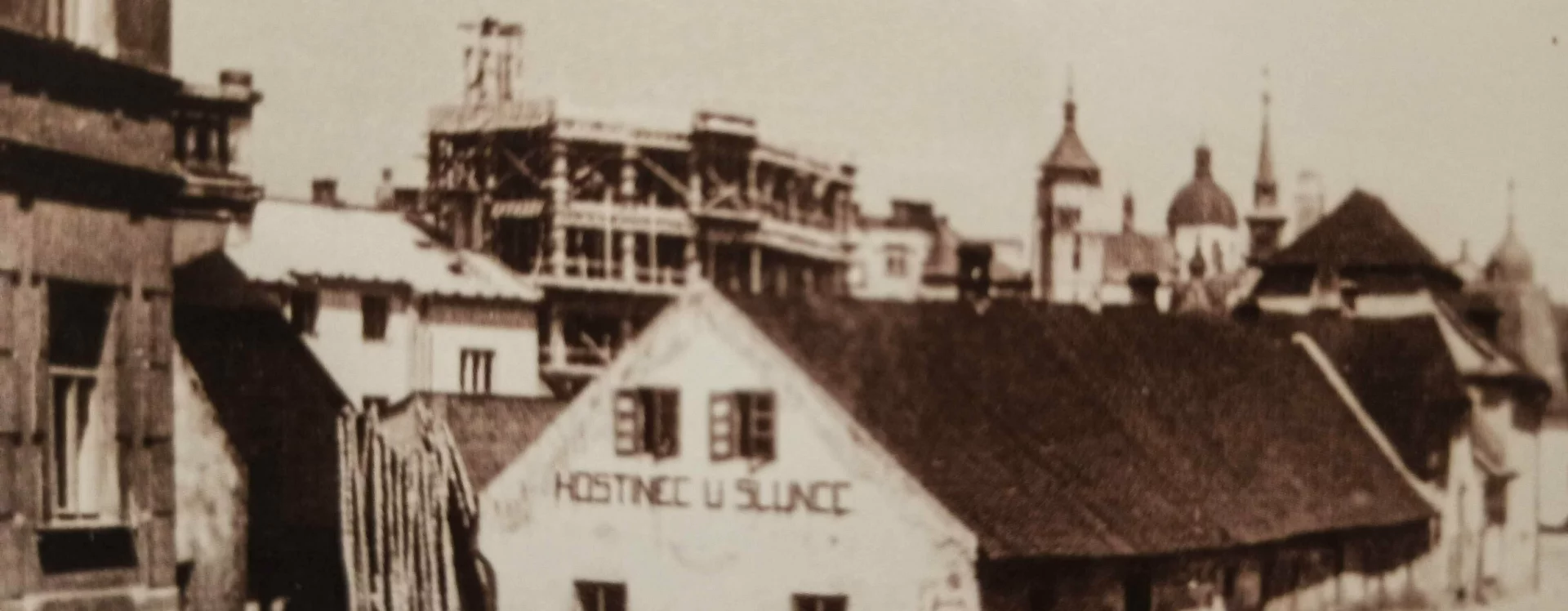
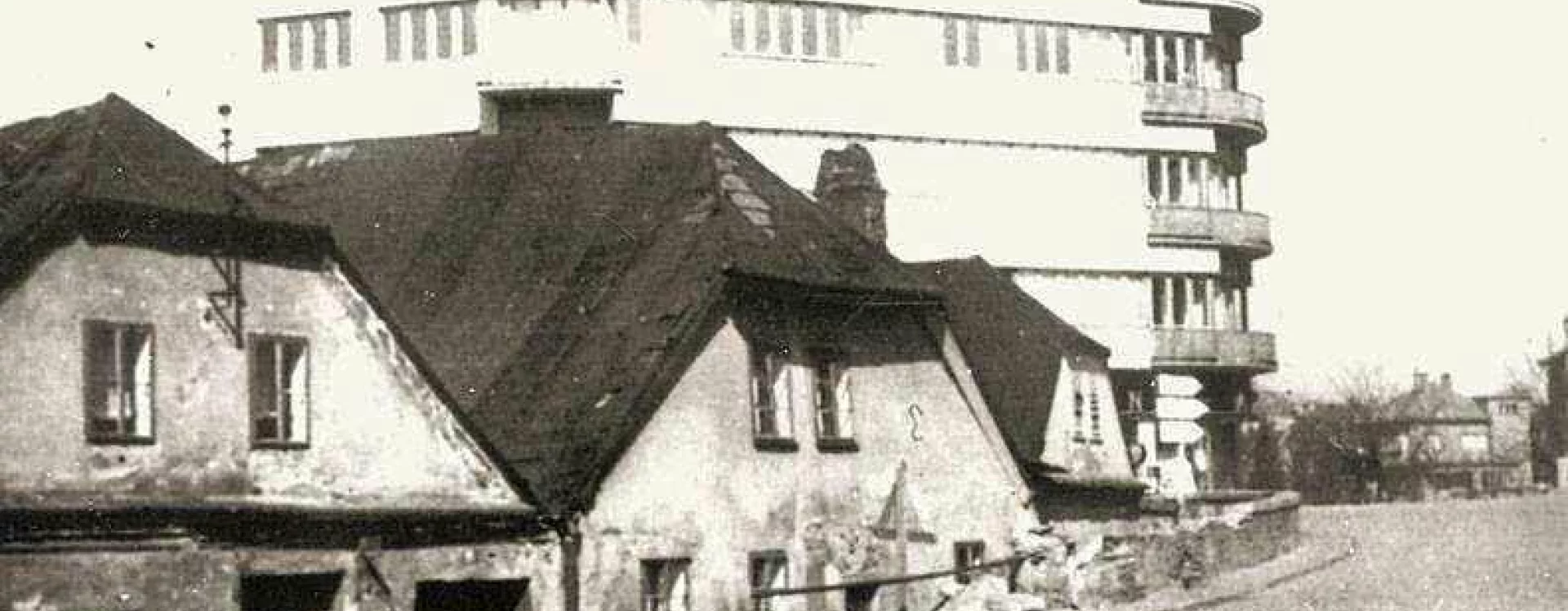
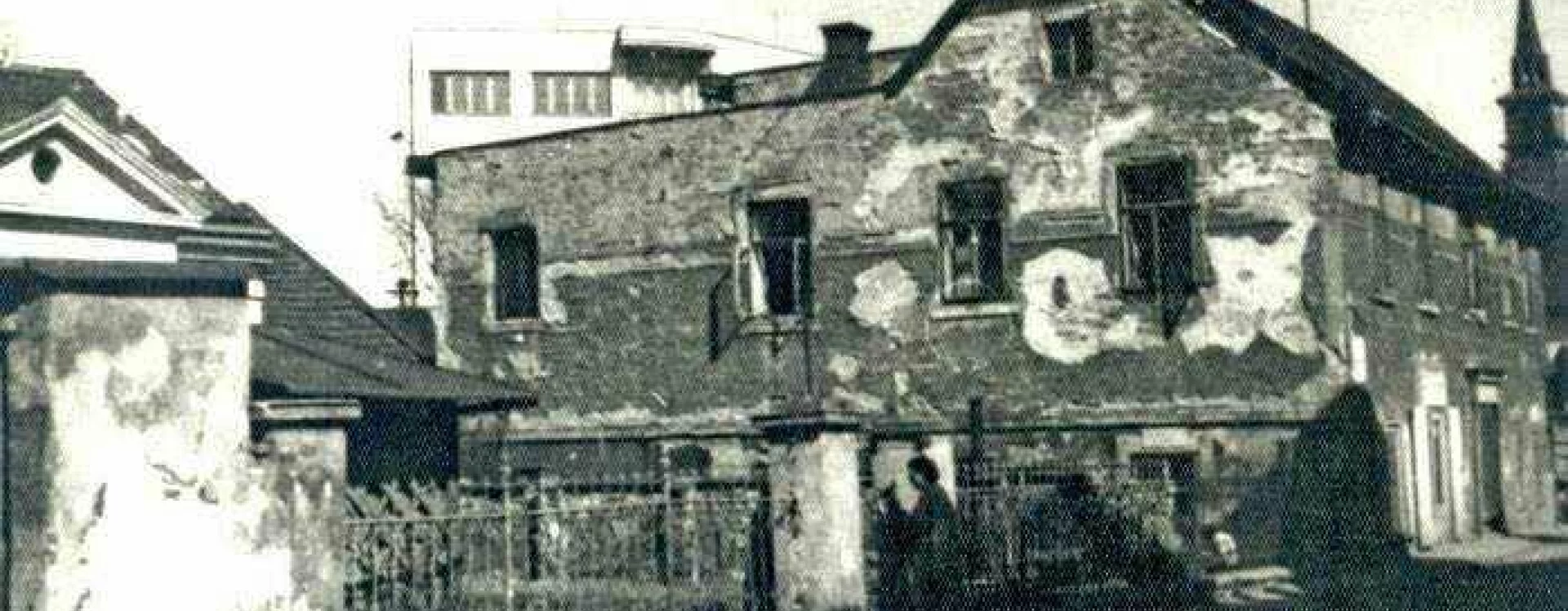
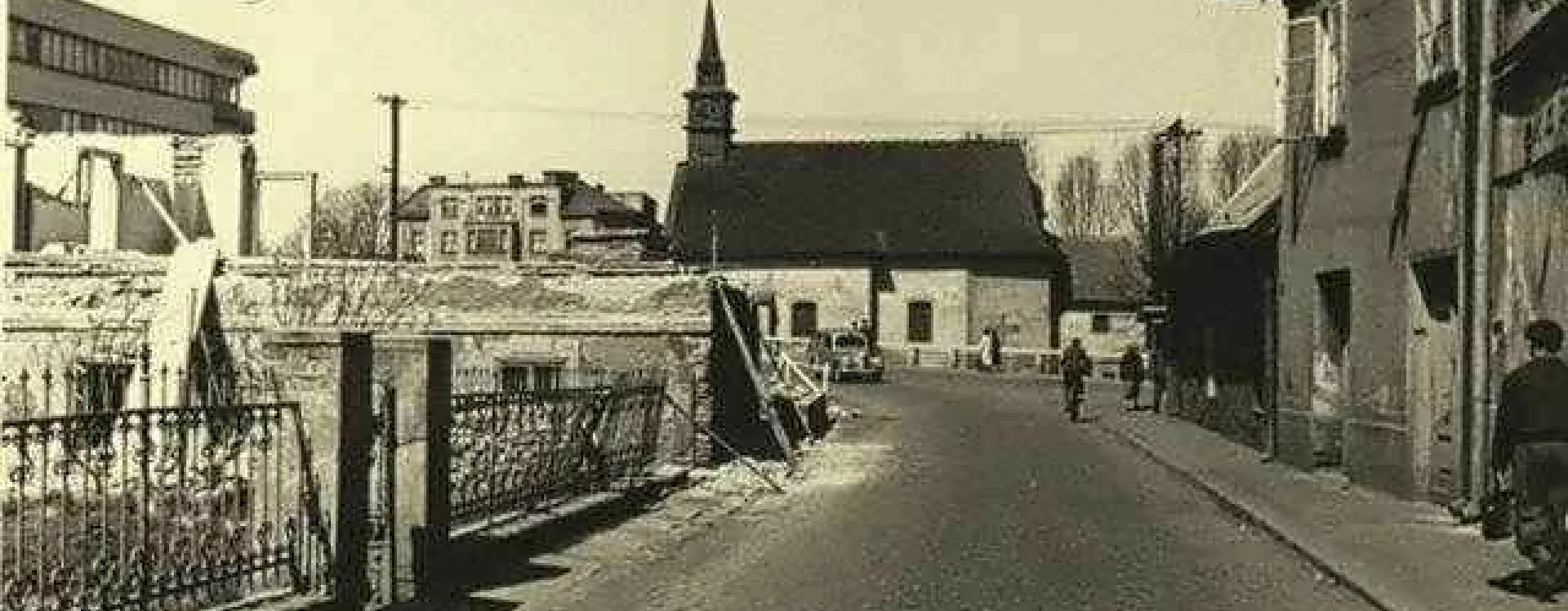
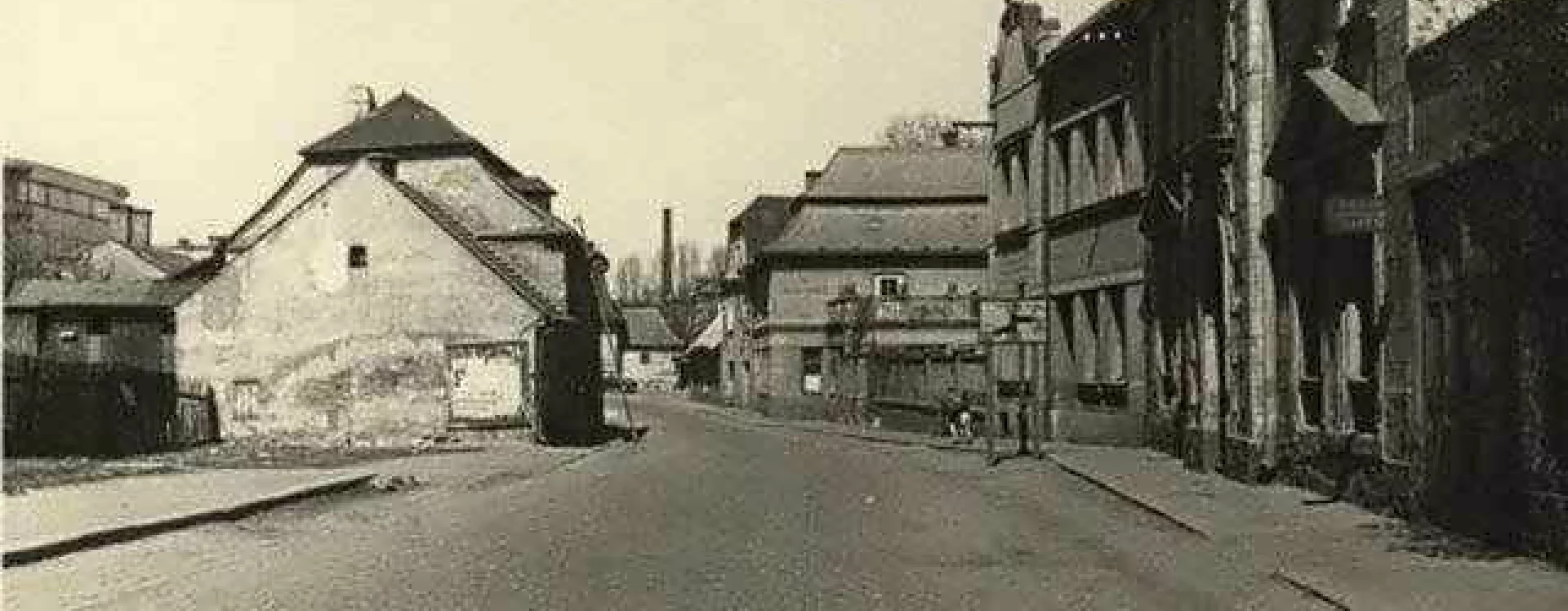
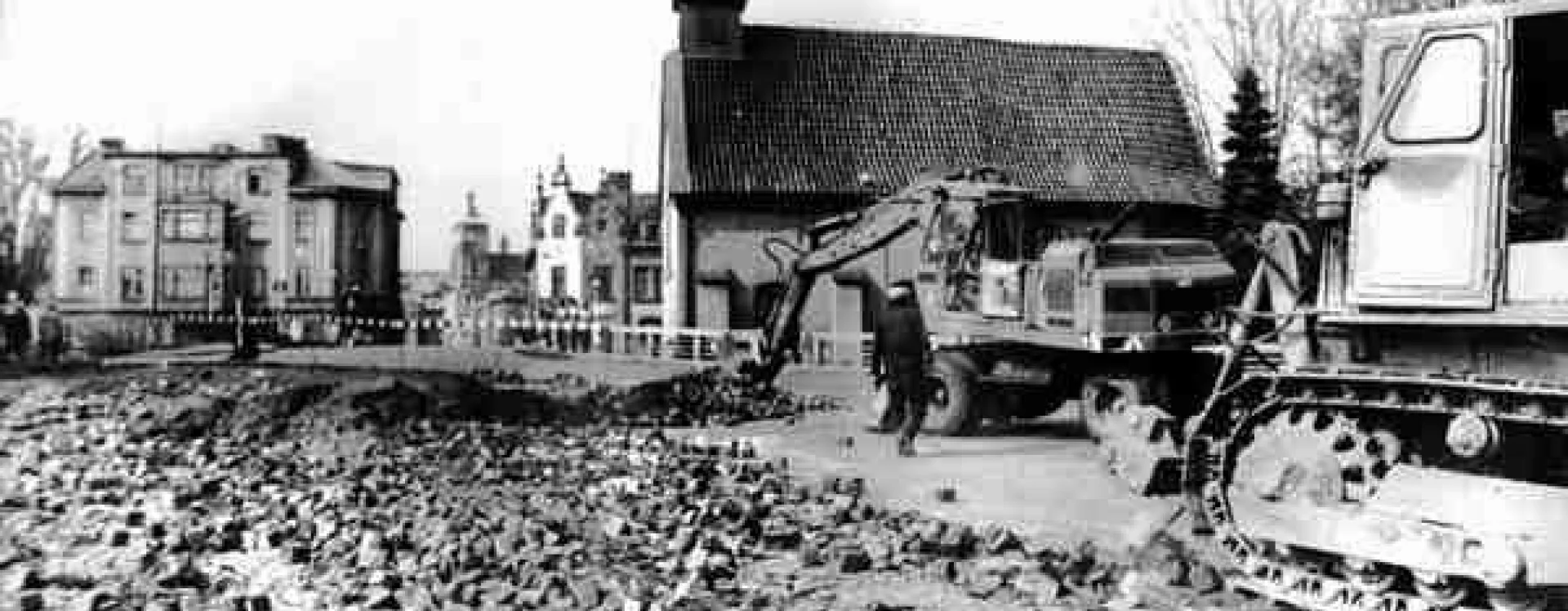
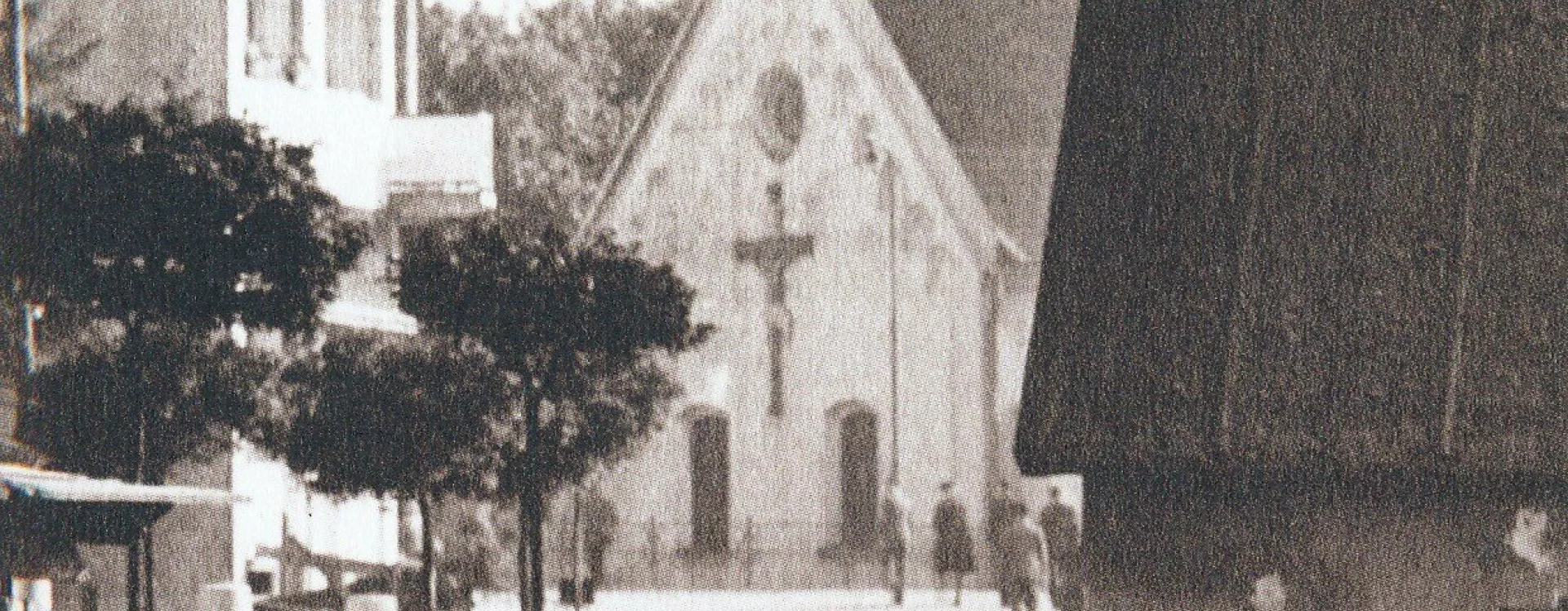
The construction of the Palace required the demolition of a listed late-Baroque house—surprisingly, with the consent of the State Heritage Authority.
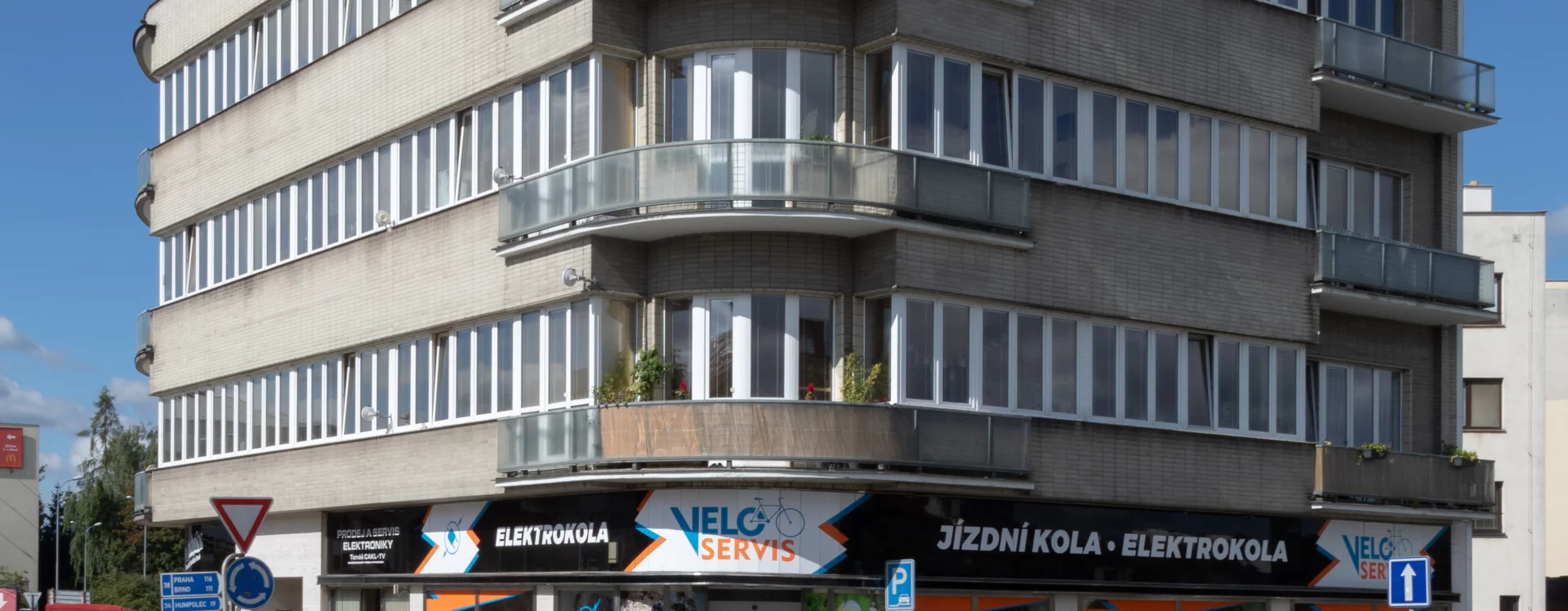
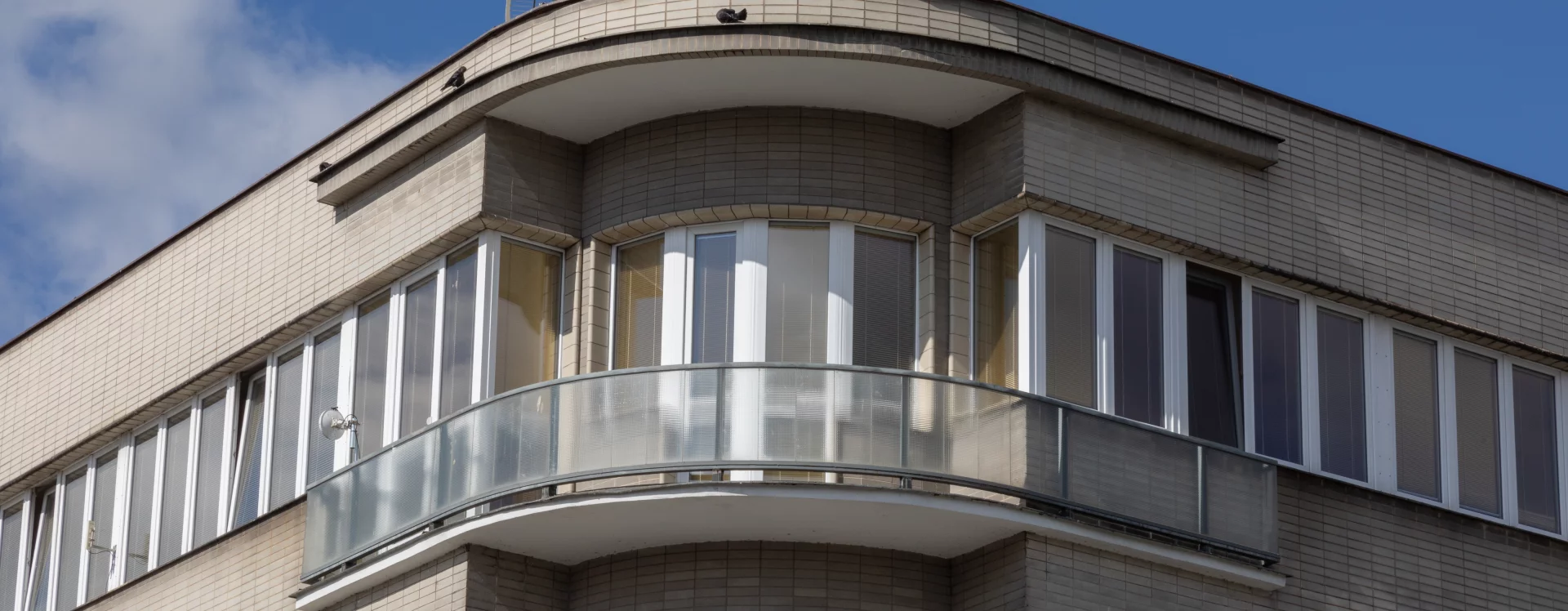
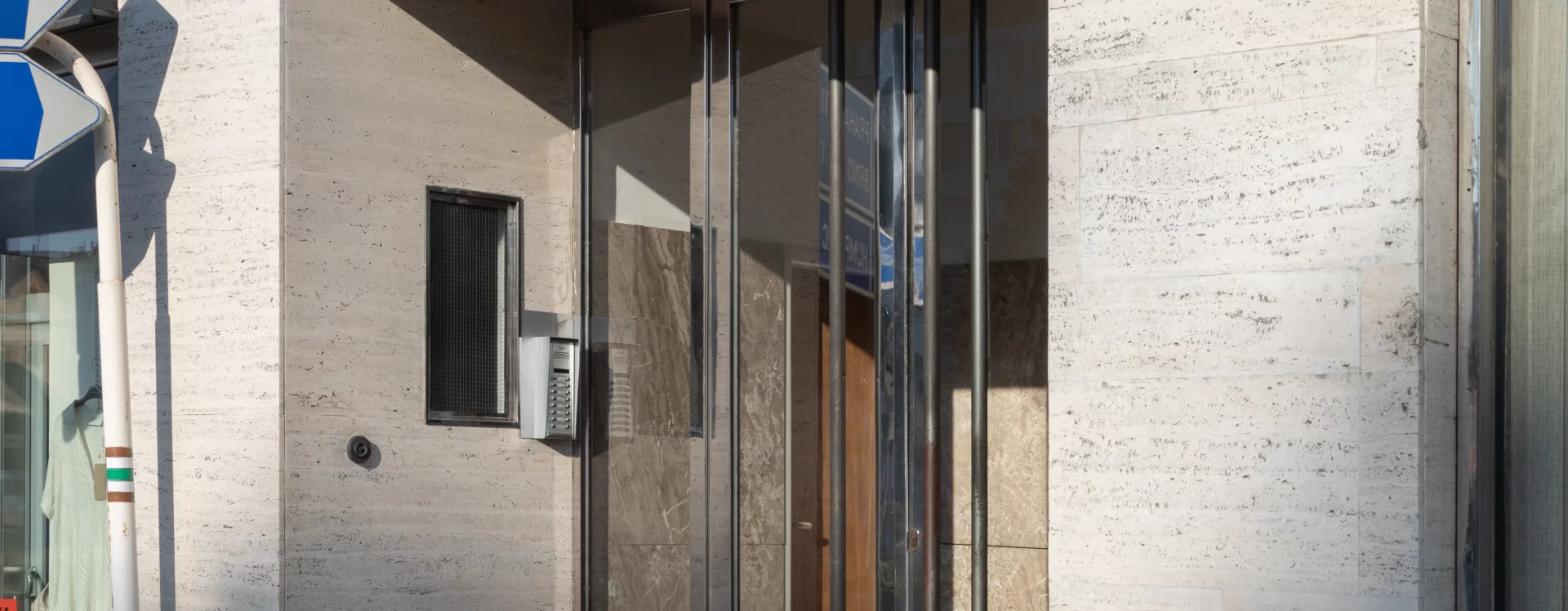
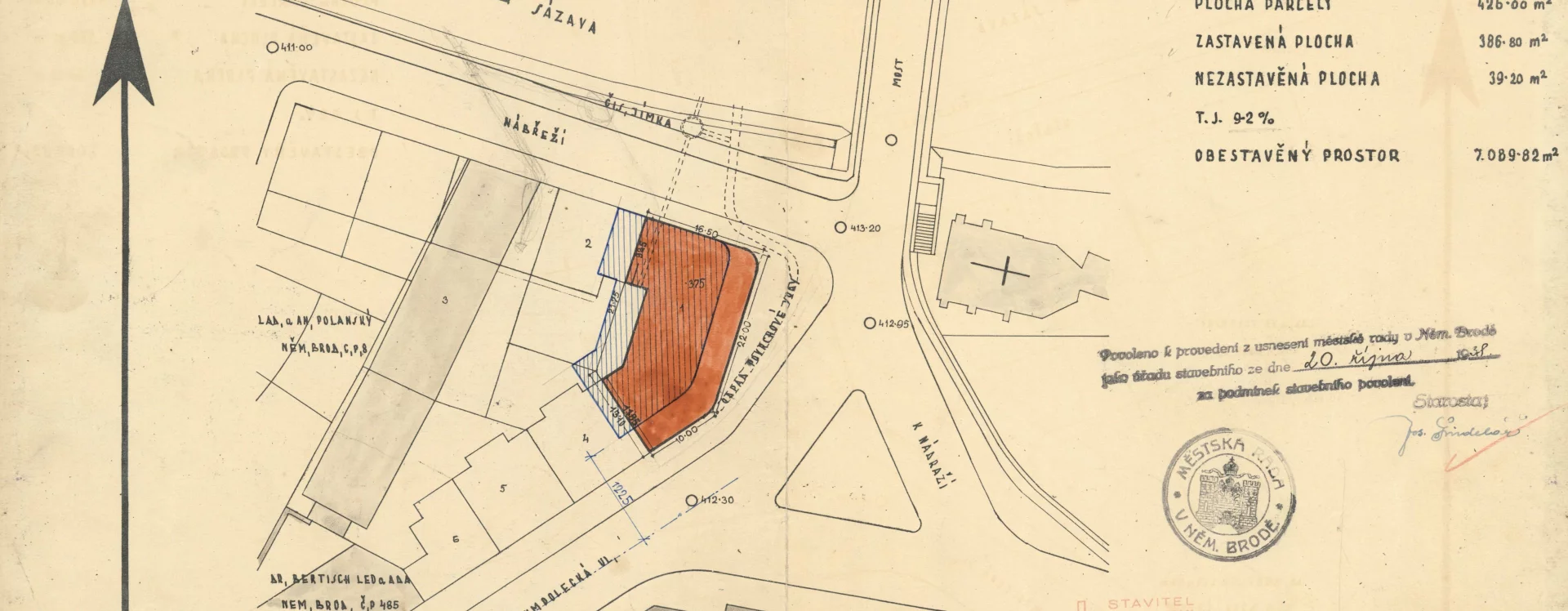
Within two years, a three-storey, freestanding rental building had been constructed with an irregular ground plan that respected the shape of the plot of the demolished structure, following the new street line of Dolní road. The upper facade is divided by a dense sequence of rectangular windows, creating the impression of almost continuous glass bands. On the ground floor, the solid mass of the building is lightened by large glass shopfronts and shop entrances set in chrome frames, as well as a recessed entrance clad in travertine. Decorative features include loggias on the curved sections of the facade and ceramic cladding in two colour tones.
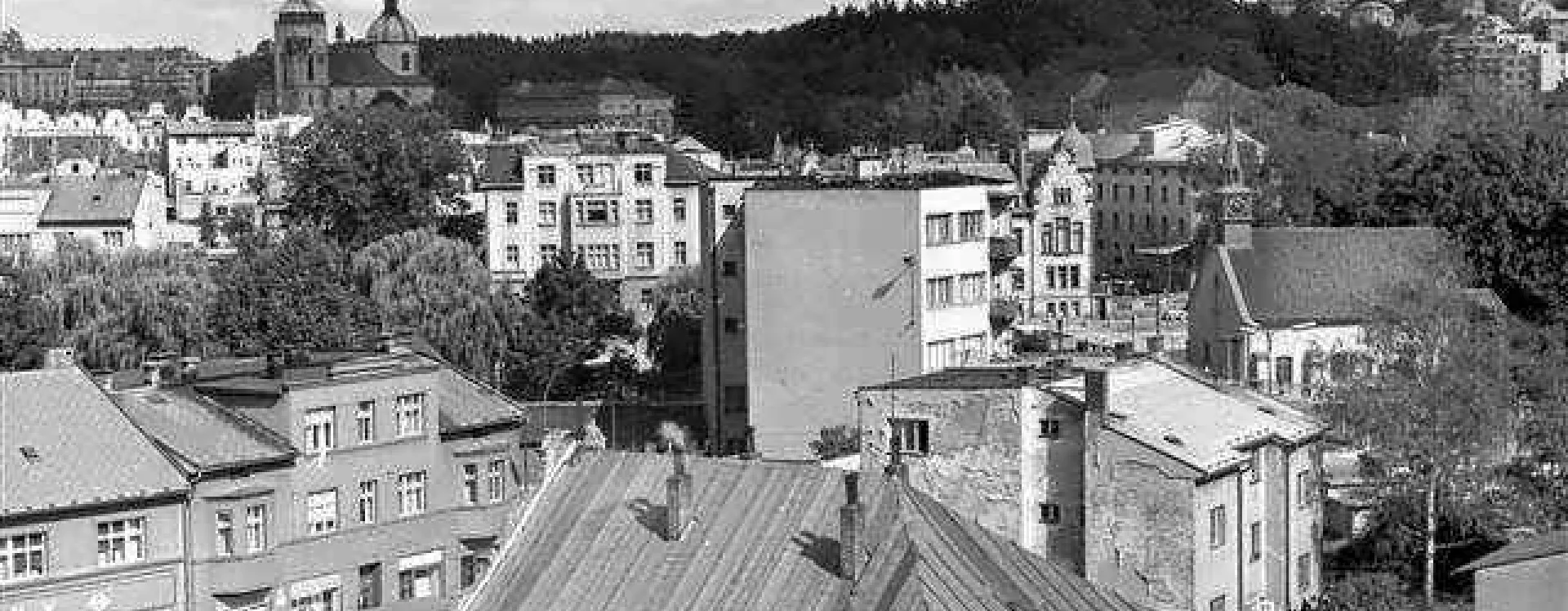
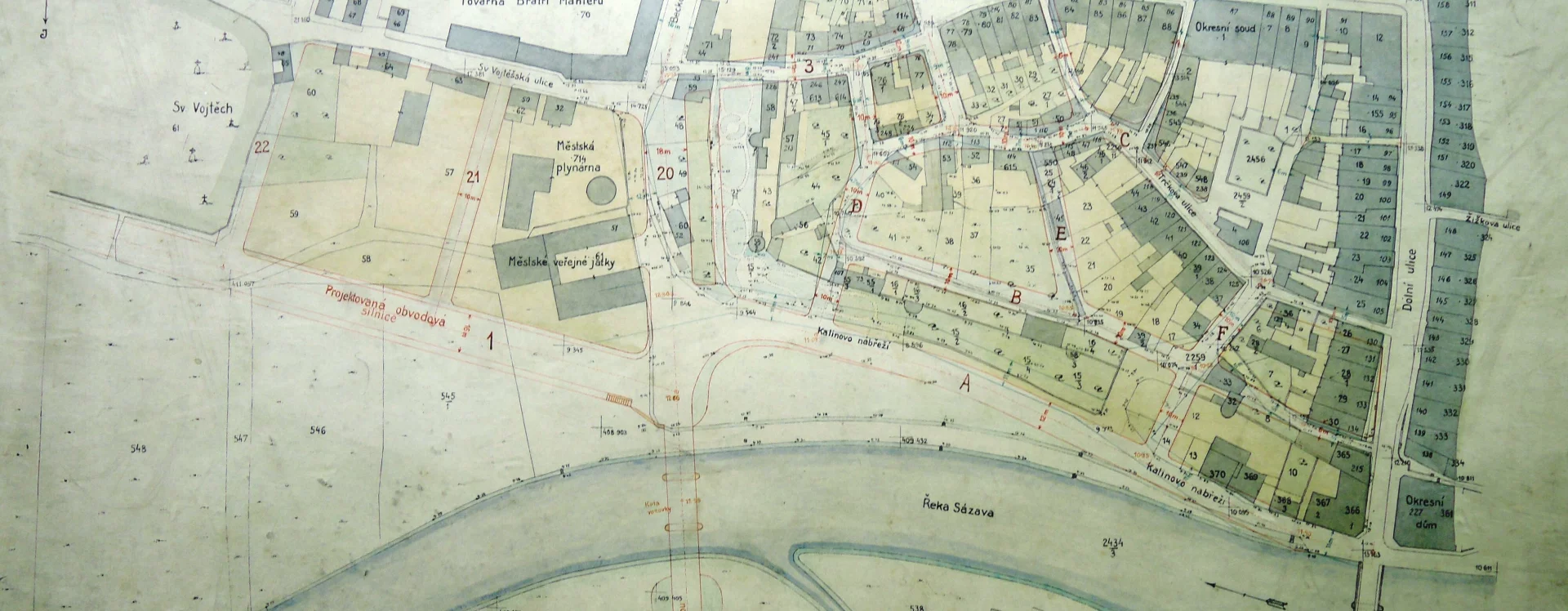
The building, which was completed on 11 April 1940, was clearly intended to be incorporated in the future into a broader urban concept—a full-block development offering, in harmony with the rental building, an entire complex of attractive, luxury housing. In this way, the urban fabric could have naturally expanded towards the riverside area, connecting with the line of houses extending from the historic centre towards the railway station. This vision, however, was thwarted by the war and, unfortunately, by subsequent developments in the years that followed.
Dana Schlaichertová, 2025
Literature
Dana Schlaichertová. Architektura a urbanismus Havlíčkova Brodu 1848-1938. Olomouc, Katedra teorie a dějin umění FF UP, 1998, Diplomová práce. p. 89-91.
Dana Schlaichertová. Činžovní dům. In: Aleš Veselý (ed.). Příběhy brodských domů. Havlíčkův Brod, Galerie výtvarného umění v Havlíčkově Brodě, 2016, p. 222-225. ISBN 978-80-904726-9-3.
Sources
Městský úřad Havlíčkův Brod, archiv Stavebního úřadu. sv. č. p. 9.