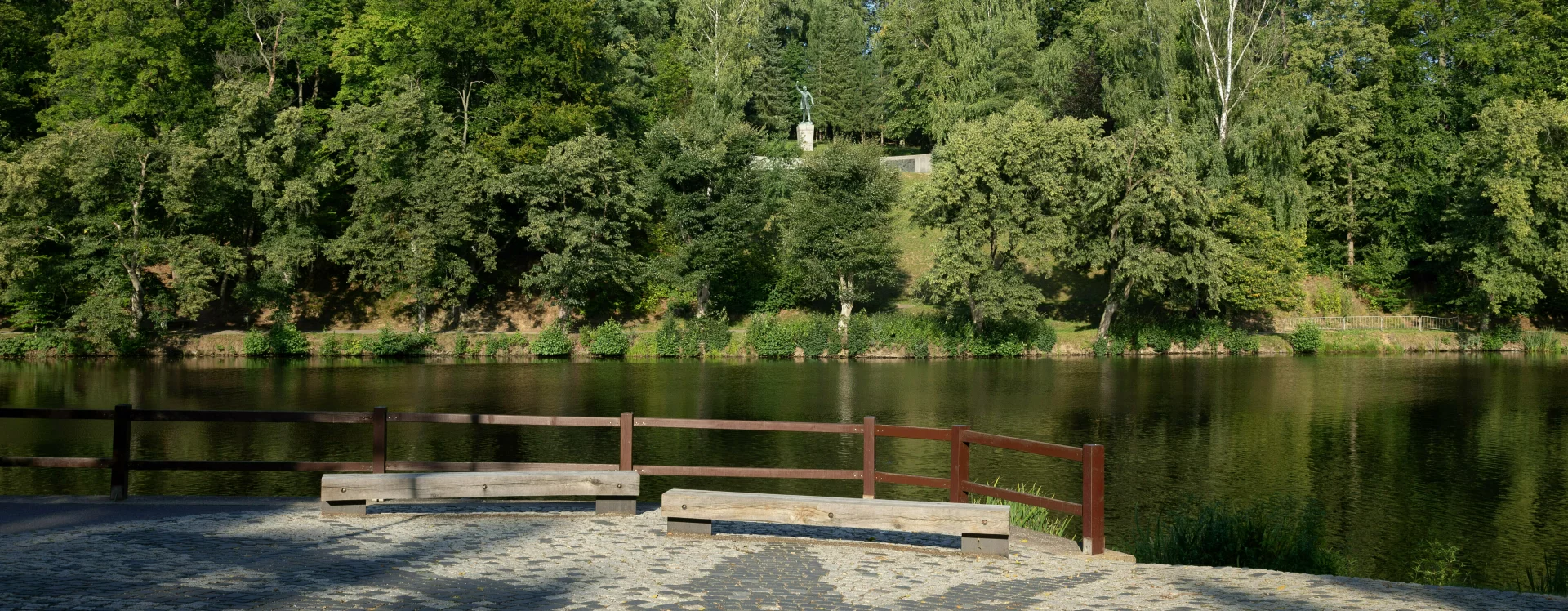
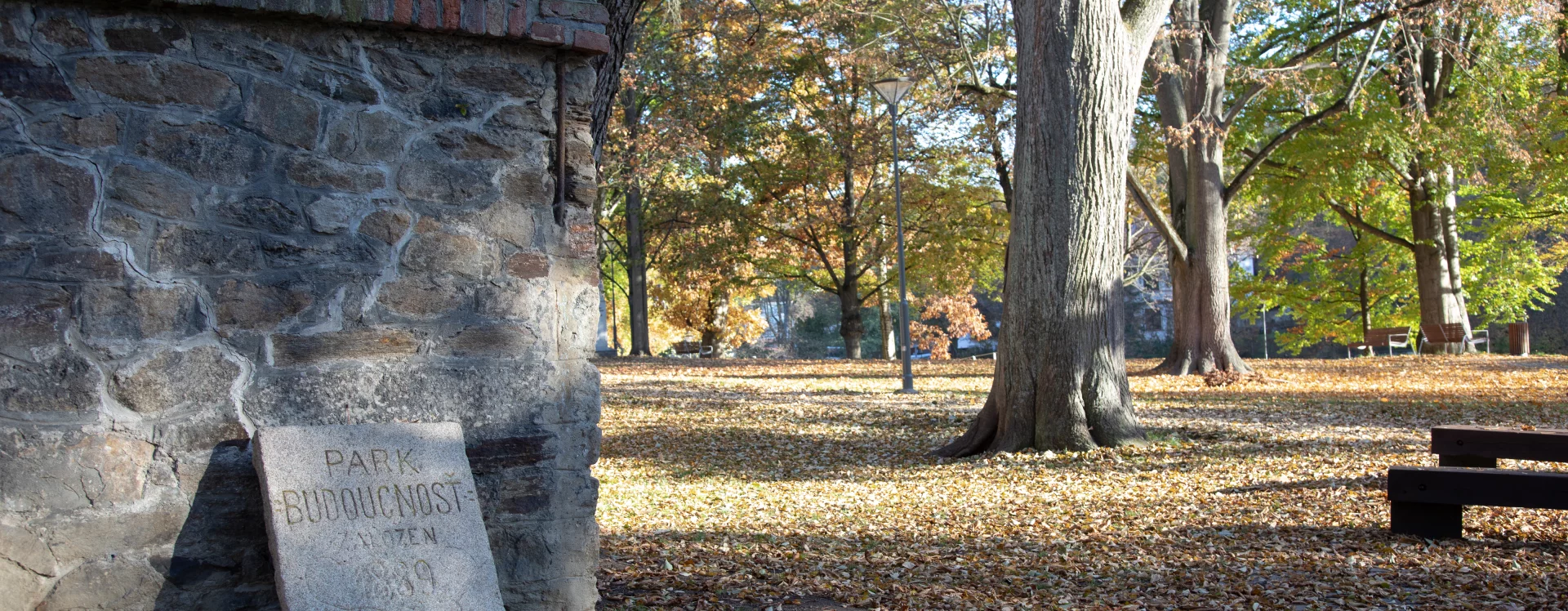
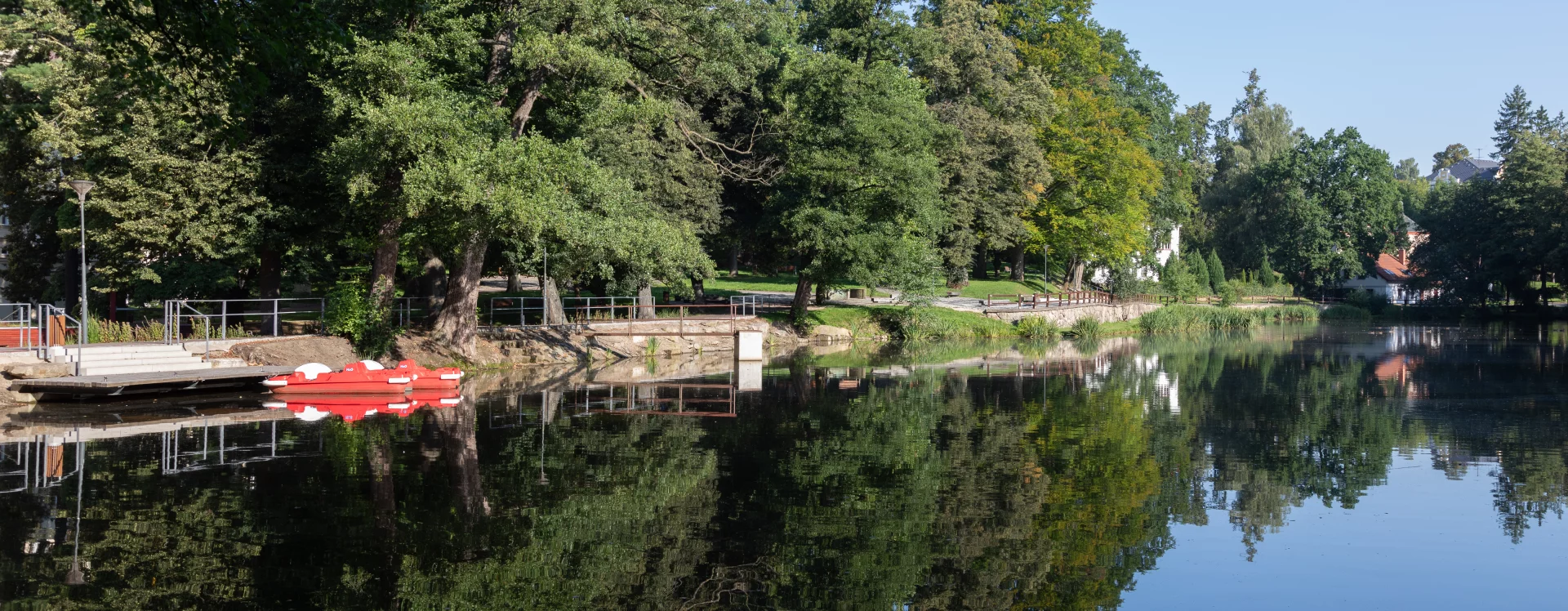
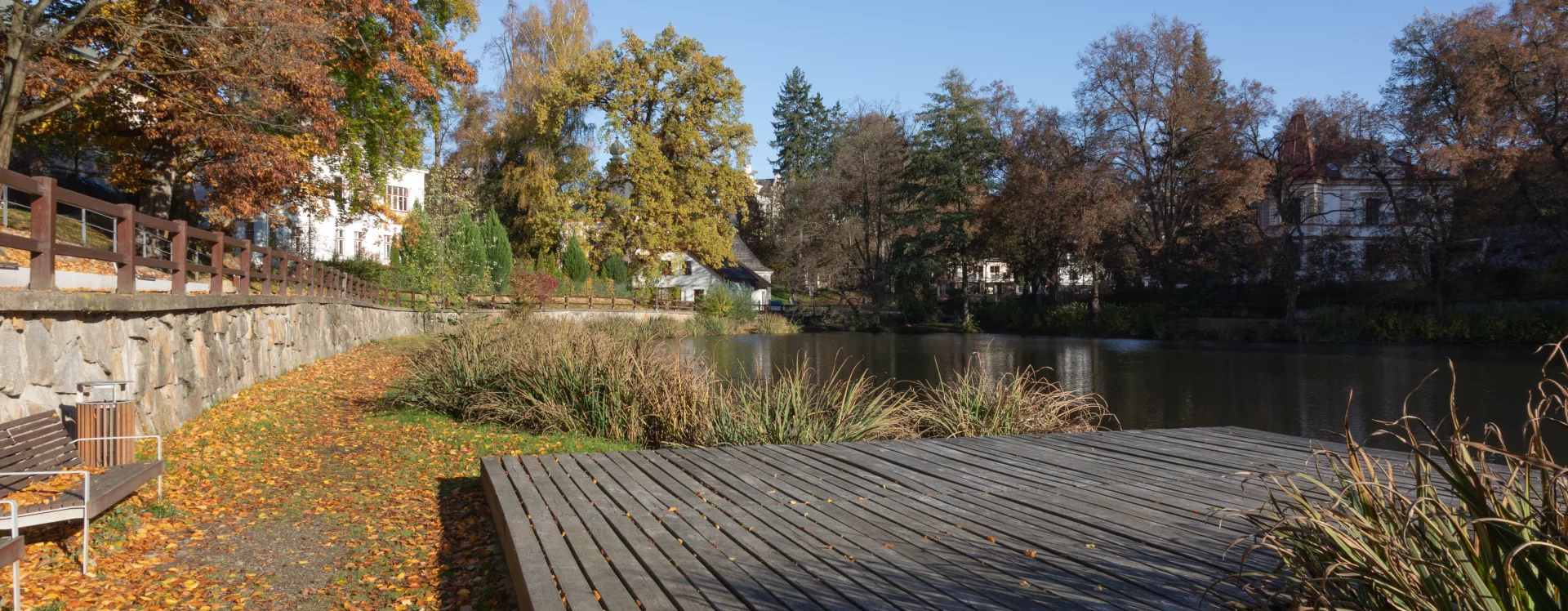
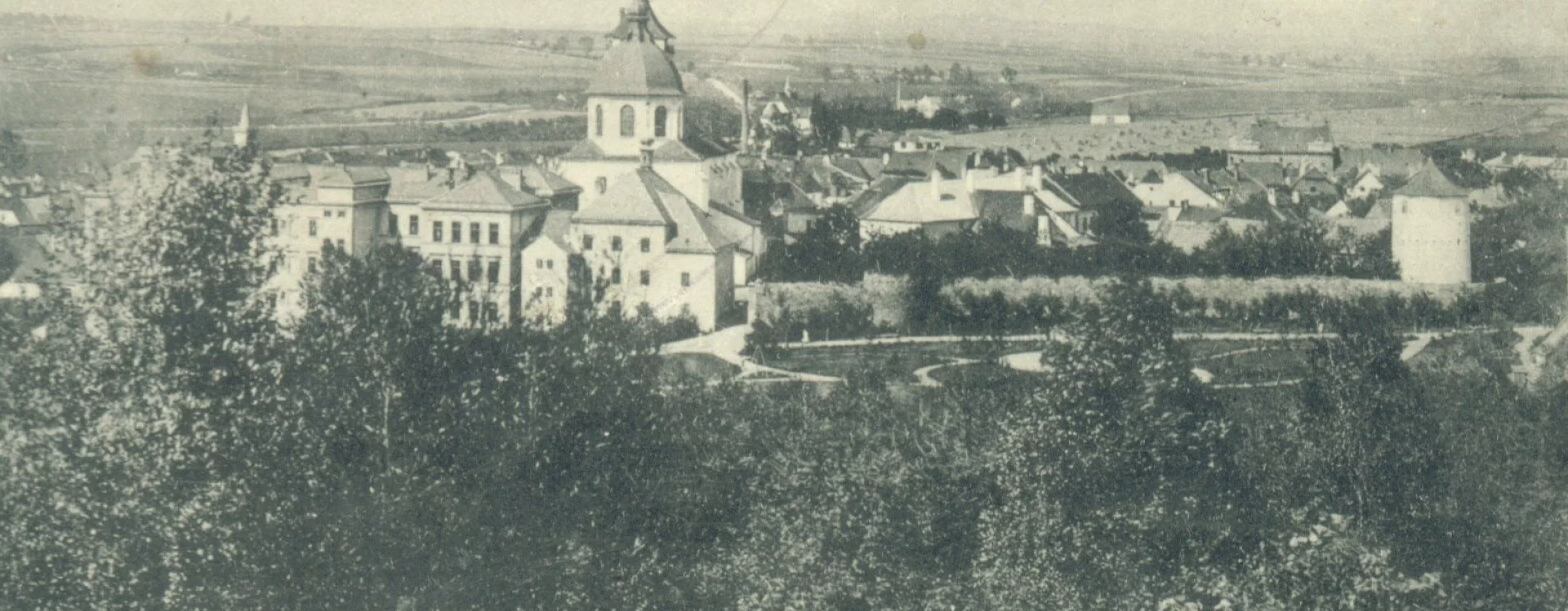
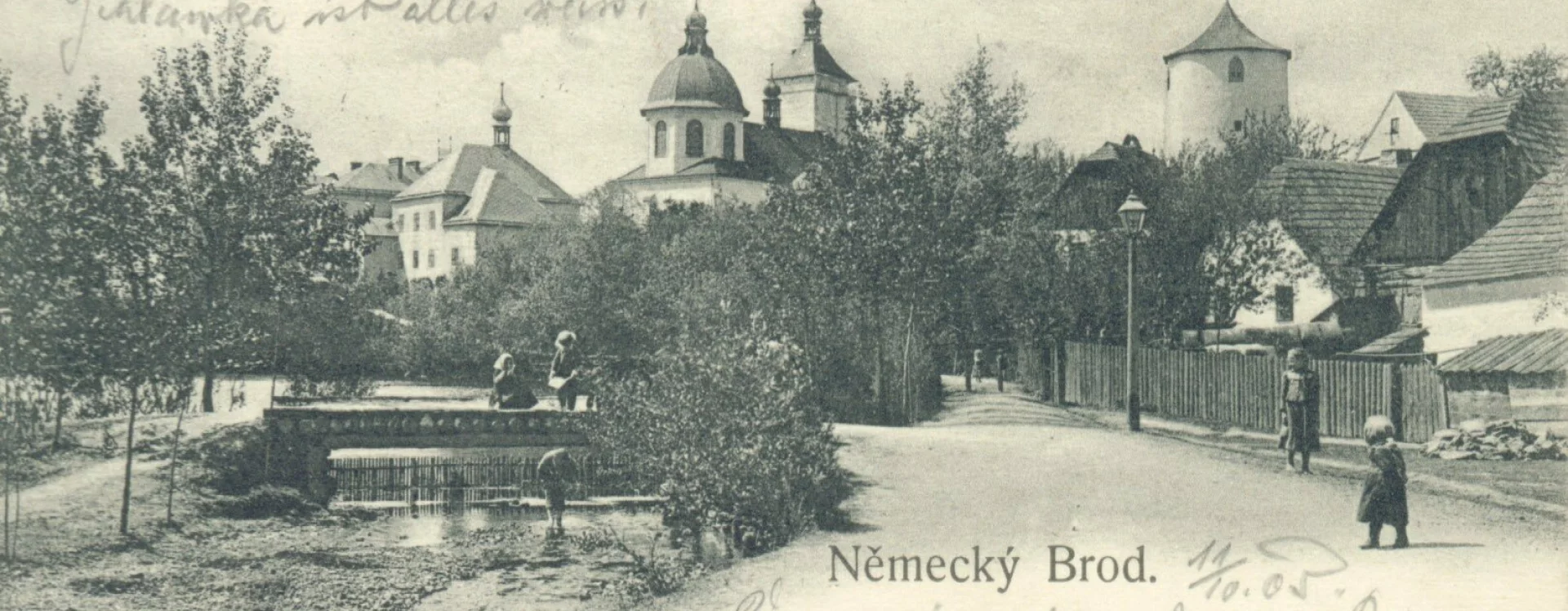
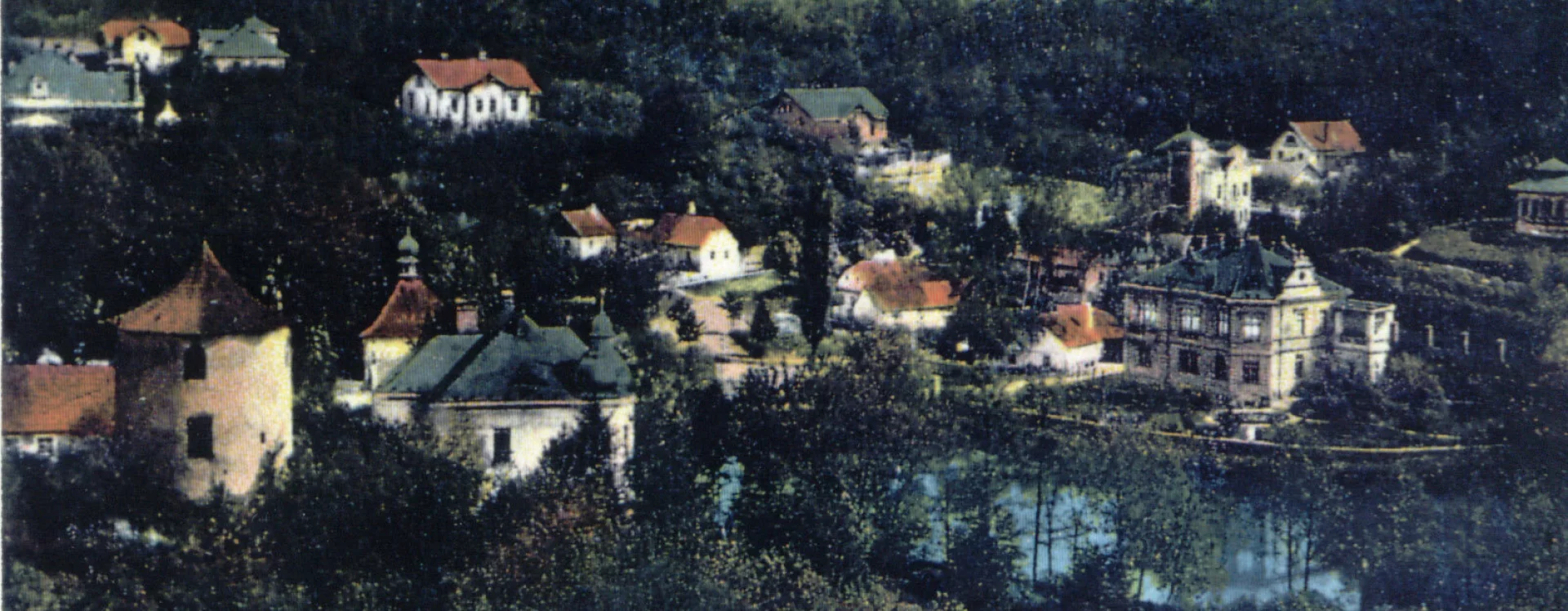
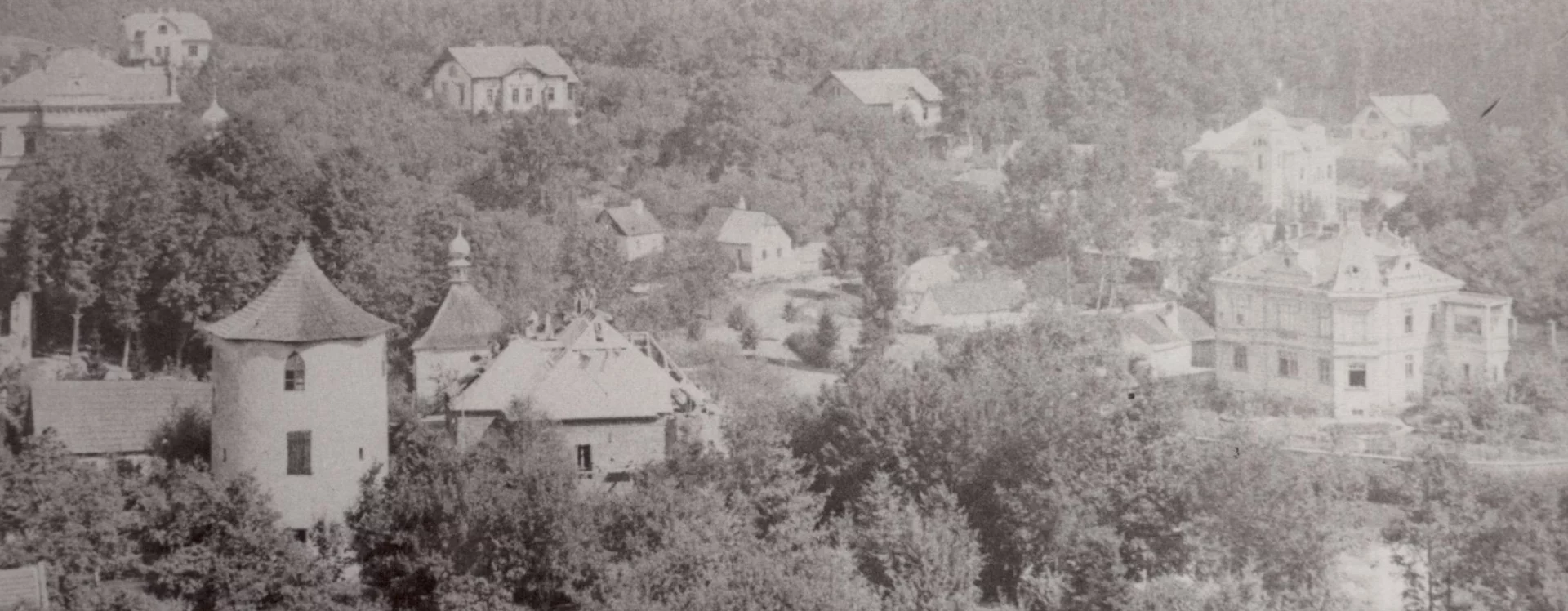
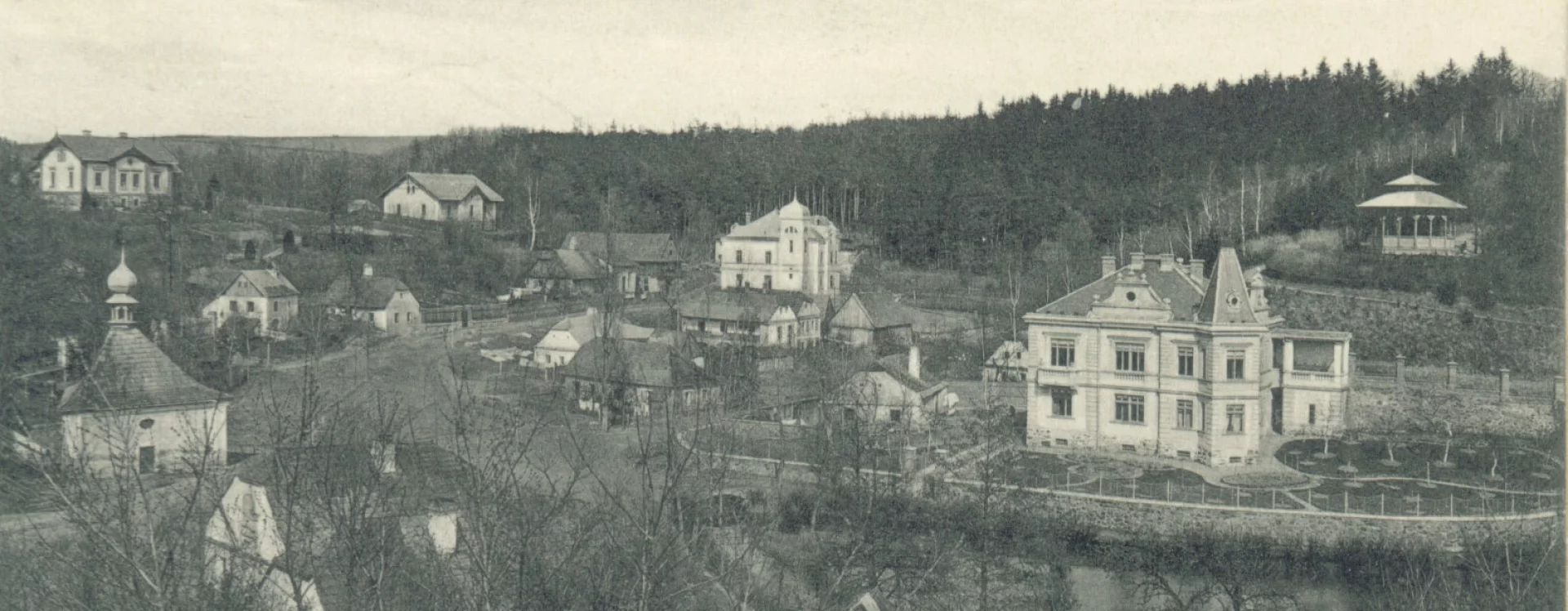
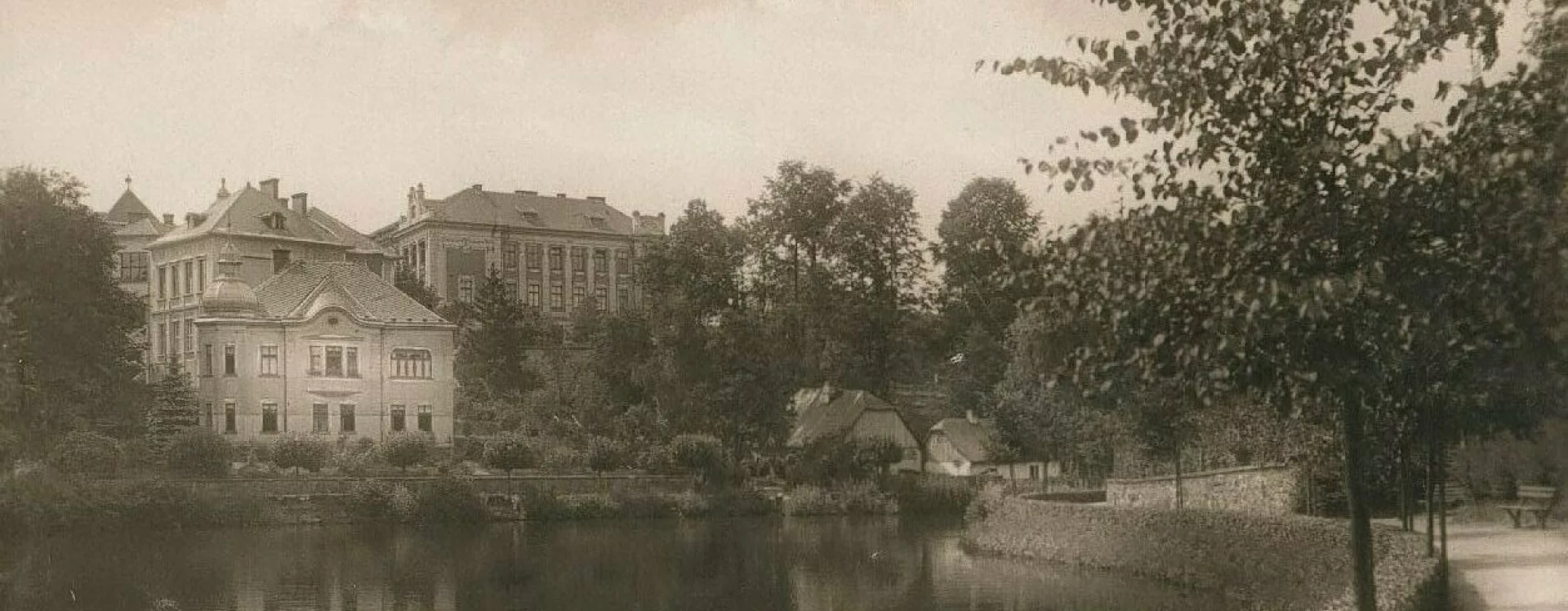
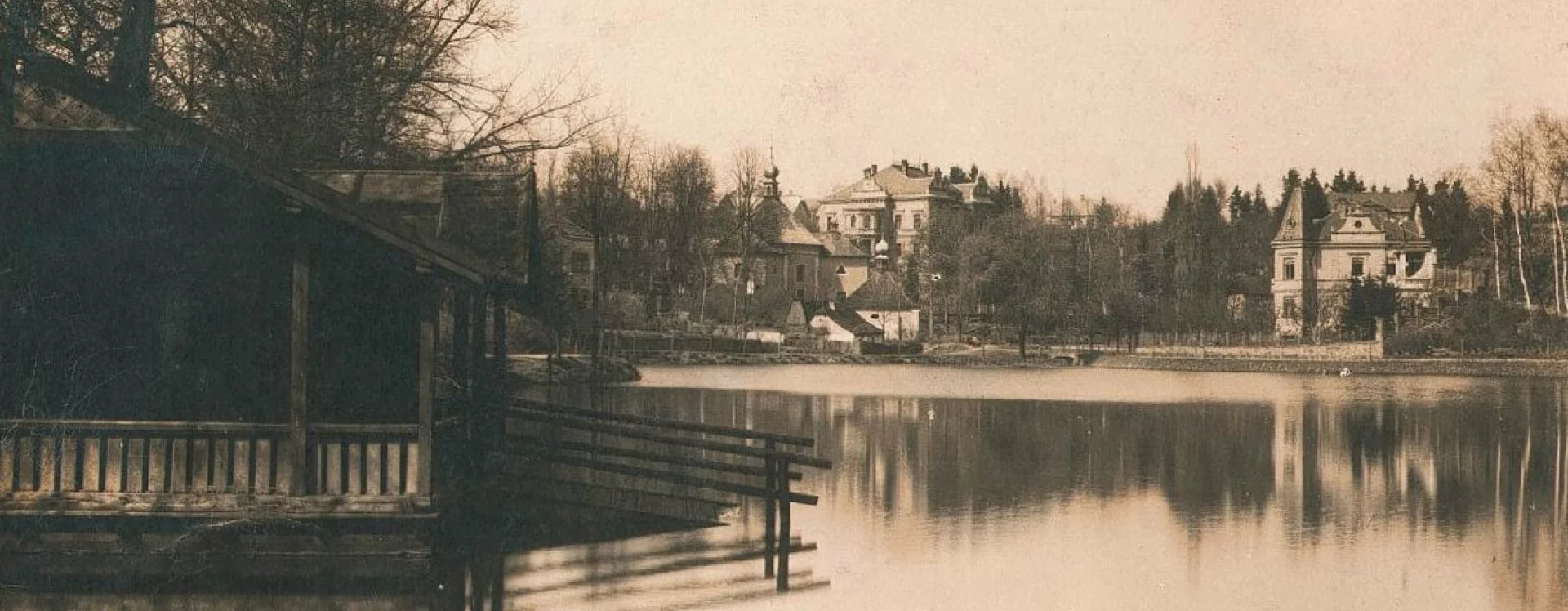
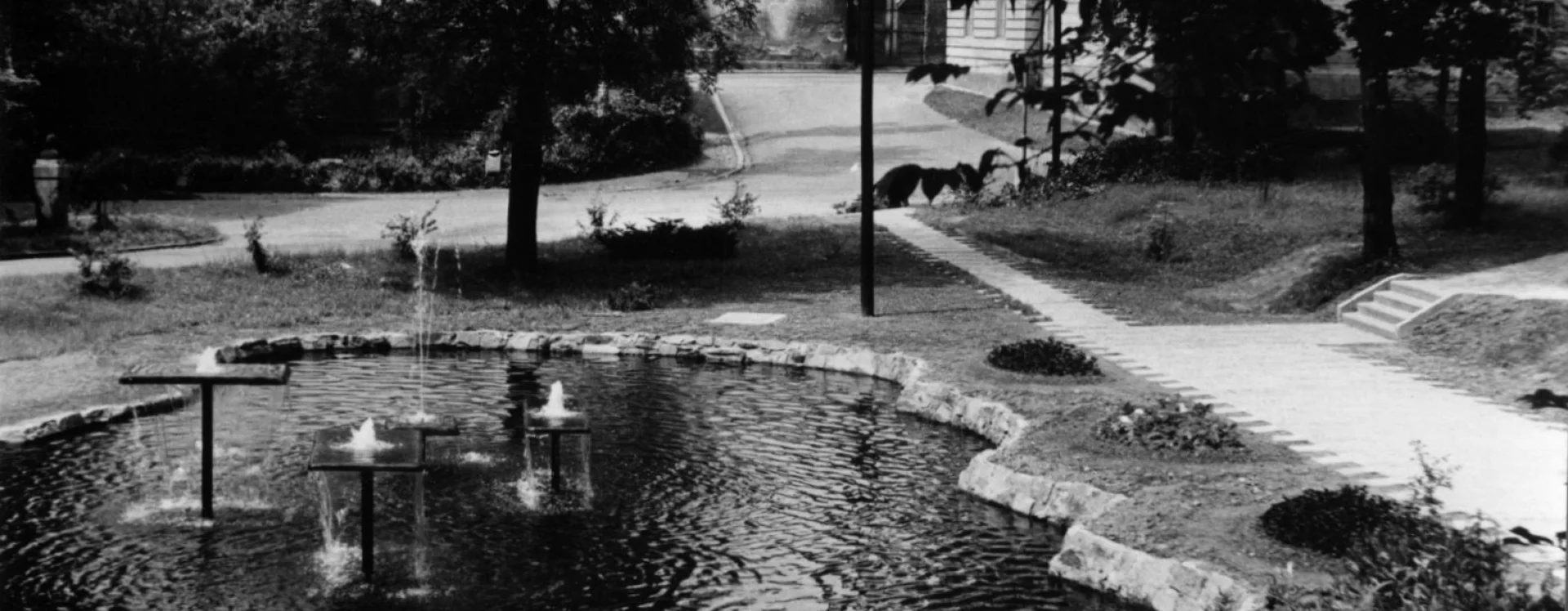
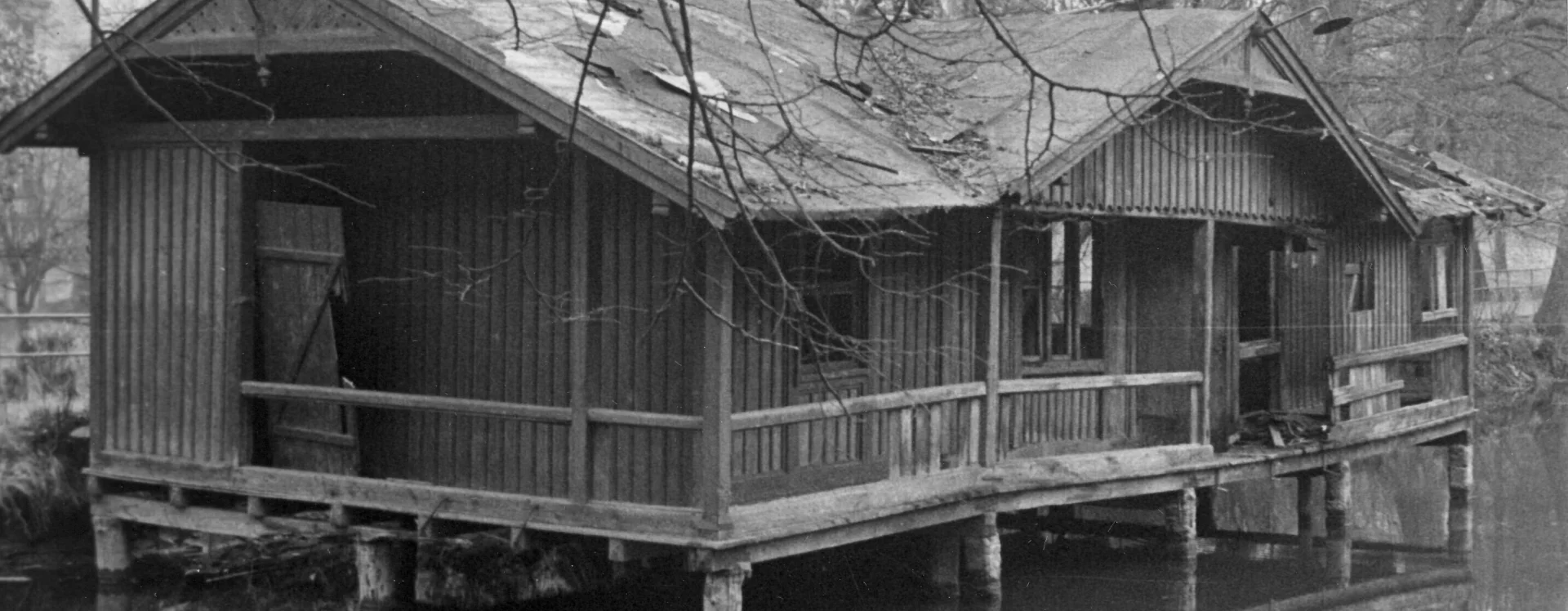
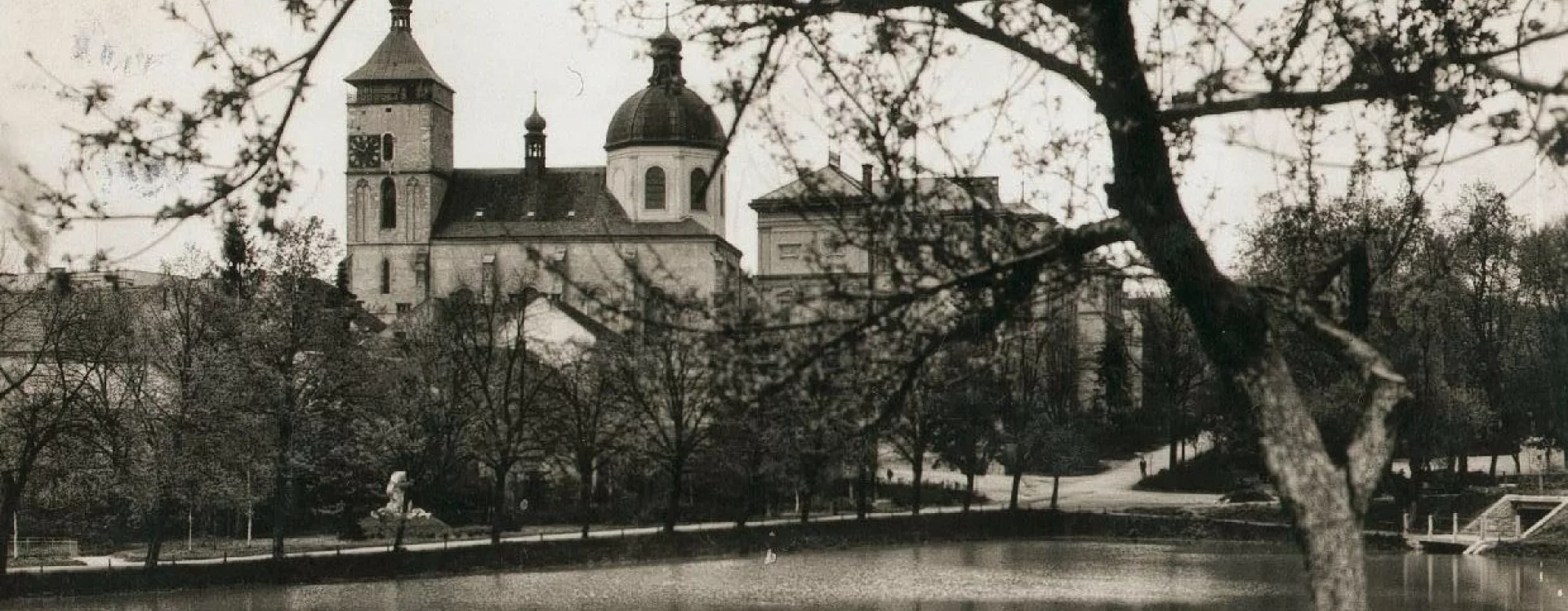
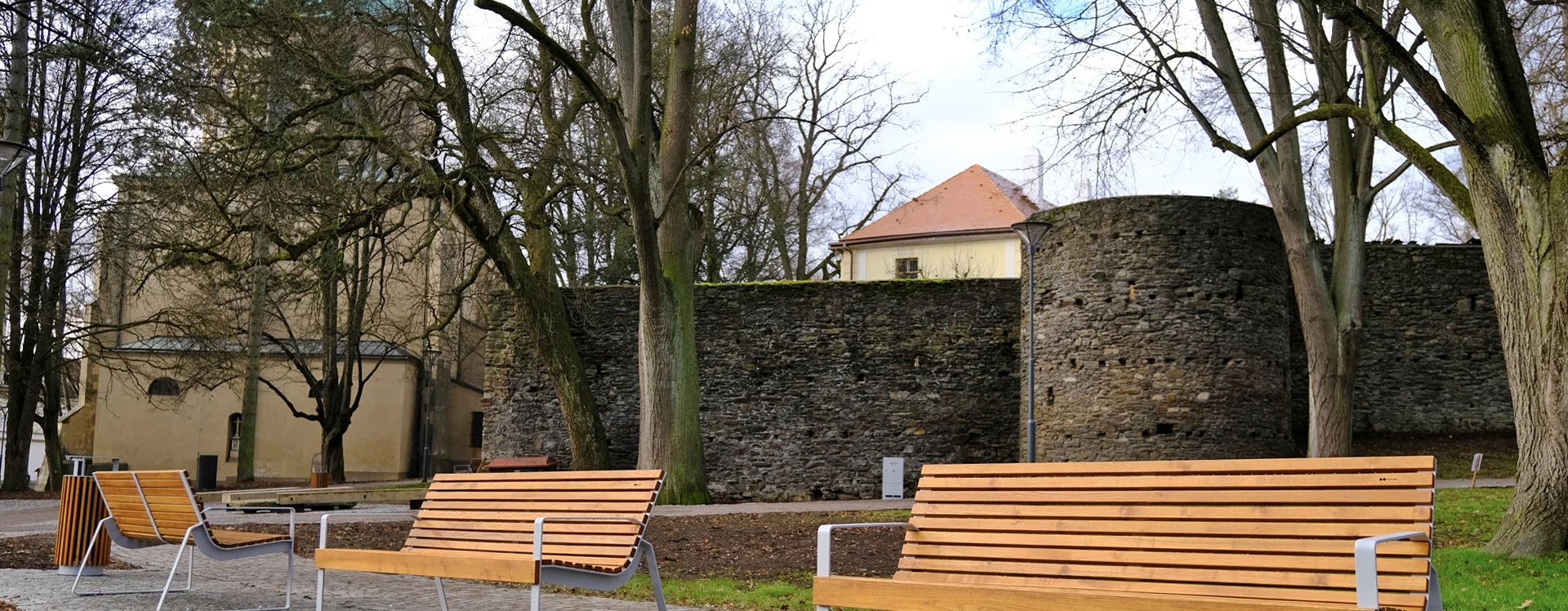
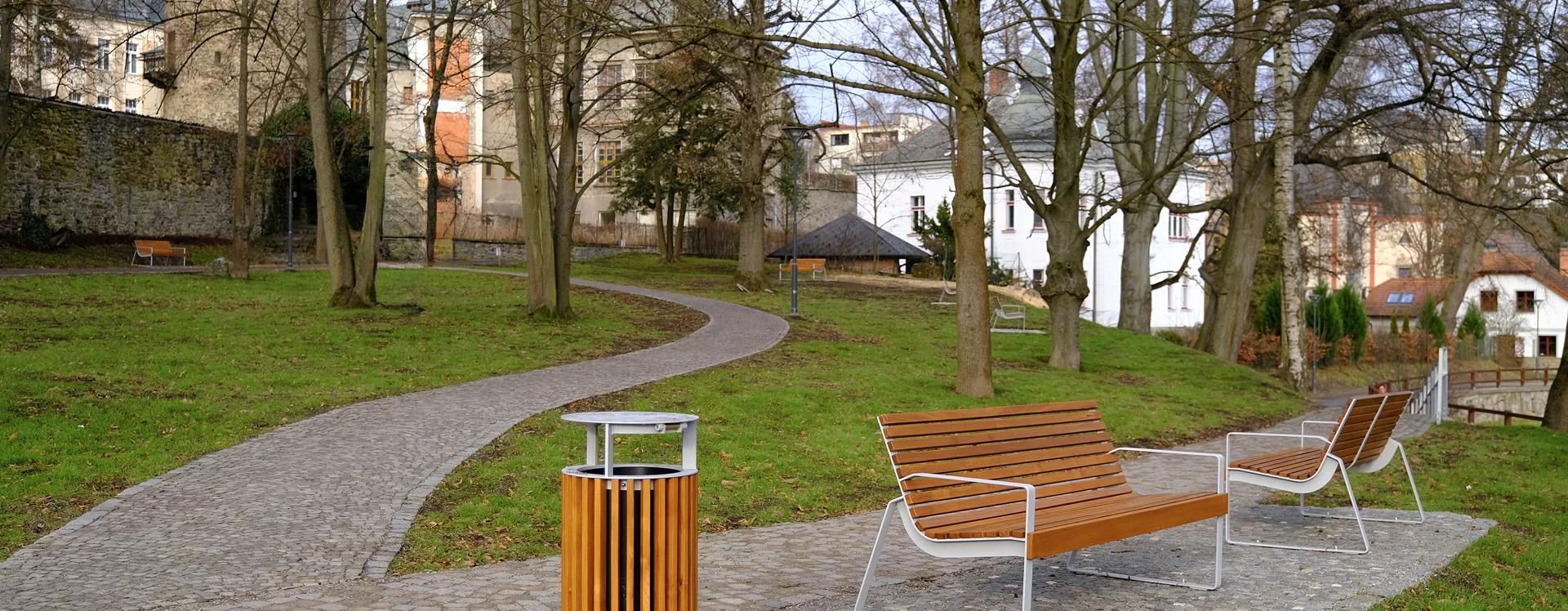
At the beginning of the third millennium, the town of Havlíčkův Brod chose Budoucnost Park in the centre of the town as one of its urban planning priorities. The park is remarkable both for its vast size and for the number of artworks commemorating important figures. The restoration of the park was entrusted to leading Czech landscape architect Zdeněk Sendler and his colleagues from the Sendler and Babka studio.
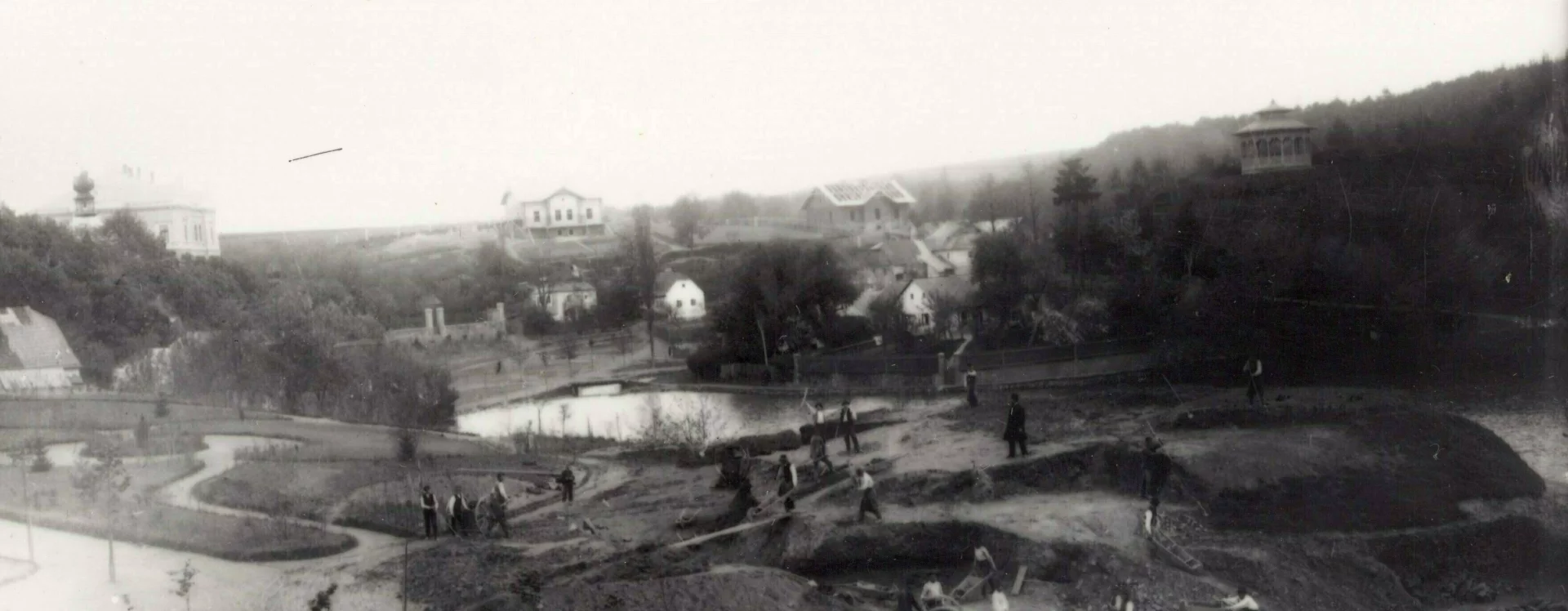
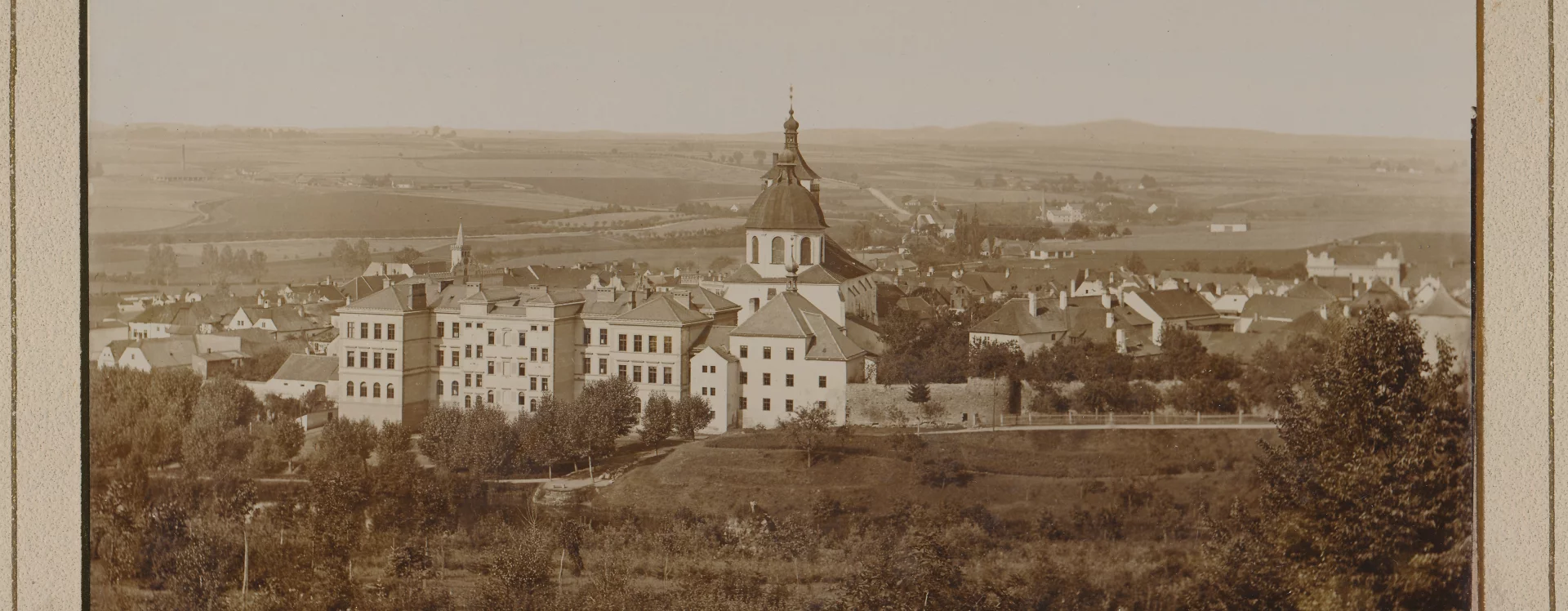
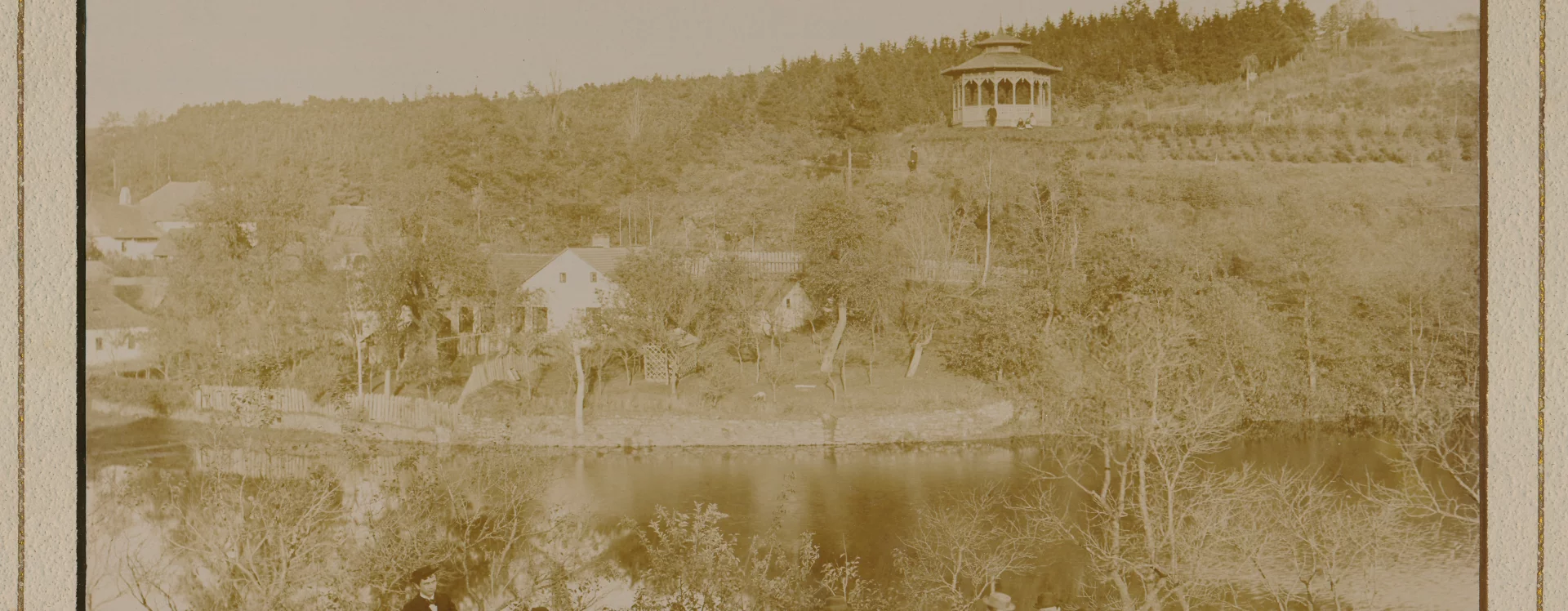
In doing so, the town continued the admirable work of the Budoucnost Beautification Society, which founded the park in 1889 and gradually expanded it through the purchase and consolidation of land until 1919, when the town took over its administration. One of the oldest parts was created just behind the town walls east of the main square in Brod, behind the deanery church, in the area of the moat and suburban development along the Cihlářský stream. It was here that the first stage of revitalization began.
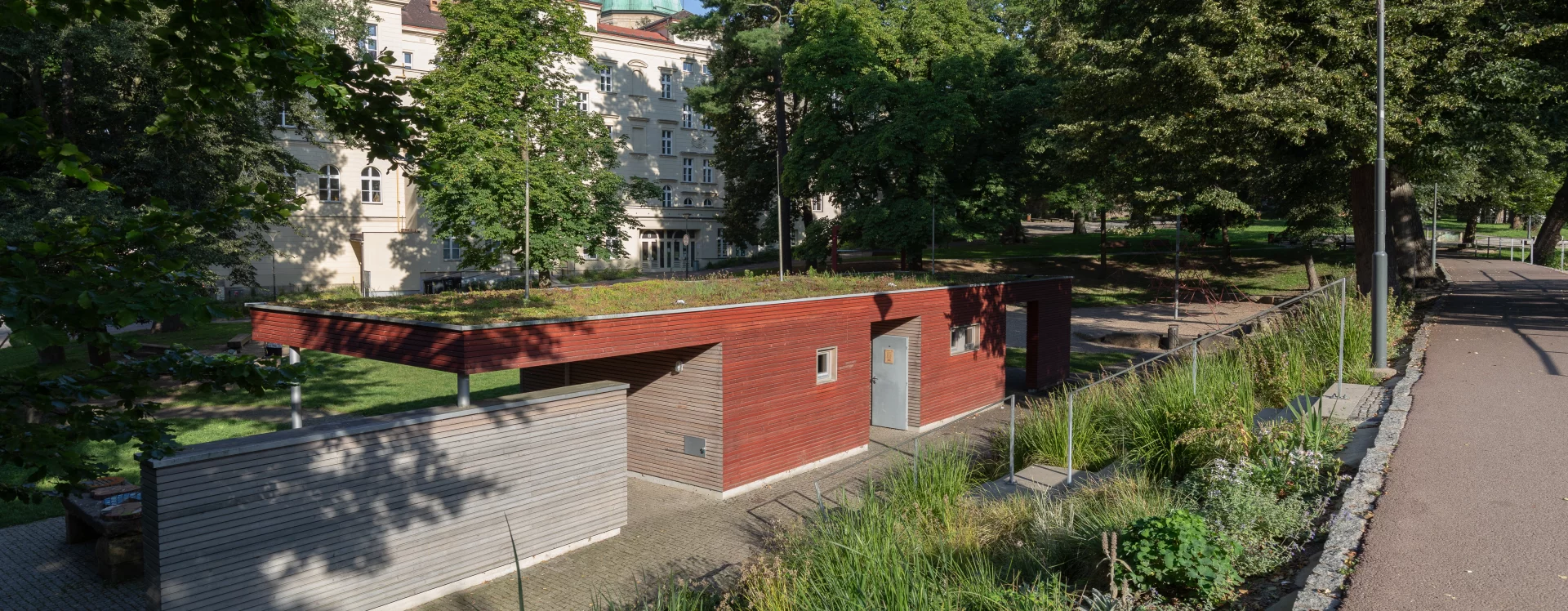
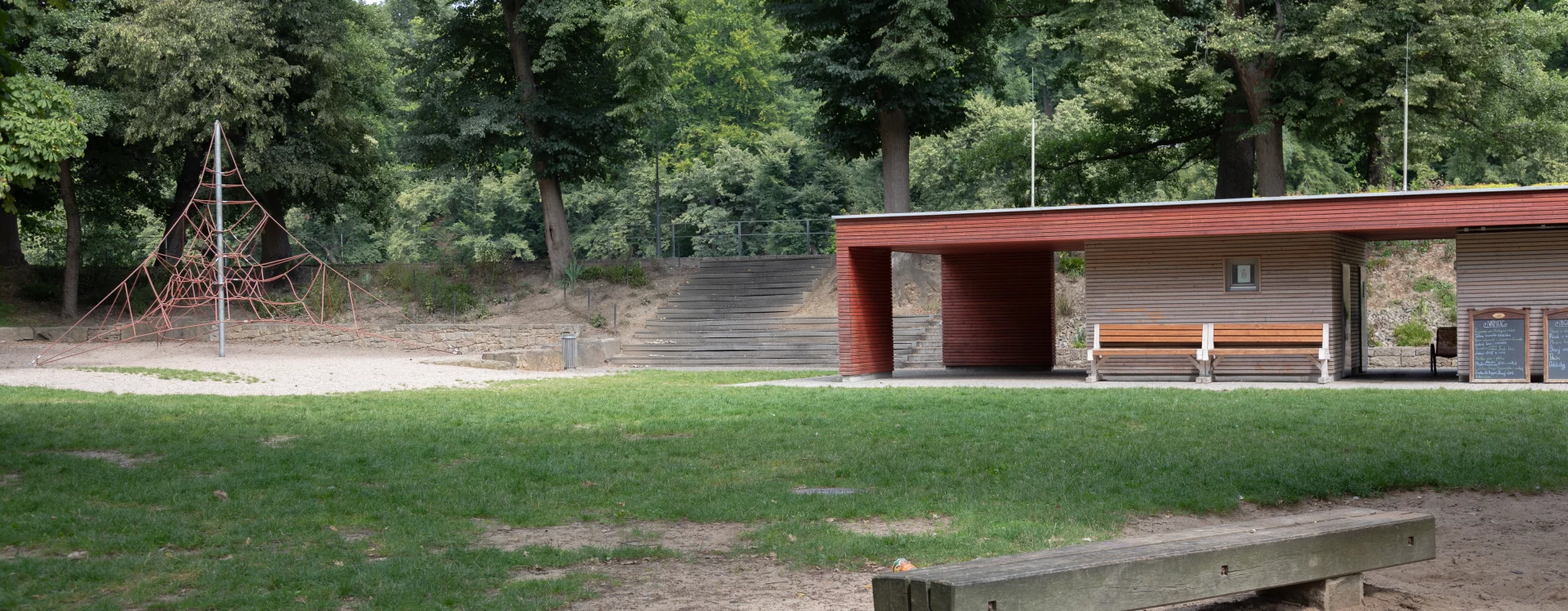
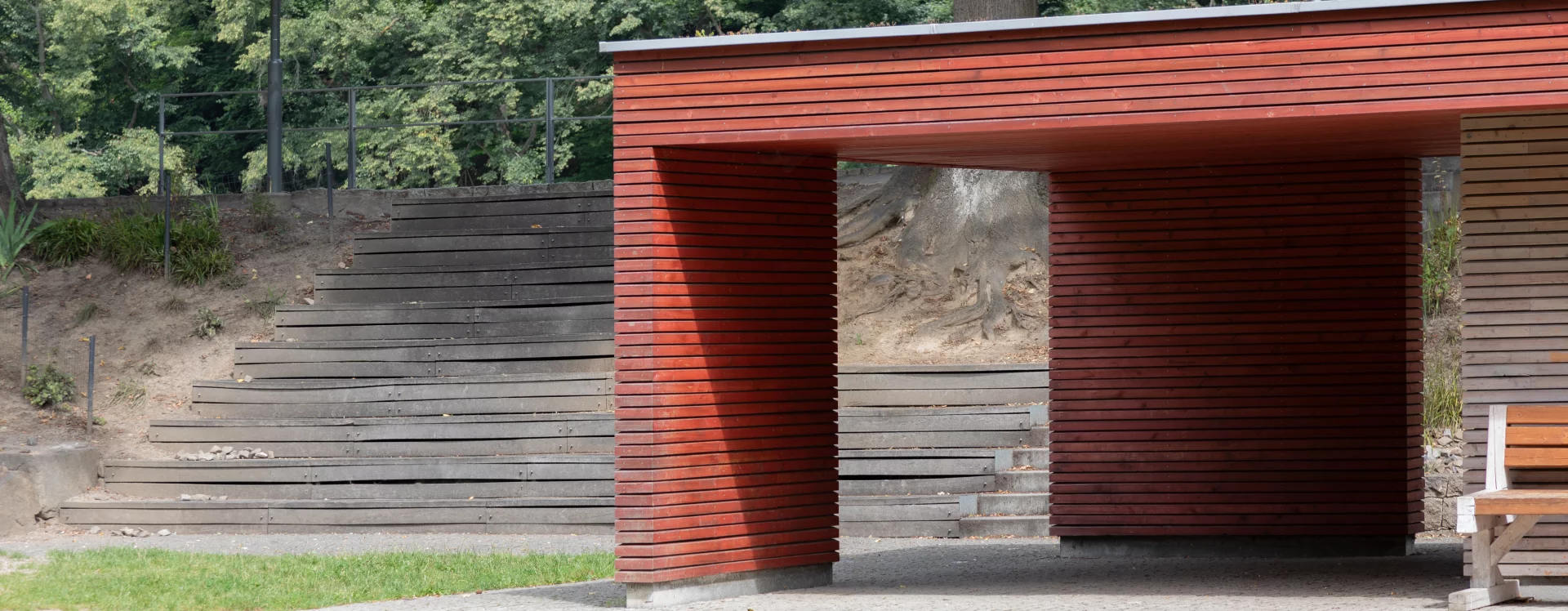
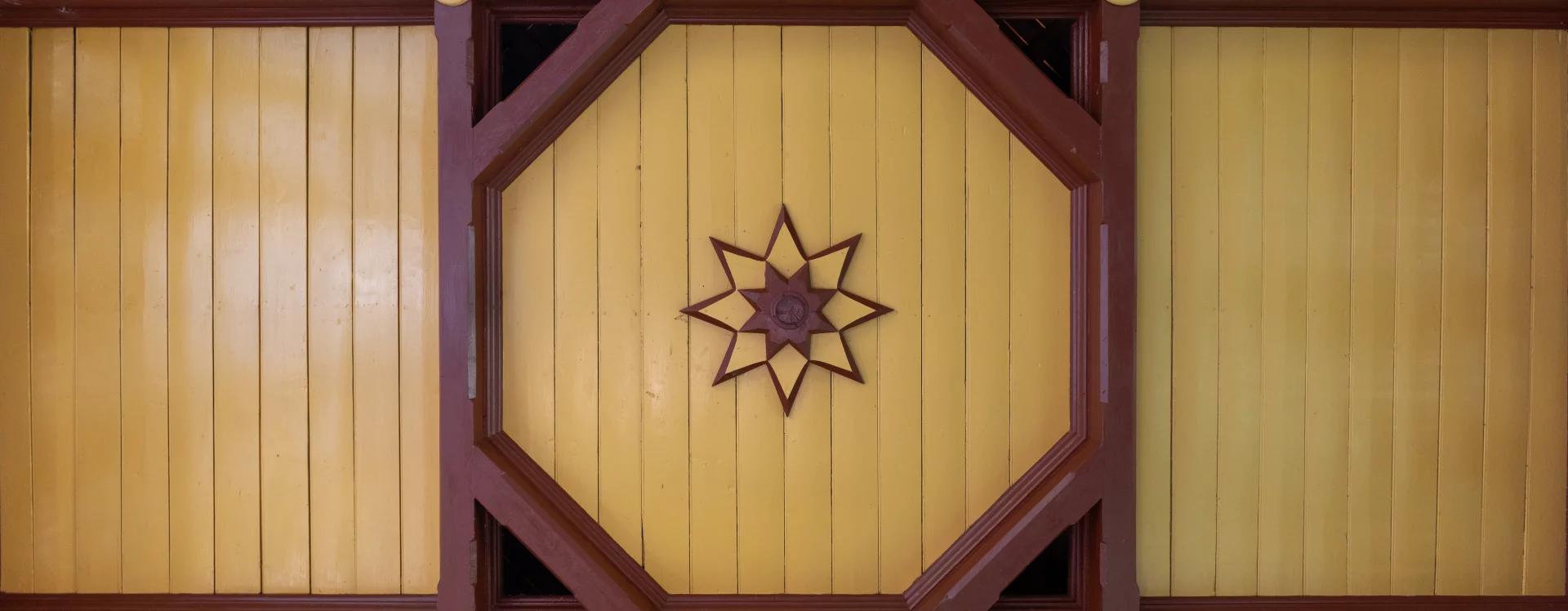
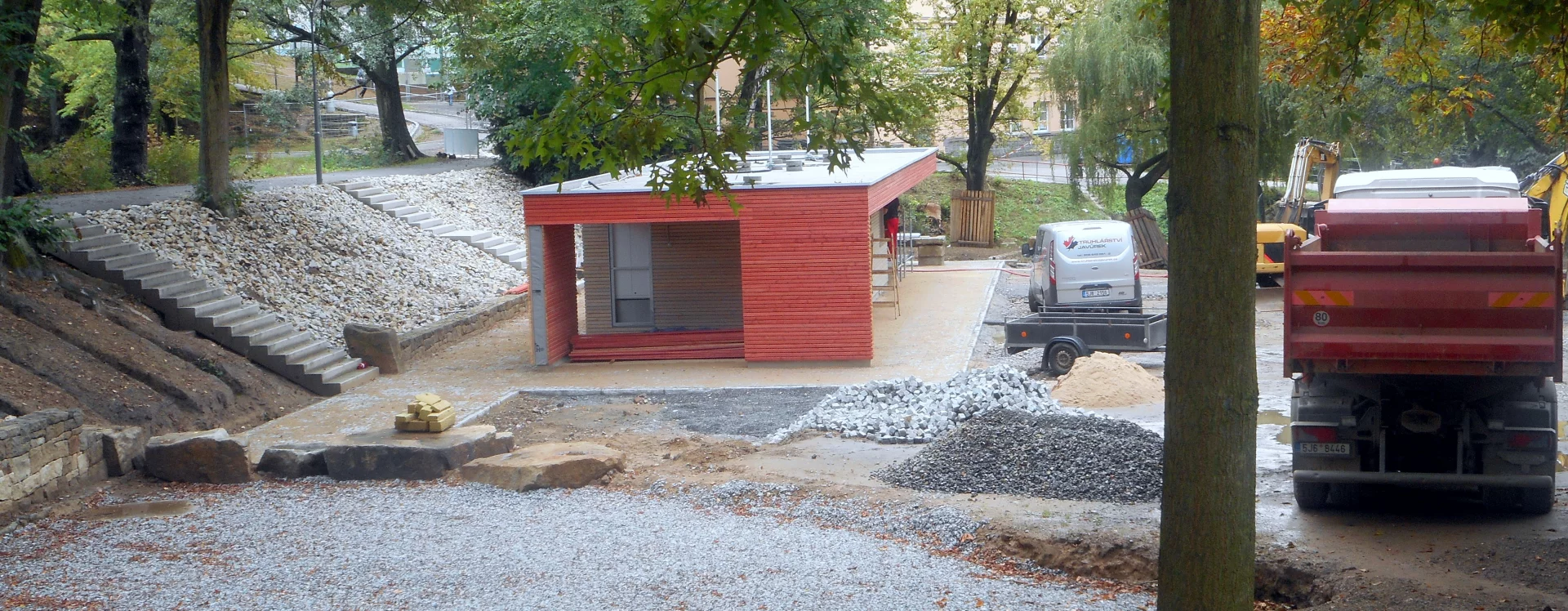
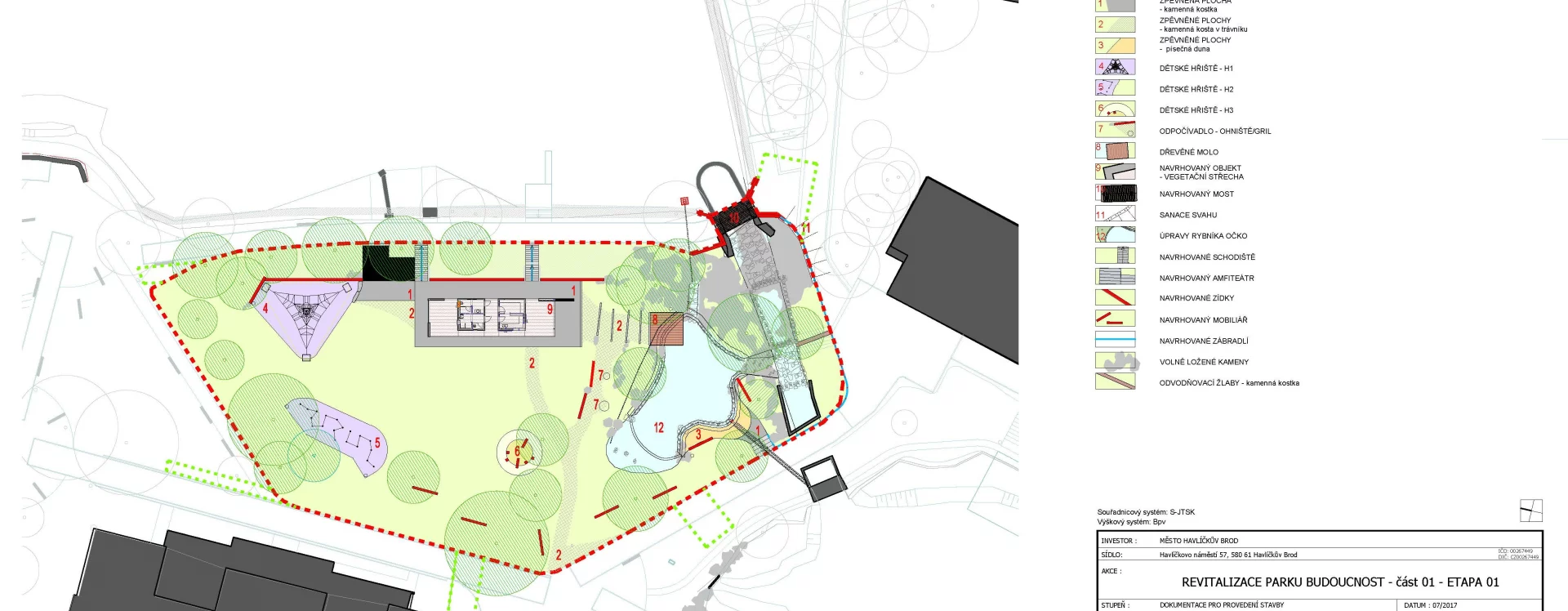
Zdeněk Sendler conceived this area as the heart of the park—its central and most vibrant part. Below the dam of the Hastrman Pond, a single-story wooden building was constructed to house the park administration, a café, and toilets. Surrounding it is a lively recreational zone with an amphitheatre and a playground designed for children of all ages.
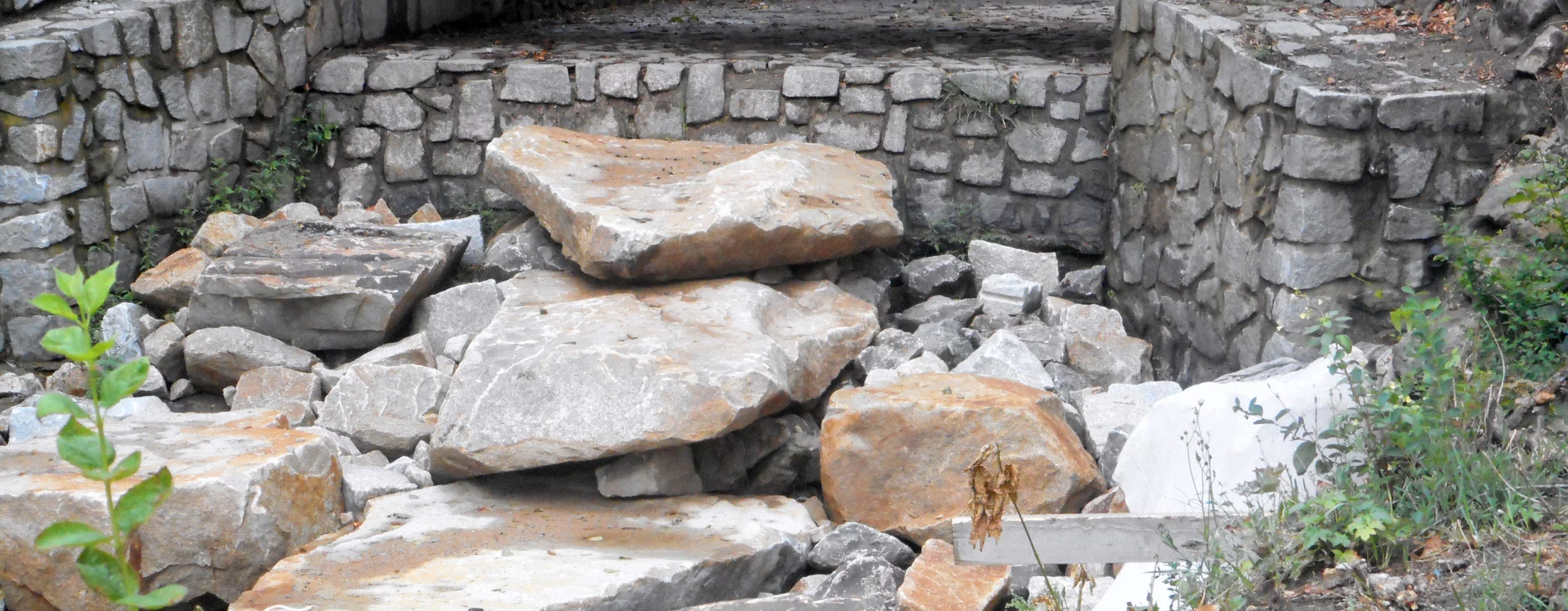
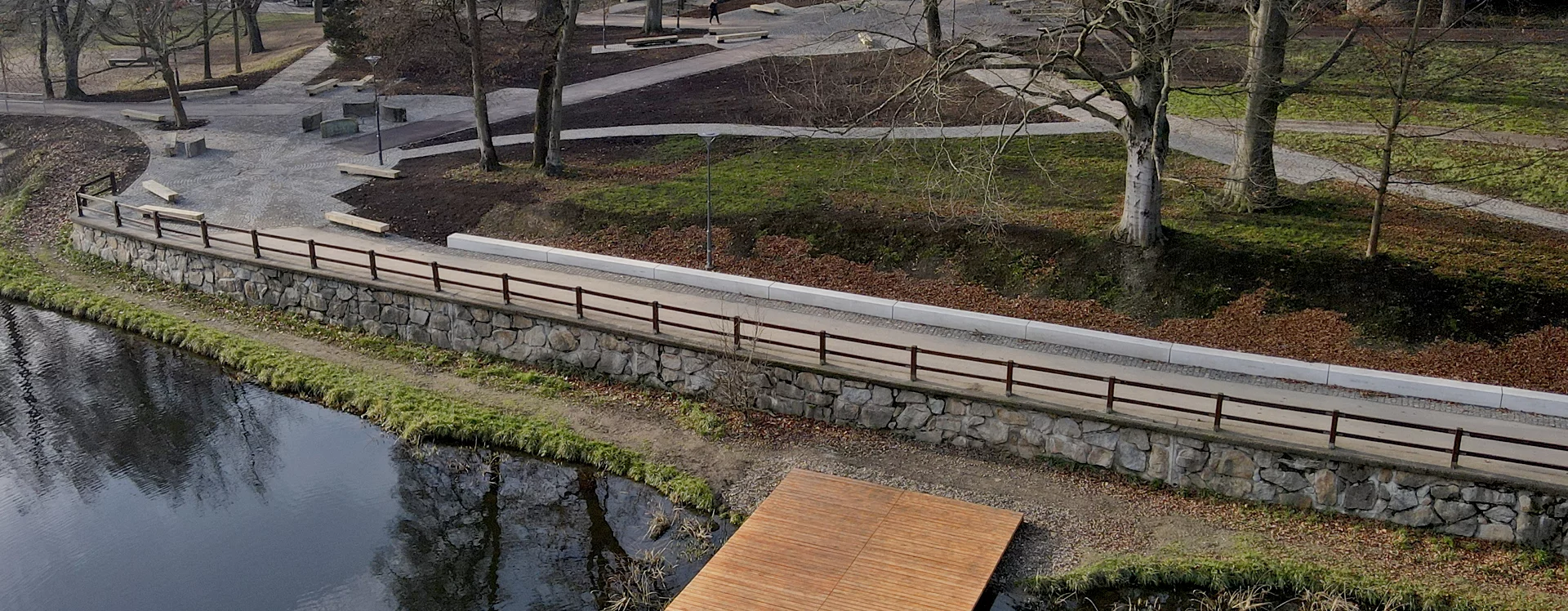
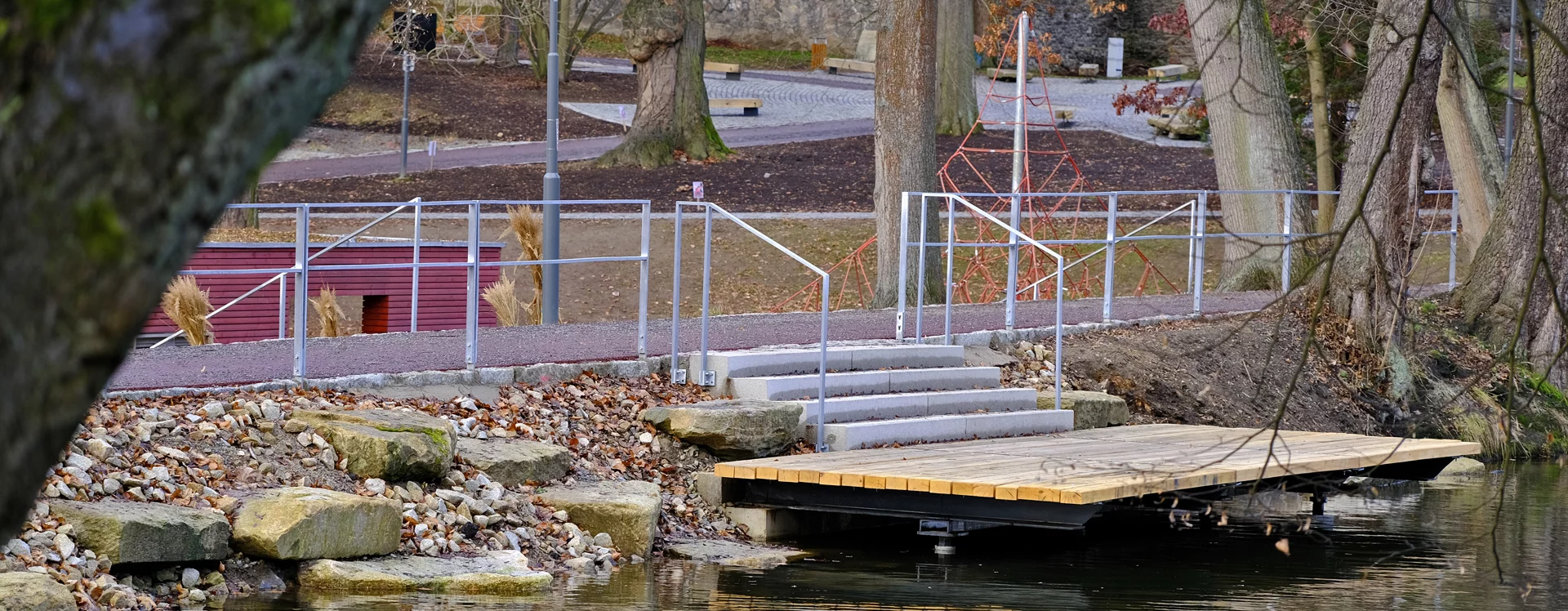
The southern edge of the area is defined by the surroundings of Očko Pond, which is fed by the water from Hastrman Pond. In contrast to the lively centre of the revitalized section of the park, this area offers a meditative retreat shaded by ornamental trees. The addition of natural boulders, a wooden pier and a small paved terrace has created a peaceful corner, welcoming both visitors and the local aquatic fauna.
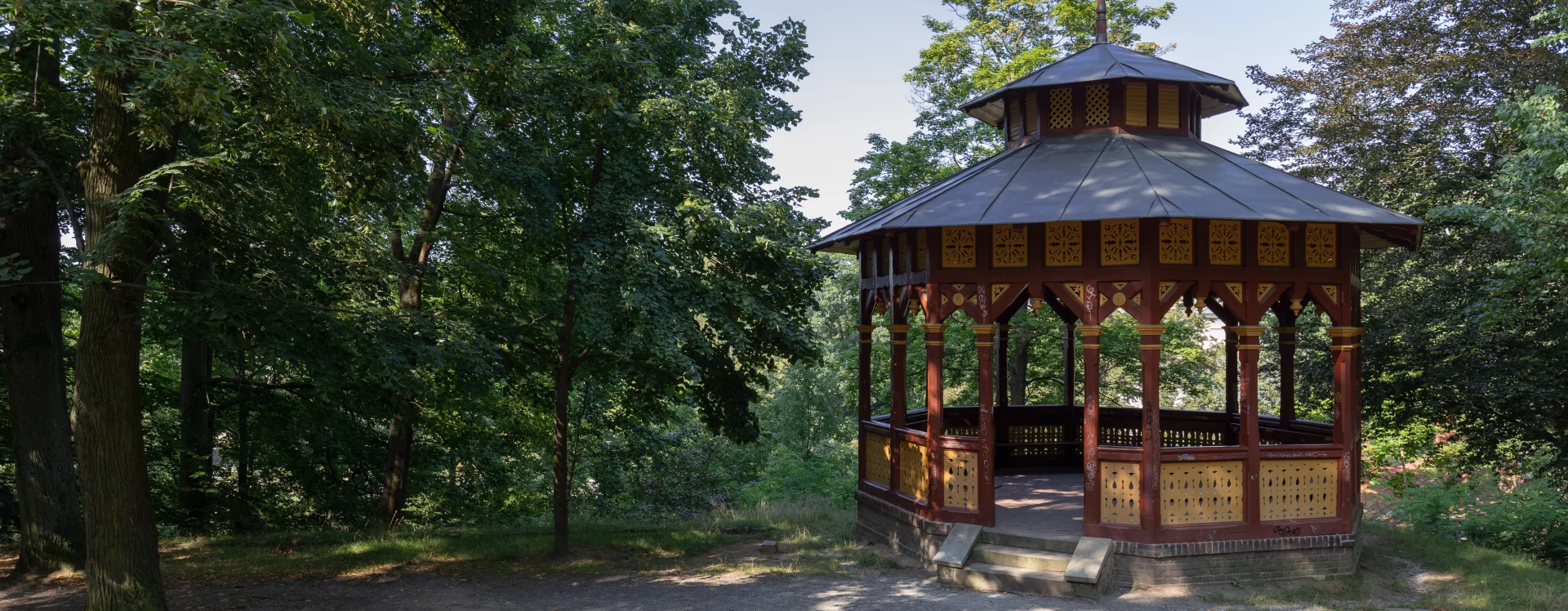
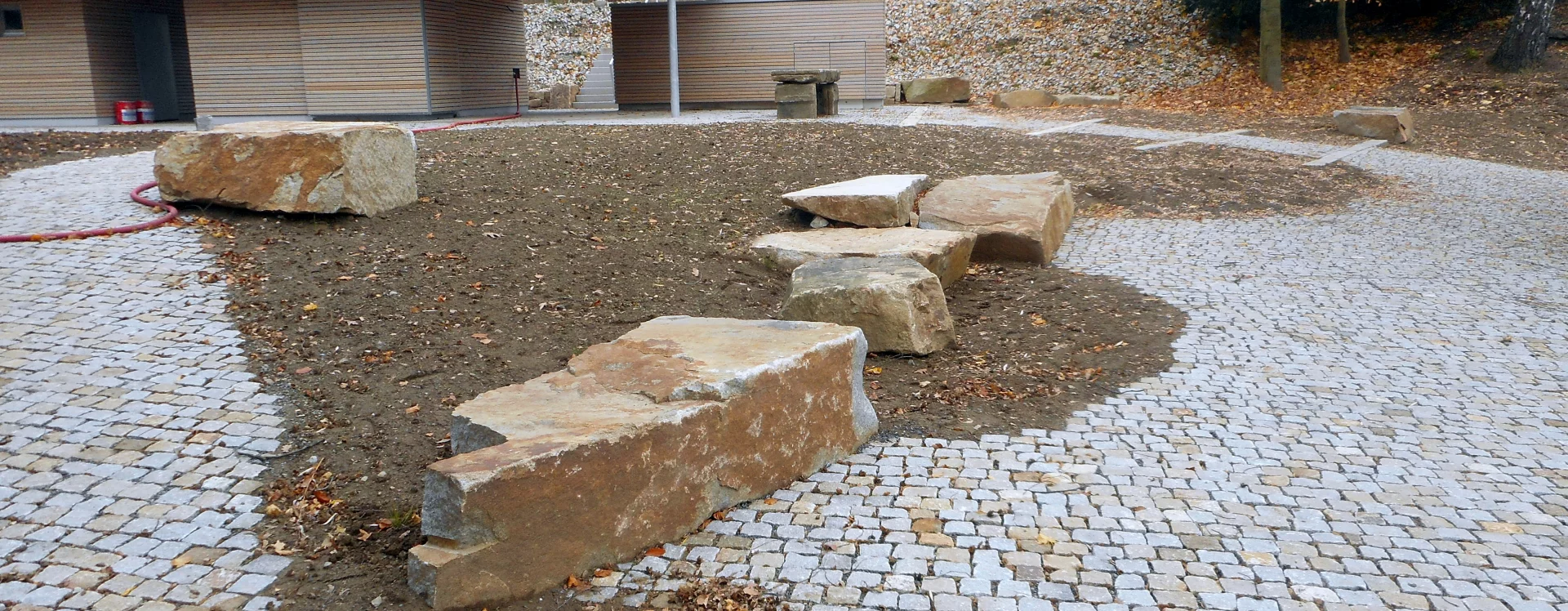
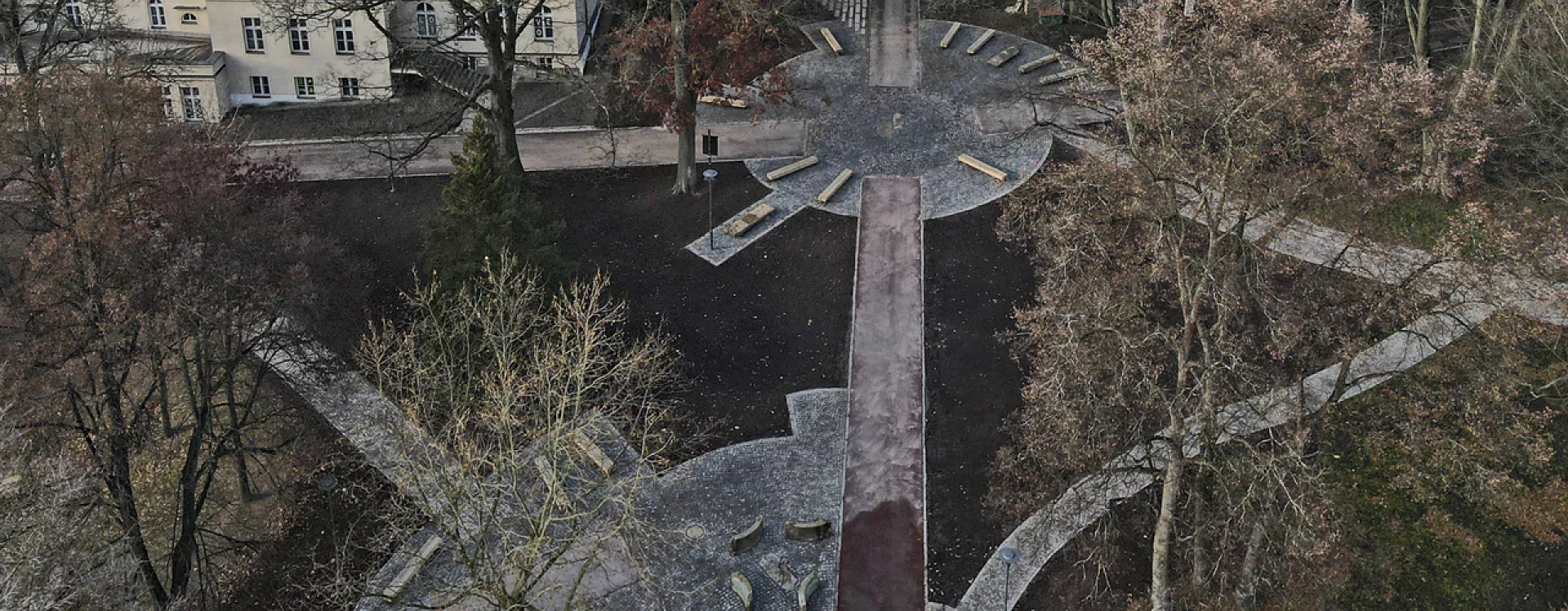
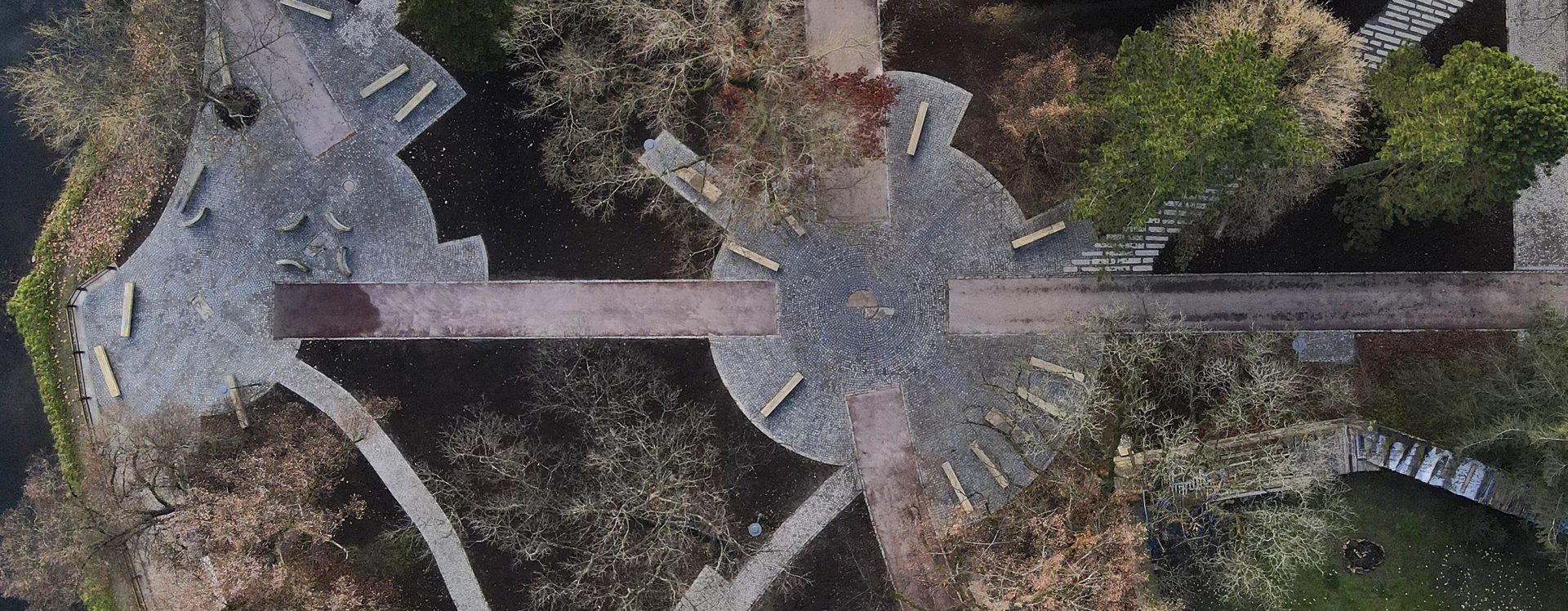
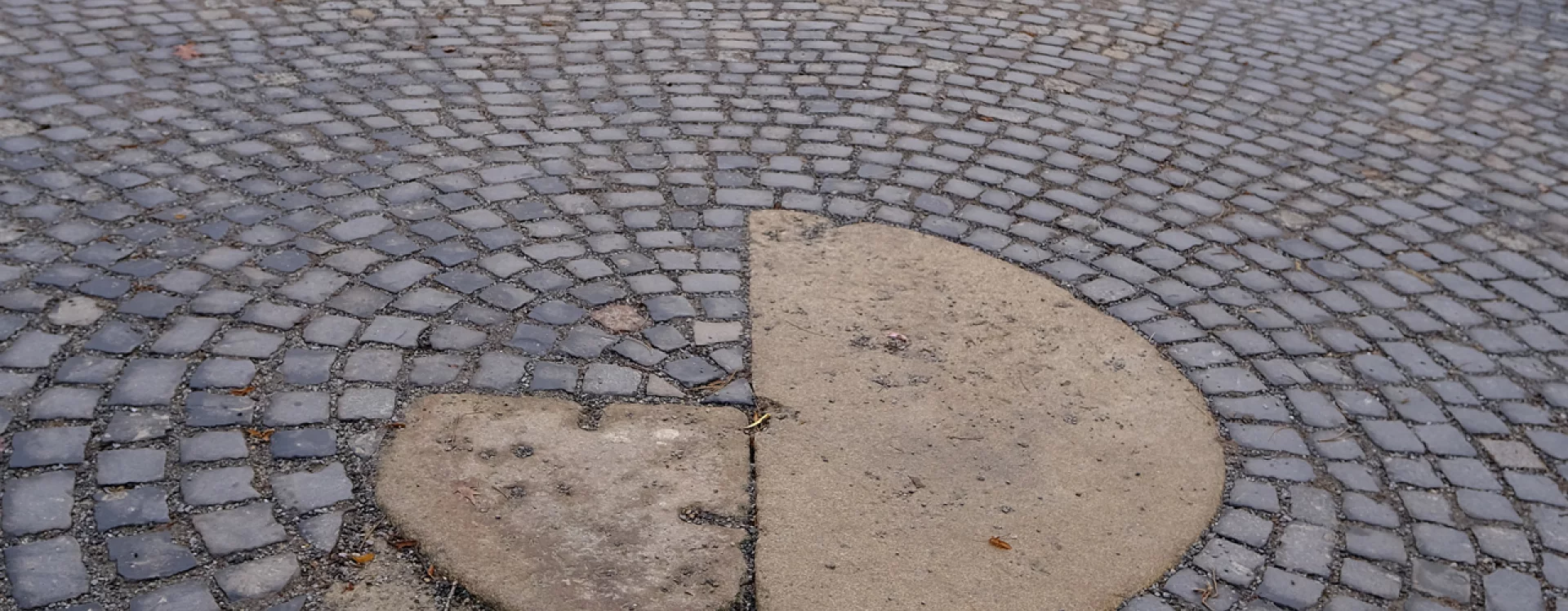
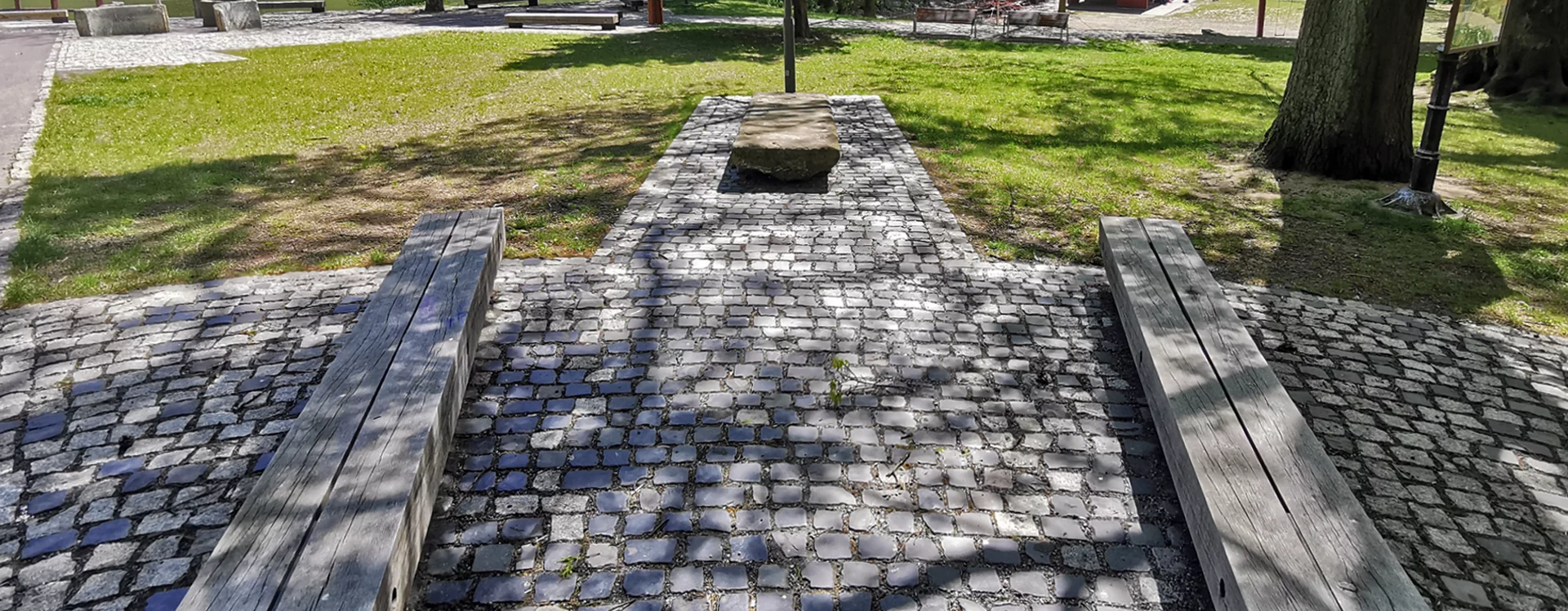
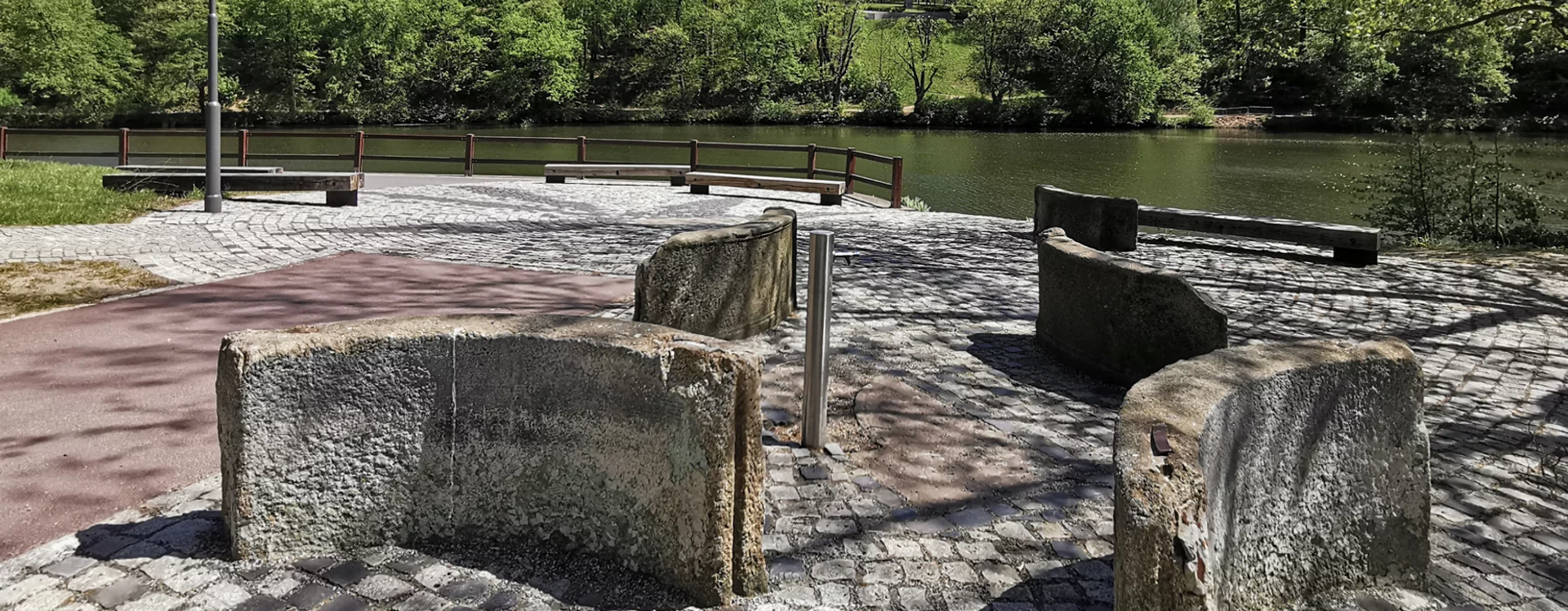
A characteristic feature of the project is the series of subtle interventions that interpret the site’s historical context. A key conceptual axis extends from the park entrance, carved through the walls behind the deanery church, to the Karel Havlíček Memorial (HB-pc1736_1) above Hastrman Pond. The architects used refurbished historical stone elements on this axis. For the site furniture and part of the walkways, they chose stone blocks which had originally been used for other purposes. On the edge of the pond, a space with additional benches and a drinking fountain was created, surrounded by fragments of the original balustraded of the Baroque Koudela fountain from the square, which had been replaced in the past by a replica due to leaks and was awaiting further use.
The project is further characterized by the use of natural materials, stone, and wood. Oak beams serve as seating, and the paved areas have been laid with stone setts, allowing for a gradual softening and transition into unpaved areas. Other surfaces are made of pebbles, gravel or sand, as needed. The Hastrman and Očko ponds are accessible to visitors via stone steps as well as wooden piers and walkways.
The project’s successful integration of diverse visitor needs, its reflection of the site’s history, and its respect for the local environment earned it the Vysočina Region Building of the Year 2019 award, recognizing its revival of the symbiosis between nature and the urban fabric.
Zuzana Trnková, 2025
Literature
Revitalizace parku Budoucnost, odborné ošetření a revitalizace stromů. In: Veřejné zakázky Havlíčkův Brod. Available from: https://zakazky.muhb.cz/contract_display_344.html [accessed 17. 7. 2025]
Revitalizace parku Budoucnost. In: archiweb.cz. Available from: https://www.archiweb.cz/b/revitalizace-parku-budoucnost [accessed 10. 8. 2025]
Revitalizace parku Budoucnost. In: Dobrá praxe, Národní síť Zdravých měst ČR. Available from: https://dobrapraxe.cz/en/priklady-dobre-praxe/havlickuv-brod-revitalizace-parku-budoucnost-v-havlickove-brode [accessed 10. 8. 2025]
Štěpánka Saadouni. Park je místo, které má žít, říká architekt Sendler. In: Havlíčkobrodský deník.cz. 23. 9. 2019. Available from: https://havlickobrodsky.denik.cz/zpravy_region/park-je-misto-ktere-ma-zit-rika-architekt-sendler-20190923.html [accessed 10. 8. 2025]