

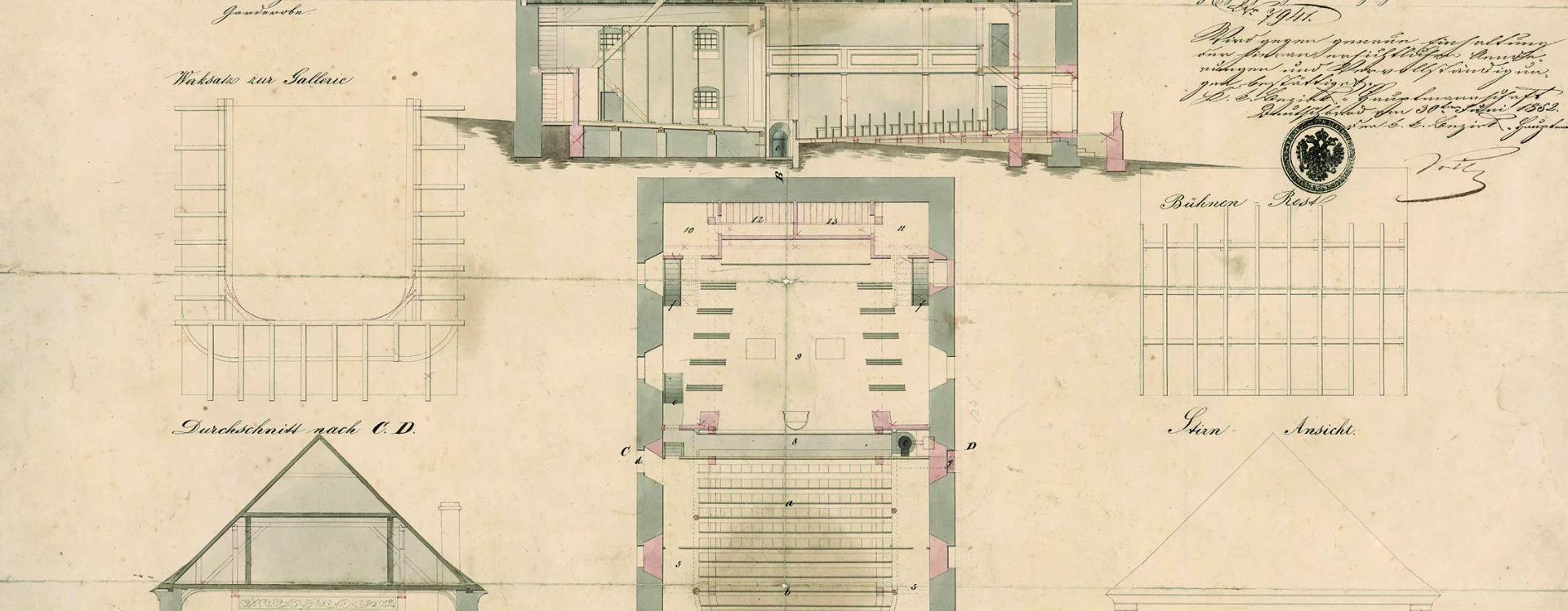
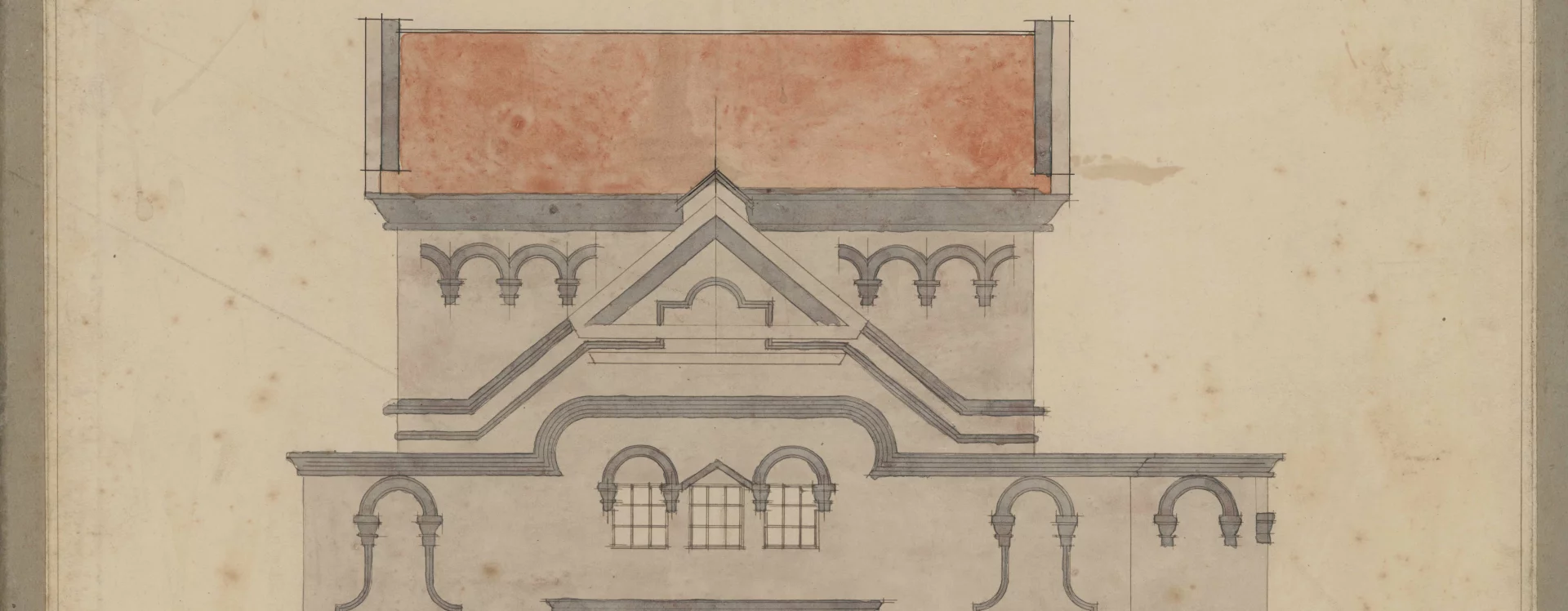
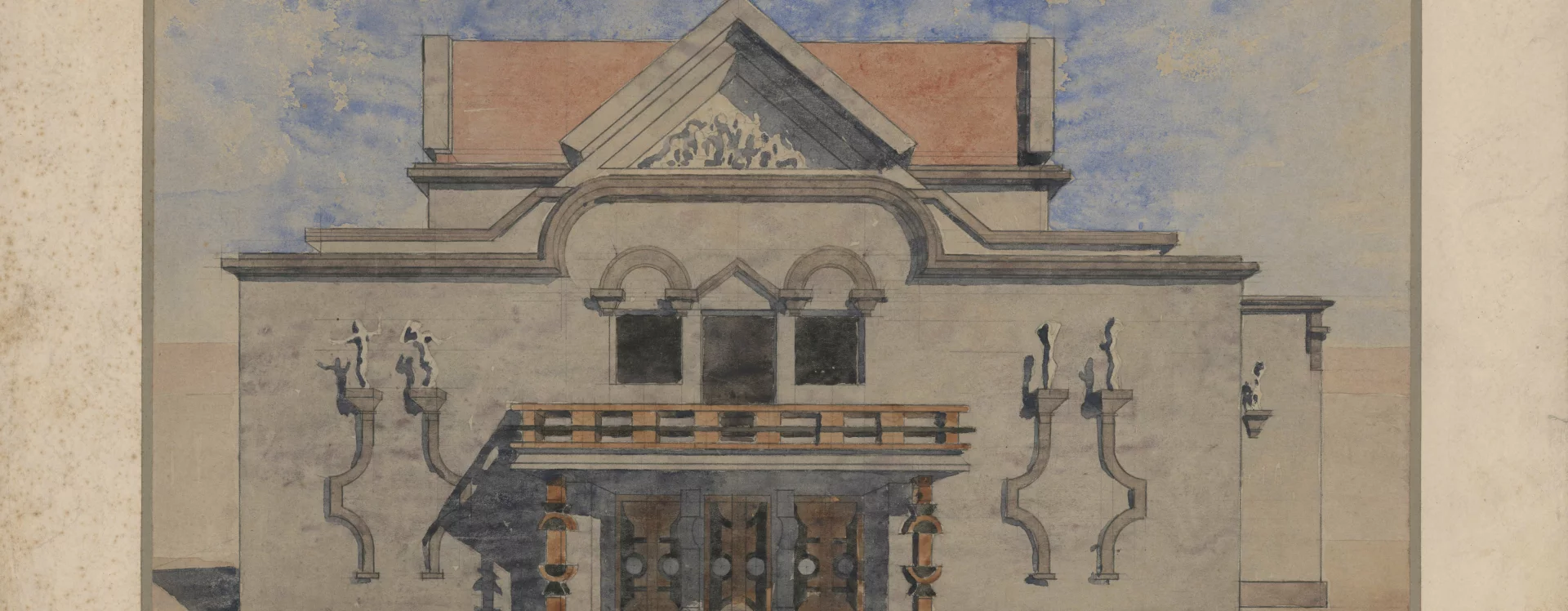
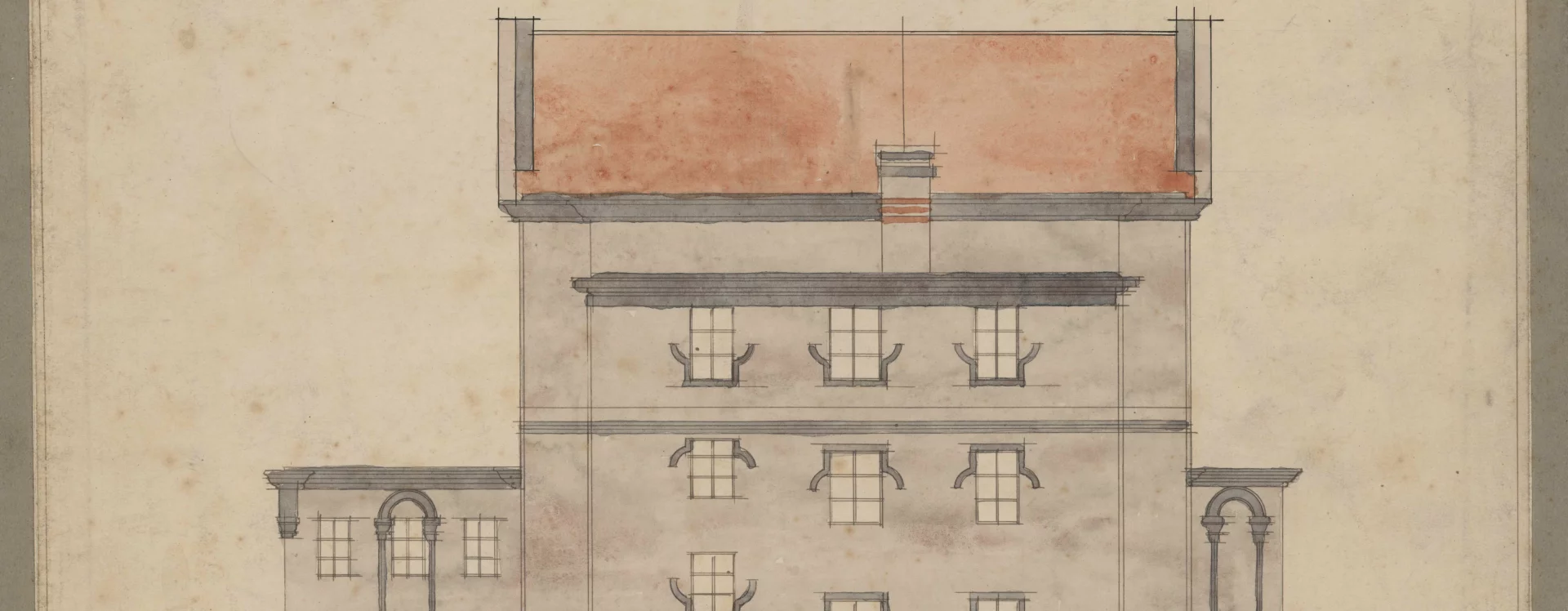

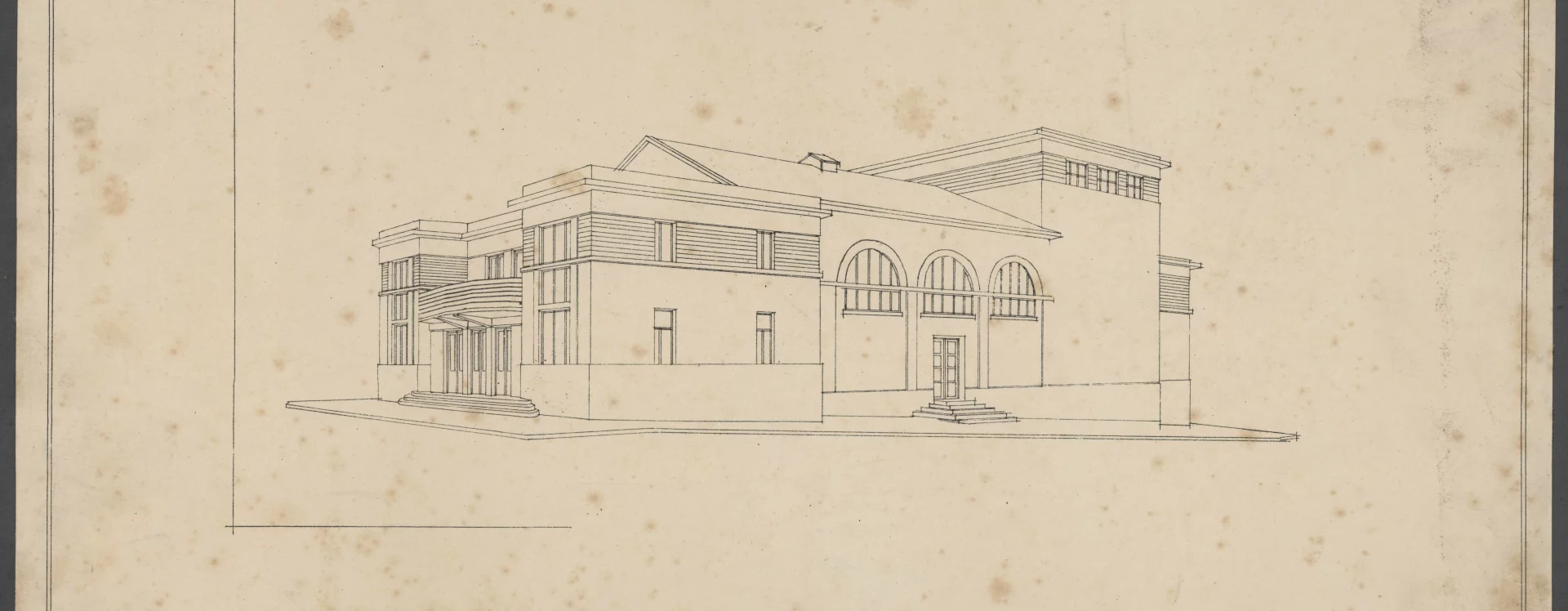
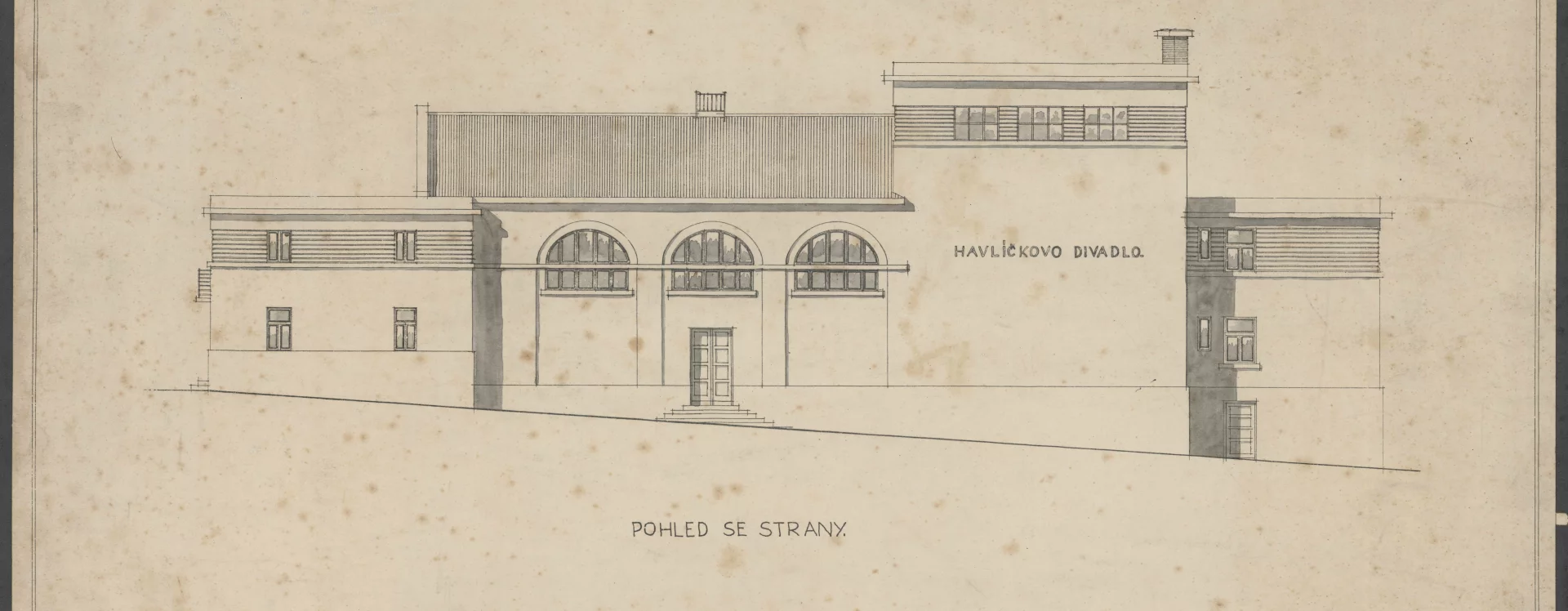
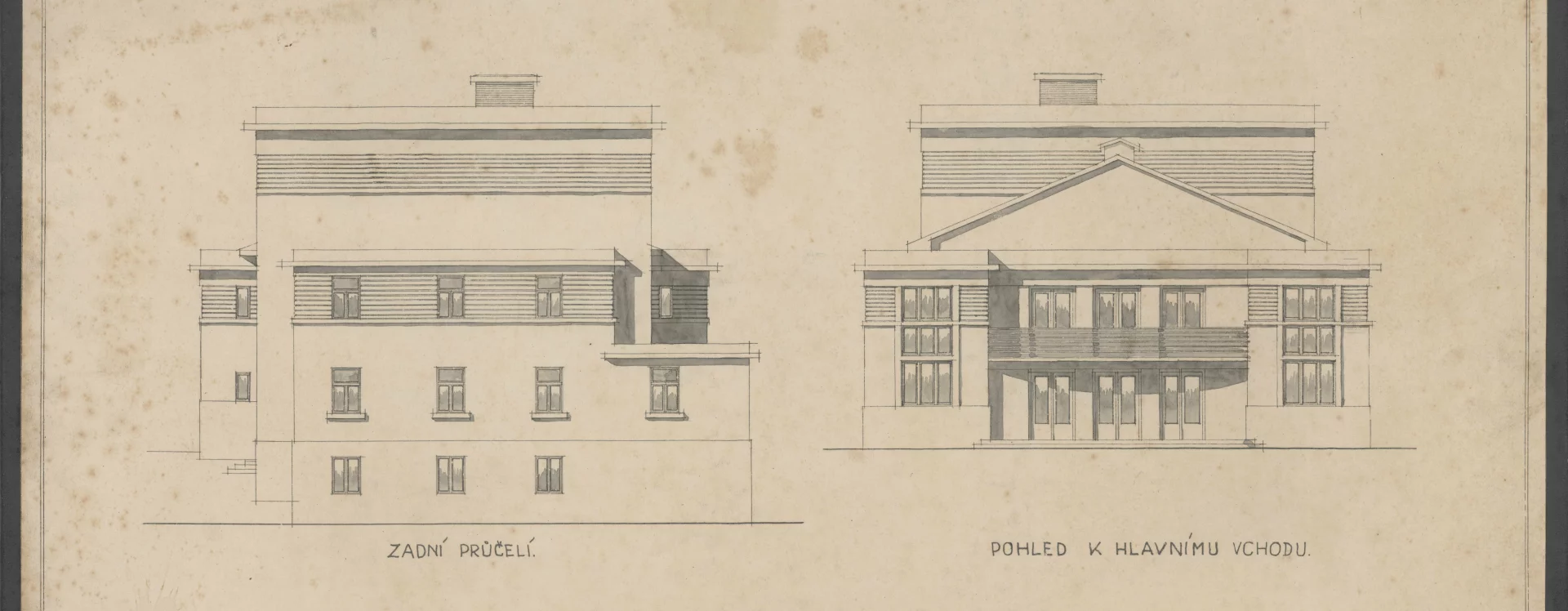
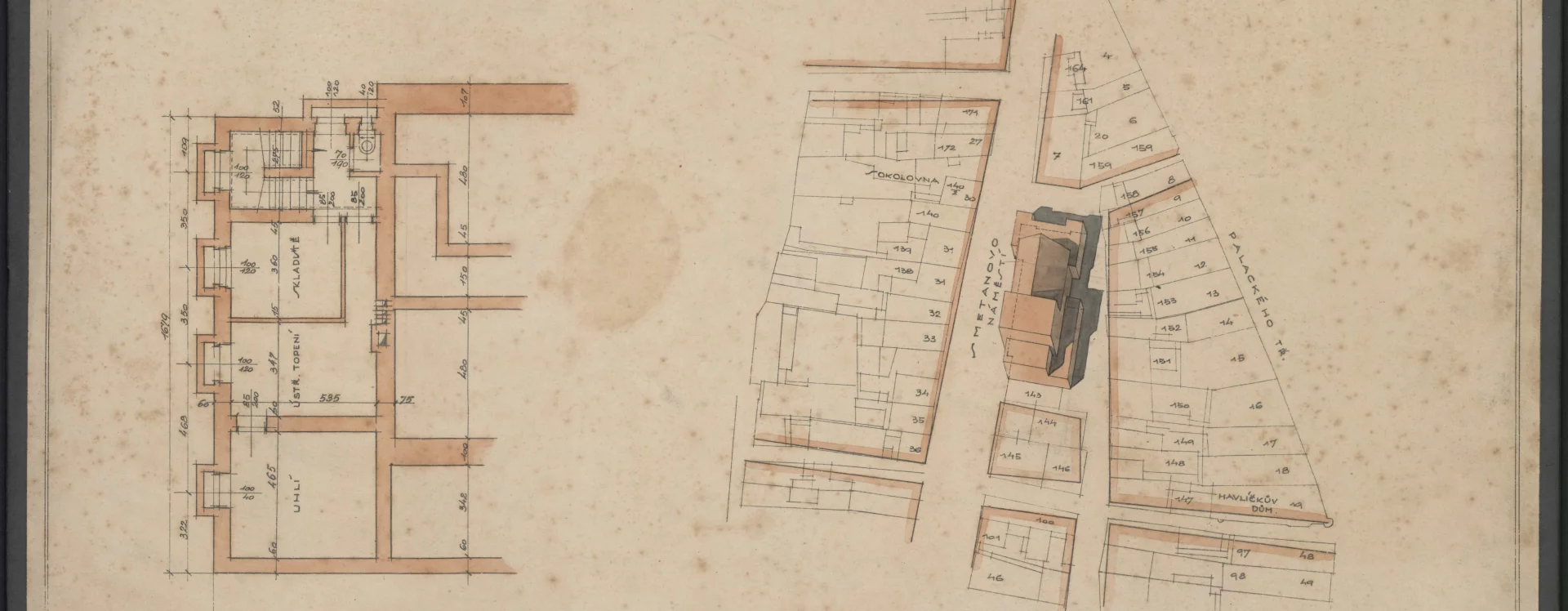
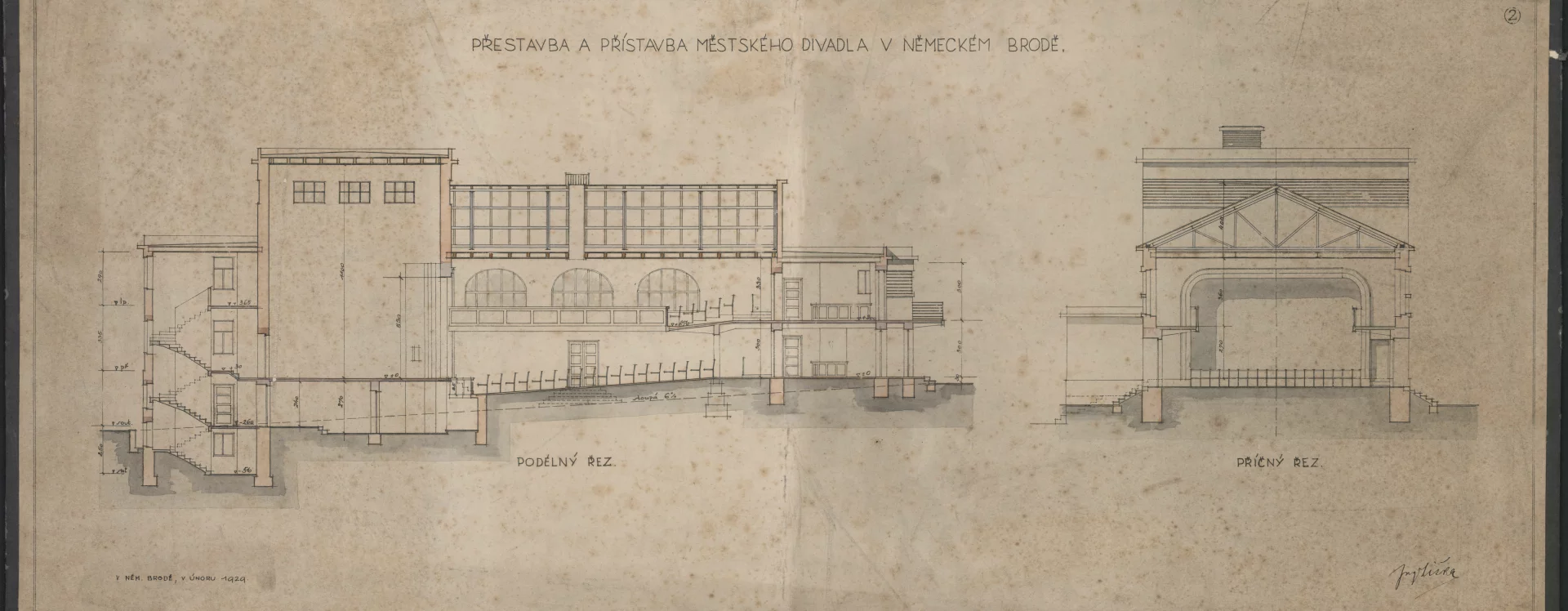
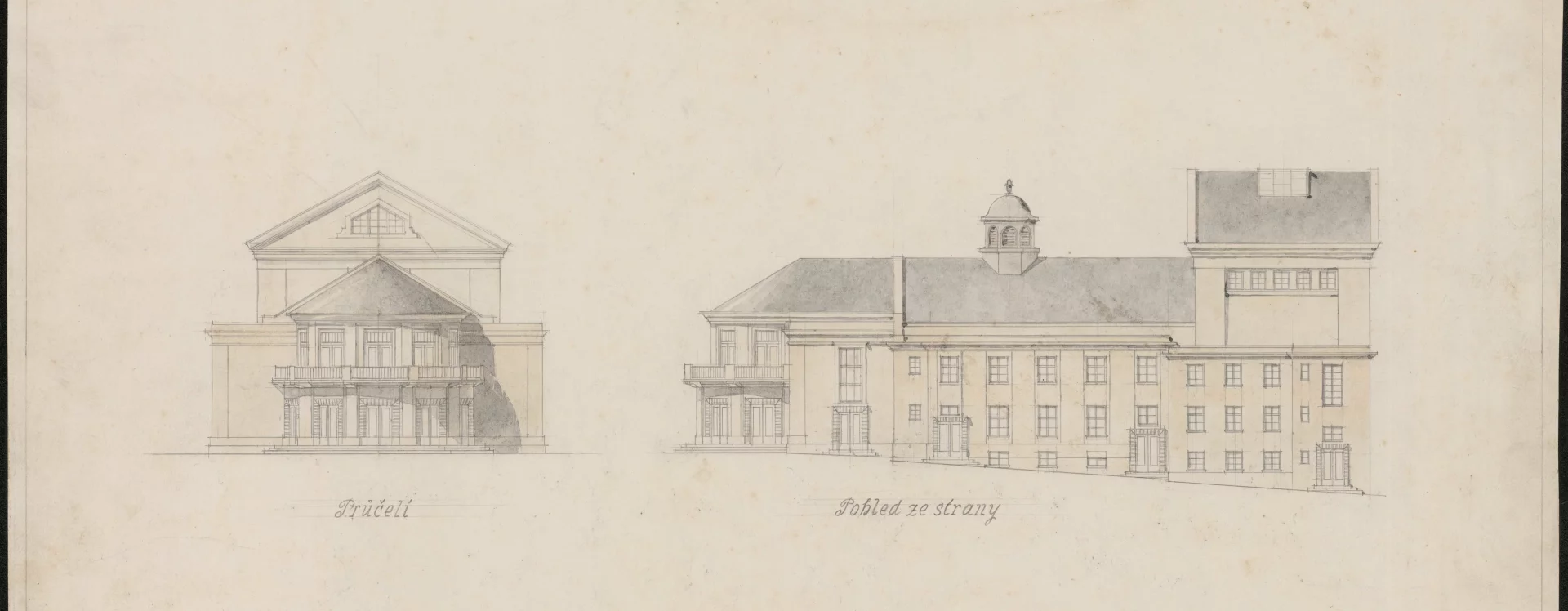
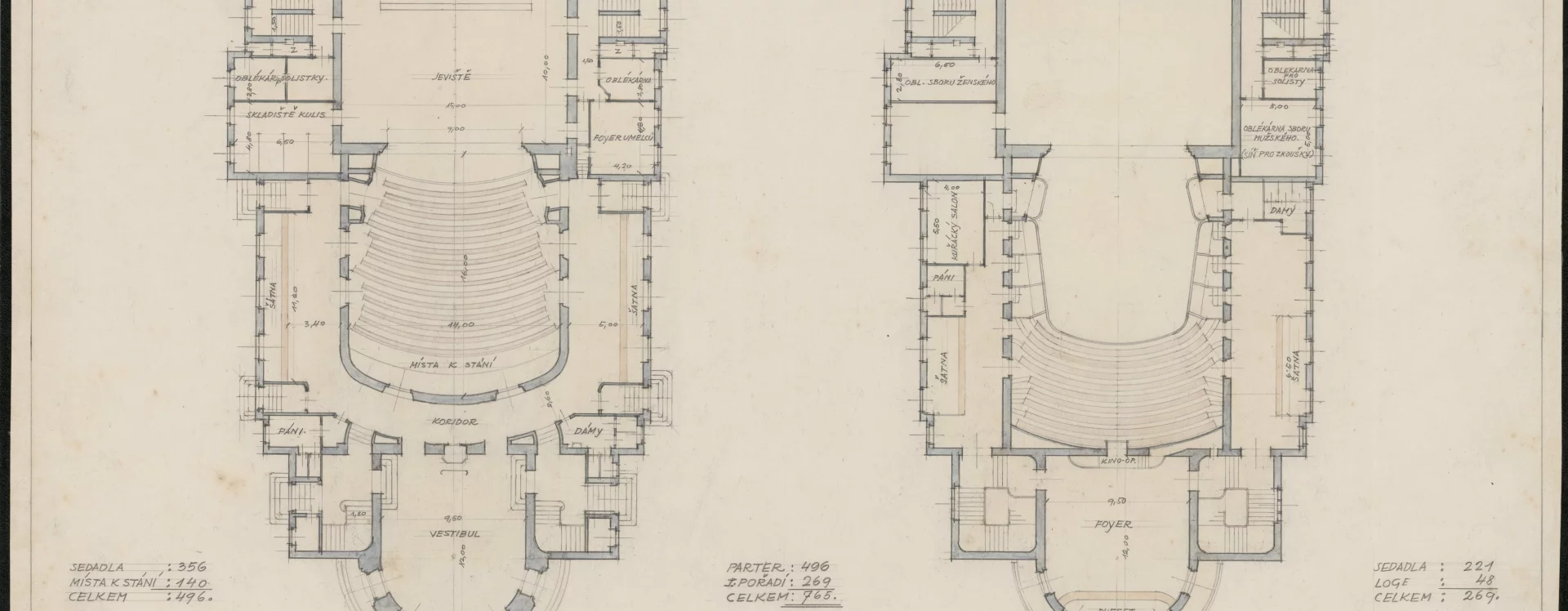
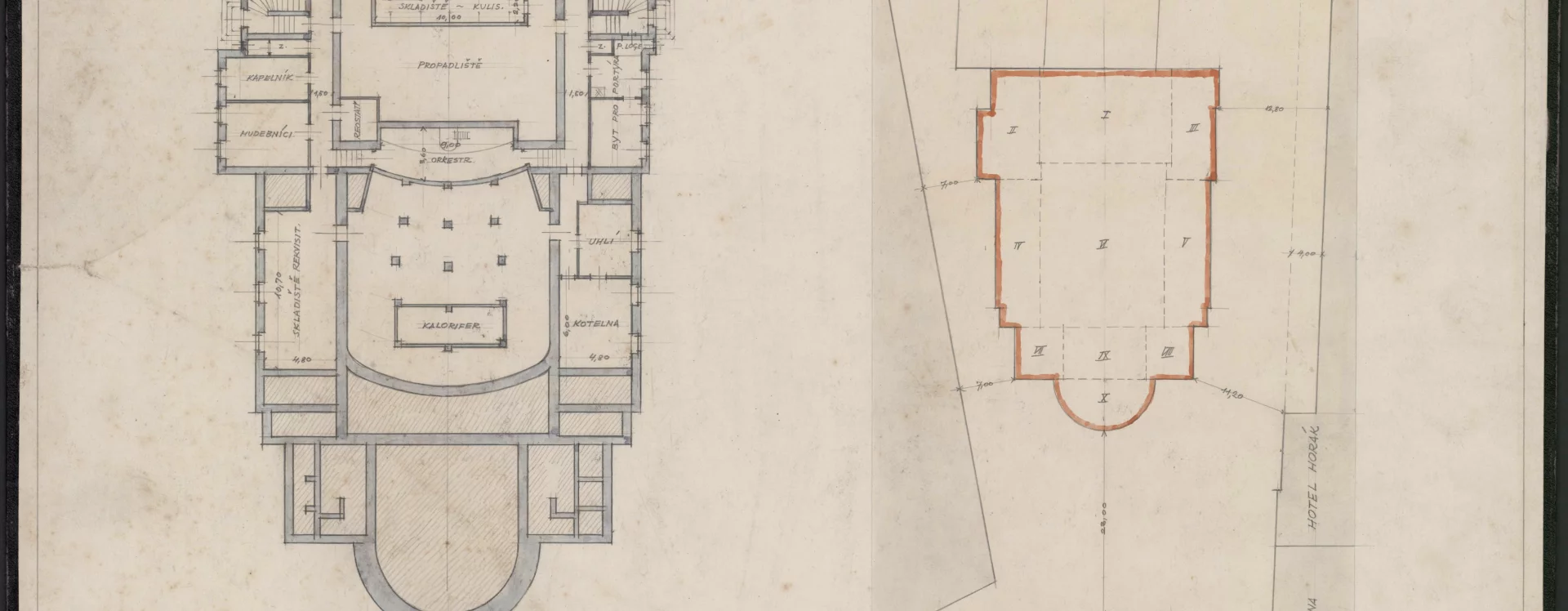
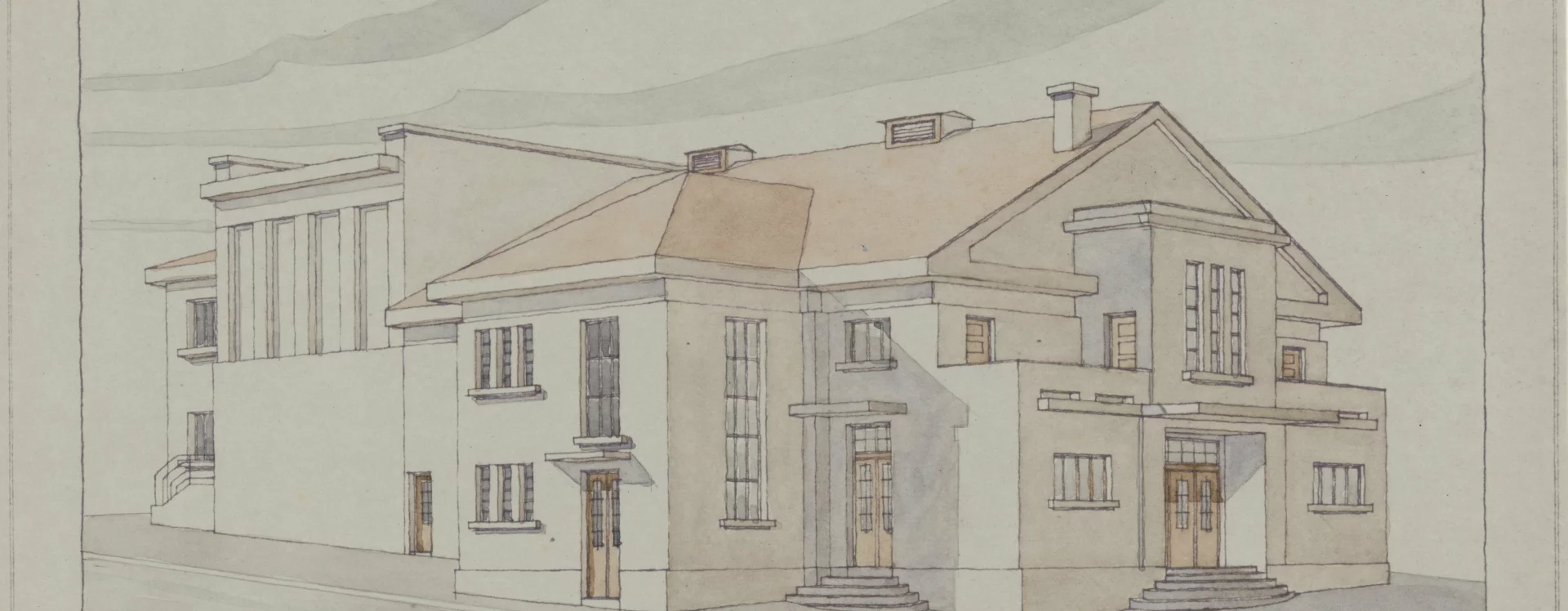
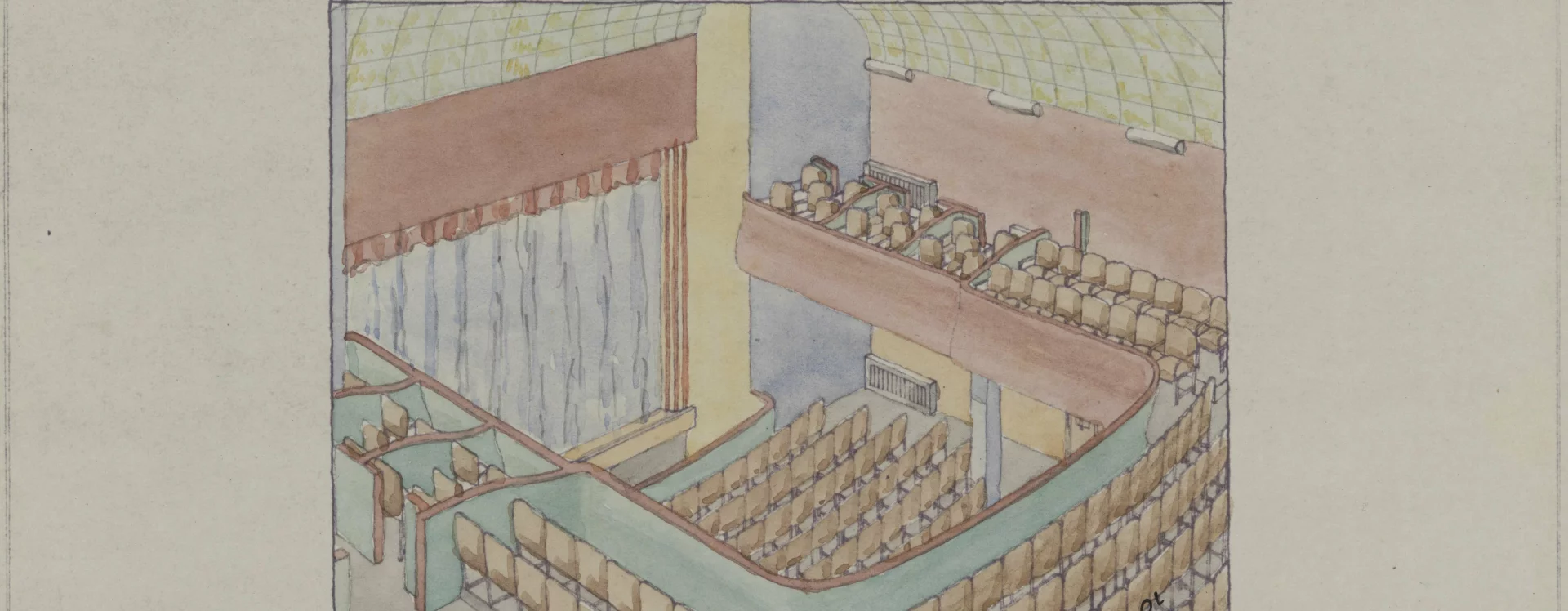
Around the same time as the construction of the Havlíček Memorial, negotiations began in the early 1920s between the town and local amateur actors concerning the creation of a modern Havlíček theatre.
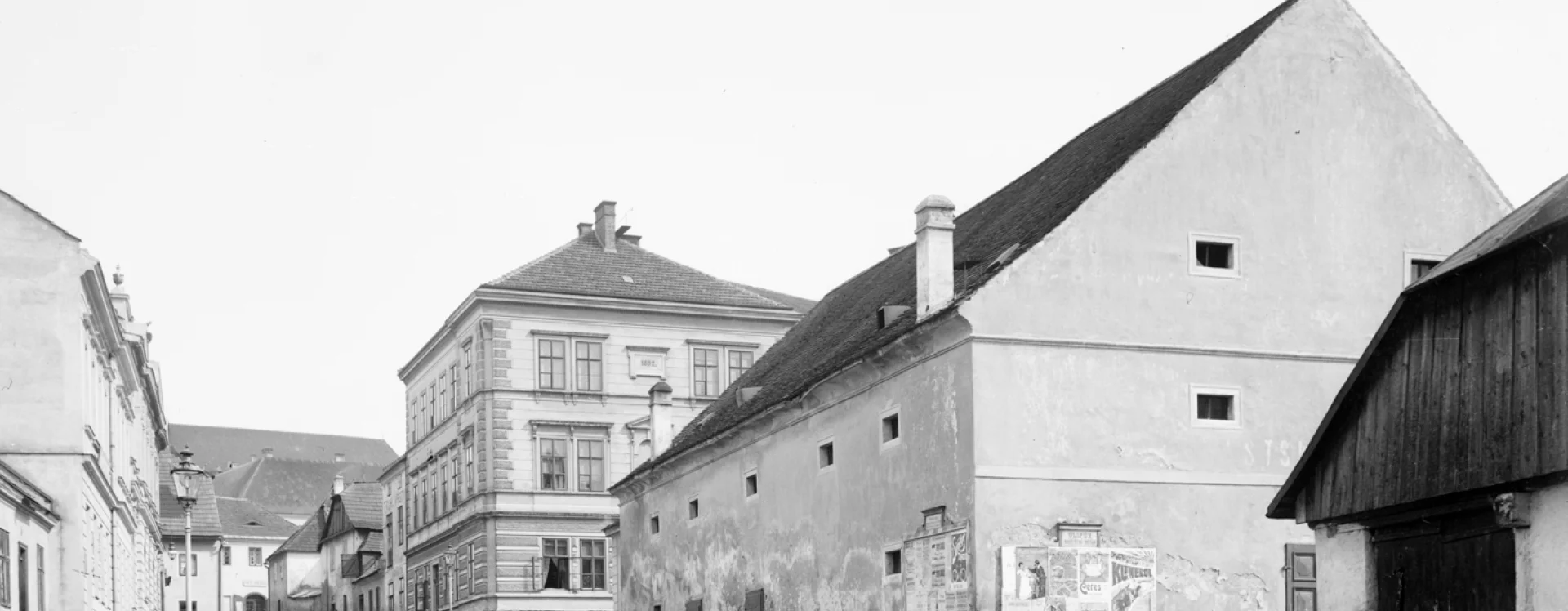
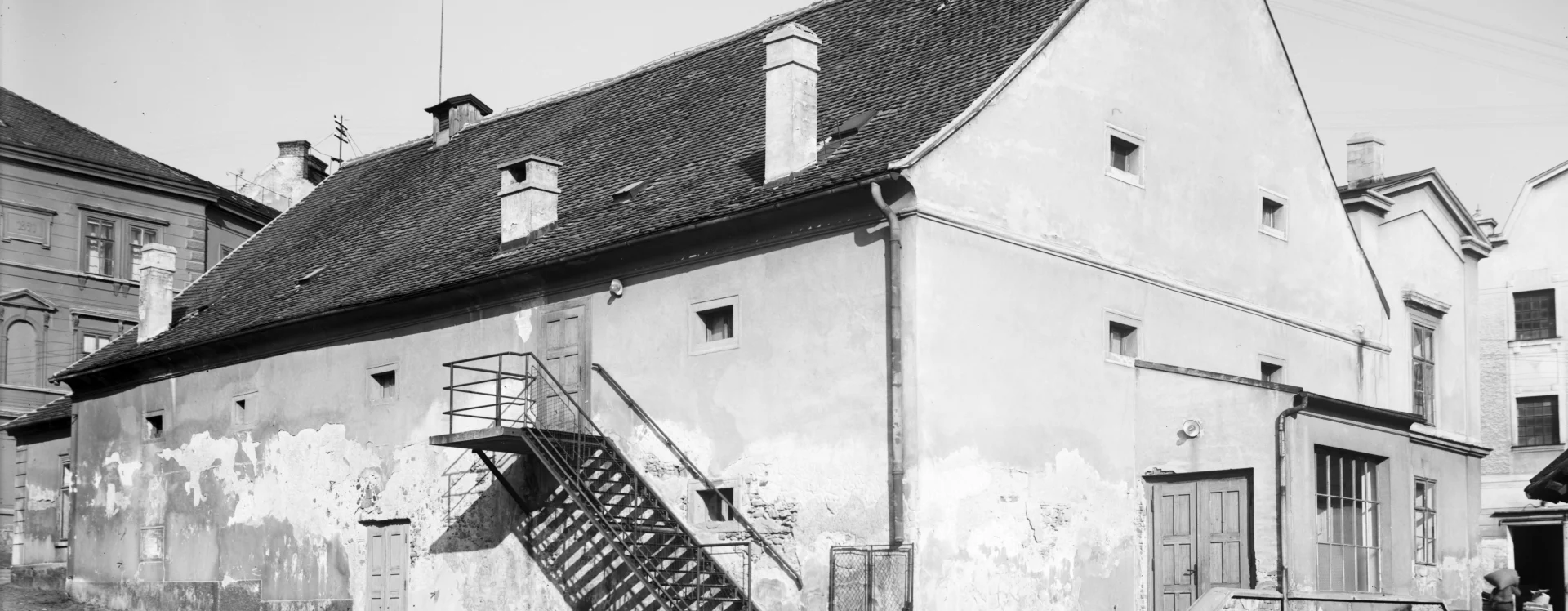
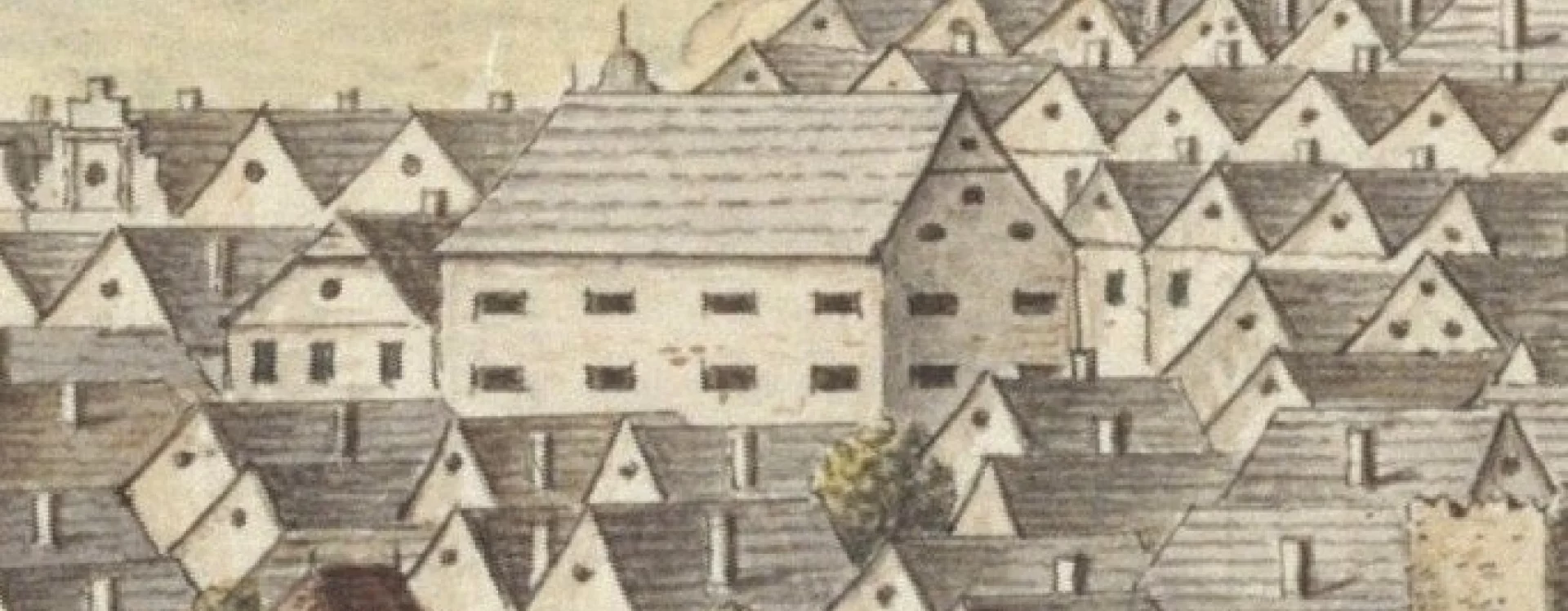
The original building, which was created on Smetana Square by converting an old 17th-century salt warehouse, did not meet the capacity or safety requirements for the new century, despite various adaptations during the 19th century. Therefore, in 1924, a special fund was established for the construction of a new building.
In 1925, the town approached the Association of Engineers and Architects, which recommended three architects specializing in theatre construction: Josef Šlégl, Jaroslav Stránský, and Karel Polívka. At the same time, the local director Ptáček approached Prague architect and theatre designer Luděk Mandaus, who created a project for the general renovation of the existing theatre for more than 700,000 crowns.
Due to the town’s straitened financial position, the project was not implemented. Negotiations resumed in 1928, when 325,000 crowns were collected for the fund and the town opted to renovate the existing building. Plans for the reconstruction were submitted by local builder František Liška, but the project was rejected by Prague architect Josef Šlégl on both architectural and financial grounds. He recommended that the town instead construct a new building linking the theatre with what was then a modern cinema.
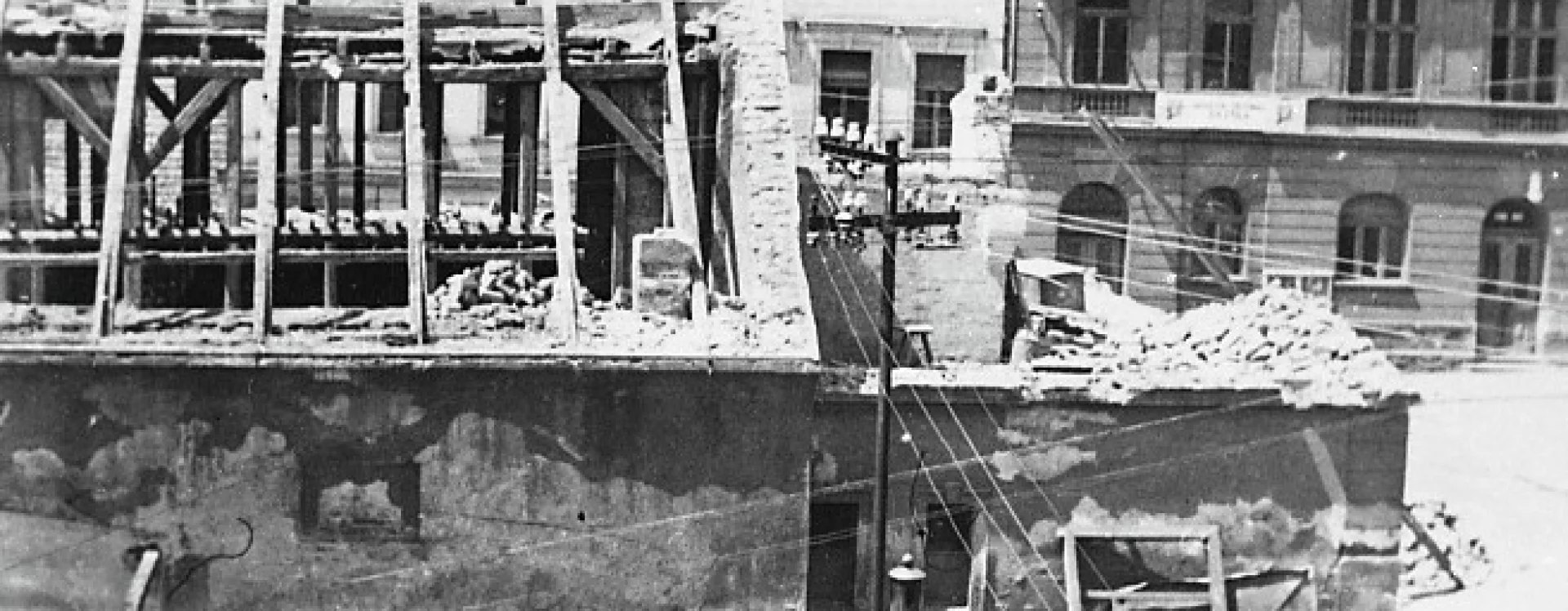
The town council also rejected Liška’s plans and decided to consult other architects. One of these was the already established Josef Gočár, who had previously worked in the town on projects such as the renovation of the area surrounding the Havlíček Memorial (HB_1736-1). Although he did not accept the commission, he suggested that the project be carried out by students from his studio at the Academy of Fine Arts. At the same time, the town approached the Viennese firm Fellmer and Helmer, which had specialized in theatre construction since the 19th century. The possibility of awarding the contract “in Havlíček’s town” to an Austrian company caused considerable discontent among the Association of Engineers and Architects and the national press. However, its designs were far beyond the financial means of the town, which, in connection with the onset of the economic crisis, once again suspended negotiations on the construction of the theatre. In the mid-1930s, the local Josef Šupich construction company submitted plans for the reconstruction of the theatre, which were ultimately not implemented. The municipal theatre building continued to deteriorate until 1951, when it was decided to demolish it and its function was taken over by the Ostrov Cultural Centre, built by Prokop Šupich in 1937.
Aleš Veselý, 2025
Literature
Miloš Tajovský. Městské divadlo. In: Aleš Veselý (ed.). Příběhy brodských domů. Havlíčkův Brod, Galerie výtvarného umění v Havlíčkově Brodě, 2016, p. 46-51. ISBN 978-80-904726-9-3.
Historie Kulturního domu Ostrov v Havlíčkvově Brodě. In: Kulturní dům Ostrov. Available from: https://www.kdostrov.cz/history [accessed 1. 8. 2025]
Městské divadlo (Havlíčkův Brod). In: Databáze divadel / Divadelní architektura v Evropě. Available from: https://www.theatre-architecture.eu/cs/db/?theatreId=958 [accessed 1. 8. 2025]
Sources
Státní okresní archiv Havlíčkův Brod, fond Archiv města Havlíčkův Brod. sv. karton 287, 387.