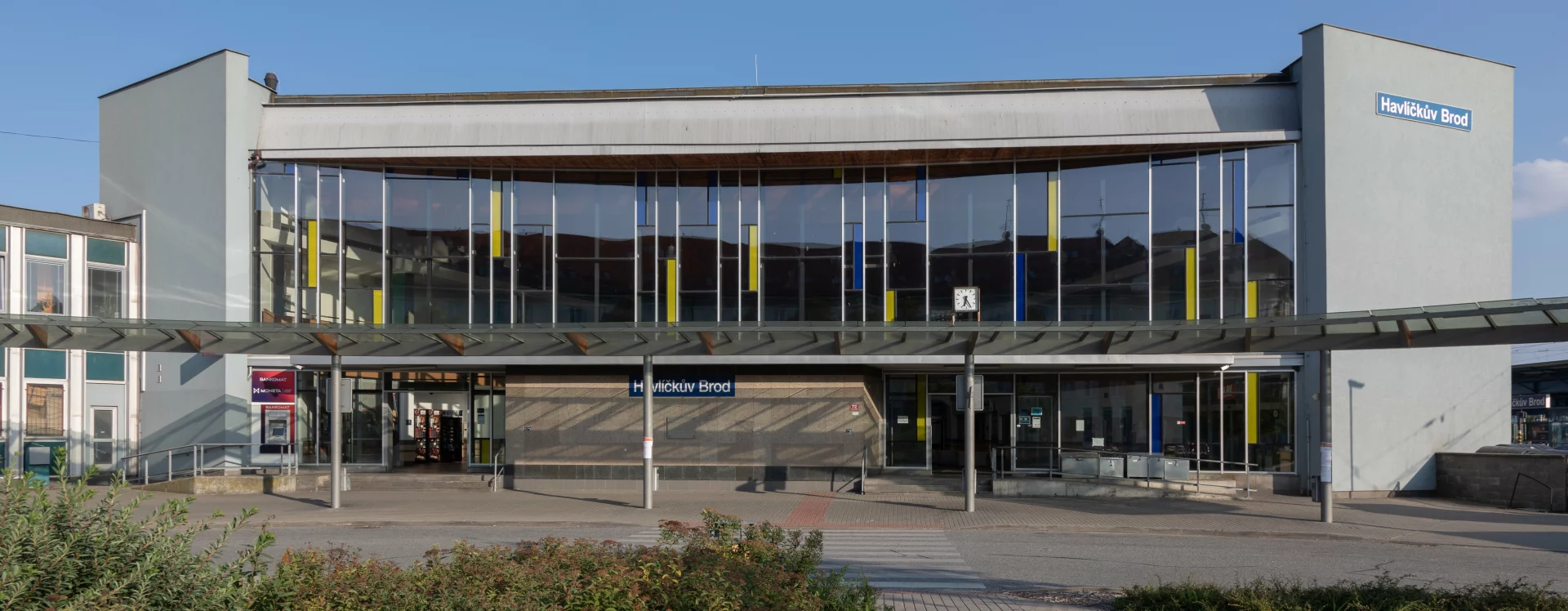
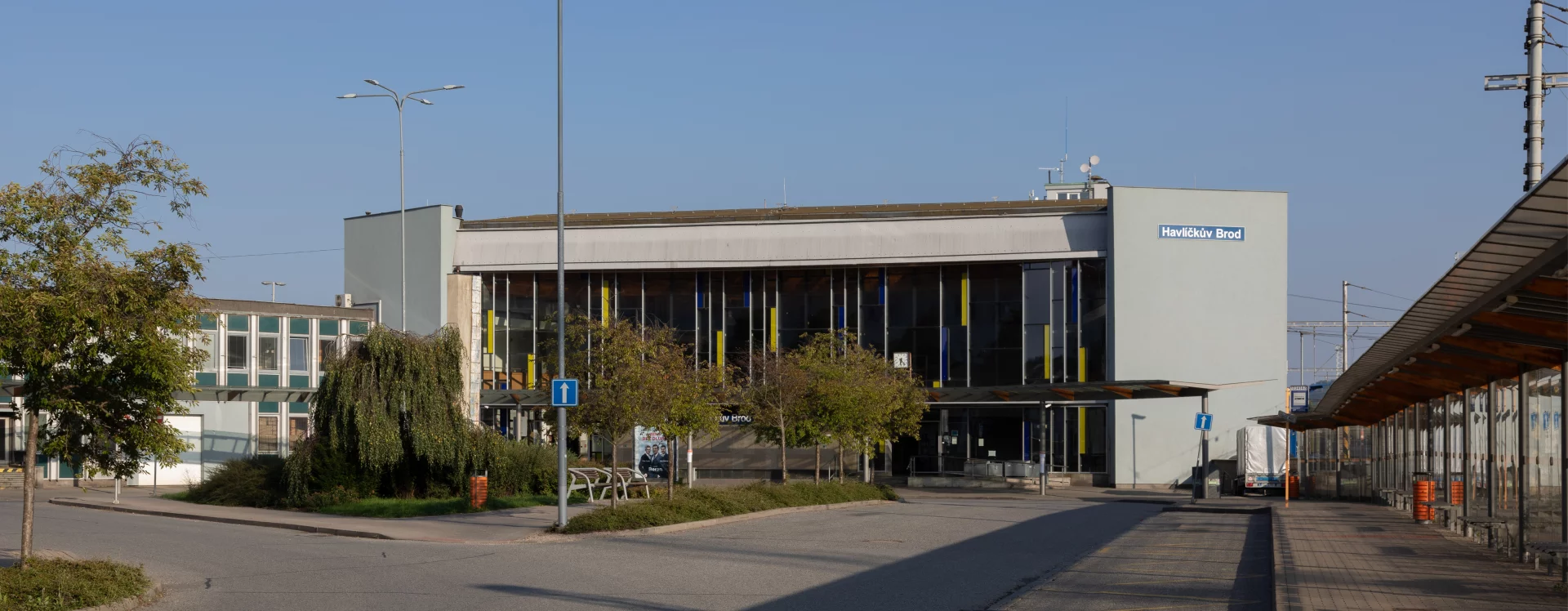
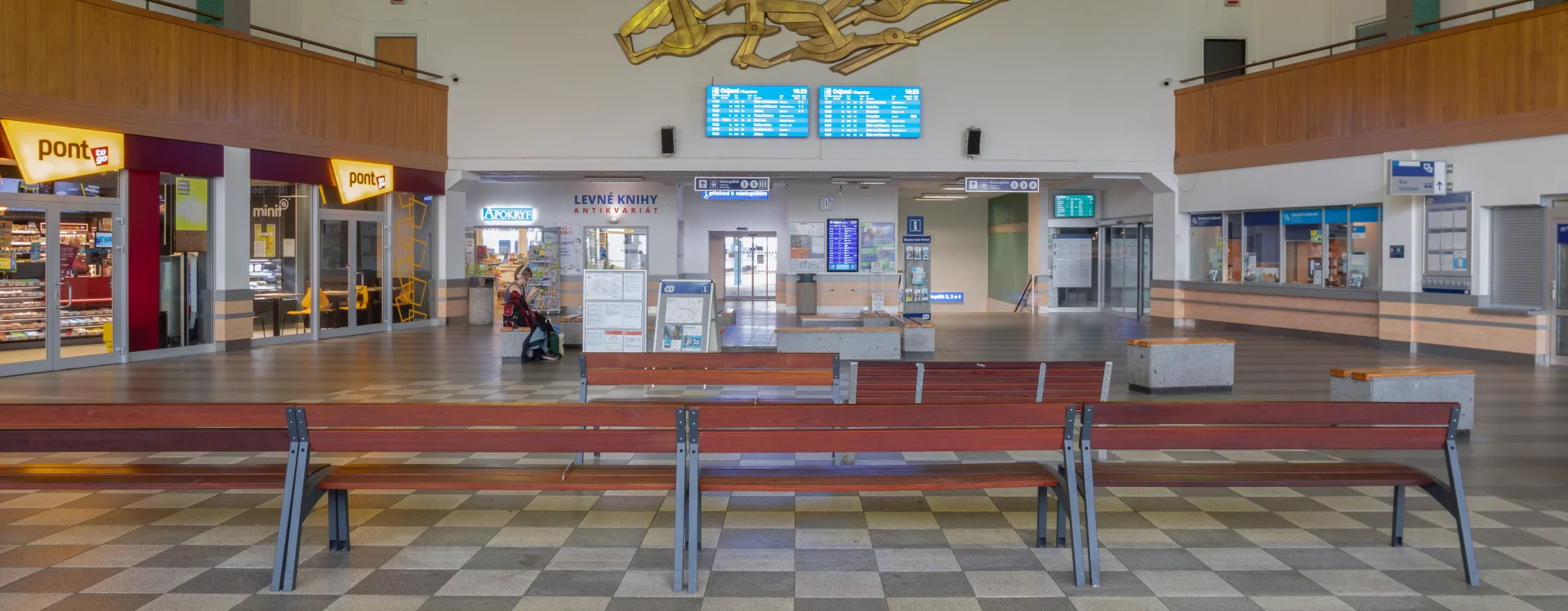
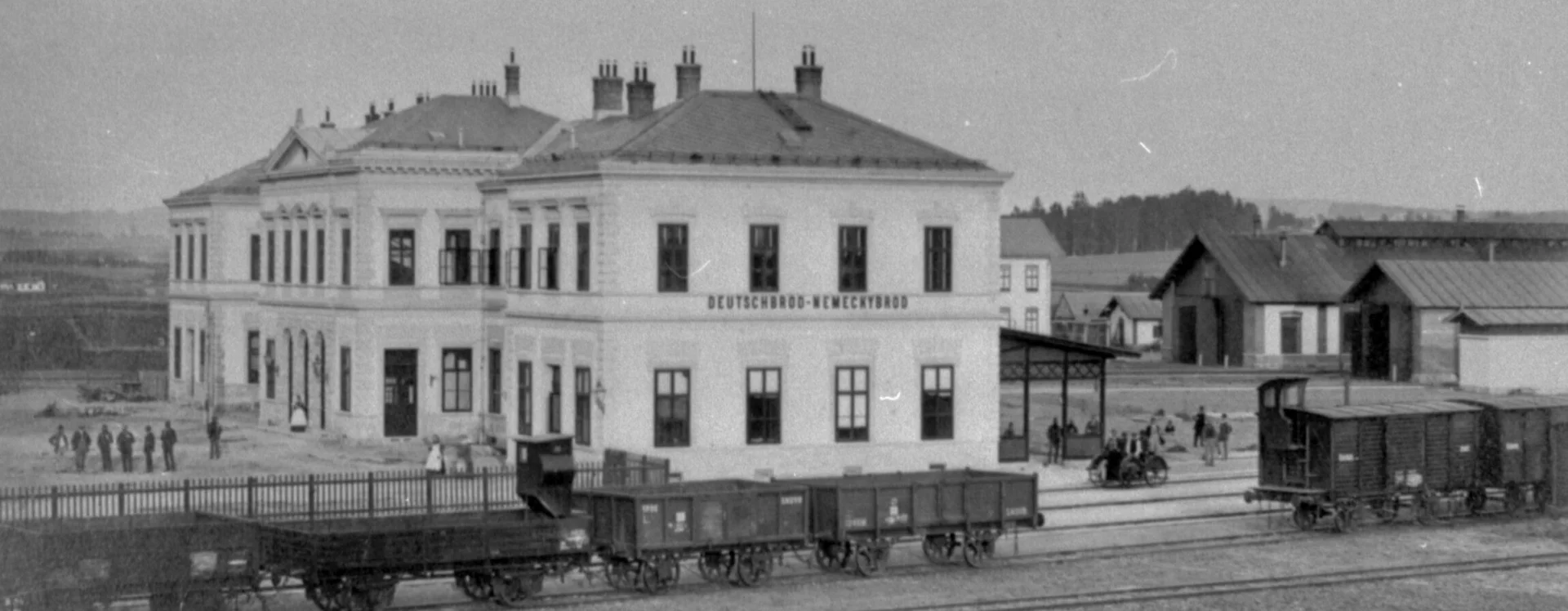
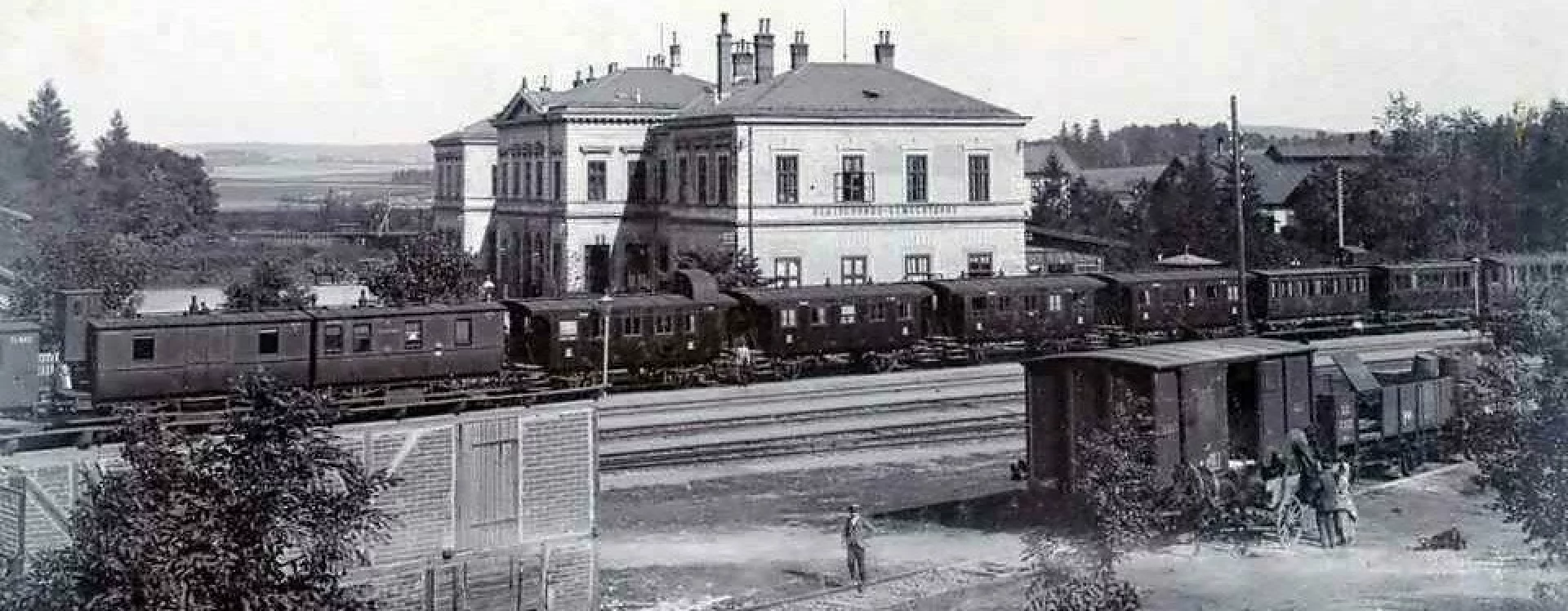
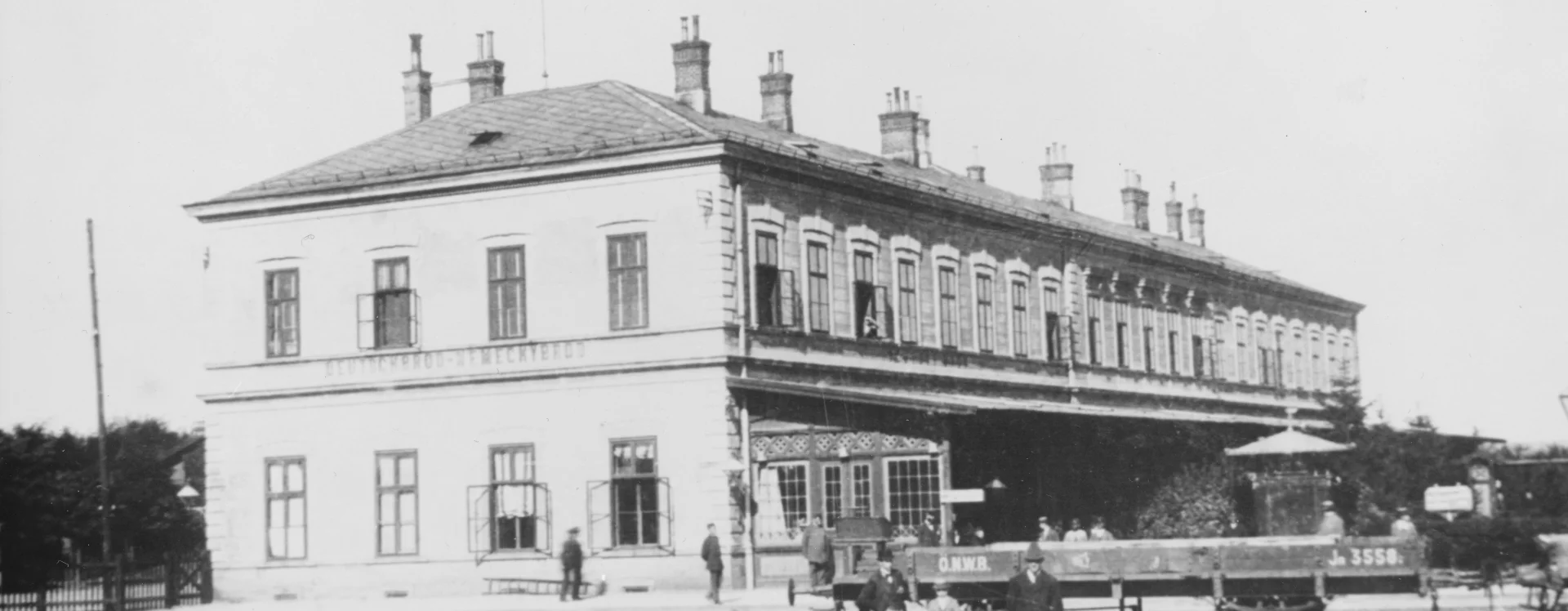
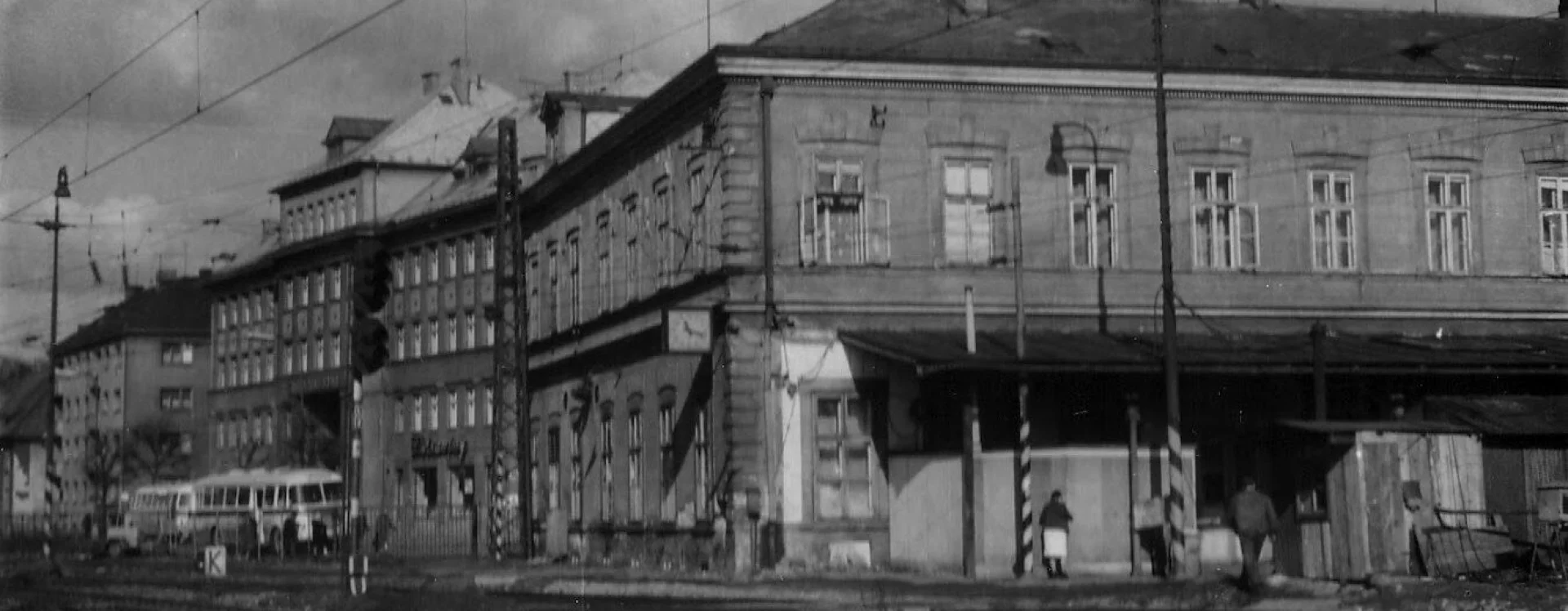
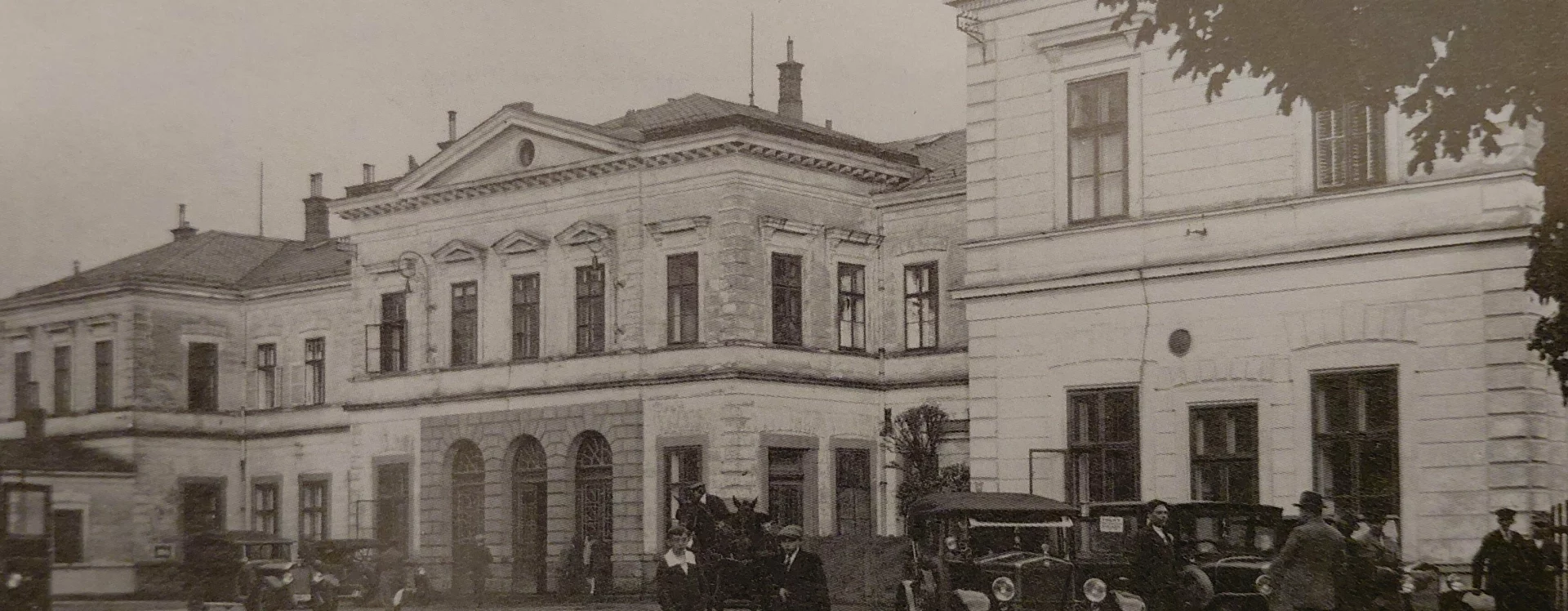
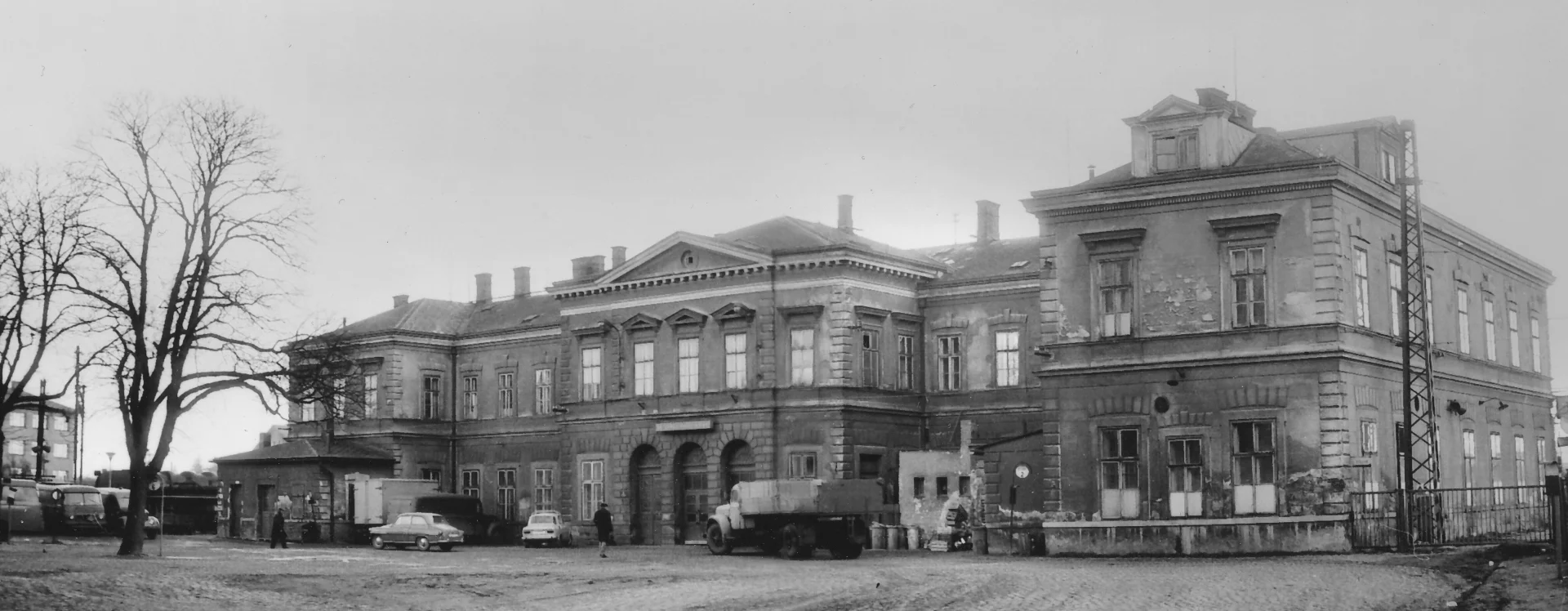
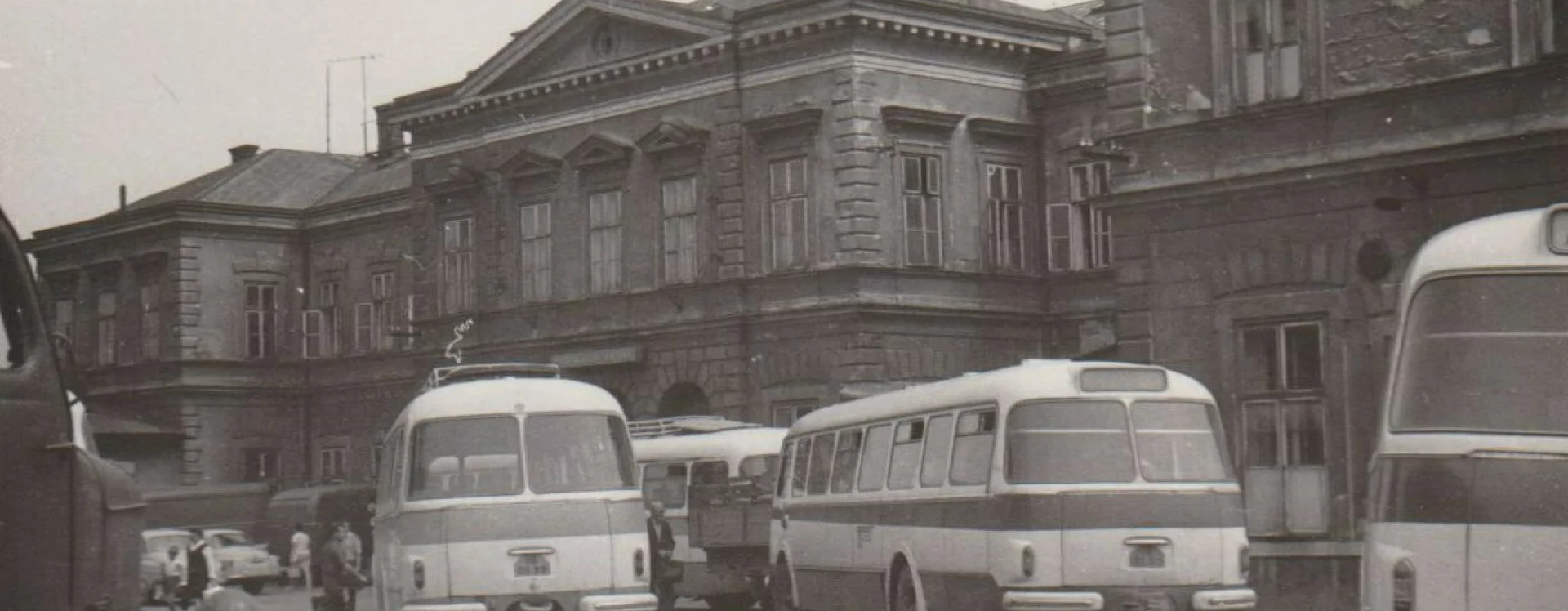
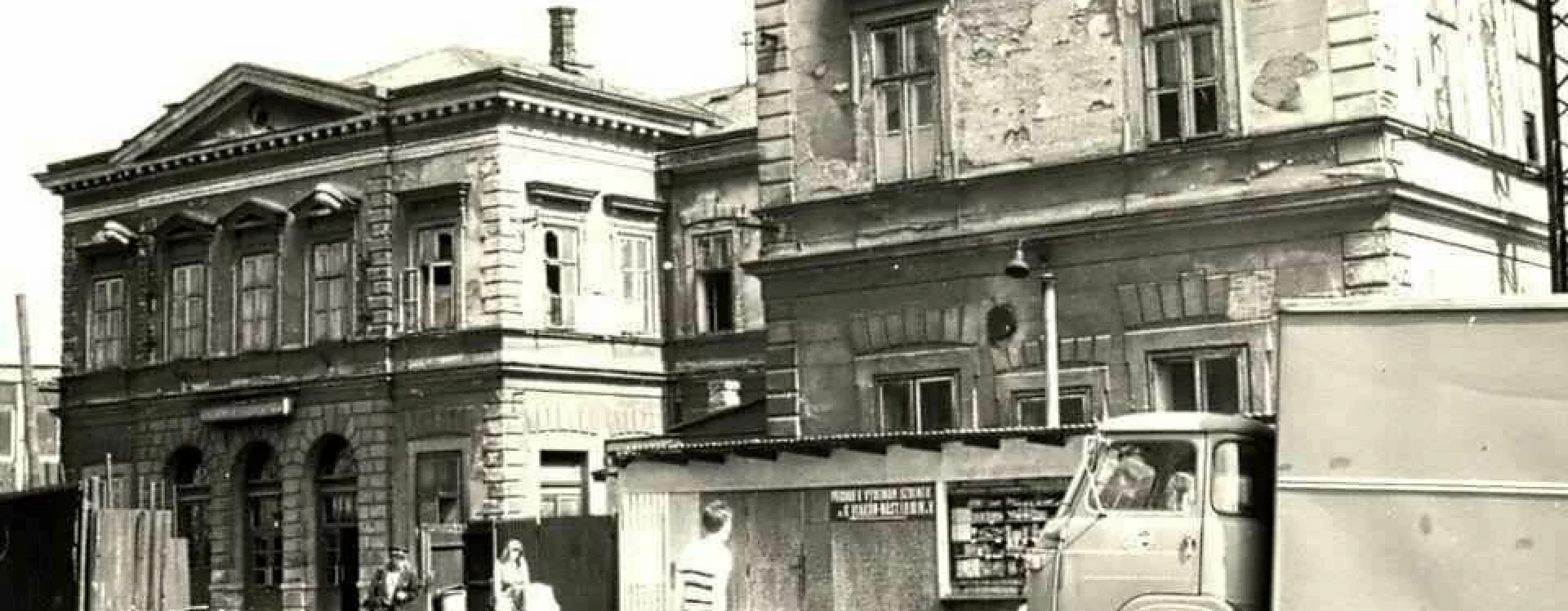
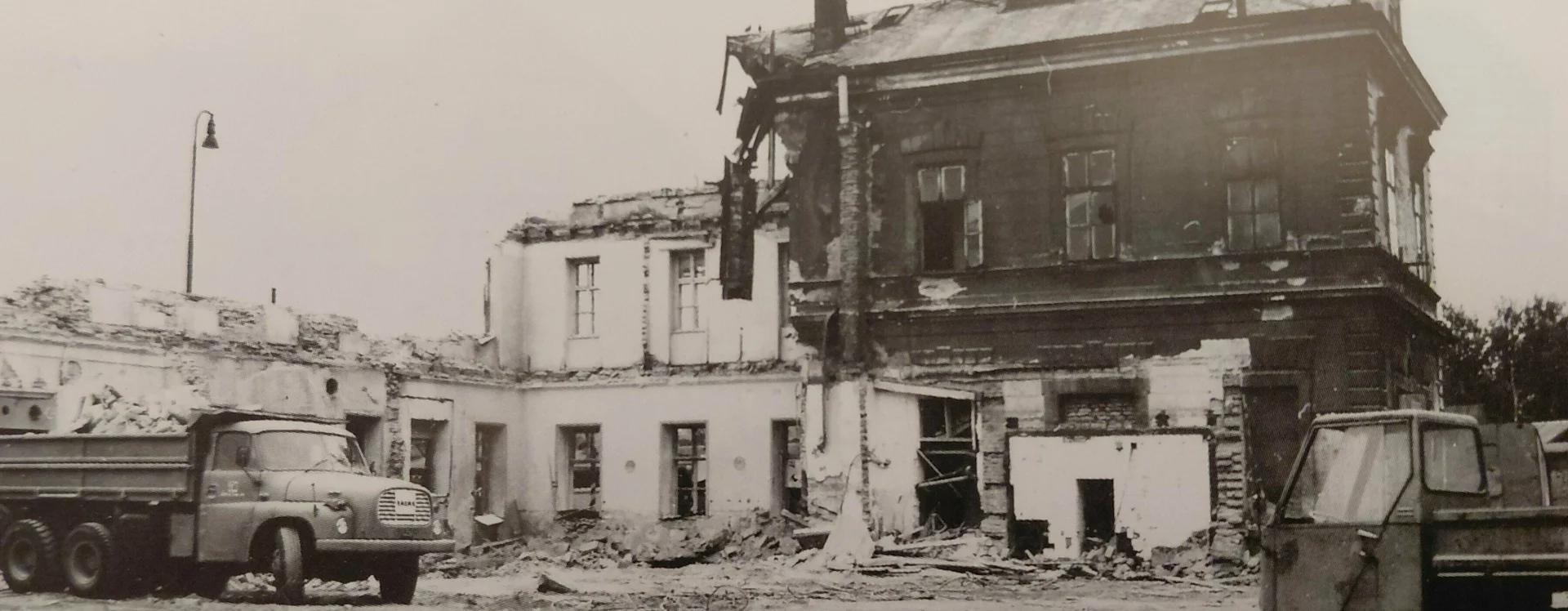
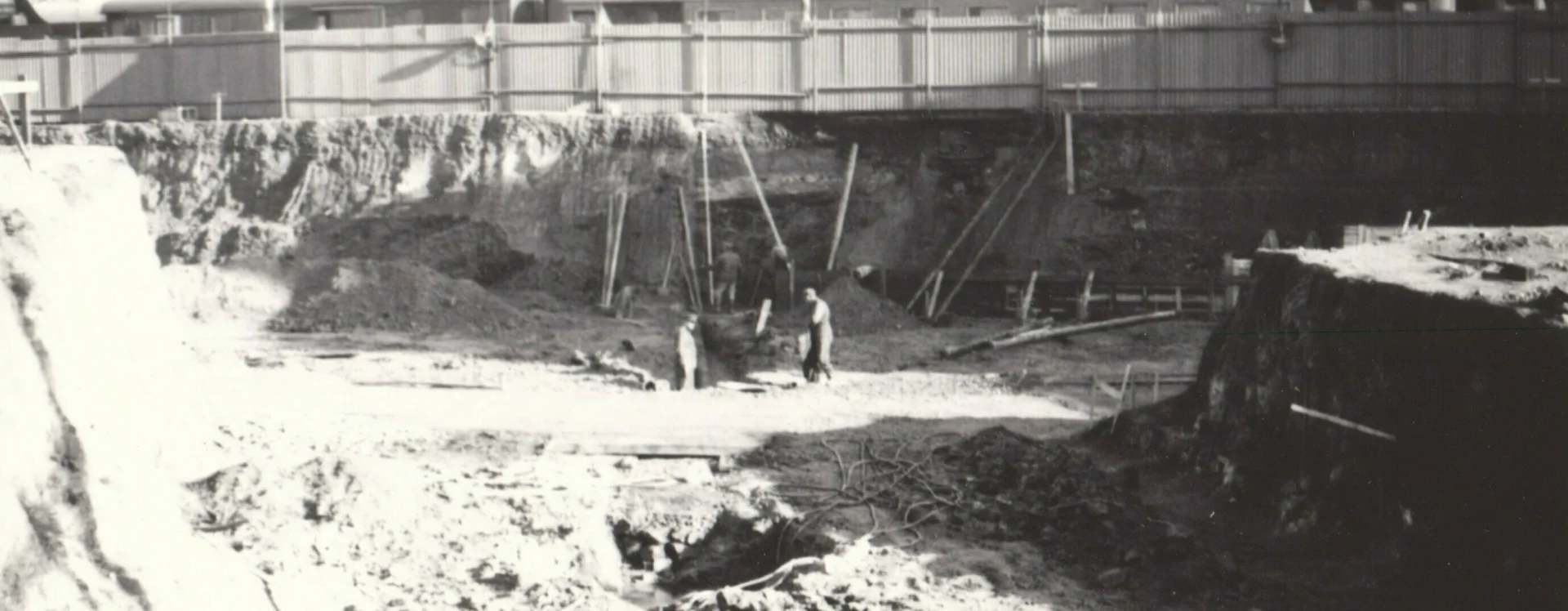
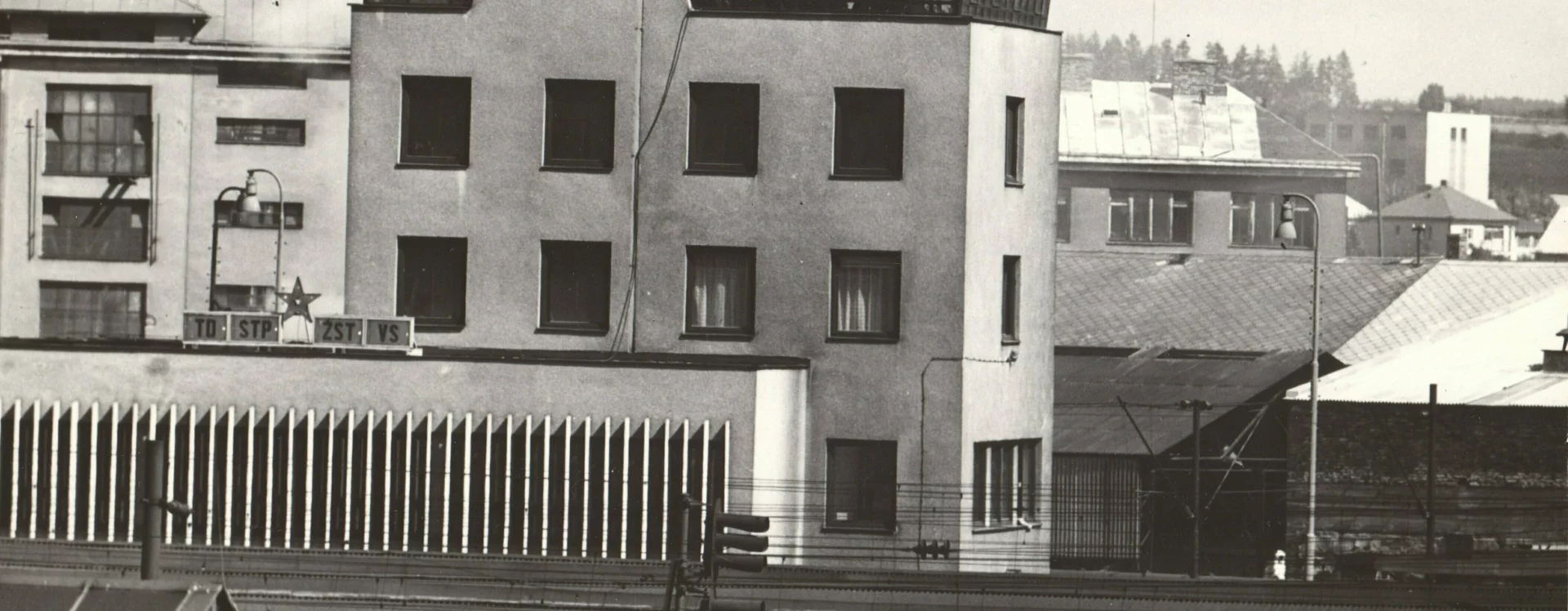
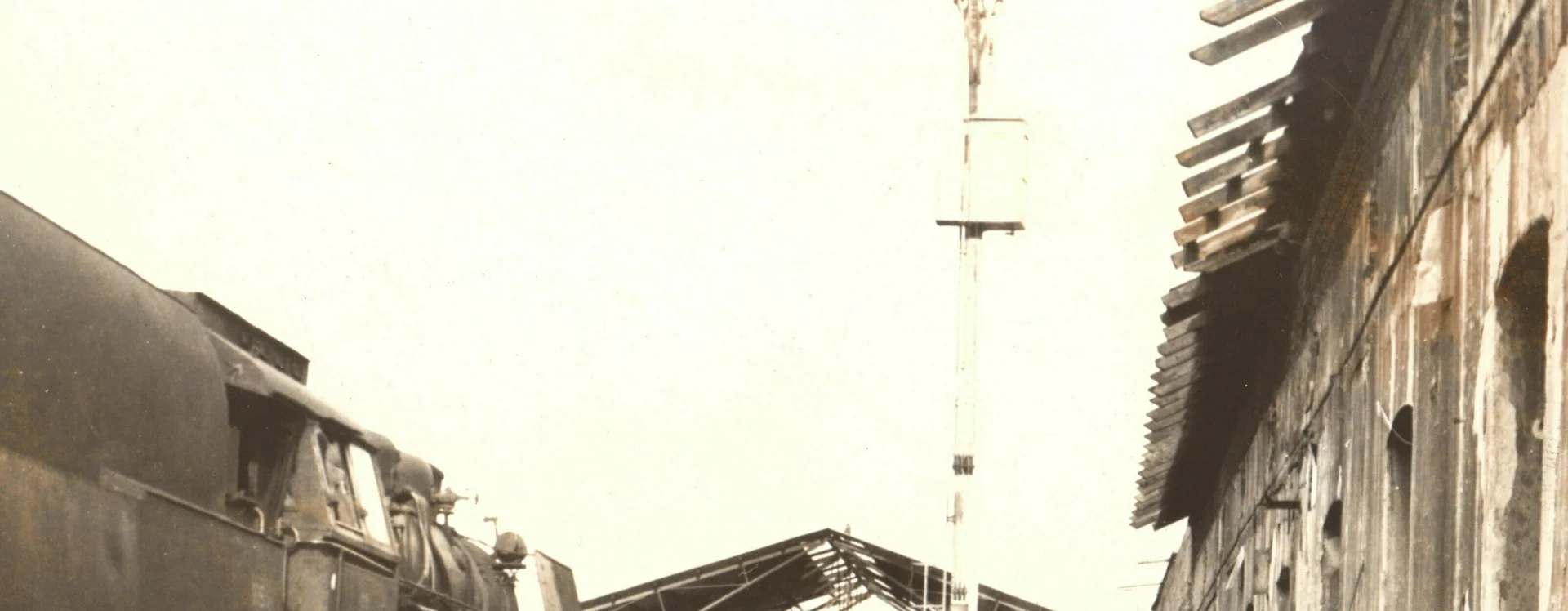
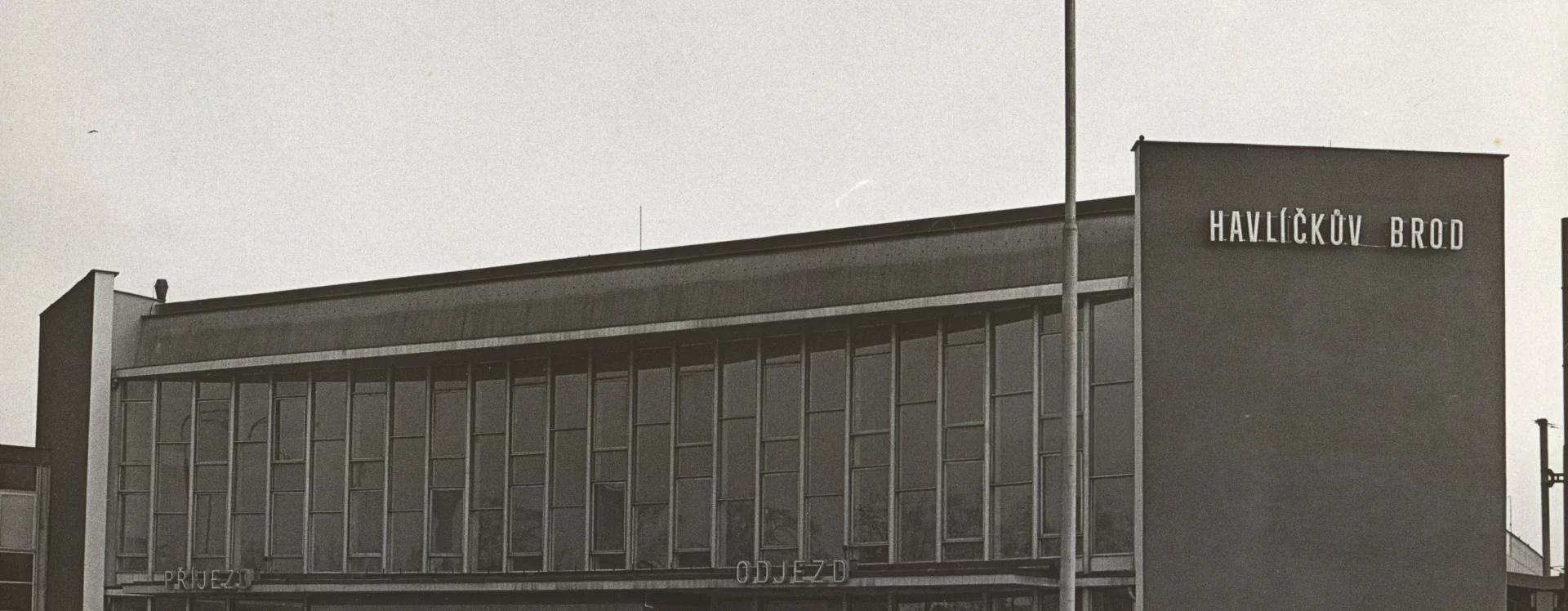
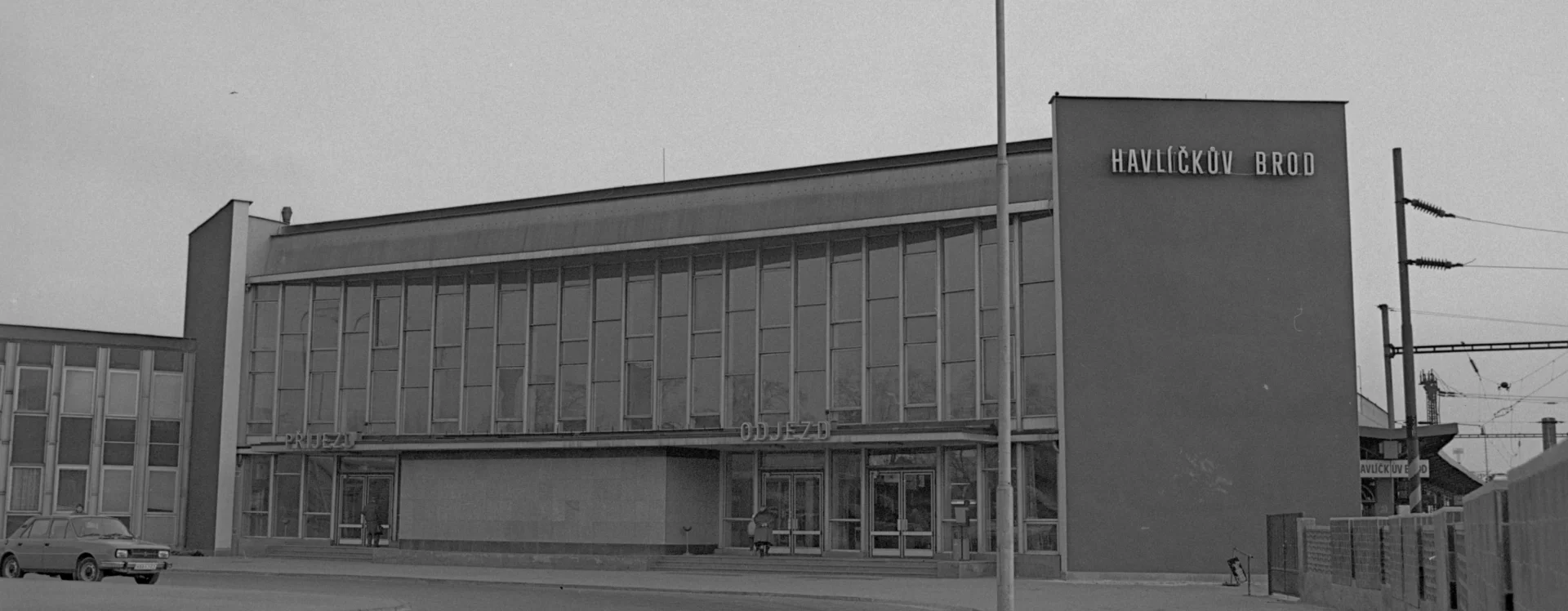
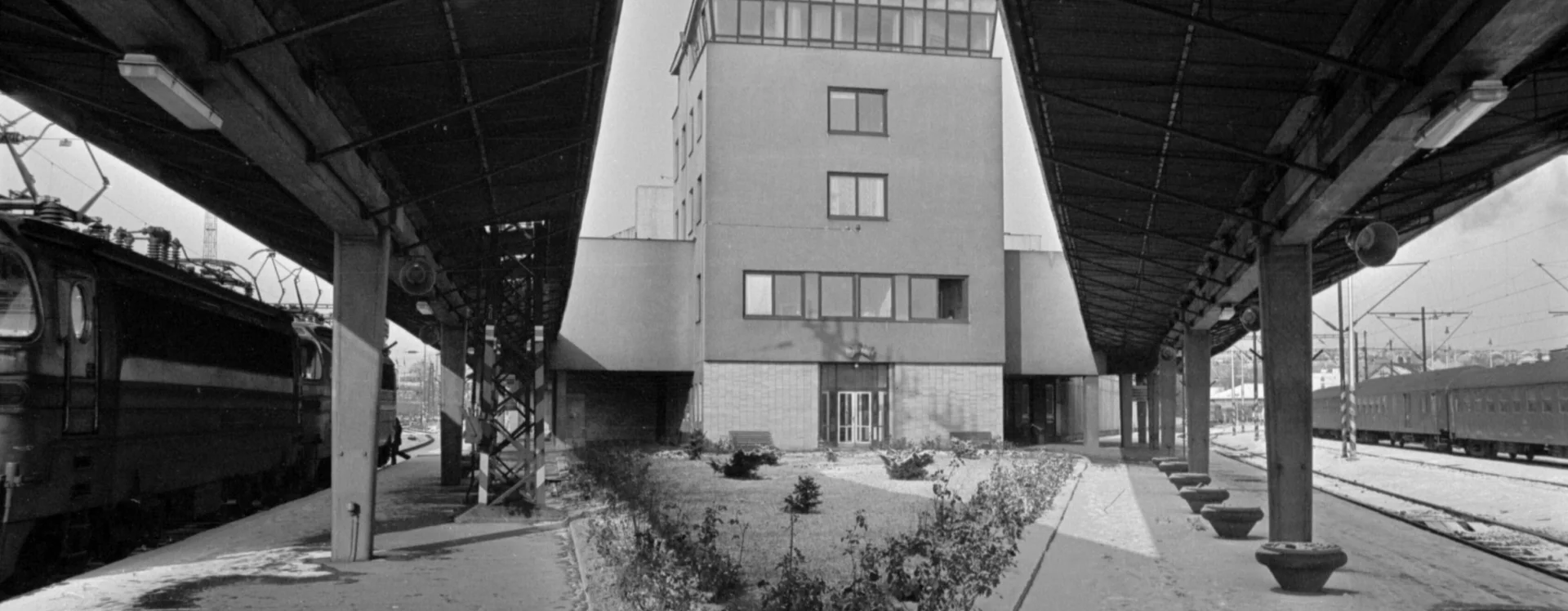
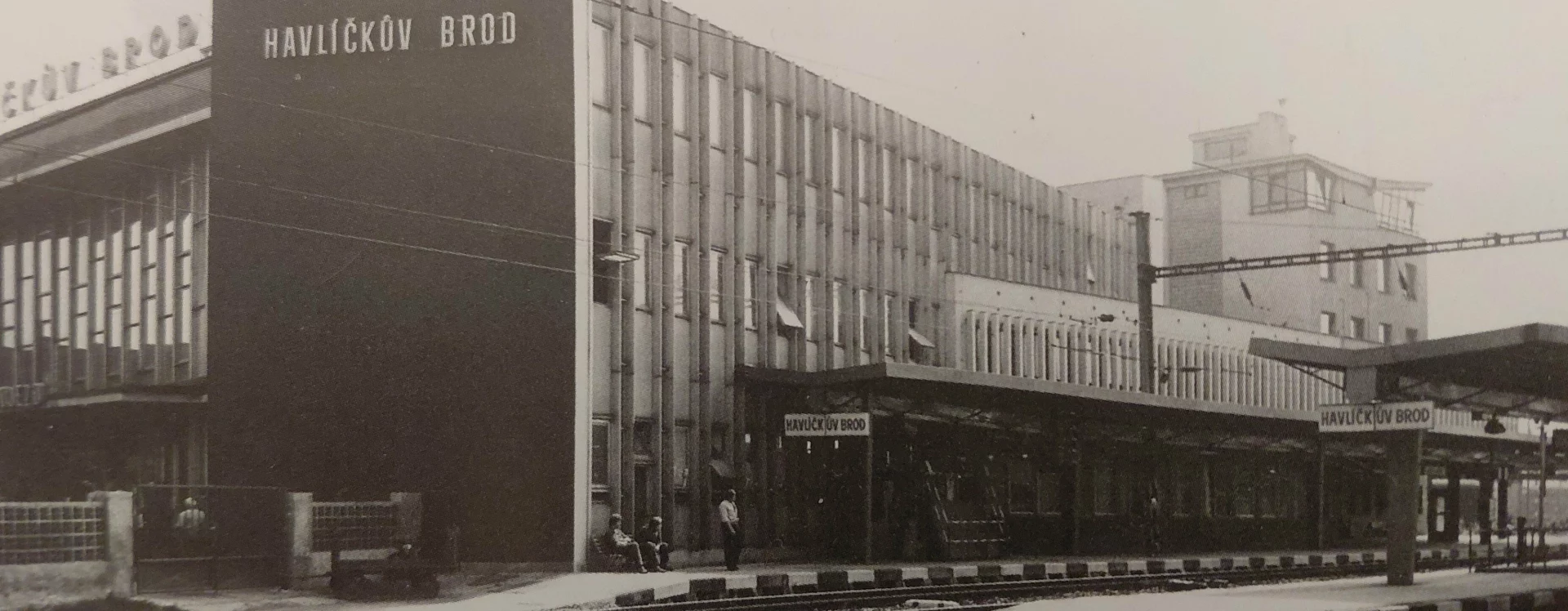
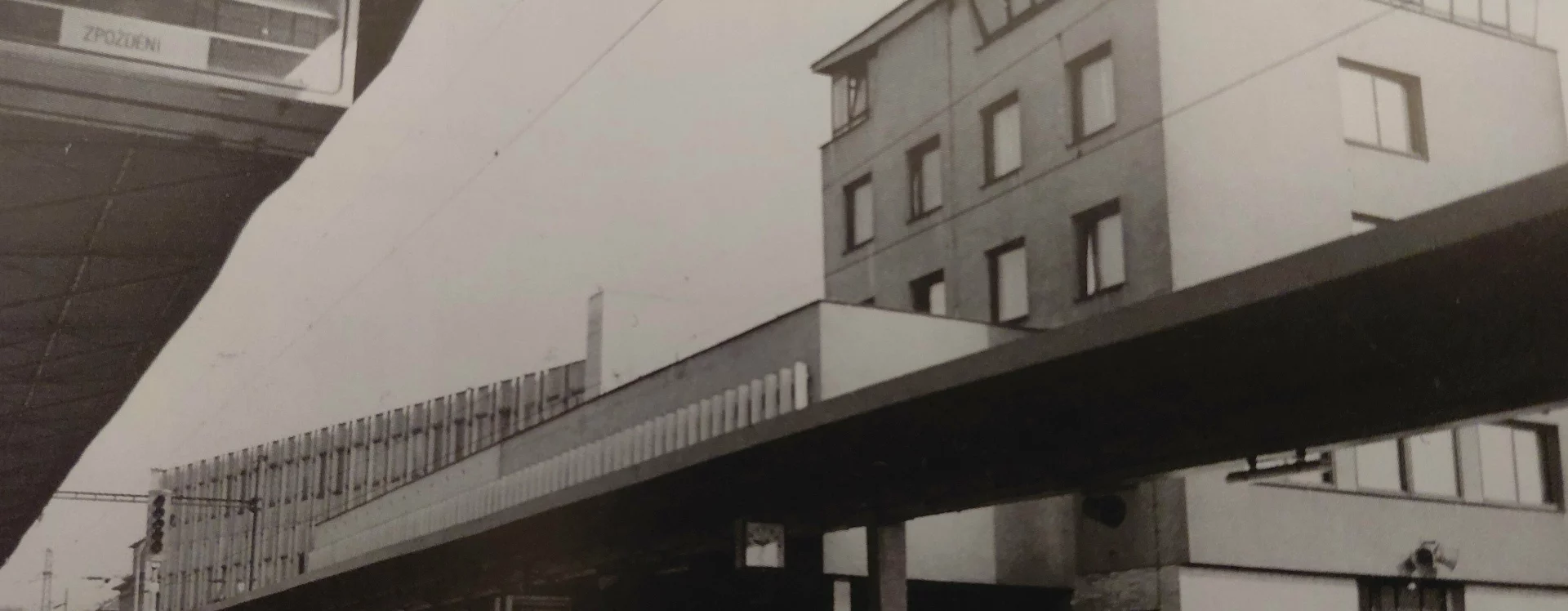
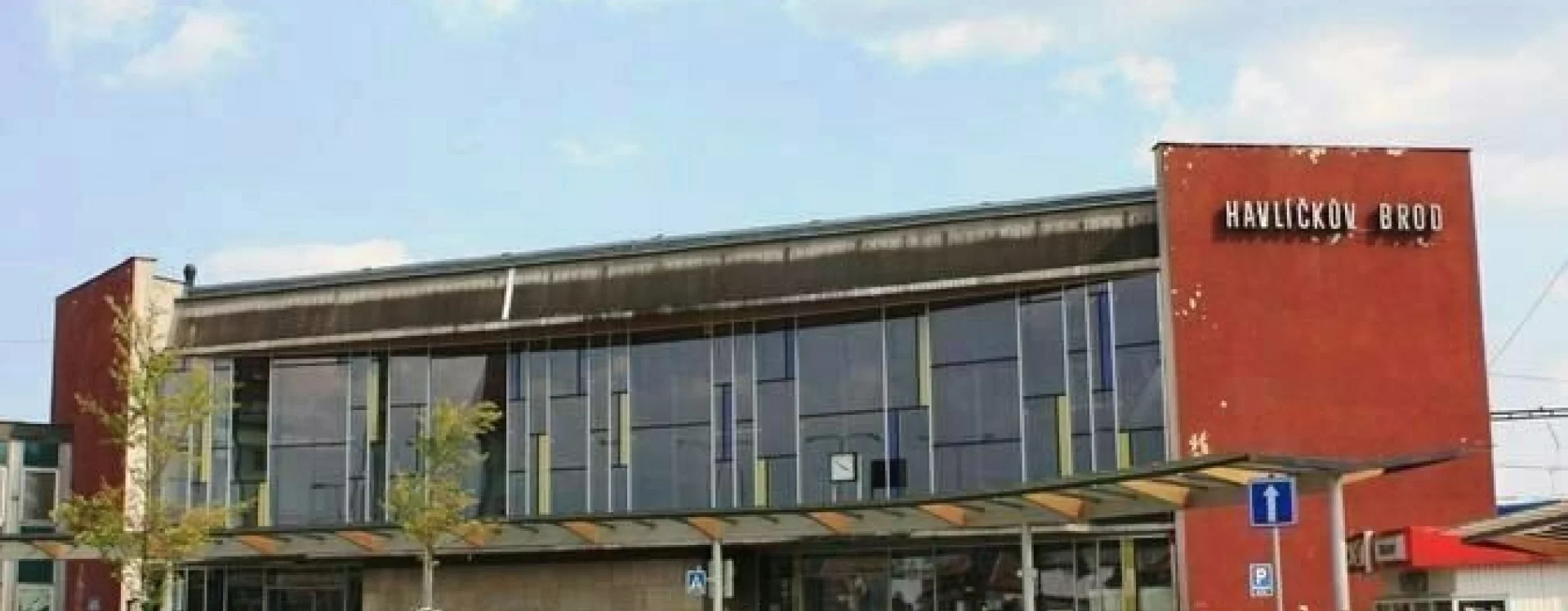
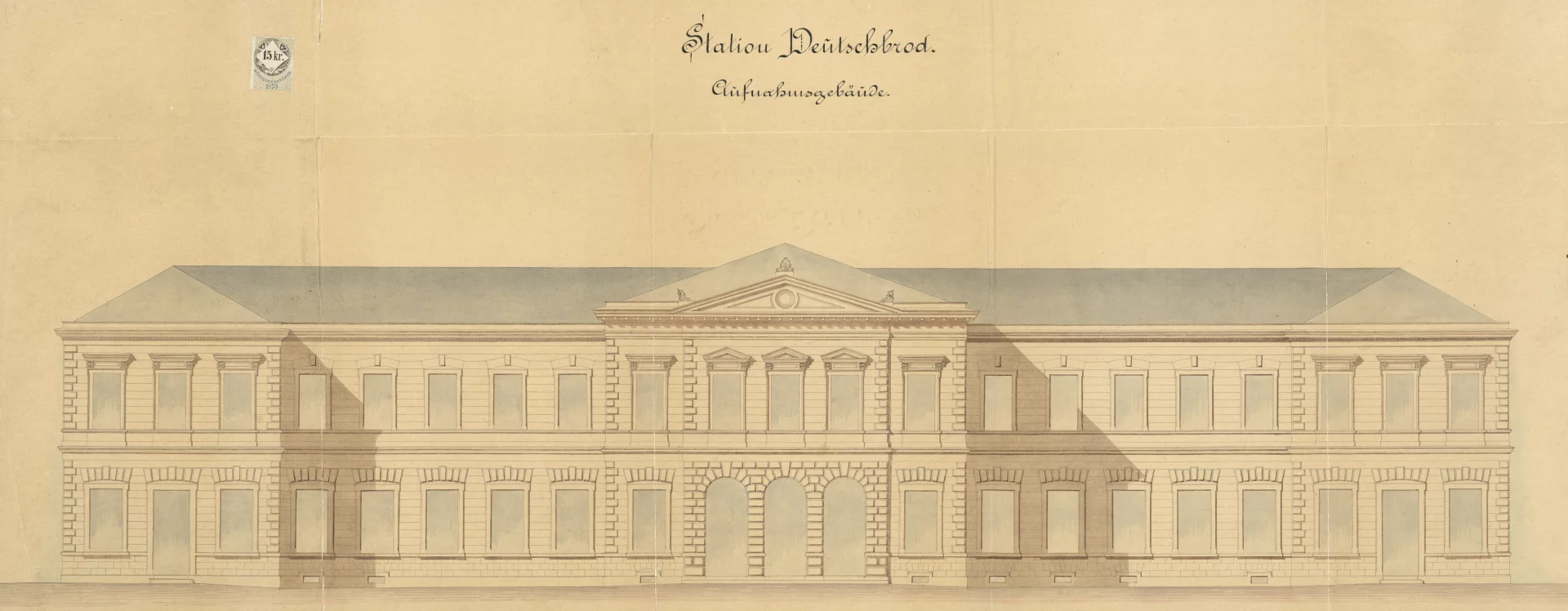
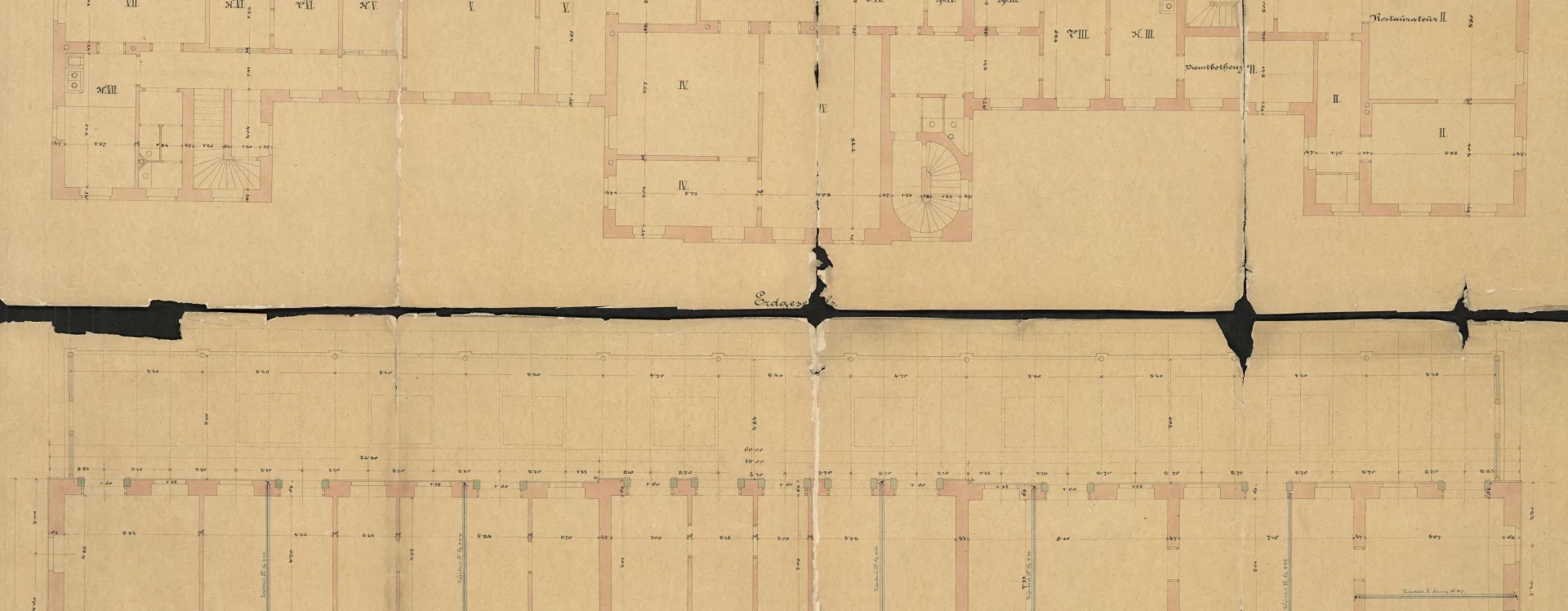
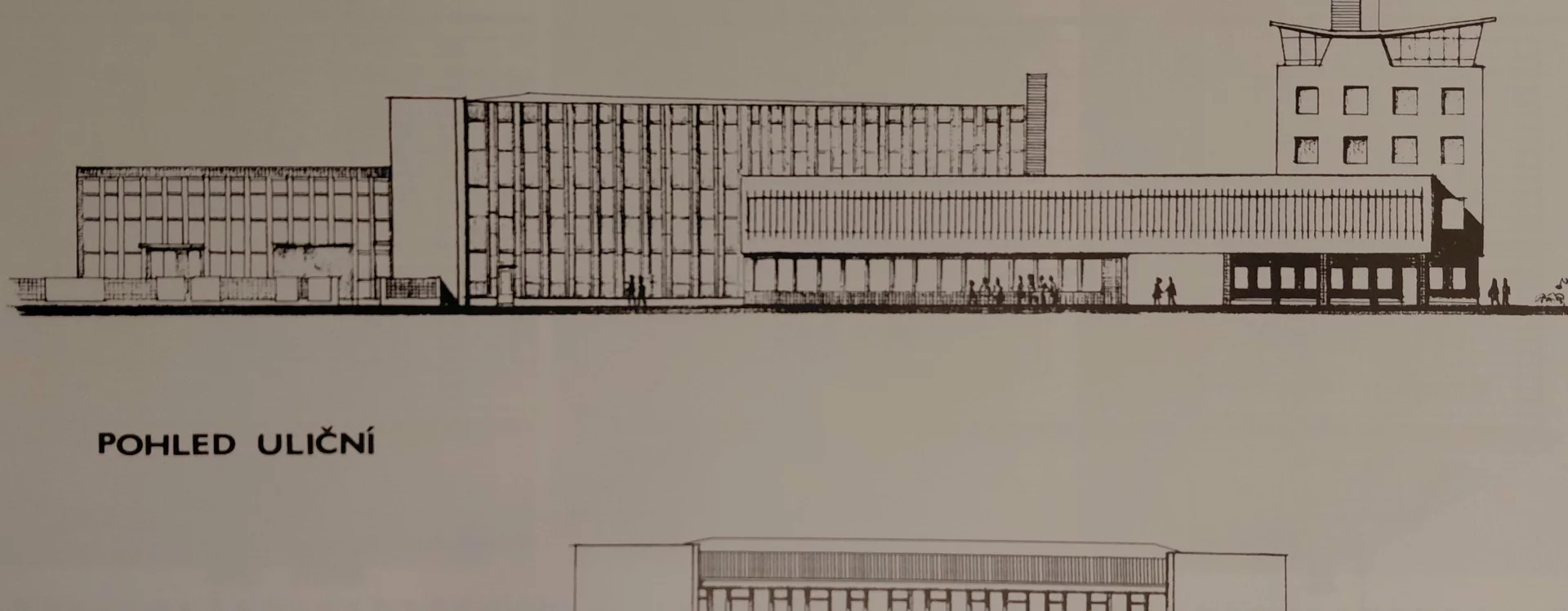
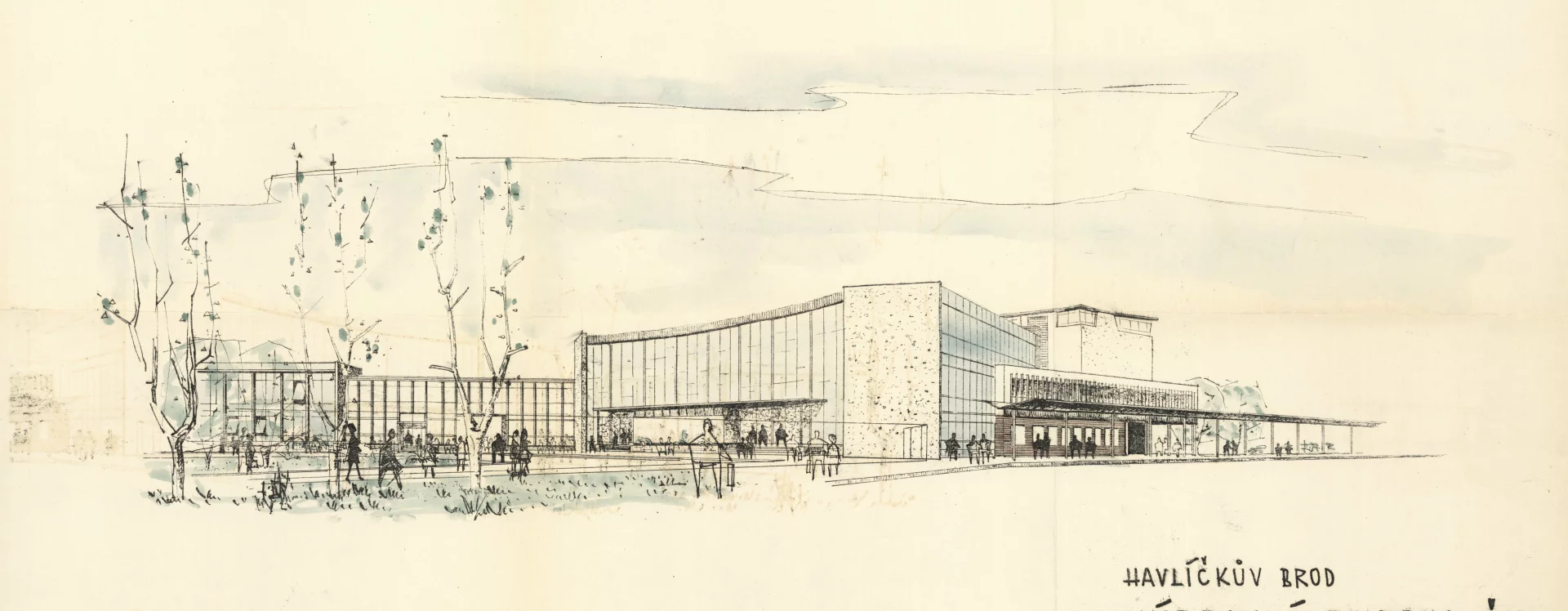
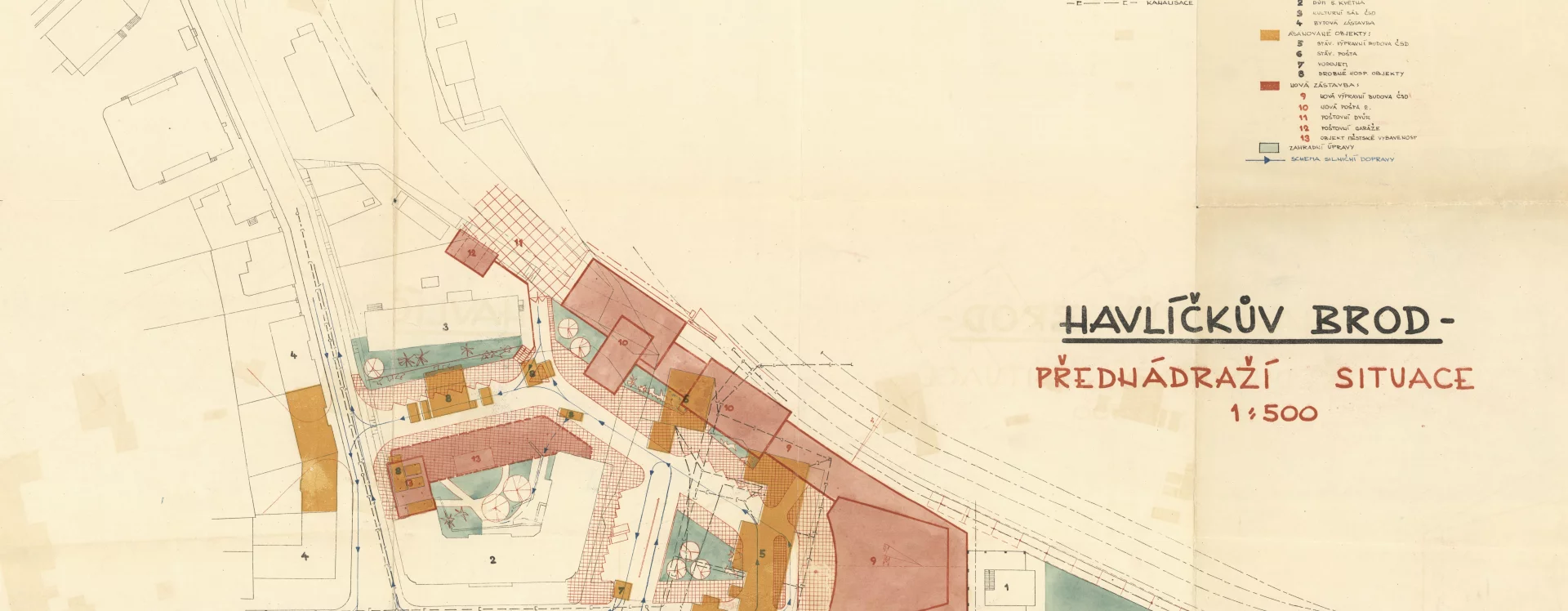
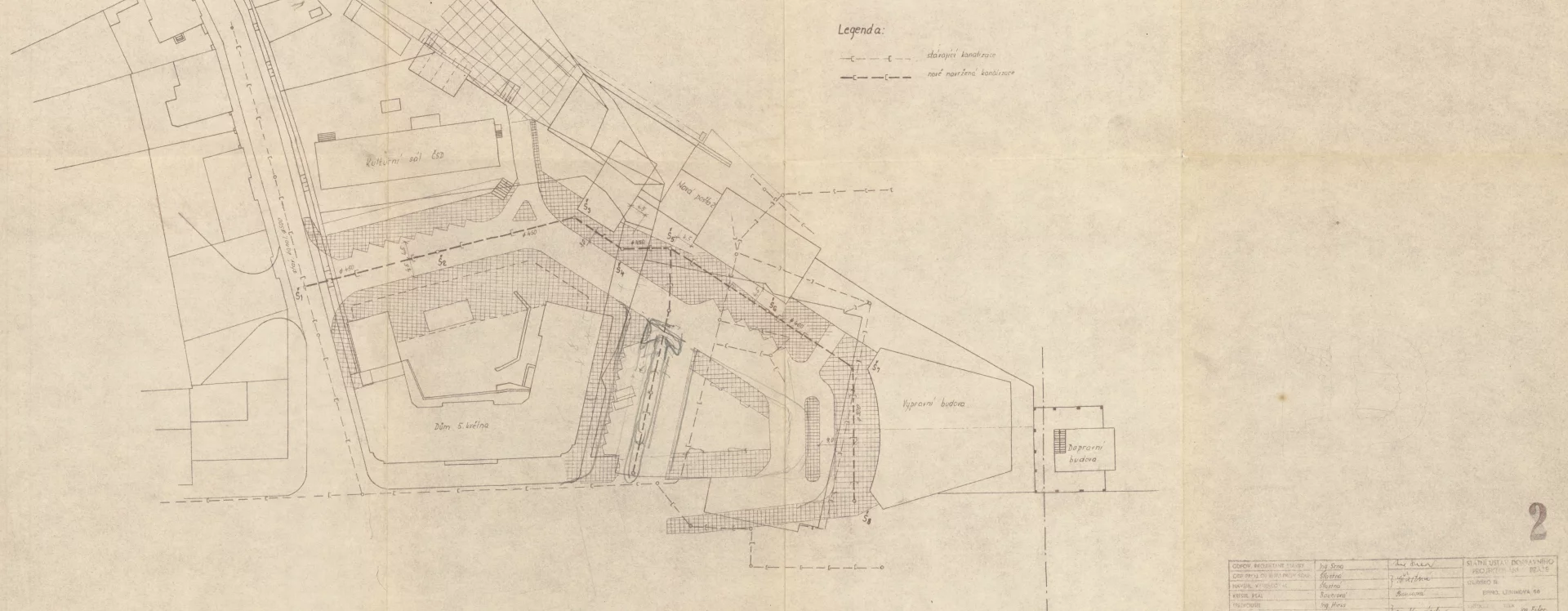
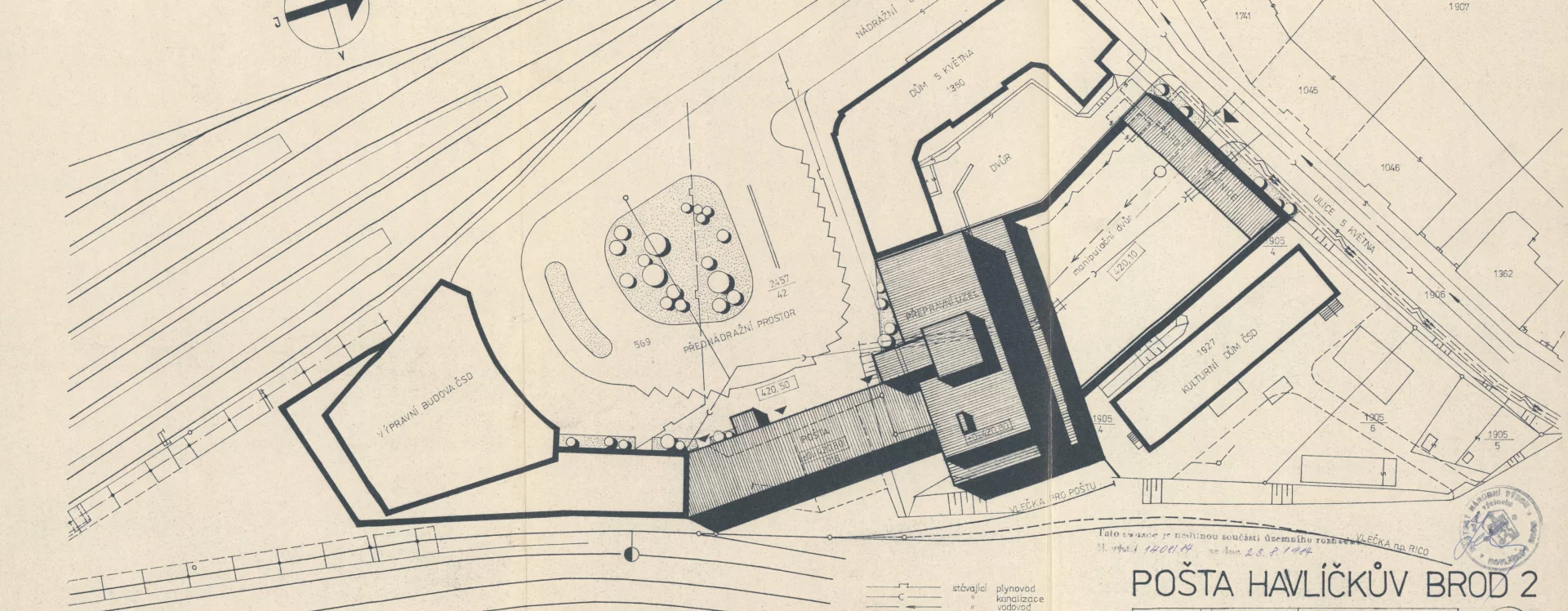
For several long decades, Havlíčkův Brod was one of the country’s key railway junctions. The large railway station complex, built on the site of the original 19th-century station that had gradually become unable to meet the growing demand, stands as a reminder of that era. The decision to construct a new building marked a major transformation not only for the railway but also for the urban approach area. The project, prepared at the State Institute for Transport Design in Brno under the direction of Ladislav Srna, extended over nearly a decade. Construction began in 1972, and the new station was officially opened on 12 December 1980, although the old building continued to function for a while longer and was finally demolished a year later.
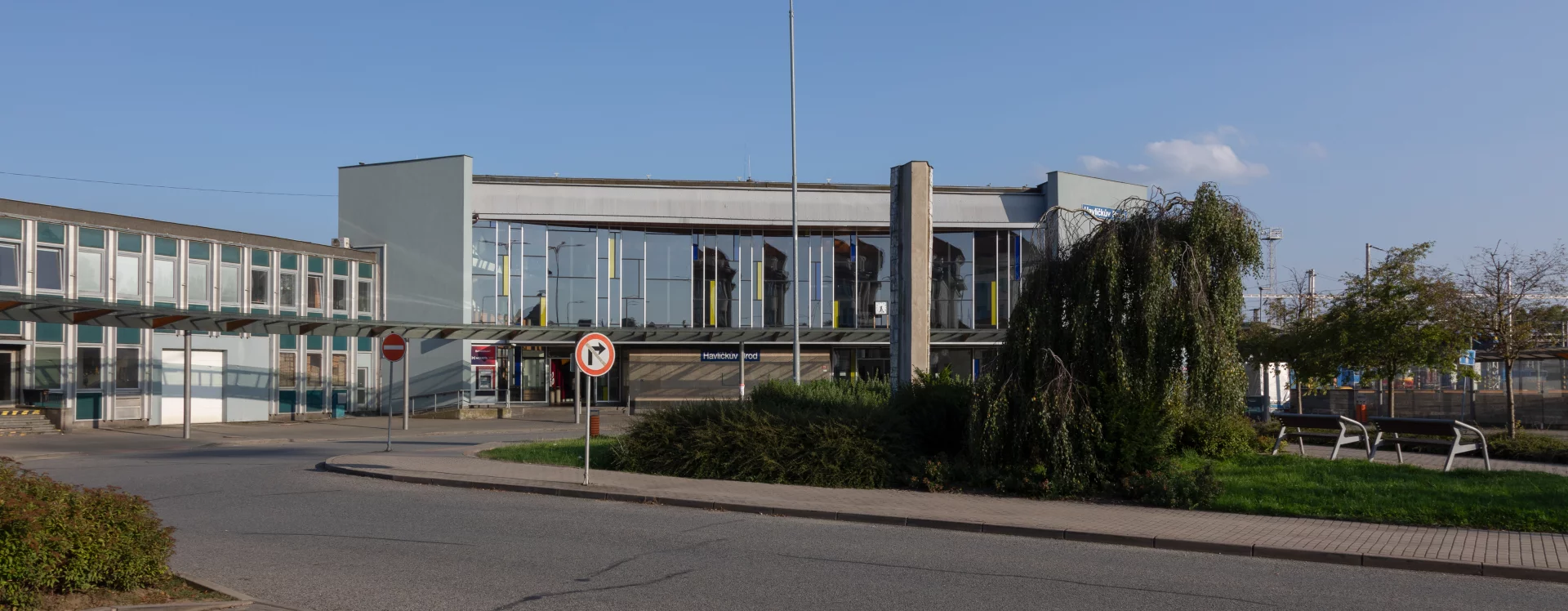
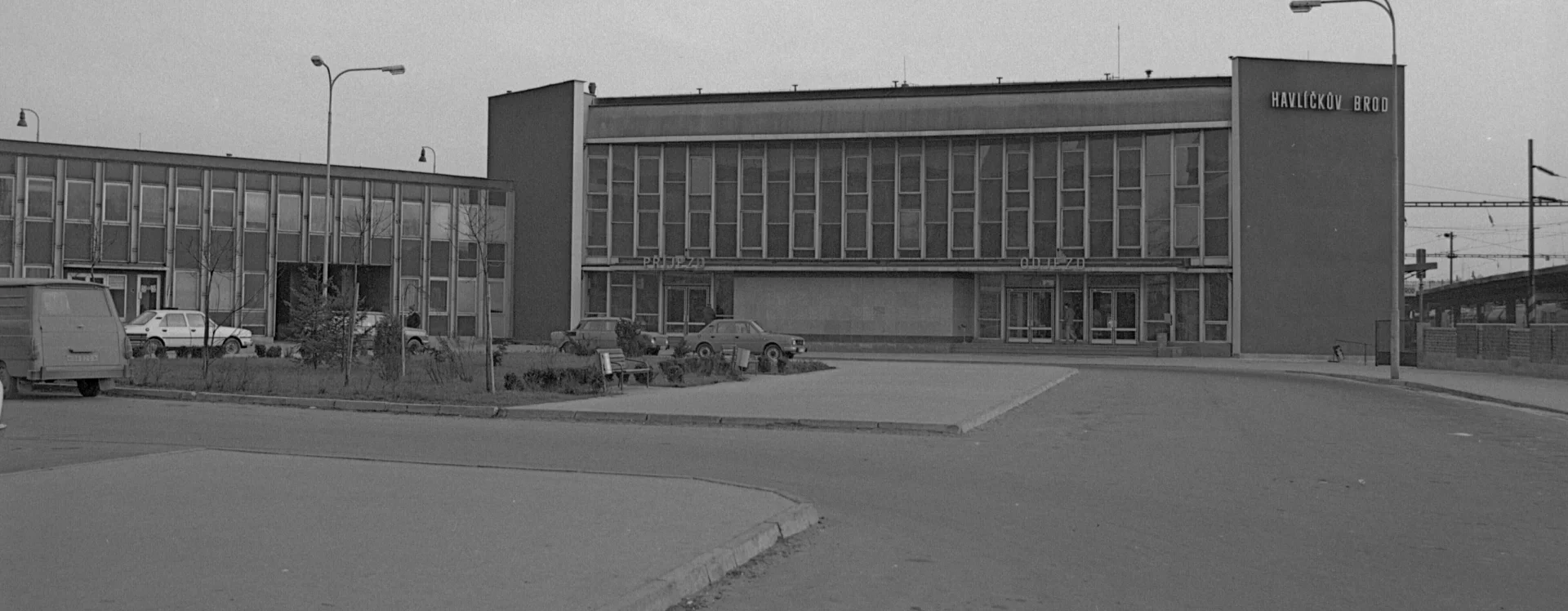
The new railway station, designed in the Brussels style, was conceived from the outset as a generous space capable of accommodating the flows of passengers from across the country. Its V-shaped floor plan acts as a welcoming gesture for arriving travellers while directing them towards the platforms. The facade unfolds towards the town in a gently curved concave arc, accentuated by a horizontal canopy. To the left was adjoined an administrative wing clad in aluminium profiles and blue Boletice panels, lending the area a distinctly 1970s character.
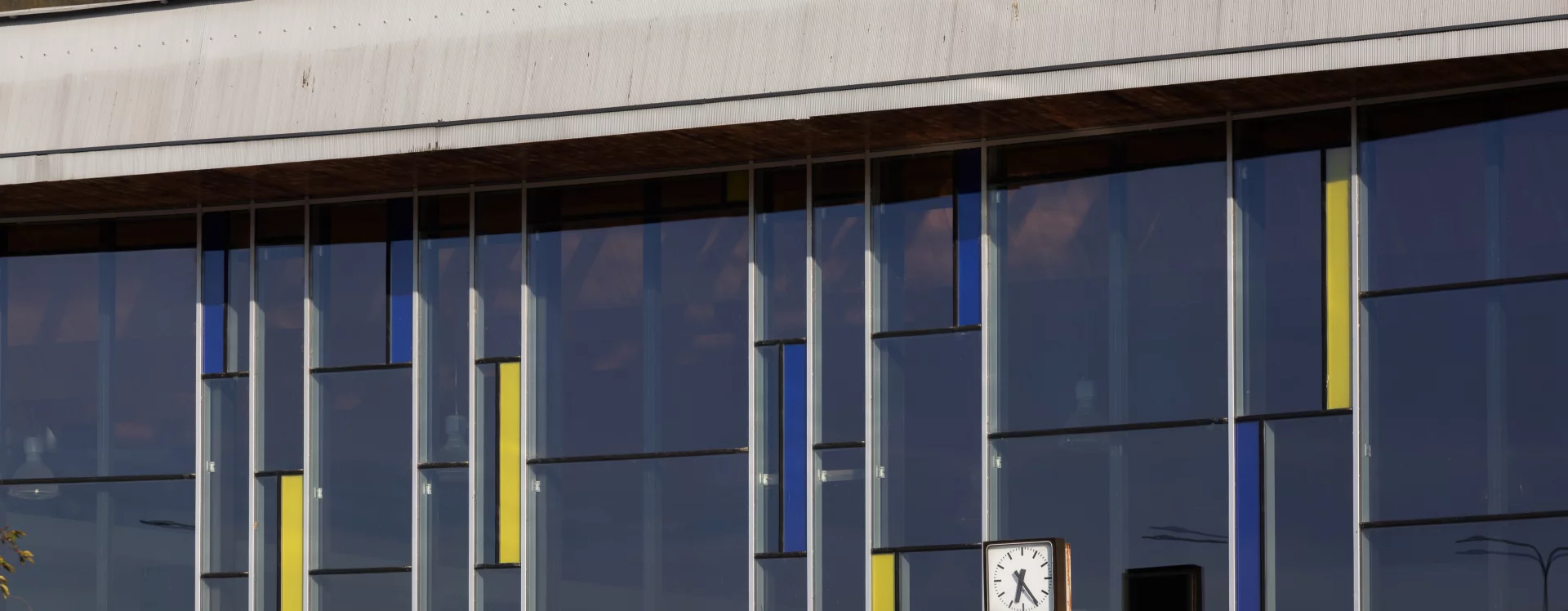
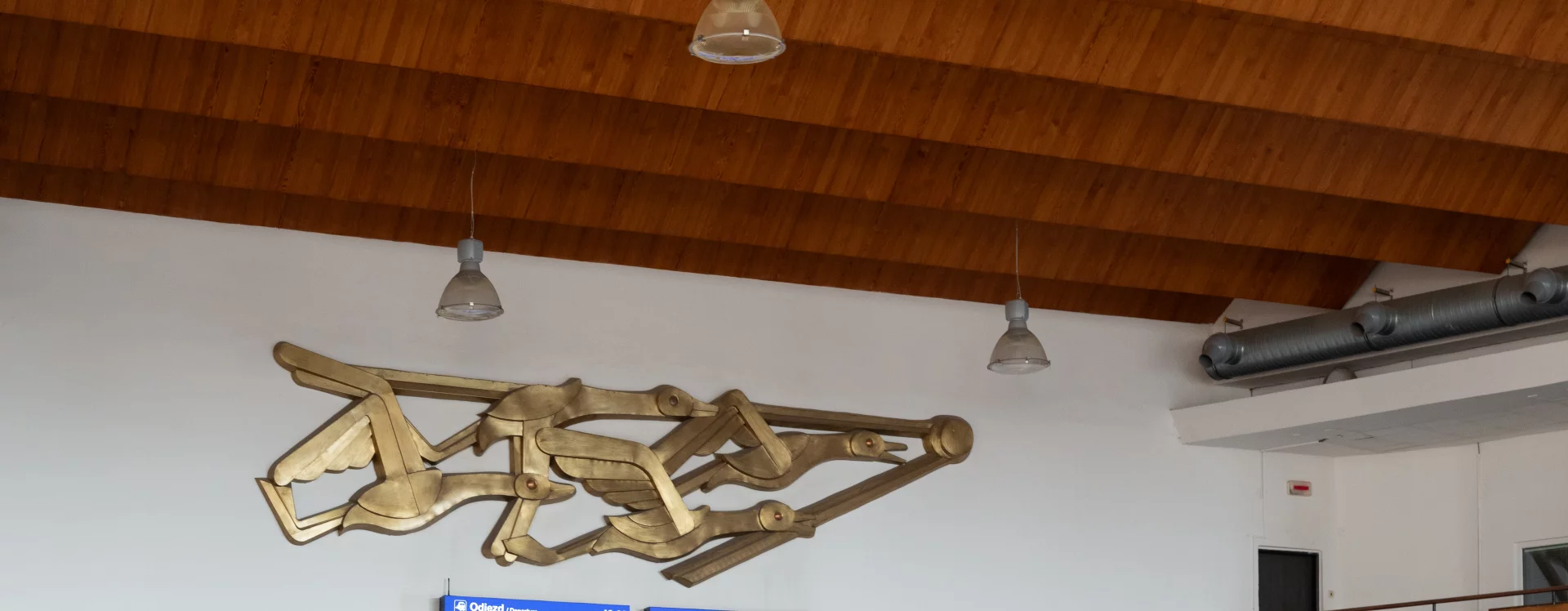
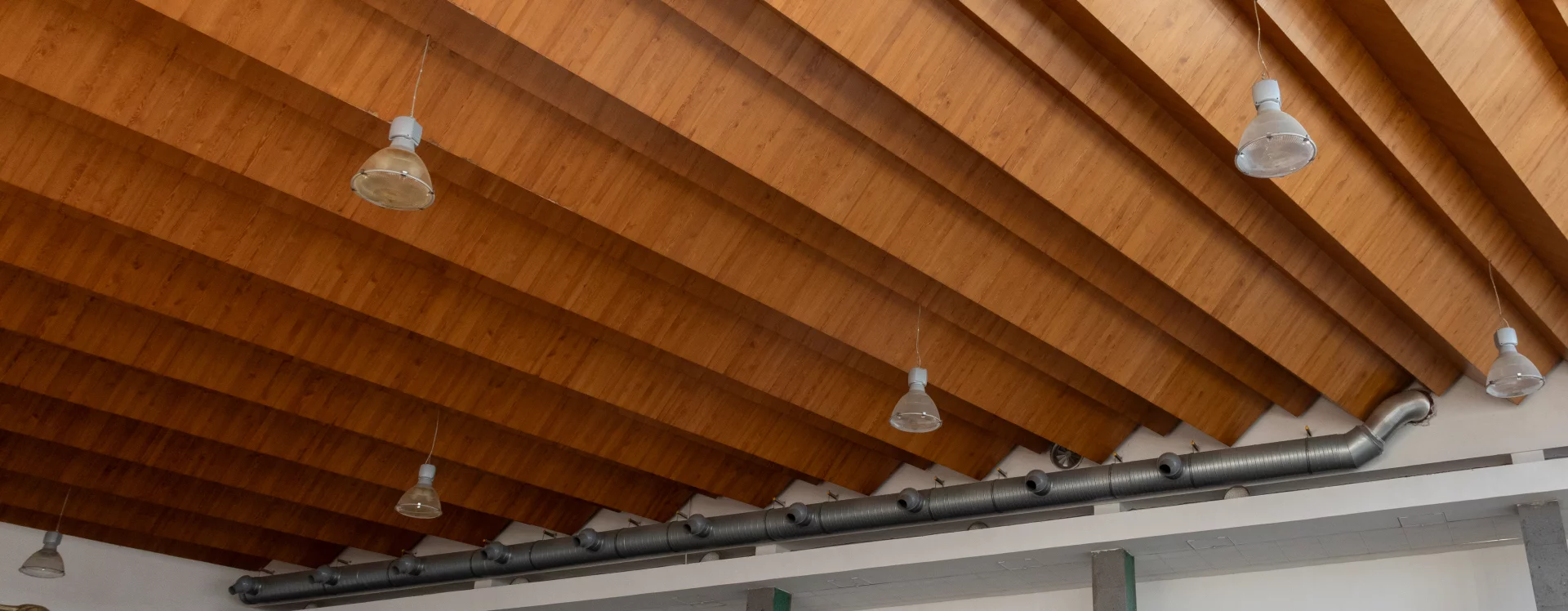
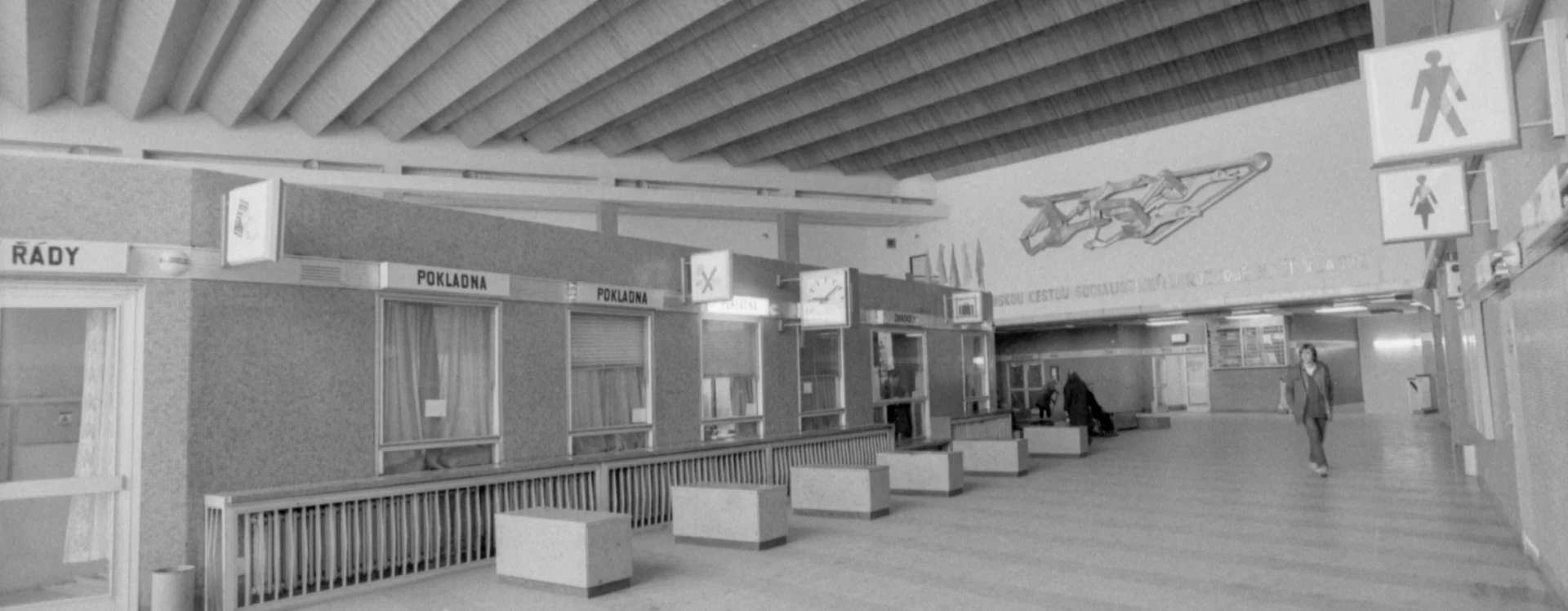
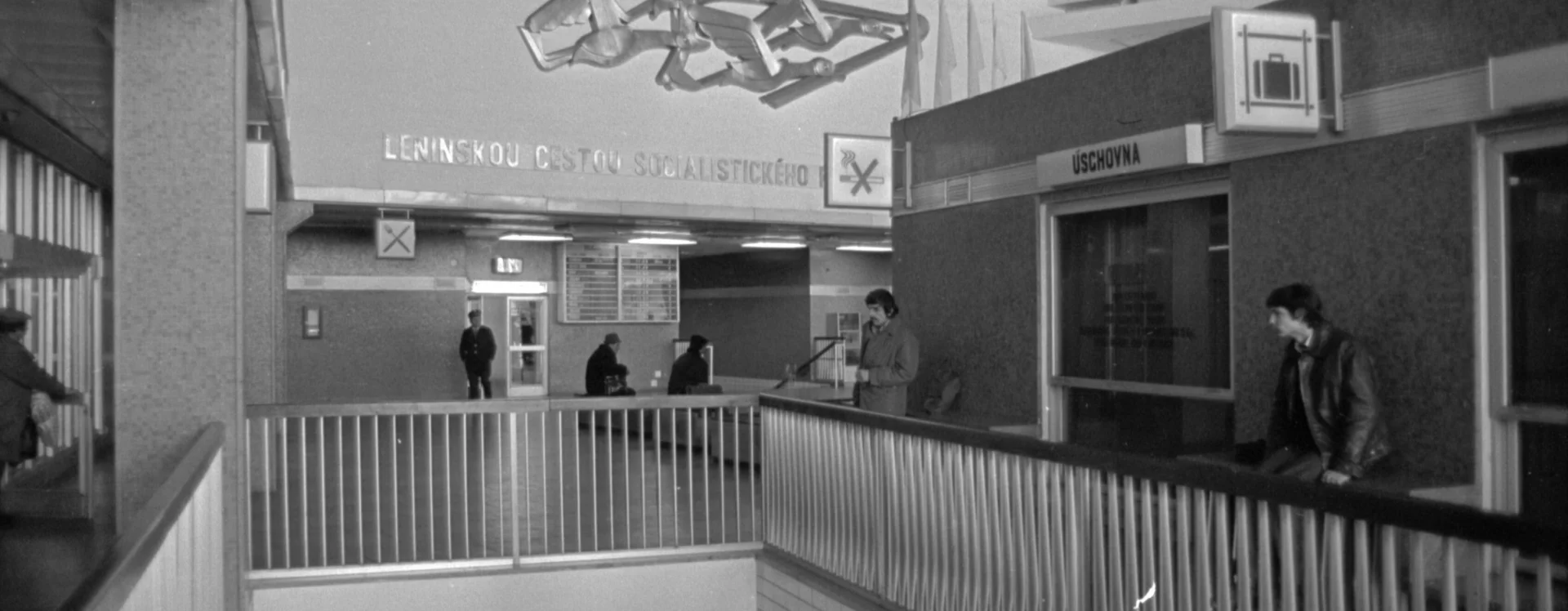
Inside, the main hall opens out as a space where technical logic mingles with poetry of form. Two galleries flanking the central area once served the station’s operations. Beneath them, the central block housed the ticket offices and luggage storage. The architect originally placed a waiting room, cultural centre, restaurant, buffet, and service facilities in the side wings. The entire space is distinguished by a folded wooden ceiling whose rhythm of light and shadow lends the interior a sense of solemn dignity. At the narrowing end of the hall, an opening leads to the underpasses and platforms—the very heart of the railway operation. The architectural composition is enriched by artistic features: a stained-glass window on the front wall animates the space with colour, while a relief of swans and railway wheels on the southern wall evokes the dynamism of movement inherent in both nature and technology.
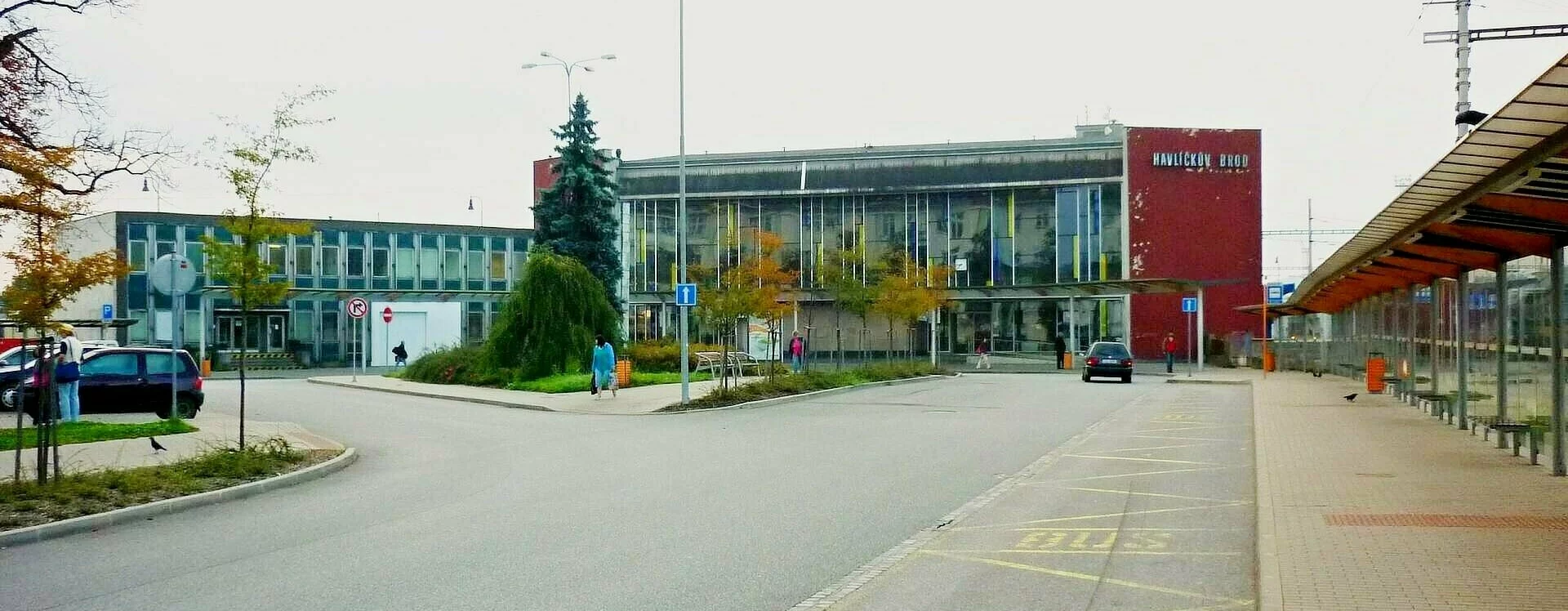
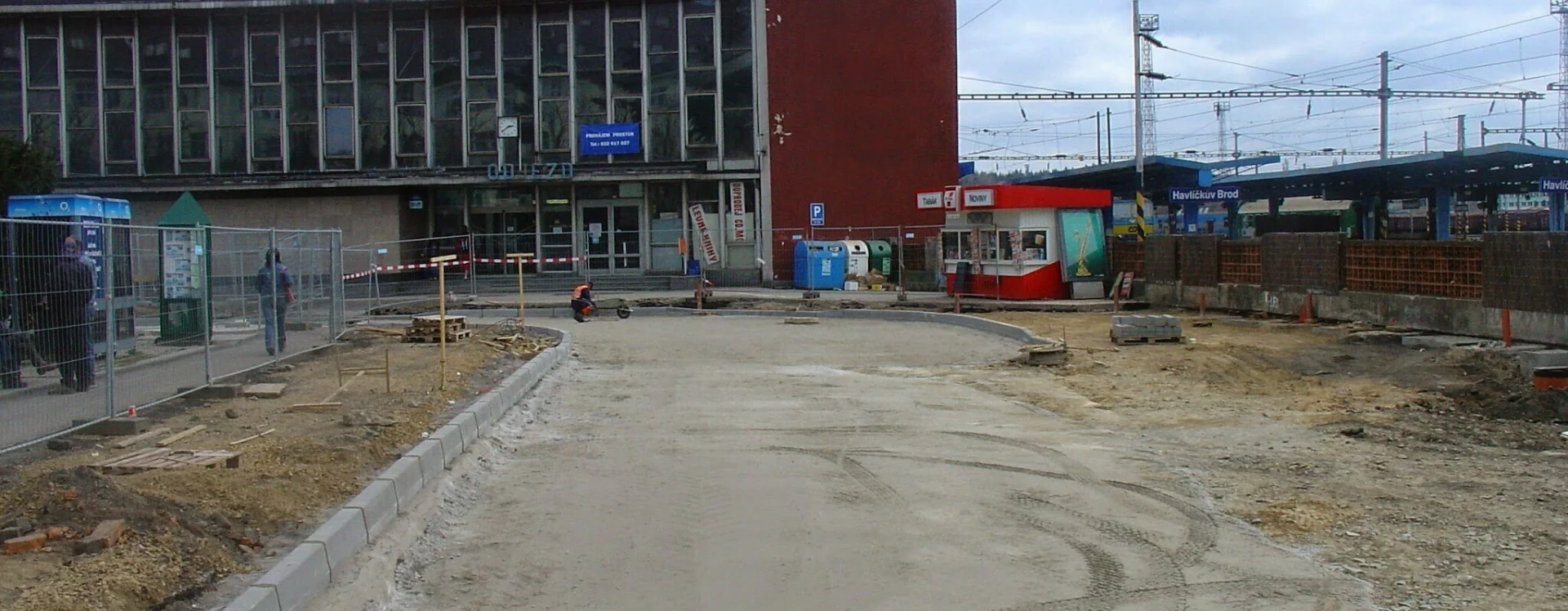
The exterior area was also designed with the aim of creating a prominent forecourt for the town. After the demolition of the original building, an access road with a bus turning loop was introduced. At the centre of the small park stands a concrete column by the sculptor Anna Klimešová (HB-pc2260_36), its ceramic cladding depicting notable town landmarks.
Between 2015 and 2020, the station complex underwent extensive renovation, including the tracks and service facilities, during which the central block containing the ticket offices was removed. The building also received a new blue facade.
Dana Schlaichertová, 2025
Literature
Vojtěch Michal. Havlíčkův Brod - revitalizace veřejných prostranství. Praha, Ústav krajinářské architektury FA ČVUT, 2025, Diplomová práce.
Vladislava Říhová, Zuzana Křenková. Sochy a města. České umění 50.–80. let 20. století ve veřejném prostoru: evidence, průzkumy a restaurování. In: Sochy a města. Available from: https://sochyamesta.cz/.
Martin Vokáč. Největší železniční stanici na Vysočině posune oprava do 21. století. In: iDNES.cz. 2. června 2015. Available from: https://www.impuls.cz/regiony/vysocina/rekonstrukce-zeleznicni-stanice-v-havlickove-brode.A150602_184409_imp-vysocina_kov/tisk [accessed 28. 8. 2025]
Výpravní budova vlakového nádraží Havlíčkův Brod. In: Památkový katalog. Available from: https://pamatkovykatalog.cz/vypravni-budova-vlakoveho-nadrazi-havlickuv-brod-20611246 [accessed 28. 8. 2025]
Prameny
Písemná korespondence s Mojmírem Krejčiříkem. duben 2009.
Městský úřad Havlíčkův Brod, archiv Stavebního úřadu. sv. č. p. 72.