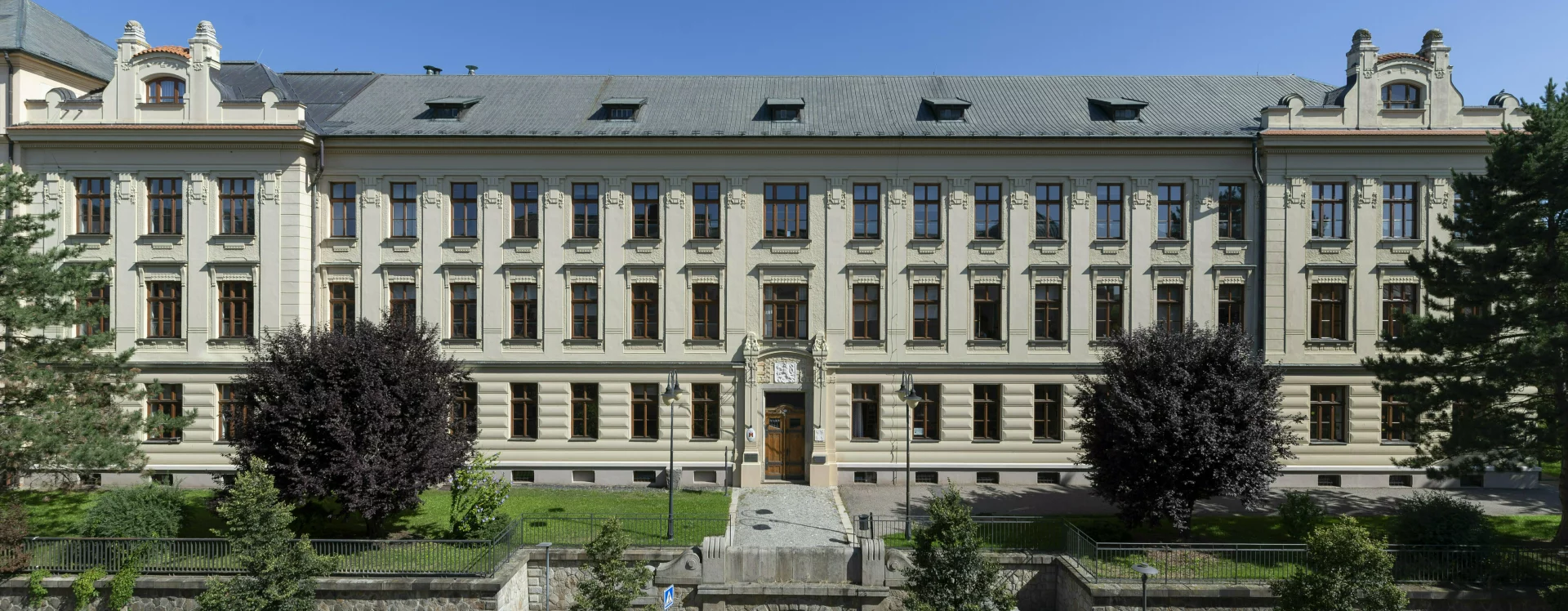
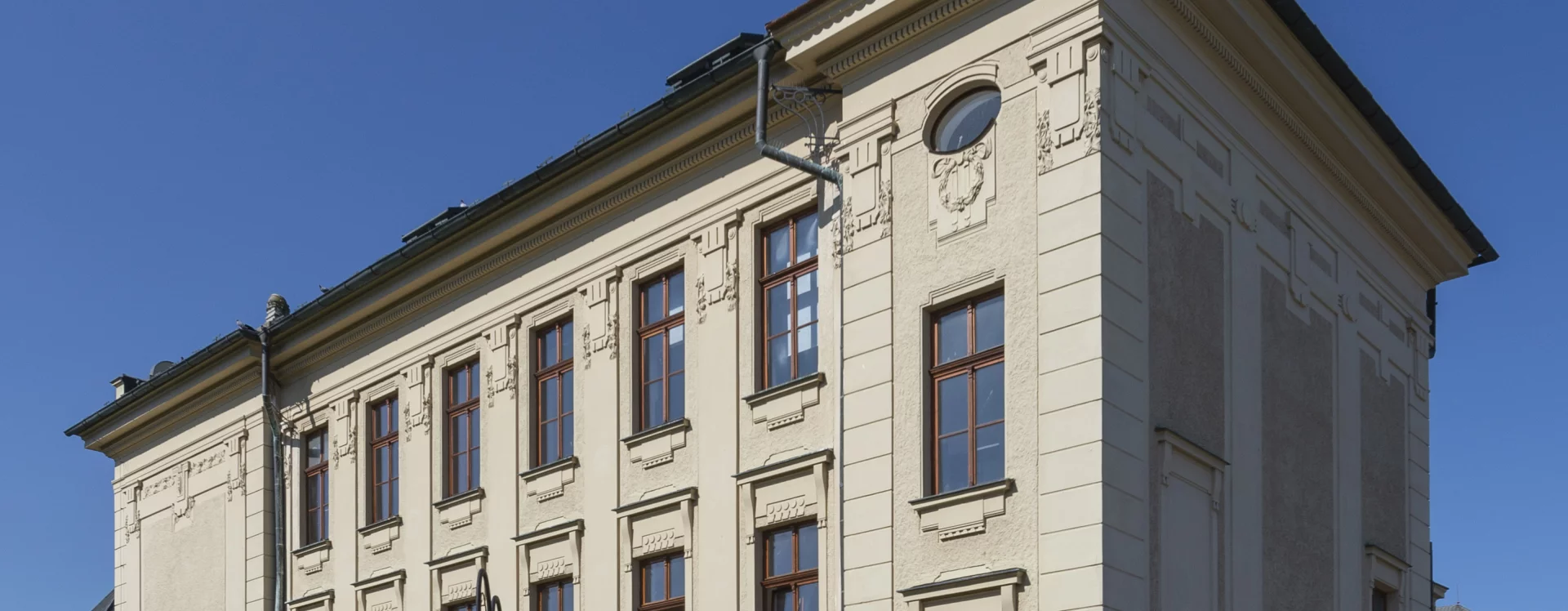
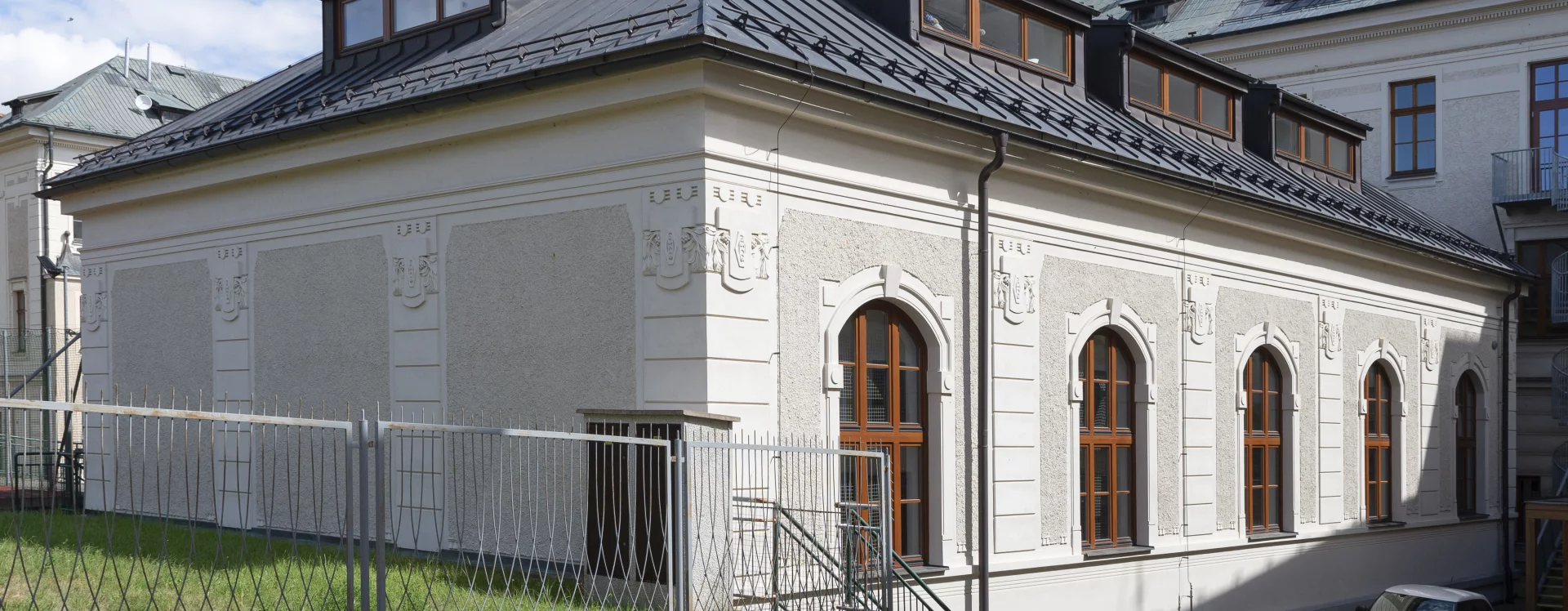
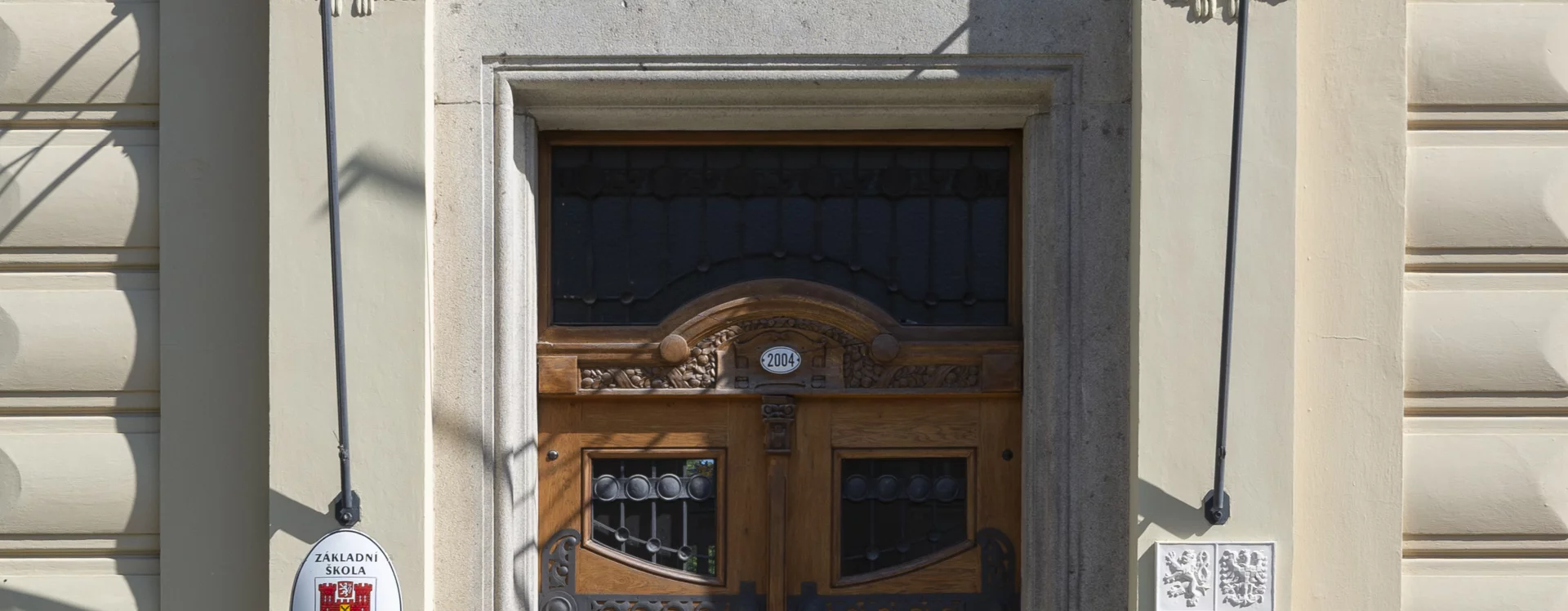
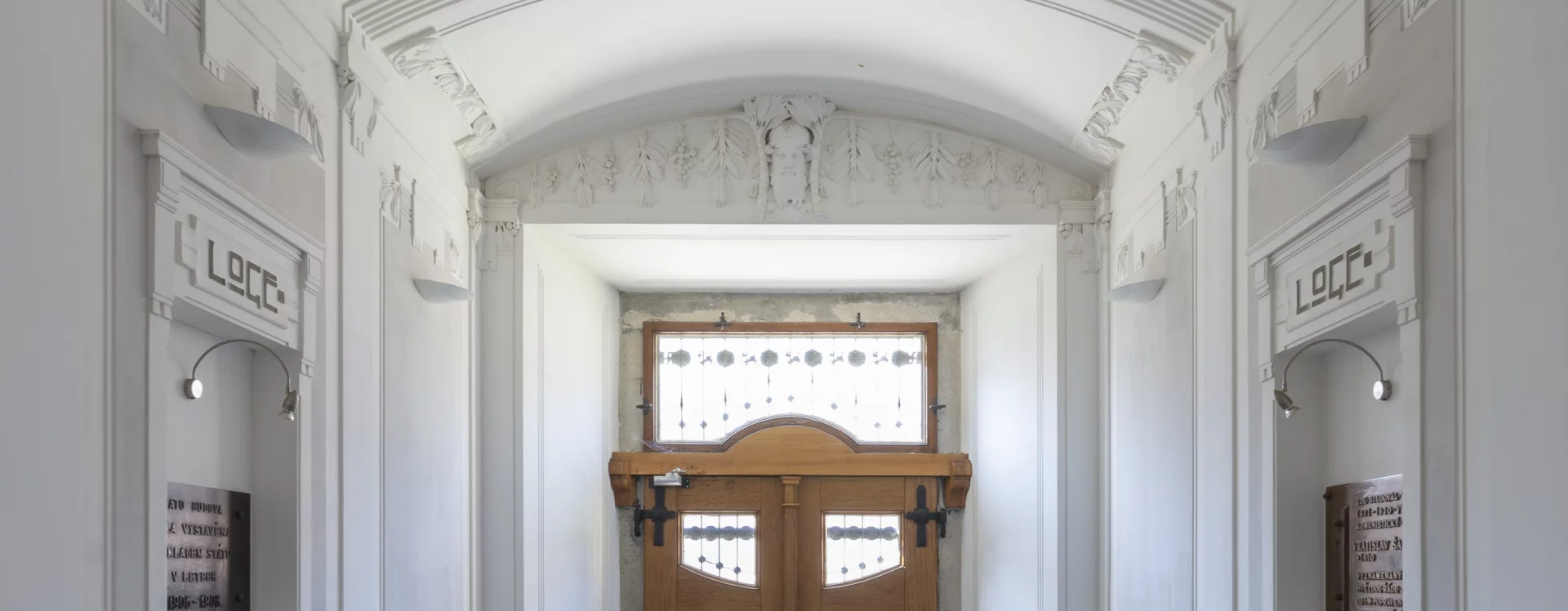
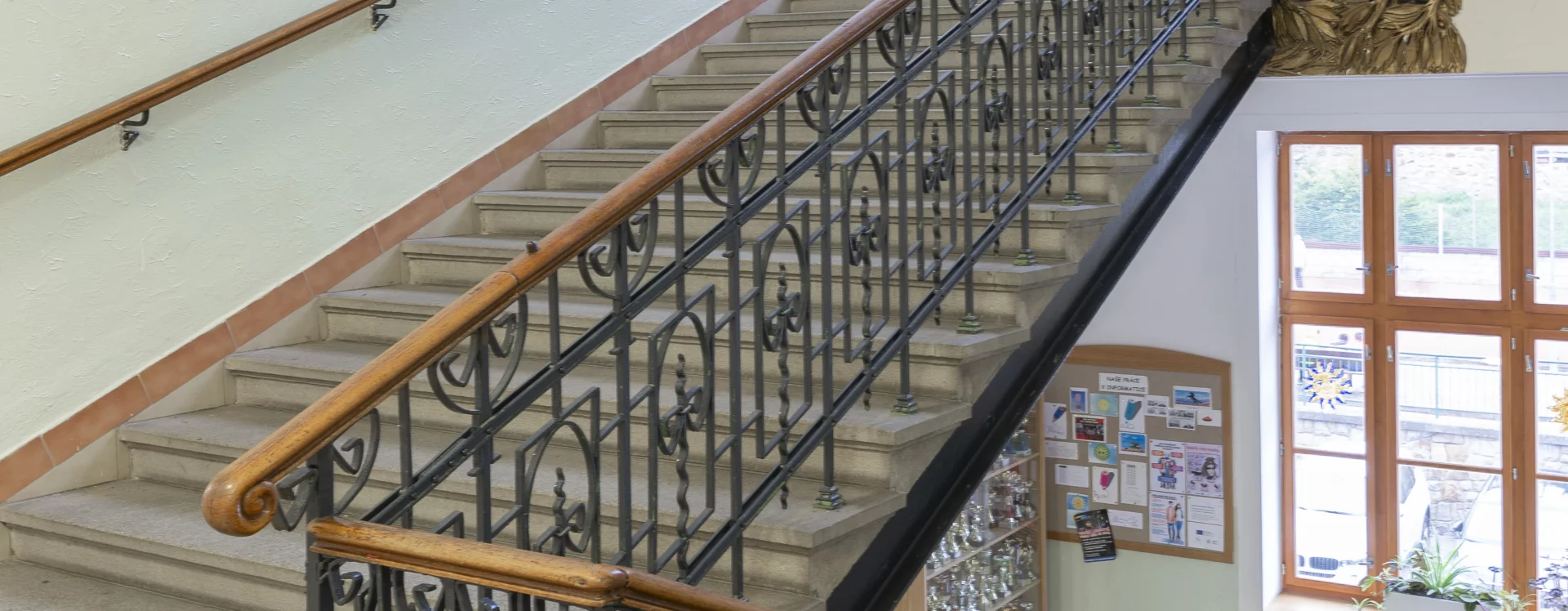
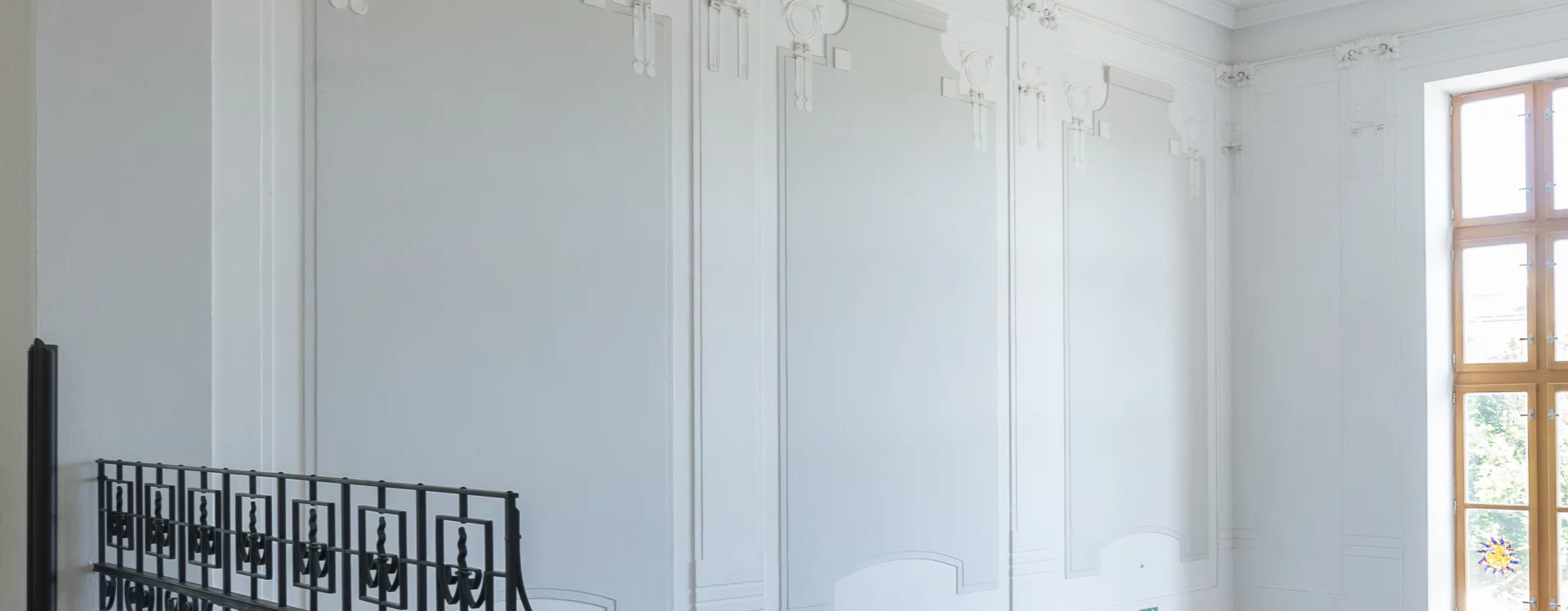
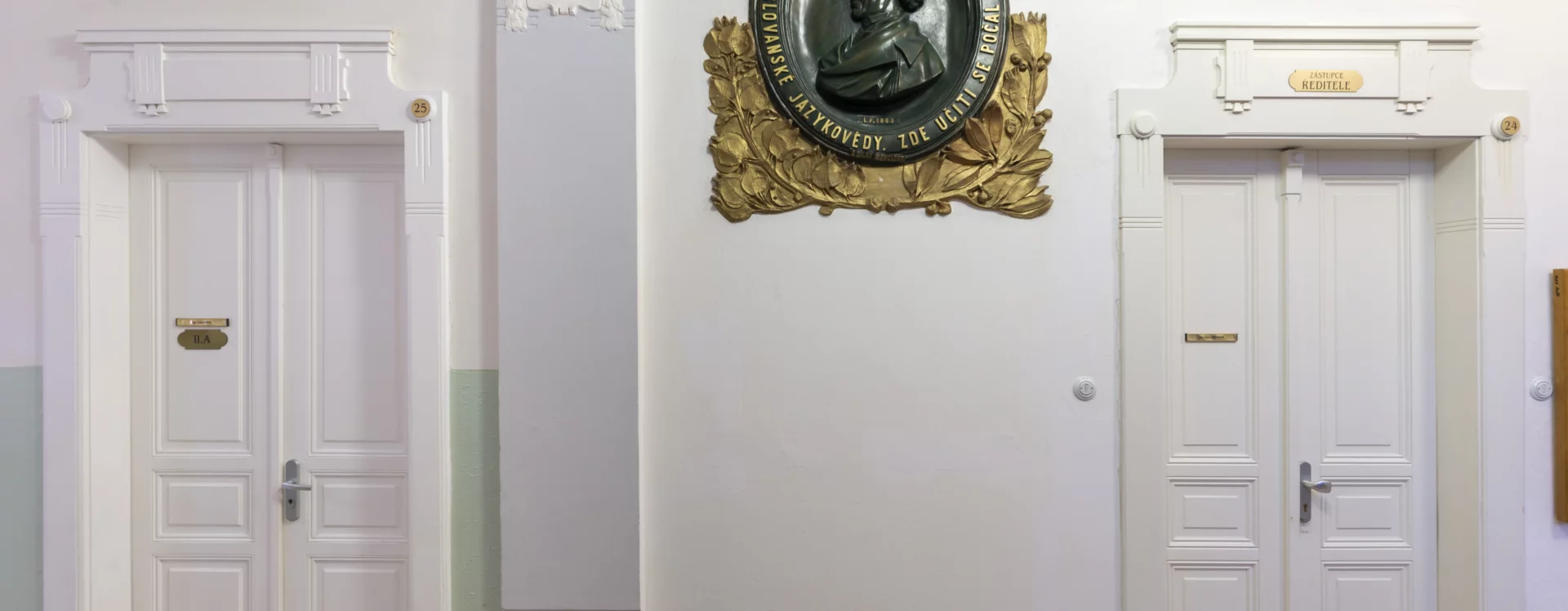
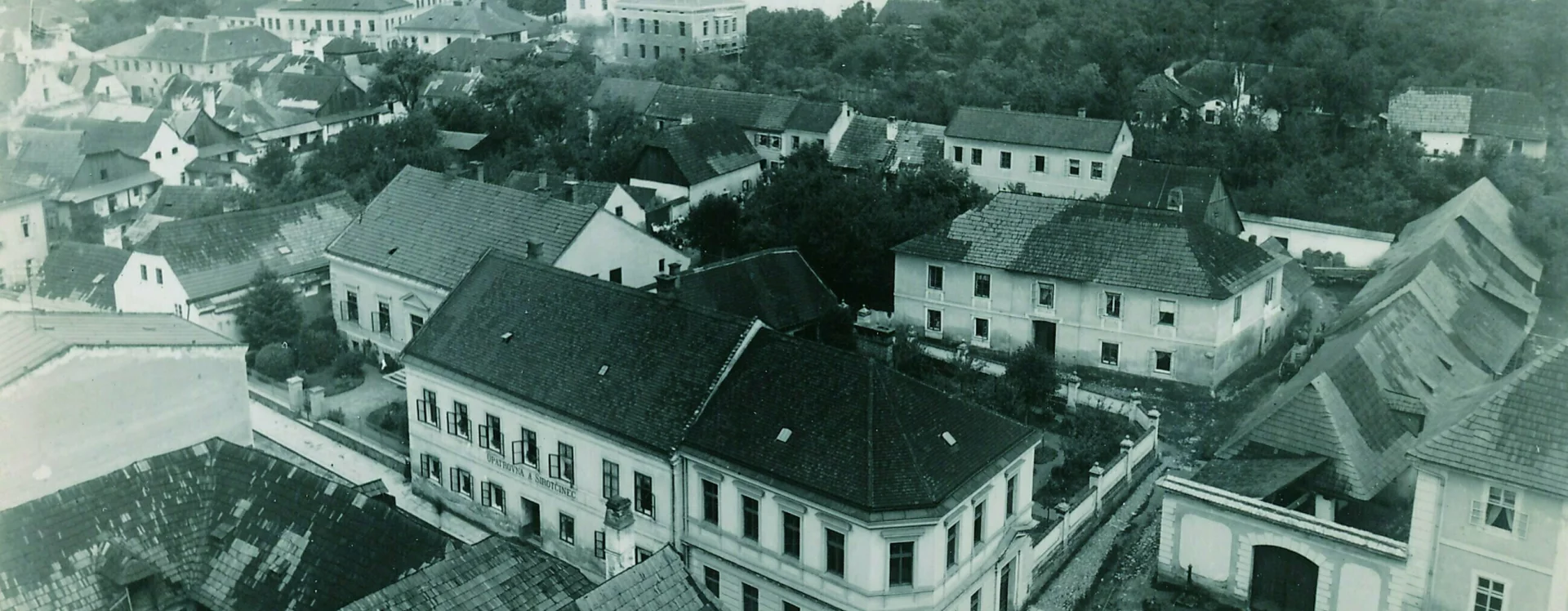
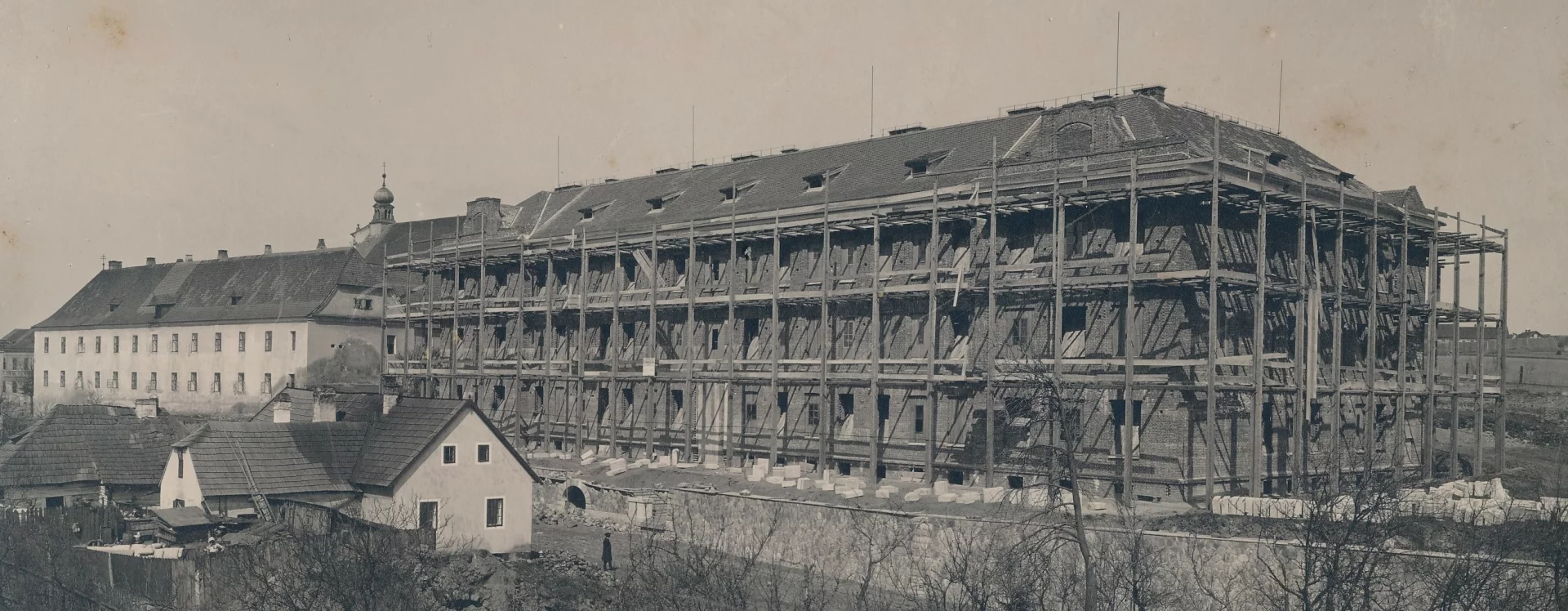
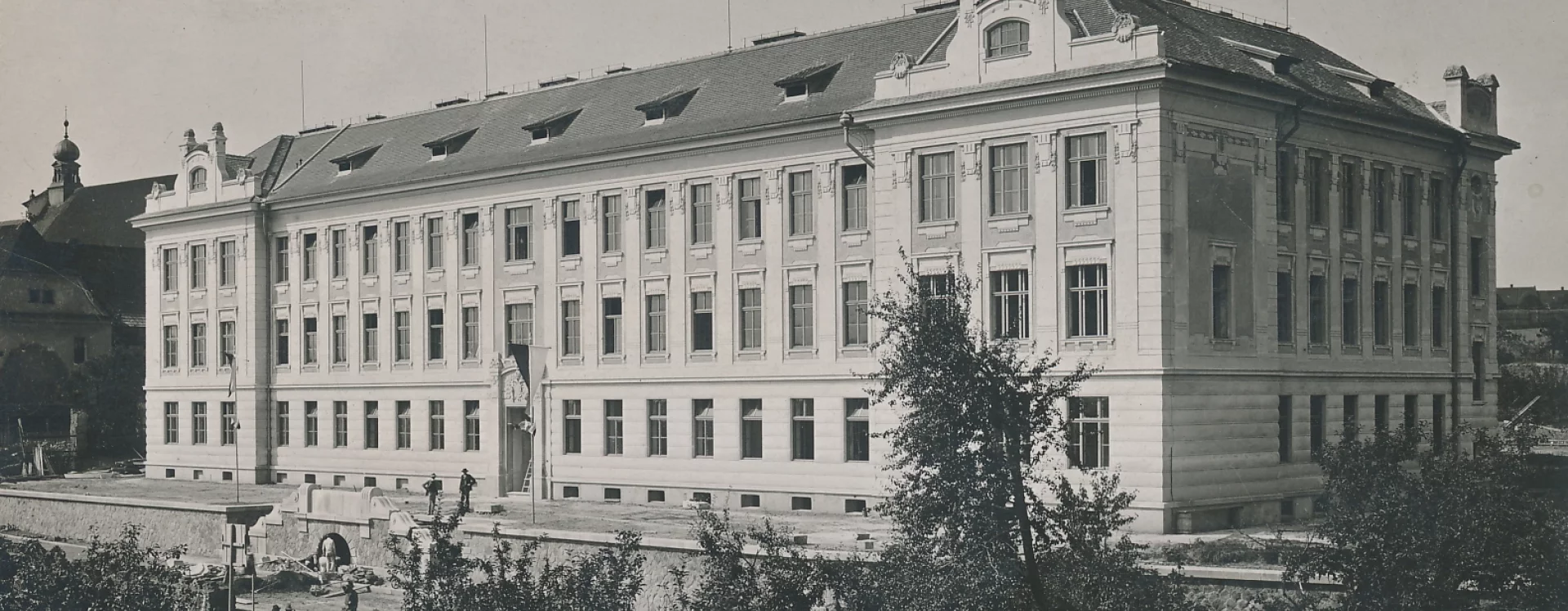
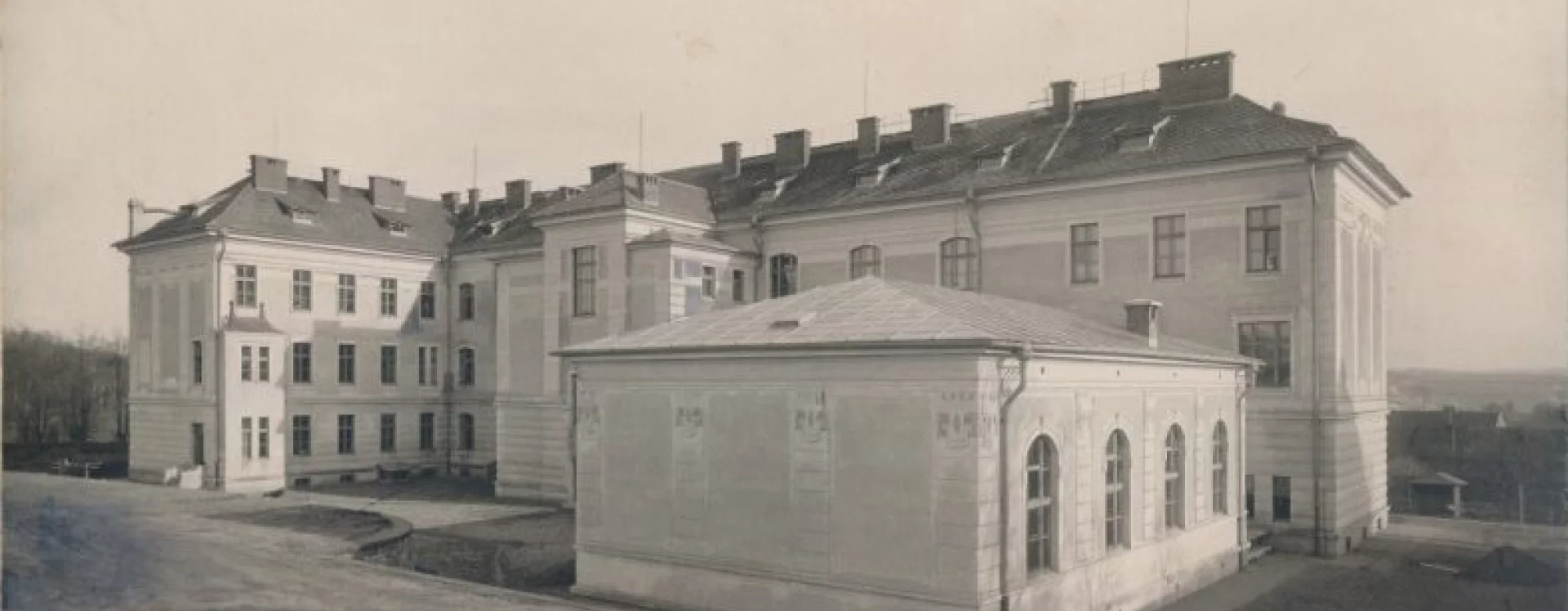
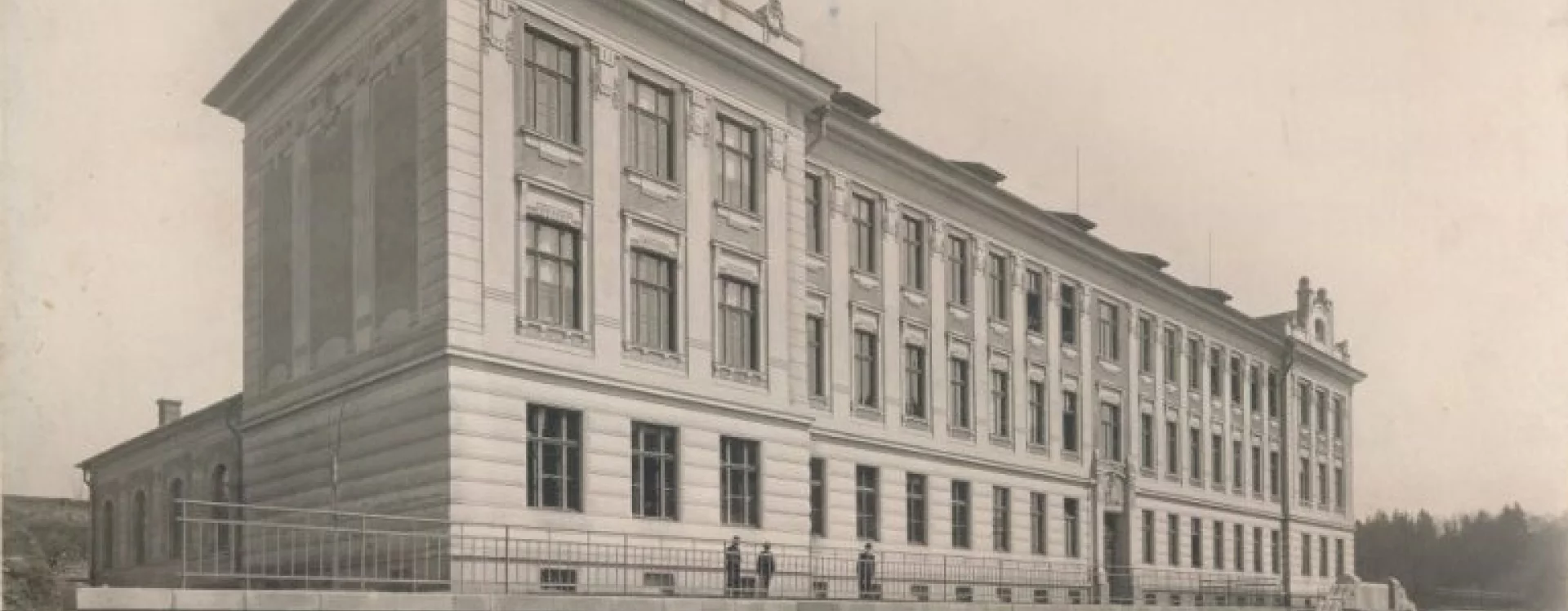
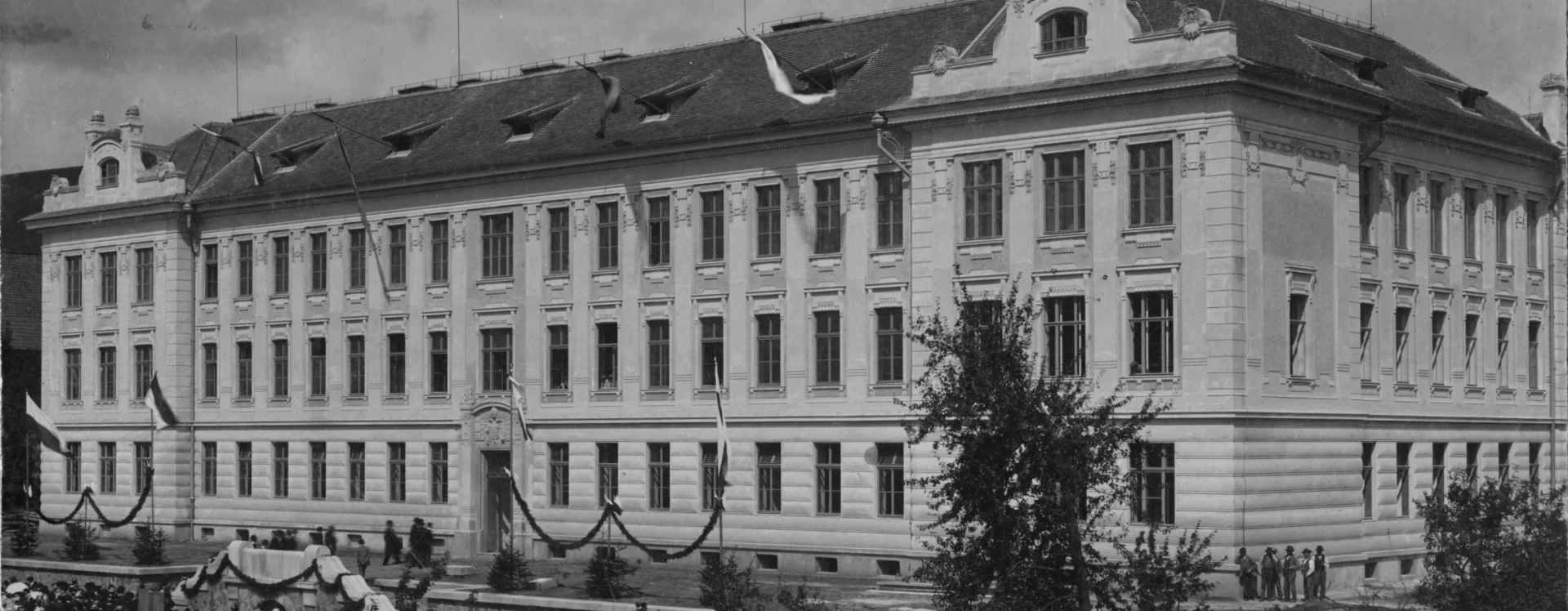
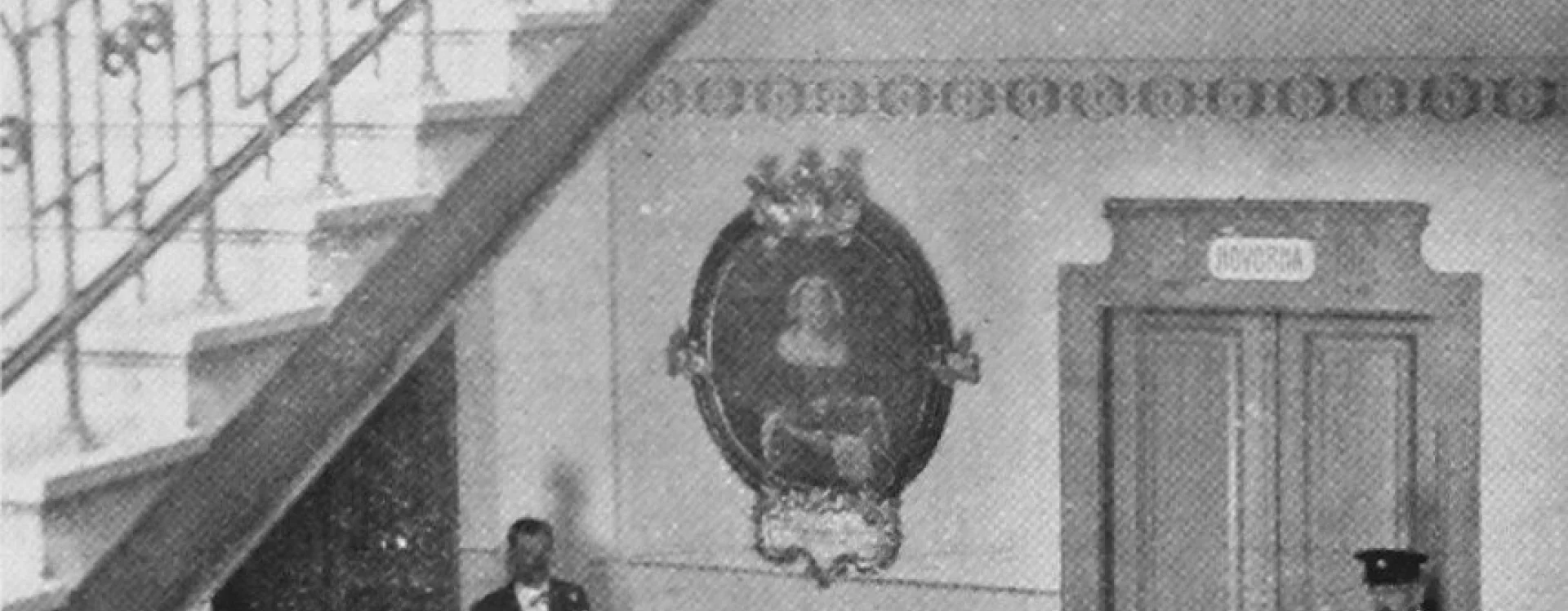
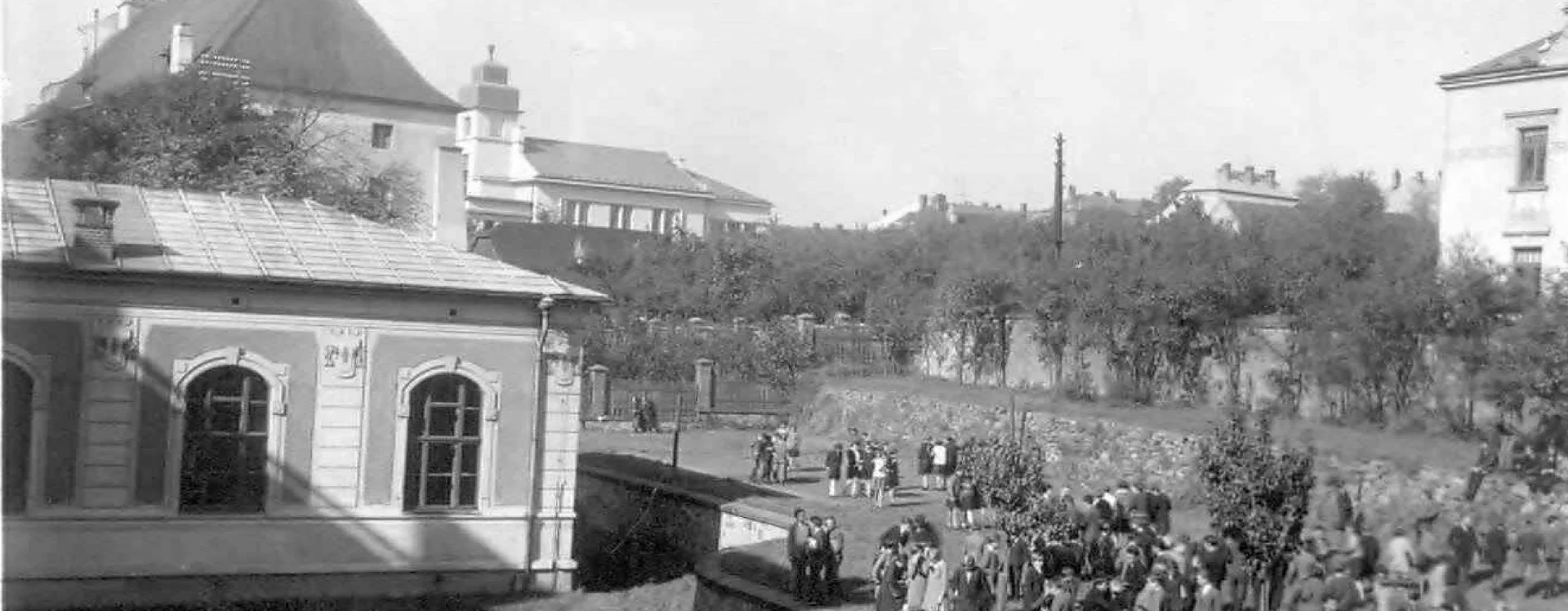
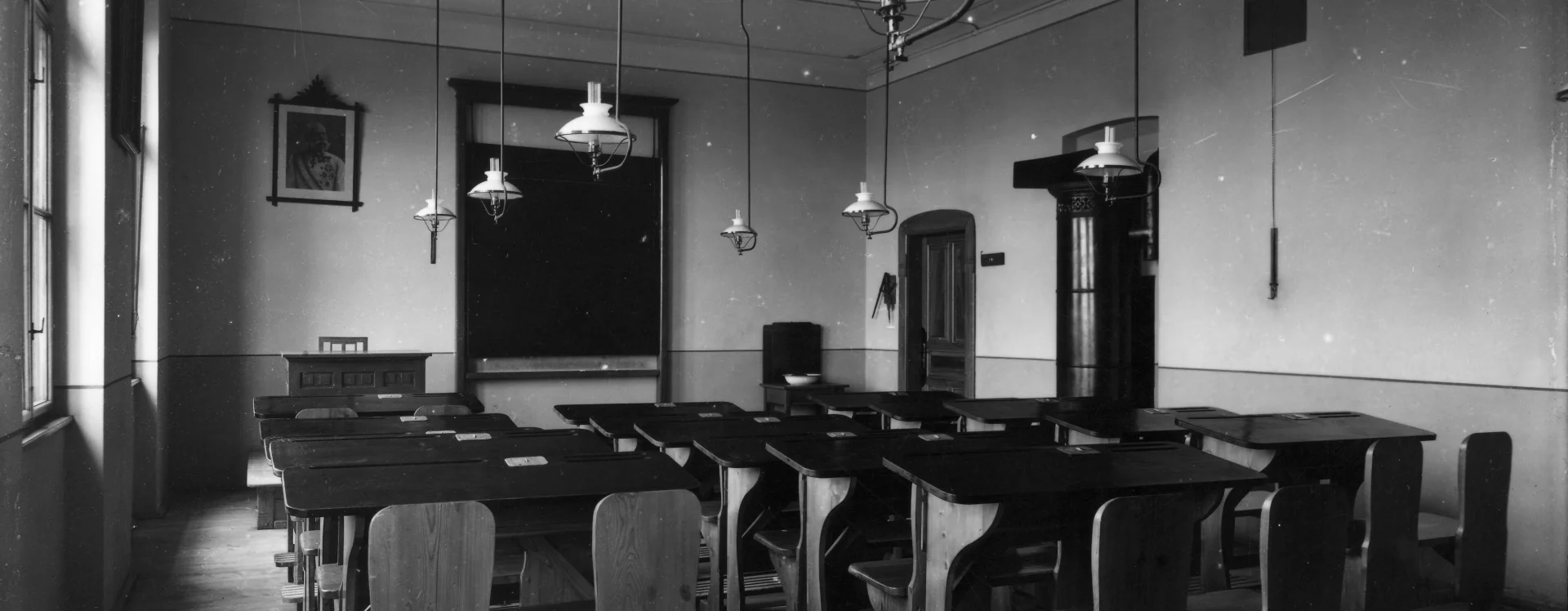
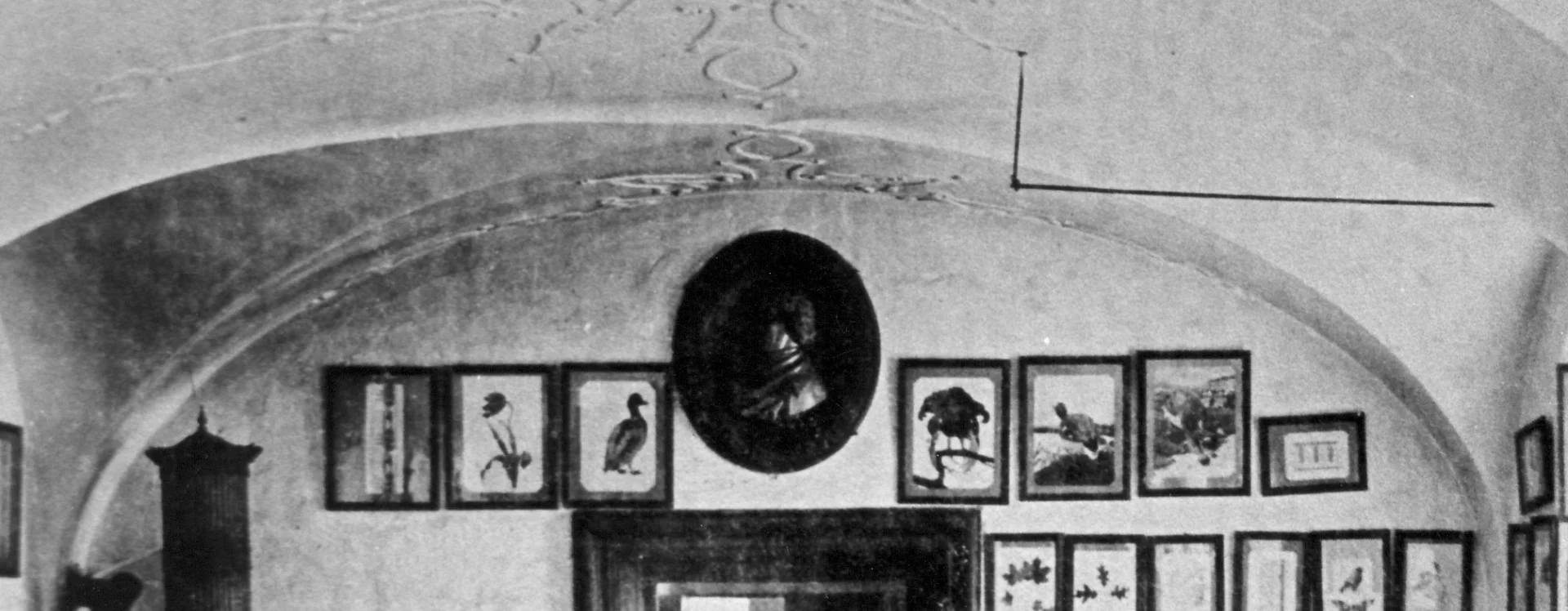
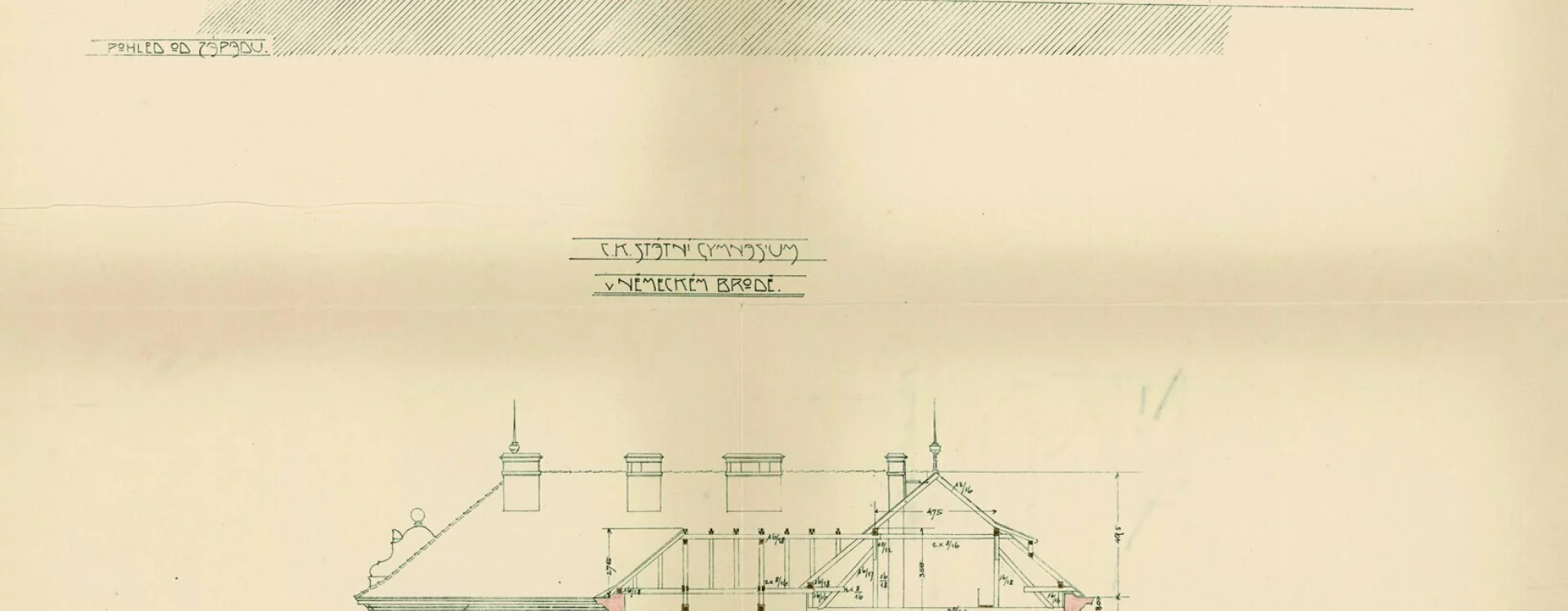
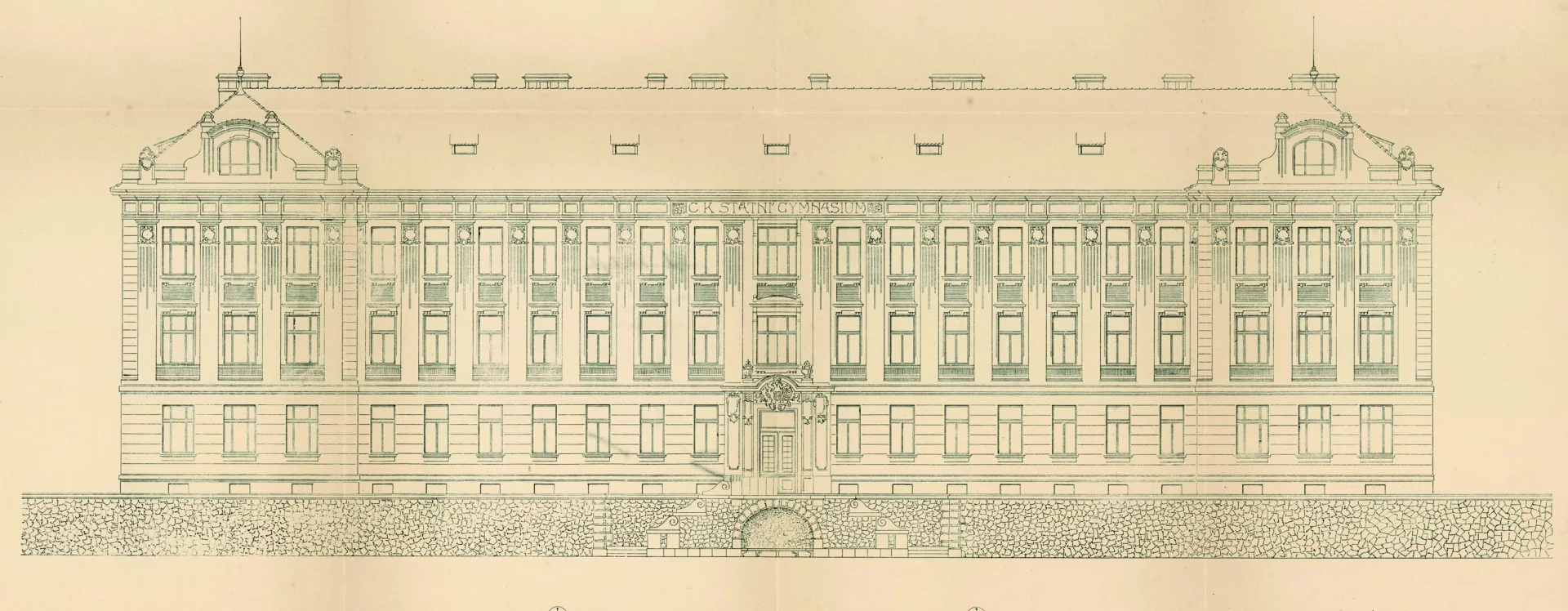
At the beginning of the 20th century, a new secondary school was built on the site of the former monastery garden, which also gave rise to a new street named “Školní” (School) after the exclusive purpose of the local buildings. The secondary (Latin) school was founded in Německý Brod in 1735 and occupied several different buildings over the course of its existence. In 1897, negotiations began between the town and the Ministry of Culture and National Education concerning the construction of a new school. The site selected was the former monastery garden, extending from the monastery towards the Church of the Holy Trinity. The construction department of the imperial-royal governor’s office in Prague was commissioned to draw up the plans. The design for the new secondary school was created in 1905 by the then building councillor Ludvík Lábler. The architect, whose work was largely rooted in historicist styles, designed a three-storey building with a small basement on an L-shaped plan. A gym hall, added to the western end of the north façade, completed the layout in a U-shape. The design blends historicist elements with Art Nouveau motifs. The rusticated ground floor band, tall pilaster order framing the windows, monumental entrance portal, window jambs, accentuated risalits with gables, and the heavy cornice all reflect the Neo-Renaissance style, while the stucco decoration shows the influence of the emerging Art Nouveau. Nevertheless, the work of the renowned architect and conservationist met with the disapproval of the local imperial-royal conservator, Zdeněk Wirth, who lamented the loss of the monastery garden and the disruption of the town’s overall silhouette caused by the oversized structure.
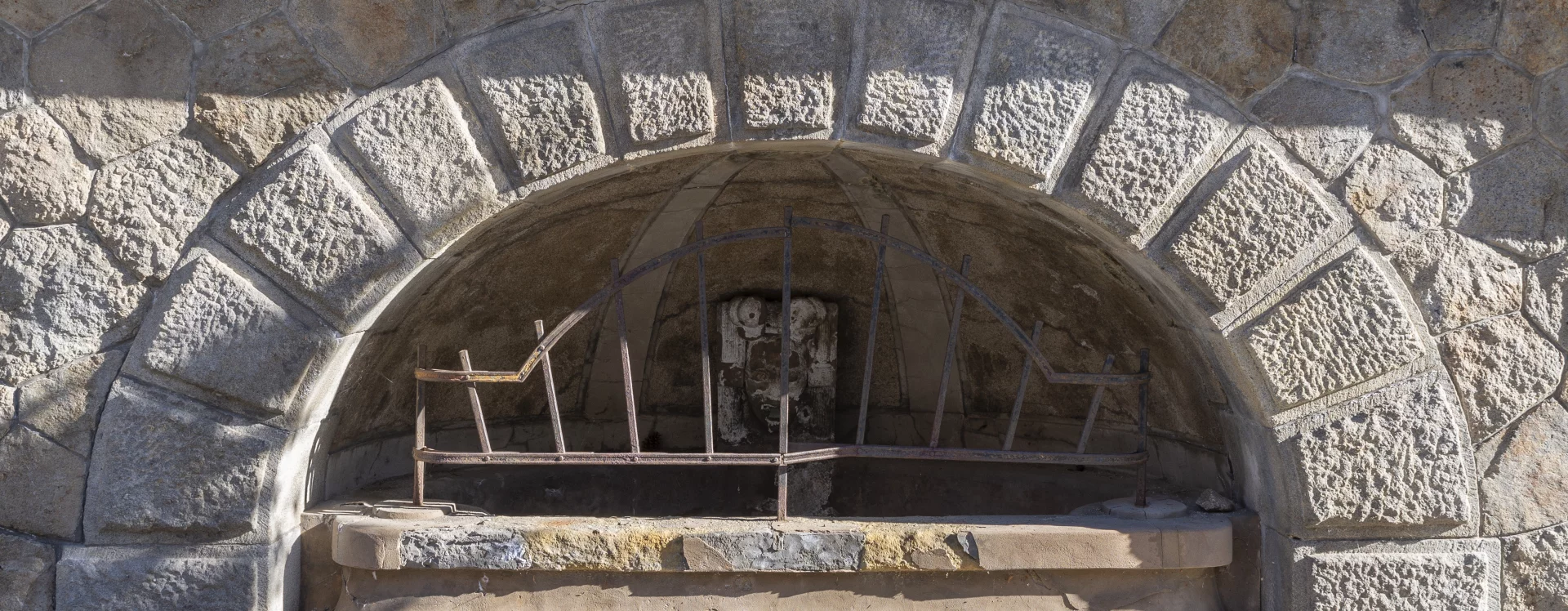
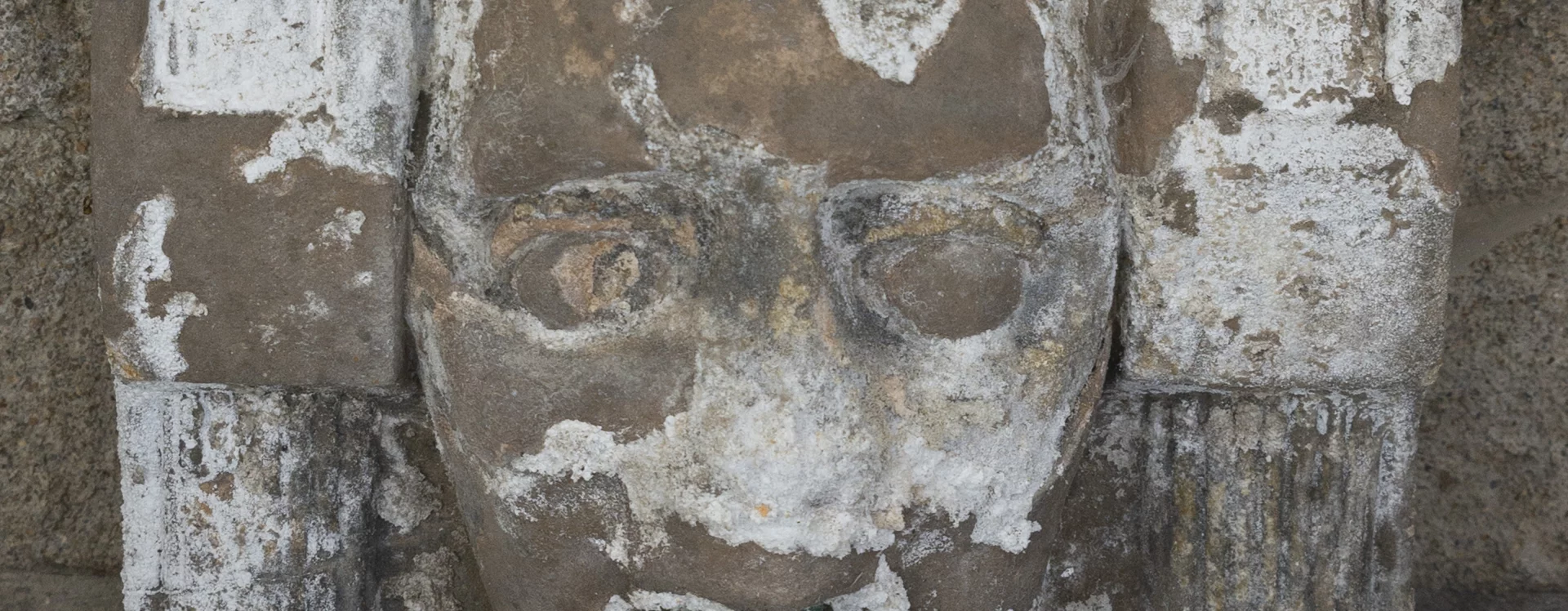
The construction of the building was entrusted to local builder Josef Šupich, whose company prepared the site and dug the foundations in 1906, carried out structural work the following year, and began work on the interior in 1908. The ceremonial opening took place in the still unfinished building on 25 August 1908. As the building stood at a considerable elevation above the newly created street, a stone terrace was constructed to level the site, incorporating a fountain adorned with a mascaron.
With the construction of the secondary school, the former cart track was transformed into a new street, along which additional educational buildings—the District II Primary School and the Municipal Business School—were erected over the following decade. The secondary school remained on this site until 1959.
The original floor plan of the building was disrupted by the addition of ground-floor changing rooms to the northern courtyard facade in 1975. Apart from interior modifications to meet contemporary energy requirements (installation of a gas boiler) and teaching needs (conversion of the basement into classrooms, transformation of the caretaker’s apartment into an after-school club, and the creation of a multifunctional classroom), the building has undergone no major changes in its nearly 120-year history and continues to serve its original educational purpose.
Aleš Veselý, 2025
Literature
František Neuwirth. Gymnasijní budovy. In: Dvě stě let gymnasia v Německém Brodě 1735 - 1935. Německý Brod, 1935, p. 52-61.
Dana Schlaichertová. Architektura a urbanismus Havlíčkova Brodu 1848-1938. Olomouc, Katedra teorie a dějin umění FF UP, 1998, Diplomová práce. p. 29-31.
Miloš Tajovský. Budova gymnázia. In: Aleš Veselý (ed.). Příběhy brodských domů. Havlíčkův Brod, Galerie výtvarného umění v Havlíčkově Brodě, 2016, p. 62-65. ISBN 978-80-904726-9-3.
Sources
Městský úřad Havlíčkův Brod, archiv Stavebního úřadu. sv. č. p. 2004.
Státní okresní archiv Havlíčkův Brod, fond Archiv města Havlíčkův Brod. sv. karton 380.