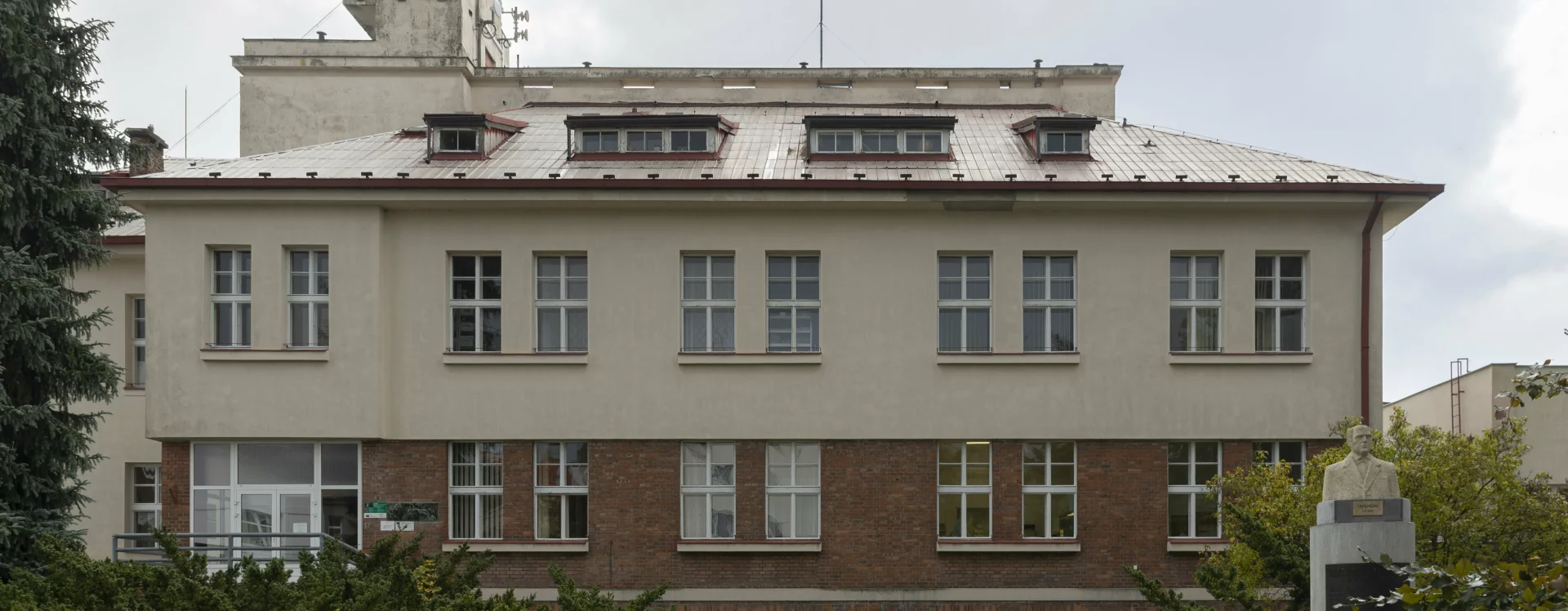
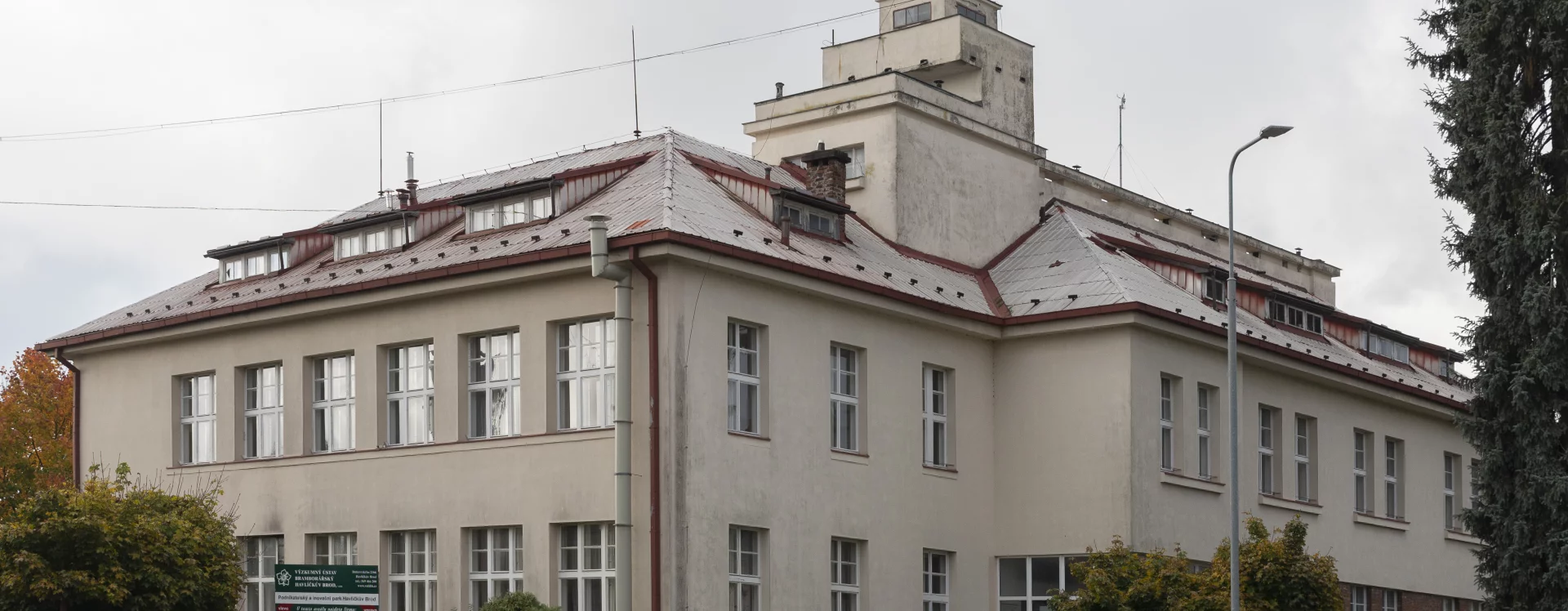



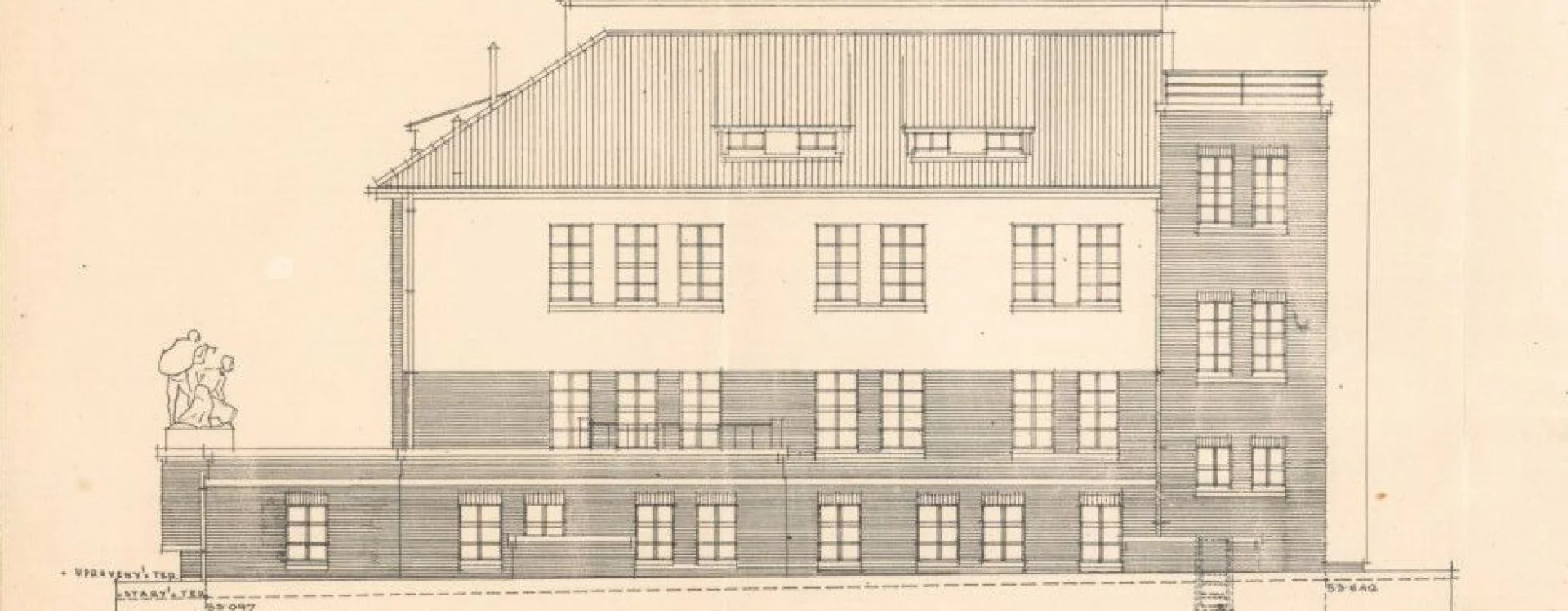

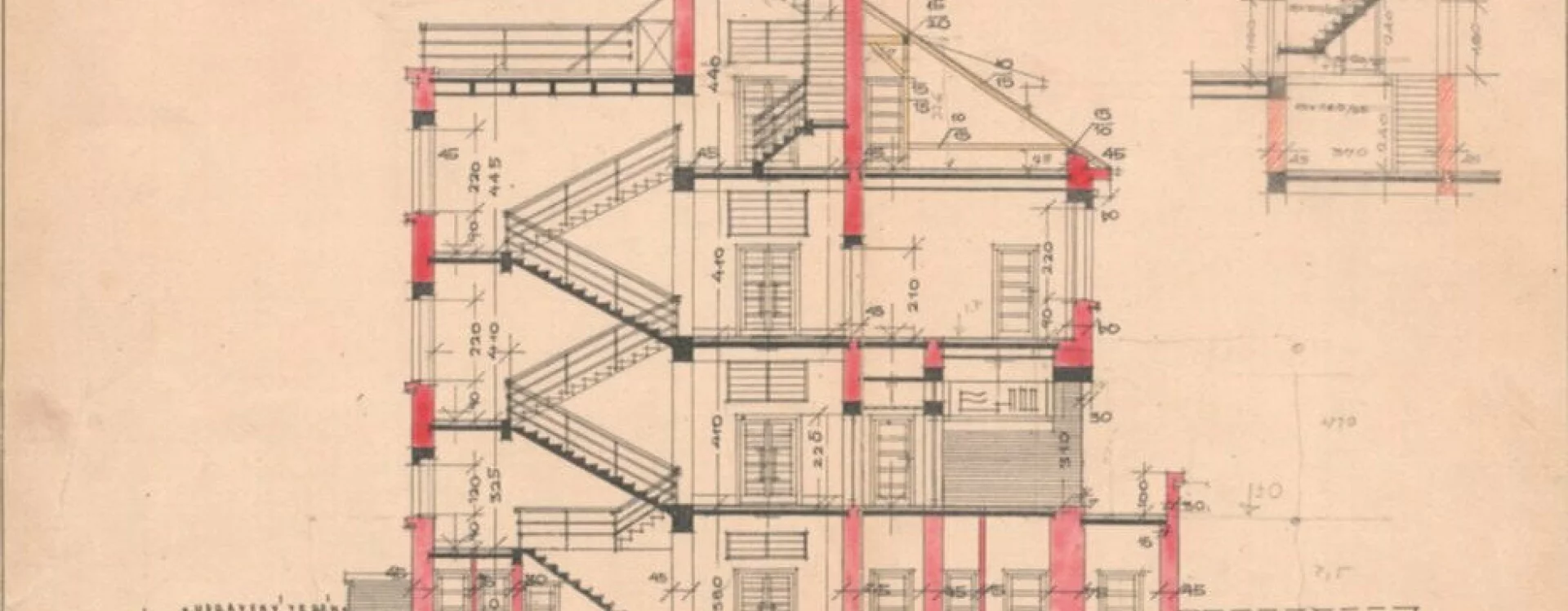
The State Institute for Potato Research in Německý Brod was a scientific institution whose significance extended beyond the regional level. It was established on 5 July 1923 after the nationalization of the private Potato Research Institute, originally founded by the Central Union of Potato Growers, and was newly administered directly by the Ministry of Agriculture. Its role was to serve as a research and advisory centre for growers, users and processors of potatoes—not only for consumption but, above all, for industrial processing into starch and alcohol, for feeding livestock and for drying—across the entire country.
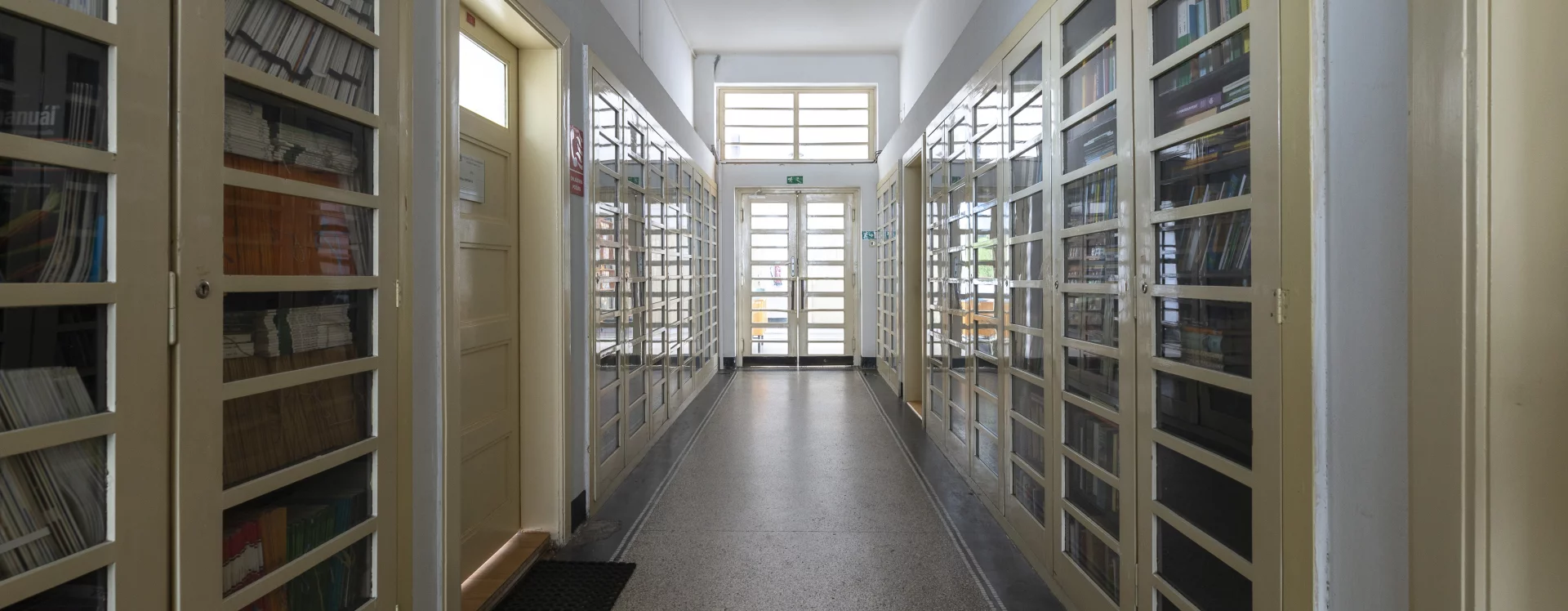
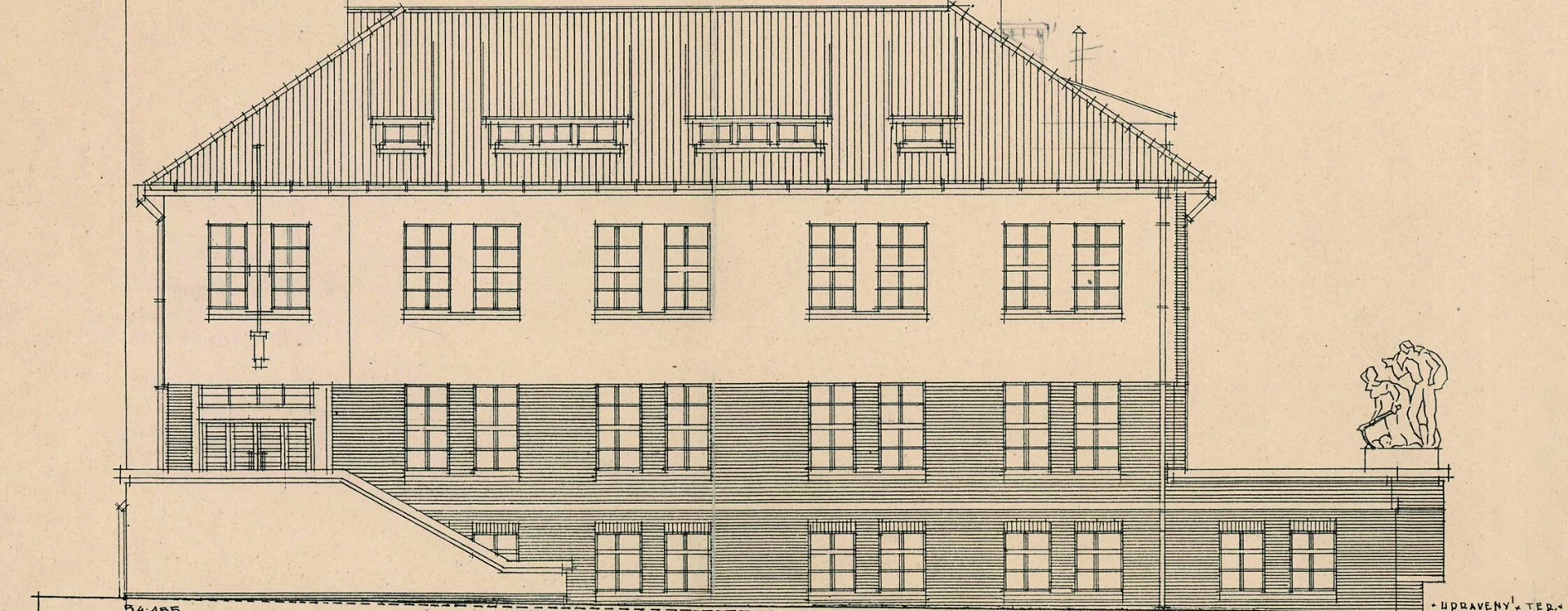
A new building, therefore, had to be constructed and detailed discussions regarding its design took place as early as 1925–1926. The architect Theodor Petřík (1882–1941) was invited to participate—a teacher and specialist in agricultural buildings, and a strong advocate of Wagnerian Modernism. His task was not only to design the overall visual appearance of the building but, most importantly, to comprehensively organize its different functions, many of which had highly specific operational requirements (for example, optical and physics laboratories, mycological and infectious disease laboratories, offices, and workrooms).
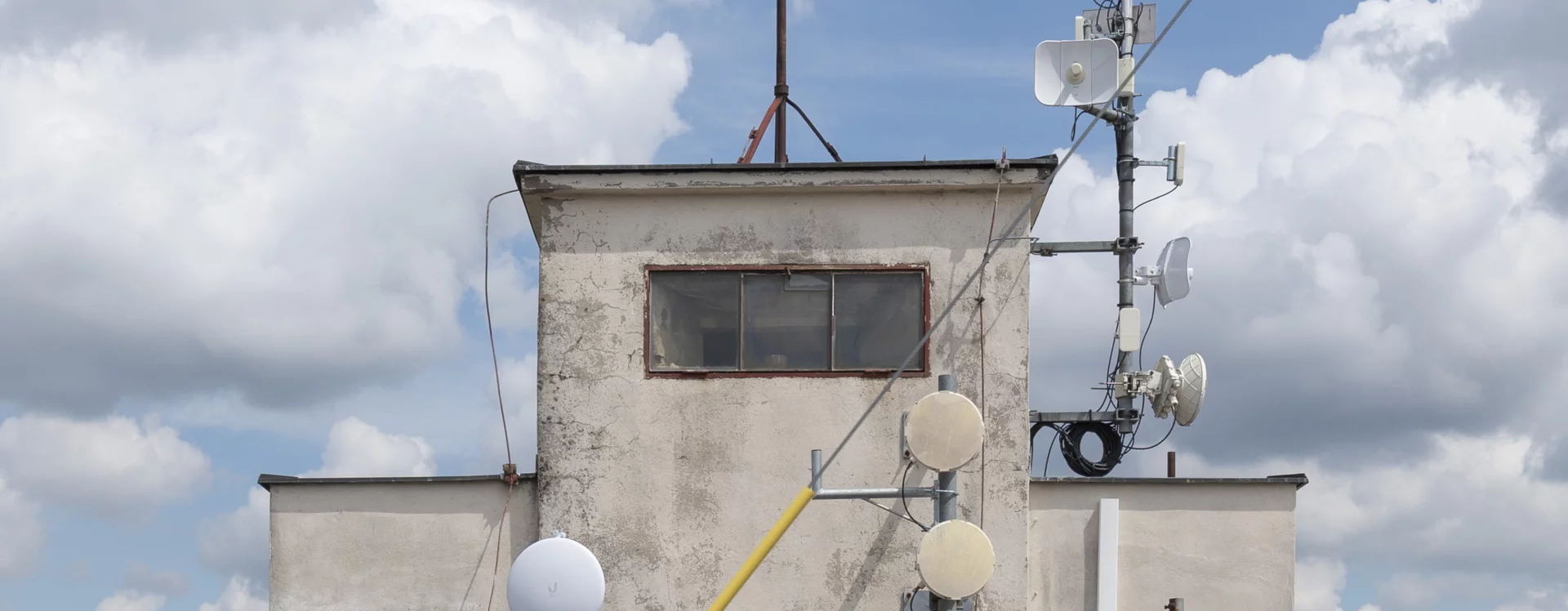
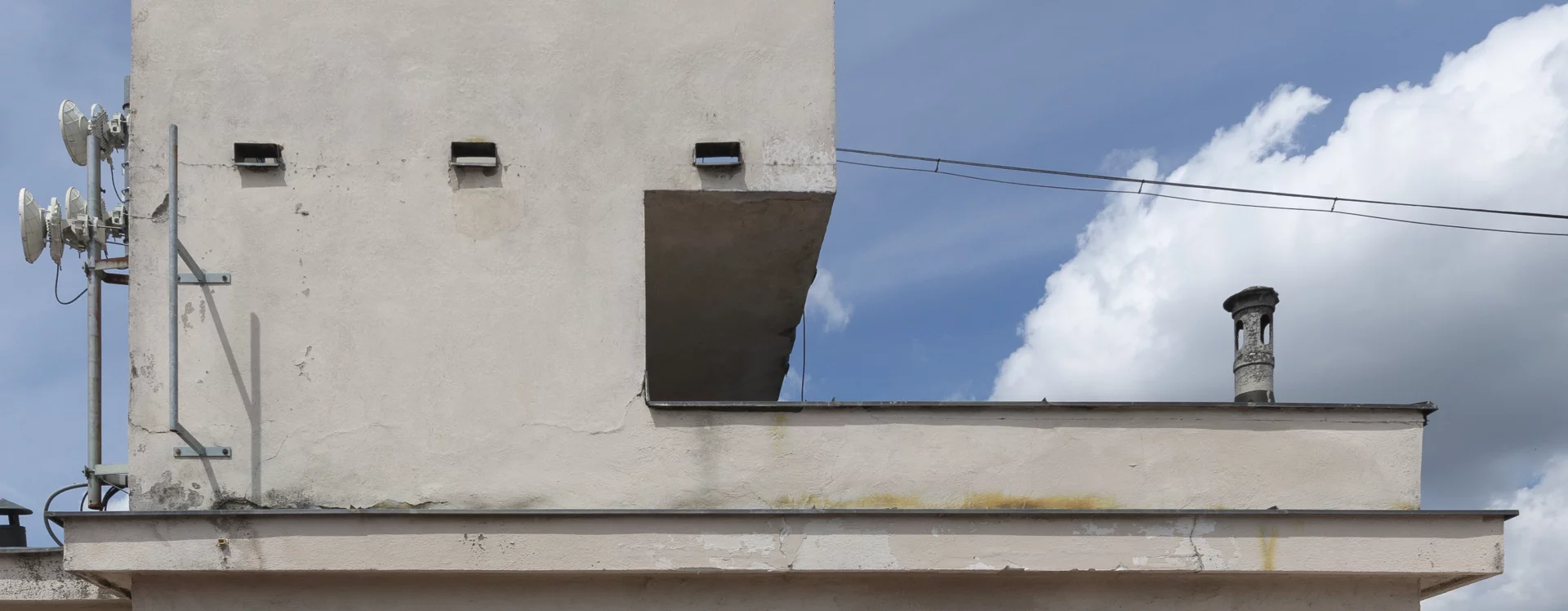
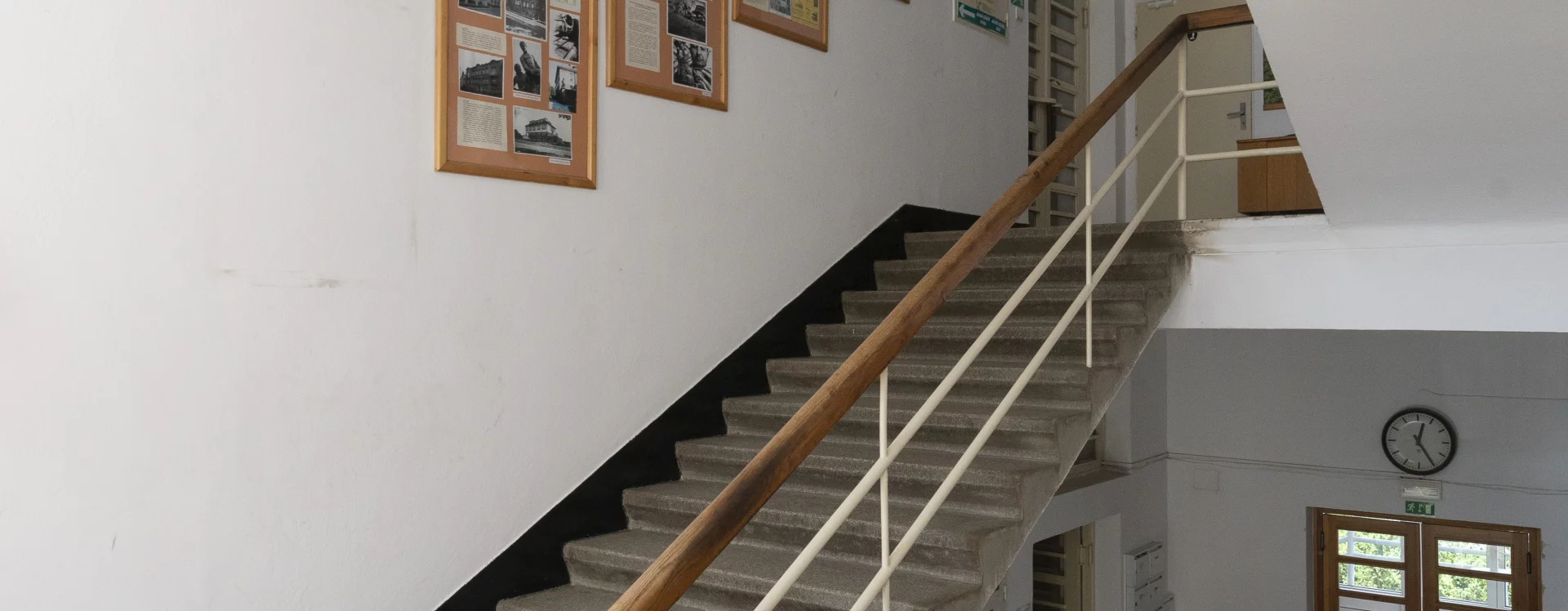
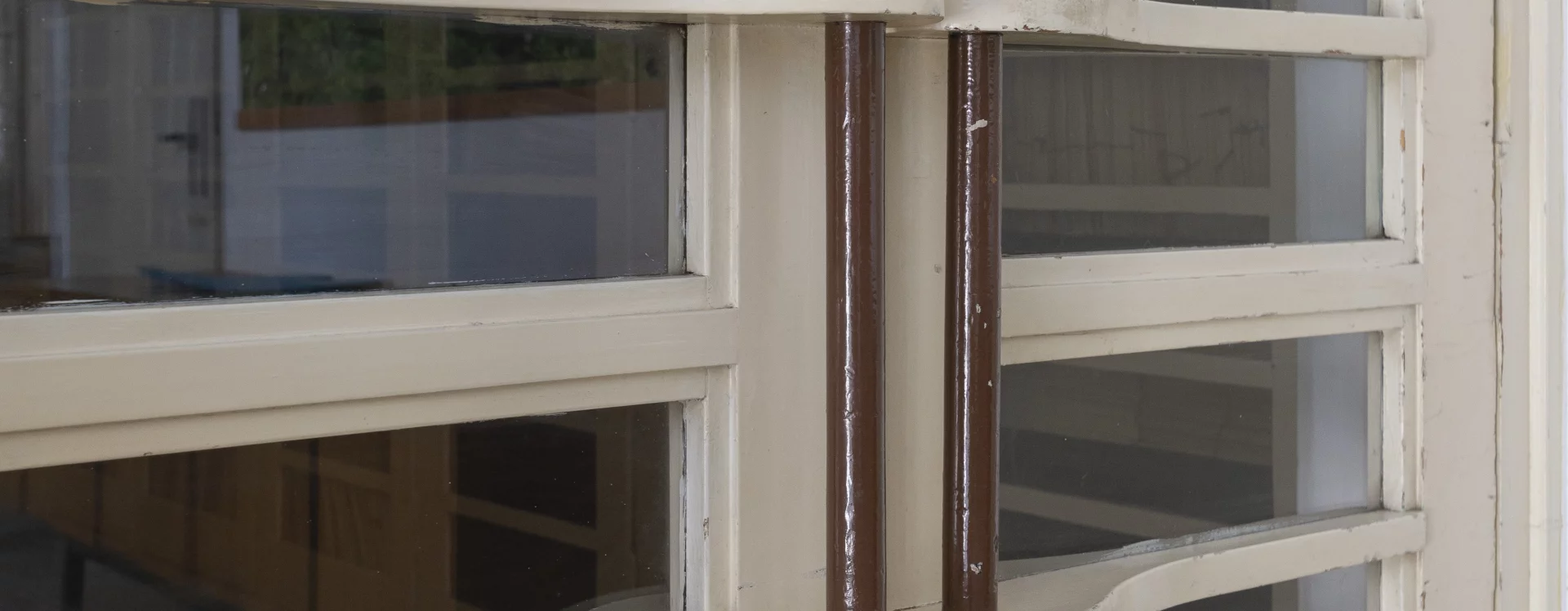
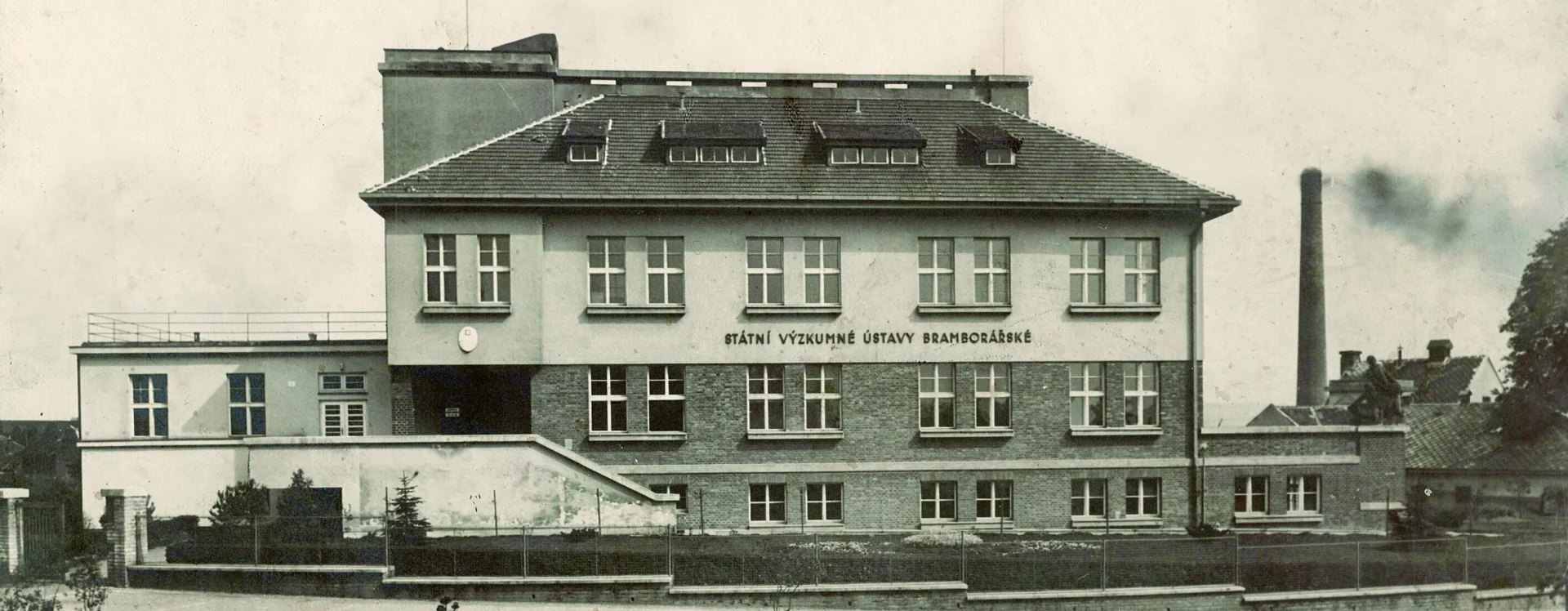
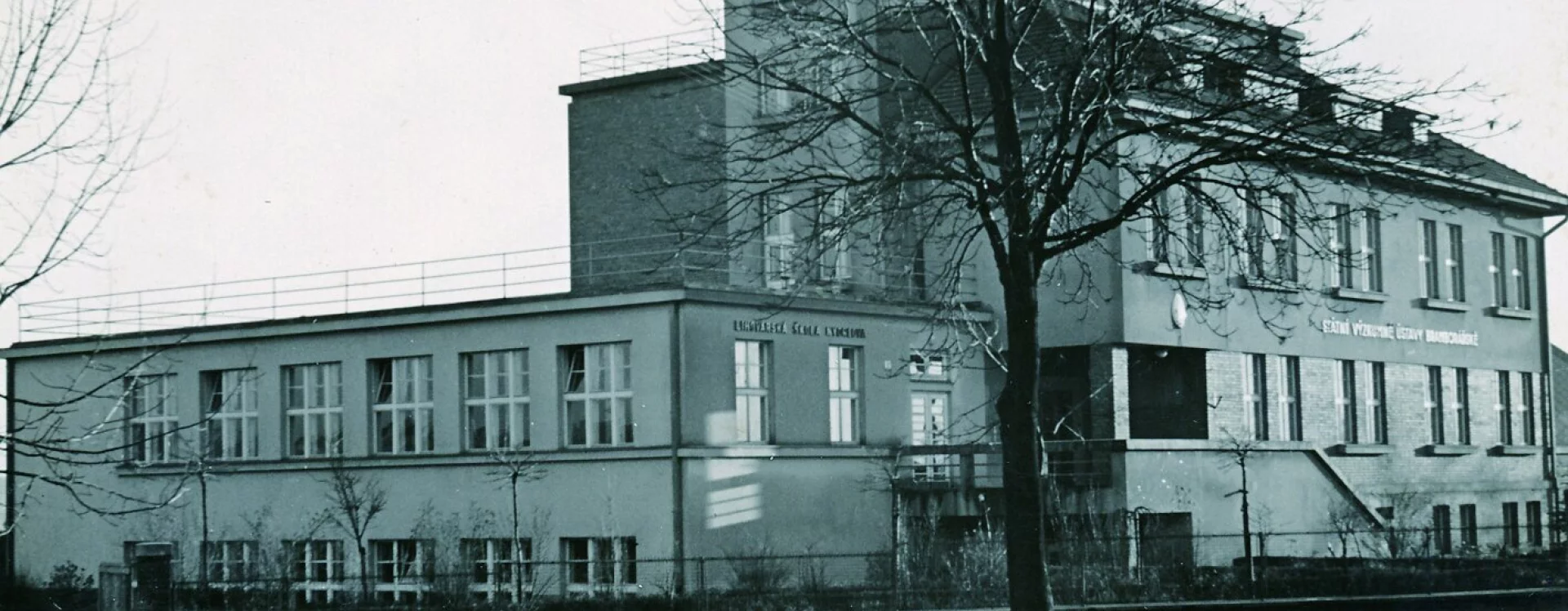
At the time, the still-popular Neo-Classical approach might have been expected, an approach that Petřík had fully developed in his design for the College of Agricultural and Forestry Engineering in Prague–Dejvice (in the same year, with A. Engel). For Německý (Havlíčkův) Brod, however, Petřík chose to adopt a far bolder design. For the facade, he employed cladding and openly drew on influences from Functionalist architecture—incorporating a tower, metal railings and breaking up the mass of the building with low side wings. He combined a traditionalist approach with a highly progressive concept, symbolically linking the solidity and permanence of a significant, long-established institution with the contemporary, practical vision of a modern scientific centre.
The design was approved on 14 December 1926, but work did not begin until July 1927. During the course of construction, the project was modified under the supervision of the architect himself—part of the building was adapted to accommodate a distillery and an experimental starch factory.
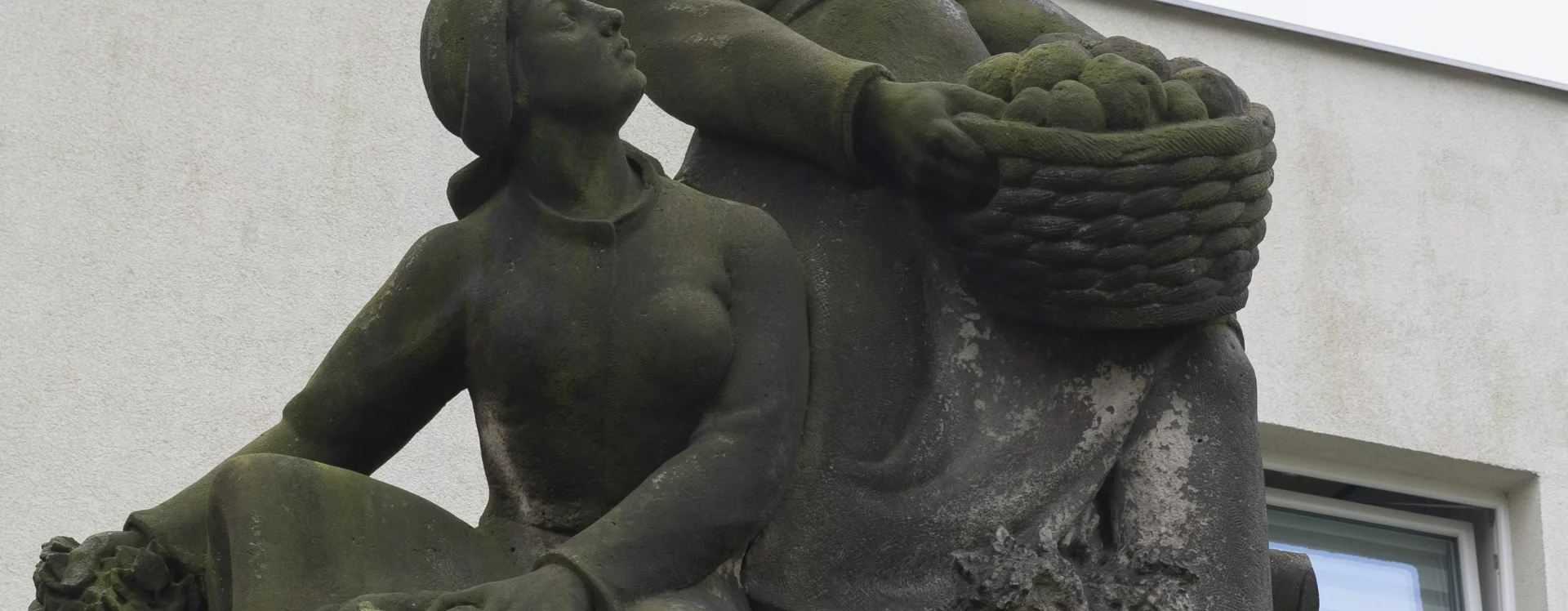
The autumn months of 1929 saw the completion of the building. In October 1929, the building was decorated with the sculpture The Conquest of the Potato by Hanuš Folkman, a student of the Munich Academy and the Prague Academy of Fine Arts (under J. Myslbek), who at the time was a professor at the Czech Technical University. On 15 November 1929, the building, with a total value of 3,250,000 crowns, was officially opened.
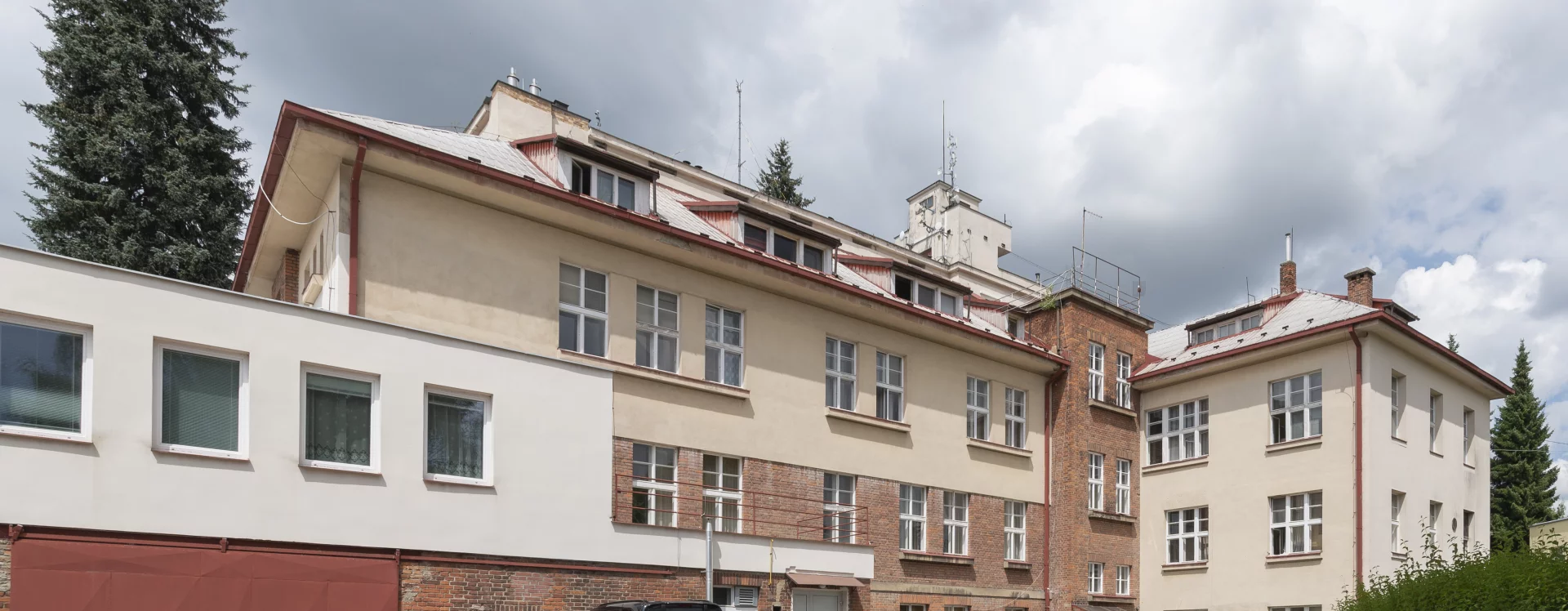
Only a few years after its completion, the building also became home to the Nydrlova Distillery School, part of the State Potato Educational Institute. The school, which trained future managers and foremen of agricultural distilleries, relocated to Brod from Prague. Between 14 June 1934 and 1 December 1935, adaptation works and an extension for the school were carried out. One condition of the building permit stipulated that “the facade plaster of the annex [must] match that of the existing building, so that the annex forms a single visual whole with it…” Shortly afterwards, in 1939, a statue of Antonín Švehla (HB-pc1508_1) was installed within the complex.
One of the last significant alterations to the building took place in 1949–1950, when, among other changes, its southeast wing was raised by an additional storey and finished with a hipped roof with dormers, almost entirely obscuring the original tower. This modification disrupted the compositional balance of Petřík’s original design. Even more regrettable was another intervention in the form of an extension added in 1978.
Dana Schlaichertová, 2025
Literature
Josef Florian Olša. Z dějin a památností Německého Brodu. Německý Brod, Novina, 1935. p. 97, 112, 113, 119.
Dana Schlaichertová. Architektura a urbanismus Havlíčkova Brodu 1848-1938. Olomouc, Katedra teorie a dějin umění FF UP, 1998, Diplomová práce. p. 63-65.
Miloš Tajovský. Brambory pod drobnohledem. In: Havlíčkobrodské listy. Havlíčkův Brod, roč. 2013, č. 9, p. 2.
Miloš Tajovský. Státní výzkumný ústav bramborářský v Německém Brodě. In: Aleš Veselý (ed.). Příběhy brodských domů. Havlíčkův Brod, Galerie výtvarného umění v Havlíčkově Brodě, 2016, p. 120-125. ISBN 978-80-904726-9-3.
Vladislav Zlámal. Českomoravská vysočina I. Kraj německobrodský. Brno, 1939. sv. A/XXI, p. 2.
Martin Zubík. Slavné stavby Theodora Petříka. Praha, Foibos, 2014. ISBN 978-80-87073-73-5.
Sources
Městský úřad Havlíčkův Brod, archiv Stavebního úřadu. sv. č. p. 2366.
Státní okresní archiv Havlíčkův Brod, fond Okresní národní výbor Havlíčkův Brod. sv. karton 217.