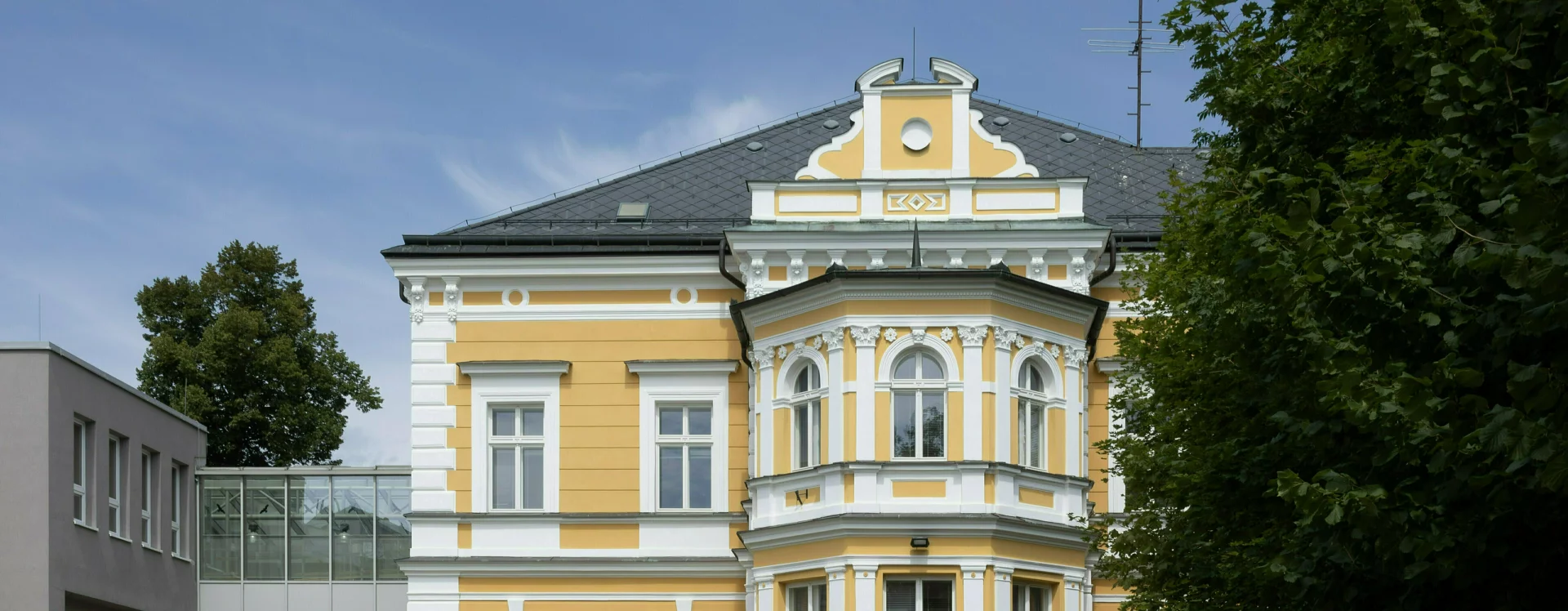
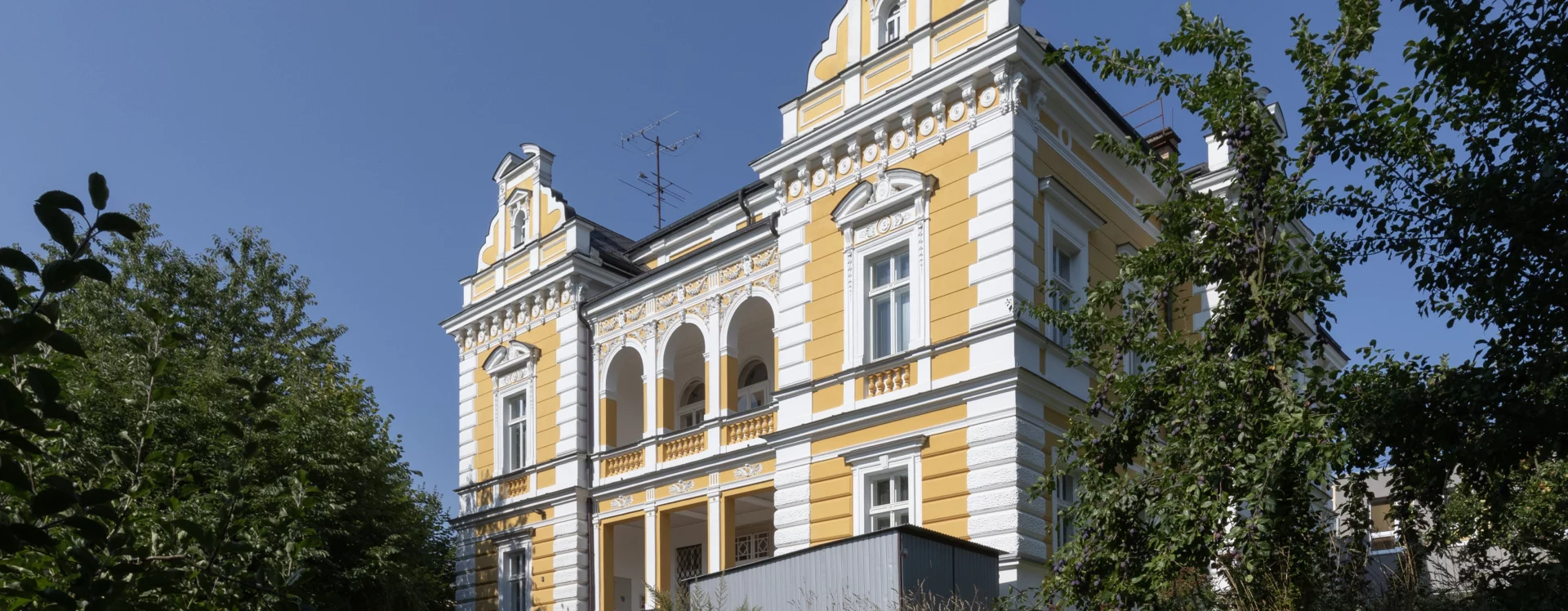
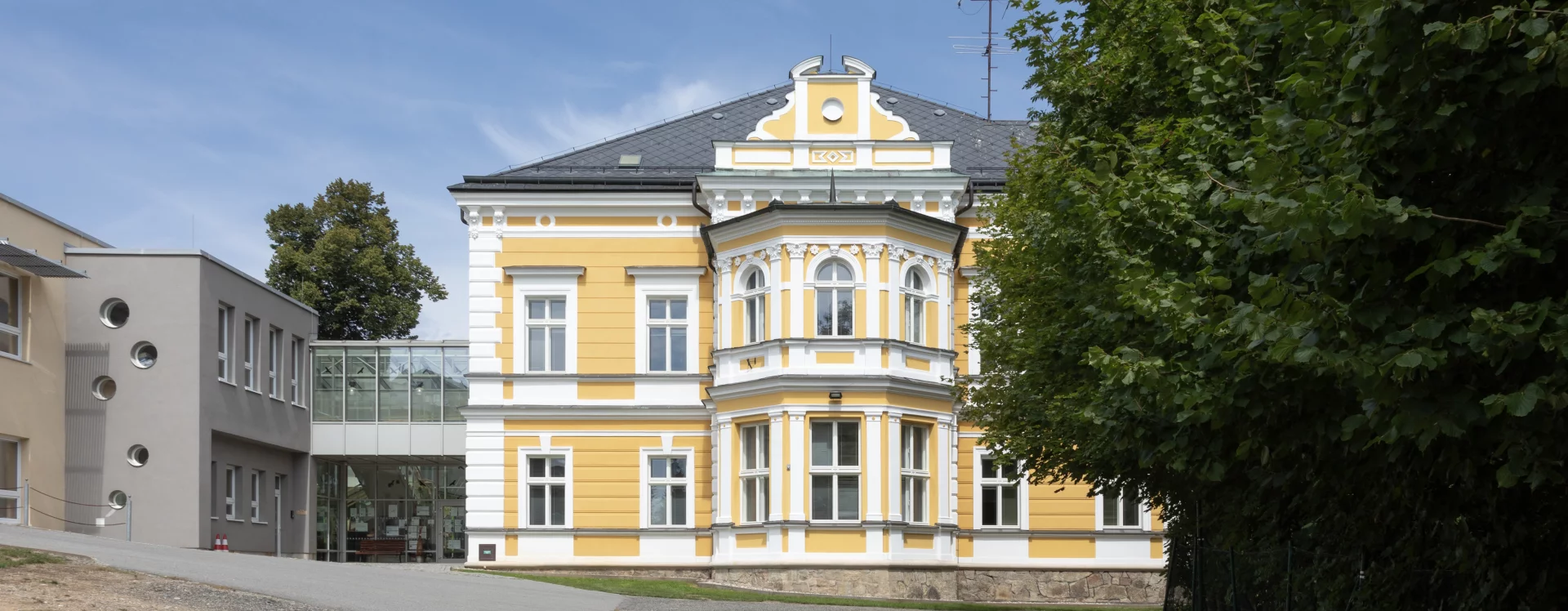
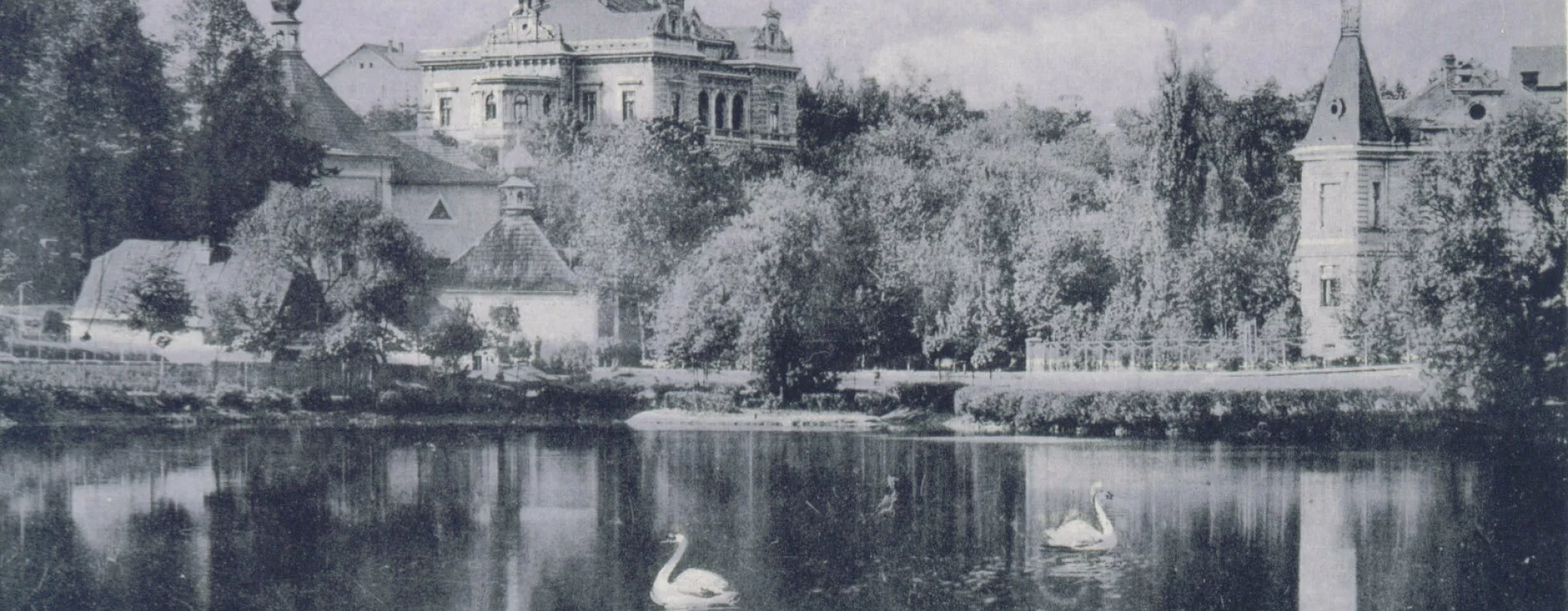
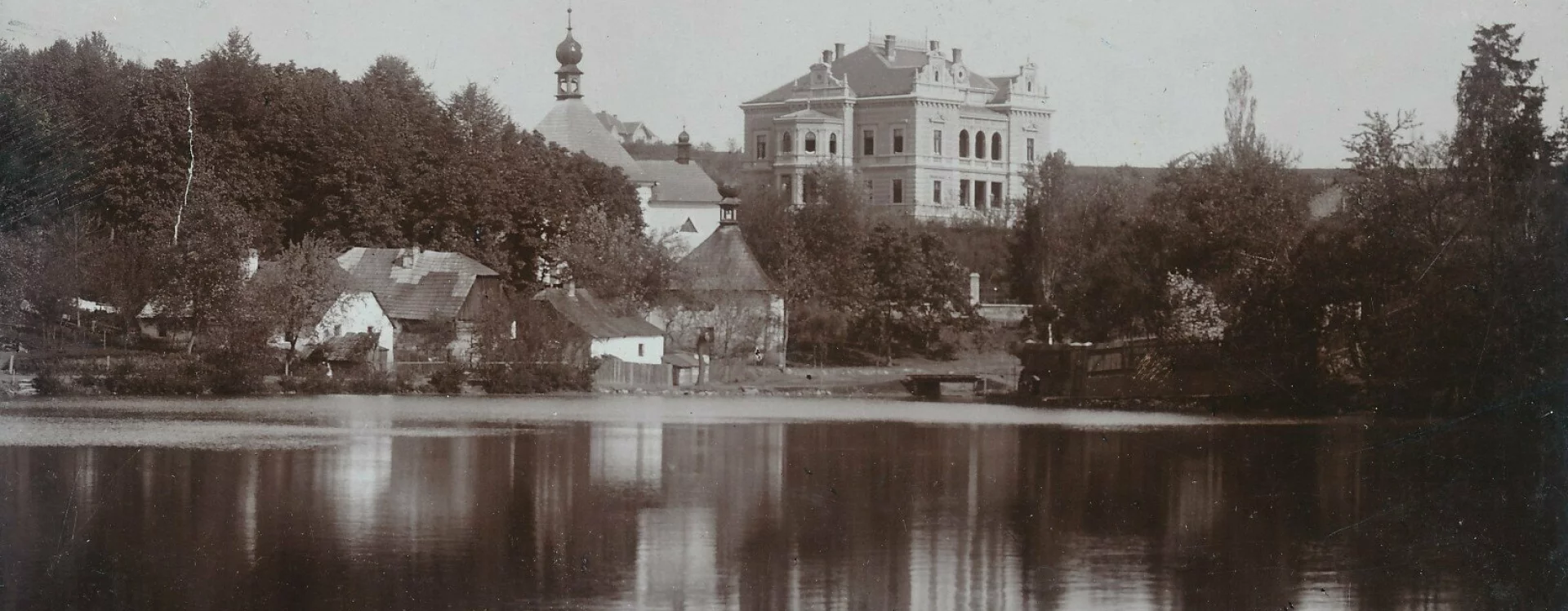
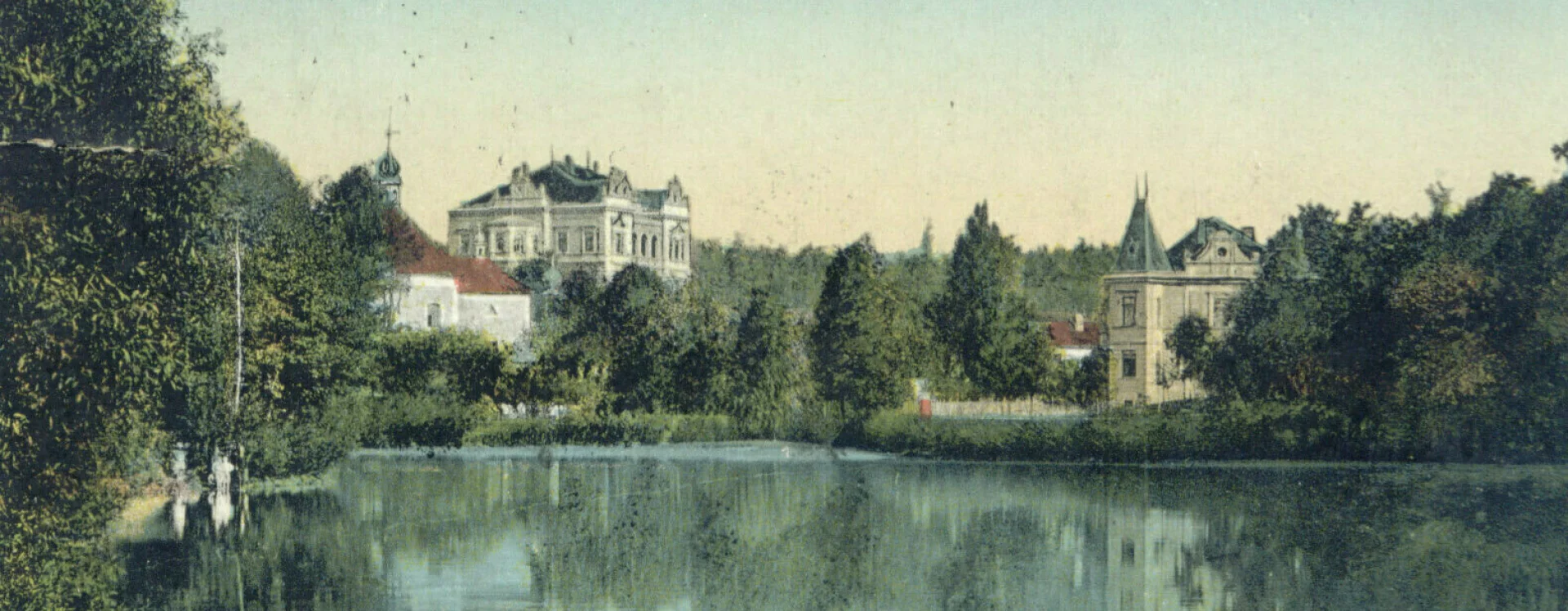
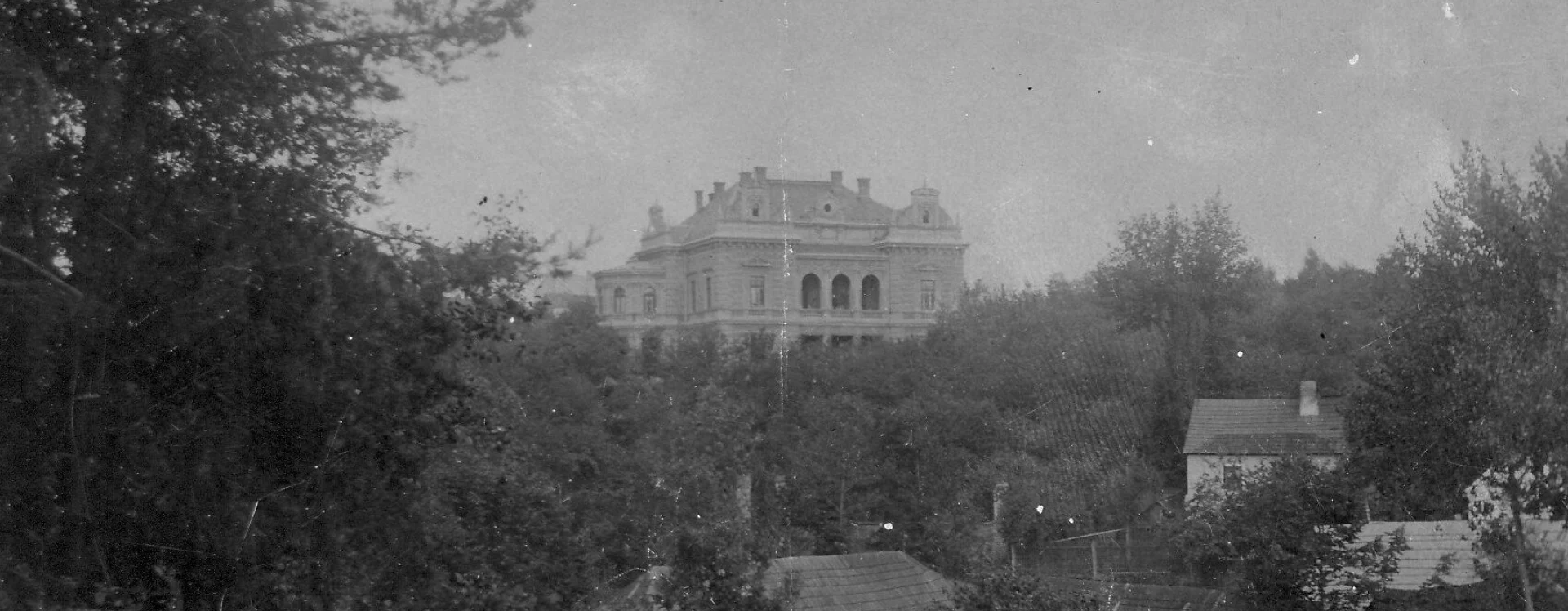
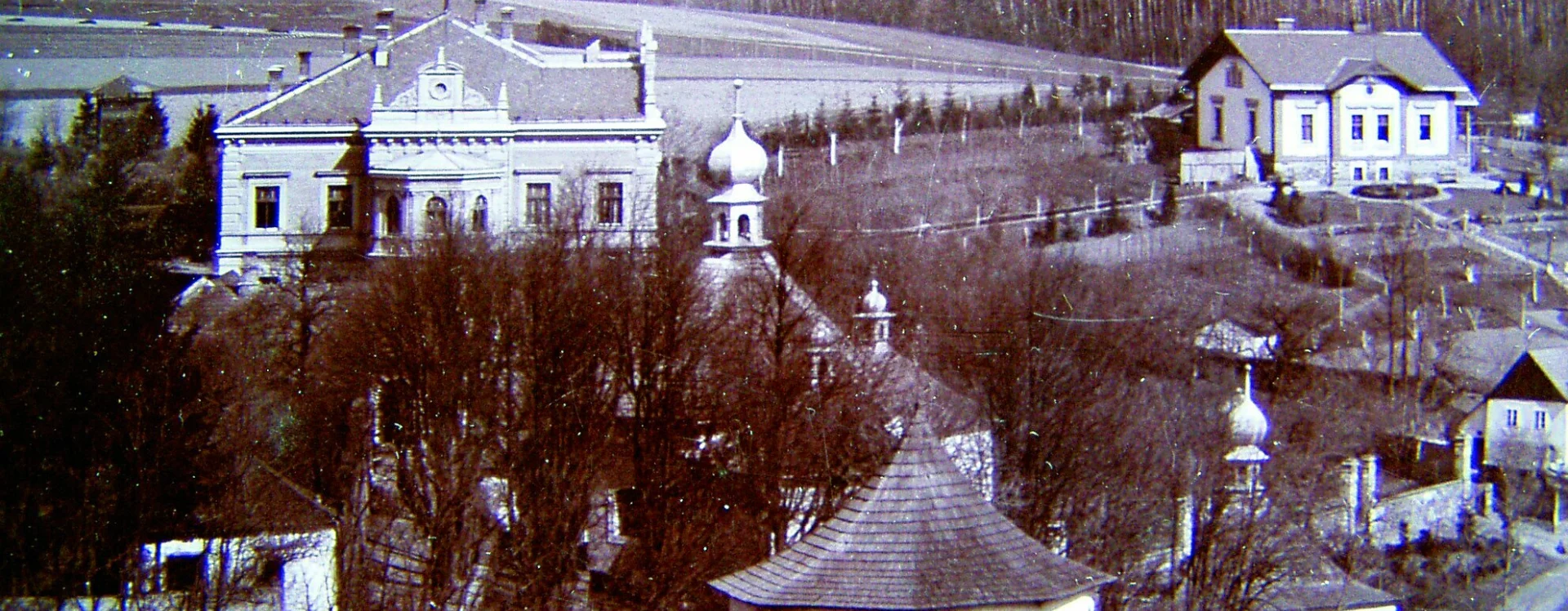
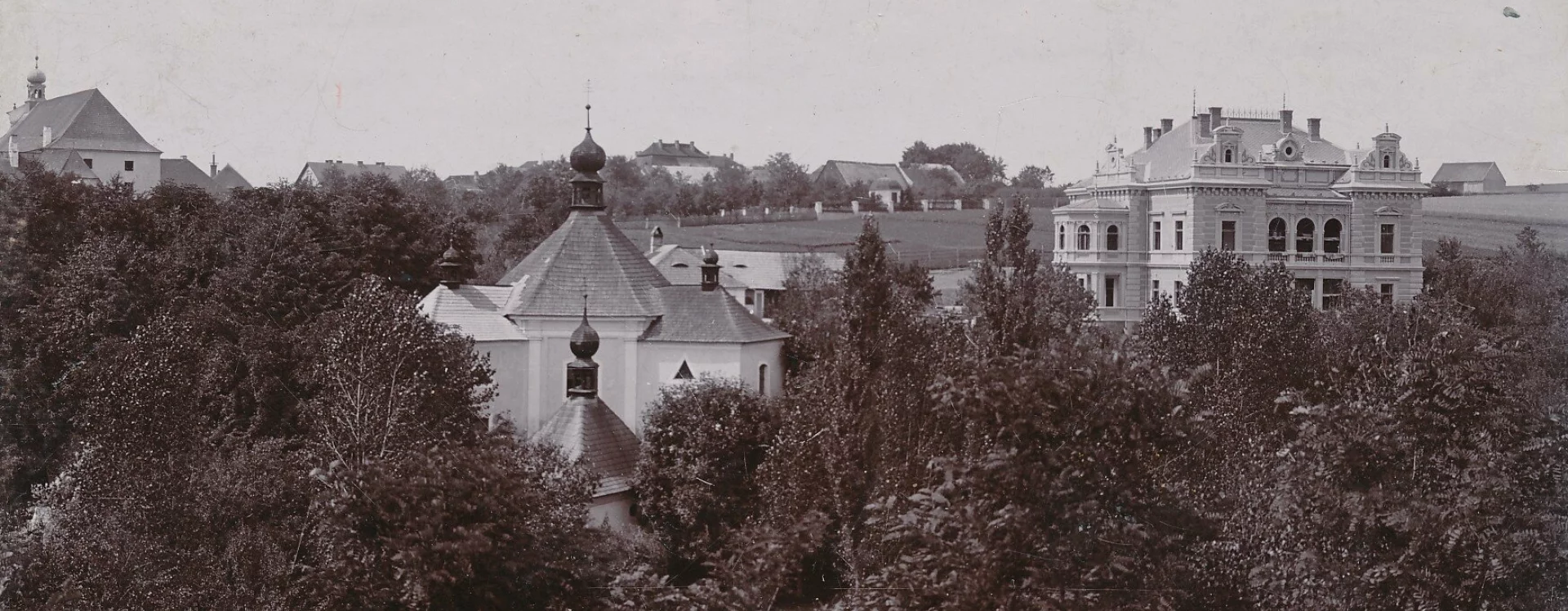
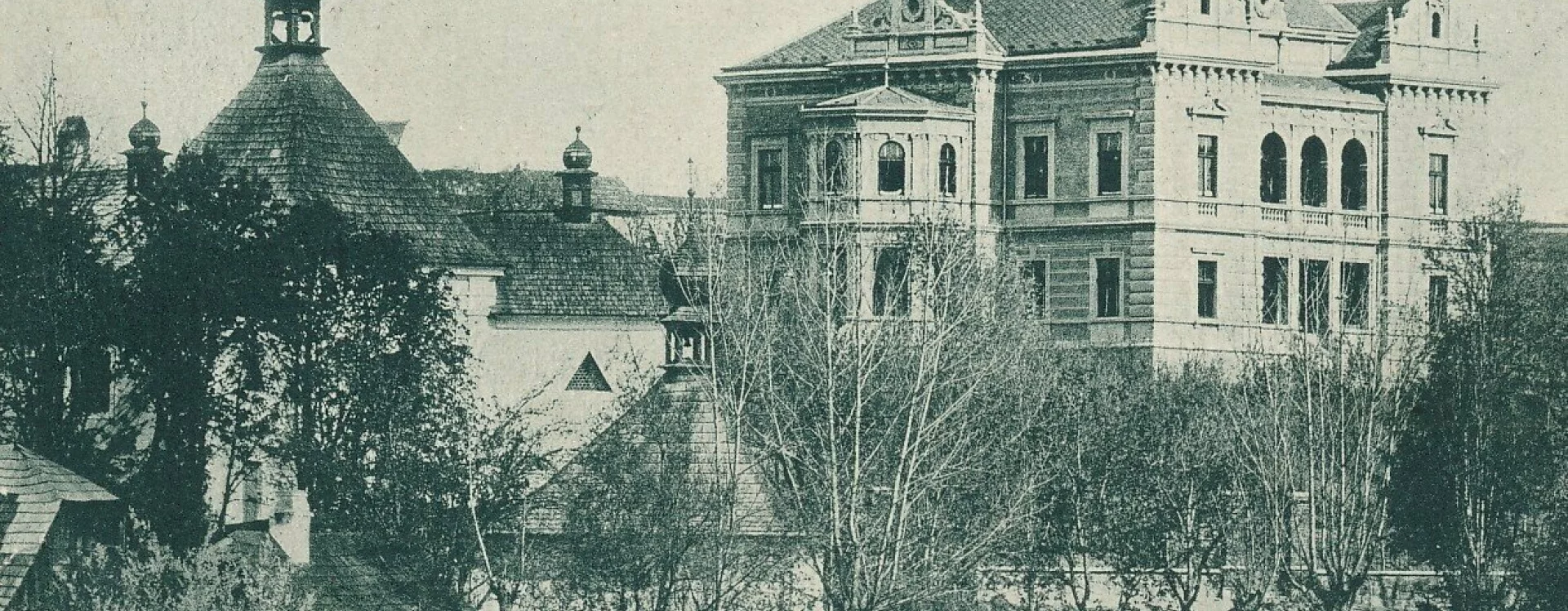
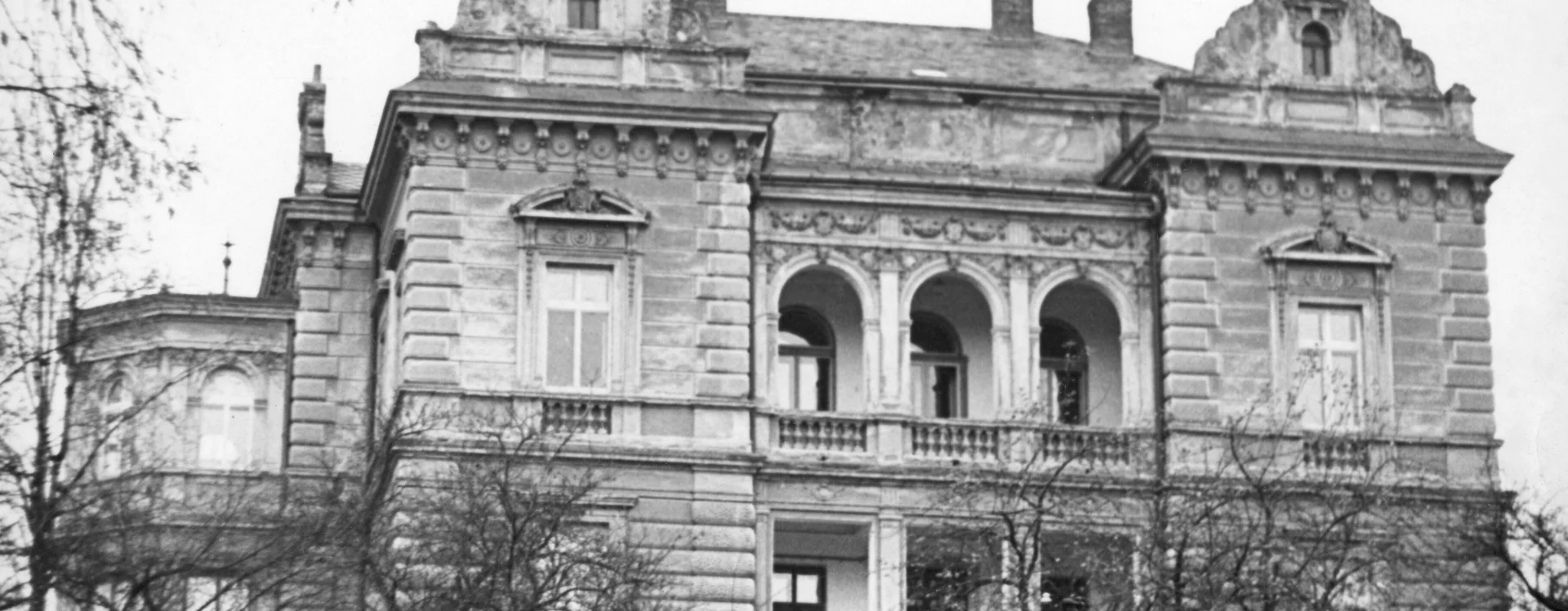
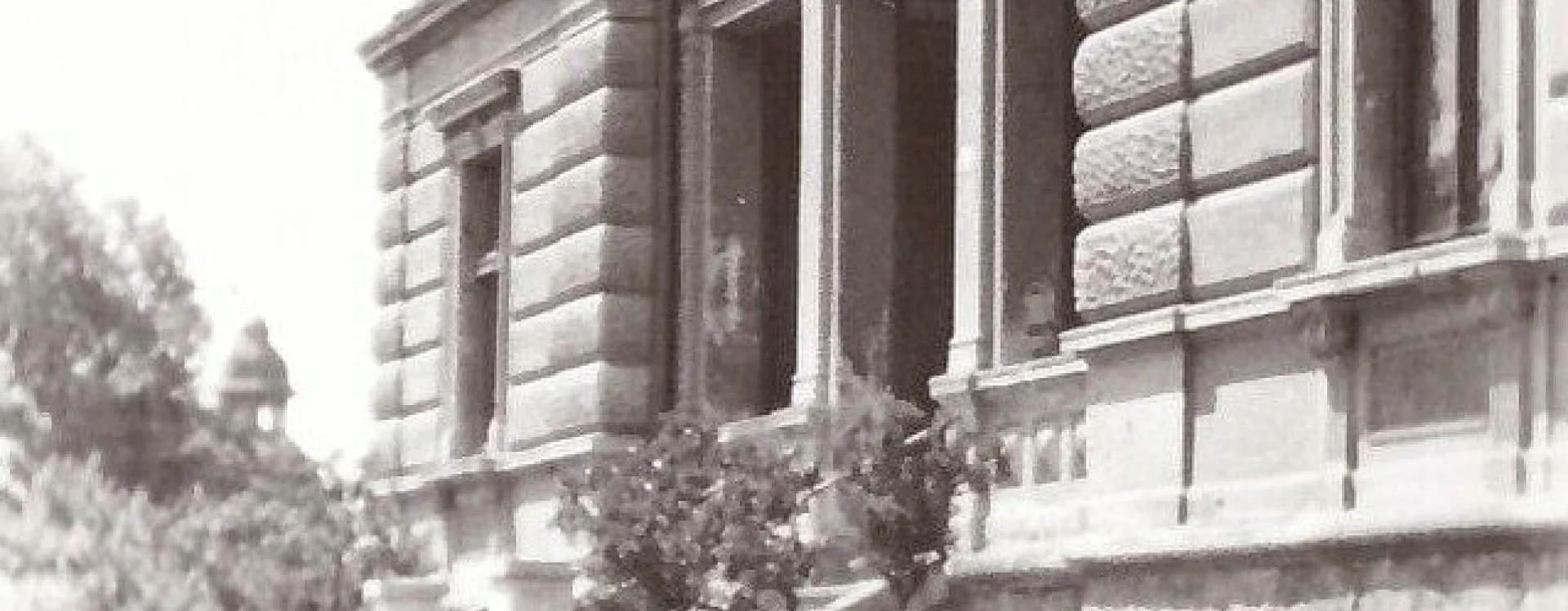
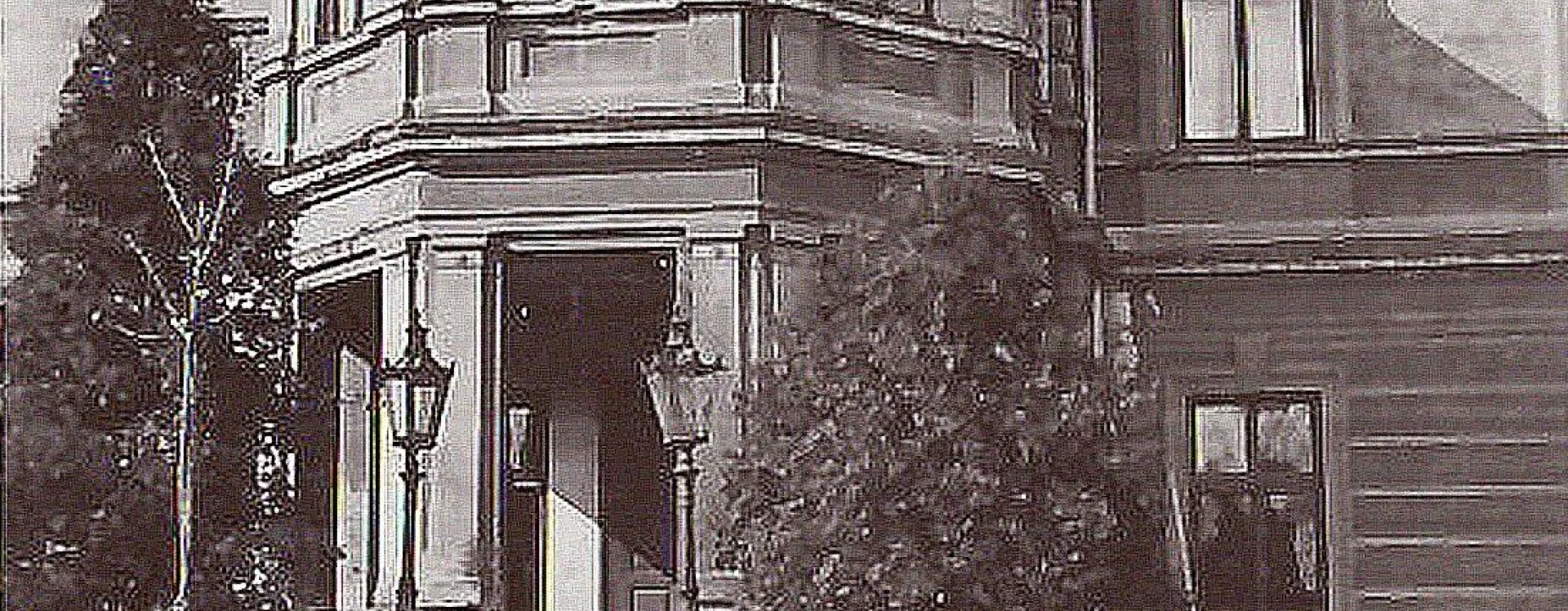
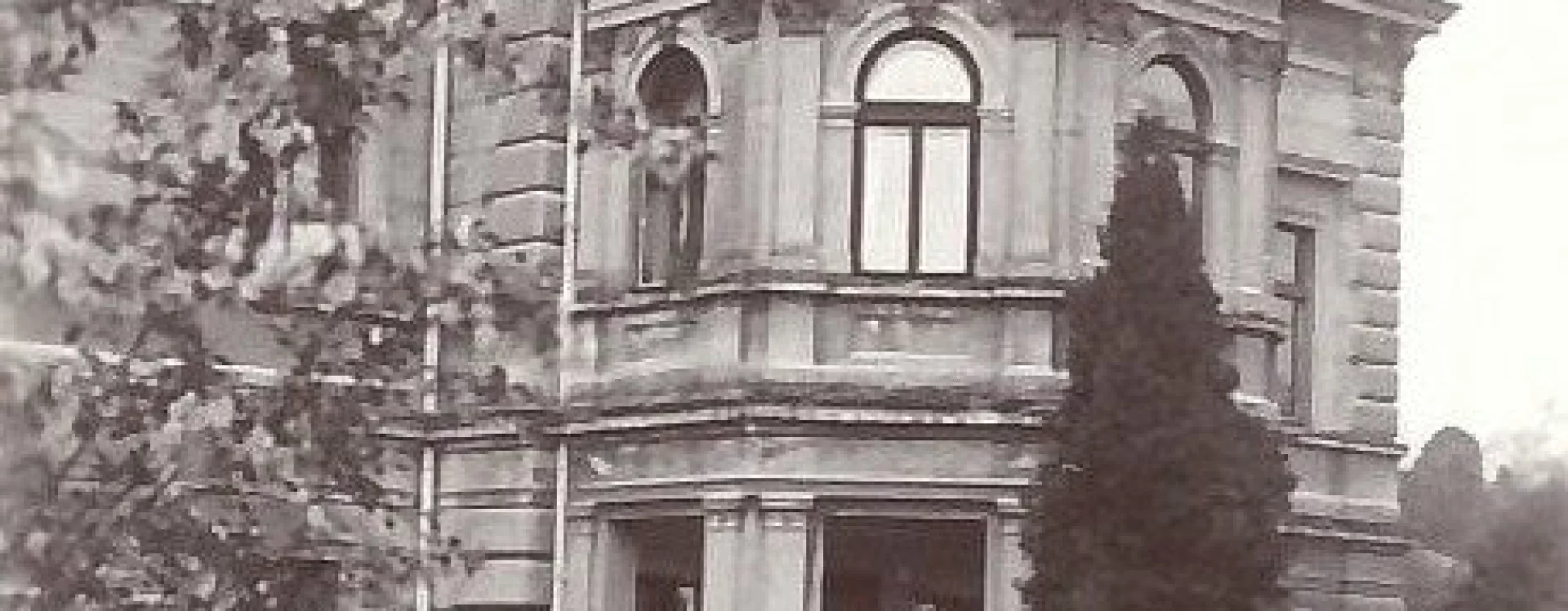
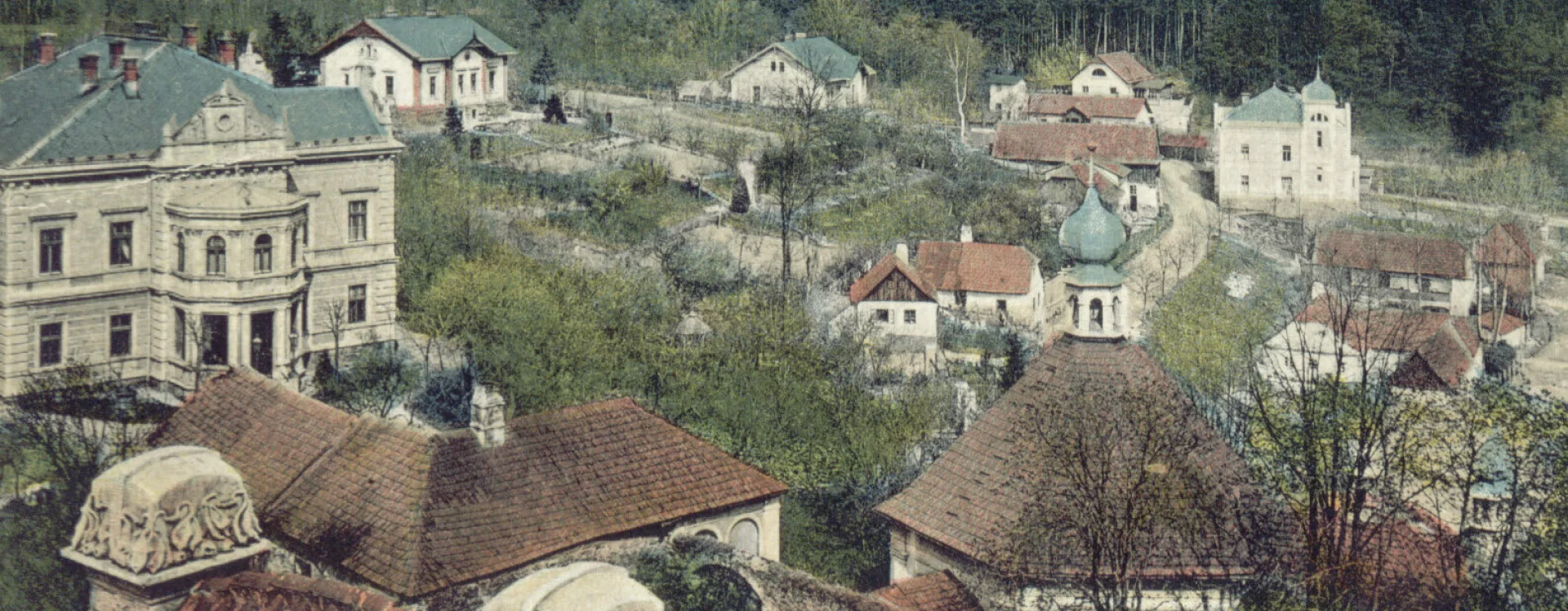
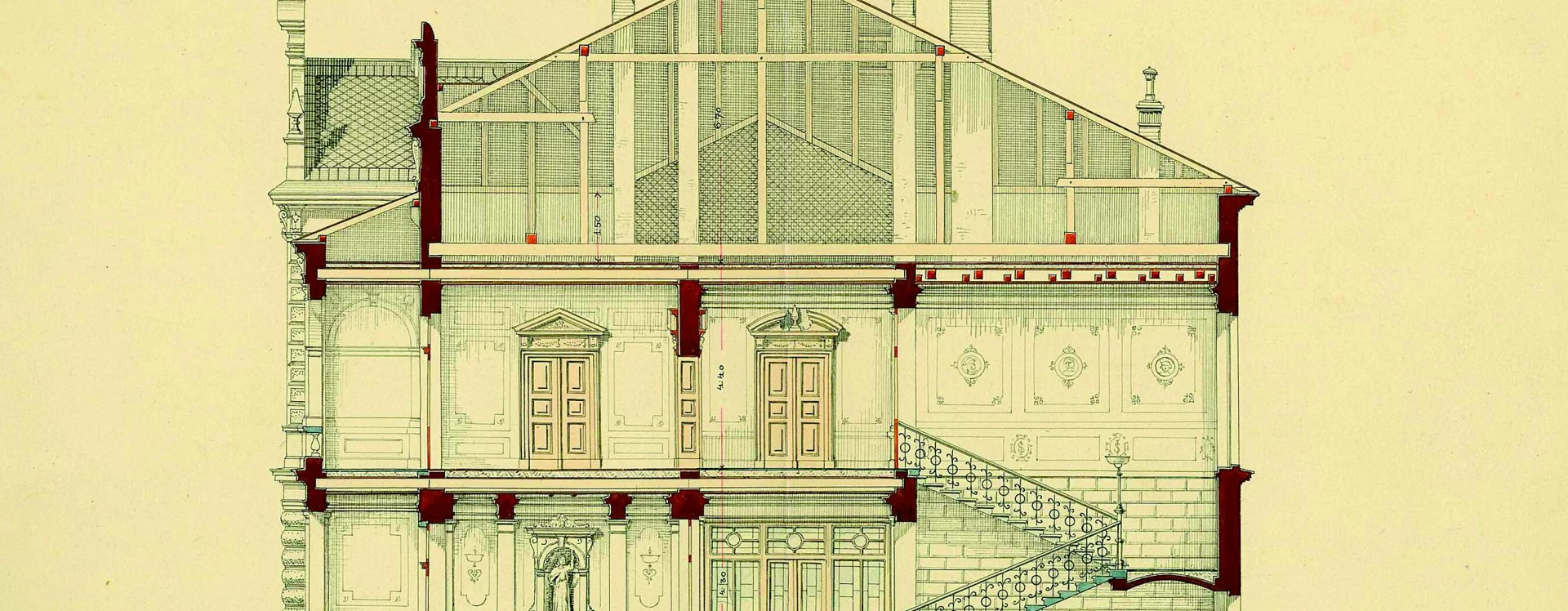
A notable architectural achievement in Německý Brod at the end of the 19th century was a magnificent villa commissioned by a native of the town, the Viennese goldsmith Ignatz Stefanek (Hynek Štefánek) (1878–1896), on his extensive estate located just outside the town. His representative in the negotiations and the builder responsible for the project was the local constructor Josef Šupich. In 1895, on the edge of the newly established Budoucnost town park, a building arose bearing the hallmarks of a Renaissance-style villa suburbana, which was unique in Německý Brod at the time. Its purpose was undoubtedly to reflect not only the personality of its owner but also his social ambition to bring metropolitan culture to the provinces.
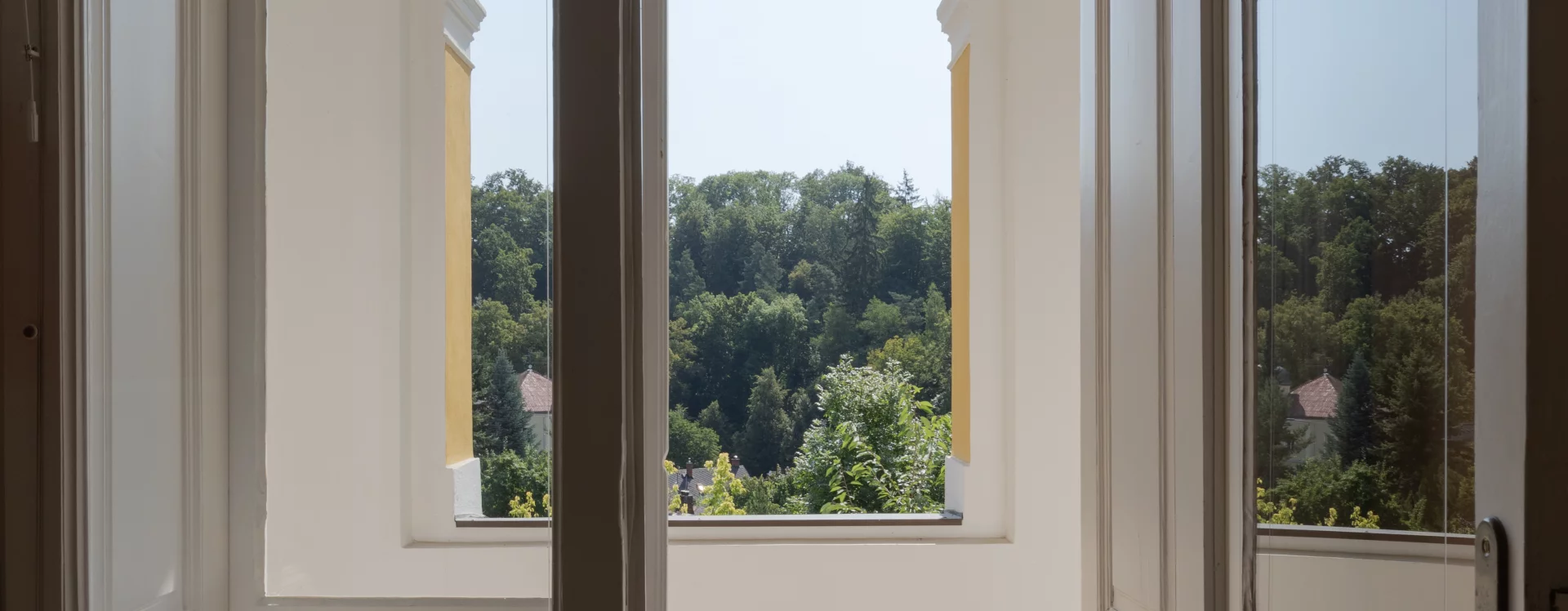
From the very beginning, the villa was seen as the foundation for a newly emerging residential quarter. The contemporary ideal of living in harmony with nature, representing a hygienic, healthy and at the same time prestigious lifestyle, found clear architectural expression here. The direct connection between the interior and the park, the conservatory as a place for the year-round enjoyment of nature, and the orientation of the living rooms towards the garden, all testify to how architecture and nature merged here into a unified concept of living.
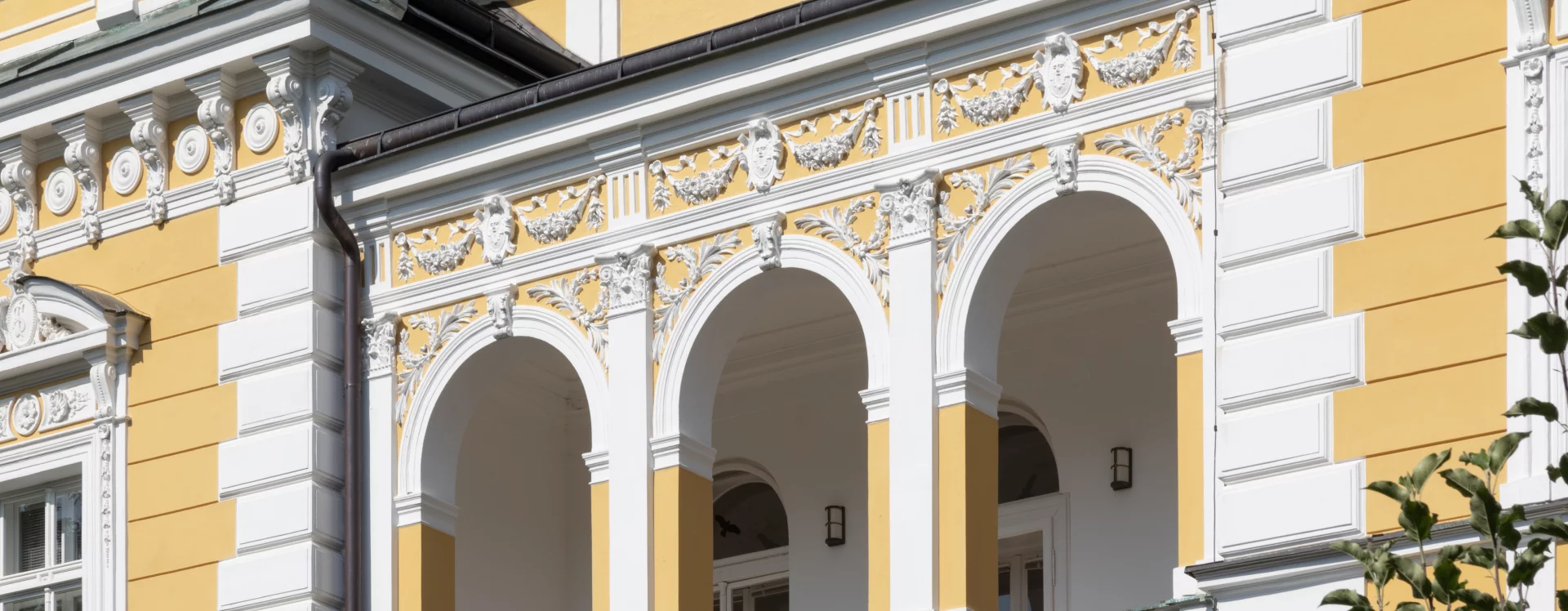
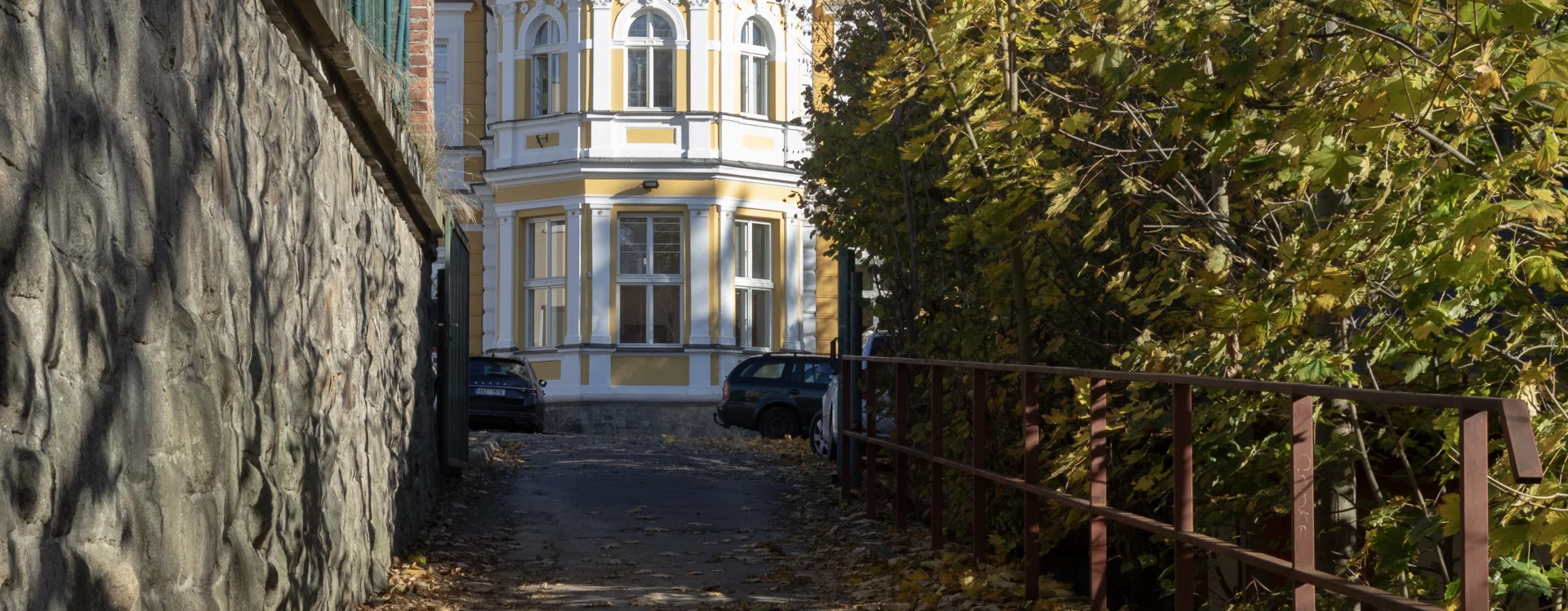
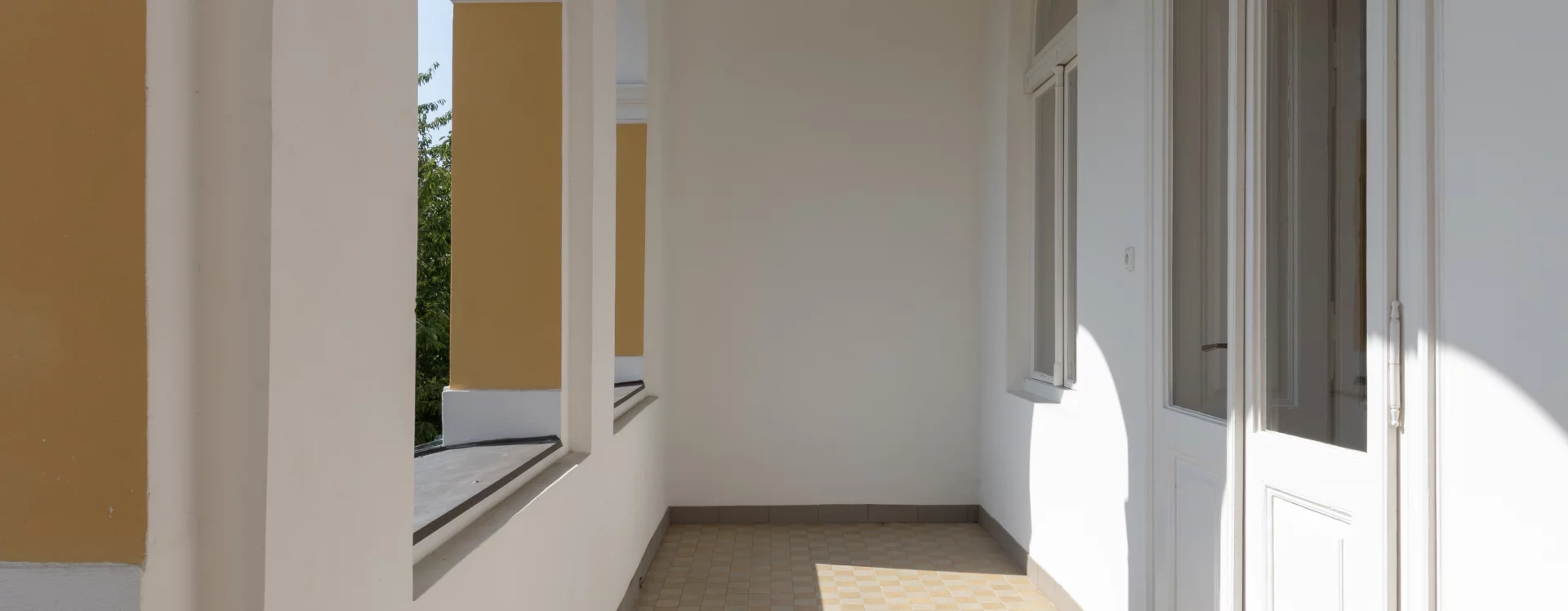
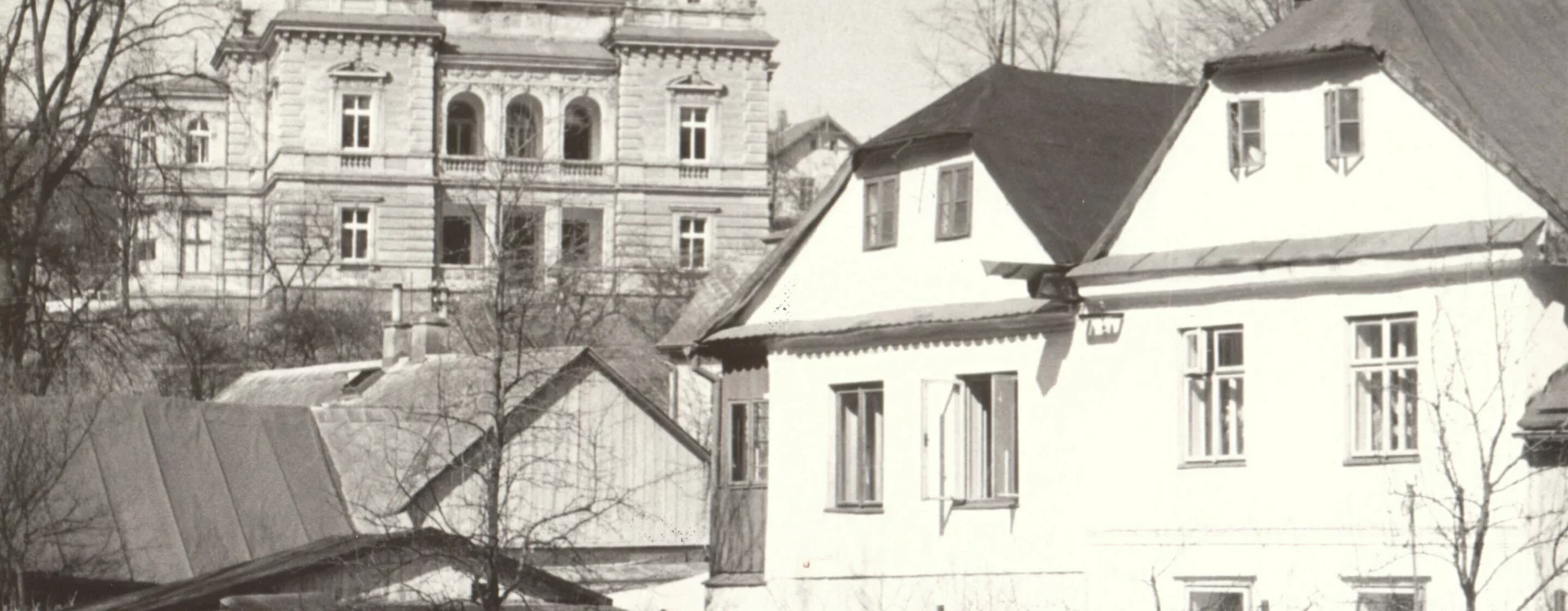
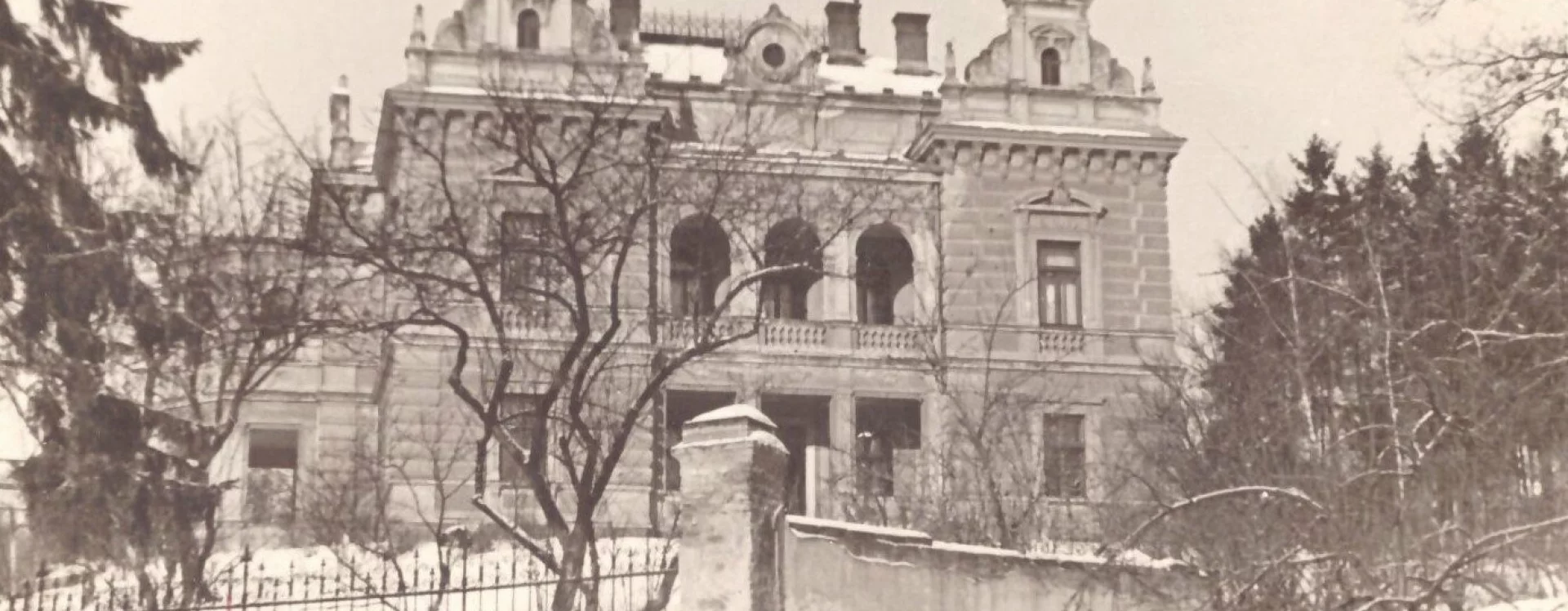
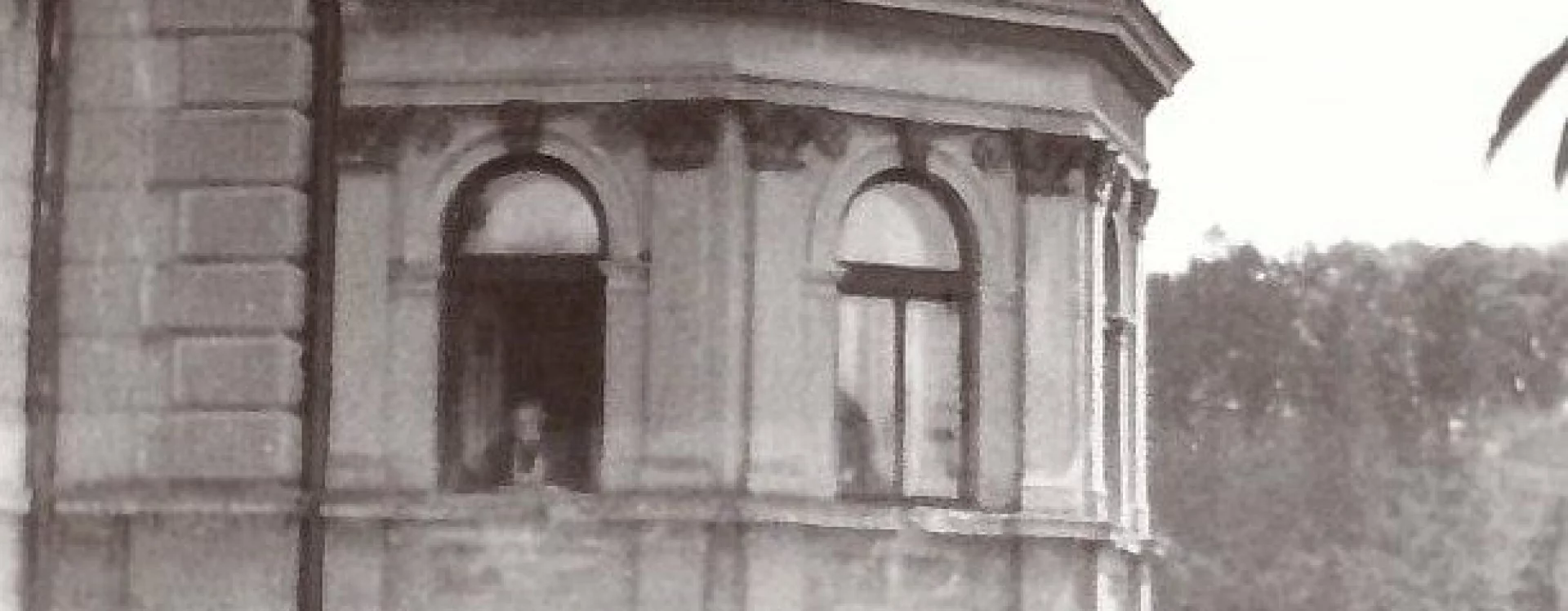
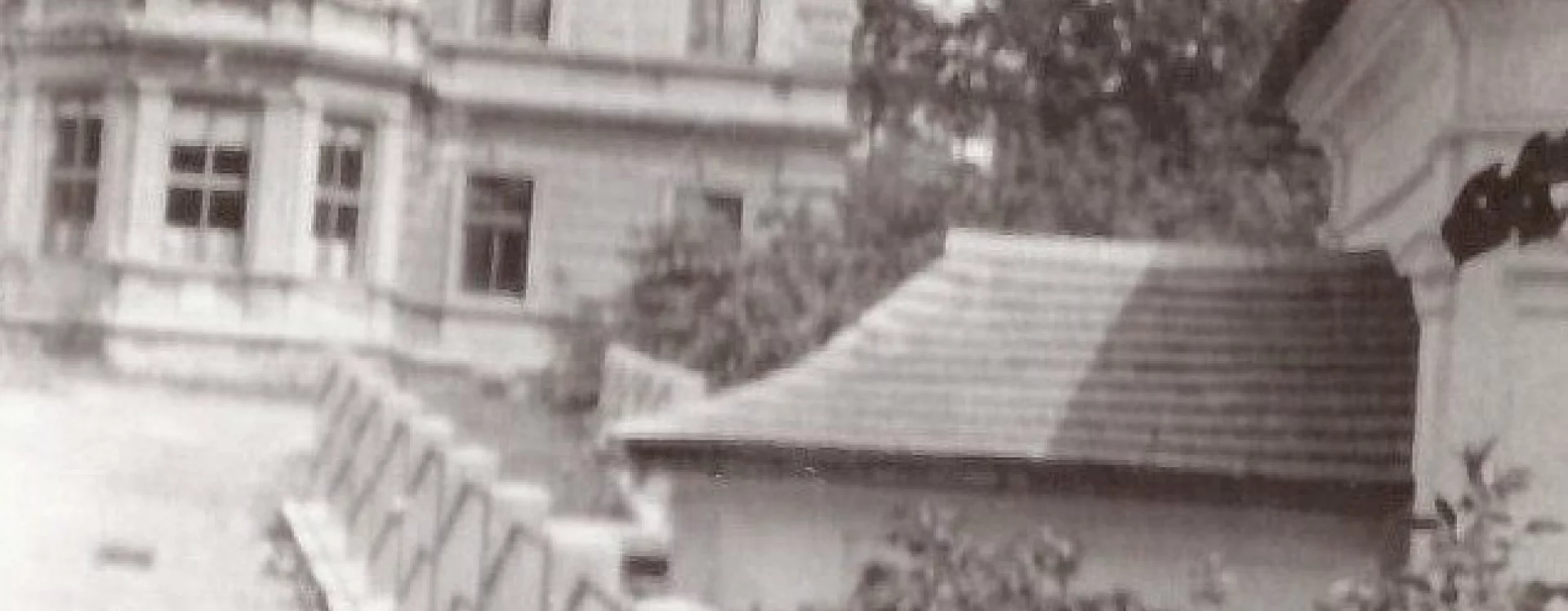
The mass of the building is based on a square ground plan with side and central projections that lend the structure an impressive character. Particular attention is drawn to the two-storey, five-sided projection—originally the main ceremonial entrance to the house, now walled up—whose upper part was designed as a conservatory. The row of five windows framed by Corinthian pilasters recalls Viennese Neo-Renaissance models. The facades are executed in an academically refined manner: rectangular and segmental-arched windows, moulded surrounds, richly decorated gables and projecting cornices create a festive rhythm. The arcaded loggia, providing direct access to the garden and featuring a Palladian motif on the upper floor, is complemented by a coat of arms bearing the initials “IS”, further emphasizing the prestigious character of the building.
The layout followed the traditional arrangement of a villa: the ground floor, with its hall, salons, and dining room, was reserved for social functions, while the upper floor was intended for more private domestic purposes. The impact the villa made was described in the magazine Hlasy z Posázaví in 1910: “...Who would have imagined sixteen years ago that such a magnificent building could be conjured up in this, then still desolate, place—a building rightly admired even by visitors from abroad...” The villa was regarded not only as a private residence but also as an aesthetic element of the town and an expression of local patriotism. Its aesthetic influence was later openly acknowledged in the proposed design of the new town hall facade (1913, HB-57).
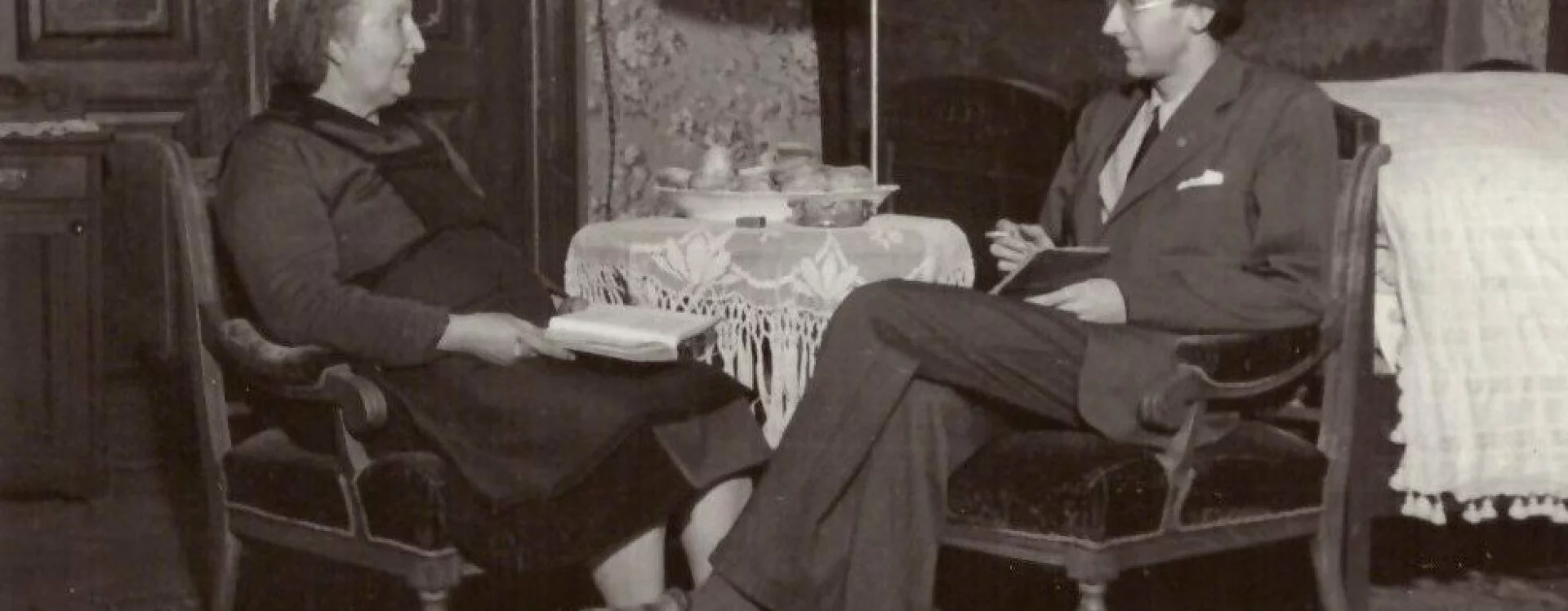
Hynek Štefánek settled permanently in Brod, where he married and had a daughter. He was evidently involved in real estate and built two more houses in the town, which he rented out. After the First World War, he sold all his properties. From the 1920s onwards, the villa was occupied by František Novotný.
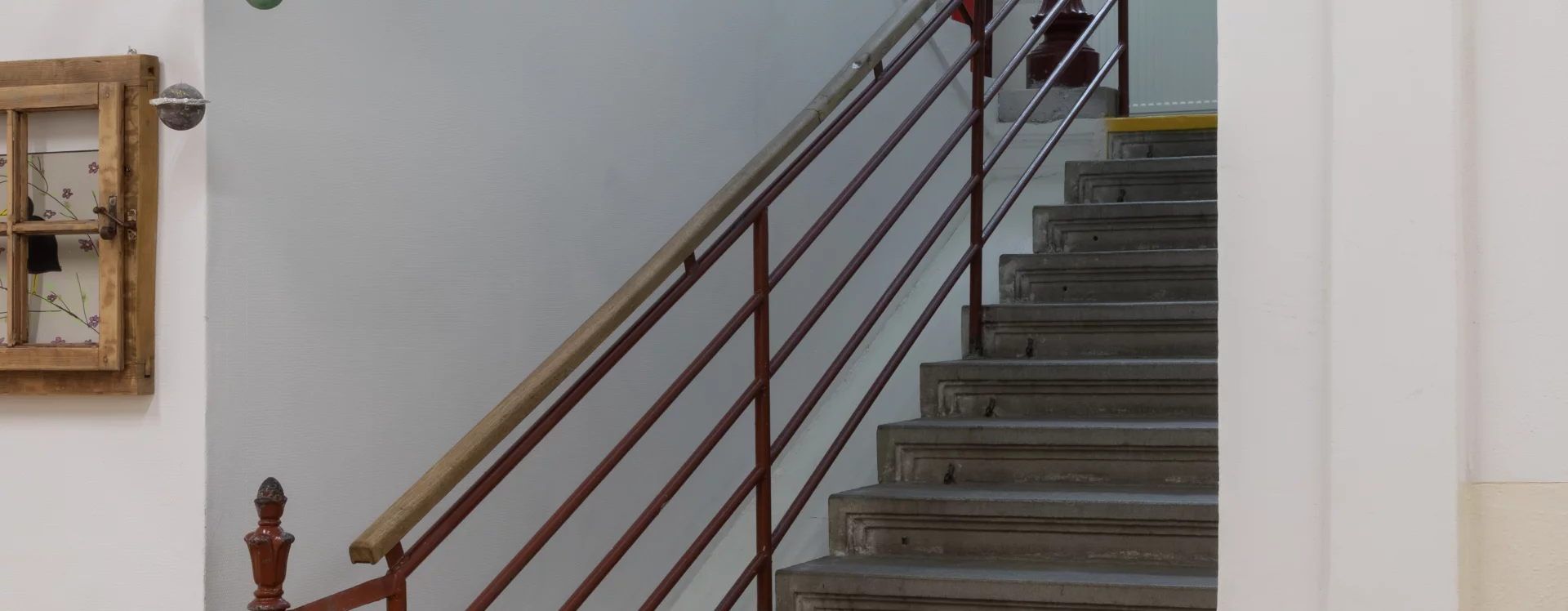
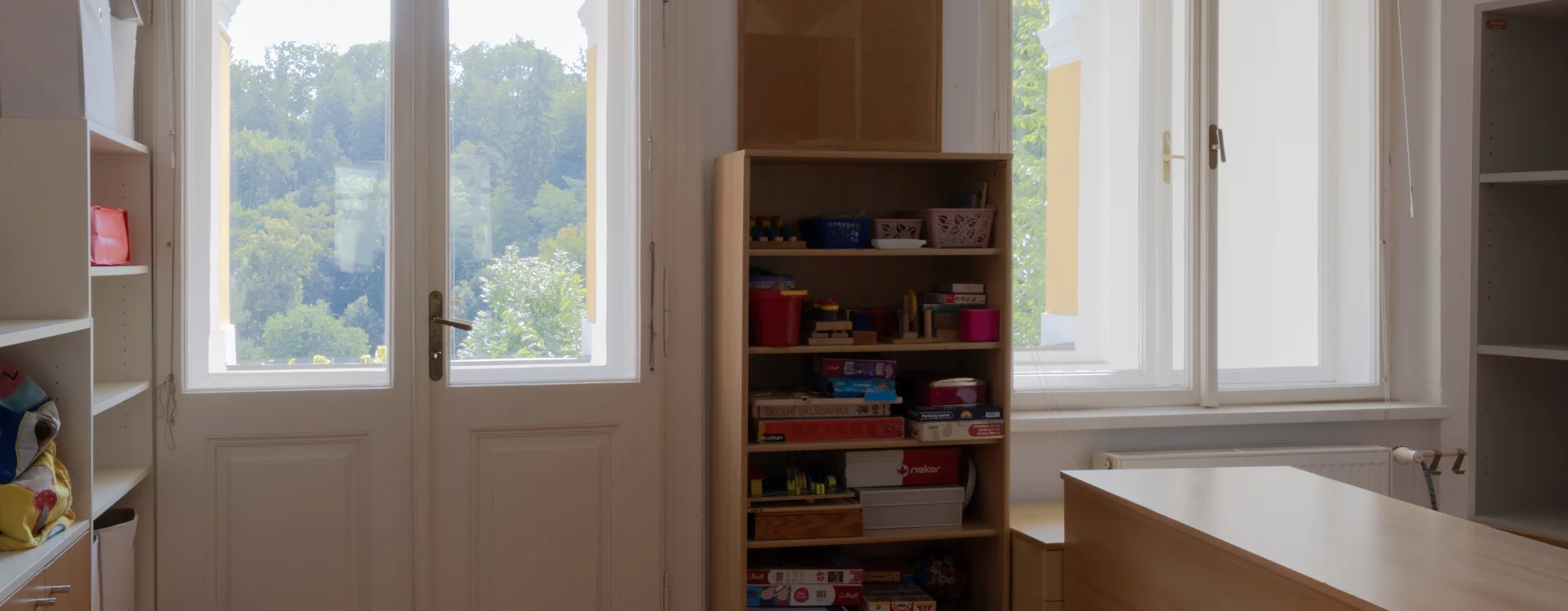
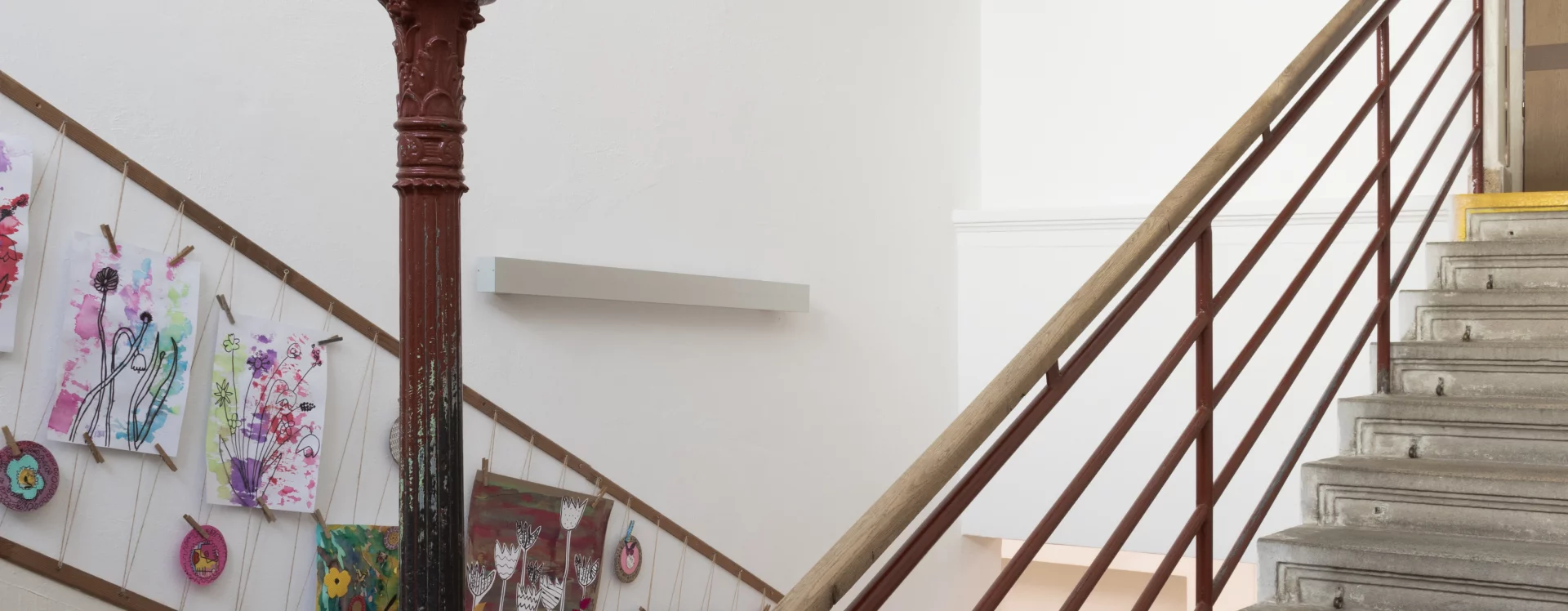
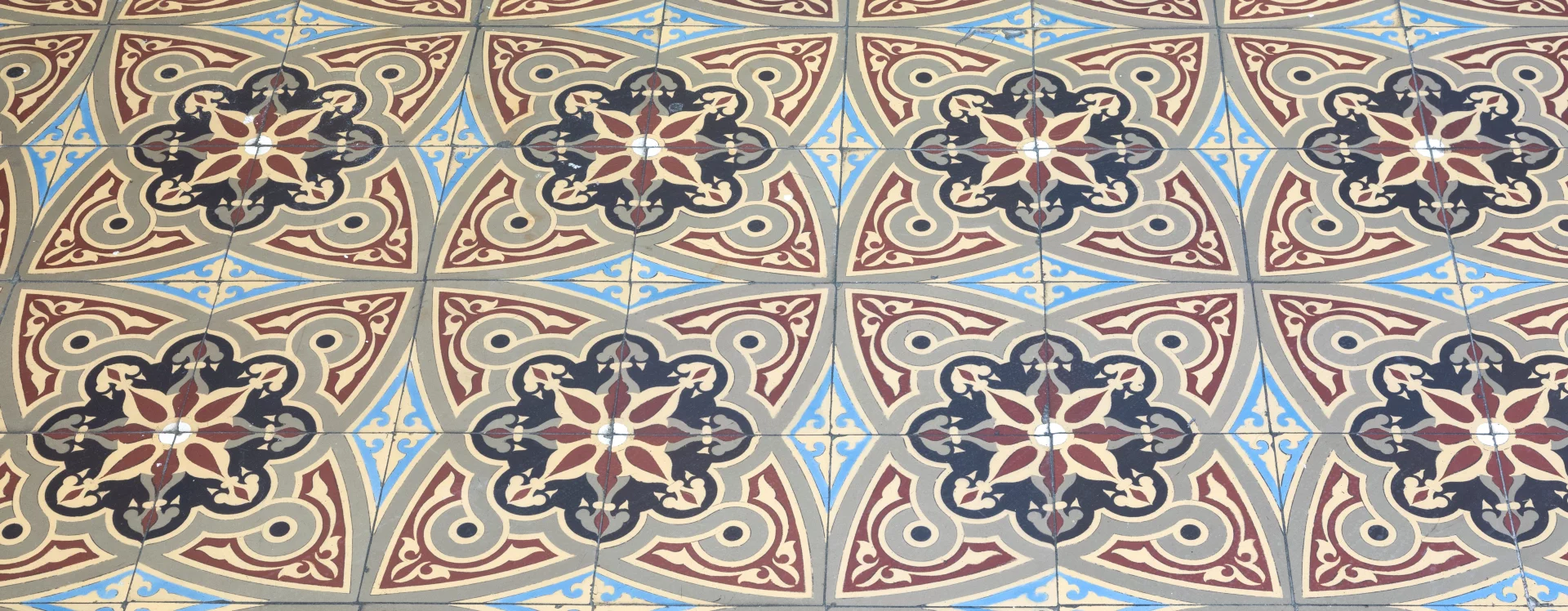
The villa’s subsequent use for medical and educational purposes brought substantial alterations to the interior, while the exterior has remained largely untouched. In 2010, a new pavilion was added to the western facade, connected to the historic building by a short corridor. Although this extension altered the villa’s urbanistic context, its architectural value and its significance for the town’s identity remain obvious.
Dana Schlaichertová, 2025
Literature
Hlasy z Posázaví. 1910. sv. 21. 12., p. 1.
Libor Honzárek. Vila dominovala svému okolí, provázely ji však spory s radnicí. In: Havlíčkobrodský deník.cz. 30. 9. 2012. Available from: https://havlickobrodsky.denik.cz/zpravy_region/vila-dominovala-svemu-okoli-provazely-ji-vsak-spory-s-radnici-20120930.html [accessed 28. 8. 2025]
Michal Kamp. Brodské vily a jejich majitelé. In: www.youtube.com. 26. března 2025, roč. 4. Available from: https://www.youtube.com/watch?app=desktop&v=x6HBe8nXzaY [accessed 27. 8. 2025]
Dana Schlaichertová. Architektura a urbanismus Havlíčkova Brodu 1848-1938. Olomouc, Katedra teorie a dějin umění FF UP, 1998, Diplomová práce. p. 20-22.
Michal Kamp. Stefankova vila. In: Aleš Veselý (ed.). Příběhy brodských domů. Havlíčkův Brod, Galerie výtvarného umění v Havlíčkově Brodě, 2016, p. 194-195. ISBN 978-80-904726-9-3.
Sources
Městský úřad Havlíčkův Brod, archiv Stavebního úřadu. sv. č. p. 2104.