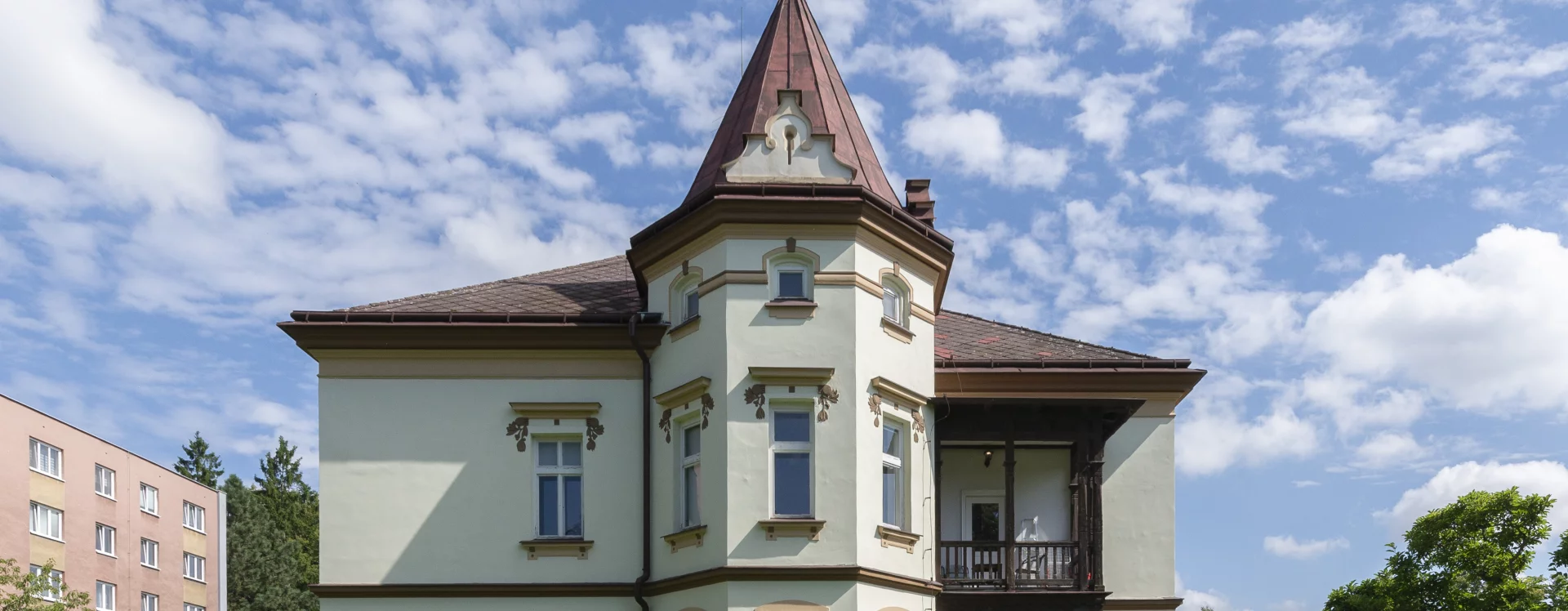
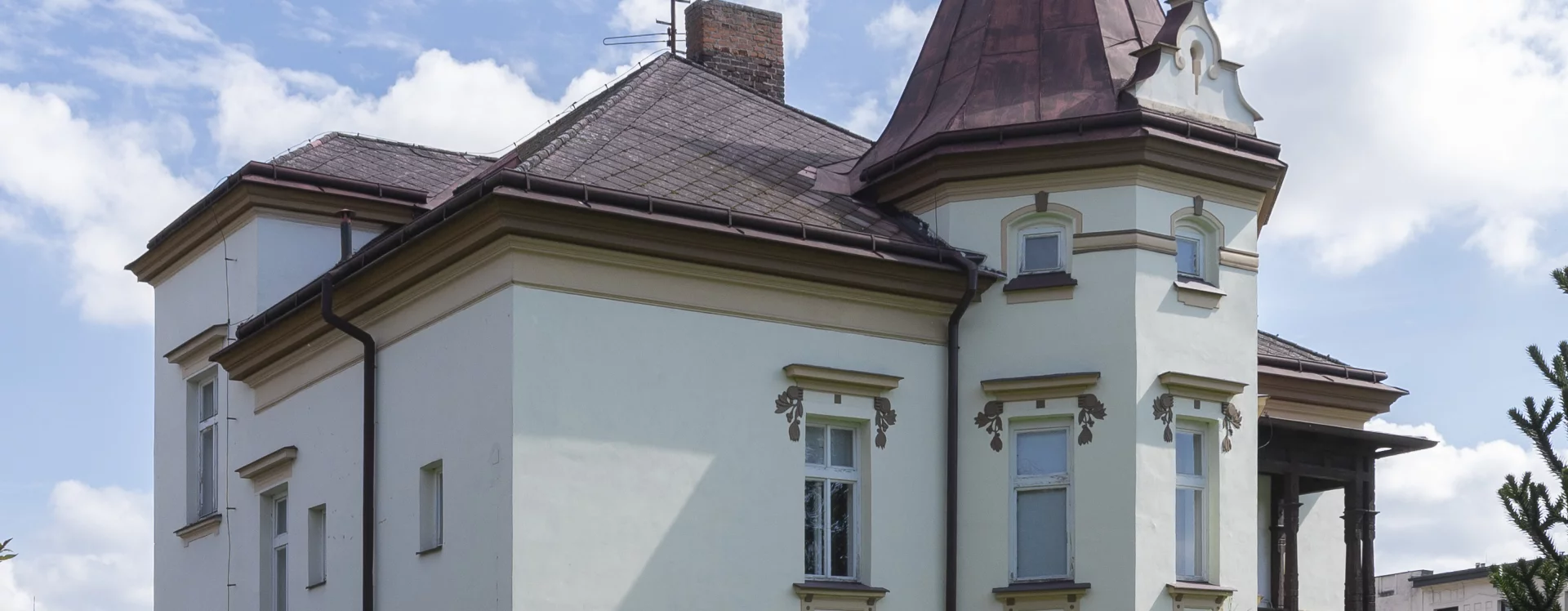
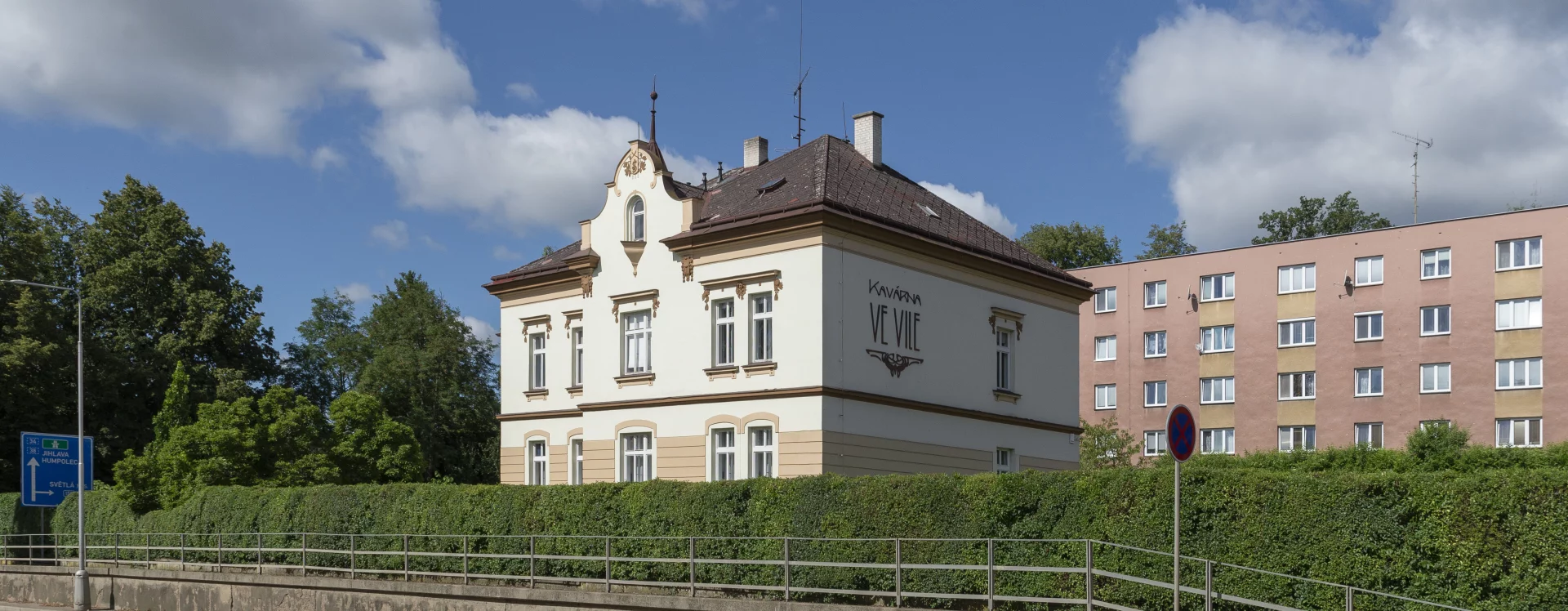
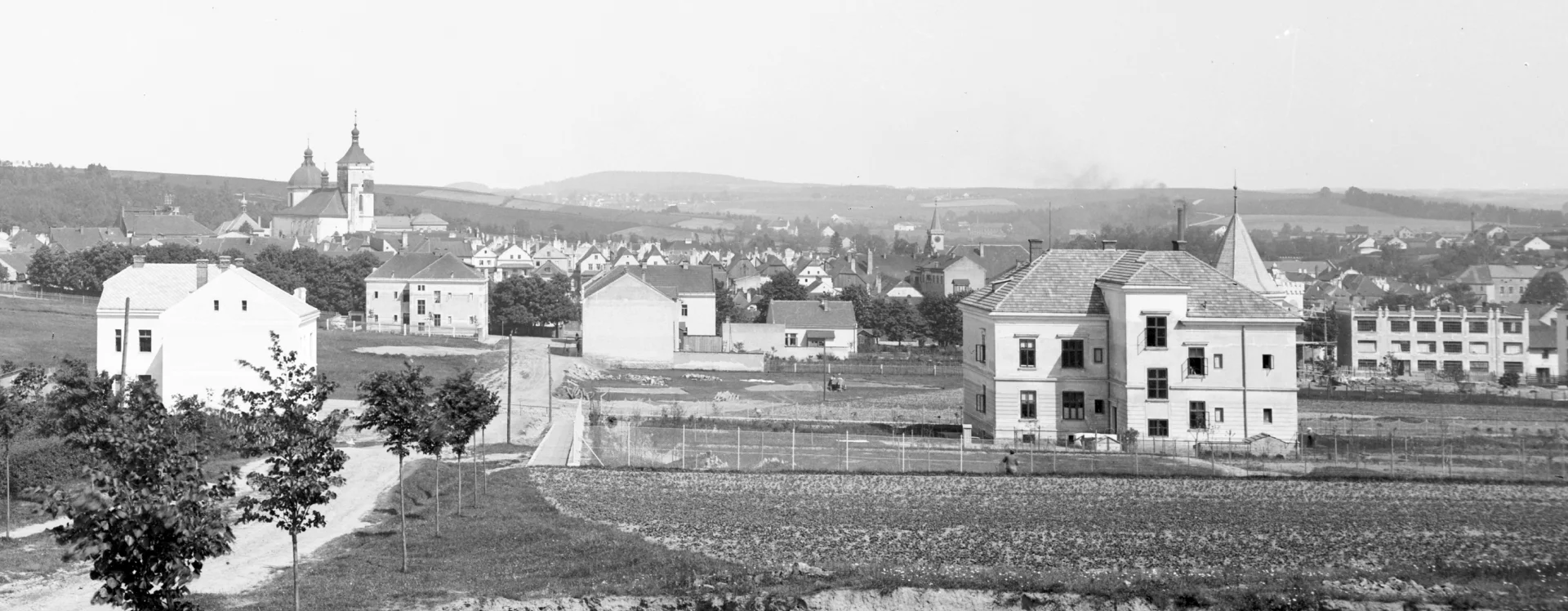
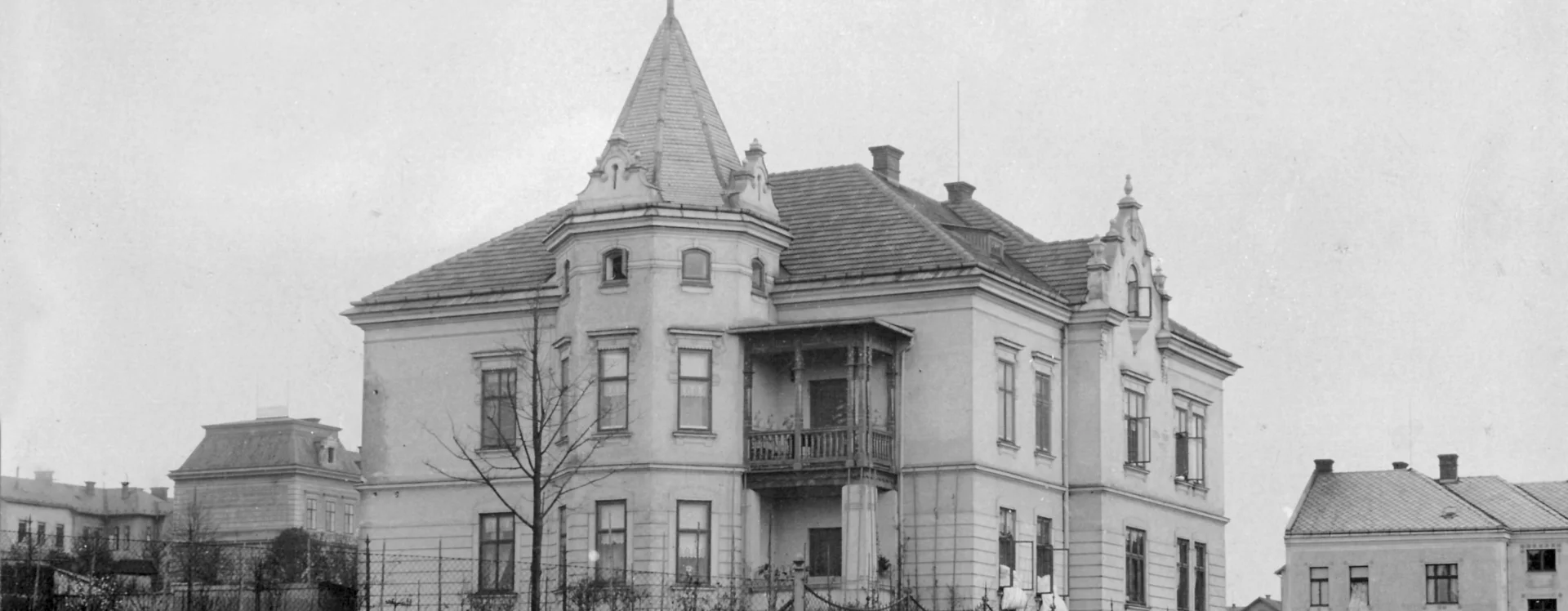

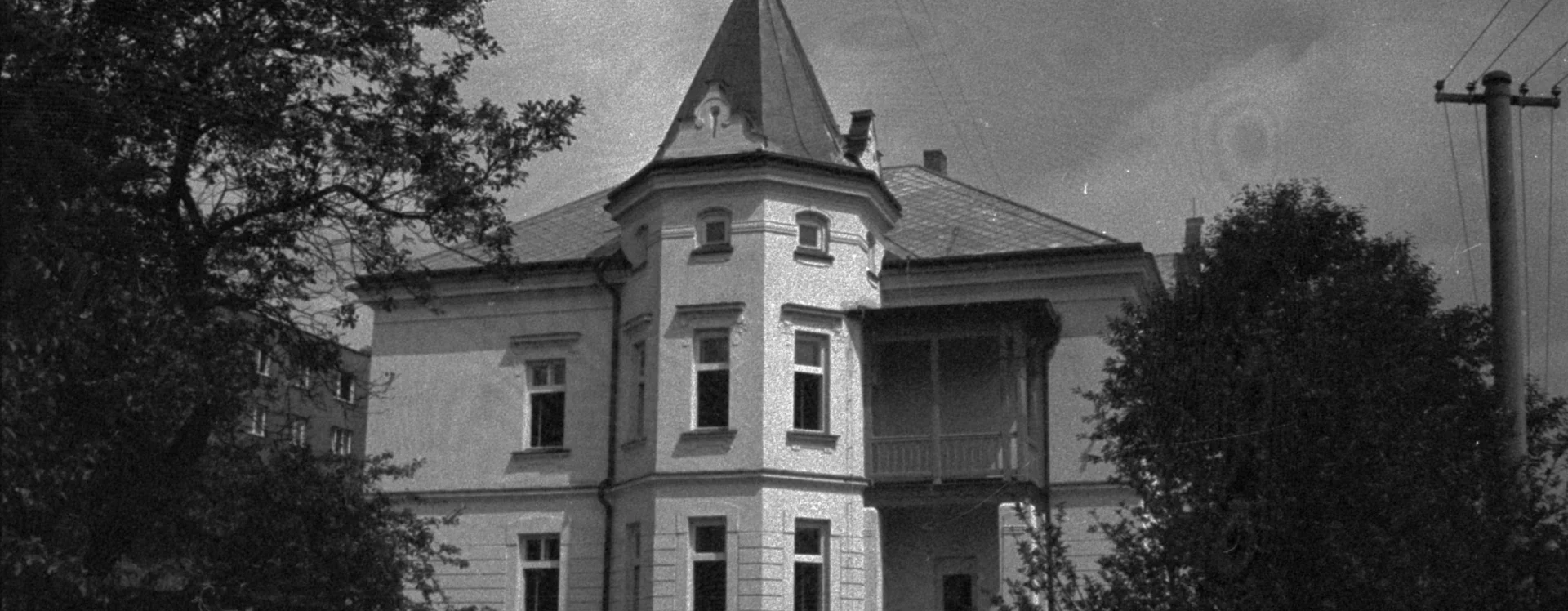
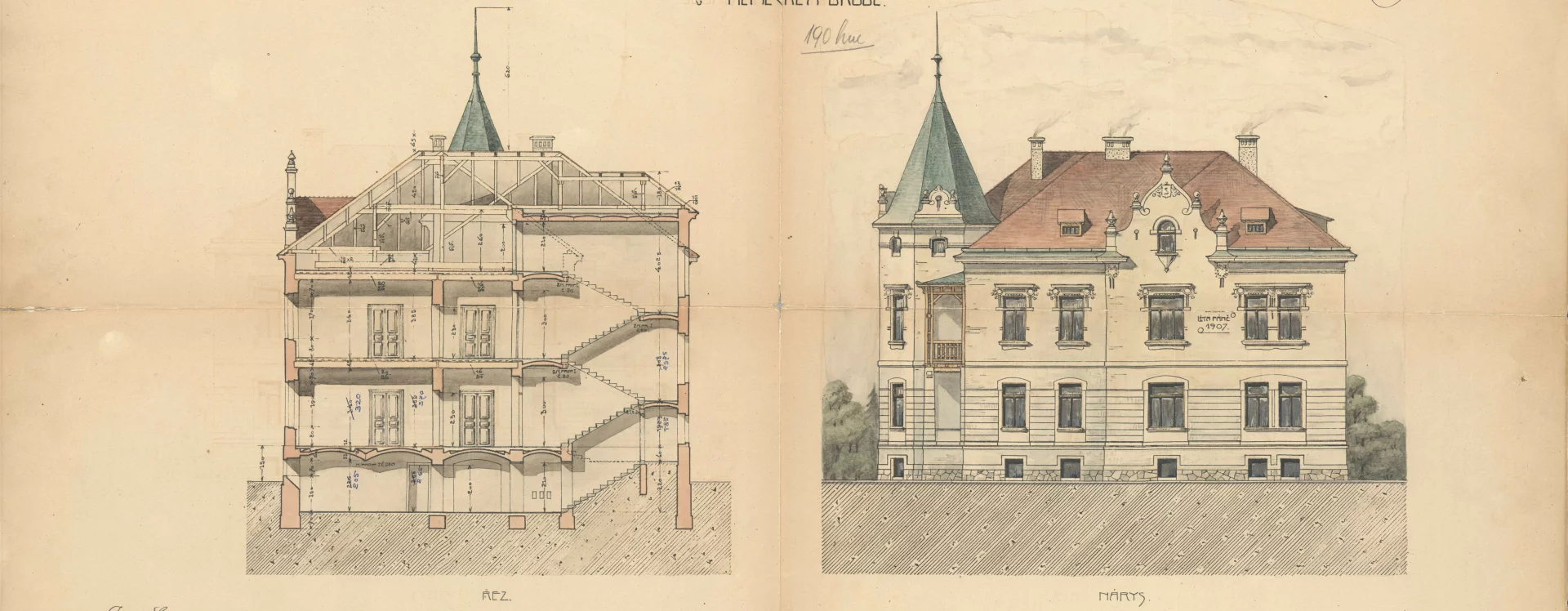
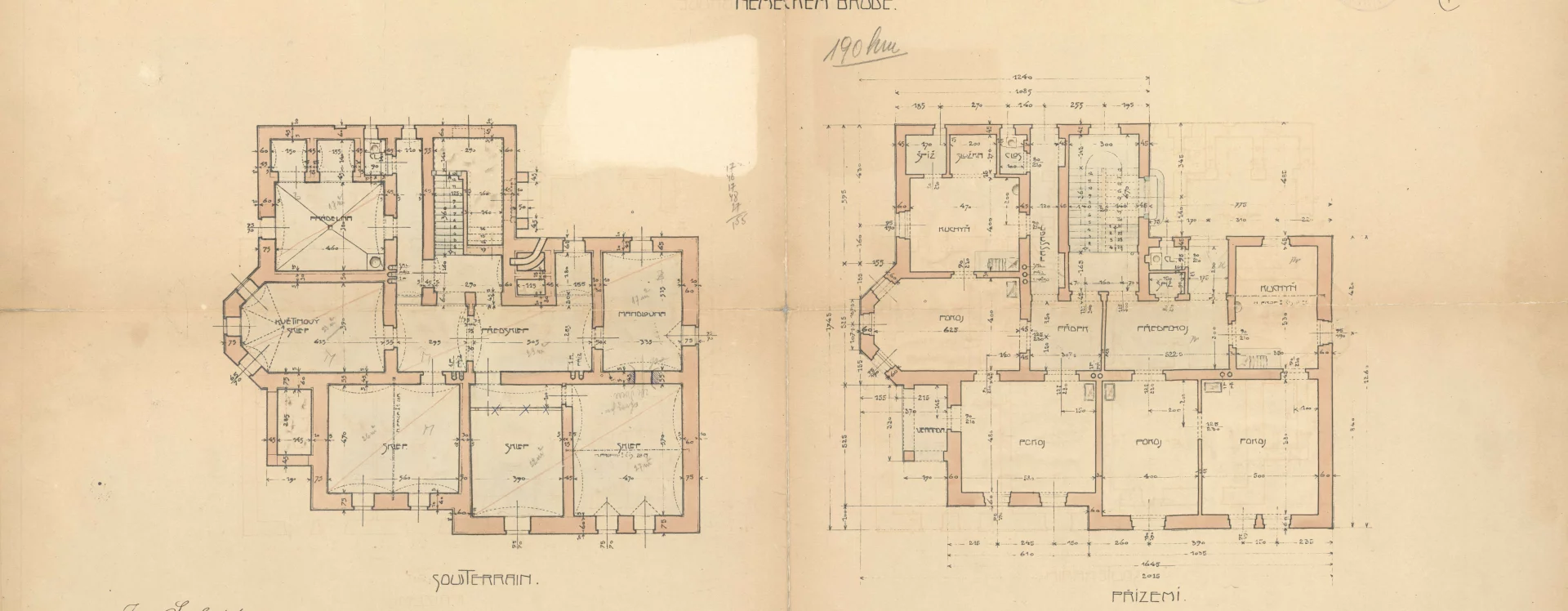
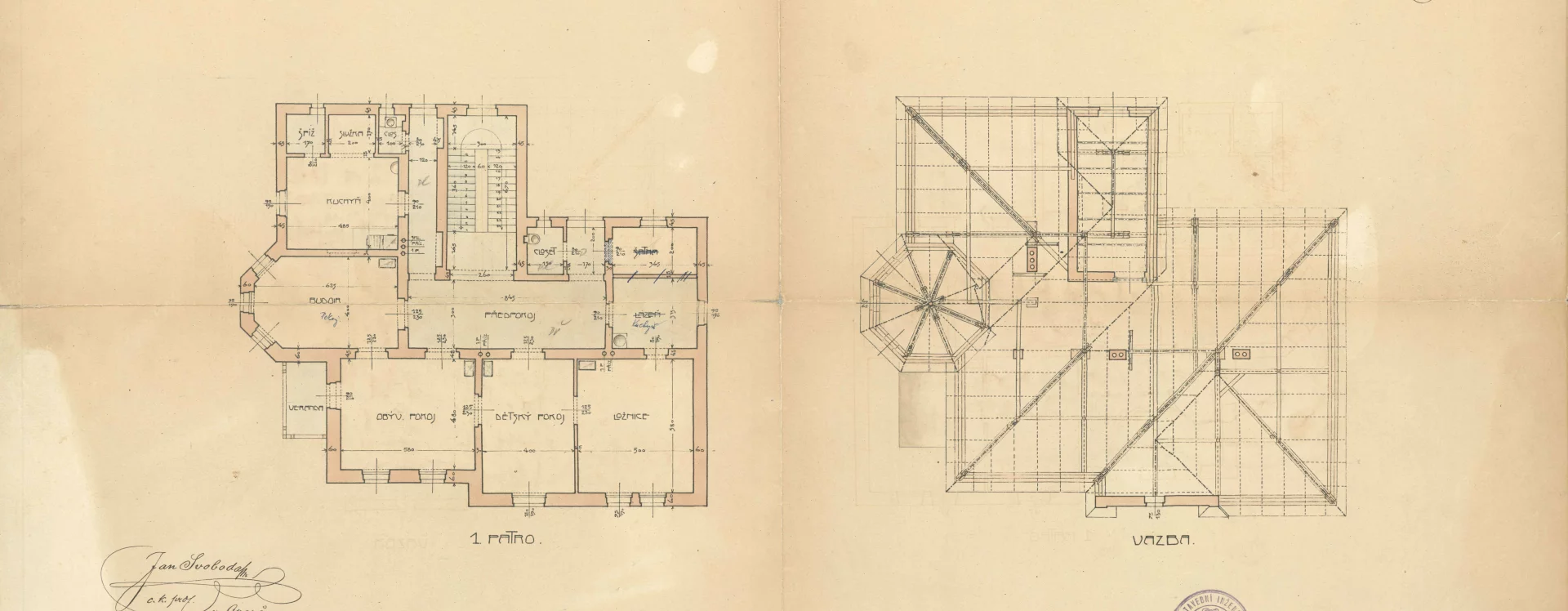
The villa of grammar-school teacher Jan Svoboda is now located on the busy Masarykova street near the extensive grounds of Havlíčkův Brod hospital. However, when it was designed for its first owner by local builder Prokop Šupich, it stood in a newly developing, pleasantly open villa district at the foot of Prempír Hill.
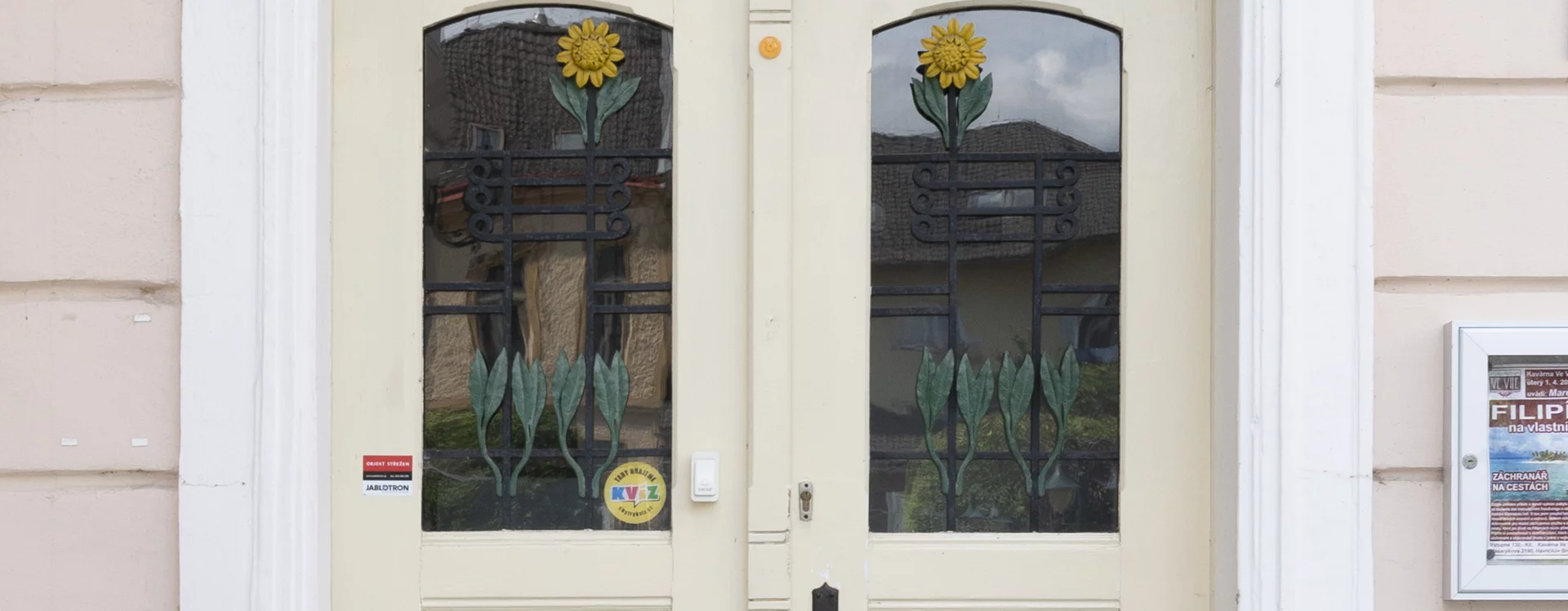
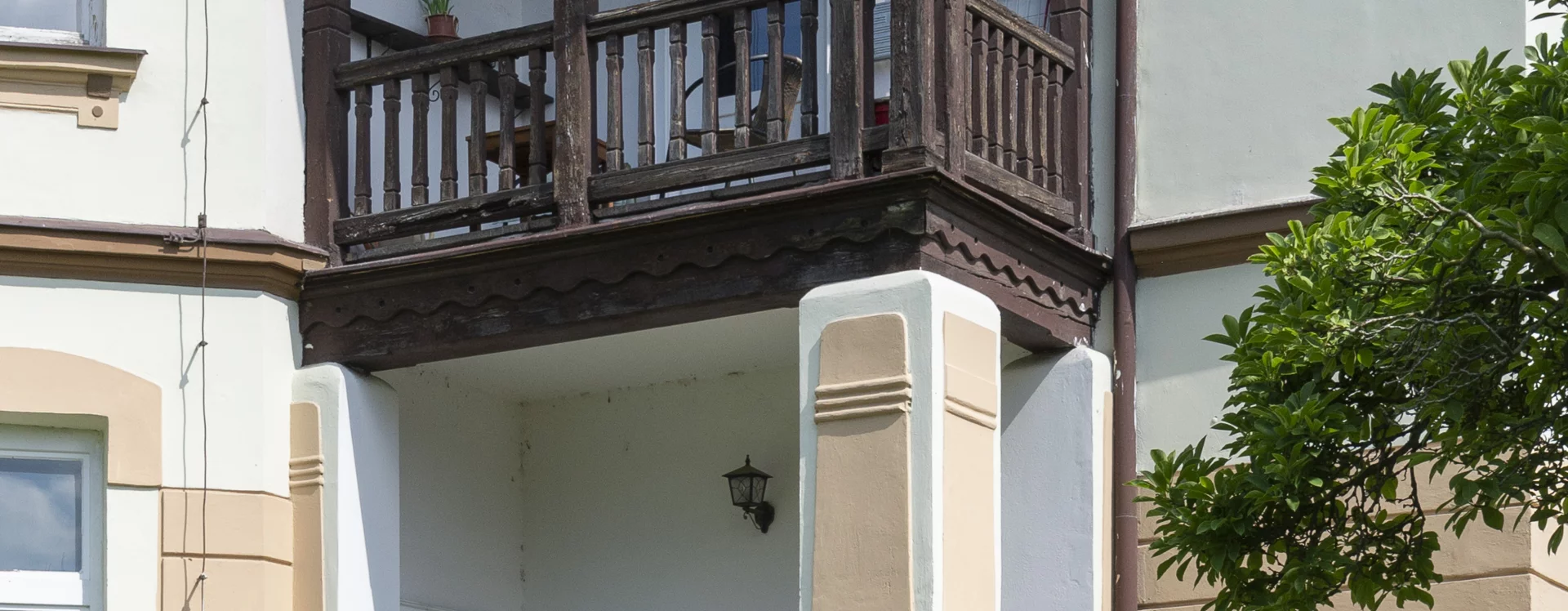
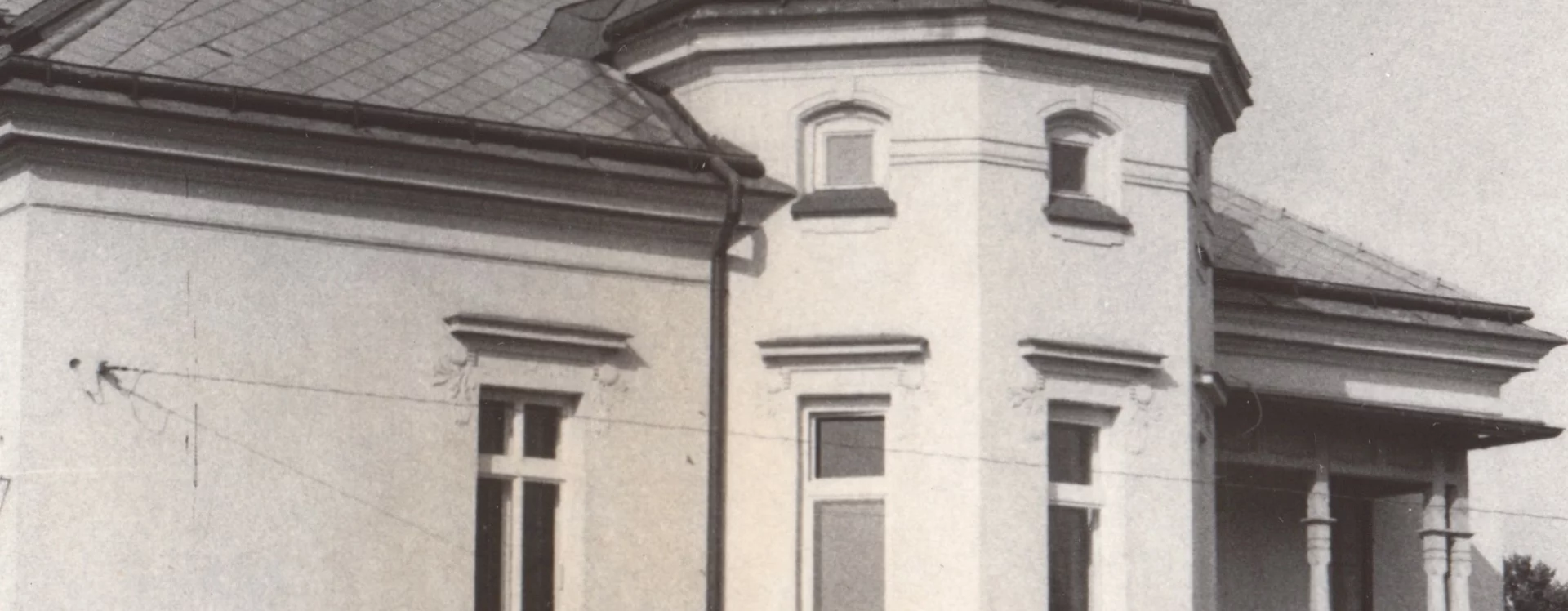
For the newly graduated architect, this was probably his first commission in his hometown. The architectural design of the villa combines classical historicist principles with elements of Art Nouveau, which lighten the building through the use of plant motifs and wooden details, such as the garden-facing porch and the terrace on the villa’s southern side. The polygonal turret on the southern facade adds a romantic touch, though it has little impact on the interior layout.
All of the floors originally shared almost identical floor plans, with only the ground floor adapted to accommodate two rental flats, while the first floor housed the owner’s apartment.
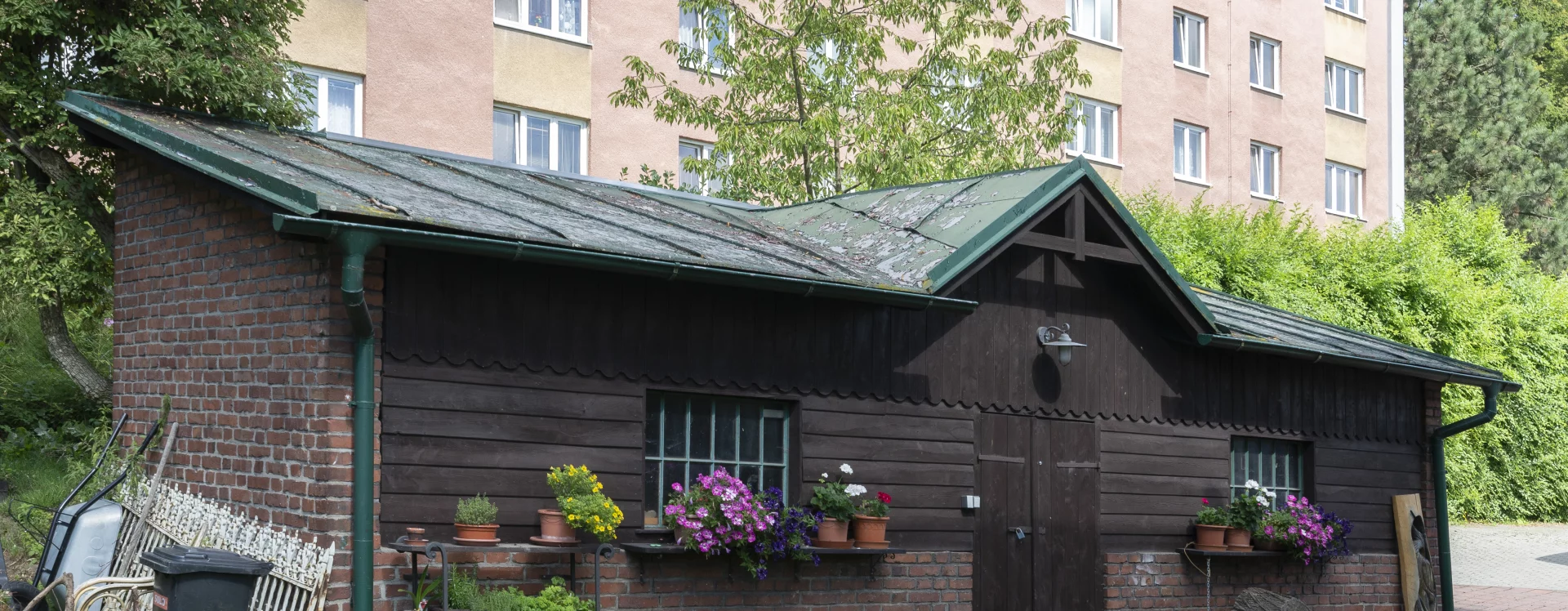
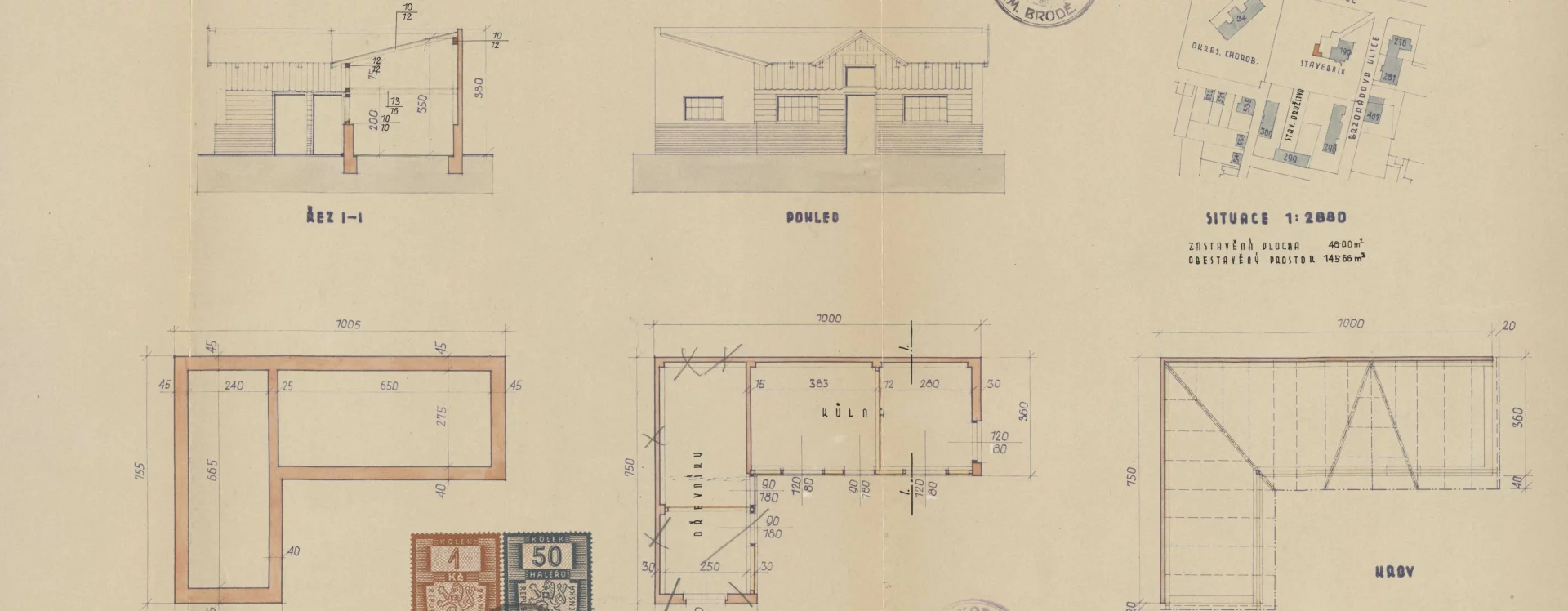
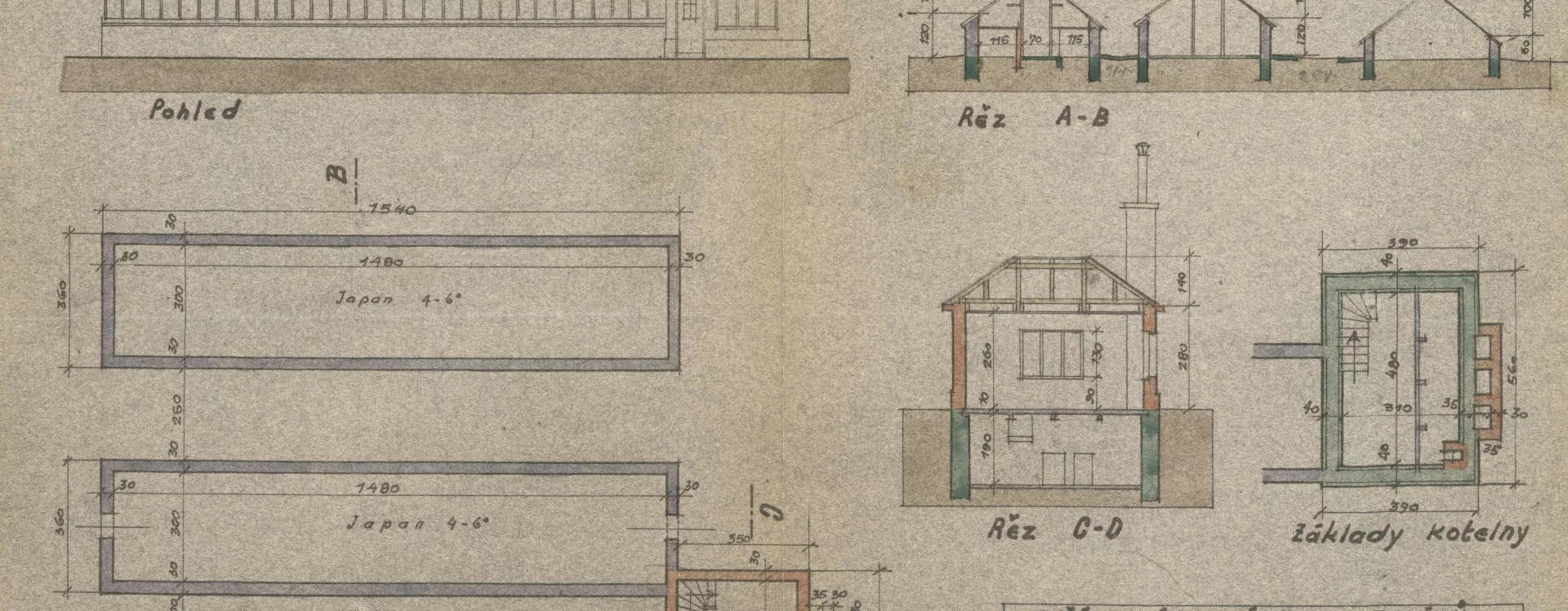
The villa included a spacious garden, which even had beehives “amid the trees.” In the late 1930s, the owners Josef Hlávka and his wife Božena—the daughter of Jan Svoboda—added a garden house built from brick and wood. Later, shortly after the war, greenhouses and hotbeds belonging to the gardener Jan Souček were also installed there. This tenant of the Hlávkas was supposed to manage the garden, but their contractual relationship gradually led to prolonged disputes over the condition of the villa and garden during the 1960s—disputes which served as a prelude to the nationalization of the property following Josef Hlávka’s death in 1967.
In 1968, the villa was briefly used by Soviet soldiers. In 1972, the Havlíčkův Brod Municipal National Committee decided that since the villa’s heirs, Božena and Bořek Augusta, were “illegally residing abroad,” and because “the said house is needed for educational purposes,” “their property shall be secured for the benefit of the Czechoslovak state.” The western part of the garden, where a block of flats now stands, was also nationalized.
In 1973, the villa began to be converted into a Pioneers’ House—also known as the House of Children and Youth U Aleje—a renovation involving extensive interior alterations, including the addition of partition walls, the installation of linoleum flooring, and the fitting of new standardized doors. After 1989, half of the villa was returned through restitution to the descendants of the original owners; however, they reached an agreement with the education authority to sell the property to the municipality.
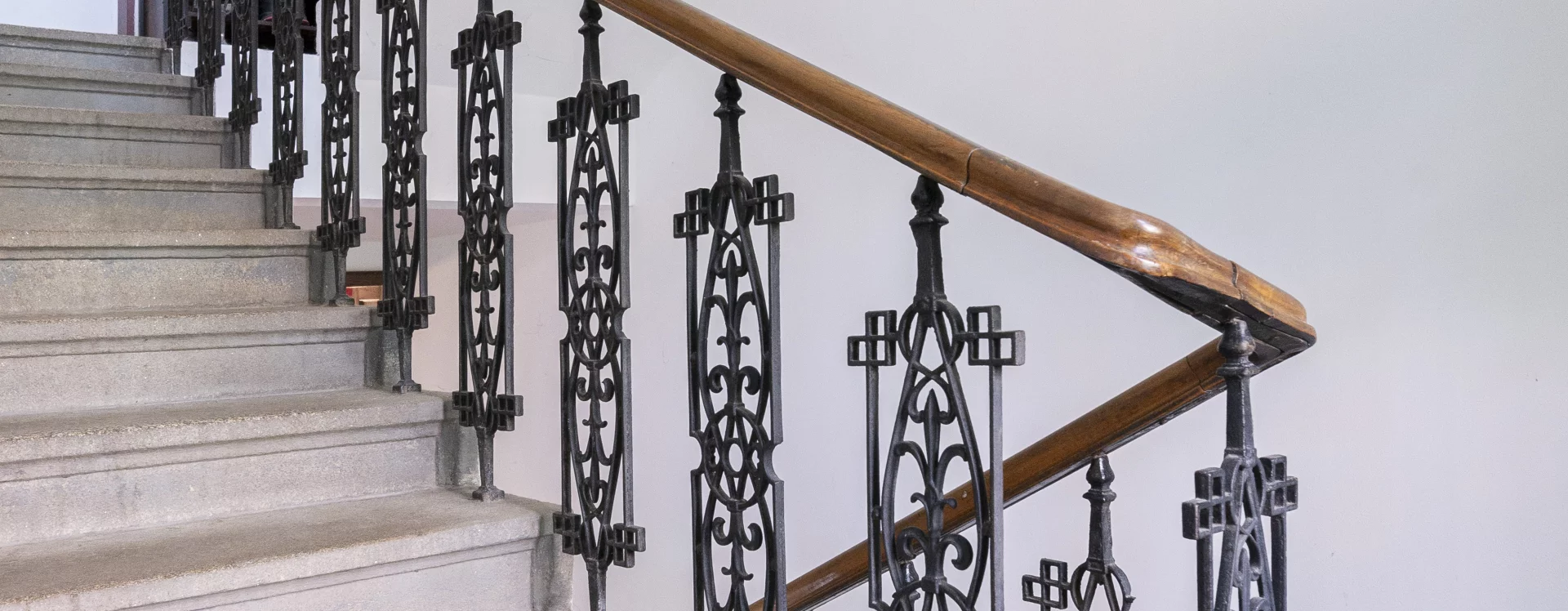
In 2014, the house was purchased by its current owner. The villa’s exterior was successfully restored to its original form and the remaining part of the garden—including the garden house—was revitalized. Of the interior features, only the staircase spanning the full height of the building was preserved, but the reconstruction largely reinstated the original layout, bringing the interior closer once again to the house’s original spirit. Despite its turbulent history, the initials “JS” on the villa’s gable still recall its first owner.
Zuzana Trnková, 2025
Literature
Eva Ugrinová. Vila Jana Svobody. In: Jan Sedlák (ed.). Slavné vily kraje Vysočina. Praha, Foibos, 2008, p. 38-39. ISBN 978-80-87073-10-0.
Michal Kamp. Svobodova vila. In: Aleš Veselý (ed.). Příběhy brodských domů. Havlíčkův Brod, Galerie výtvarného umění v Havlíčkově Brodě, 2016, p. 202-205. ISBN 978-80-904726-9-3.
Sources
Městský úřad Havlíčkův Brod, archiv Stavebního úřadu. sv. č. p. 2190.