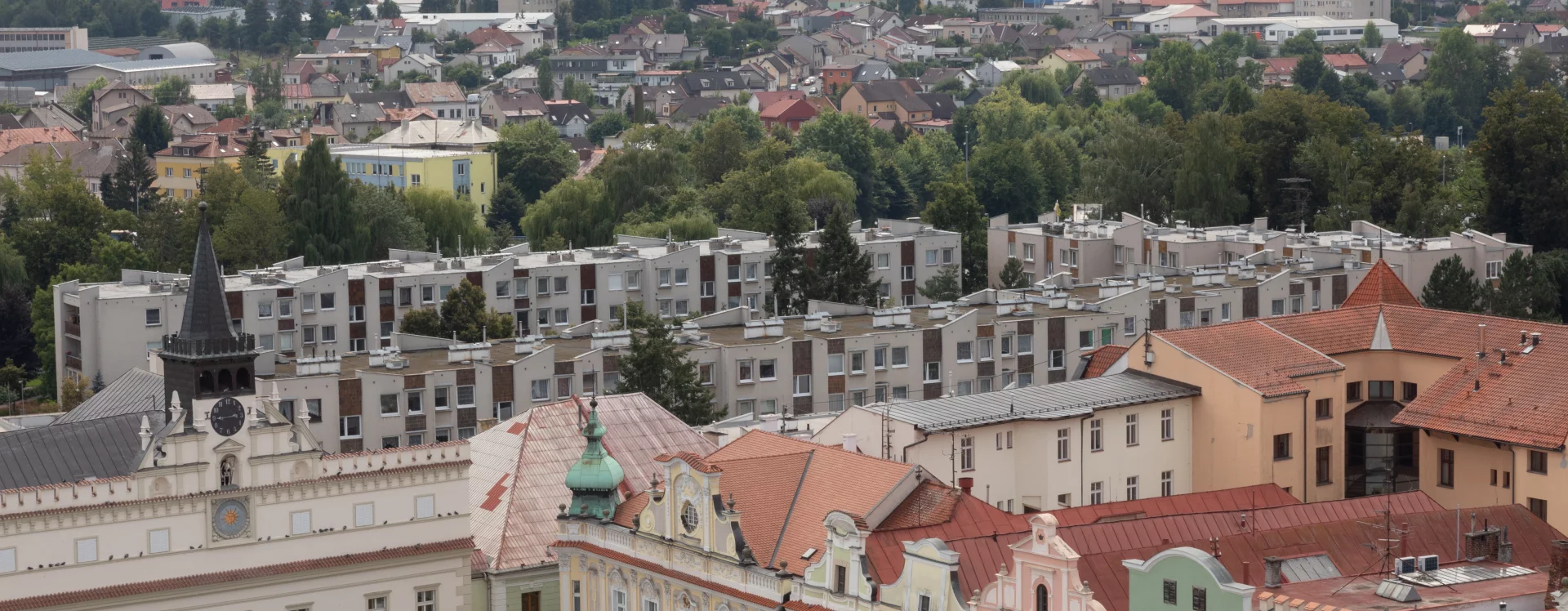
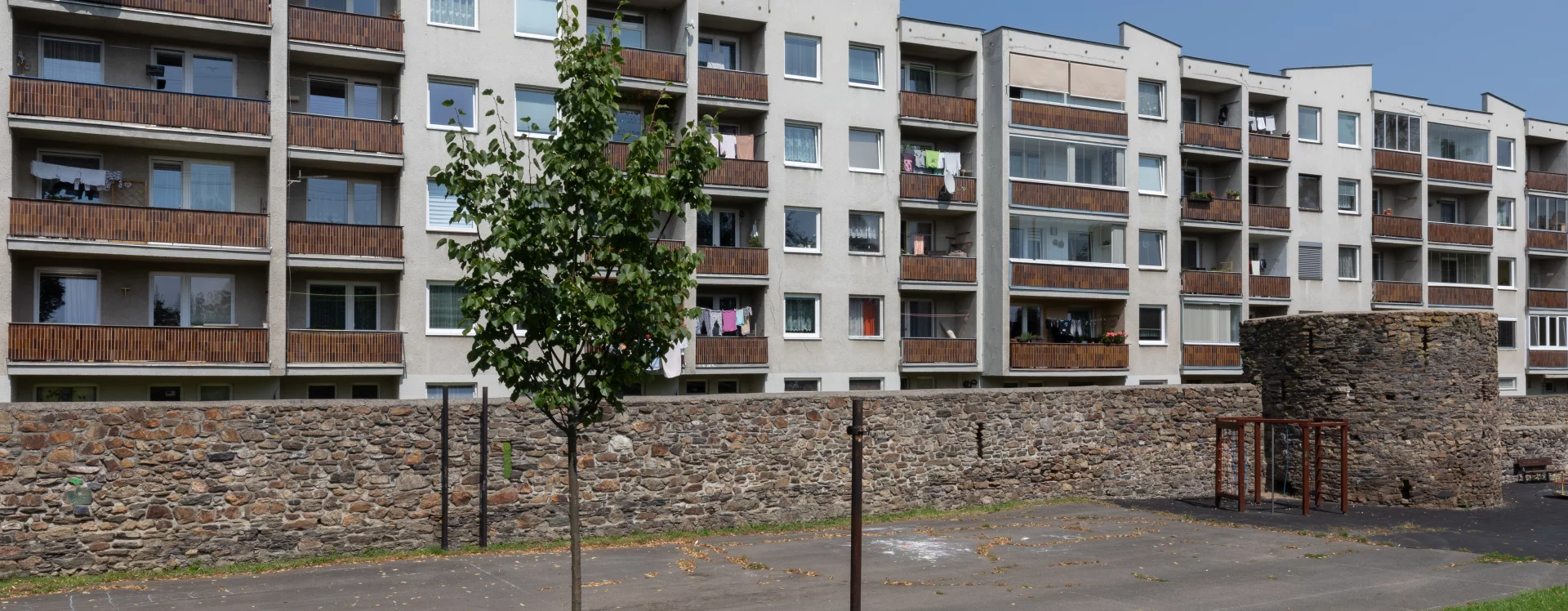
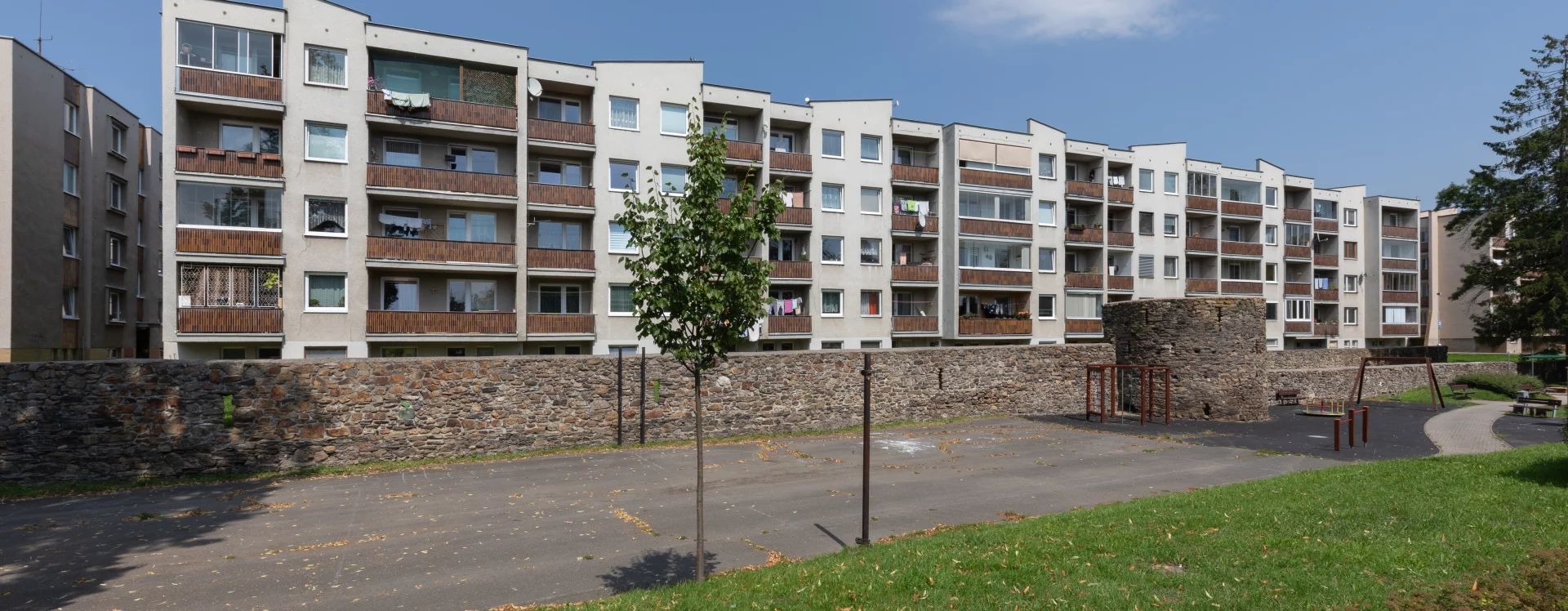
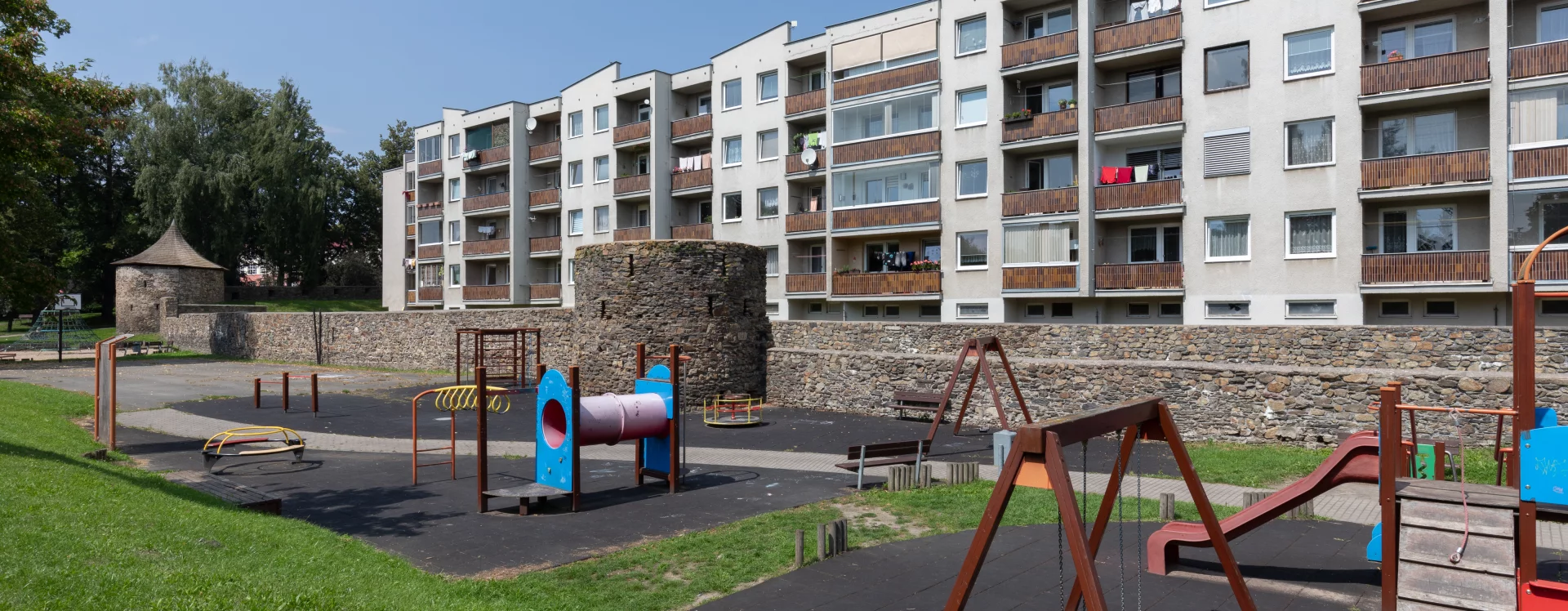
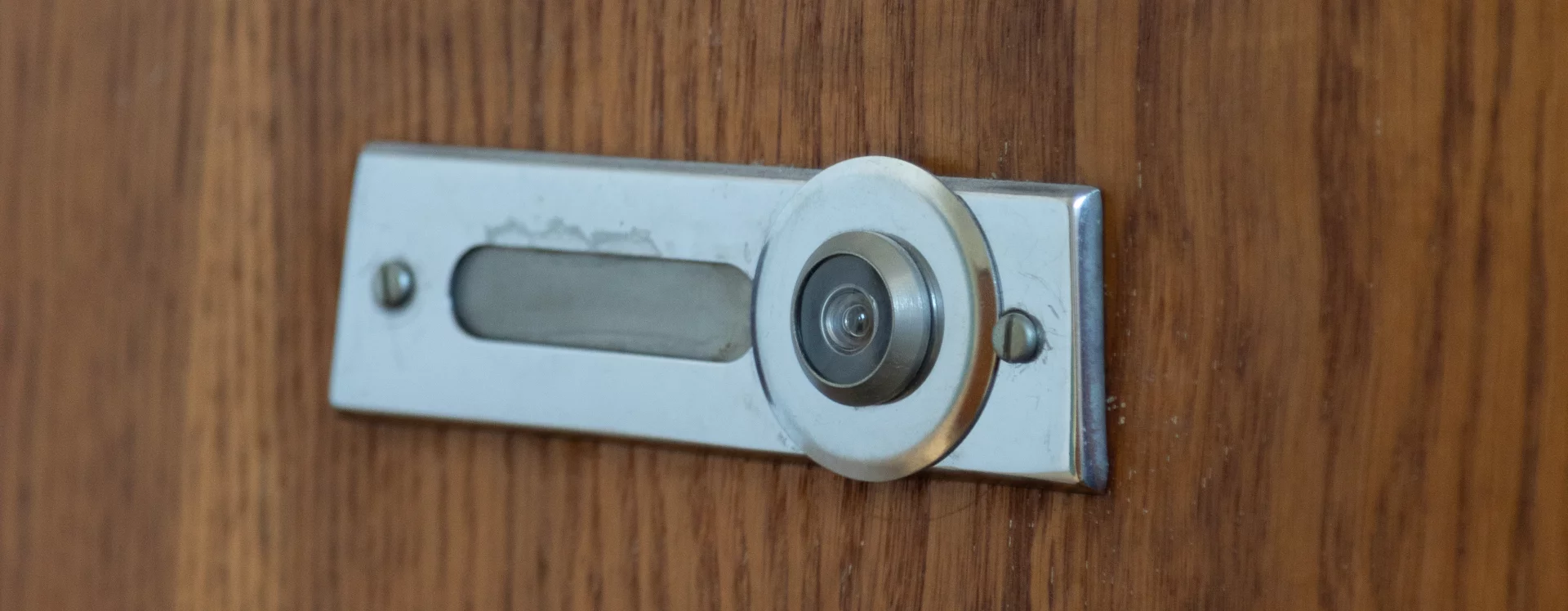
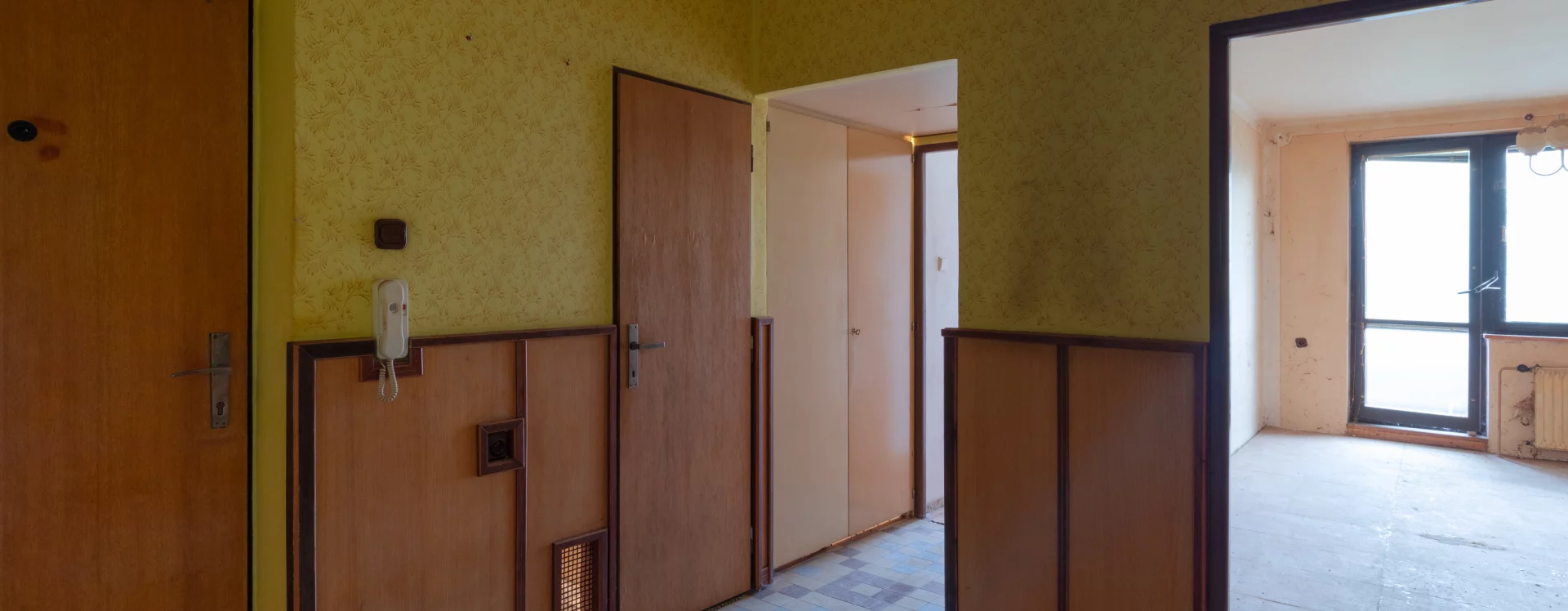
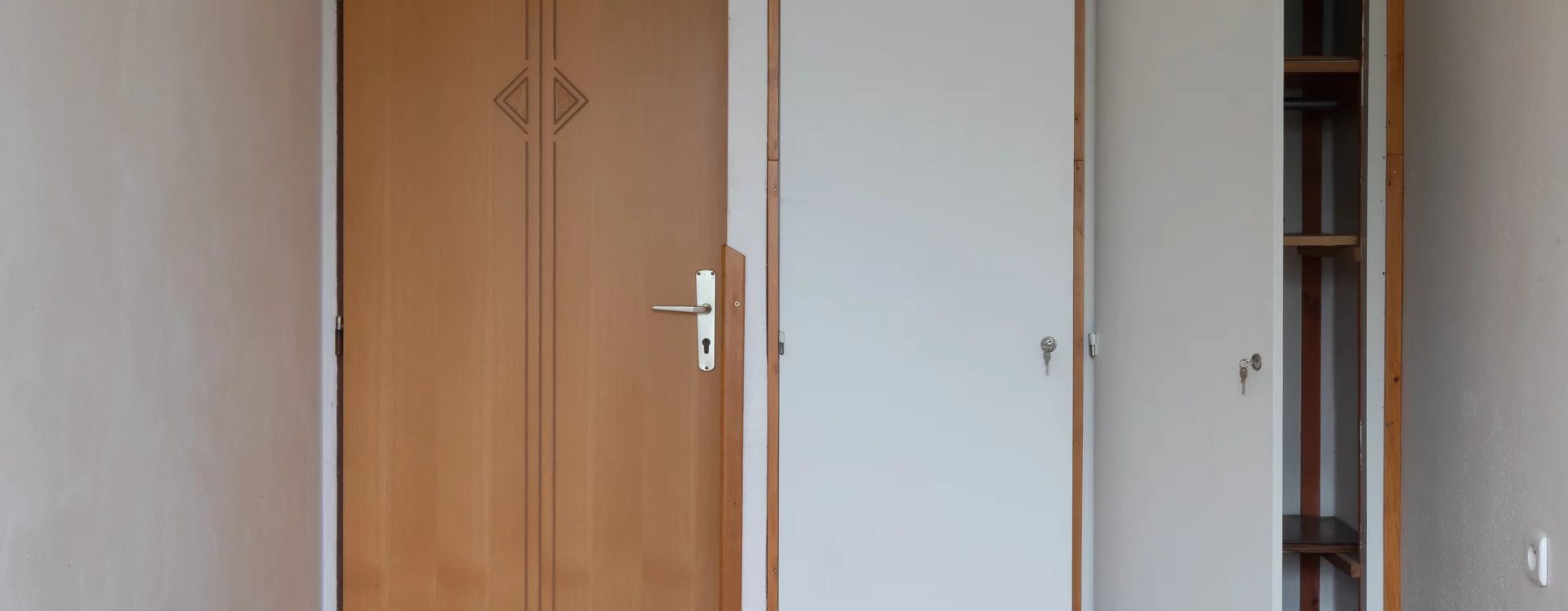
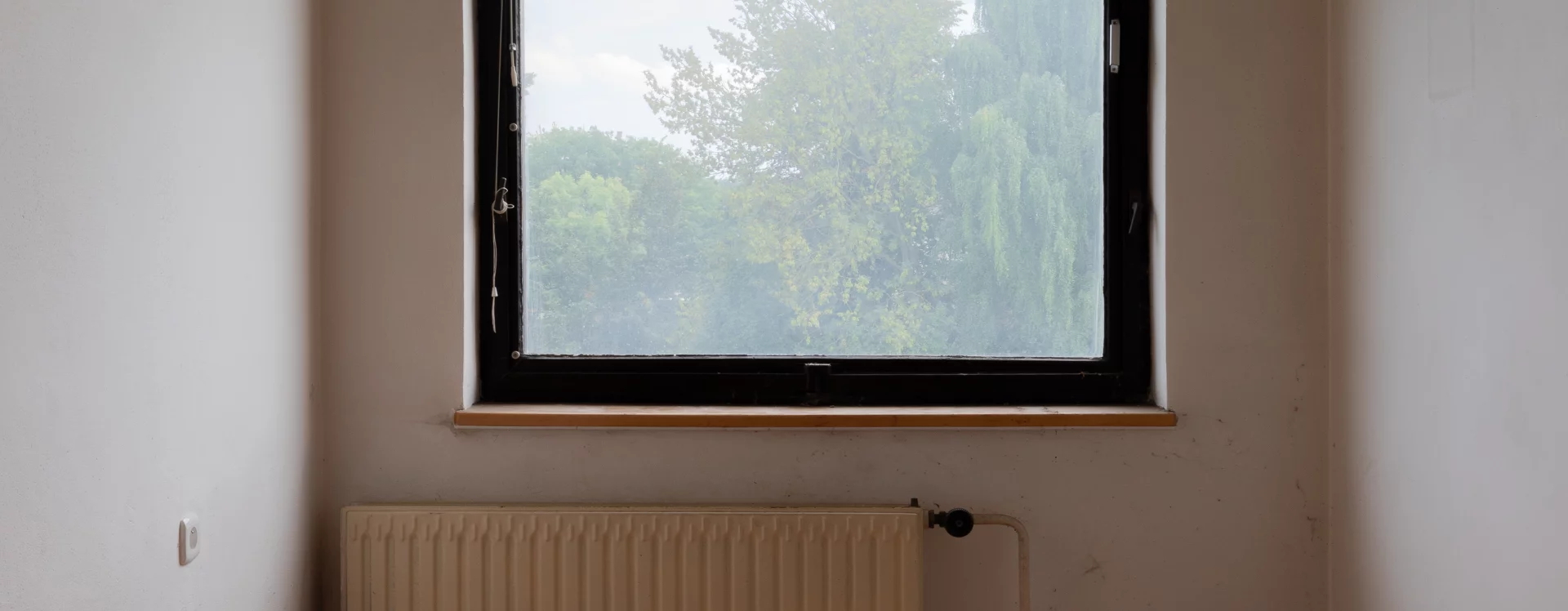
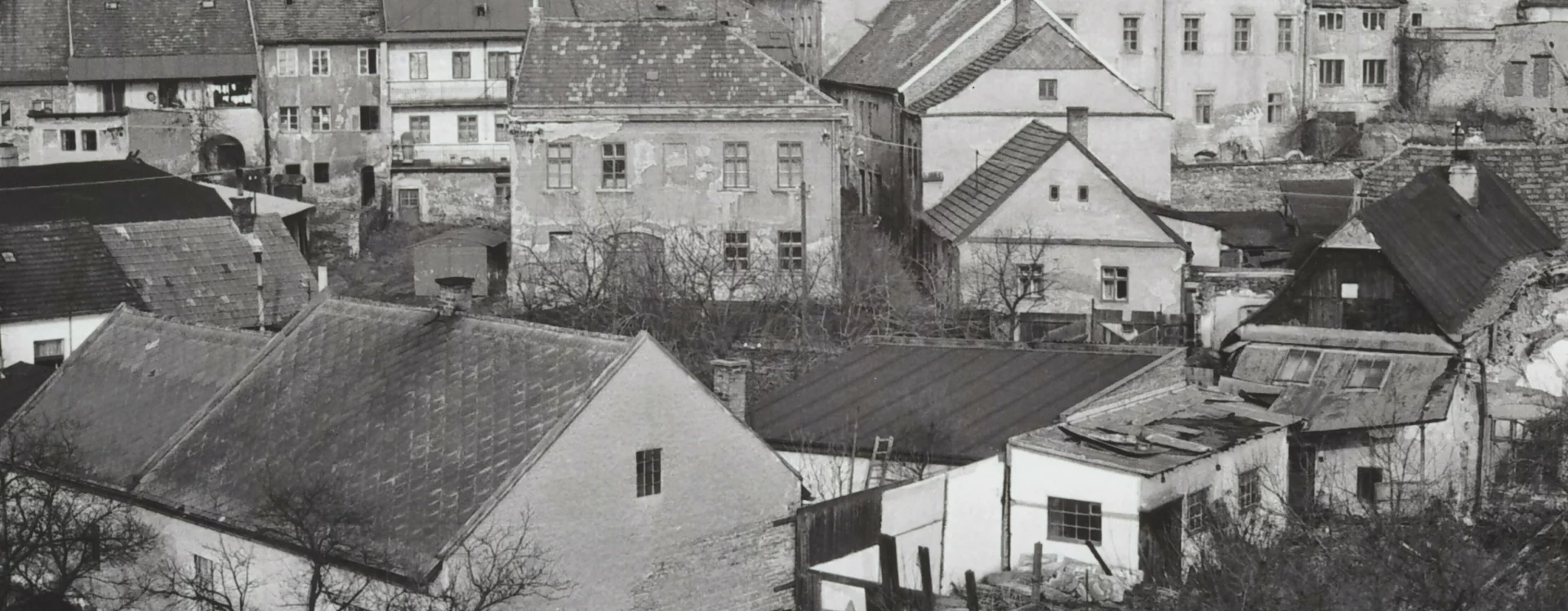
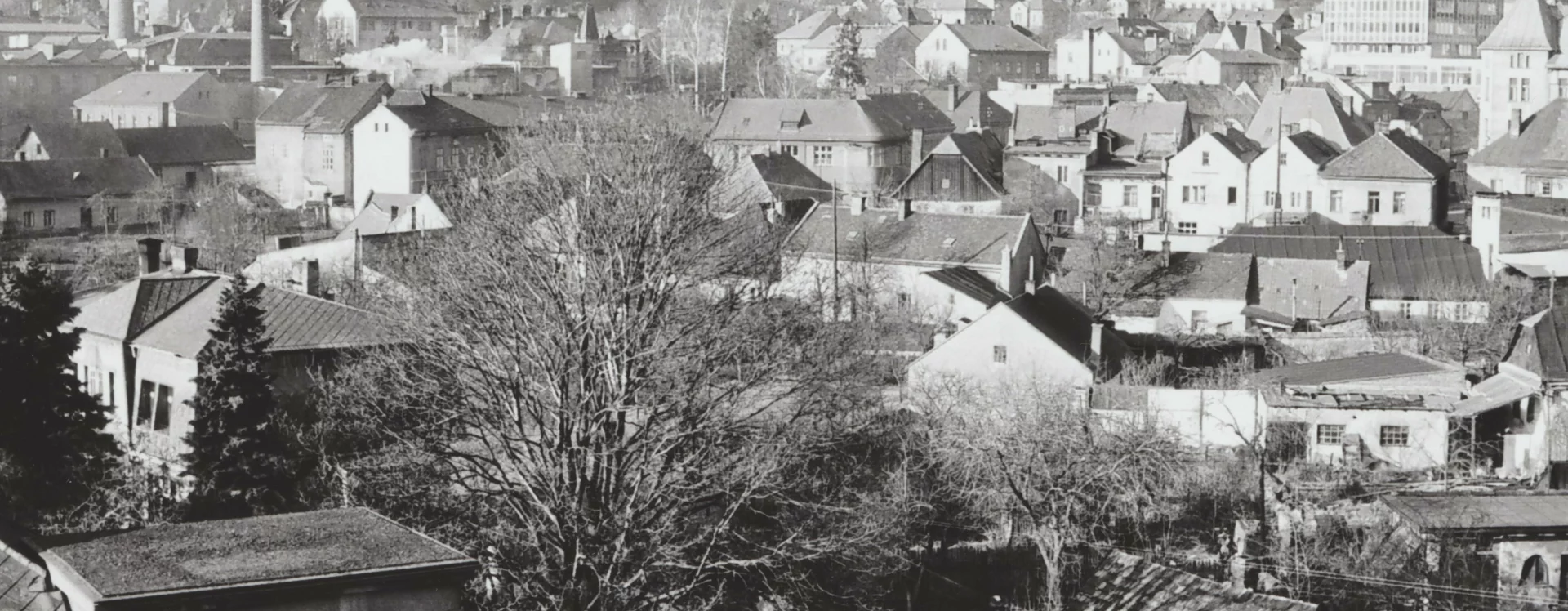
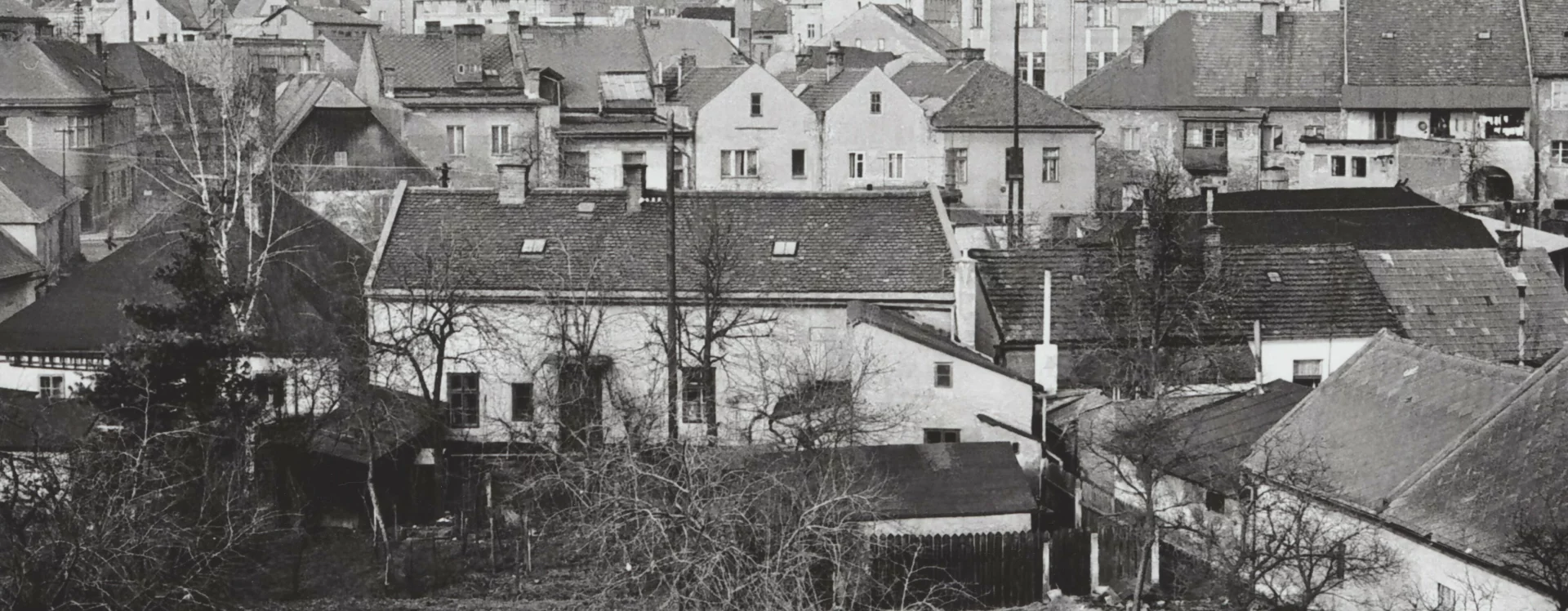
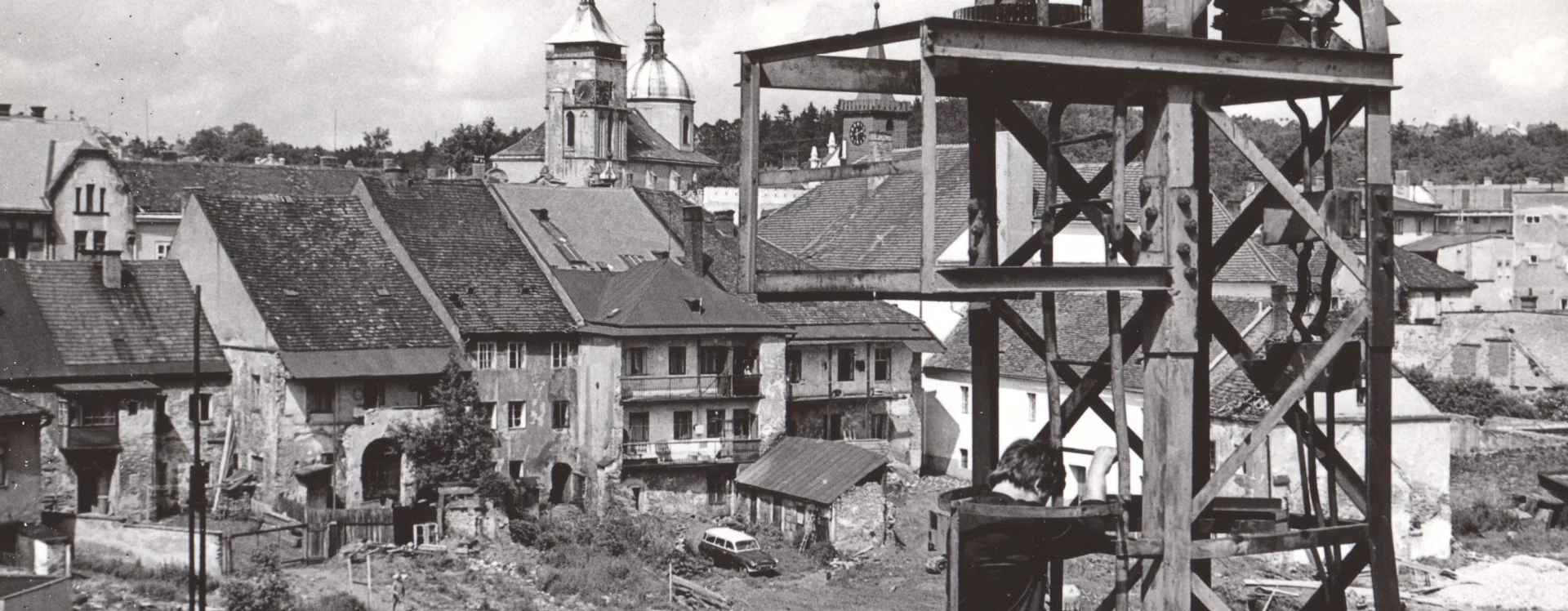
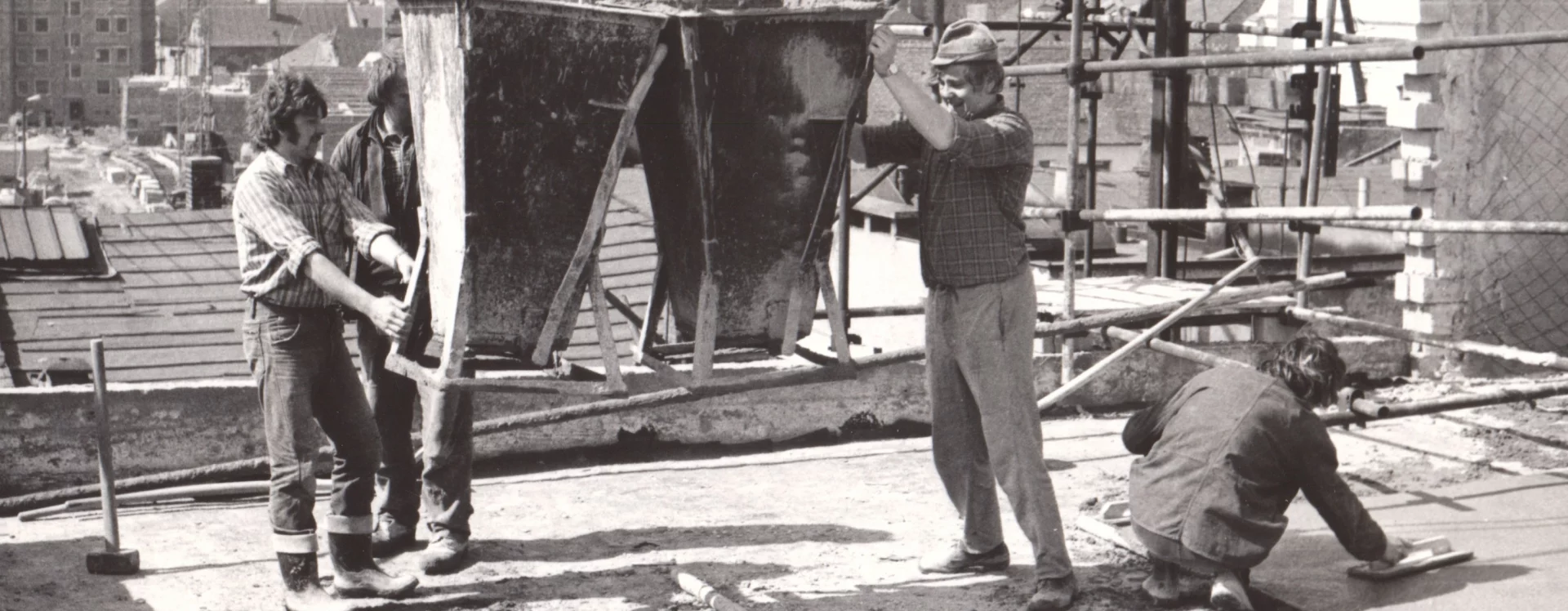
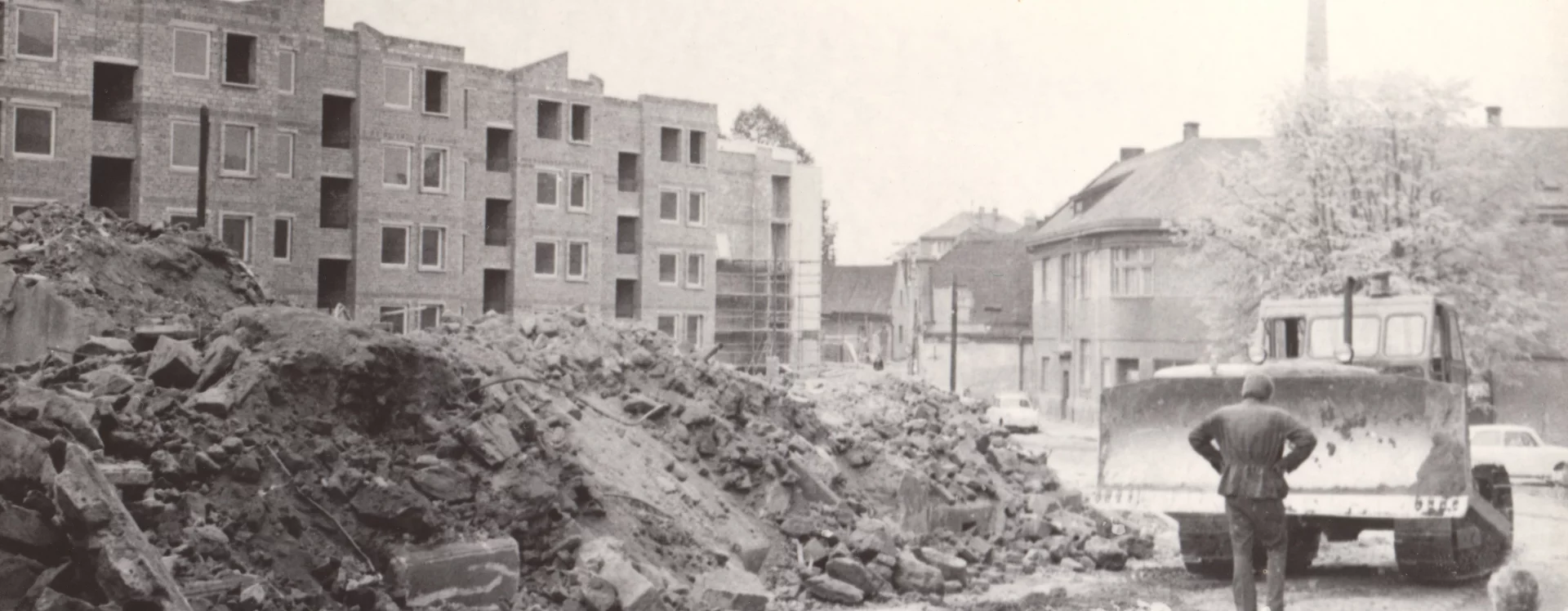
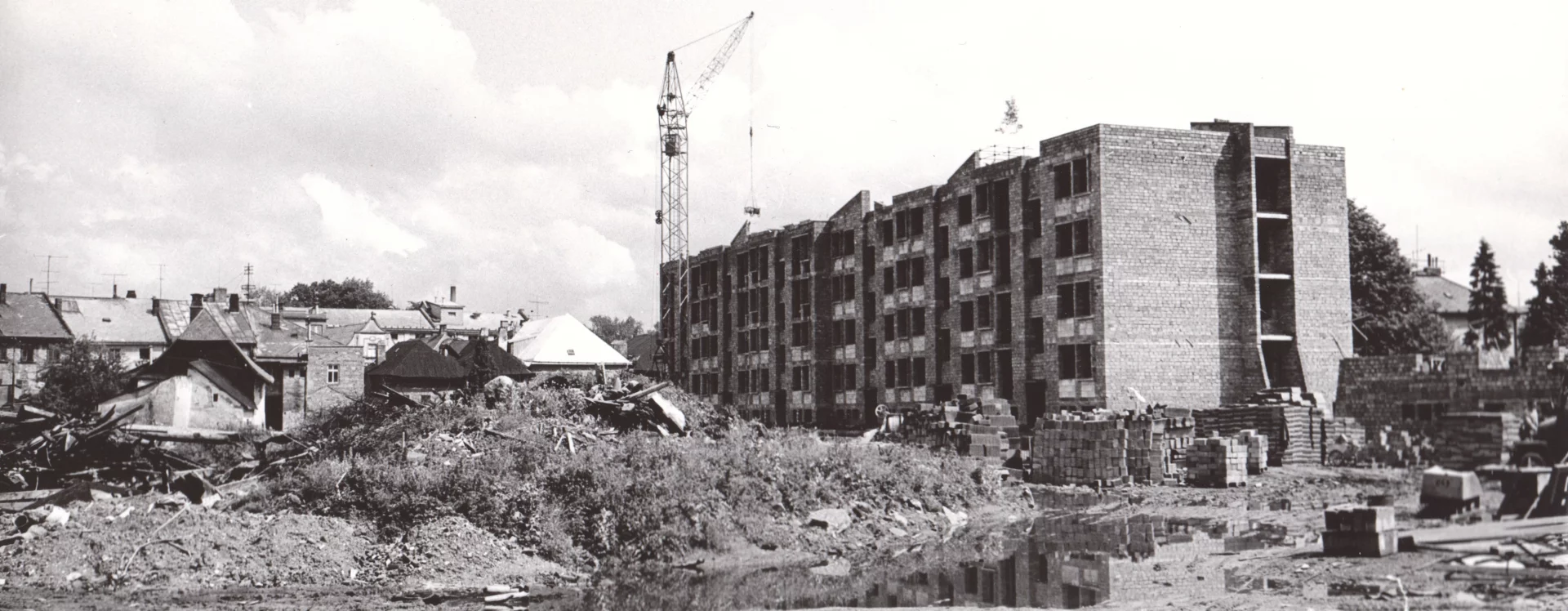
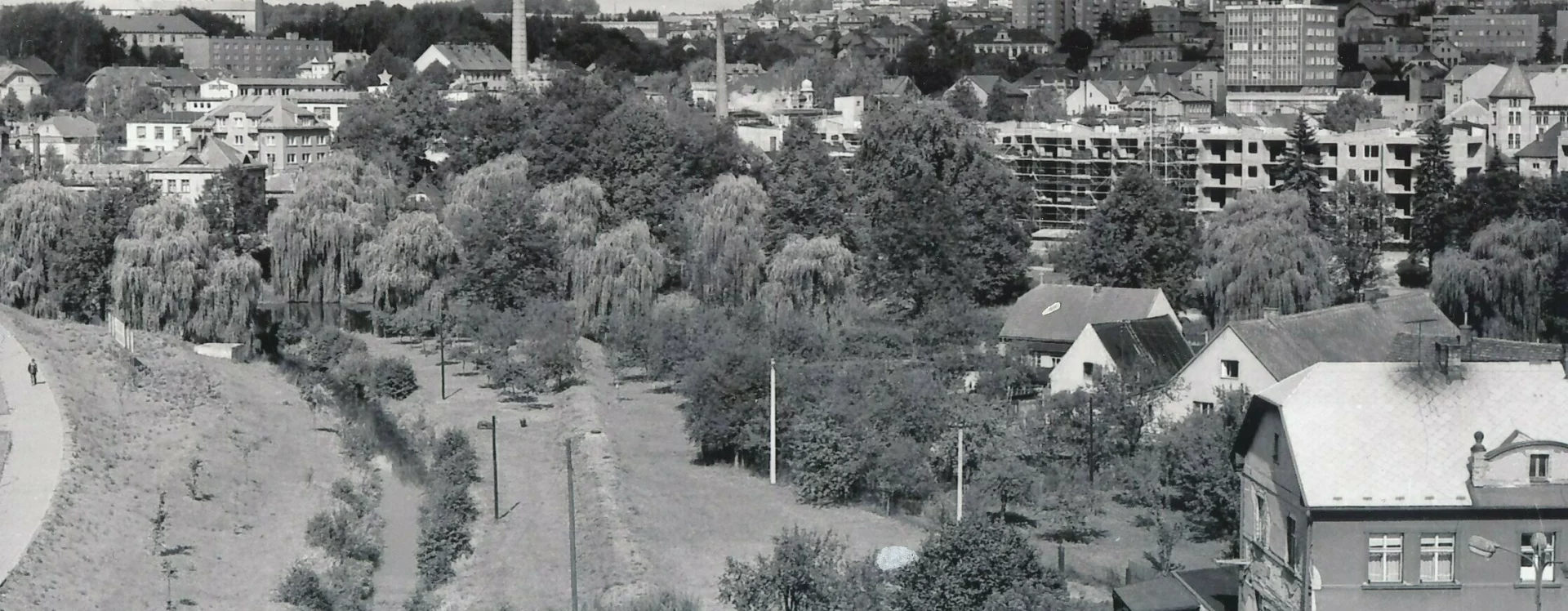
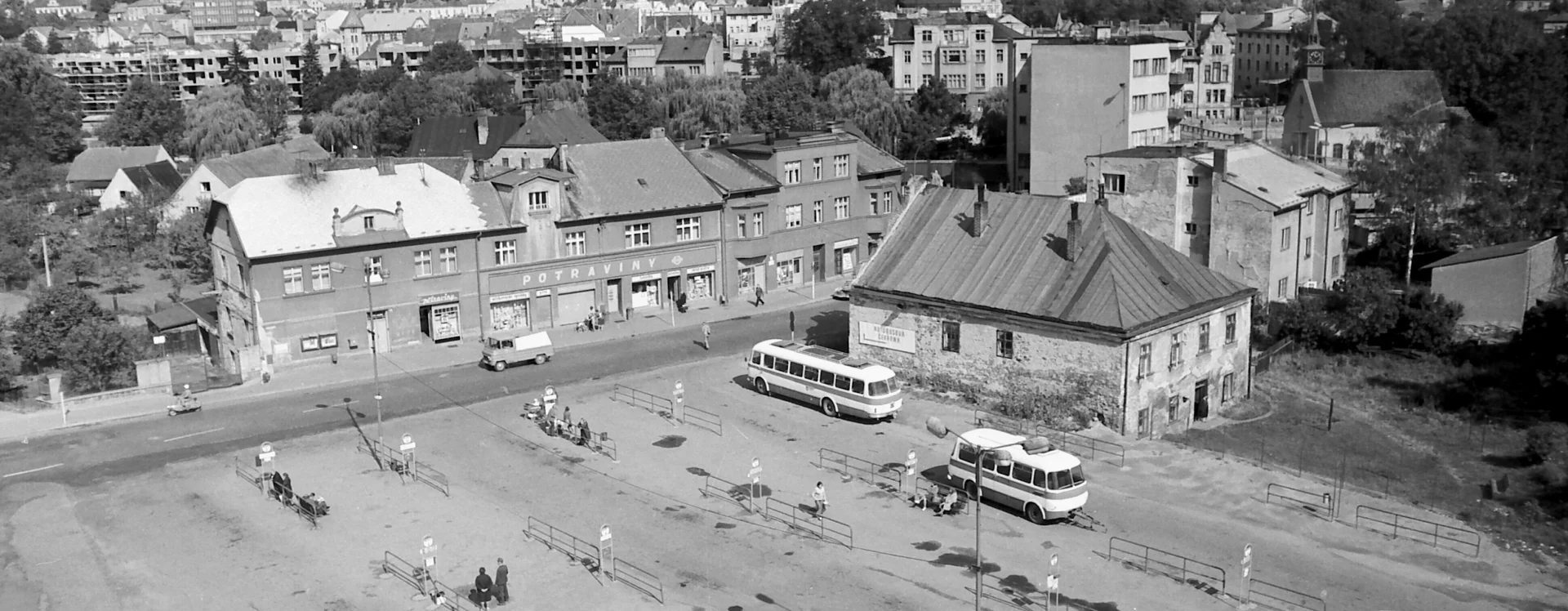
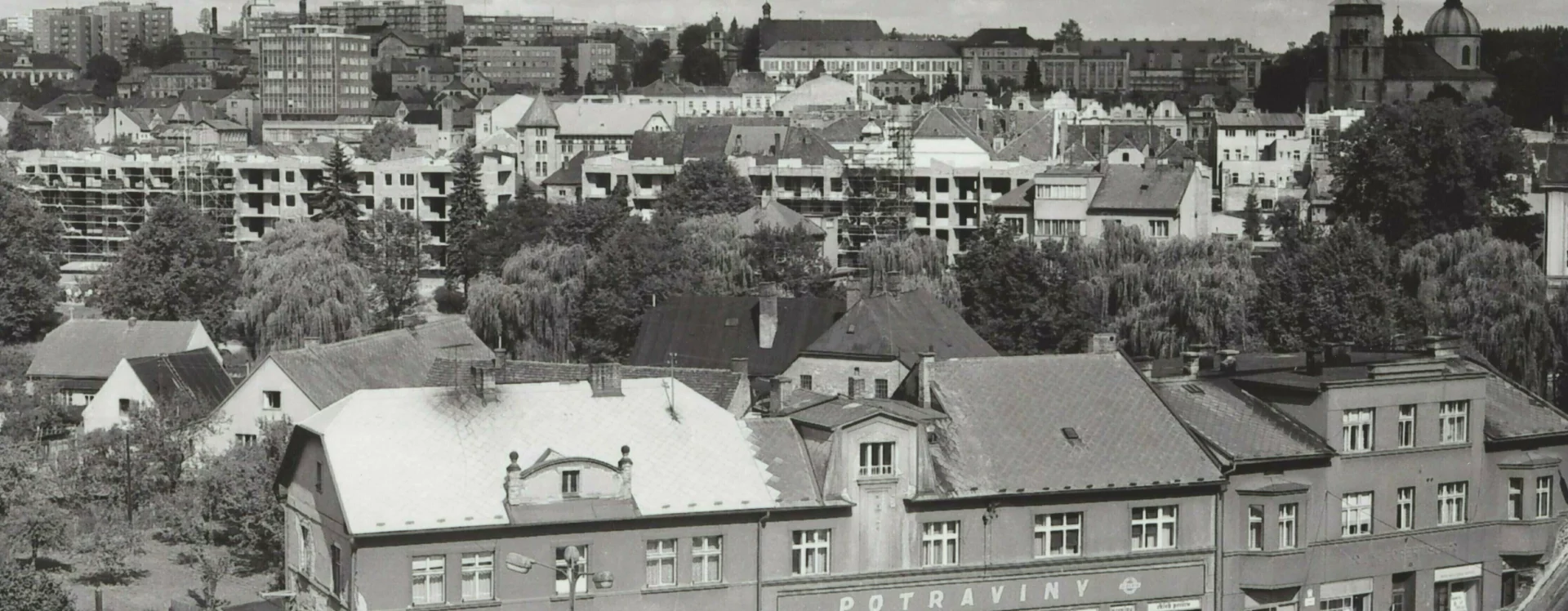
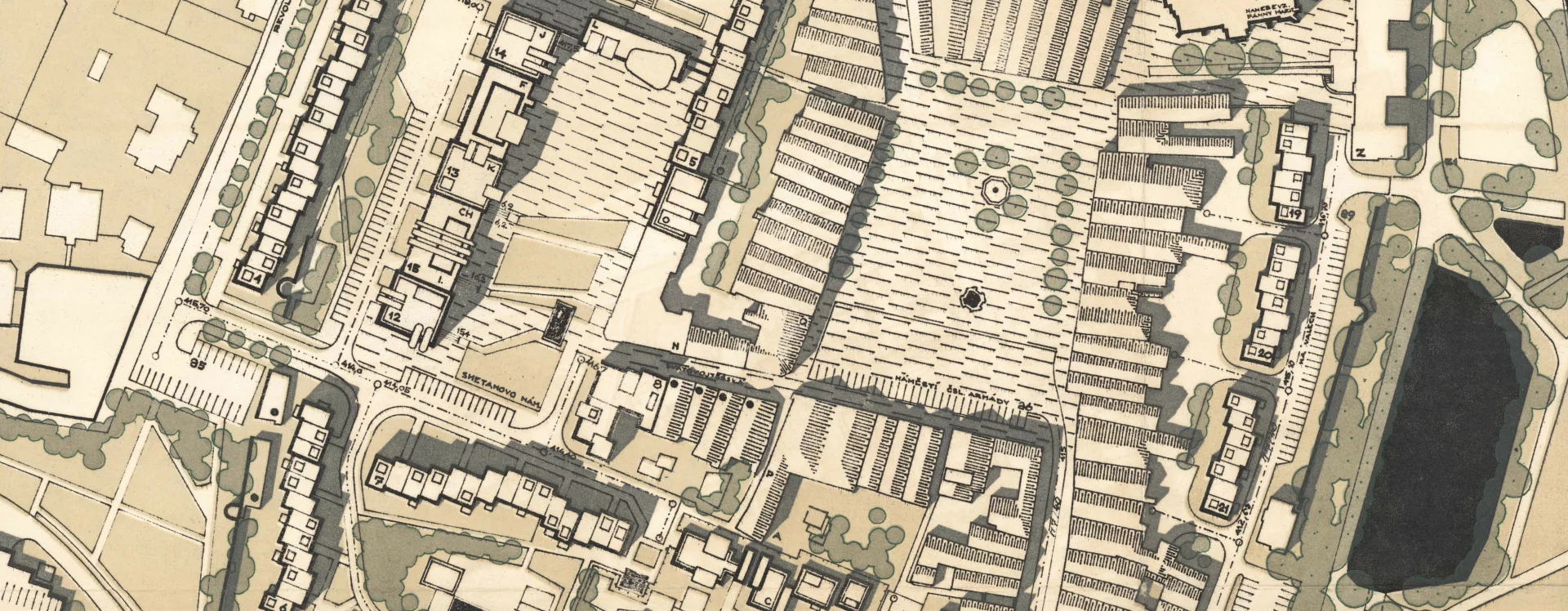
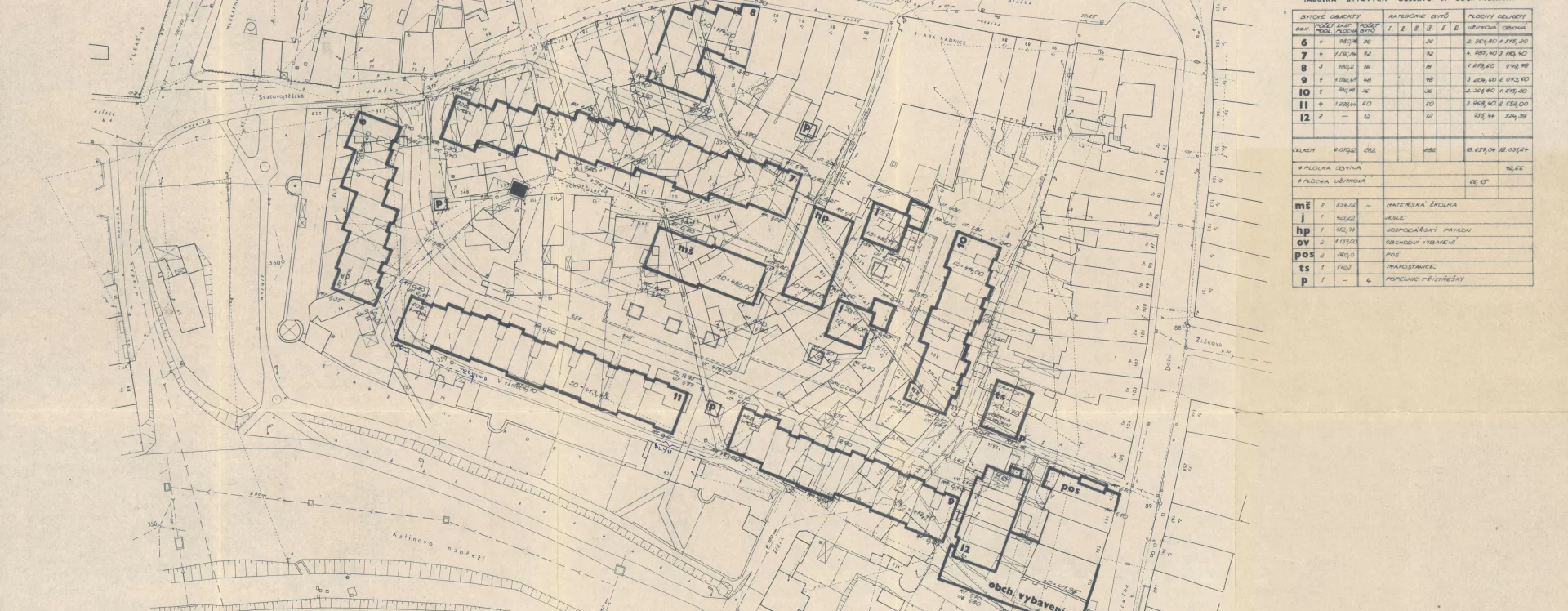
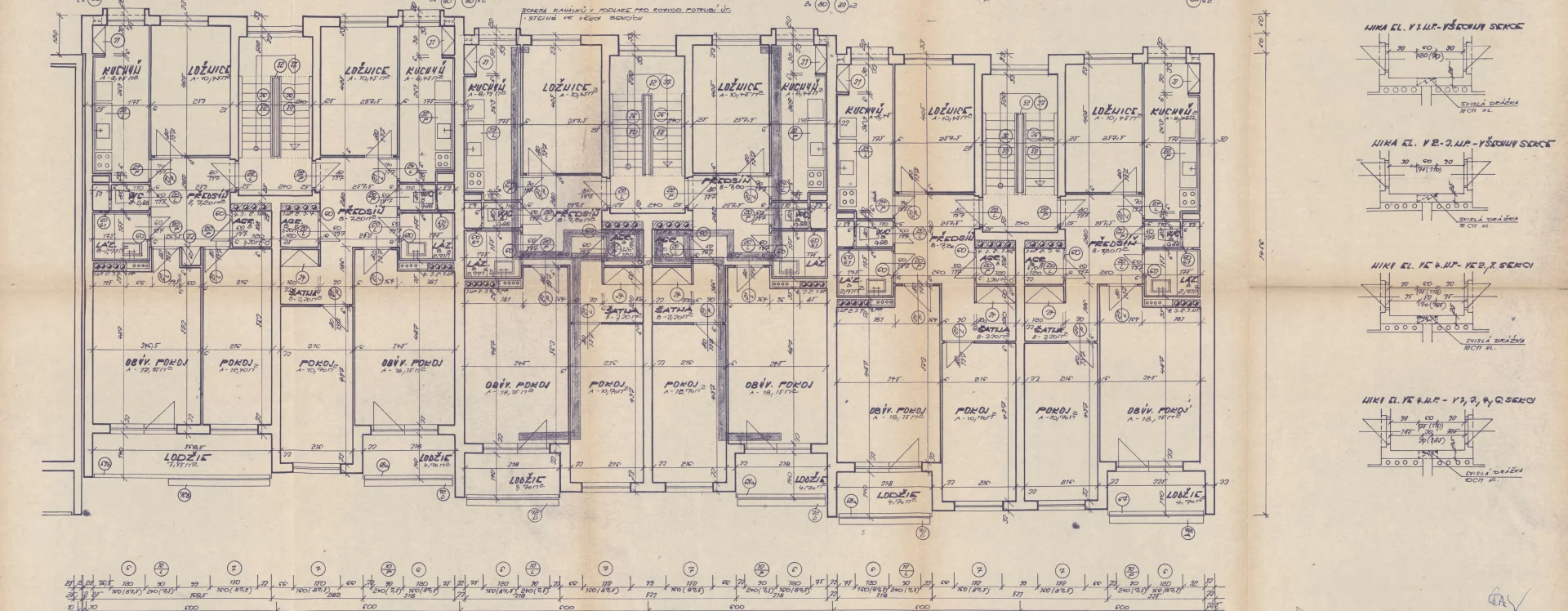
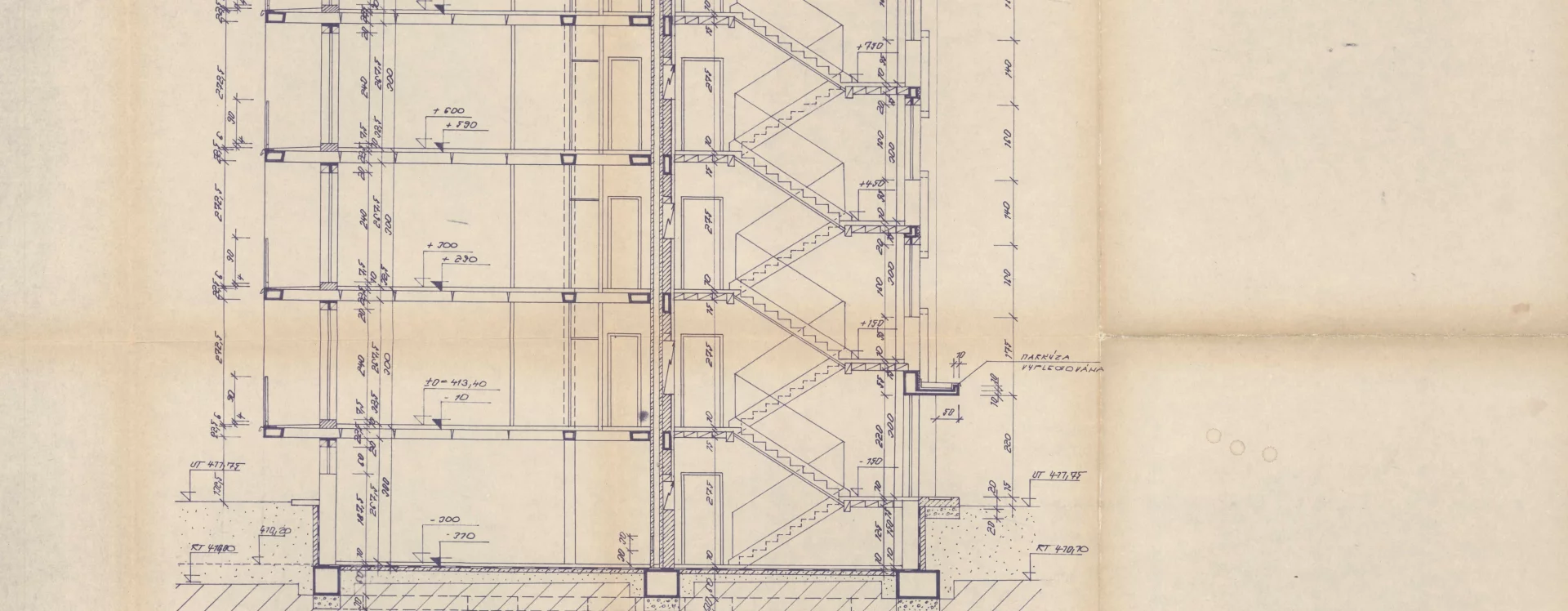
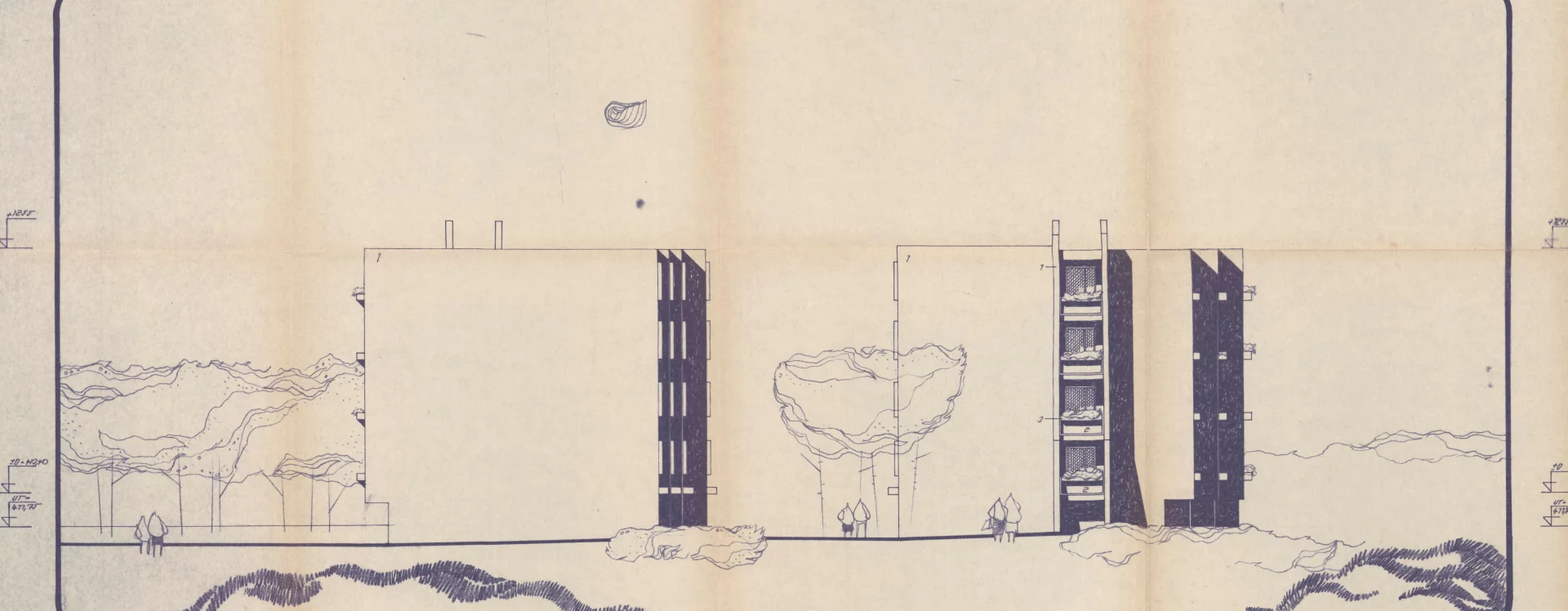
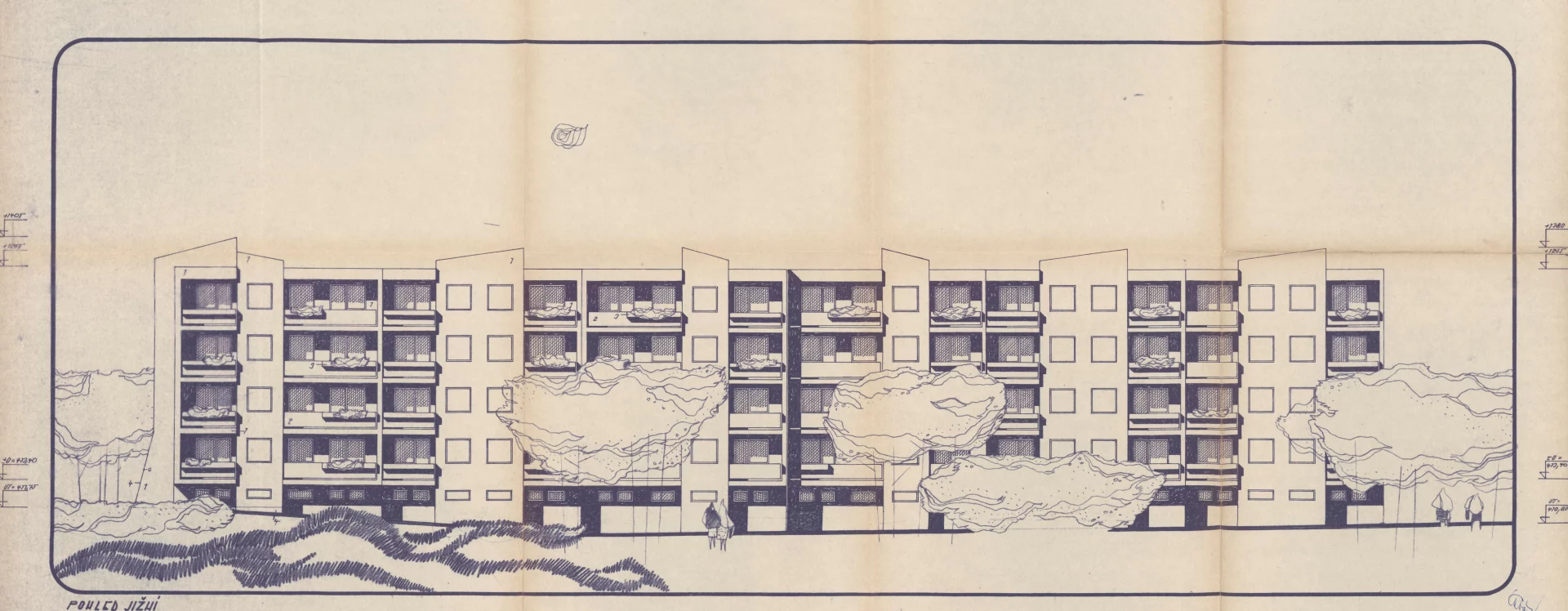
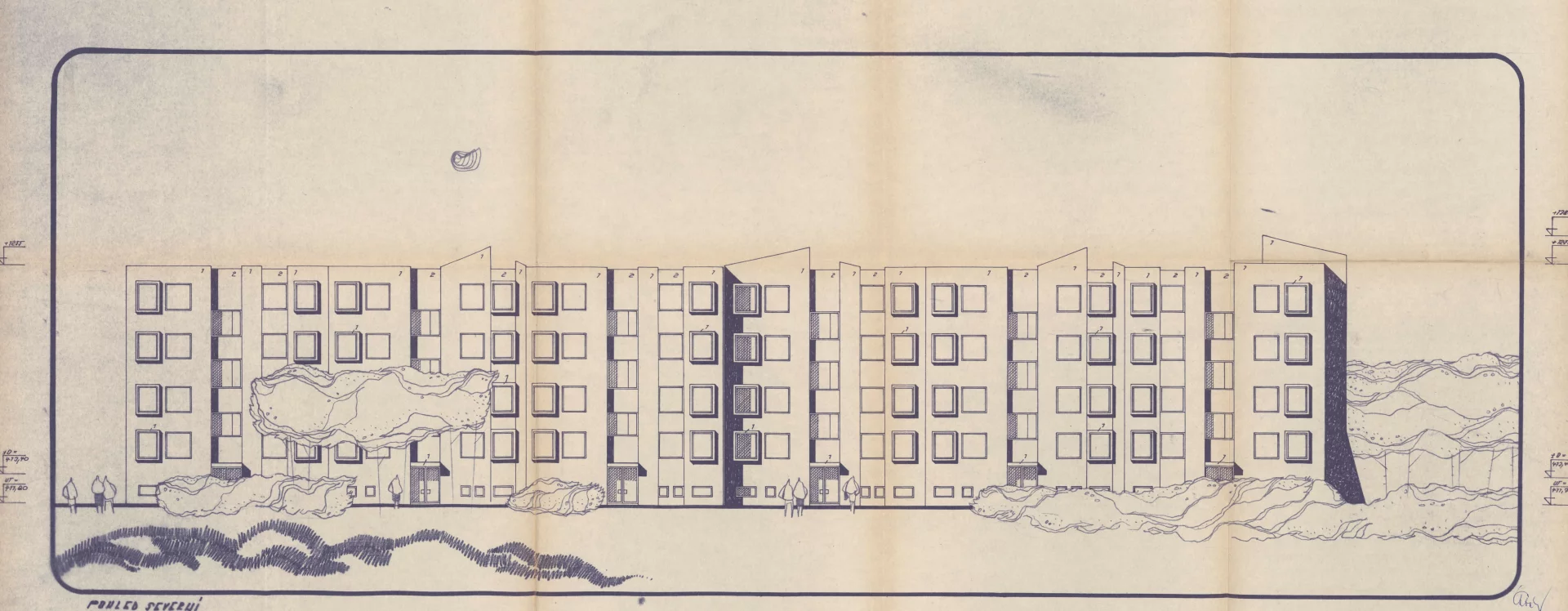
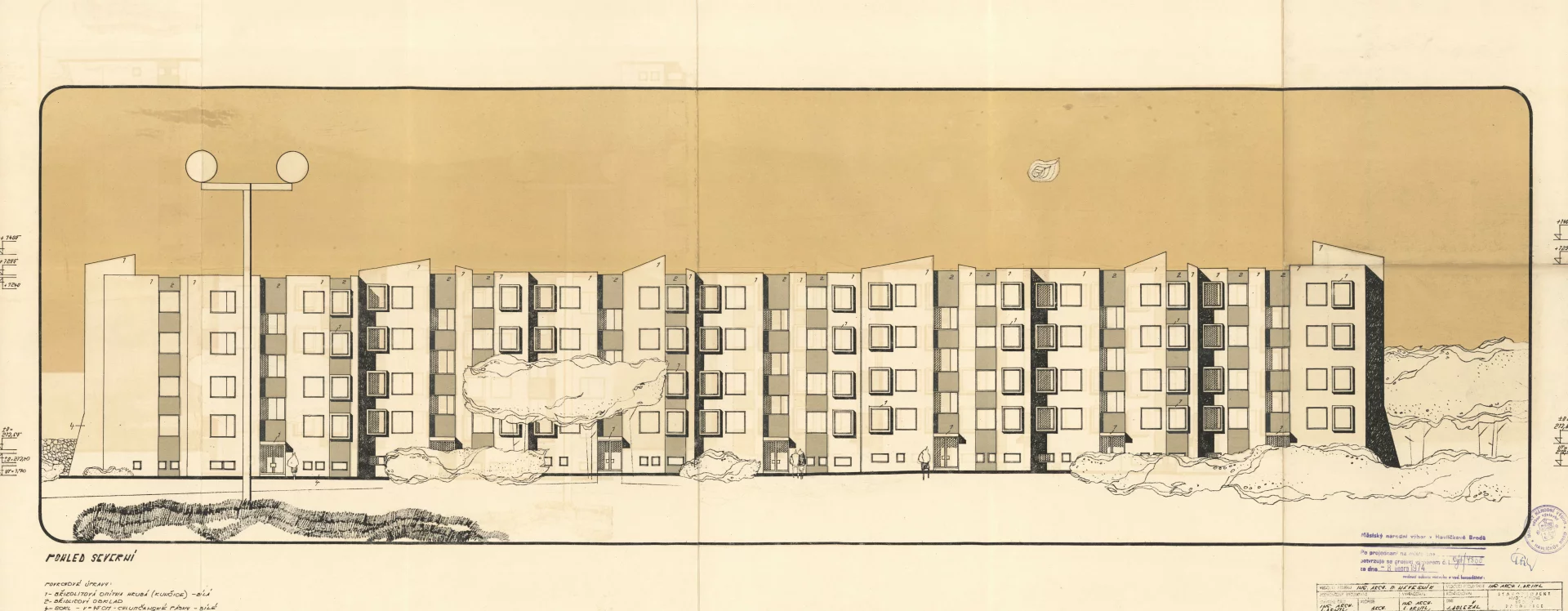
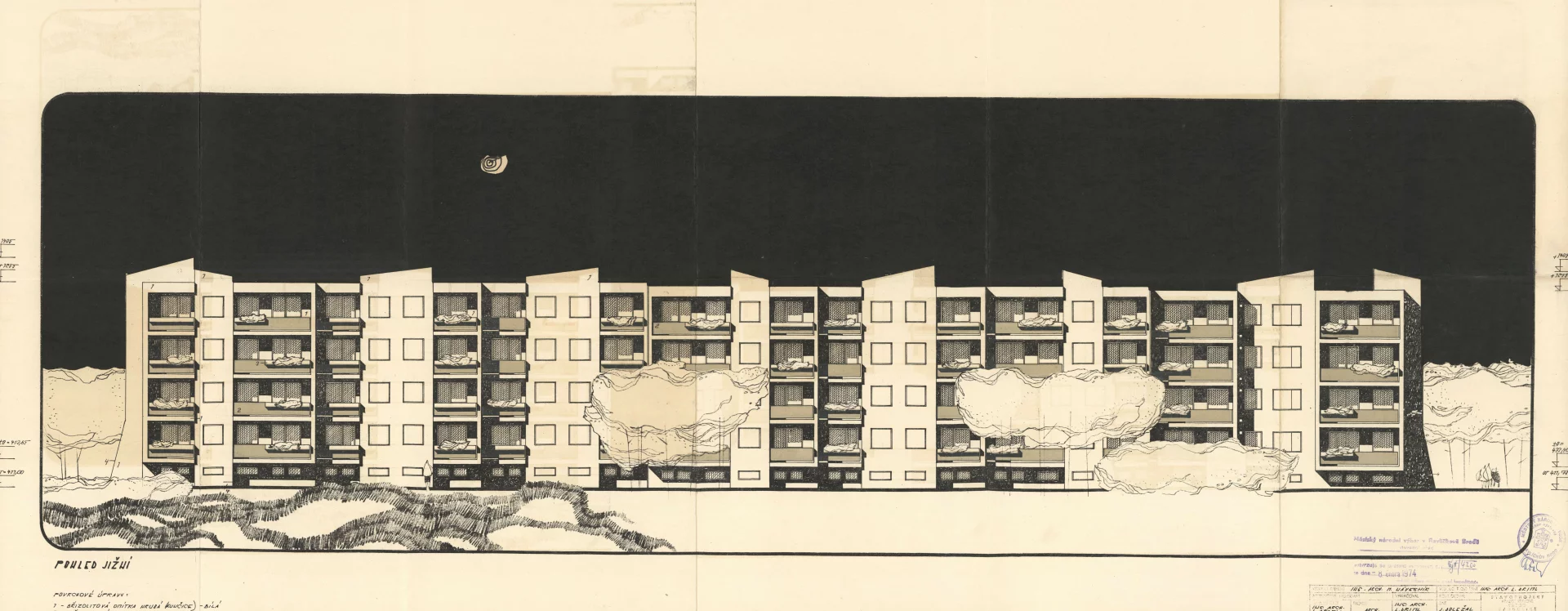
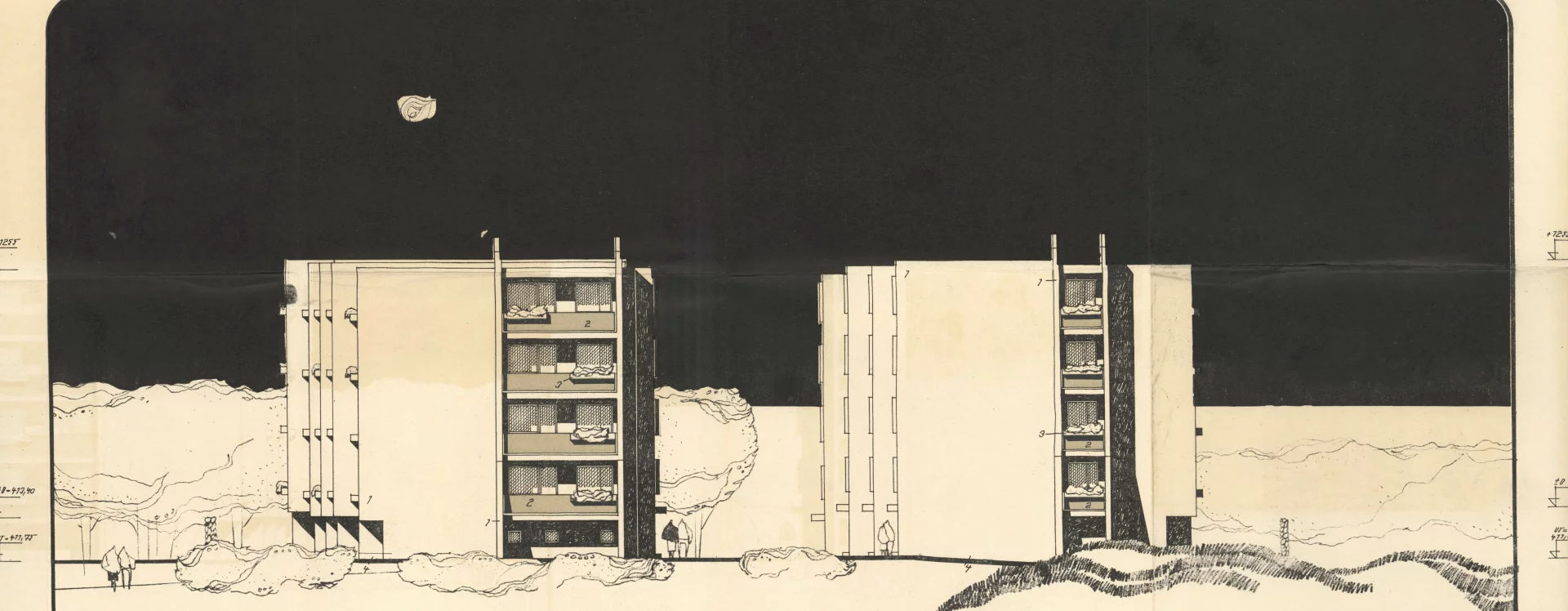
The area located in the historic centre of the town, bordered by the remains of the town walls, is marked by the Sázava River and the historic buildings around Havlíček Square. The site of the housing estate had previously been occupied by 89 unsuitable and unsanitary residential units and industrial buildings. In response to the housing crisis, the East Bohemian Regional National Committee in Hradec Králové proposed to the Municipal National Committee in Havlíčkův Brod the construction of a new housing estate. The first phase, on the south side, comprised 282 apartments, divided among municipal units, company apartments for the national enterprise Pleas, and cooperative apartments for the construction housing cooperative Svépomoc.
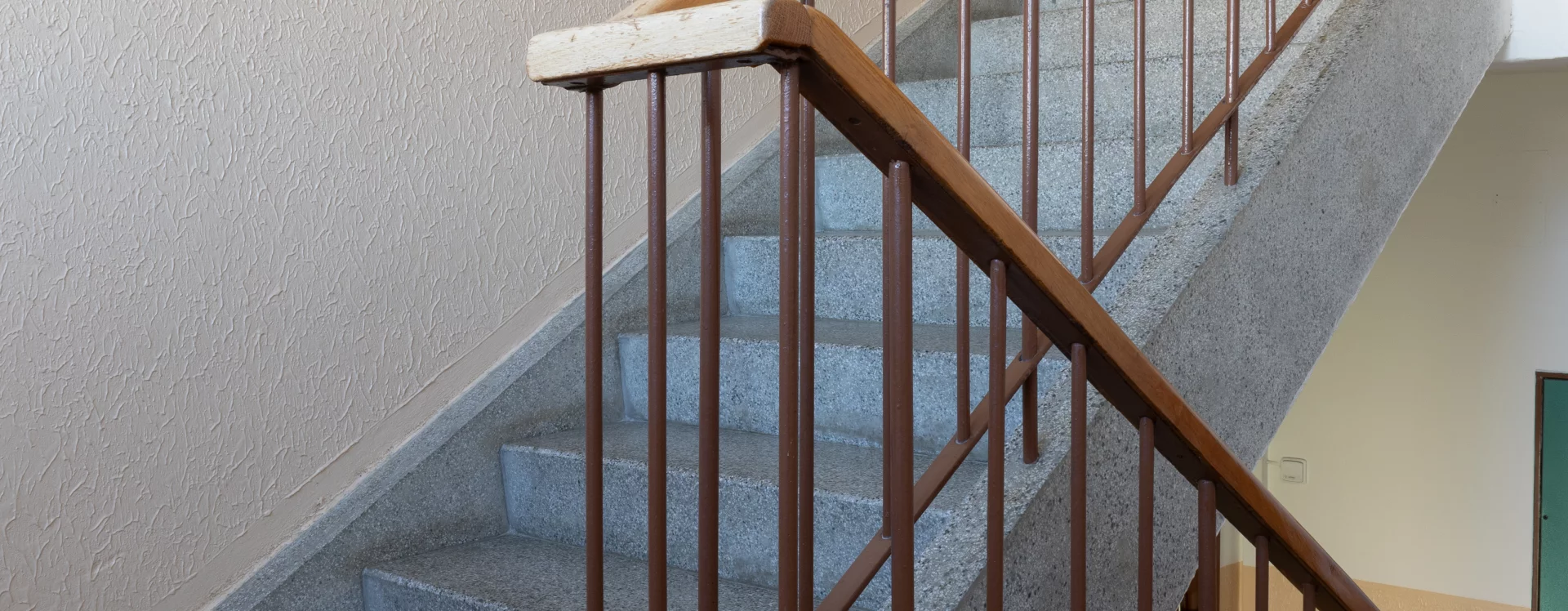
The first proposal to build the housing units was made as early as 1966. The competition for the urban design of the area, organized by the Municipal National Committee in Havlíčkův Brod, was won by Lubomír Driml, an architect from the Pardubice branch of Stavoprojekt. The location near the historic centre prompted several additional requirements from the national committee for the development of the housing estate, including the preservation of historical monuments. The town council required a high standard of workmanship and material quality to allow for advanced technological and layout solutions. The chosen construction methods were intended to ensure long-lasting durability and an architectural quality appropriate to the central location. The contractor for the residential buildings, Stavební a bytové družstvo Obzor Havlíčkův Brod, proposed a structure of traditional masonry or a skeleton frame with infill walls.
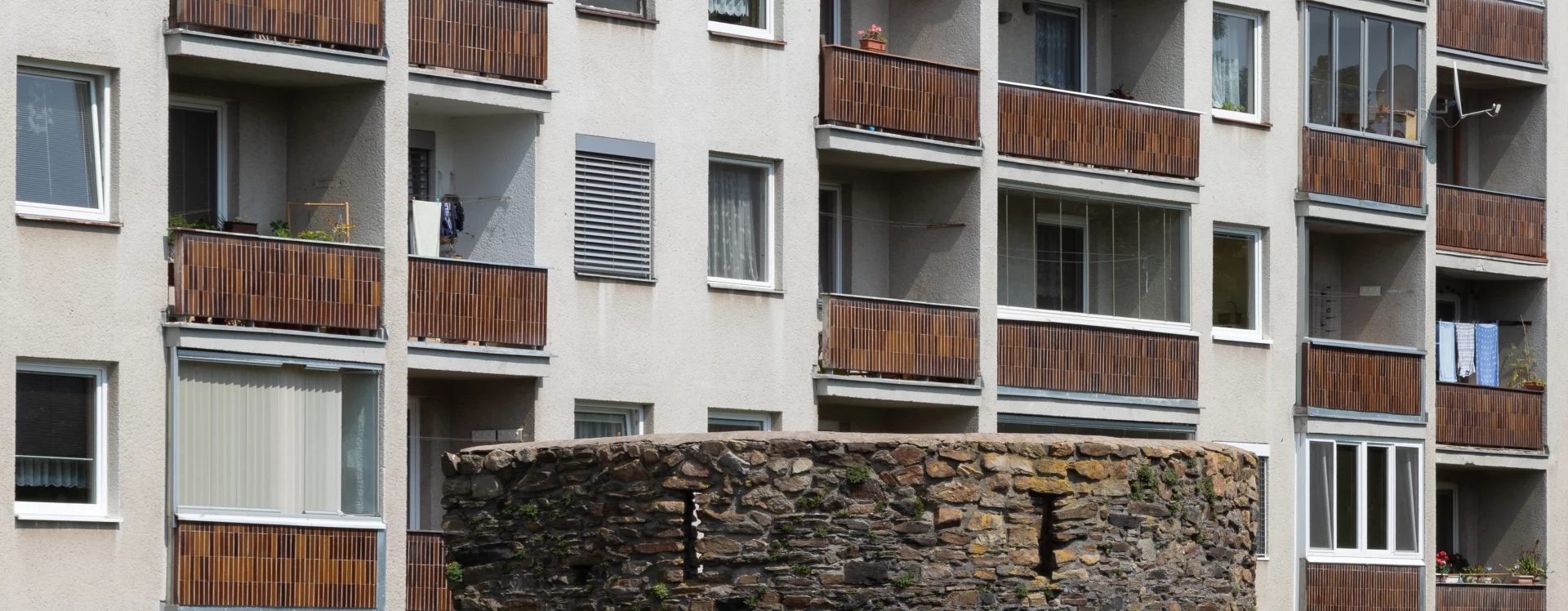
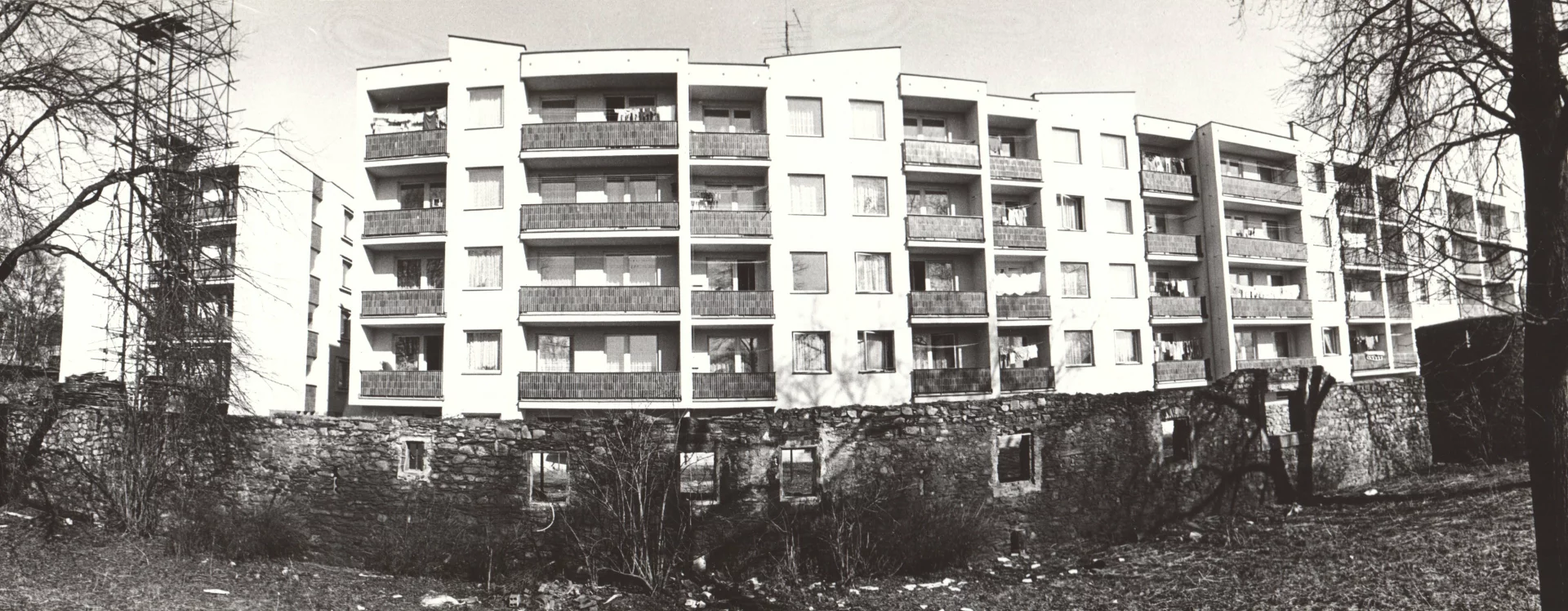
The requirements for the planning of the residential complex were also set by the Regional Centre for Monument Preservation in Pardubice. The implementation had to include the conservation of the adjacent sections of historic walls and bastions on the south and west sides of the site, which retained their status as protected monuments. Additional requirements from the heritage authority concerned the height of the buildings and the choice of materials.
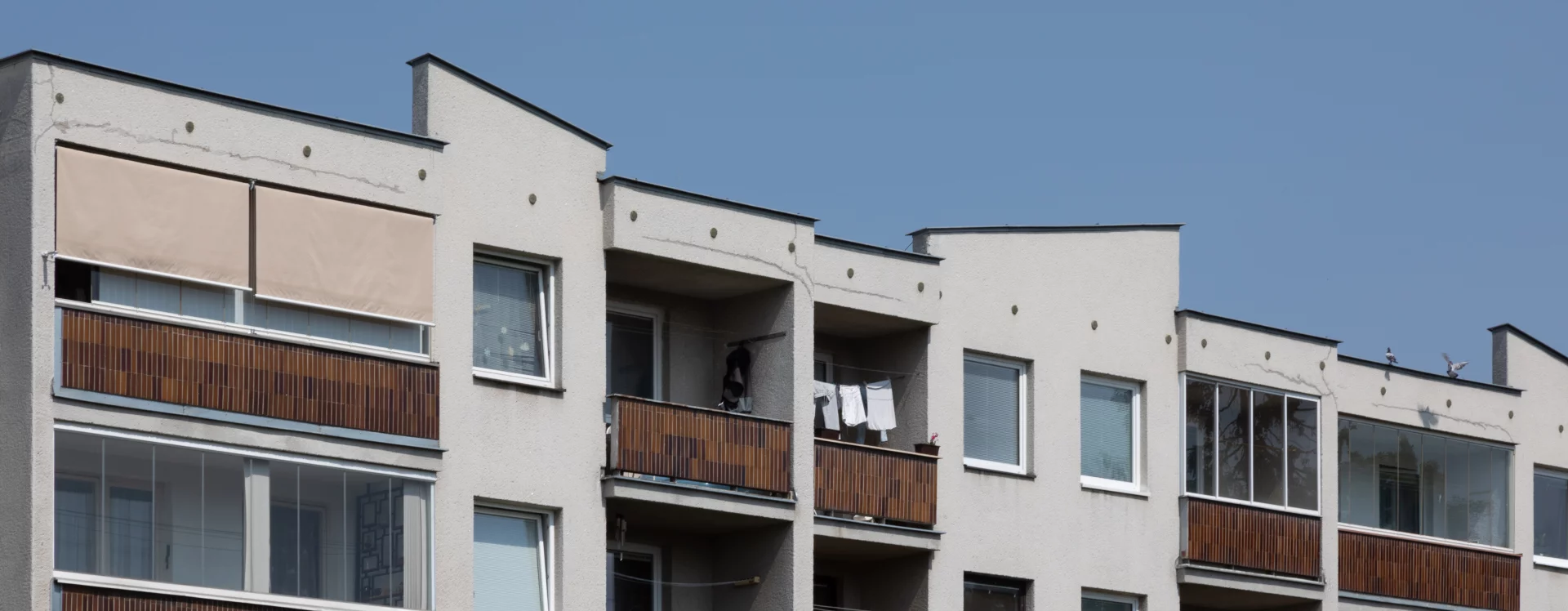
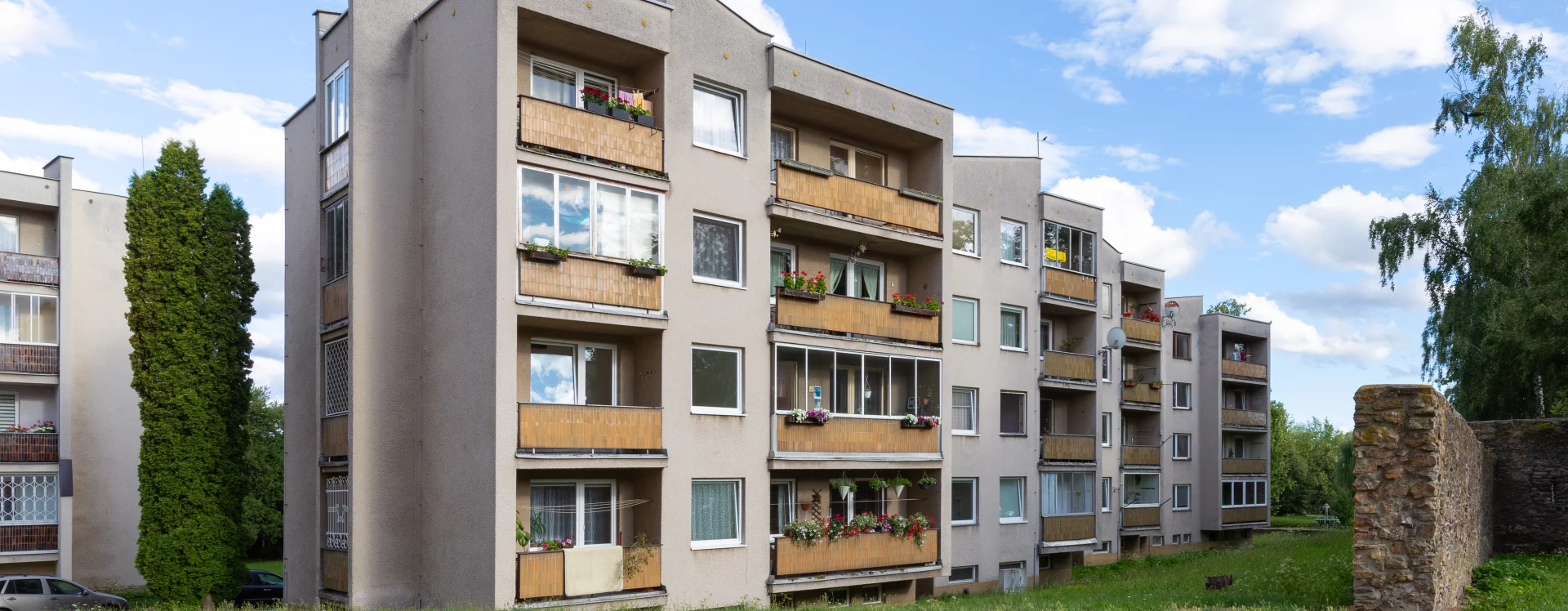
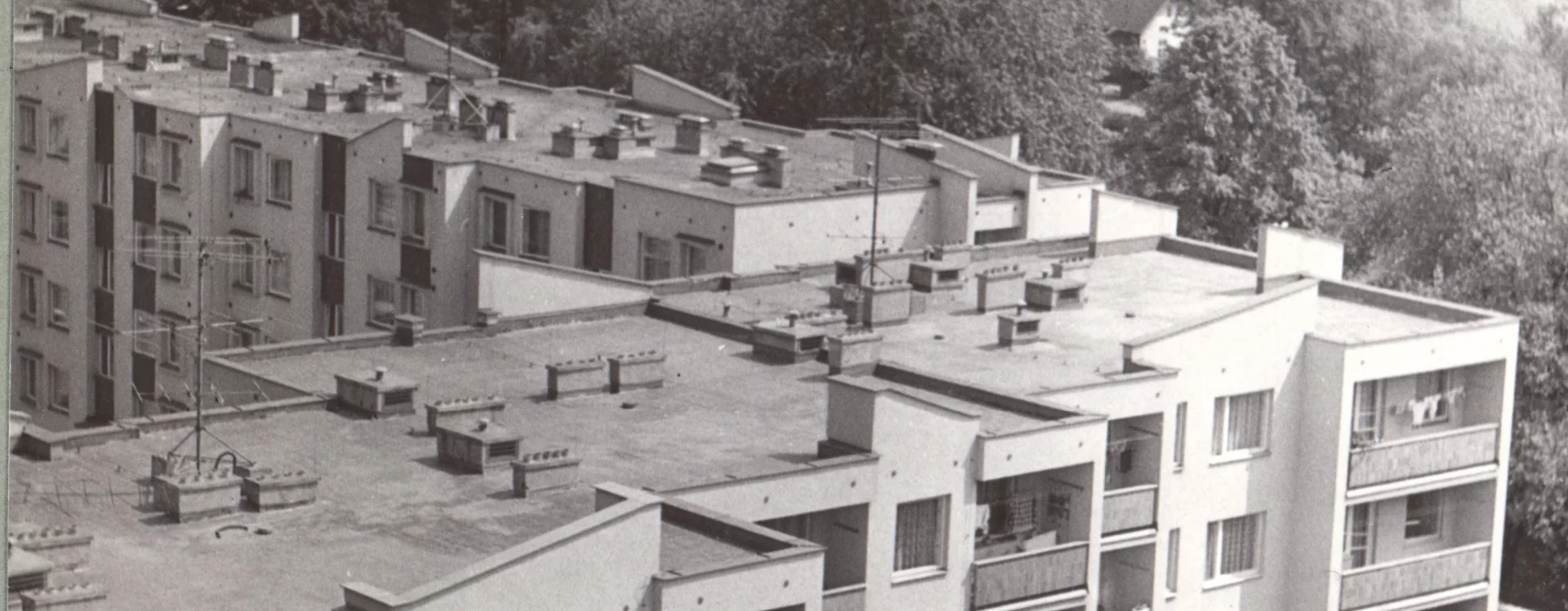
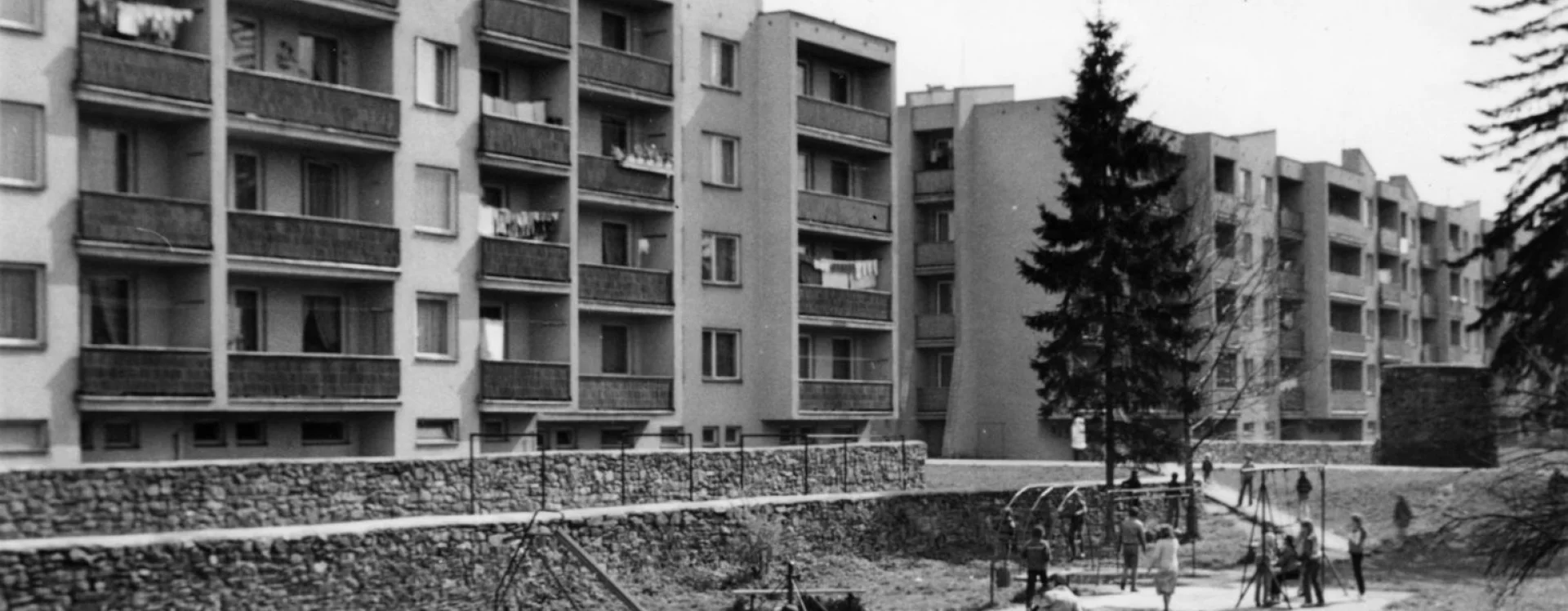
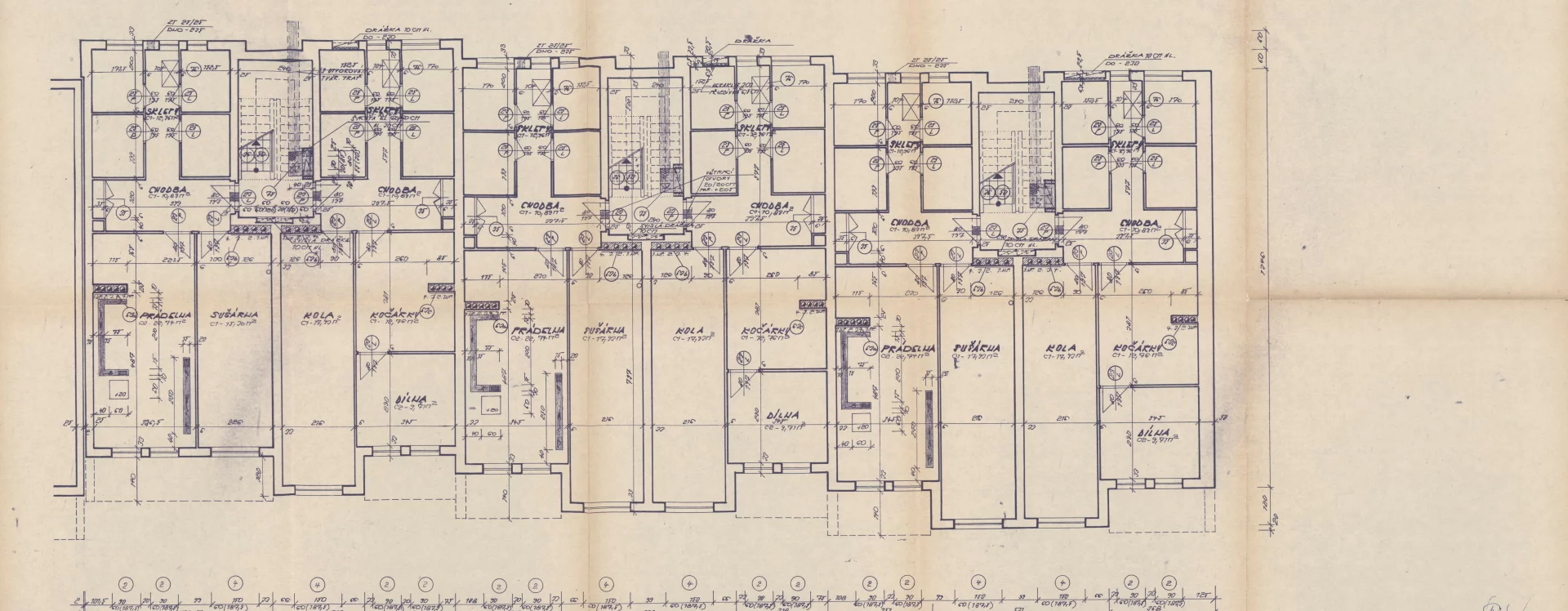
The first part of the housing estate consisted of five blocks of flats. The architect attempted to apply the characteristic features of the surrounding buildings to the new constructions. He designed a recessed layout for the individual blocks, but their highest part could not exceed the height of a standard fourth floor. The architect also adapted the appearance of the facades to the surrounding buildings. He applied elements of variously sloping gables and sloping walls. Driml used the same effects on the standalone residential buildings located in the historic centre of Havlíčkův Brod, on Příčná and Na Valech streets. The architect artistically complemented the facades with partial vertical brown ceramic cladding and the extension of some window sills. The overall appearance of the facades is completed by their irregular profiling, giving them the visual effect of ingenious compositions of geometric shapes, which is further enhanced by the play of light and shadow.
Although the presence of new residential developments in the context of historic town centres often sparks heated public debate, it must be said that in the case of the Trčkova and V Rámech housing estates, the creation of the project in the late 1960s allowed the architect to exploit the potential of the available technologies and his own inventiveness, in contrast to the controlled standardization of housing that began during the period of Normalization. The real origins of standardized construction during Normalization can be traced to the adjacent streets of Smetana Square (HB-VP-SN2). The contractor for the central part of the square, Pozemní stavby Pardubice, proceeded in the second phase of the housing estate’s construction to build standard T0 6B panel houses. This solution did not fit in with Driml’s design for the overall design of the area and thus had a negative impact on the appearance of the centre of Havlíčkův Brod.
Eliška Jedličková, 2025
Literature
Cesty Vysočiny. 1969. sv. číslo 28.
Lubomír Driml. Havlíčkův Brod - částečná přestavba obytné zóny. In: Architektura ČSR. 1978.
Havlíčkobrodský experiment. In: Tvorba. roč. 1981, č. 28, p. 20.
Vladislava Říhová, Zuzana Křenková. Sochy a města. České umění 50.–80. let 20. století ve veřejném prostoru: evidence, průzkumy a restaurování. In: Sochy a města. Available from: https://sochyamesta.cz/.
Sources
Státní oblastní archiv Hradec Králové (Zámrsk), fond Východočeský národní výbor v Hradci Králové 1960-1974. sv. inv. č. 3318.